
Last updated September 23, 2026
Free visual inspection and a written scope of work before any mitigation begins - photos, moisture readings, and drying logs go in your claim file
The scope we write is the scope we bill. Anything new gets shown to you, in writing, before we touch it.
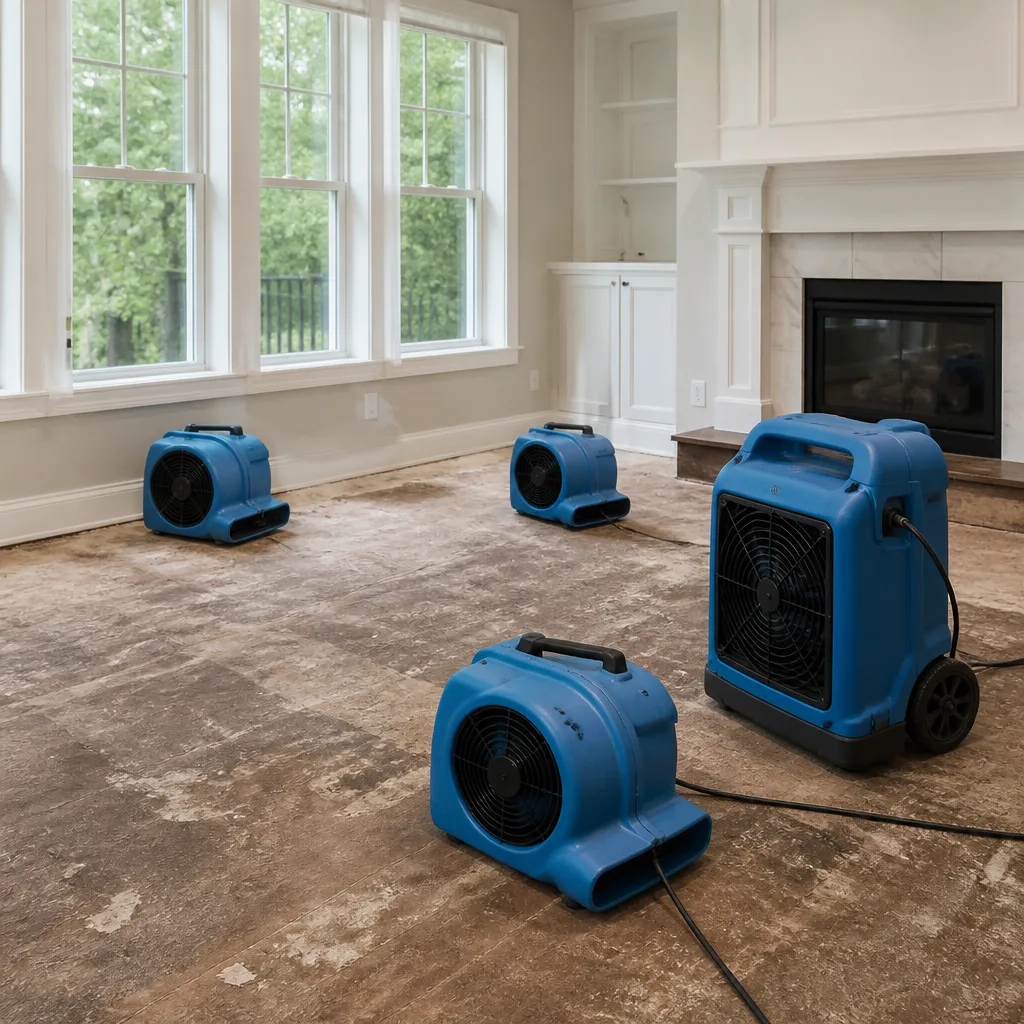

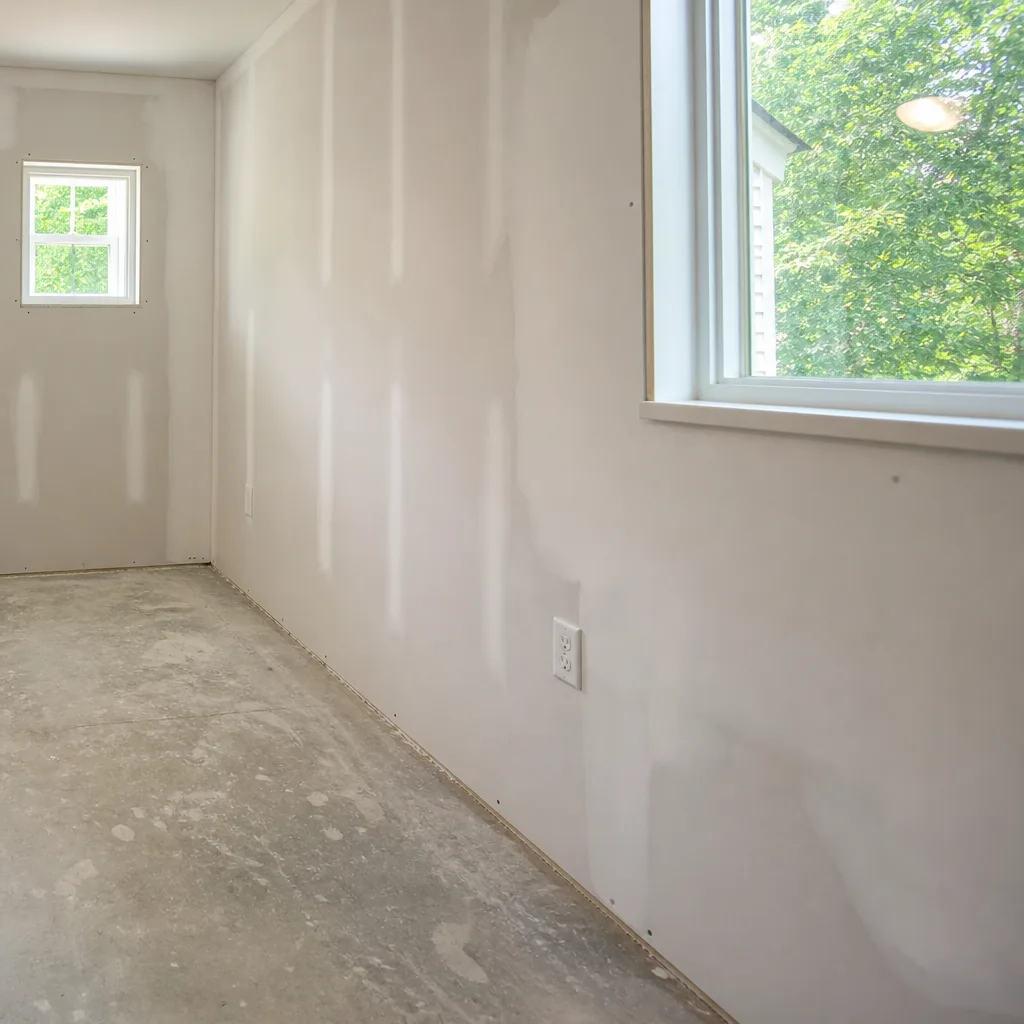
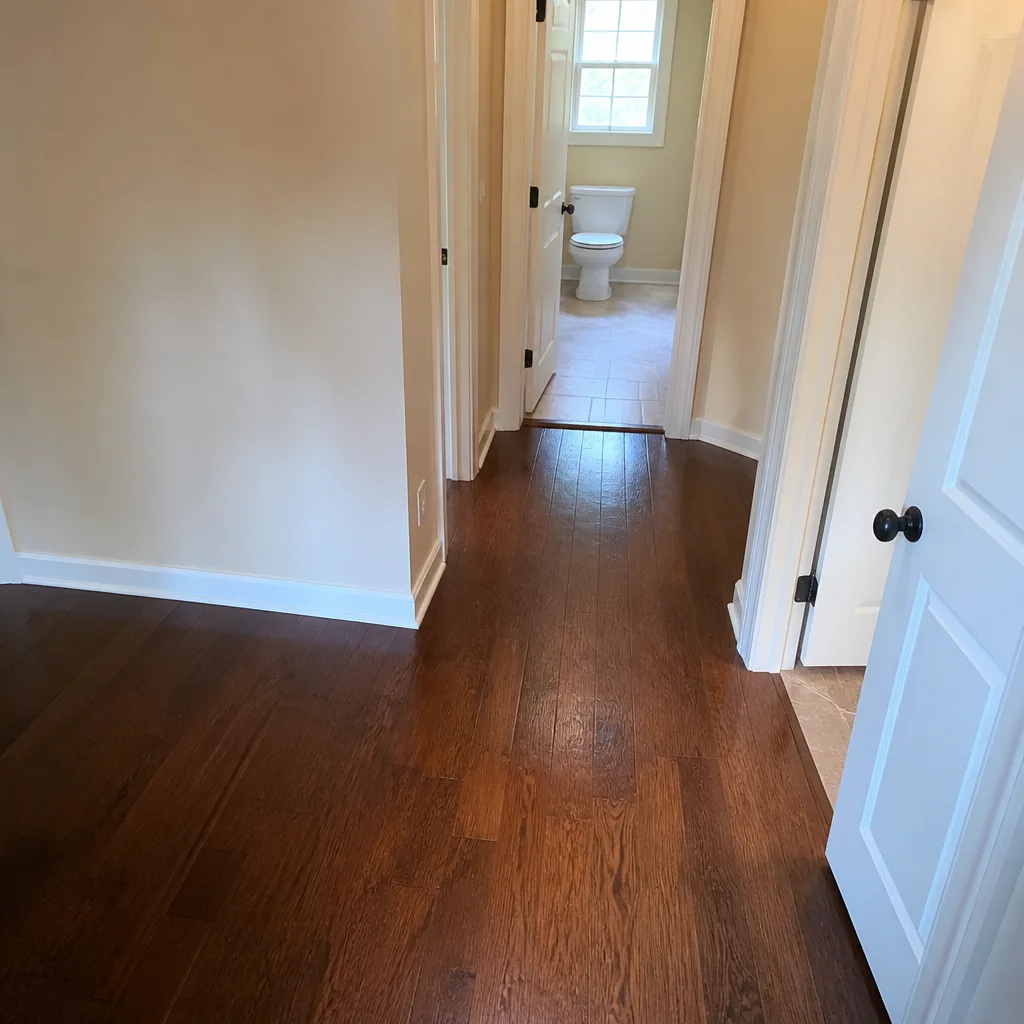
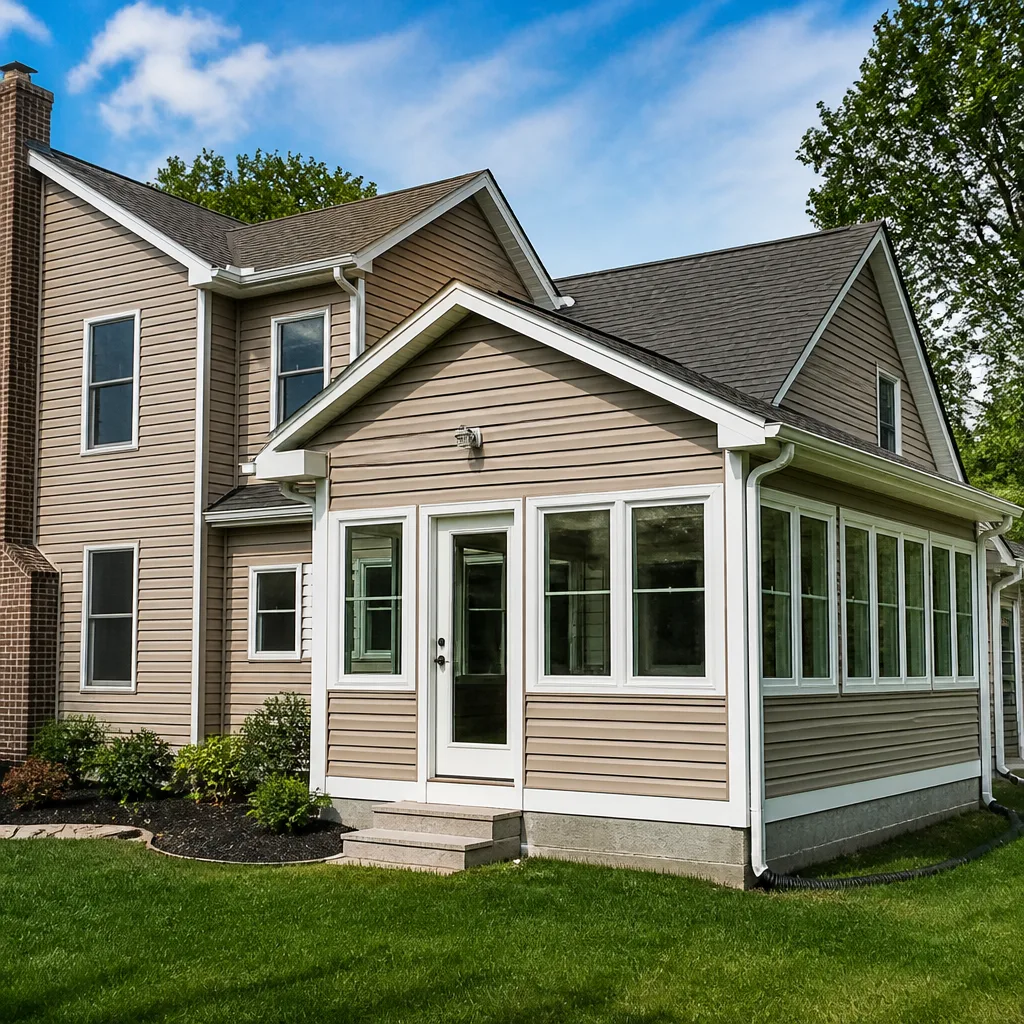
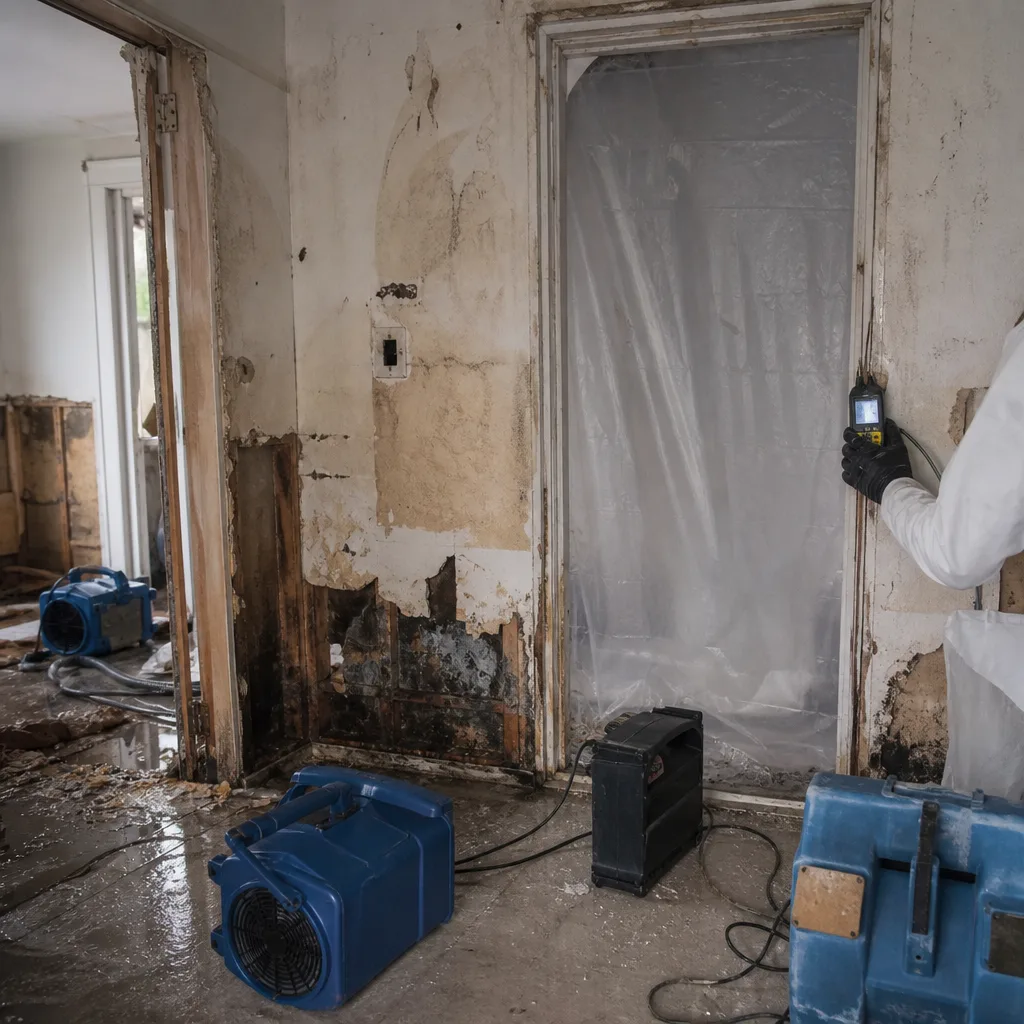 Before
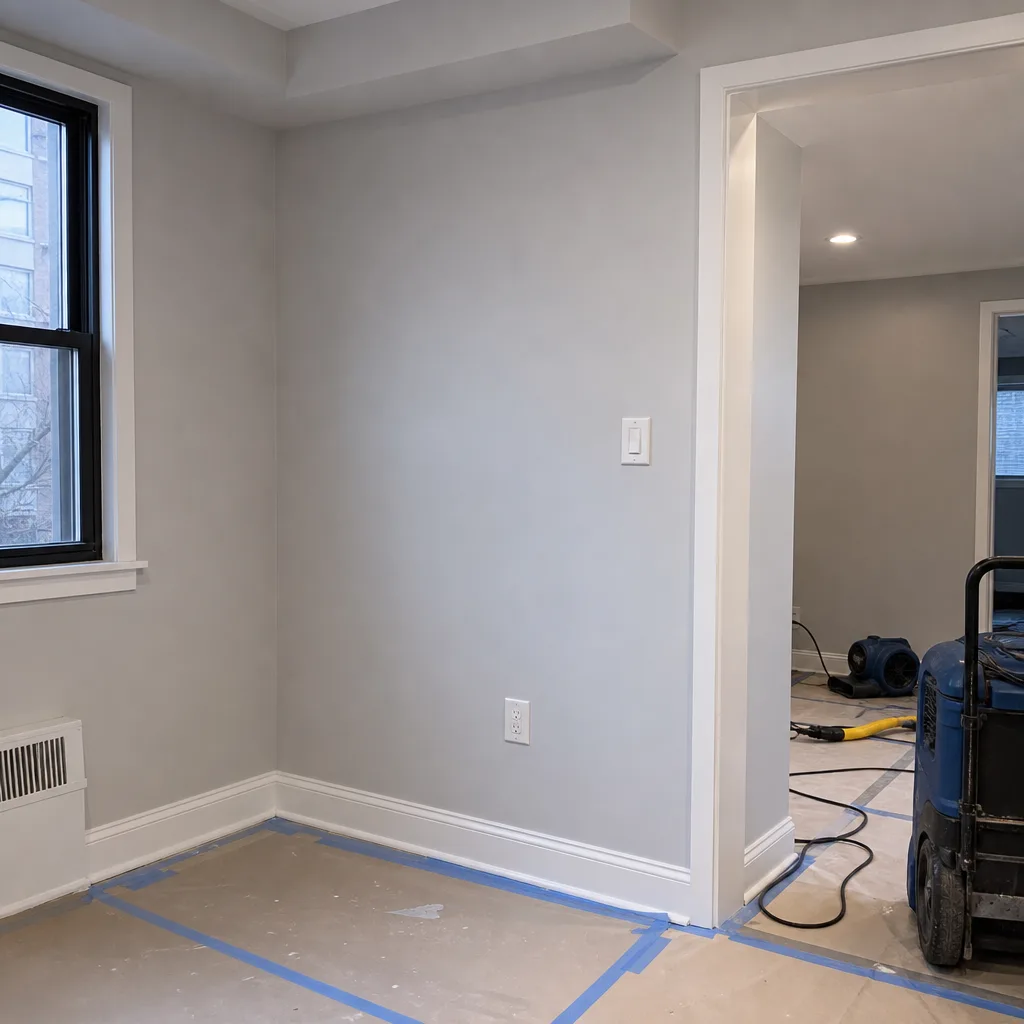 After
After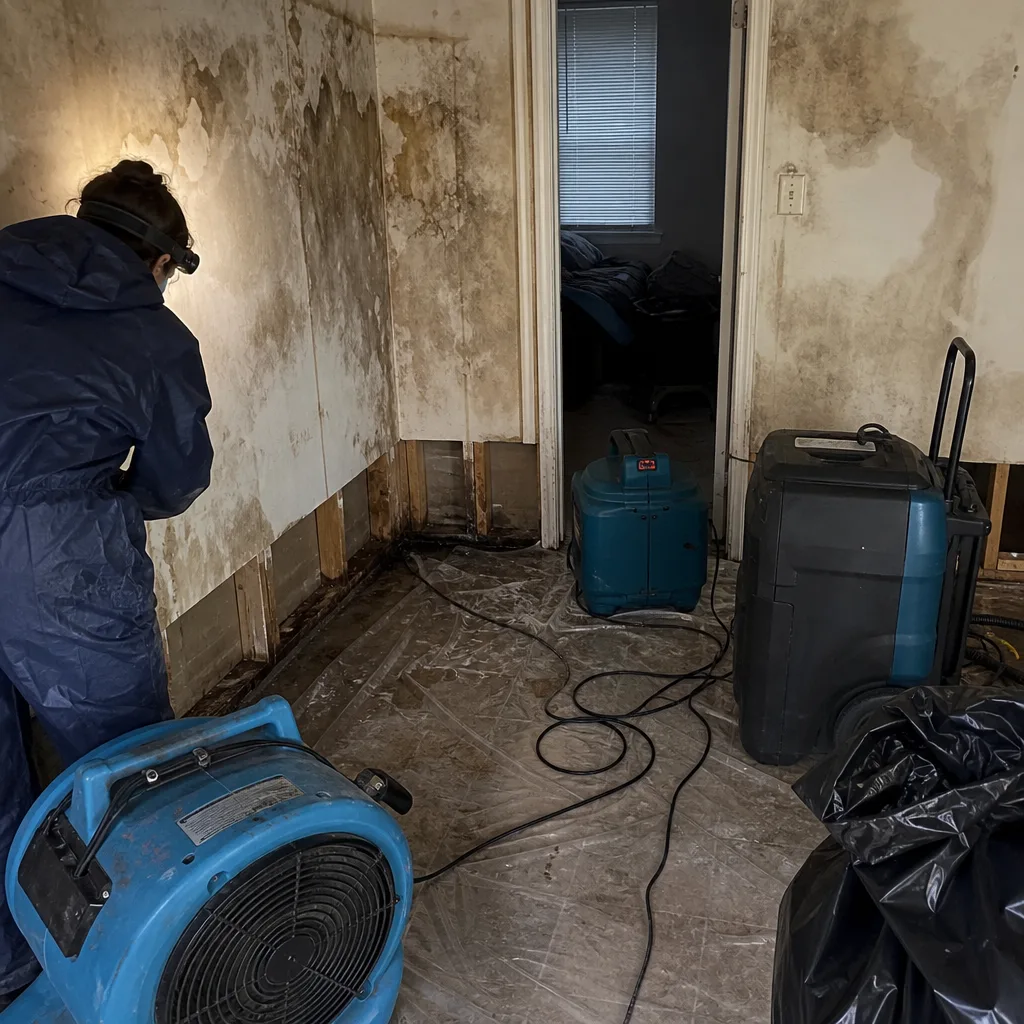 Before
 After
After Before
 After
AfterDamage Restoration Cost Breakdown: The Long Island City Homeowner’s Reference for 2026
The average restoration invoice isn’t rejected because the work cost too much - it’s rejected because the invoice can’t be matched line-by-line to documented measurements. In Long Island City, where pre-war co-ops sit beside glass towers and many buildings date to before 1980, restoration costs carry local variables that national averages miss entirely. This guide - and our more guides & resources - gives you the line-item vocabulary to read an estimate critically before signing, understand why a water damage restoration cost in Long Island City runs 15-25% above national benchmarks, and spot the documentation gaps that turn a covered loss into an out-of-pocket expense.
Quick Answer
Water damage restoration in Long Island City typically costs $3,200-$8,500 for a mid-size residential loss (1,200-2,500 sq ft affected), with emergency service calls starting at $350-$500 and full reconstruction adding $45-$85 per square foot. Final pricing depends on building access, material age (asbestos testing adds $400-$800 in pre-1980 properties), and whether the estimate is built on Xactimate pricing or contractor-internal rates. The gap between those two pricing systems is where most insurance disputes begin.
Table of Contents
- Why Restoration Costs in Long Island City Differ from National Averages
- Line-by-Line: A Typical Mid-Size Water Loss in LIC
- Xactimate vs. Contractor Pricing: Where Disputes Originate
- How Scope Creep Happens and How to Stop It
- Mold, Fire, and Storm Damage: Different Math, Same Documentation Rules
- The Documentation That Gets Claims Paid
- What the 365-Day Done Right Promise Means in Real Dollars
- Common Mistakes to Avoid
- When to Call a Professional
- Frequently Asked Questions
BeforeAfterWhy Restoration Costs in Long Island City Differ from National Averages
Restoration pricing in Long Island City doesn’t track with national figures for four concrete reasons. Understanding each protects you from sticker shock and from contractors who quote low and invoice high.
Building access constraints. Many LIC properties are walk-ups or buildings with freight elevators too small for standard drying equipment. In a sixth-floor walk-up on 44th Drive, we’ve carried Phoenix dehumidifiers and Injectidry floor-drying systems up stairwells, adding 2-3 labor hours to equipment placement. Elevator buildings aren’t always simpler: co-op boards often restrict service hours, requiring after-hours premiums or weekend scheduling that adds 20-30% to labor rates.
NYC DEP water discharge fees. Extracted water from Category 2 or 3 losses cannot legally discharge to storm drains in New York City. Proper disposal requires DEP-permitted transport to licensed facilities, with fees running $85-$150 per 1,000 gallons. A flooded basement in Hunters Point with 4,000 gallons of standing water carries $340-$600 in disposal costs that a national estimate simply won’t include.
Pre-1980 asbestos abatement requirements. Buildings constructed before 1980 in Queens require asbestos testing before any demolition that disturbs suspect materials. In Long Island City, where much of the housing stock predates 1960, this isn’t optional. A positive test triggers licensed abatement at $15-$25 per square foot, plus 3-5 days of containment setup. We’ve seen $2,000 water losses become $7,000 projects because a contractor skipped testing and hit asbestos mid-demo, halting work until proper abatement could be arranged.
Labor rates above national benchmarks. Queens restoration technicians earn 18-22% above the national median, driven by NYC living costs and union prevailing-wage requirements on certain building types. Xactimate’s regional pricing for Queens County reflects this, but many out-of-area contractors use national defaults and then surcharge after arrival.
Line-by-Line: A Typical Mid-Size Water Loss in Long Island City
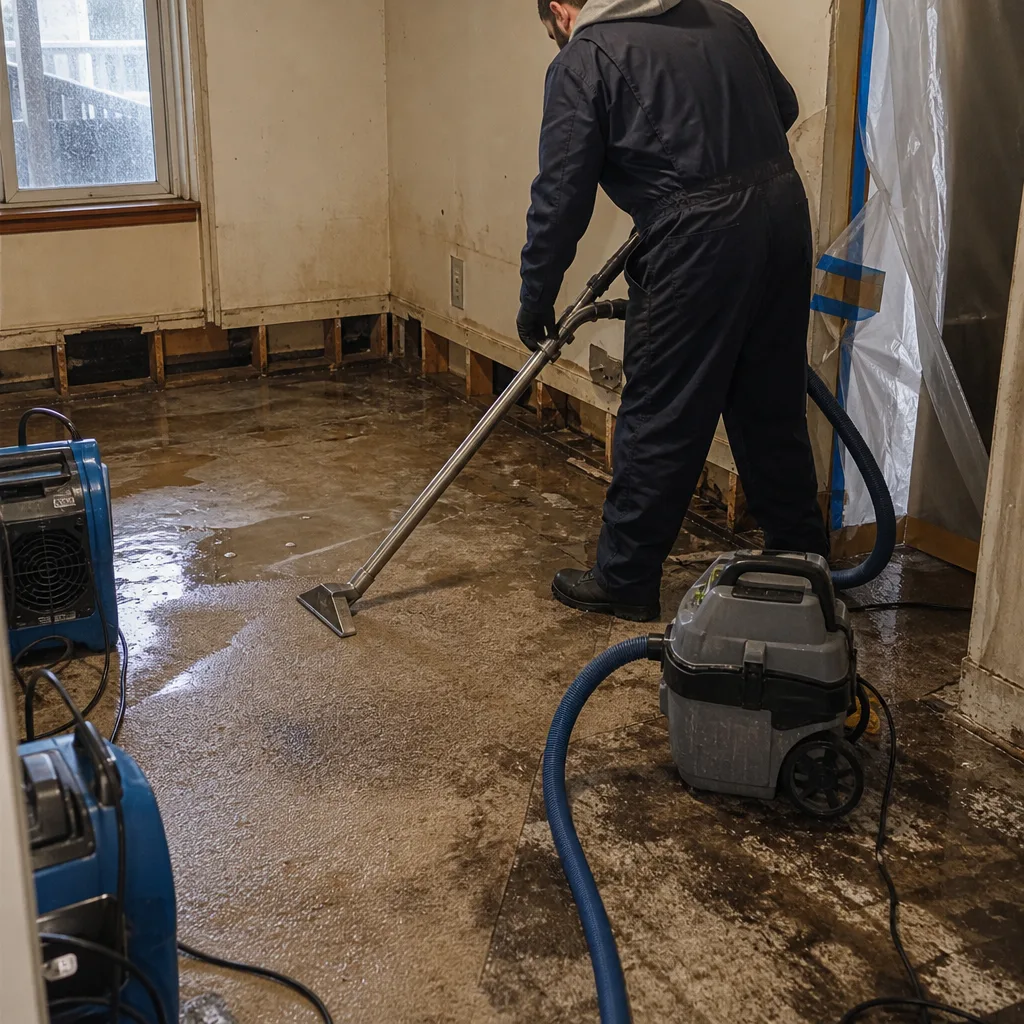
Here’s how a 1,800 square foot water loss in a Long Island City garden apartment breaks down, with the documentation each line requires to survive adjuster review. These figures represent 2026 market rates for Queens County.
| Line Item | Cost Range | Required Documentation |
|---|---|---|
| Emergency service call (after-hours) | $450-$650 | Time-stamped arrival photo, moisture meter readings at entry |
| Water extraction (per sq ft) | $1.50-$3.00 | Pre- and post-extraction moisture readings, extraction volume log |
| Equipment placement and setup | $350-$600 | Equipment serial numbers, placement photos, psychrometric data (temperature, relative humidity, dew point) |
| Daily monitoring (per day, 3-5 days typical) | $200-$350 | Daily moisture logs with grain-per-pound readings, equipment performance checks |
| Demolition (affected materials only) | $2.50-$5.00 per sq ft | Pre-demo photo record, asbestos clearance (pre-1980), waste manifest |
| Disposal (including DEP fees) | $85-$150 per 1,000 gal | Transport receipts, licensed disposal facility documentation |
| Antimicrobial application | $0.75-$1.50 per sq ft | Product SDS, application log, treated-area photo record |
| Rebuild / reconstruction | $45-$85 per sq ft | Written scope signed before work, progress photos, final walk-through documentation |
Total for a typical mid-size loss with 5-day dry time and partial rebuild: $3,200-$8,500. Add $400-$800 for asbestos testing in pre-1980 buildings, and $1,200-$3,500 if full abatement is required.
The documentation column matters as much as the dollar column. An adjuster reviewing a claim has one question: can each charge be matched to a documented measurement? A line for “daily monitoring, $875” with no corresponding moisture log is a denied line. A line for “demolition, $1,400” with no pre-demo photo record or asbestos clearance is a flagged line. Water Damage Restoration in Long Island City from DryMark Restoration Long Island City includes every document listed above as standard, never as an upsell.
Xactimate vs. Contractor Pricing: Where Disputes Originate
Most insurers price claims using Xactimate, the estimating software that sets regional unit costs based on aggregated contractor bids, material pricing, and labor rates. Xactimate’s Queens County pricing for 2026 reflects local conditions better than national defaults, but gaps still open between Xactimate and actual contractor invoices.
Here are the three most common gaps we see in Long Island City:
- Elevator/building access premiums. Xactimate assumes ground-floor access with standard door widths. A Long Island City co-op with a 32-inch service door and stair-only access requires equipment breakdown and manual carry, adding labor hours Xactimate doesn’t auto-calculate.
- After-hours and weekend restrictions. Many LIC buildings, especially co-ops on Center Boulevard and 48th Avenue, limit service work to weekdays 9-5. Emergency water damage doesn’t respect those hours, and after-hours premiums run 1.5-2x standard rates. Xactimate applies after-hours multipliers unevenly.
- Specialty equipment for dense construction. Pre-war buildings with plaster-and-lath walls don’t dry like standard drywall. Injectidry systems that force dry air through wall cavities cost more per day than standard air movers, but they’re often the only way to achieve tertiary drying (the final phase where moisture is removed from deep within materials) without full demolition. Xactimate’s line item for “specialty drying” is frequently disputed if the adjuster doesn’t understand why standard equipment failed.
The gap between Xactimate and contractor pricing isn’t anyone’s fault. It’s a mismatch between averaged data and specific conditions. The fix is documentation: photos showing the 32-inch door, the building’s service-hour restrictions, the moisture readings that proved standard drying insufficient. A contractor who can’t produce that documentation is asking you to absorb the gap. At DryMark Restoration Long Island City, we build every estimate with the assumption that an adjuster will question it, and we include the evidence to answer before they ask.
How Scope Creep Happens and How to Stop It
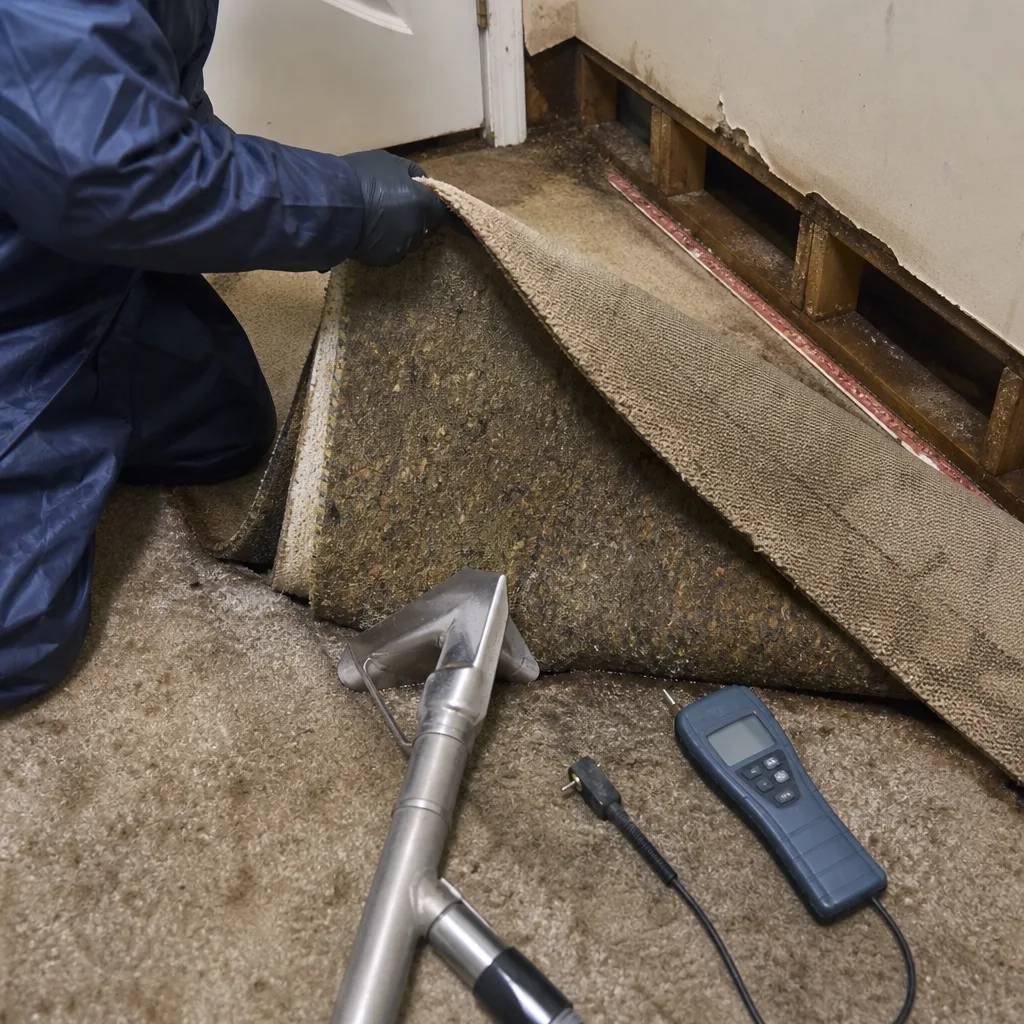
Scope creep is the silent cost killer in restoration. It happens when work begins before the full extent of damage is documented, and “while we’re here” additions accumulate without written authorization. A homeowner signs for water extraction and drying, then receives an invoice that includes demolition the crew decided was necessary, antimicrobial application that wasn’t discussed, and equipment rental extended beyond the original timeline.
In Long Island City, scope creep has specific triggers:
- Hidden moisture in masonry construction. Pre-war buildings common in the 11101 and 11106 zip codes have plaster over brick or block. Surface moisture readings can read dry while the wall cavity holds 80% relative humidity. A crew that starts demo without full cavity assessment may “discover” wet masonry mid-project and add demolition lines mid-job.
- Asbestos discoveries during demo. Without pre-demo testing, asbestos-containing material discovery halts work immediately. The crew must set containment, bring in licensed abatement contractors, and restart on a new timeline. Each delay day adds equipment rental and labor.
- Scope-creep by adjuster pressure. Some contractors, eager to secure the job, write a minimal scope to get approval, then expand once work begins. The homeowner is caught between an incomplete insurance payment and an invoice that exceeds it.
The only contractual protection is a written scope signed before work begins, with a clause requiring written authorization for any addition. Haven Standard, Clause 1: written price before work begins. At DryMark Restoration Long Island City, we deliver a complete scope with line-item pricing before any equipment enters your building. If conditions change, we document the change, explain the cost, and obtain a signed amendment before proceeding. No exceptions. The 12,000+ homes we’ve restored since 2011 include zero invoices that expanded without written authorization.
Mold, Fire, and Storm Damage: Different Math, Same Documentation Rules
Water damage is the most common loss, but Mold Remediation in Long Island City, Fire & Smoke Damage Restoration in Long Island City, and storm damage follow the same pricing logic with different cost drivers.
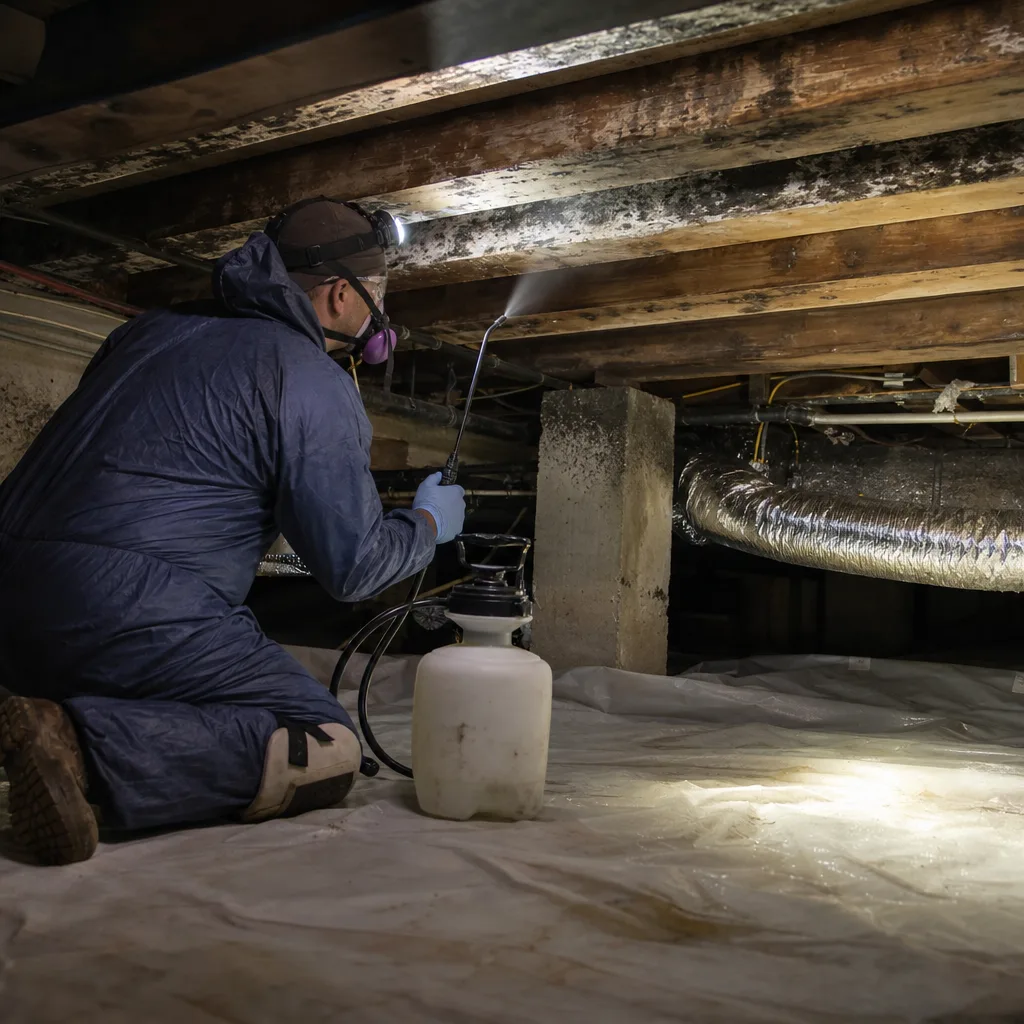
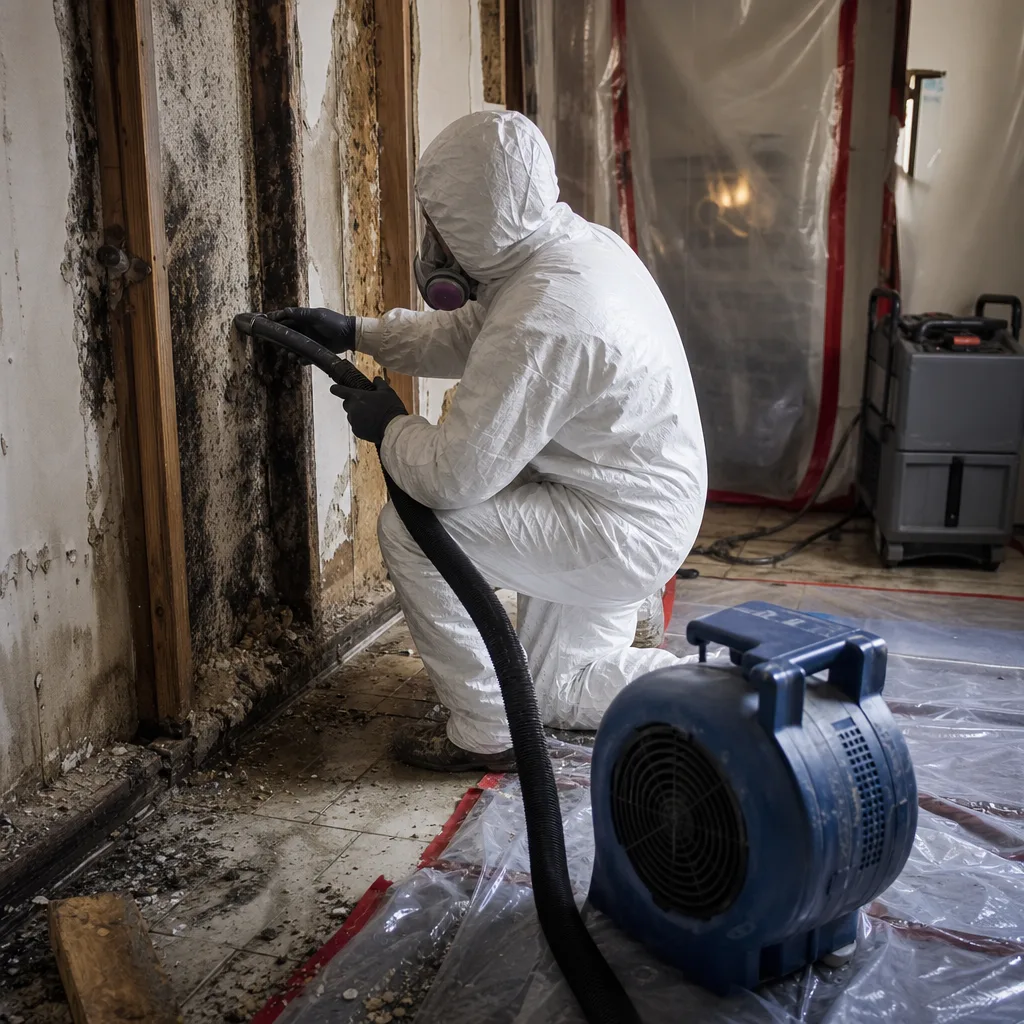
Mold remediation. Costs run $15-$30 per square foot for contained growth, escalating to $35-$55 per square foot for HVAC contamination or structural penetration. The critical variable is the containment strategy: negative-air containment with HEPA filtration adds $800-$1,500 to setup but prevents cross-contamination that turns a 200 sq ft problem into a whole-unit problem. In Long Island City’s humid summers, we’ve seen mold return within 90 days when contractors skipped proper containment and post-remediation clearance testing. The second remediation isn’t covered by insurance if the first was done improperly.
Fire and smoke damage. Costs range widely: $4,500-$15,000 for light smoke with no structural damage, $25,000-$60,000+ for moderate fire with rebuild. The documentation challenge is proving smoke traveled: photo evidence of soot on HVAC registers, thermal fogging logs, and ozone treatment records. In LIC’s multi-unit buildings, smoke migration to adjacent units is common, and liability for untreated smoke damage can extend to neighboring properties.
Storm and disaster damage. Hurricane-season flooding in Long Island City, particularly in the flood-prone zones near Newtown Creek and the East River, combines water damage with potential structural and electrical hazards. Costs include emergency board-up ($500-$1,200), tree/debris removal ($300-$800 per tree), and specialized drying for saltwater intrusion, which requires freshwater rinse before standard drying protocols. Salt residue left in materials accelerates corrosion and can void manufacturer warranties on electrical components.
In every case, the cost-control strategy is identical: documented scope before work, photo record during, written warranty after. The equipment changes - B-Air air scrubbers for mold, XPOWER ozone generators for smoke, Phoenix desiccants for large-loss flood drying - but the documentation standard doesn’t.
The Documentation That Gets Claims Paid
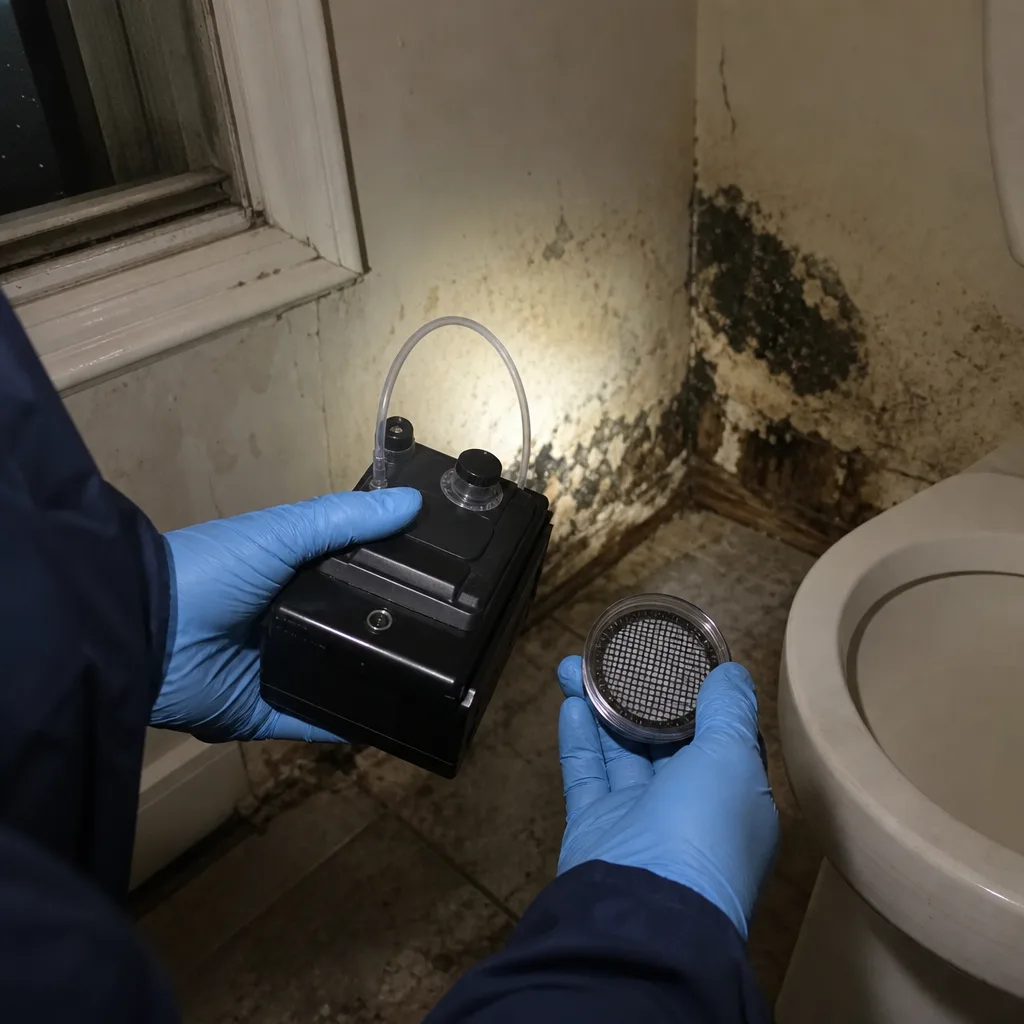
Insurance adjusters don’t deny claims because they want to. They deny claims because the invoice lacks the documentation their system requires to approve payment. Understanding what that system needs lets you read an estimate for completeness before you sign.
Here are the five documents that separate paid claims from disputed ones:
- Moisture logs with psychrometric data. Not just “dry” or “wet” - specific readings of temperature, relative humidity, and vapor pressure differential (the force that drives moisture from wet materials to dry air). IICRC standards define drying goals by material type: 12% moisture content for wood framing, 70% relative humidity or below for ambient air. Logs without these numbers are logs without standards.
- Photo record with timestamps. Every visit, every angle, every material condition. We deliver this as a standard report, not a collection of phone snapshots. The photo record proves pre-existing condition, documents damage extent, and verifies completed work.
- Written scope with material specifications. “Replace drywall” isn’t a scope. “Remove and replace 340 sq ft of 5/8″ Type X fire-rated drywall, taped and finished to Level 4, matched to existing orange-peel texture” is a scope. Specificity prevents substitution of cheaper materials and gives the adjuster a clear matching standard.
- Waste manifests and disposal receipts. Required for hazardous materials, recommended for all demolition. In NYC, unlicensed waste disposal carries fines that can be passed to the property owner if the contractor lacks proper documentation.
- Equipment logs with serial numbers. Proves the dehumidifier rated for 150 pints/day was actually the unit on site, not a smaller unit billed at the larger rate. Serial-number logging is standard on our jobs; it’s rare in the industry.
A contractor who resists providing these documents before you sign is a contractor whose invoices have been questioned before. The Free Second Opinion on any competitor’s written estimate that DryMark Restoration Long Island City offers exists precisely because we’ve reviewed too many estimates with $8,000 in charges and $0 in supporting documentation.
What the 365-Day Done Right Promise Means in Real Dollars
The 365-Day Done Right Promise under The Haven Standard is not a marketing line. It’s a signed guarantee with a specific cost function: it eliminates the secondary costs that follow sloppy first-pass work.
Here’s what those secondary costs look like in practice. A water damage job in Long Island City with incomplete drying leaves moisture at 16% in wall cavities - above the 12% threshold that prevents mold growth. Six months later, mold appears behind baseboards. The secondary costs include:
- Re-remediation: $2,500-$6,000 for contained mold, more if HVAC is involved
- Re-documentation: new moisture logs, new photo records, new scope - all billed again
- Re-inspection: third-party mold assessment at $400-$800, required before insurance will consider secondary coverage
- Displacement: temporary relocation during re-remediation, often uncovered by standard policies
- Claim complexity: secondary damage claims face higher scrutiny and lower approval rates than initial loss claims
The 365-Day Done Right Promise states that if any work we perform requires correction within one year, we correct it at no charge. This includes redrying, re-documentation, and adjuster coordination. The cost at signing isn’t reduced - the total cost of ownership is. Over 12,000 homes since 2011, our return rate for correction sits below 2%, because we don’t close jobs until moisture readings meet IICRC standards and the photo record proves it.
This is why we deploy professional-grade drying systems from Dri-Eaz, Phoenix, and XPOWER, and why we log their performance daily. The equipment cost is higher. The documentation burden is higher. The homeowner’s total cost is lower.
Common Mistakes to Avoid
- Accepting a verbal estimate. In Long Island City’s fast-moving market, some contractors offer “ballpark” figures over the phone. A ballpark isn’t a contract. Haven Standard, Clause 1 requires a written price before work begins for a reason: it’s your only protection against invoice expansion.
- Skipping asbestos testing in pre-1980 buildings. The $400-$800 test cost is trivial against the $15,000+ liability of discovering asbestos mid-project. In Queens, where pre-war housing dominates, testing isn’t caution - it’s due diligence.
- Assuming insurance covers everything the contractor recommends. Coverage follows policy language, not contractor suggestions. A written scope lets you submit for pre-approval before work begins, avoiding the nightmare of completed work and denied payment.
- Choosing the lowest bid without documentation review. The lowest bid often omits line items that appear later as “unforeseen conditions.” Compare bids line by line: does each include daily monitoring? Equipment serial logging? Post-remediation verification? Missing items are hidden costs, not savings.
- Delaying emergency response for cost comparison. Water damage compounds hourly: category escalation (clean to gray to black water), mold germination (24-48 hours), and structural damage progression. In Long Island City’s humid climate, 48 hours of delay can add $1,500-$3,000 to the final invoice. Get the written scope, then decide - but stop the damage first.
- Not photographing pre-existing conditions. Your phone photos of the space before damage are evidence if the adjuster questions whether stained baseboards were pre-existing. Document everything, even if a professional crew is coming.
When to Call a Professional
Call immediately for standing water of any depth, water contacting electrical systems, sewage backup, smoke or fire damage, or mold growth exceeding 10 square feet. These scenarios carry health risks and code requirements that DIY attempts worsen. For water damage specifically, every hour of delay in Long Island City’s summer humidity increases the likelihood of secondary mold damage and category escalation.
Before signing any contractor, verify: written scope with line-item pricing, documented photo record as standard, and a warranty with a physical address (not a verbal promise). DryMark Restoration Long Island City home offers free estimates in Long Island City - call (914) 530-9723. Our live person answers every call, 24 hours a day, 7 days a week, with no voicemail on emergency lines.
Frequently Asked Questions
A typical mid-size residential water loss in Long Island City costs $3,200-$8,500, with emergency service calls starting at $350-$500 and full reconstruction adding $45-$85 per square foot. Pre-1980 buildings require asbestos testing at $400-$800, and buildings with stair-only access or co-op hour restrictions may see 20-30% labor premiums. Call (914) 530-9723 for a written estimate - estimates are free.
Most homeowner policies cover sudden and accidental water damage, but coverage varies for sewer backup, gradual leaks, and mold resulting from neglected maintenance. The key factor is documentation: a written scope with line-item pricing, photo records, and moisture logs that match the invoice line by line. We coordinate directly with adjusters and provide the documentation package their systems require. Bring any competitor’s written estimate for our Free Second Opinion.
Our live dispatch answers 24 hours a day, 7 days a week, and emergency crews typically arrive within 60-90 minutes for Long Island City addresses. Response time matters: in summer humidity, mold germination begins at 24-48 hours, and water category escalates from clean to gray to black as contamination spreads. Speed is a mitigation issue, not a reconstruction issue - rebuild work is always scoped, scheduled, and priced in writing before starting.
Full remediation is required when contamination exceeds surface level: water in wall cavities, smoke in HVAC systems, or mold with airborne spore counts above outdoor baseline. A surface cleaning addresses only what you can see. We use moisture meters, borescopes, and air sampling to determine actual contamination extent before recommending scope. The written scope includes our findings and reasoning - no recommendations without evidence.
We do, as part of our standard service. Alicia Brennan founded Back to Dry in 2011 after working as a claims adjuster and seeing how documentation gaps cost homeowners their coverage. Every job includes adjuster coordination, direct billing where the policy allows, and a documentation package built to survive review. You focus on your property; we handle the paperwork.
The gap usually reflects three things: Xactimate’s averaged pricing versus actual local conditions, omitted line items in the adjuster’s initial estimate, or scope differences the adjuster hasn’t seen. We don’t ask you to pay the gap out of pocket. We document why our scope is correct, submit the evidence, and negotiate the line items. Our estimates are built to be defensible, not inflated.
The Bottom Line
Restoration costs in Long Island City are knowable before work begins. The variables - building access, material age, labor rates, disposal requirements - are local and specific. The protection is documentation: a written scope signed before work starts, a photo record on every visit, and a warranty with an address. A homeowner who understands line-item pricing and demands the documents that support it gets fair pricing, paid claims, and work that doesn’t require redoing. Anything less is a gamble with your property and your coverage.
Written by Alicia Brennan, Owner at DryMark Restoration Long Island City, serving Long Island City since 2011.