
Last updated September 23, 2026
Free visual inspection and a written scope of work before any mitigation begins - photos, moisture readings, and drying logs go in your claim file
The scope we write is the scope we bill. Anything new gets shown to you, in writing, before we touch it.
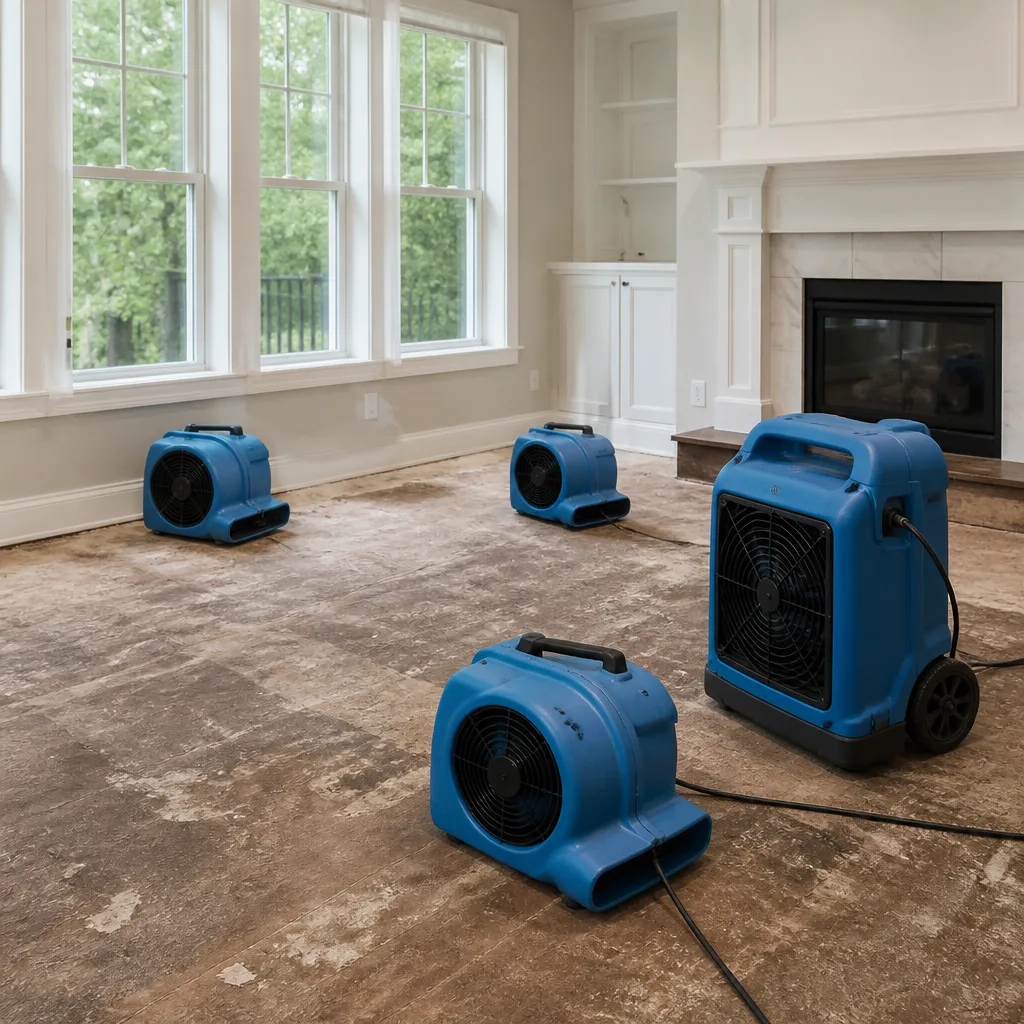

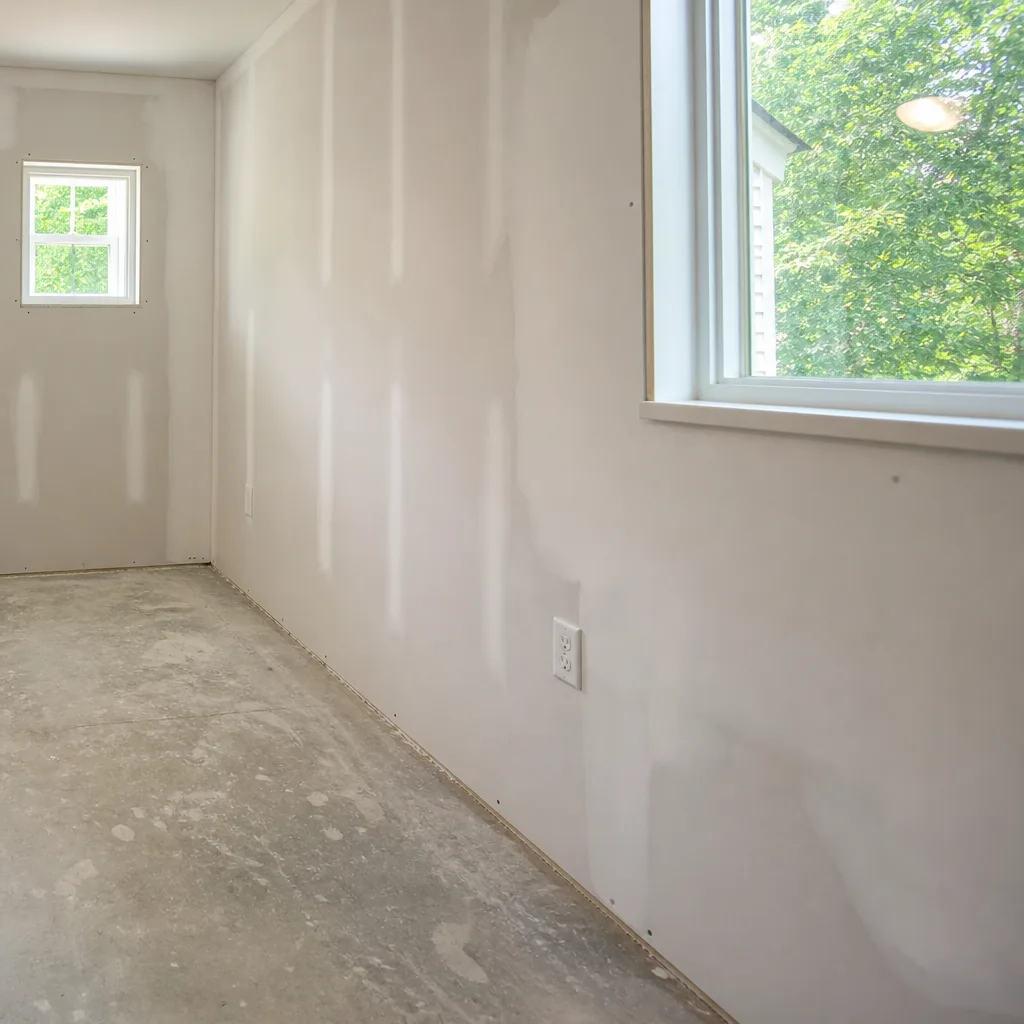
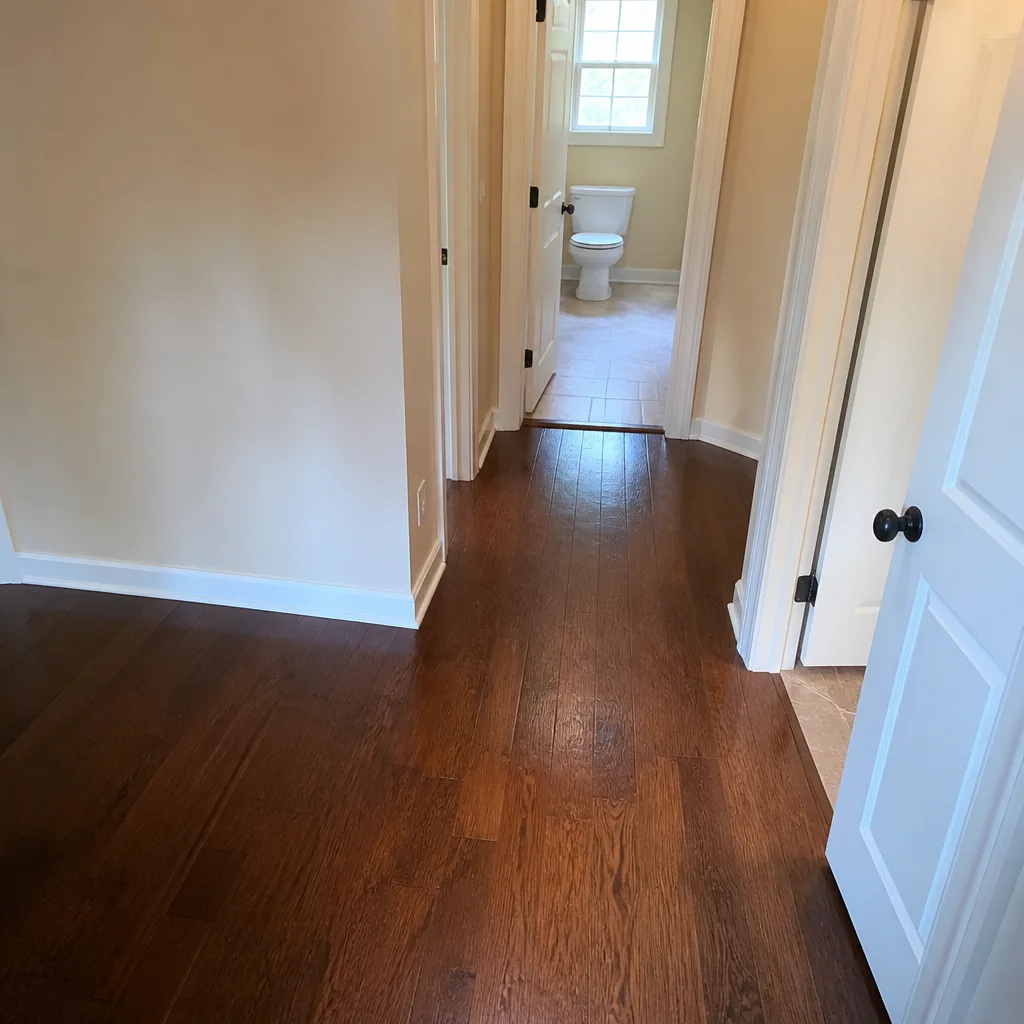
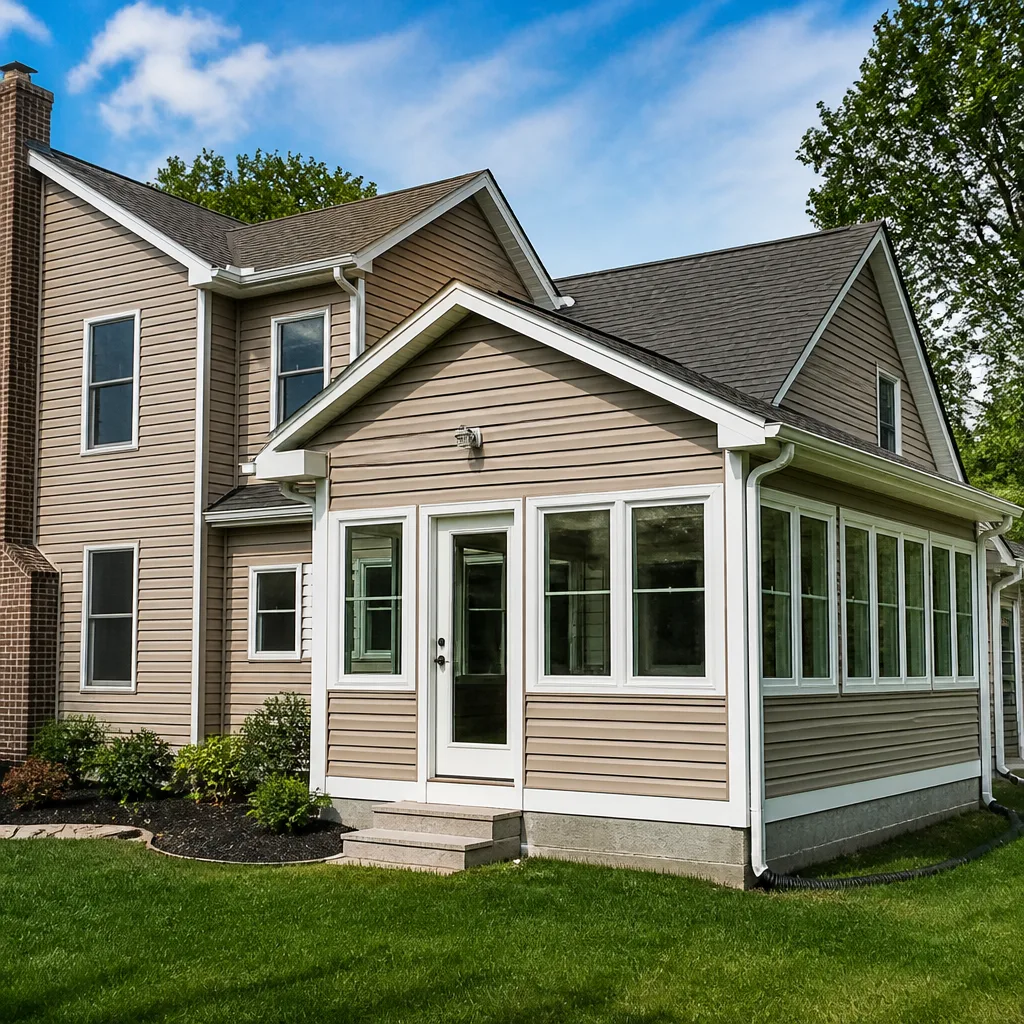
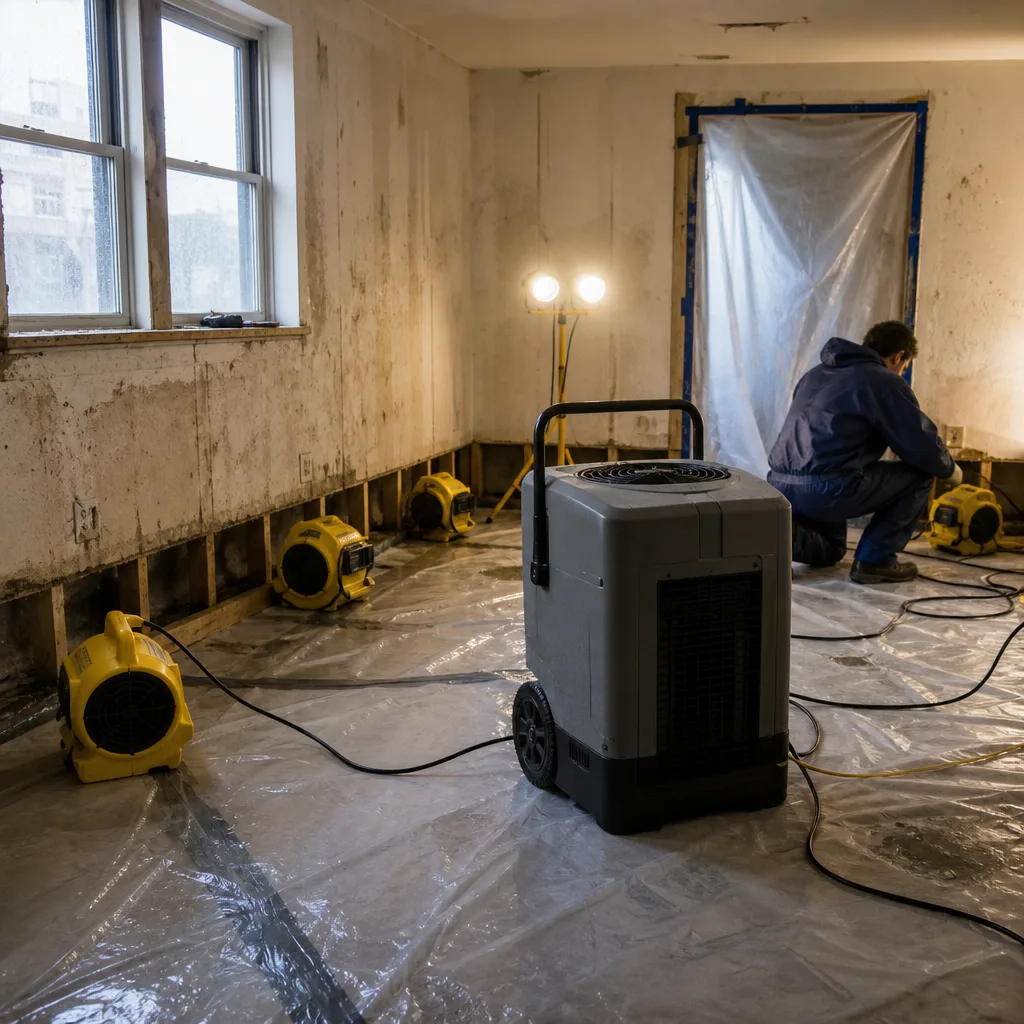
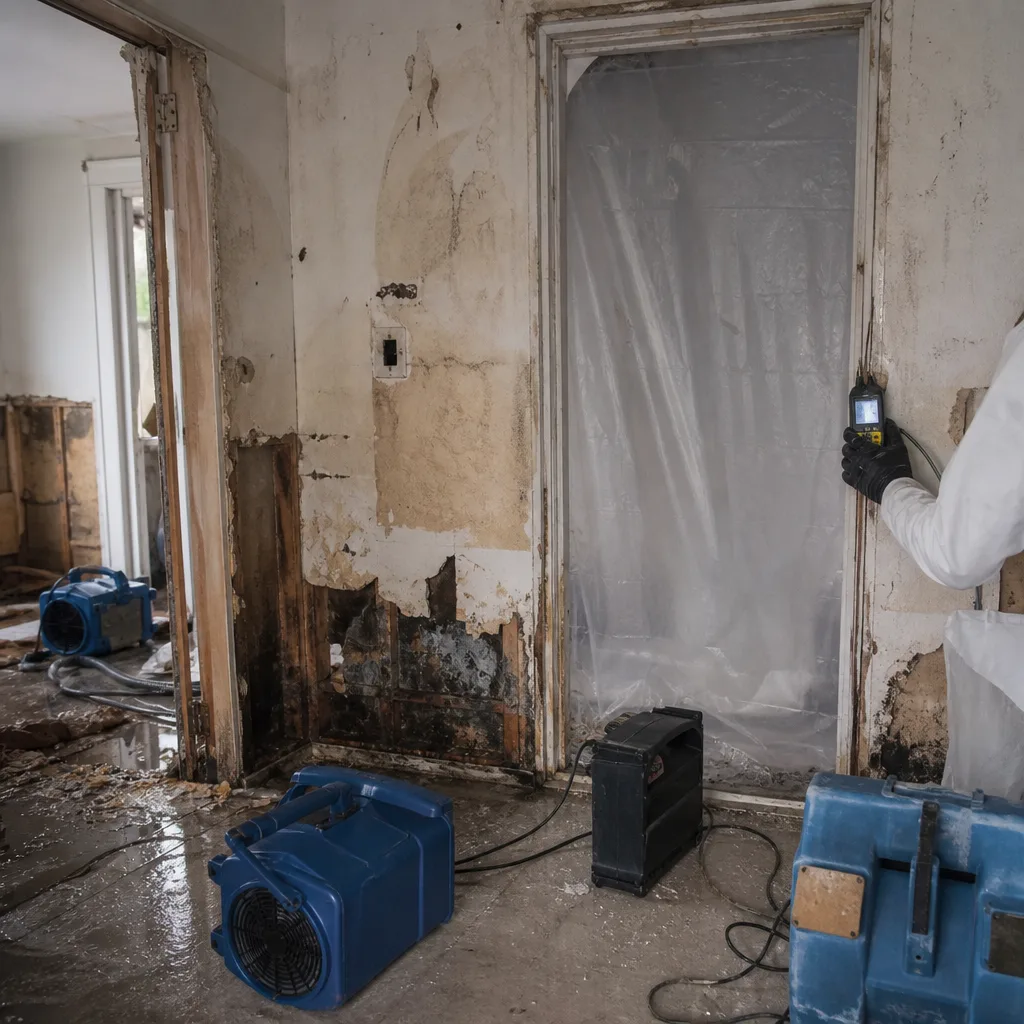 Before
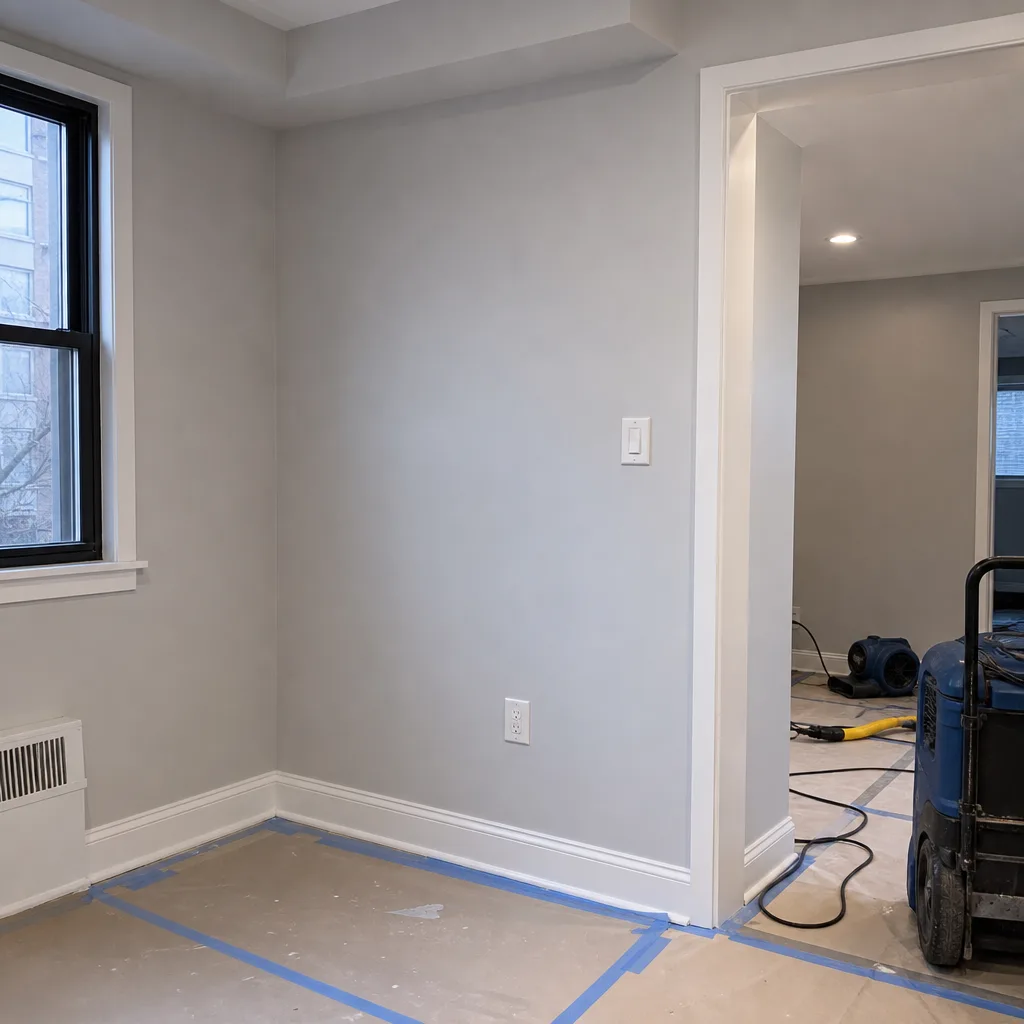 After
After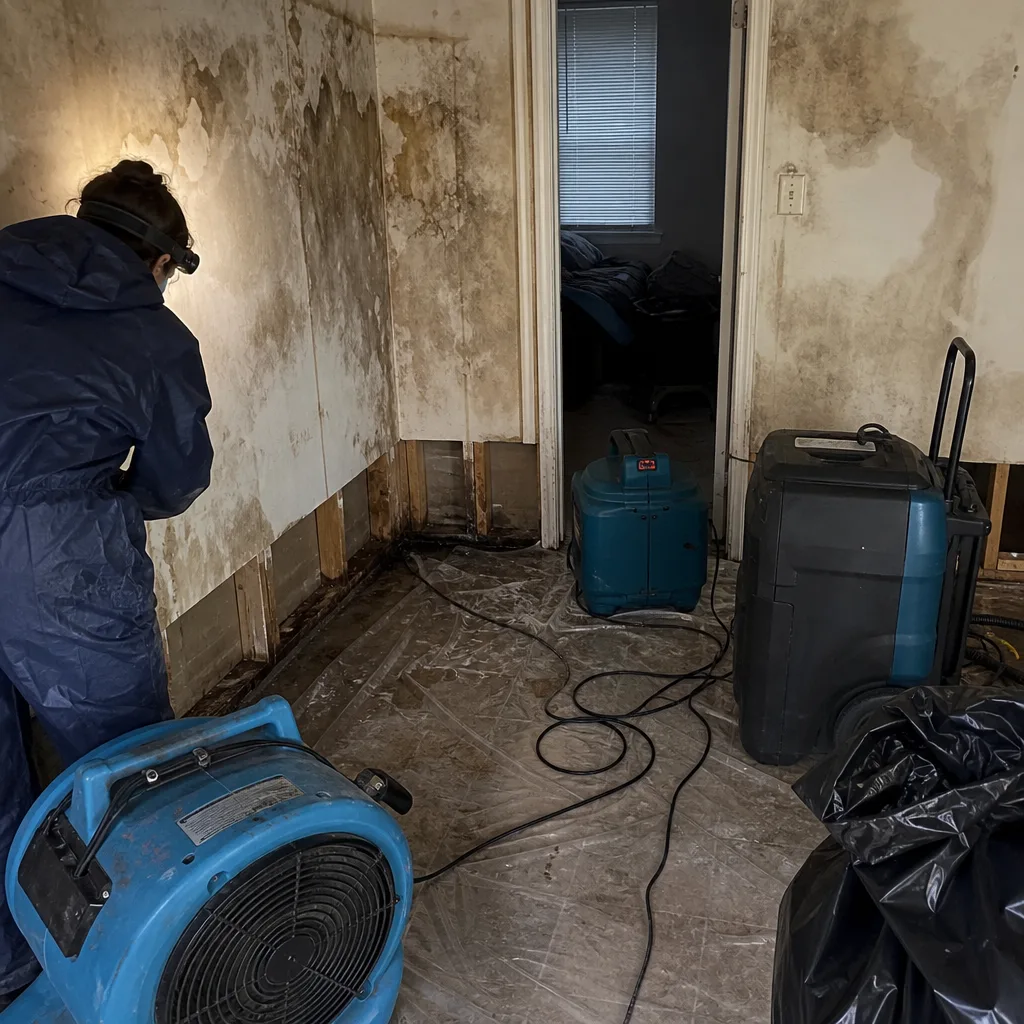 Before
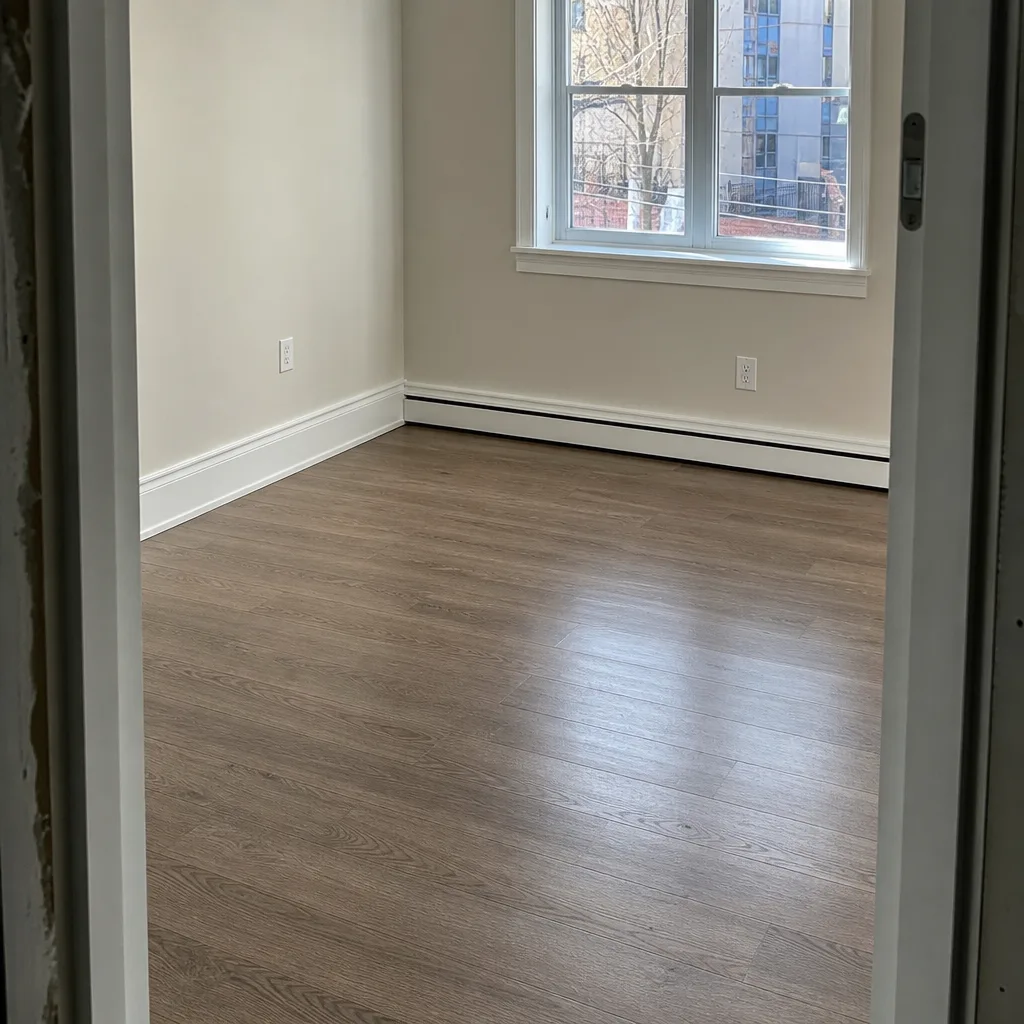 After
After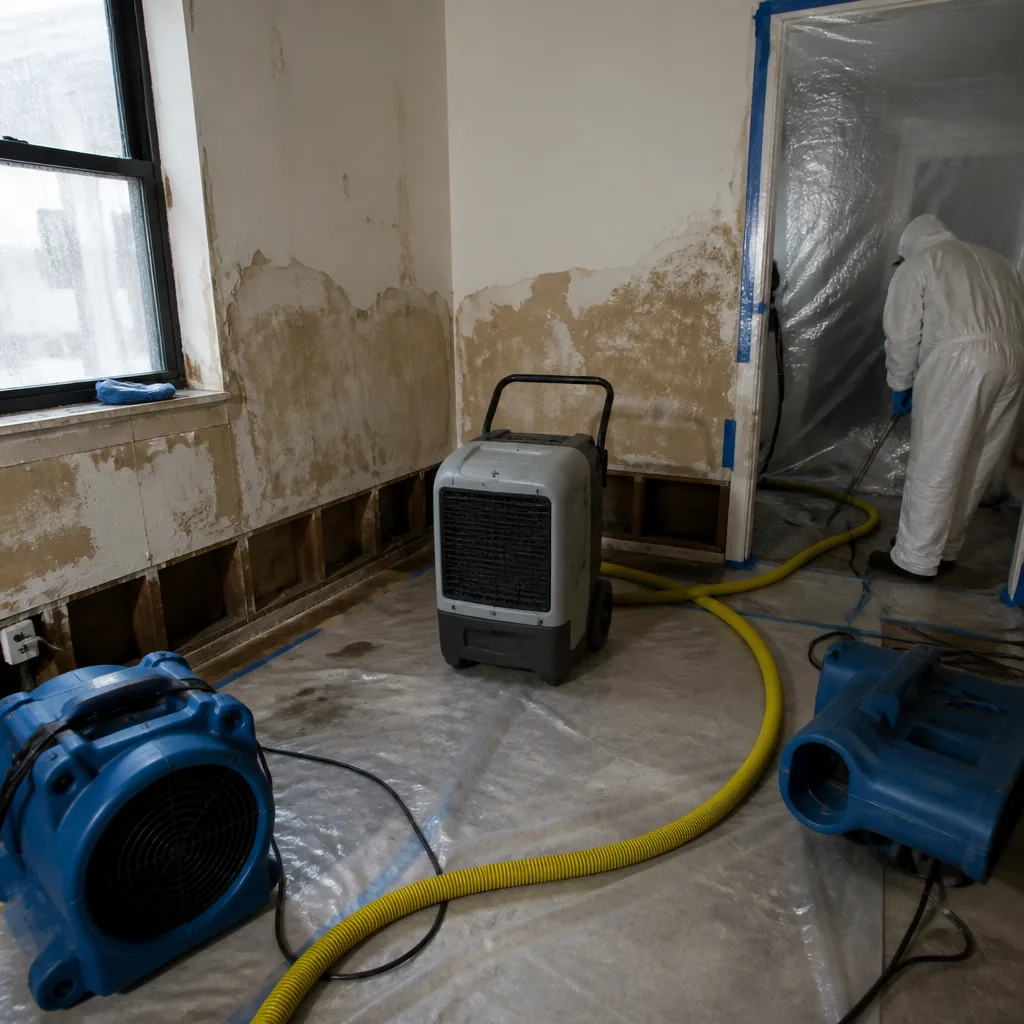 Before
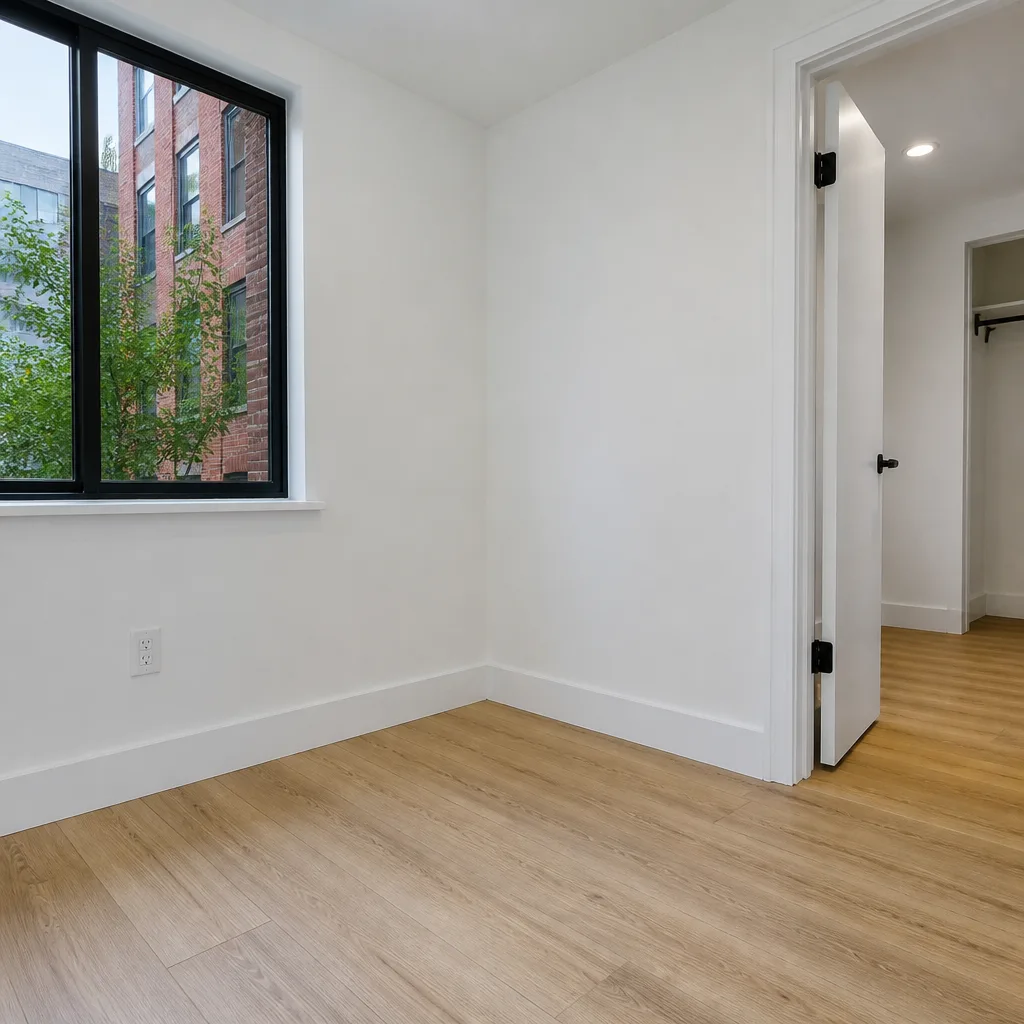 After
AfterDamage Restoration Permits, Codes & Inspections in NY: What You Need to Know
A Long Island City homeowner who paid a contractor to replace water-damaged drywall and subfloor without a permit may have a repaired floor - and an open violation that surfaces the next time the property is sold or refinanced. In New York City’s five boroughs, the line between “ordinary repair” and work requiring a filed alteration is narrower than most property owners realize, and crossing it without documentation creates a liability that outlasts the drying equipment. This guide explains the specific permit triggers, inspection checkpoints, and code standards that apply when restoration work crosses from cosmetic repair into structural or mechanical territory, with particular attention to the conditions we see in Long Island City’s pre-war and new-construction housing stock. For related reading, see our Damage Restoration Warning Signs: A Long Island City Homeowner’s Reference Guide.
Quick Answer
Most cosmetic restoration in New York - repainting, replacing like-for-like flooring, or patching non-structural drywall - does not require a permit. Once work touches structural members, electrical systems, plumbing, or gas lines, a NYC Department of Buildings (DOB) alteration permit is mandatory, with additional DEP involvement for sewer or city water main issues. Unpermitted work discovered during a sale, refinance, or insurance claim can trigger stop-work orders, fines, and claim denials that exceed the original repair cost.
Table of Contents
- Ordinary Repair vs. Filed Alteration: The Exact Threshold
- NYC DOB Permit Types for Restoration Work
- Local Law 152: Gas Line Inspections and Restoration Exposure
- NYC DEP: When Water Damage Involves City Infrastructure
- How to Pull Permit History and Read Open Violations
- Post-Restoration Inspections: What DOB Actually Checks
- Insurance Claims and the Cost of Unpermitted Work
- Documentation Standards That Protect Your Claim
BeforeAfterOrdinary Repair vs. Filed Alteration: The Exact Threshold
The NYC DOB distinguishes between “ordinary repairs” - which any licensed contractor can perform without filing - and “alterations,” which require plans, permits, and inspections. The distinction is not about cost or aesthetics. It is about what gets touched.
Ordinary repairs include surface-level work: repainting, replacing floor tiles with identical materials, installing pre-finished flooring over existing subfloor, patching plaster, or replacing a single damaged section of drywall where no structural member is exposed. In Long Island City, where many buildings date to the 1920s and 1950s, we regularly encounter situations where what appears to be a simple drywall repair reveals rotted studs or compromised fireblocking. That discovery changes the permit status immediately.
Work becomes a filed alteration when any of the following occurs:
- Removal or replacement of load-bearing structural members, including floor joists, beams, columns, or bearing walls
- Work that exposes or modifies electrical wiring, panels, or service lines - even if the intent is only to dry or replace surrounding material
- Relocation or replacement of plumbing fixtures, water supply lines, or drain lines
- Disturbance of gas piping or gas appliance connections
- Changes to fire-rated assemblies, including fireblocking, firestopping, or rated doors
- Work affecting means of egress, including hallway widths, door swings, or stair configurations
- Repair or replacement of roofing or exterior waterproofing that involves structural substrate
The trigger most commonly missed in restoration is electrical exposure. When water damage requires removal of drywall or ceiling material to access wet insulation or structural drying, any visible electrical box, junction, or romex run that must be moved, extended, or replaced shifts the job into permit territory. We have documented this on dozens of Long Island City jobs where a Category 2 water loss started as a simple drying project and became a permitted alteration once the ceiling came down.
Another frequent trigger in Long Island City’s newer condominium stock is fireblocking. Post-2010 construction often uses lightweight metal studs with integrated fireblocking. Water damage that requires removal of these assemblies demands reinstallation to original fire-rated specifications, which DOB classifies as alteration work requiring inspection.
NYC DOB Permit Types for Restoration Work
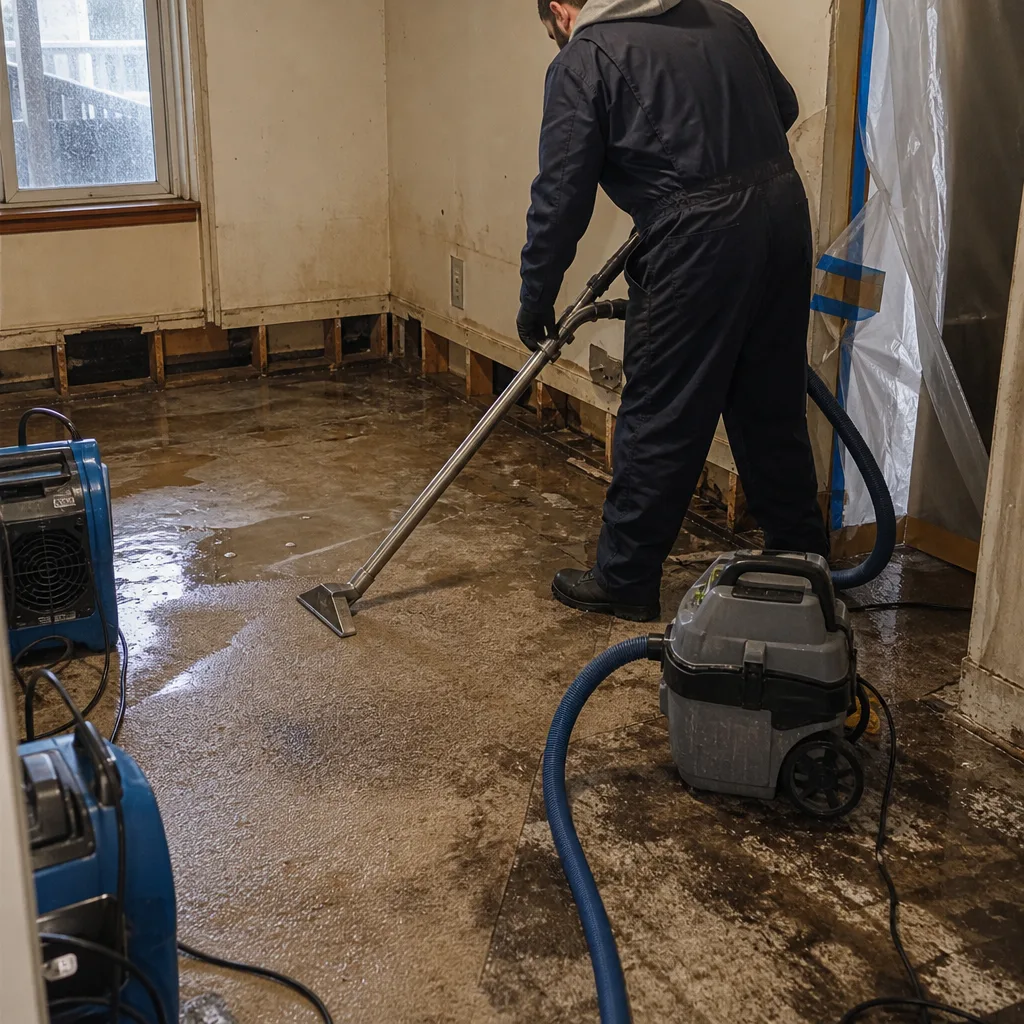
NYC issues several permit categories relevant to restoration. Understanding which applies prevents filing delays and stop-work orders.
Type 2 Alteration: The Most Common Restoration Permit
Type 2 alterations cover changes that do not affect use, egress, or occupancy type but do involve structural, mechanical, or electrical work. Most water damage and fire damage restoration that crosses the ordinary repair threshold falls here. A Type 2 requires:
- Licensed architect or engineer to file plans (for work affecting structural or fire-rated elements)
- Licensed contractor to pull the permit and perform work
- DOB inspection at rough and final stages for most trades
- Sign-off before the permit closes
The architect/engineer requirement surprises many property owners. For a Long Island City co-op with water-damaged floor joists in a line of units, the repair scope typically requires an engineer’s letter specifying sistering or replacement details before DOB accepts the filing. This adds 2-4 weeks to project start, which is why we flag structural exposure during our initial assessment and include permit timeline in our written scope.
Type 1 and Type 3 Alterations
Type 1 alterations change use, egress, or occupancy type - uncommon in restoration unless fire damage requires complete gut renovation with reconfiguration. Type 3 alterations are one-story extensions or curb cuts, rarely relevant to interior restoration.
Plumbing and Electrical Permits
Even when the main job qualifies as ordinary repair, individual trades may require separate permits. A plumbing permit from DOB is required for any water service line work, sewer line repair, or fixture relocation. Electrical permits are required for panel replacement, service upgrades, or any new circuit work. These can be filed separately from a Type 2 and often move faster, but they still require licensed tradespeople and inspection.
Emergency Work Authorization
DOB allows emergency work without a pre-filed permit when immediate action is required to protect life or safety - typically gas leaks, structural collapse risk, or active electrical hazards. The contractor must file for the permit within 72 hours of starting work and must document the emergency condition with photos. We have used this provision twice in Long Island City for storm-damaged buildings with compromised electrical service, but it is not a loophole for convenience. DOB reviews emergency filings closely and rejects those without adequate documentation.
Local Law 152: Gas Line Inspections and Restoration Exposure
Local Law 152 of 2016 requires periodic inspection of all gas piping systems in NYC buildings, with inspection cycles based on community district. Long Island City falls in Community District 2, Queens, with inspections due in 2025-2026 for most buildings. The law creates a specific intersection with restoration work that many contractors miss.
When water damage, fire damage, or mold remediation requires opening walls, ceilings, or mechanical chases, any exposed gas piping becomes subject to inspection requirements. If the building’s Local Law 152 inspection is due or overdue, the restoration contractor’s work can trigger a failed inspection if:
- Gas piping shows corrosion, improper support, or illegal connections revealed by demolition
- Restoration work disturbs gas piping without proper permits and inspection
- New gas appliances are installed without updated gas load calculations and filing
We encountered this on a 2019 Long Island City job where a water loss in a basement utility room required removal of drywall covering a gas meter and branch lines. The exposed piping showed multiple uncapped tees from prior undocumented work. The building’s Local Law 152 inspection was six months overdue. Our photo documentation - standard on every visit, part of our deliverable, never an upsell - showed the condition before we touched it, protecting our client from liability for pre-existing violations. The building owner had to remediate the gas piping before DOB would sign off on our restoration permit.
The practical implication: any restoration work in a building with gas service, especially pre-2010 construction in Long Island City, should include a preliminary check of Local Law 152 compliance status. This is not typically the restoration contractor’s direct responsibility, but documenting what the walls reveal before work begins protects all parties.
NYC DEP: When Water Damage Involves City Infrastructure
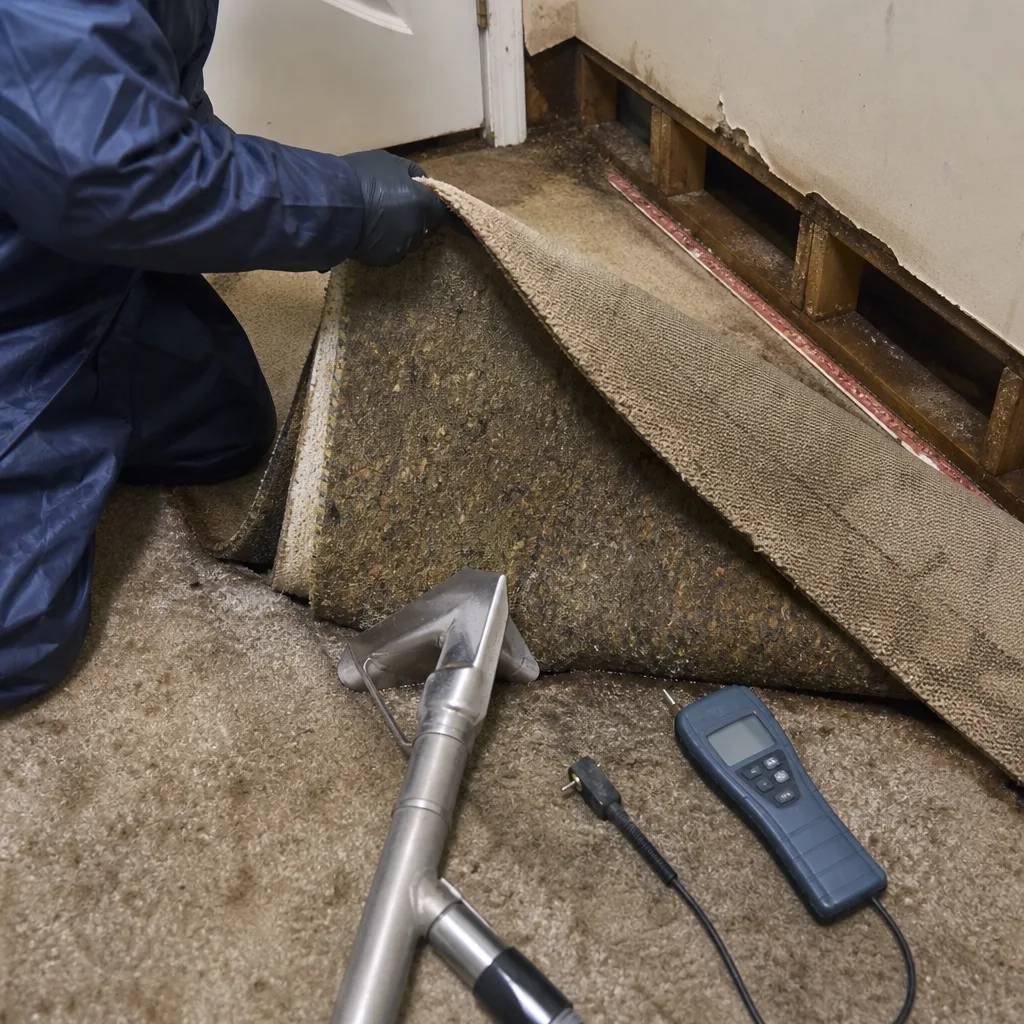
The NYC Department of Environmental Protection enters restoration jobs through three specific doors: sewer backups, street-level flooding, and water main connections. Each triggers distinct permit and inspection requirements that run parallel to DOB processes.
Sewer Backups and Private Drain Connections
When a sewer backup causes water damage in a Long Island City property, the source determines DEP’s role. Blockages in the city sewer main - common in areas with combined sewer overflow systems like western Queens - are DEP’s responsibility to clear, but the property owner must document the backup through 311 and DEP’s emergency response line. DEP will issue a report number that becomes critical for insurance claims and any subsequent legal action.
Blockages in the private sewer lateral, between the building and the city main, are the property owner’s responsibility. Repair or replacement of this lateral requires a DEP permit and inspection. In Long Island City, where many laterals are 80-100-year-old terra cotta or cast iron, water damage restoration often reveals collapsed or root-intruded pipes that must be addressed before reconstruction. We have scoped jobs where the visible water damage was 400 square feet of basement flooring, but the actual project included 40 feet of sewer lateral replacement with DEP permitting, adding three weeks to the timeline.
Street Flooding and Overland Water
Post-Hurricane Ida, DEP revised flood response protocols for properties affected by street-level inundation. Properties in Long Island City’s low-lying zones near Newtown Creek or the East River may experience overland flooding that enters through foundation walls, window wells, or sewer surcharge. DEP now requires documentation of flood source for properties seeking federal flood insurance claims or city recovery assistance. Our standard documentation includes elevation readings, photo sequence of water marks, and DEP flood zone classification - the daily moisture logs and photo records that turn restoration invoices into payable claims.
Water Service Line Work
Repair or replacement of the water service line from the city main to the building requires a DEP permit and typically a DOT permit for street excavation. In Long Island City’s dense building environment, this often involves tunneling under sidewalks or working in narrow utility corridors. Restoration contractors do not perform this work directly, but we coordinate with licensed plumbers and document the interface between their excavation and our drying and reconstruction scope.
How to Pull Permit History and Read Open Violations
Before hiring any restoration contractor in Long Island City, a property owner should review the building’s permit history and violation status (see our How to Hire a Damage Restoration Contractor in Long Island City: A Step-by-Step Guide for additional vetting steps). This is free, public information that reveals whether previous work was properly closed and whether open violations will complicate new permitting.
Step-by-Step: DOB Building Information Search
- Navigate to the NYC DOB Building Information System (BIS)
- Enter the property’s Borough, Block, and Lot (BBL) number - available on the property deed or tax bill
- Select “Jobs/Filings” to view all permit applications, including pending and approved
- Select “Complaints/Violations” to view open DOB violations, Environmental Control Board (ECB) violations, and stop-work orders
- Select “Certificates of Occupancy” to verify the legal use and occupancy classification
For Long Island City properties, also check the Queens Borough President’s land use database for any zoning special permits or variances that affect restoration scope. Buildings in the Hunters Point South or Court Square rezoning areas may have specific facade or floodproofing requirements that alter standard restoration approaches.
Reading Violation Codes
DOB violations use specific codes that indicate severity and required response:
- Class 1 (Immediately Hazardous): Requires immediate correction and certification. Examples include illegal occupancy, structural compromise, or unpermitted gas work. These block new permits until resolved.
- Class 2 (Major): Requires correction within 30-90 days. Examples include unpermitted work that has been completed, missing certificates of occupancy for alterations.
- Class 3 (Lesser): Requires correction but does not typically block permitting. Examples include missing signage or minor maintenance items.
An open Class 1 or Class 2 violation for unpermitted work creates a “ghost permit” problem: the building has work that was never properly inspected, which DOB flags when any new permit is filed. We have seen Long Island City townhouse sales fall through because a basement renovation from five years prior had an open Class 2 violation that the seller never resolved. The buyer’s lender required clearance before closing, and the correction cost exceeded the original work.
ECB Violations and Fines
Environmental Control Board violations carry monetary penalties and require hearing adjudication. Unpermitted work discovered by DOB inspectors typically generates ECB violations in addition to DOB code violations. These must be paid or contested before the violation clears, even if the physical work is corrected.
Post-Restoration Inspections: What DOB Actually Checks
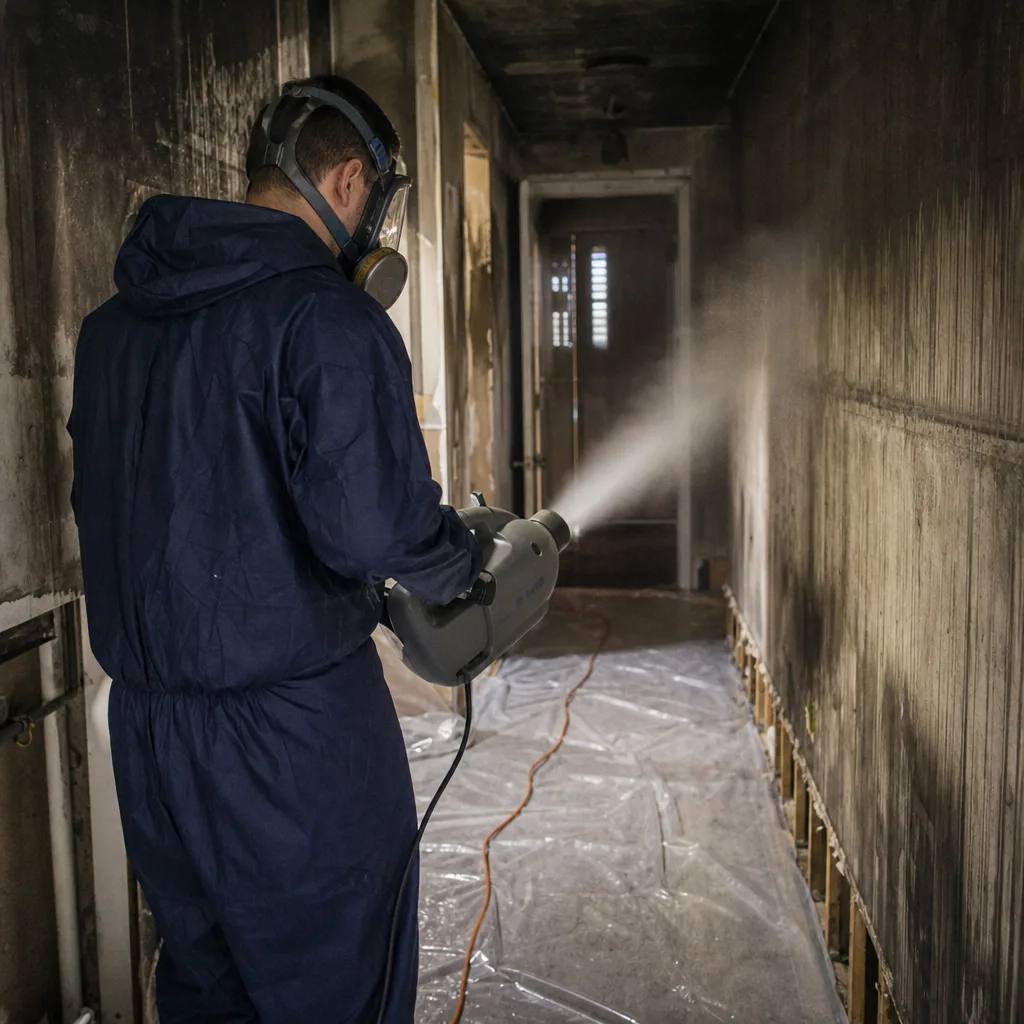
When restoration work requires a permit, DOB inspection is not a formality. Inspectors verify specific code compliance points that directly affect insurance claim validity and property resale.
Rough Inspection
For Type 2 alterations, rough inspection occurs before walls are closed. The inspector verifies:
- Structural repairs match filed plans - sistered joists are the specified dimension, bearing points are properly supported
- Electrical work uses correct wire gauge, proper grounding, and approved boxes and devices
- Plumbing connections are properly sloped, supported, and tested
- Fireblocking and firestopping are restored to original or improved ratings
- Insulation type and placement match energy code requirements
Failure at rough inspection requires reopening finished surfaces. This is why our written scope specifies “inspection-ready” milestones - we do not close walls until the client or their representative confirms inspection scheduling.
Final Inspection and Sign-Off
Final inspection verifies completed work against approved plans and rough inspection corrections. The inspector checks finish details, operational fixtures, and accessible connections. Upon approval, DOB issues a Letter of Completion or updated Certificate of Occupancy, which closes the permit.
This document is the critical deliverable for insurance and resale. A permit without sign-off is an open file that appears in BIS indefinitely. We have encountered Long Island City properties where a 2017 renovation permit was never signed off because the contractor skipped final inspection; the permit showed “pending” for four years until a 2021 water damage claim required new permitting, and the old open file had to be resolved first.
Special Inspections
DOB requires special inspections by third-party engineers for certain work types: structural welding, concrete repair, spray fireproofing, and some energy code compliance items. These are separate from DOB’s own inspections and add cost and time. We flag special inspection requirements in our initial written scope so they are not surprise additions.
Insurance Claims and the Cost of Unpermitted Work
Unpermitted restoration work creates insurance liability at three points: claim submission, claim adjustment, and future claims for the same property.
Claim Submission and Documentation
Standard homeowners and commercial property policies require that repairs be performed “in a workmanlike manner” and in compliance with applicable building codes. Unpermitted work, by definition, has not been verified for code compliance. When an adjuster reviews a claim with unpermitted repairs, common outcomes include:
- Denial of the repair portion of the claim, leaving the policyholder self-insured for that scope
- Reduction of payment to “actual cash value” rather than replacement cost, on the theory that unpermitted work has diminished value
- Requirement that the policyholder obtain retroactive permits and inspections at their own expense before payment releases
Our documentation-first approach - photo records on every visit, written scope before work begins, daily moisture logs from Dri-Eaz and Phoenix equipment - is designed specifically to prevent these outcomes. When we file a claim with permit documentation, inspection sign-offs, and material specifications, the adjuster has what they need to approve replacement cost payment without escalation.
Future Claims and Prior Loss History
Insurance underwriters review prior loss history and property condition at renewal and for new policies. Unpermitted work discovered during any inspection - including routine property surveys for renewal - can trigger non-renewal or premium increases. In Long Island City’s competitive co-op and condo insurance market, this can force a building into surplus lines coverage at 2-3x standard rates.
The Adjuster’s Perspective
Alicia Brennan founded DryMark Restoration Long Island City home in 2011 after working as a claims adjuster and seeing how documentation gaps turned legitimate claims into unpaid invoices. The specific gap was this: contractors performed work, billed the insurer, and provided no verifiable record that the work matched the scope or complied with code. Adjusters denied payment not because the work was unnecessary, but because they could not prove it was done correctly. Our Haven Standard, Clause 1 - written price before work begins - and our documented photo record on every visit exist to close that gap.
Documentation Standards That Protect Your Claim
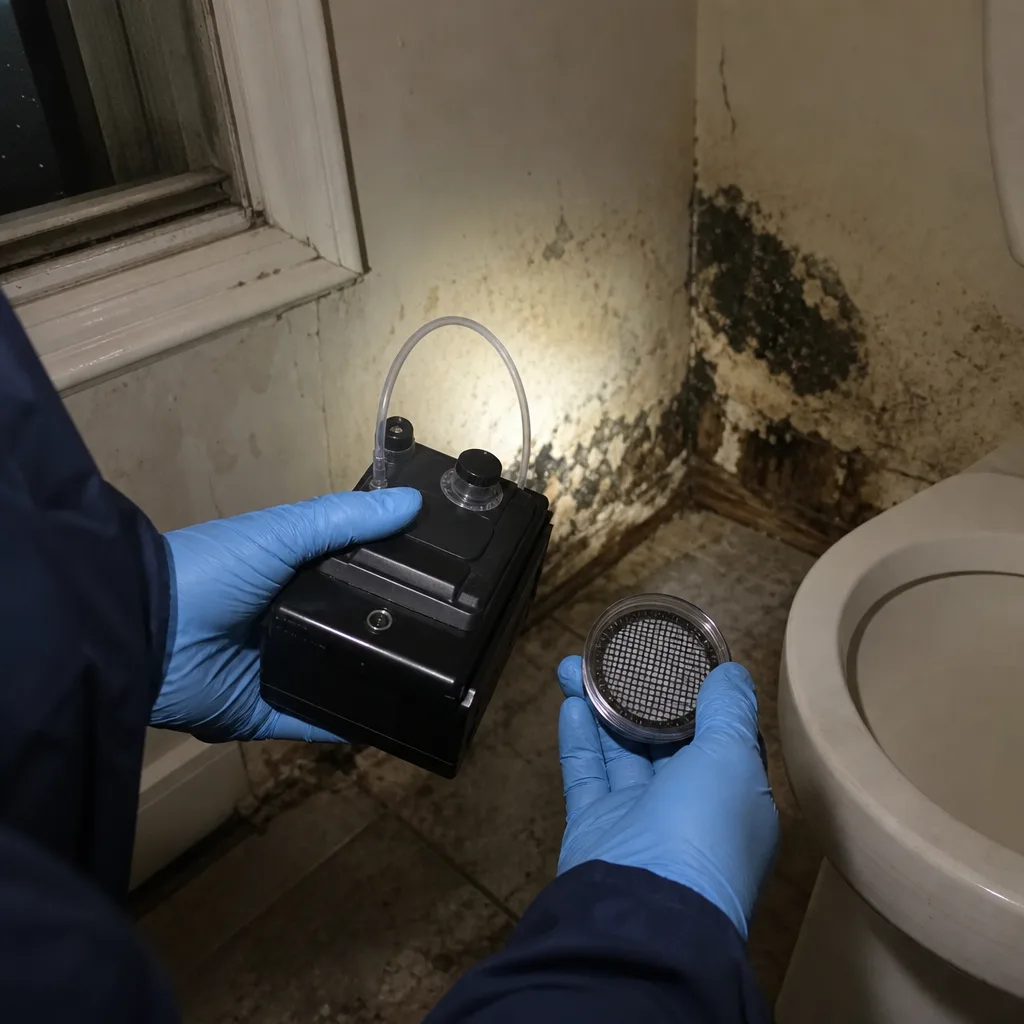
Permits and inspections are only as valuable as the documentation that accompanies them. These are the specific records we produce on every Long Island City job, and what property owners should demand from any contractor:
- Written scope of work with line-item pricing: Every material, labor hour, and equipment day specified before work begins. Haven Standard, Clause 1.
- Permit application copies and approval notices: Filed by the contractor or their architect, with tracking numbers.
- Daily moisture logs: Psychrometric data - temperature, relative humidity, and vapor pressure differential - recorded at each drying zone, showing progression to dry standard. Produced by our Dri-Eaz and Phoenix dehumidification systems, documented to IICRC S500 standards.
- Photo record on every visit: Date-stamped, geotagged images of conditions, work progression, and final state. Included as standard deliverable, never an upsell.
- Inspection sign-off documents: DOB Letters of Completion, updated Certificates of Occupancy, or inspection approval stamps.
- Material specifications and warranties: Manufacturer, product line, and installation details for all replaced materials.
- 365-Day Done Right Promise: Written warranty under The Haven Standard, not verbal assurance. If it’s not done right, we make it right.
For properties with water damage restoration in Long Island City, this documentation package is what transforms a restoration invoice into a claim an insurer pays without dispute. For fire and smoke damage restoration in Long Island City, where code compliance is more complex and permit thresholds are lower, it is essential.
Common Mistakes to Avoid
- Assuming “like-for-like” replacement avoids permitting: In Long Island City’s older buildings, original materials often no longer meet current code. Replacing 1950s ungrounded wiring with modern grounded circuits, or replacing non-fire-rated basement partitions, triggers alteration requirements even when dimensions are identical.
- Letting a contractor start before permit approval: DOB stop-work orders carry fines starting at $6,000 and require legal hearing to resolve. The “we’ll file later” approach is a gamble with the property owner’s money.
- Ignoring open violations from prior owners: A property sale does not clear violation history. Title searches increasingly include DOB and ECB records; open violations discovered during due diligence can derail financing.
- Using unlicensed contractors for permitted work: Only licensed Home Improvement Contractors (HIC) with appropriate trade licenses can pull DOB permits. Unlicensed contractors who promise to “work under” someone else’s license create liability for both parties.
- Neglecting DEP parallel requirements: A DOB permit for basement reconstruction does not satisfy DEP requirements for sewer lateral repair. Both must run concurrently, and DEP inspections often have longer lead times.
- Failing to document pre-existing conditions: When restoration reveals prior unpermitted work, the contractor who opens the wall can be blamed for the violation unless documentation shows the condition existed before work began.
- Accepting verbal warranties: Guarantees that are not written, signed, and referenceable are unenforceable. Our 365-Day Done Right Promise is a signed document under The Haven Standard, not a handshake.
When to Call a Professional
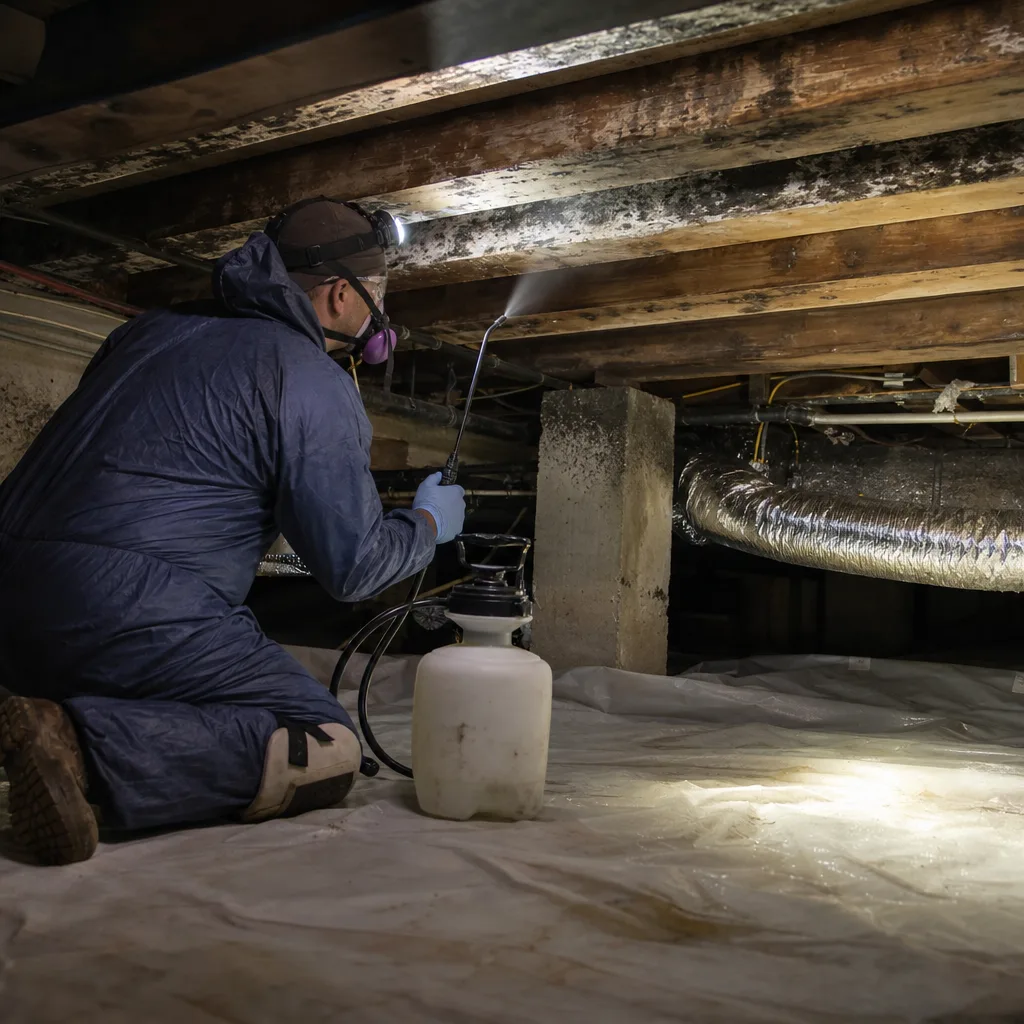
Call a licensed restoration contractor before you remove any material that might expose structure, electrical, or mechanical systems. In Long Island City, where building ages range from 1920s brick warehouses to 2020s glass towers, the “ordinary repair” threshold varies block by block. A professional assessment identifies permit requirements before work starts, preventing the violation that outlasts the repair.
DryMark Restoration Long Island City offers free estimates in Long Island City - call (914) 530-9723. Every estimate includes a preliminary permit assessment, a written scope with line-item pricing before any work begins, and a documented photo record starting at the first visit. We also provide a Free Second Opinion on any competitor’s written estimate.
Frequently Asked Questions
Replacing non-structural drywall in the same location with the same fire rating typically does not require a permit. If the water damage exposed electrical wiring, plumbing, gas lines, or structural members that must be repaired or modified, a DOB alteration permit is required. Call (914) 530-9723 and we will assess your specific conditions.
Type 2 alteration permits with professional certification (self-certification by a registered architect or engineer) typically process in 2-5 business days. Full DOB plan examination takes 4-8 weeks. Emergency work authorization can be filed within 72 hours of starting work for immediate hazards. We include permit timeline in every written scope so you know before work begins.
Most property insurance policies cover “increased cost of construction” required by building codes, including permit fees and inspection costs, if the policy includes ordinance or law coverage. This is typically 10-25% of the building coverage limit. We document code-triggered requirements in our scope and coordinate directly with adjusters to include these costs in the claim. Photo documentation and written scope before work starts are essential for this coverage to activate.
The seller typically must obtain retroactive permits, correct any code violations, and pay associated fines before closing. In Long Island City’s active real estate market, this can delay closing by 6-12 weeks and cost more than the original work. Title insurance may exclude coverage for known unpermitted work. Our documentation package, including permit sign-offs, prevents this scenario.
Mold remediation itself does not require a DOB permit unless it involves structural repair, electrical work, or plumbing modification. However, NYC Local Law 55 of 2018 requires mold assessment and remediation to be performed by separate licensed firms, with specific work plans for affected areas exceeding 10 square feet. Mold remediation in Long Island City must follow these protocols, and documentation is required for insurance and property records.
Any property owner can pull permit history and violation records through the free NYC DOB BIS system using their Borough-Block-Lot number. We recommend doing this before hiring any contractor. If you find open violations, we can review them during our free estimate and include resolution in our scope if needed.
The Haven Standard is DryMark Restoration Long Island City’s operating framework, established in 2011. Clause 1 requires a written price before any work starts. Our documentation protocols - photo records on every visit, daily moisture logs, permit tracking, and inspection coordination - produce the evidence that turns restoration work into payable insurance claims. The 365-Day Done Right Promise is a signed warranty under The Haven Standard, not a marketing phrase.
The Bottom Line
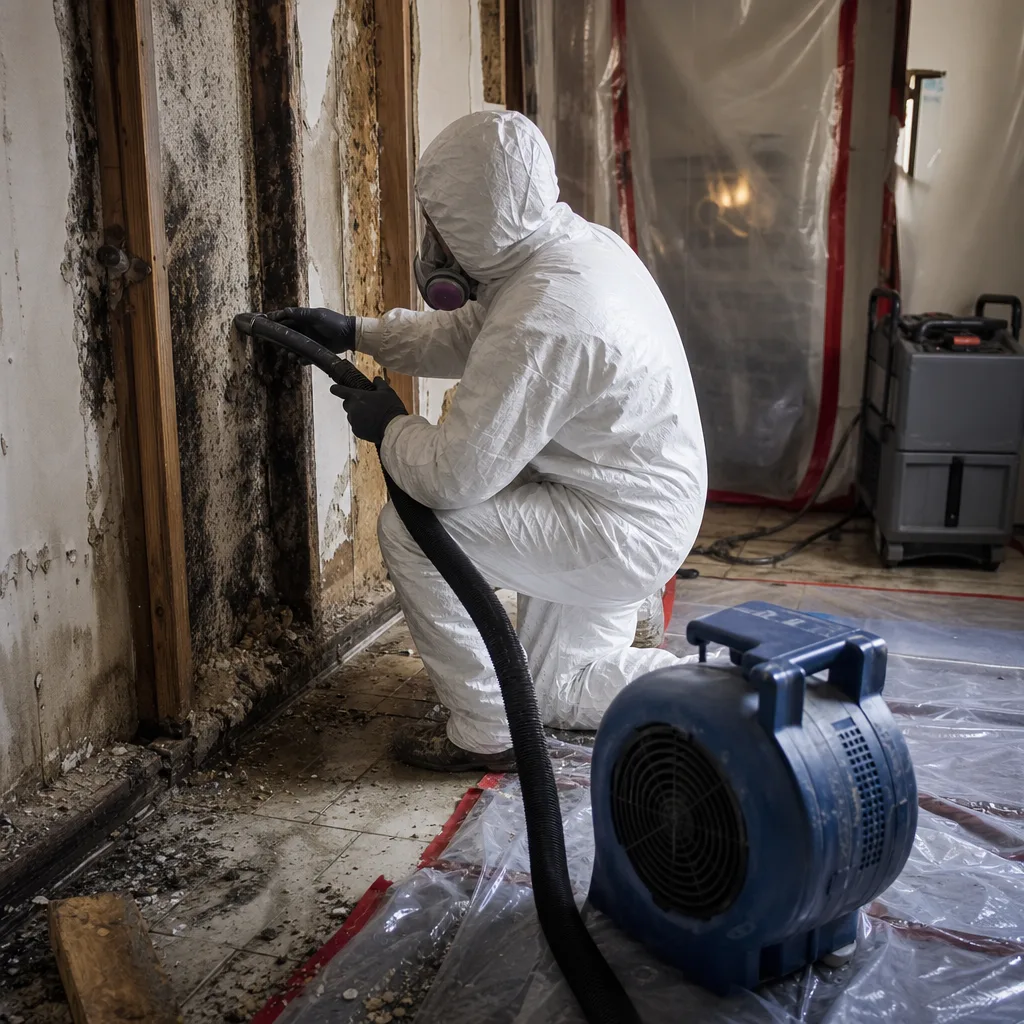
Permits and inspections in New York restoration work are not bureaucratic obstacles. They are the documentation that proves work was done correctly, code was followed, and value was preserved. In Long Island City’s varied building stock, the threshold between ordinary repair and required permitting is specific and frequently crossed without intent. The property owner who verifies permit history, demands written scope before work begins, and retains inspection sign-offs protects their claim, their sale, and their property’s insurability. The one who skips these steps saves nothing and risks everything that comes after the repair is complete.
Written by Alicia Brennan, Owner at DryMark Restoration Long Island City, serving Long Island City since 2011.