
Last updated September 23, 2026
Free visual inspection and a written scope of work before any mitigation begins - photos, moisture readings, and drying logs go in your claim file
The scope we write is the scope we bill. Anything new gets shown to you, in writing, before we touch it.
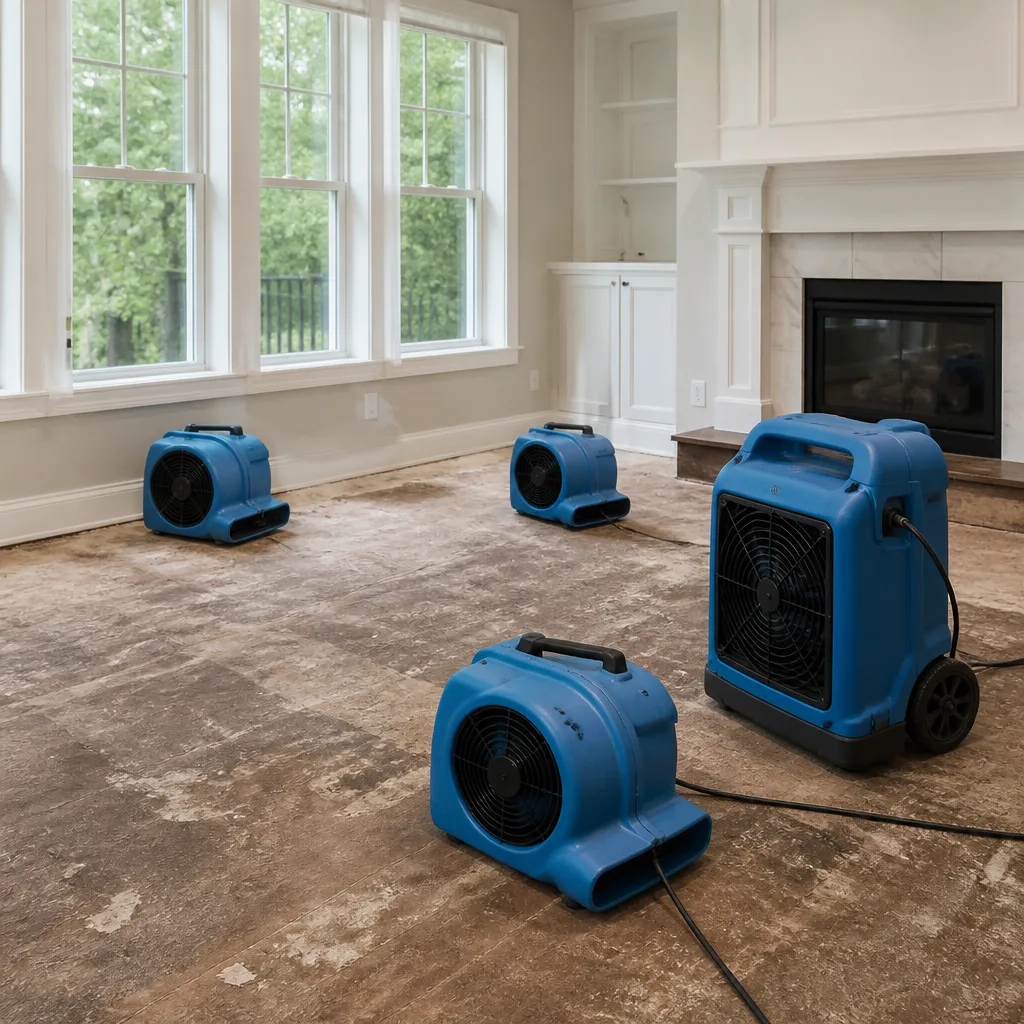

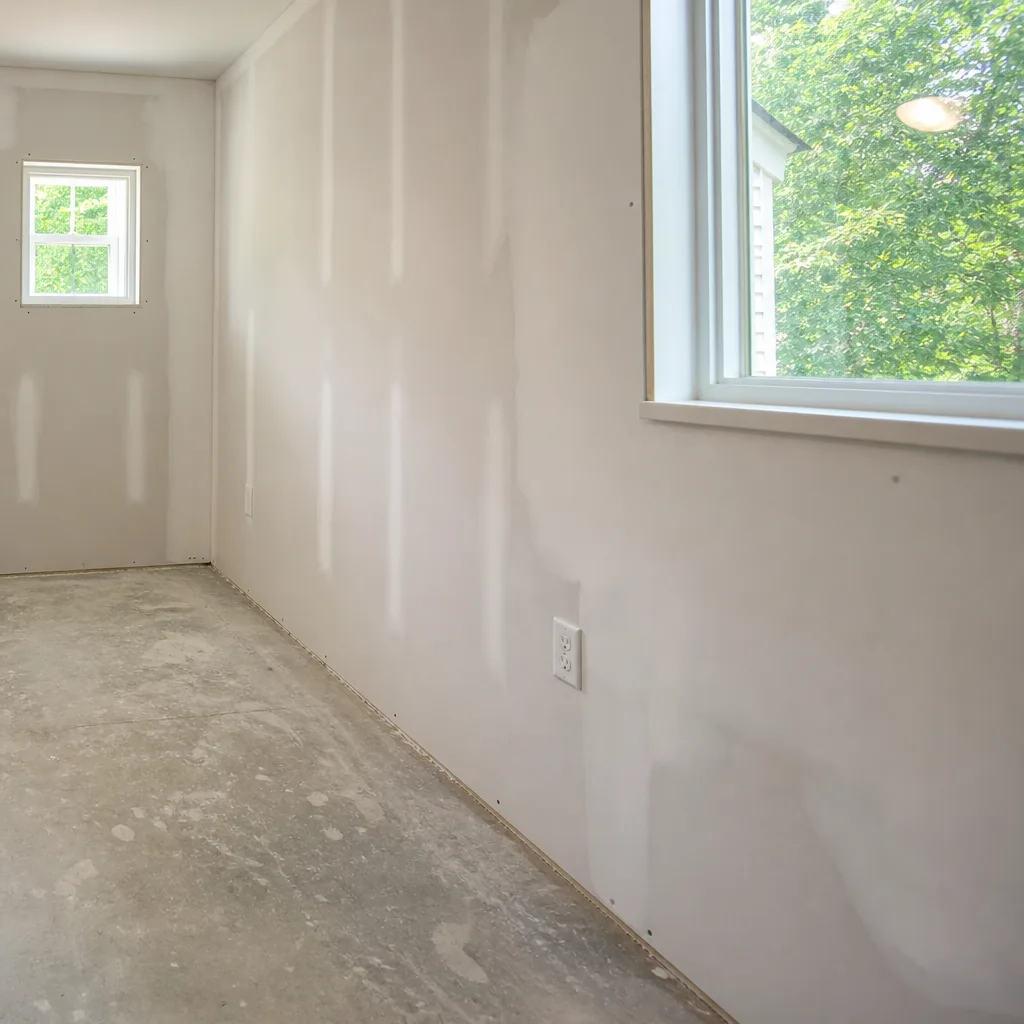

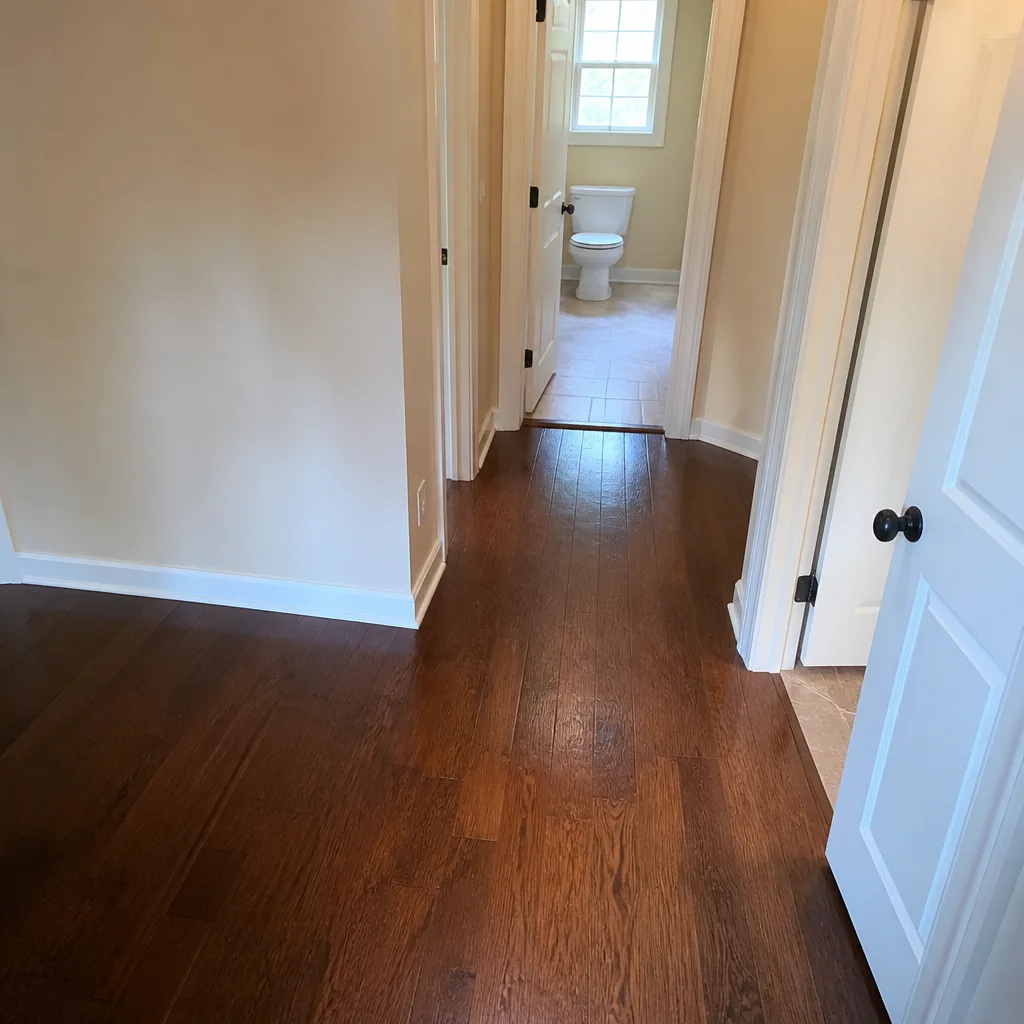
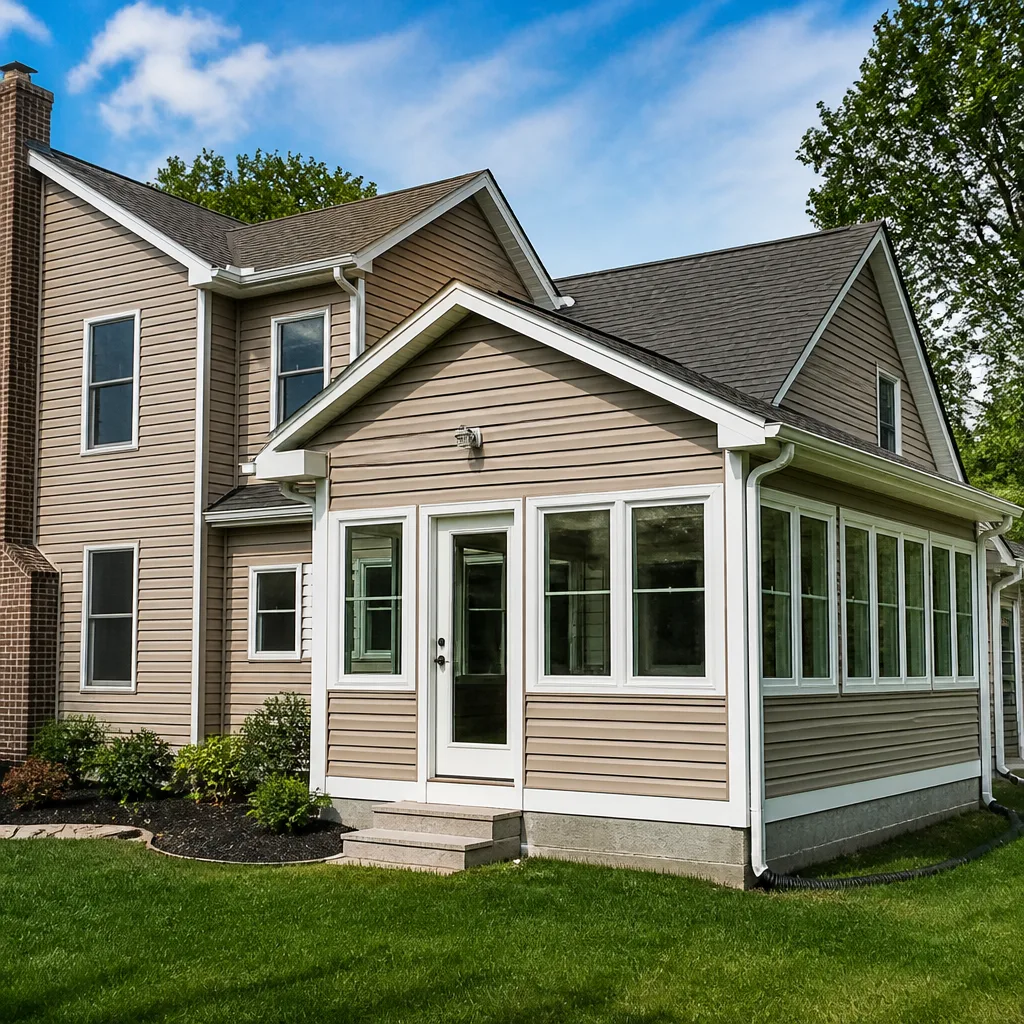
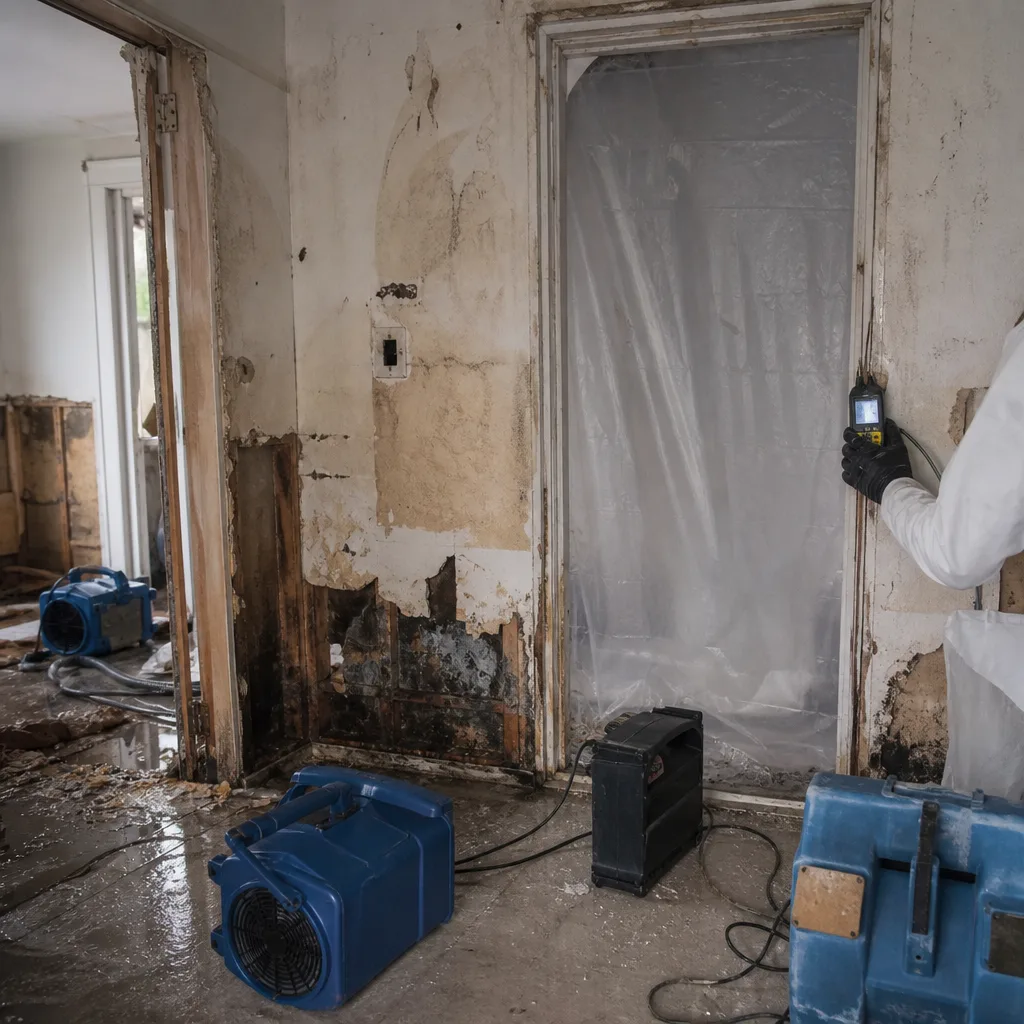 Before
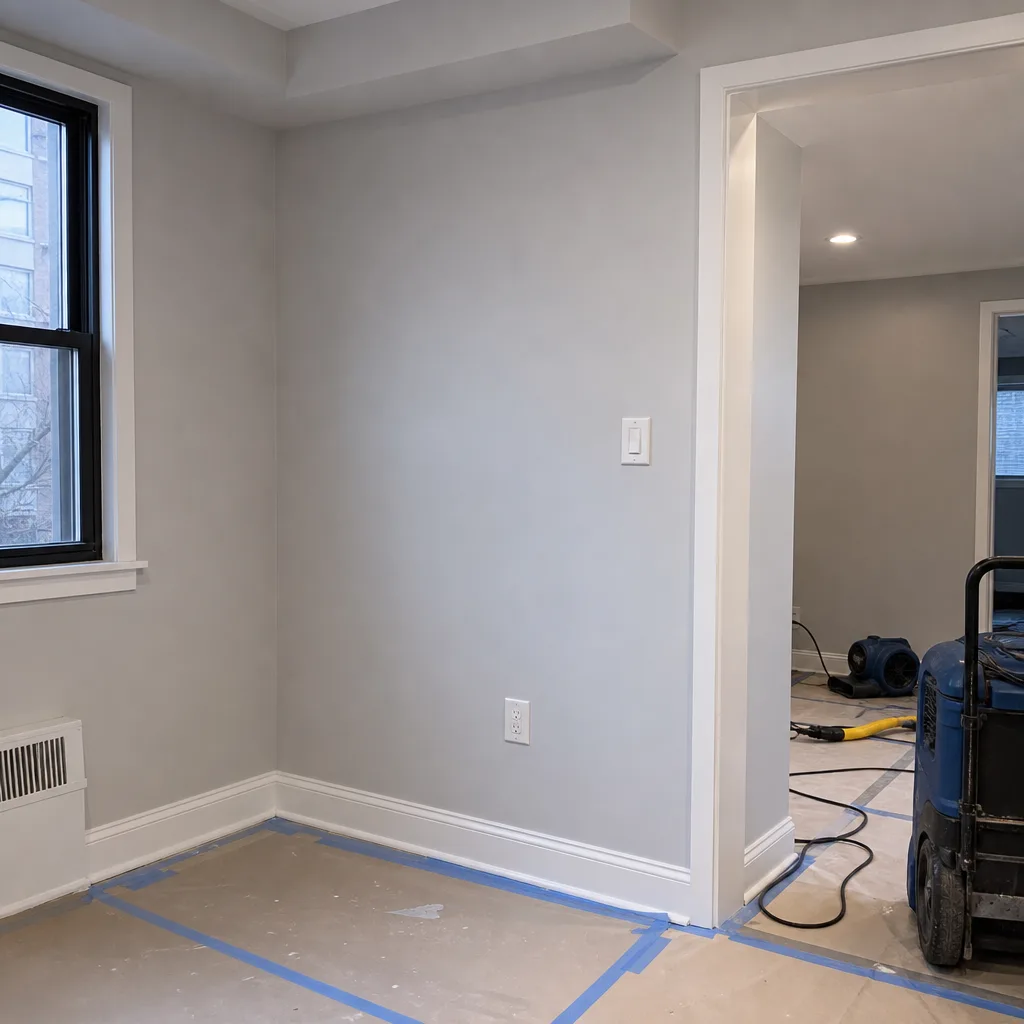 After
After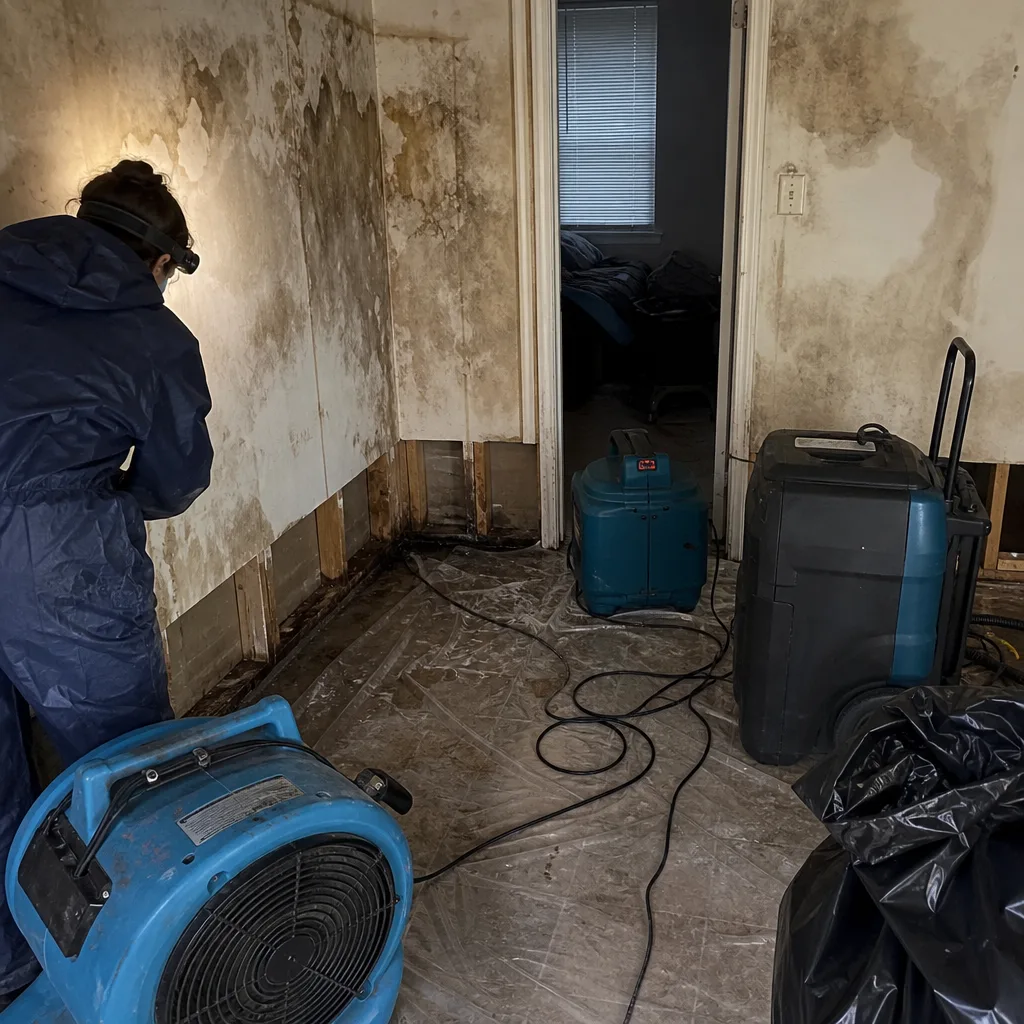 Before
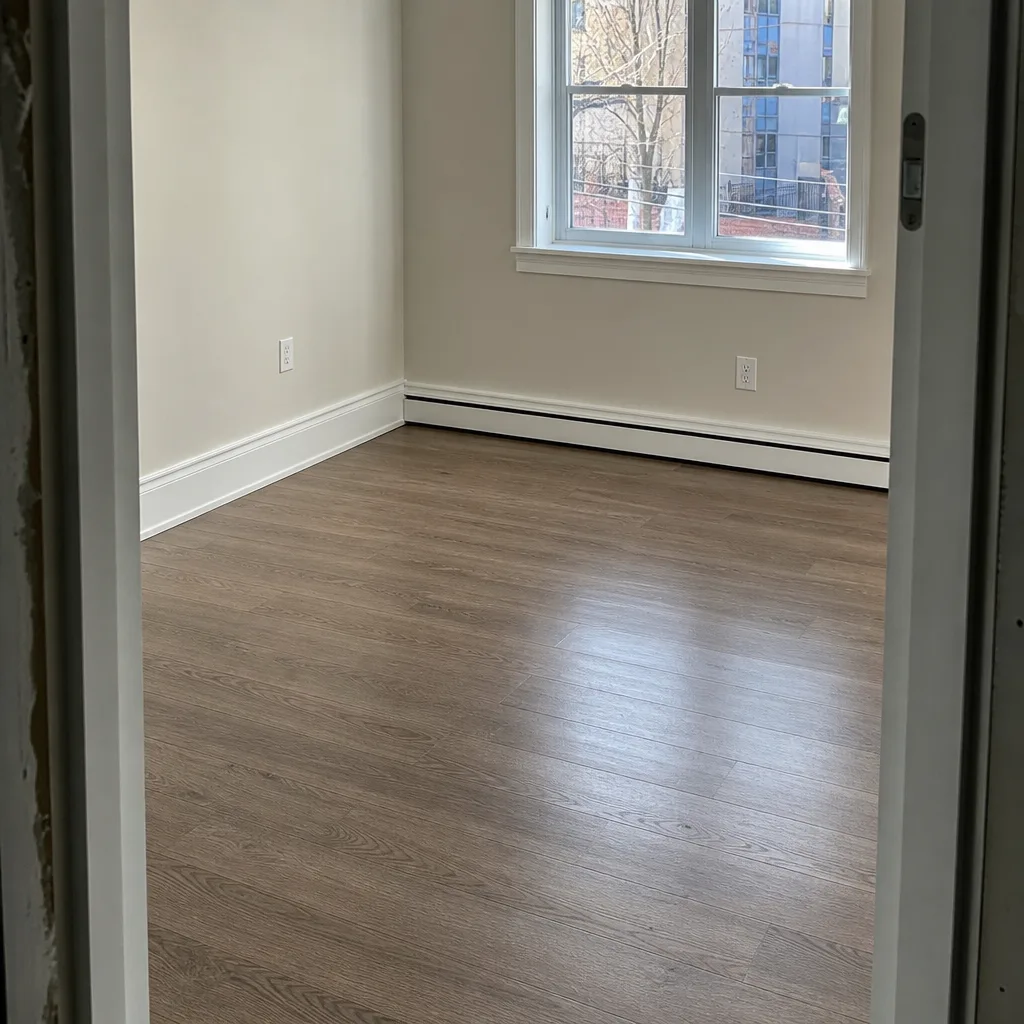 After
After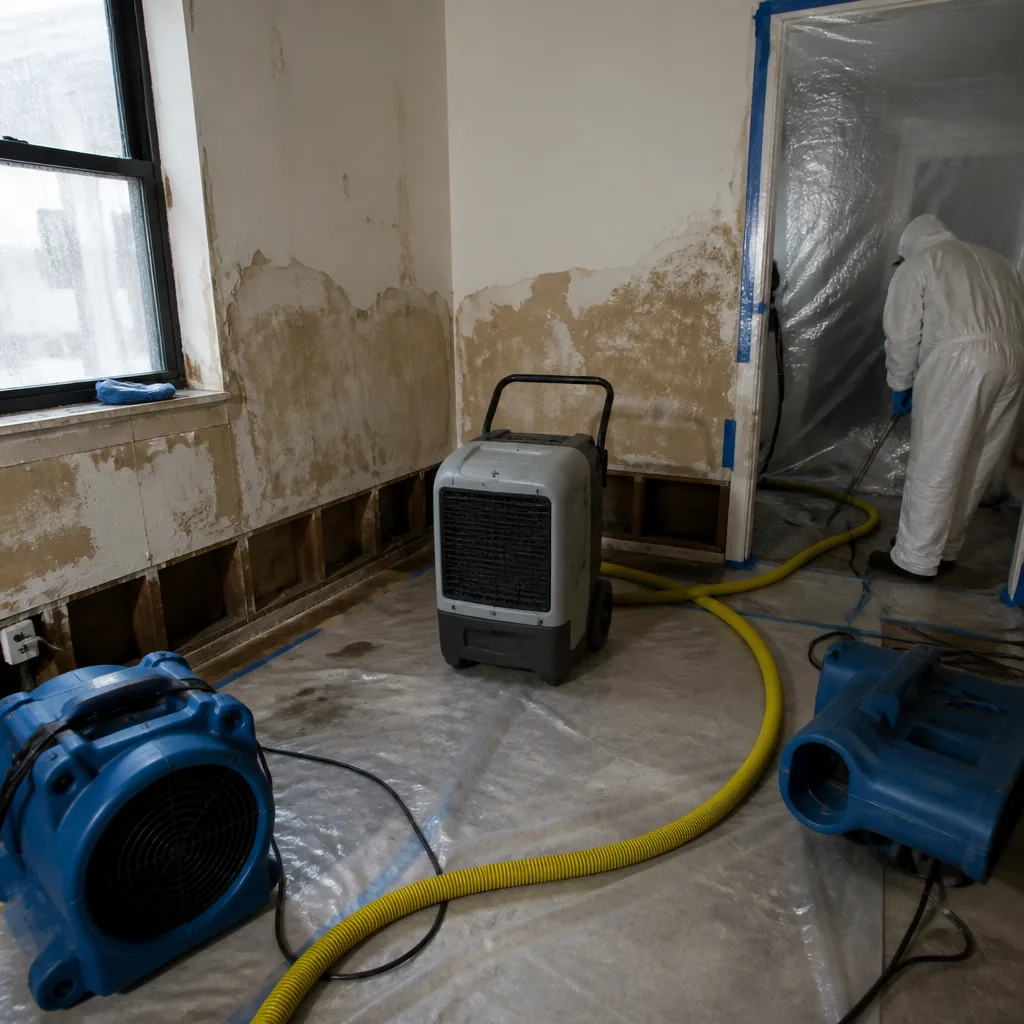 Before
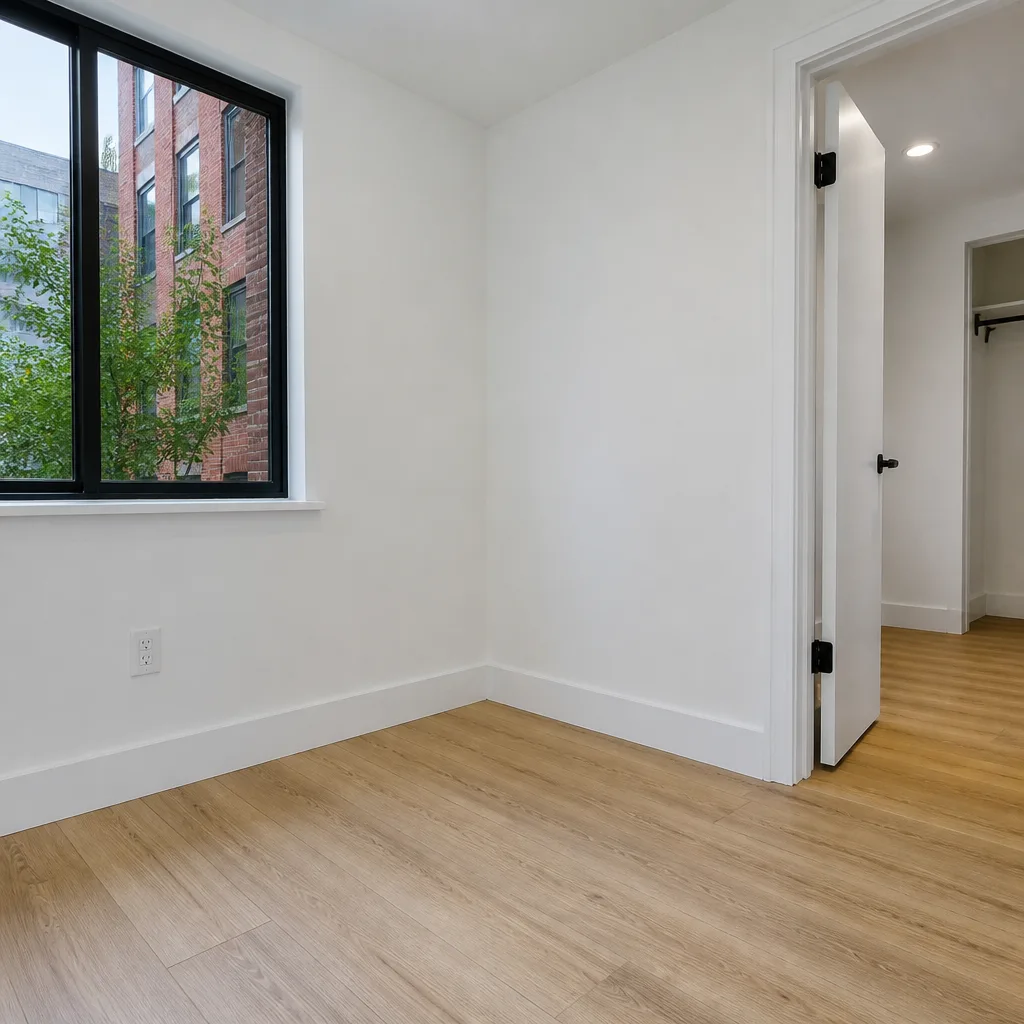 After
AfterDamage Restoration Warning Signs: A Long Island City Homeowner’s Reference Guide
Here’s a number that changes how you look at your walls: in our 12,000+ jobs since 2011, the average homeowner who called us within 48 hours of spotting a warning sign spent 34% less on restoration than the one who waited two weeks. Not because the damage was different, but because the documentation was better. In Long Island City, where pre-war brick meets glass tower and below-grade conversions outnumber single-family homes, the same leak produces different warning signs depending on whether it’s hitting a 1920s cast-iron stack or a 2019 concrete slab. Most guides & resources tell you what to look for. This one tells you what to measure, because a moisture reading of 22% on March 4th, documented in a photo with a timestamp and scale reference, is evidence an adjuster can pay. A musty smell and some discoloration is an argument waiting to happen.
Quick Answer
The warning signs that predict costly restoration in Long Island City homes fall into three measurable categories: elevated moisture readings above 16% in wood framing (the IICRC S500 threshold for “wet”), visible microbial growth exceeding 10 contiguous square feet, and structural deformation exceeding 1/4 inch in any plane. Document any of these with a timestamped photo showing a scale reference, and you have a claim-ready record. Wait for the smell to get worse, and you have a larger bill.
Table of Contents
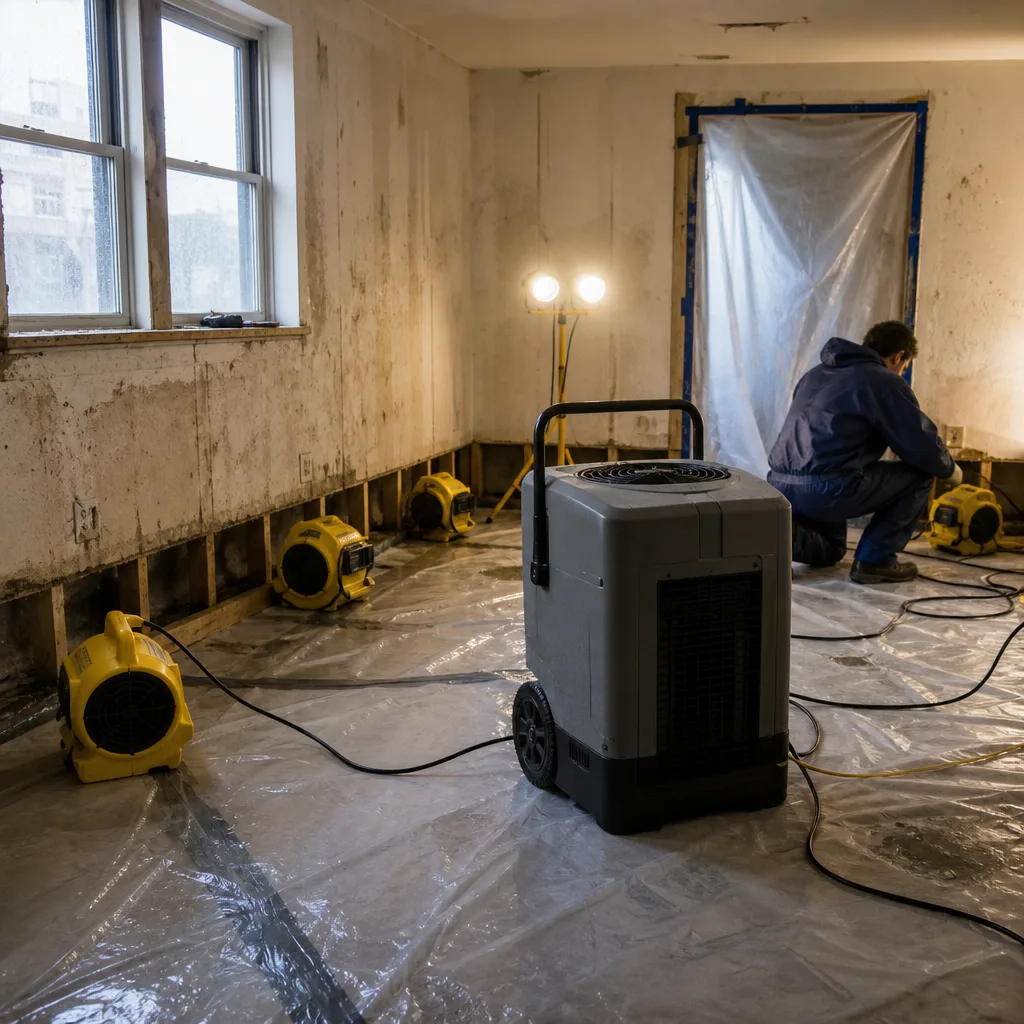
- Measuring vs. Seeing: Why Numbers Beat Descriptions
- Water Damage Warning Signs in Long Island City Homes
- Mold Indicators: When Discoloration Becomes a Claim
- Fire and Smoke Damage Signals Others Miss
- Warning Signs Specific to Long Island City Building Types
- Three “Normal Old Building” Signs That Are Actually Active Damage
- How to Photograph a Warning Sign for Insurance Use
- Triage Framework: 48 Hours, Scheduled, or Emergency Documentation
BeforeAfterMeasuring vs. Seeing: Why Numbers Beat Descriptions
A homeowner who tells an adjuster “there was a musty smell and some discoloration” is giving them a subjective account. A homeowner who says “moisture readings at the base of that wall measured 22% on March 4th, documented in a photo” is giving them evidence. The difference isn’t semantic. It’s financial.
Insurance claims succeed or fail on documentation. In our experience reviewing competitor estimates during DryMark Restoration Long Island City home second-opinion calls, the most common reason a claim gets underpaid is that the homeowner described what they saw instead of what was measured. Adjusters work from documentation standards, not impressions.
The IICRC S500, which governs water damage restoration, defines “wet” in wood materials as 16% moisture content or higher. Below that, you’re in the normal equilibrium range for most climates. At 16%, microbial growth becomes viable. At 20%, structural degradation accelerates. These aren’t arbitrary thresholds. They’re the basis on which Dri-Eaz and Phoenix dehumidifiers are sized, on which drying plans are written, and on which claims are paid.
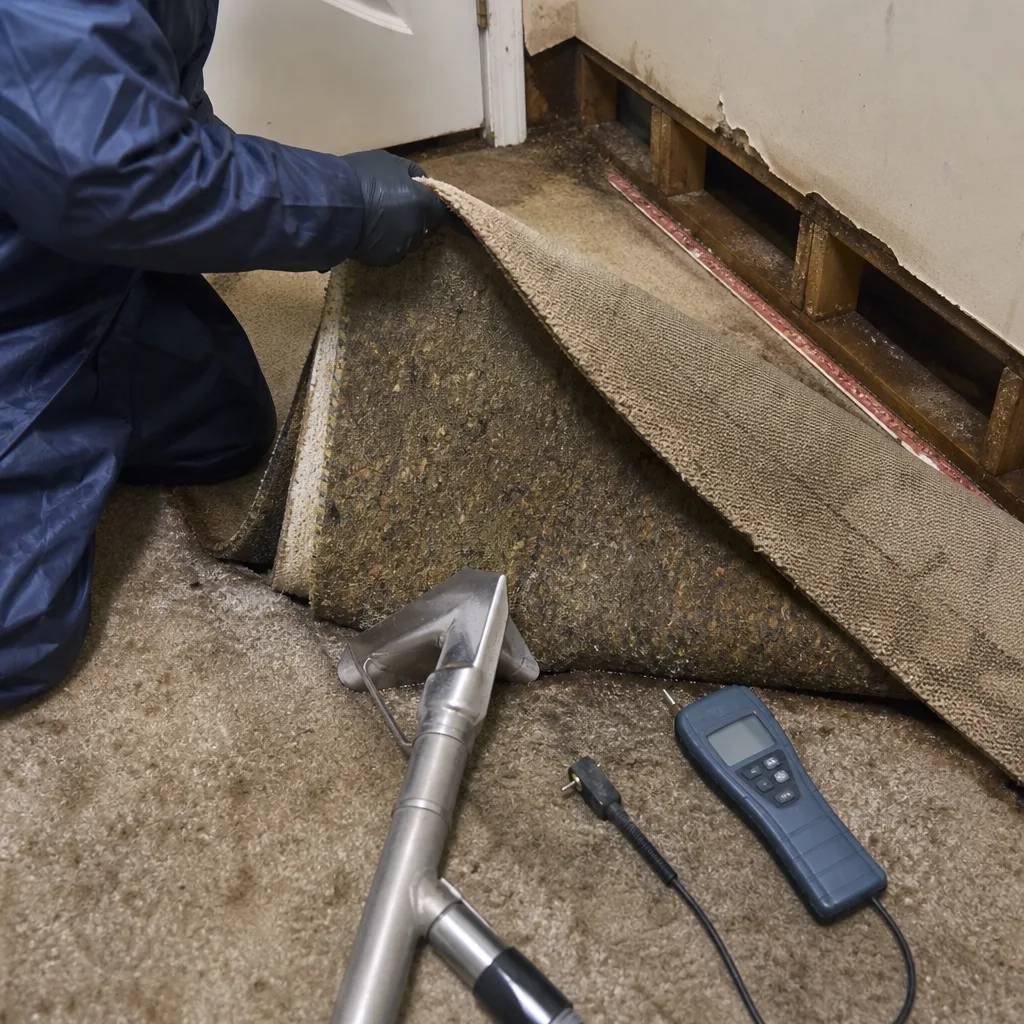
Here’s what we document on every Water Damage Restoration in Long Island City job:
- Baseline moisture readings in unaffected materials of the same type, establishing “dry” for that specific structure
- Daily moisture readings at every affected point, logged with date, time, and technician signature
- Vapor pressure differential between the affected cavity and the ambient air, which tells us whether the drying system is winning
- Psychrometric data - temperature, relative humidity, and specific humidity - recorded every four hours during active drying
- Photographs with scale reference (a tape measure or known object in frame) and sequential numbering
Psychrometric data sounds technical. It isn’t, not really. It’s the study of how air holds moisture, and it tells us whether we’re drying the material or just moving water around the room. A homeowner who can reference even one of these measurements when filing a claim is already ahead of most filers.
The Haven Standard, Clause 1, requires a written price before work begins on every job. But it also requires that the scope behind that price be documented with measurable findings, not impressions. If we tell you a wall is wet, we’ll tell you the percentage, the meter model, and the calibration date. That’s not extra service. That’s the minimum.
Water Damage Warning Signs in Long Island City Homes
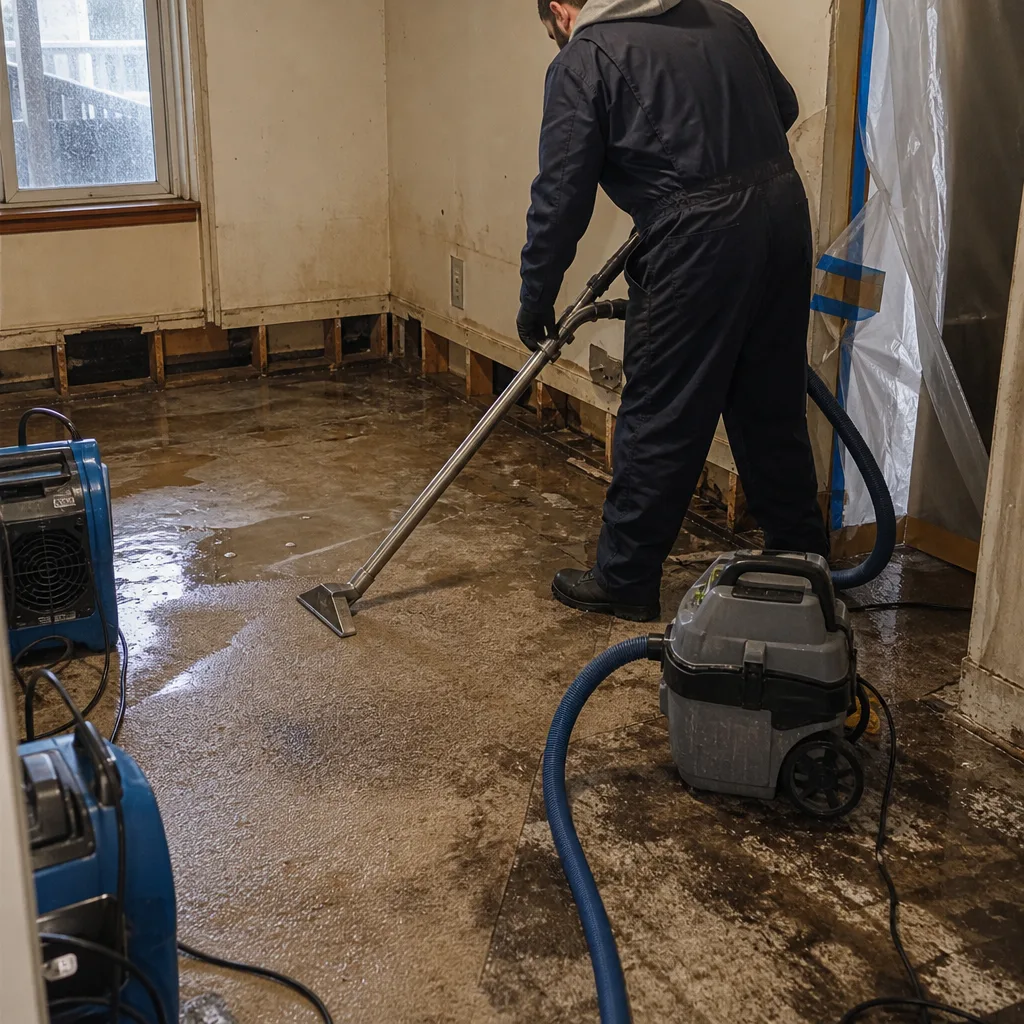
Long Island City’s building stock creates a specific profile of water damage. The neighborhood’s rapid development means a 1920s brick walk-up on 43rd Avenue can share a block with a 2021 condo tower on the waterfront. Each produces different warning signs, and each requires different measurement protocols.
Visible indicators and their measurable counterparts:
| What You See | What You Should Measure | Threshold for Action |
|---|---|---|
| Water staining on ceiling or wall | Moisture content in surrounding drywall or plaster | >16% in gypsum, >20% in wood framing |
| Bubbling or peeling paint | Substrate moisture + adhesion test (tape pull) | Any moisture behind intact paint film |
| Soft or spongy flooring | Moisture content in subfloor; deflection under load | >20% subfloor moisture; >1/4″ deflection |
| Efflorescence on masonry | Chloride content in surface deposit; interior humidity | Deposit returns after brushing; RH >60% interior |
| Rust streaks around pipe penetrations | Moisture in surrounding insulation; pipe wall thickness | Any active dripping; insulation >15% moisture |
In loft-style units with concrete slabs, which dominate newer construction near the Queensboro Bridge, cupping hardwood is often the first visible sign. The measurable counterpart is moisture gradient across the slab: the top may read 12% while the bottom, where vapor migrates upward, reads 18% or higher. This gradient, called vapor pressure differential, is what our Injectidry systems are designed to reverse. Without measurement, a homeowner sees “some cupping” and waits. With measurement, they see active vapor drive and act.
Pre-war stock in Hunters Point and Dutch Kills presents the opposite problem: plaster over wood lath, with decades of paint layers creating a vapor barrier that traps moisture. The wall feels dry to touch while the cavity behind it measures 30% moisture content. We find this most often in spring, when the East River’s humidity rises and older buildings can’t breathe. The warning sign isn’t always visible. Sometimes it’s a door that sticks in June and frees in October, which brings us to the section on misread signals.
Mold Indicators: When Discoloration Becomes a Claim
Mold is the most documented and most disputed category in restoration claims. The reason is simple: homeowners describe what they see, but policies respond to what is measured and classified. Mold Remediation in Long Island City requires understanding both sides of that gap.
Visible mold vs. measured contamination:
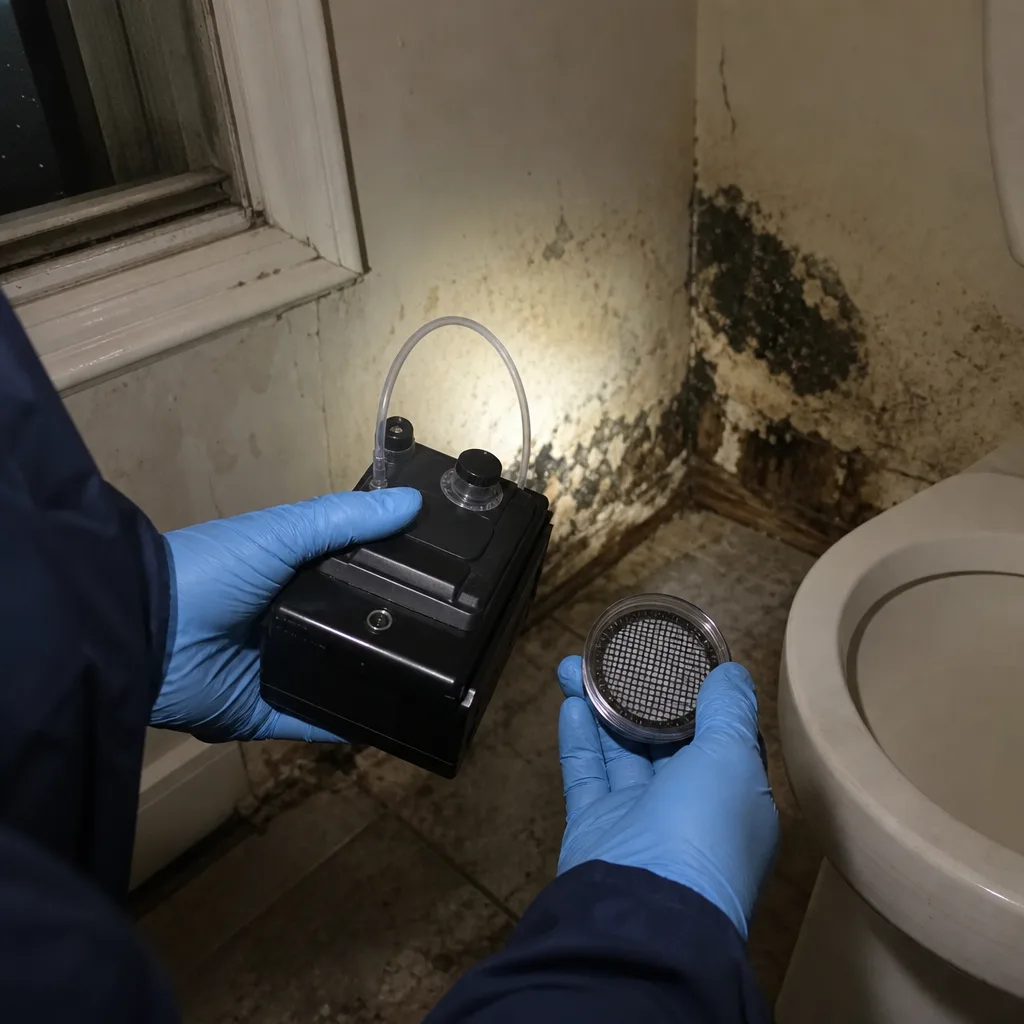
Any patch of mold-like growth exceeding 10 contiguous square feet triggers OSHA’s respirator requirement for workers and should trigger professional assessment for homeowners. But the more important measurement is often invisible: airborne spore count relative to outdoor baseline. We collect this with air sampling cassettes, compare indoor and outdoor counts, and identify genera. Aspergillus and Penicillium in elevated indoor concentrations indicate active growth. Cladosporium may simply indicate outdoor infiltration. An adjuster can dispute “black mold.” They can’t dispute “indoor Aspergillus count 340% of outdoor baseline, with water activity at 0.82 in the HVAC return.”
Water activity (a_w) is the measurement that matters. It ranges from 0 to 1, where 1 is pure water. Mold requires a_w above 0.75 to germinate and above 0.85 for significant growth. A moisture meter reading of 20% in wood corresponds roughly to a_w of 0.80. These correlations, documented in the IICRC S520 mold remediation standard, are what turn a visual complaint into a payable claim.
Long Island City’s climate amplifies the risk. Summer humidity regularly pushes relative humidity above 70% in unconditioned spaces. In below-grade conversions common along Vernon Boulevard, we see mold on concrete walls that test at 100% relative humidity at the surface, with condensation forming whenever the dew point is reached. The visible sign is darkening. The measurable sign is surface temperature at or below dew point, which we record with infrared thermography and verify with moisture meters.
Documentation protocol for mold indicators:
- Photograph the affected area with scale reference and room identifier in frame
- Record dimensions: length, width, and any extension into cavities or HVAC
- Measure moisture content in adjacent materials at three points: nearest, midpoint, and farthest from visible growth
- Note odor characterization: musty, earthy, or chemical (the latter suggests non-biological contamination)
- Document HVAC status: is the system running? Is return air pulling from the affected zone?
The Haven Standard requires photo documentation on every visit, included as standard, never an upsell. For mold specifically, we add microscopic documentation where indicated: tape lift samples with laboratory identification, so the claim file names the organism, not just the symptom.
Fire and Smoke Damage Signals Others Miss
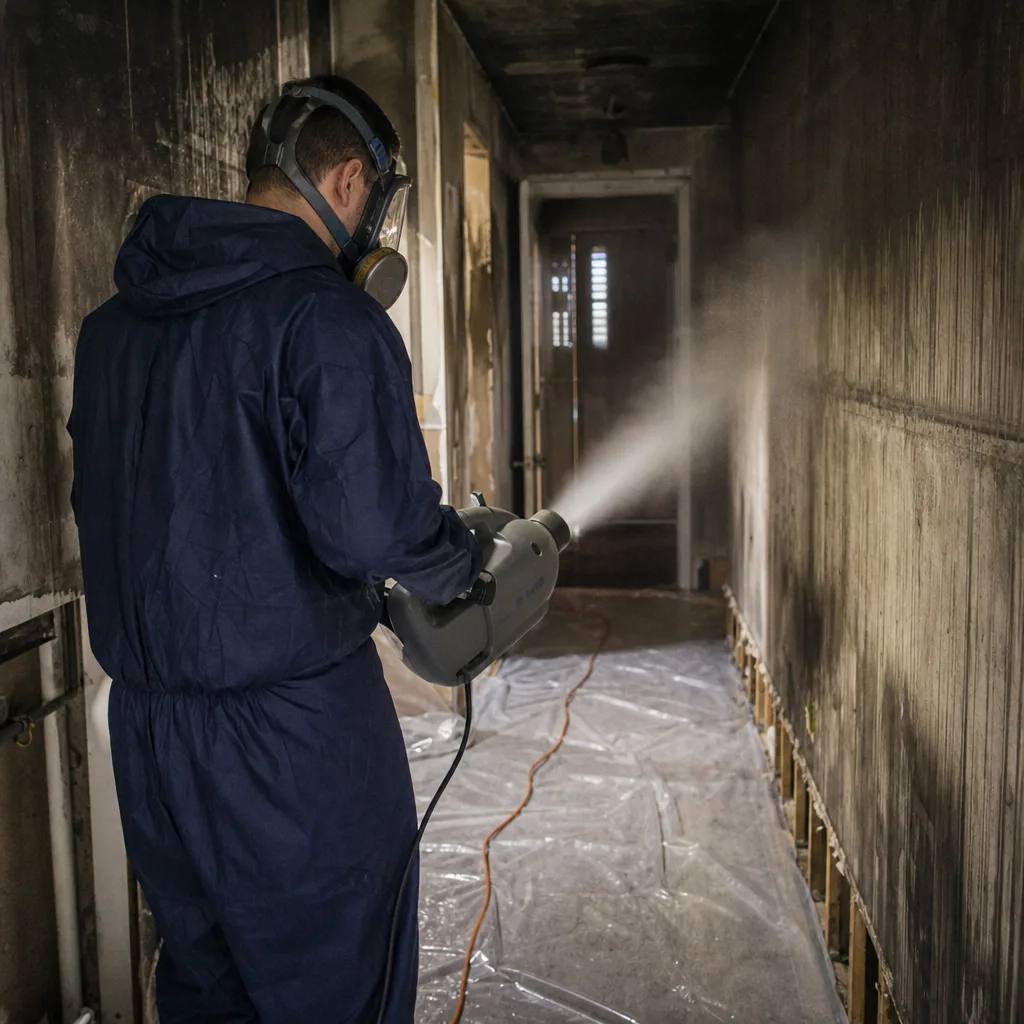
Fire & Smoke Damage Restoration in Long Island City often begins with a call about visible soot. The more consequential damage is usually what the homeowner can’t see yet: acidic residues attacking metal surfaces, odor compounds adsorbed into porous materials, and thermal degradation of structural elements that appear intact.
Smoke damage has a timeline. Within hours, acidic soot begins etching metal and glass. Within days, synthetic materials off-gas additional compounds as they degrade. Within weeks, odor compounds migrate from porous surfaces into the HVAC system, redistributing throughout the structure. The warning signs change with each phase, and so do the measurements.
Phase-specific indicators:
- 0-24 hours: Visible soot on horizontal surfaces; pH of residue below 6.0 (acidic); corrosion beginning on ferrous metals. Measure: pH test of residue, documented photographically with location stamp.
- 24-72 hours: Discoloration of painted surfaces; odor penetration into textiles; HVAC filters loading with particulate. Measure: particulate count in return air; odor intensity rating by trained technician (we use a 1-10 scale with defined descriptors).
- 72 hours to 2 weeks: Permanent etching of glass and porcelain; odor compounds migrating into wall cavities; electrical components showing corrosion at contacts. Measure: corrosion product identification; insulation resistance testing on electrical circuits.
- Beyond 2 weeks: Structural elements showing thermal degradation not visible to casual inspection; microbial growth in water-damaged areas from suppression efforts. Measure: structural engineer assessment; moisture mapping of suppression-affected areas.
In Long Island City’s high-rise stock, smoke travels vertically through utility chases in ways that surprise homeowners. We’ve documented smoke damage on the 15th floor from a fire on the 8th, with the visible sign being light soot on the bathroom exhaust grille and the measurable sign being elevated particulate in the supply air. The warning sign most commonly missed: a persistent “clean” smell after the visible soot is gone, which often indicates ozone treatment or masking agents applied without source removal, leaving acidic residues in place.
Our documentation for fire and smoke jobs includes a room-by-room pH map, particulate readings before and after source removal, and a written scope distinguishing cleanable surfaces from those requiring replacement. The 365-Day Done Right Promise applies specifically here: if odor returns because we missed a reservoir, we return and correct at no charge. That’s a signed guarantee, not a verbal assurance.
Warning Signs Specific to Long Island City Building Types
Long Island City’s architecture isn’t uniform, and neither are its damage patterns. Understanding your building type tells you which warning signs to watch and which measurements to prioritize.
Pre-war brick walk-ups (1920s-1940s):
Common in Hunters Point and along Jackson Avenue, these buildings share masonry walls, cast-iron plumbing, and minimal insulation. The warning signs we see most often:
- Efflorescence on interior brick: white, powdery deposits that indicate moisture migration through the wall. The cosmetic response is brushing it off. The measured response is testing the deposit for chloride content (indicates groundwater) vs. sulfate (indicates mortar degradation). Chloride efflorescence that returns after brushing means active moisture drive, typically from failed pointing or rising damp.
- Rust streaks at pipe penetrations: cast-iron stacks corrode from the inside out, so exterior rust indicates advanced deterioration. We measure remaining wall thickness with ultrasonic testing. Below 50% of original, replacement is indicated.
- Plaster cracks following mortar joints: this pattern indicates masonry movement, not settling. Measure crack width monthly; progression beyond 1/16 inch suggests active structural issue requiring engineering assessment.
Loft conversions and industrial adaptives (1980s-2000s):
These spaces feature concrete slabs, exposed ductwork, and large window walls. Their damage patterns:
- Cupping hardwood over concrete: as noted earlier, the measurable issue is moisture gradient, not the visible distortion. We test slab moisture emission rate per ASTM F1869; readings above 3 pounds per 1,000 square feet per 24 hours indicate vapor drive requiring mitigation before flooring replacement.
- Condensation on ductwork in summer: visible droplets indicate that supply air temperature is below the dew point of the surrounding air. Measure: dew point calculation from dry-bulb and wet-bulb temperatures; insulation R-value verification on duct exterior.
- Sealant failure at window walls: visible gaps allow bulk water intrusion during wind-driven rain. Measure: water intrusion testing per AAMA 501.2, or simpler, a hose test with interior moisture monitoring.
New construction condos and rentals (2010s-present):
Waterfront towers near Anable Basin and the Cornell Tech corridor present their own profile:
- Balcony drain failure: visible ponding after rain indicates blocked or undersized drains. Measure: drain flow rate; if below 1 gallon per minute for a standard residential drain, obstruction or design deficiency is present.
- Window leak at curtain wall joints: visible staining on interior drywall near mullions. Measure: air infiltration rate at joint; elevated readings indicate failed gasket or improper installation.
- HVAC condensate overflow in ceiling cassettes: visible water staining on ceiling tiles. Measure: condensate pump operation and drain line slope; we document with video when possible.
The common thread across all building types: the visible sign gets your attention, but the measurement determines the scope and the claim. A rust streak is a symptom. An ultrasonic wall thickness reading of 2.1mm on a 4.5mm original pipe is evidence.
Three “Normal Old Building” Signs That Are Actually Active Damage
These three warning signs are so common in Long Island City’s older housing stock that homeowners normalize them. In our documentation, each correlates with active, progressing damage that costs more to address the longer it’s dismissed.
1. Recurring nail pops near exterior walls
Nail pops happen. Drywall expands and contracts with humidity, pushing fasteners outward. But nail pops that recur in the same location, especially within 24 inches of an exterior wall, indicate moisture cycling in the wall cavity. The nail is moving because the stud behind it is swelling and shrinking.
What to measure: moisture content in the stud at the pop location, and thermal pattern of the wall with infrared. A cold spot at the pop location indicates air infiltration carrying moisture. We’ve documented this pattern in pre-war buildings throughout Dutch Kills, where failed mortar pointing allows wind-driven rain into the cavity. The homeowner sees “old house quirks.” We see stud moisture at 24%, with fungal growth beginning in the cavity.
2. Doors that bind seasonally in the same corner
A door that sticks in August and frees in January is not humidity expansion of the door itself. It’s frame racking caused by differential foundation movement, or more commonly in Long Island City, by moisture expansion of the sill plate or subfloor at one corner. The binding always occurs in the same corner because that’s where the movement is concentrated.
What to measure: floor level at the door corner relative to the opposite corner; moisture content in the subfloor below; and foundation crack width if accessible. A level difference exceeding 1/4 inch in a 3-foot span indicates structural movement requiring assessment. In buildings with rubble foundations common to 1920s construction, we’ve found that seasonal binding correlates with groundwater fluctuation in the crawl space or cellar, often from a failed perimeter drain.
3. Grout cracking along the same grout line repeatedly
Grout cracks. But grout that cracks in the same line after repair indicates substrate movement, not grout failure. In bathrooms, this often means the tub or shower pan is deflecting under load, flexing the tile backing. In kitchens, it can indicate cabinet settlement or, in Long Island City’s high-rise stock, structural slab deflection.
What to measure: deflection under load (a 200-pound weight on the tub edge should not produce visible movement); moisture content in the wall behind the tile (any reading above 16% indicates failed waterproofing); and if in a high-rise, relative elevation of the slab at multiple points. We’ve documented cases where repeated grout cracking in a 2019 building traced to slab deflection exceeding L/360, the code minimum for residential floors. The developer’s warranty was still in effect. The homeowner who had photos and measurements recovered replacement costs. The one who had only “it keeps cracking” did not.
How to Photograph a Warning Sign for Insurance Use
A photo that works for your memory is not necessarily a photo that works for your claim. Adjusters see thousands of images. The ones that support payment contain specific elements that answer their questions before they ask them.
The four required elements:
- Scale reference. A tape measure, a coin, or any object of known dimension in the same plane as the damage. Without scale, a 2-inch stain and a 2-foot stain look identical on a phone screen.
- Timestamp and GPS tag. Enable location services and timestamp overlay on your camera, or use an app that embeds EXIF data. The adjuster’s first question is often “when was this taken?” and their second is “where in the property?”
- Sequential numbering. Photo 1 of 12, Photo 2 of 12, etc. This establishes that images weren’t selectively presented and helps reconstruct the timeline if the claim is disputed.
- Room identifier in frame. A piece of paper with “Master Bath, North Wall, 3/15/25” written on it. Not in a separate note, in the frame. Adjusters match photos to scopes; make the match obvious.
Shooting sequence for a water stain:
- Wide shot: entire wall or ceiling, showing the stain in context, with room identifier visible
- Medium shot: stain with scale reference (tape measure across longest dimension)
- Close shot: texture of the stain surface - is it dry, damp, blistering, or powdery?
- Context shot: adjacent areas - floor below, wall opposite, any visible source (pipe, window, roof penetration)
- Measurement shot: if you have a moisture meter, the display reading in frame with the probe in the material
Our technicians shoot this sequence on every visit, included as standard deliverable. But the homeowner’s initial documentation, taken before we arrive, establishes the baseline that proves when the damage began. In one 2023 claim in Court Square, a homeowner’s timestamped photos from the night of the leak, showing water actively flowing, overcame the insurer’s argument that the damage was “long-term maintenance neglect.” The photos were taken on a phone, by a non-professional, but they contained all four required elements. That homeowner had read a guide like this one.
Triage Framework: 48 Hours, Scheduled, or Emergency Documentation
Not every warning sign demands the same response. The wrong response wastes money; the delayed response costs more. This framework, developed from our job records since 2011, assigns each category to a response type.
Emergency documentation before anything else:
These signs indicate active, ongoing damage that will worsen while you wait. Your first action is documentation (photos, measurements, notes), your second is stopping the source if safely possible, your third is calling for assessment.
- Active water flow or dripping from any source
- Sewage backup or Category 3 water (any water with suspected waste contamination)
- Visible fire damage with active smoke production
- Structural deformation exceeding 1/2 inch in any structural element
- Electrical panel or outlet with visible moisture, burning, or arcing
For active water flow: shut off the supply at the main if you can locate it safely. Document the shutoff time. Then call. For sewage: do not attempt cleanup. Category 3 water requires specific PPE and disposal protocols; documentation protects your claim, but the work requires professionals. The Haven Standard, Clause 1, still applies: even on emergency calls, we provide a written price before work begins, every time, with no exceptions.
48-hour contractor visit:
These signs indicate active damage that is stabilized but progressing. Waiting beyond 48 hours increases scope and cost measurably.
- Moisture readings above 20% in any structural material
- Visible mold growth any size, in any location
- Odor that persists after ventilation and cleaning
- Fire or smoke damage with no active production, within 72 hours of event
- Storm damage with compromised building envelope (damaged roof, broken window, failed seal)
In Long Island City’s summer humidity, mold growth on wet materials can become visible within 48-72 hours. The 48-hour window isn’t arbitrary. It’s the difference between surface treatment and cavity remediation.
Scheduled assessment:
These signs indicate conditions that require professional evaluation but are not actively worsening on a daily basis.
- Recurring cosmetic issues (stains that appear after rain, then fade)
- Seasonal binding doors or windows
- Isolated nail pops or minor plaster cracking
- Efflorescence that brushes away and does not return quickly
- Historical moisture readings that are elevated but stable over time
Even scheduled assessments receive full documentation: moisture mapping, photo record, and written scope with price before work. The difference is in urgency, not in thoroughness. Our live phone coverage, 24 hours a day, 7 days a week with no voicemail on emergency lines, means you can call any time to determine which category applies. A real person answers, assesses, and schedules appropriately.
Common Mistakes to Avoid
- Describing instead of measuring. “The wall was wet” is not documentation. “The drywall at the base of the north wall measured 28% moisture content on 3/15/25” is. Buy a pin-type moisture meter for $50 or borrow one; the reading transforms your claim.
- Cleaning before documenting. The urge to make damage presentable is understandable and costly. Photograph everything before touching anything. A clean surface with no record of what was there is evidence that nothing was there.
- Assuming new construction is immune. Some of our most extensive jobs have been in buildings less than five years old, where waterproofing failures, improper flashing, and condensation design errors create damage faster than in older, forgiving construction. Age is not protection.
- Ignoring seasonal patterns. A stain that appears every March and disappears every June is not random. It’s a clue to groundwater, snow melt, or HVAC changeover patterns. Document the timing; it points to the source.
- Accepting “that’s normal for Long Island City” as final. Old buildings have character. They also have active damage that gets attributed to character. Recurring nail pops, seasonal door binding, and returning efflorescence are measurable conditions with specific causes, not neighborhood quirks.
- Waiting for the smell. By the time microbial odor is detectable, growth is established. The measurable threshold for action is 16% moisture content or water activity above 0.75, not your nose.
- Not requesting the competitor’s documentation. If another company has assessed your damage, their moisture readings and scope notes are yours to review. Our Free Second Opinion on Any Written Estimate means we’ll review their numbers at no charge, and explain what we agree with, what we don’t, and why.
When to Call a Professional
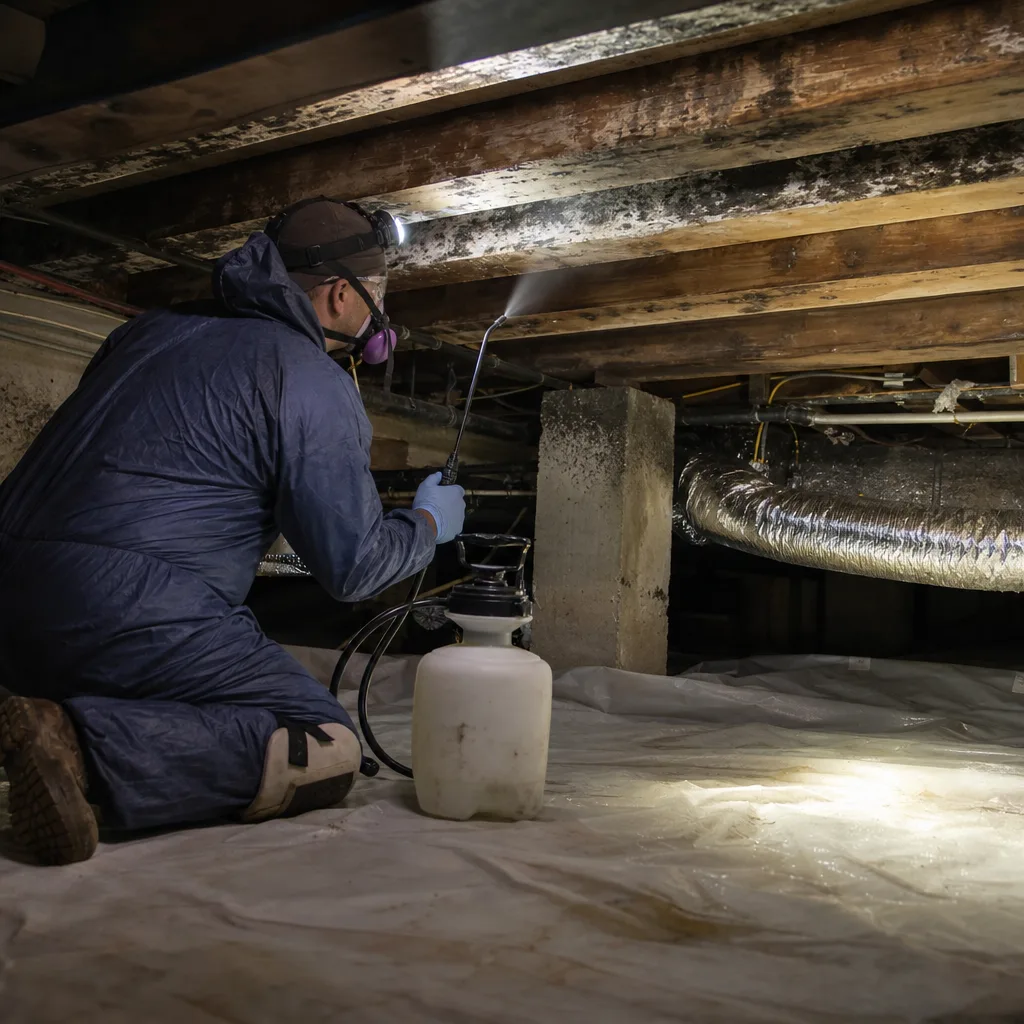
Call when you have documentation and need scope, or when you need documentation and don’t have the tools. The threshold is not severity; it’s measurability. If you can measure it, you can claim it. If you can claim it, you can recover it.
Specific scenarios that warrant immediate call: moisture readings above 20% in any structural material; visible microbial growth of any size; fire or smoke damage within 72 hours; sewage or Category 3 water contact; structural deformation or movement; electrical components with moisture exposure; any condition where the source is known but cannot be safely stopped.
DryMark Restoration Long Island City offers free estimates in Long Island City. Every estimate includes moisture readings where indicated, a written scope with line-item pricing, and a photo record of our findings. Call (914) 530-9723. A live person answers, 24 hours a day, 7 days a week. No voicemail on emergency lines. Written price before work begins, every time, with no exceptions. That’s Haven Standard, Clause 1.
Frequently Asked Questions
Our assessment and written estimate are free. The estimate includes moisture readings, photo documentation, and a line-item scope with pricing. We do not charge for the evaluation, and we do not begin work until you have a written price in hand. Call (914) 530-9723 to schedule.
Coverage depends on whether the damage is “sudden and accidental” or the result of long-term neglect. Documentation is what proves the distinction. Timestamped photos, moisture readings with dates, and a professional assessment establishing when the damage began all support the sudden-and-accidental determination. We coordinate directly with adjusters and provide the documented drying logs that turn restoration invoices into payable claims.
Our live phone coverage operates 24 hours a day, 7 days a week with no voicemail on emergency lines. Response time depends on current job volume and your location within Long Island City, but we dispatch for active water flow, sewage backup, and fire damage as priority calls. When you call, we tell you our current ETA honestly. If we cannot meet your timeline, we say so. Call (914) 530-9723 for current availability.
For water damage: if moisture readings in affected materials exceed 16%, professional drying is indicated to prevent structural degradation and microbial growth. For mold: any growth exceeding 10 contiguous square feet, or any growth in an HVAC system, requires professional remediation per OSHA and IICRC standards. For fire and smoke: acidic residues begin etching surfaces within hours and require specific cleaning agents and methods. Self-cleaning often masks odor while leaving active damage. We offer a Free Second Opinion on any competitor’s written estimate if you want comparison.
We deal with your adjuster directly, with your authorization. Our documentation - daily moisture logs, photo records, written scopes, and equipment deployment logs - is formatted for claims review. We do not negotiate your settlement; that remains between you and your insurer. We do provide the evidence that supports your claimed scope. In our experience, claims with professional documentation are processed faster and with fewer disputes than those without.
Cosmetic staining occurs on the surface without elevated moisture in the substrate. Active moisture intrusion involves water migration into the material, measurable as elevated moisture content. The IICRC S500 threshold for “wet” in wood materials is 16% moisture content; in gypsum drywall, it’s typically above 1% above the baseline of unaffected material in the same structure. We determine this with pin-type and non-invasive moisture meters, documented in the written scope. Surface cleaning addresses cosmetics. Drying and repair address intrusion. Confusing the two leads to recurring damage and denied claims.
The Bottom Line
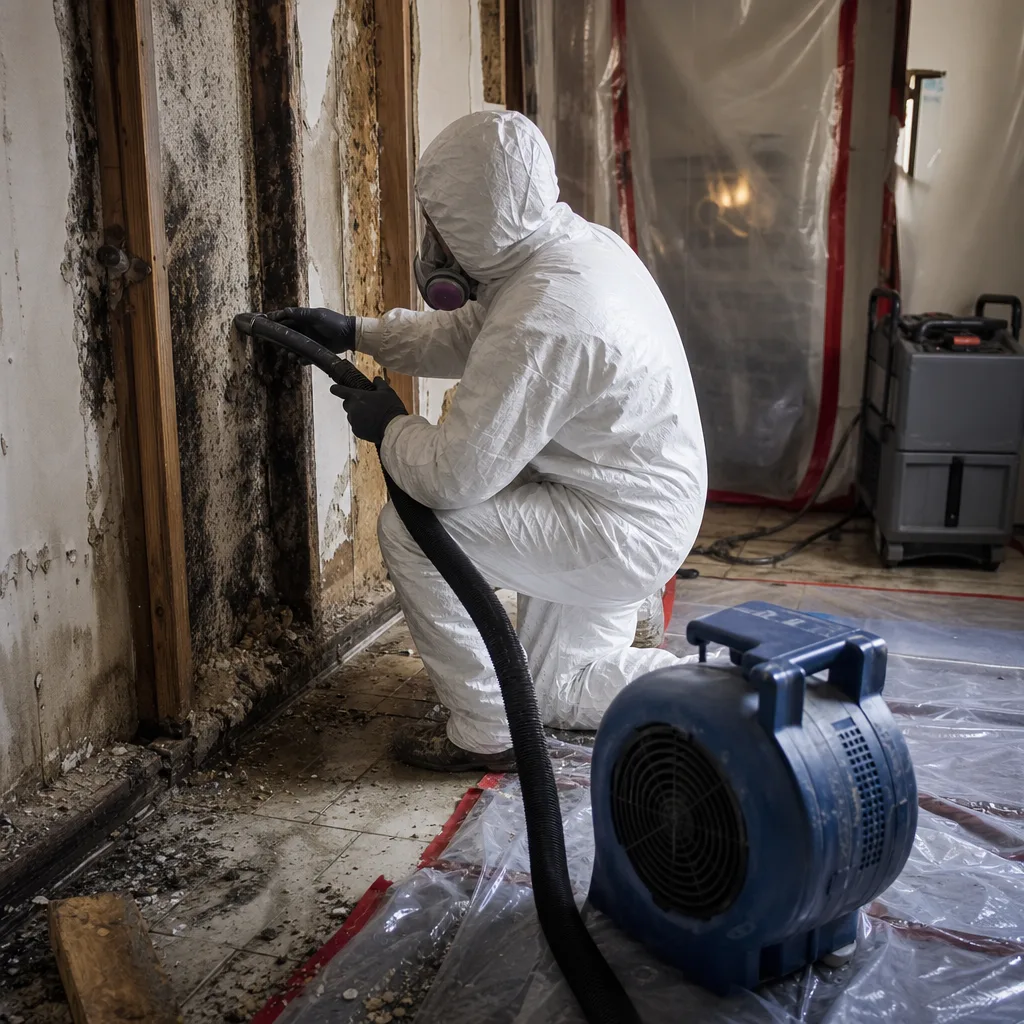
Warning signs are not omens. They are measurements waiting to be taken. The homeowner who treats a stain as data, a smell as a symptom with a numerical threshold, and a crack as a record of movement over time, is the homeowner whose claim gets paid without argument. In Long Island City’s diverse building stock, from pre-war brick to new concrete, the specific warning signs differ but the principle does not: document what you can, measure what you’re able, and call for professional documentation when the tools or the time exceed what you have. The cost of assessment is known. The cost of waiting is not.
Back to Dry Restoration has operated under The Haven Standard since 2011, documenting every job with written prices before work begins, photo records on every visit, and the 365-Day Done Right Promise backed by a signed guarantee. If you’re seeing warning signs and need measurement, scope, or documentation, call (914) 530-9723. A live person answers. The estimate is free. The written price comes before any work starts. That’s not marketing. That’s Clause 1.
Written by Alicia Brennan, Owner at DryMark Restoration Long Island City, serving Long Island City since 2011.