
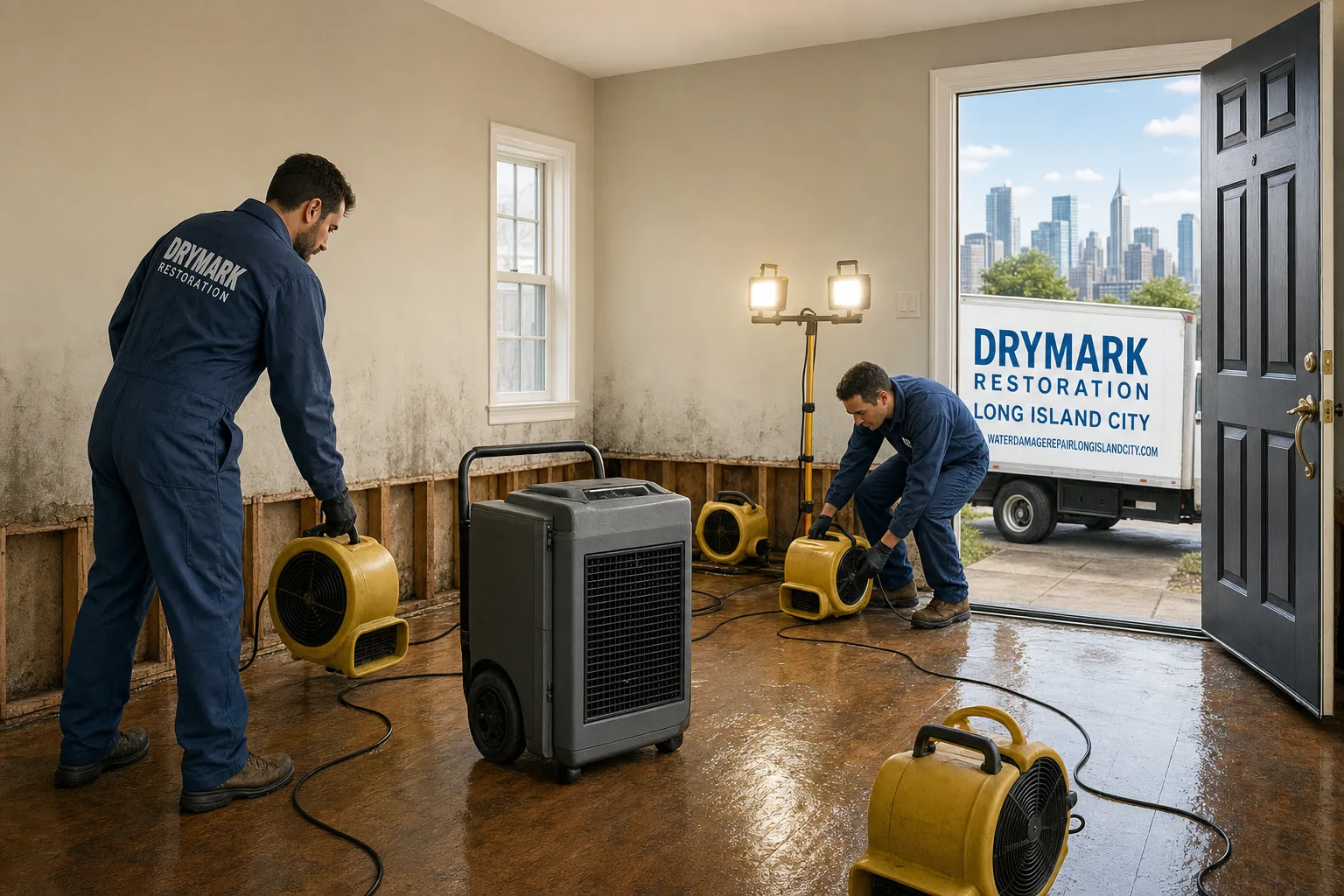
Free visual inspection and a written scope of work before any mitigation begins - photos, moisture readings, and drying logs go in your claim file
The scope we write is the scope we bill. Anything new gets shown to you, in writing, before we touch it.
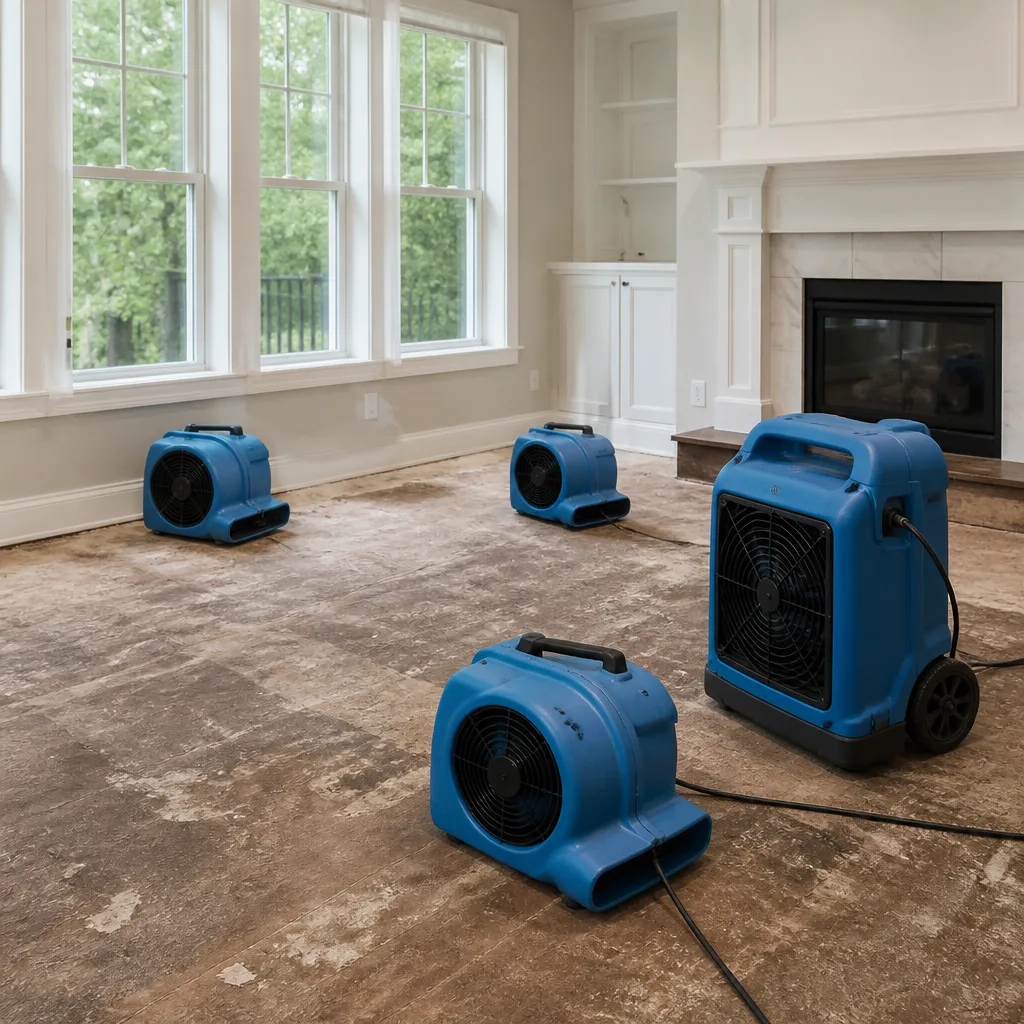

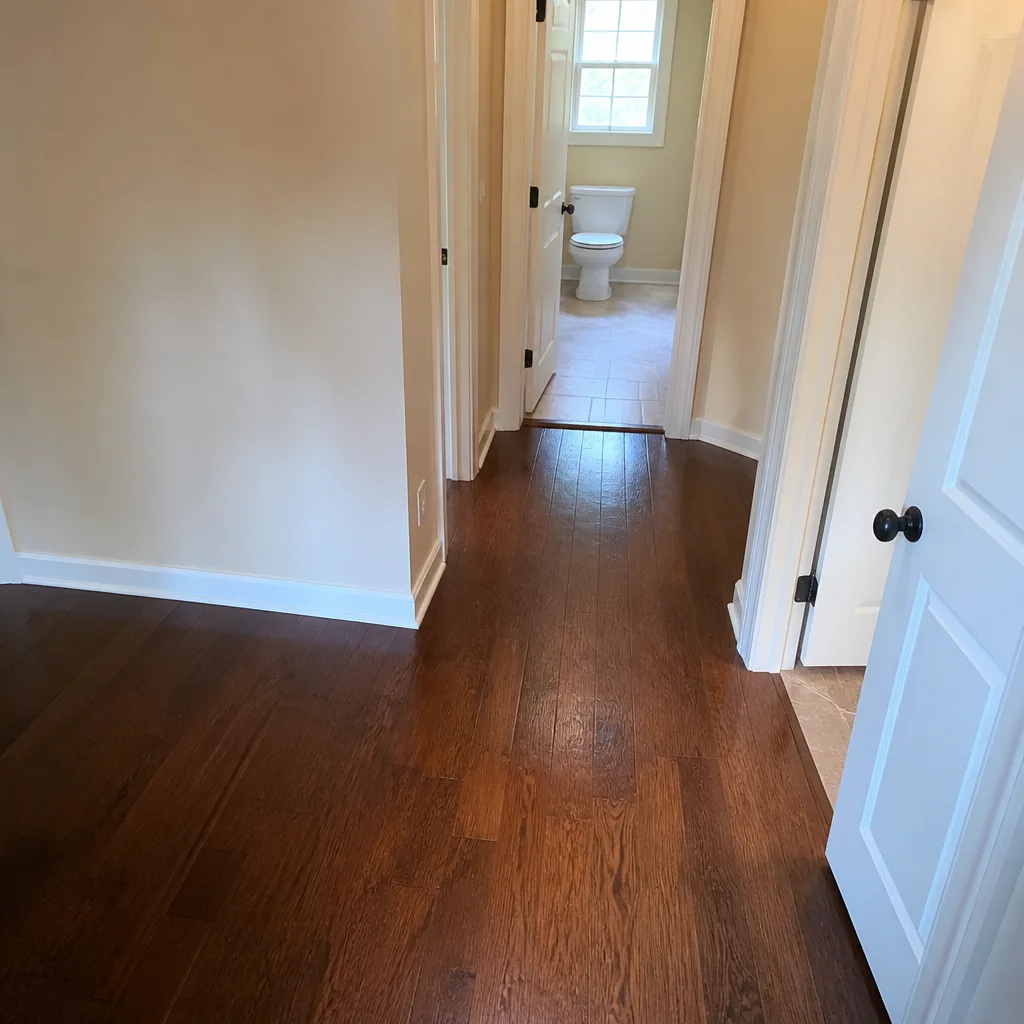
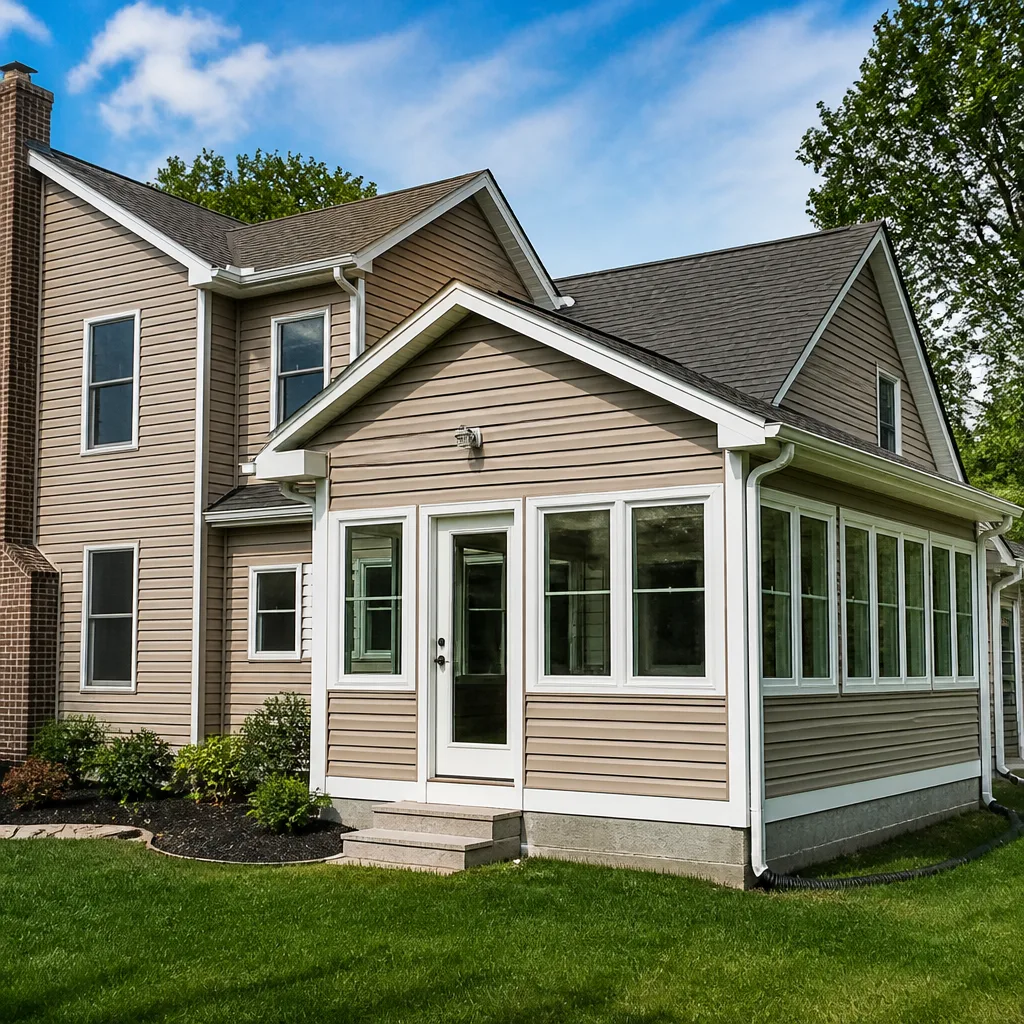
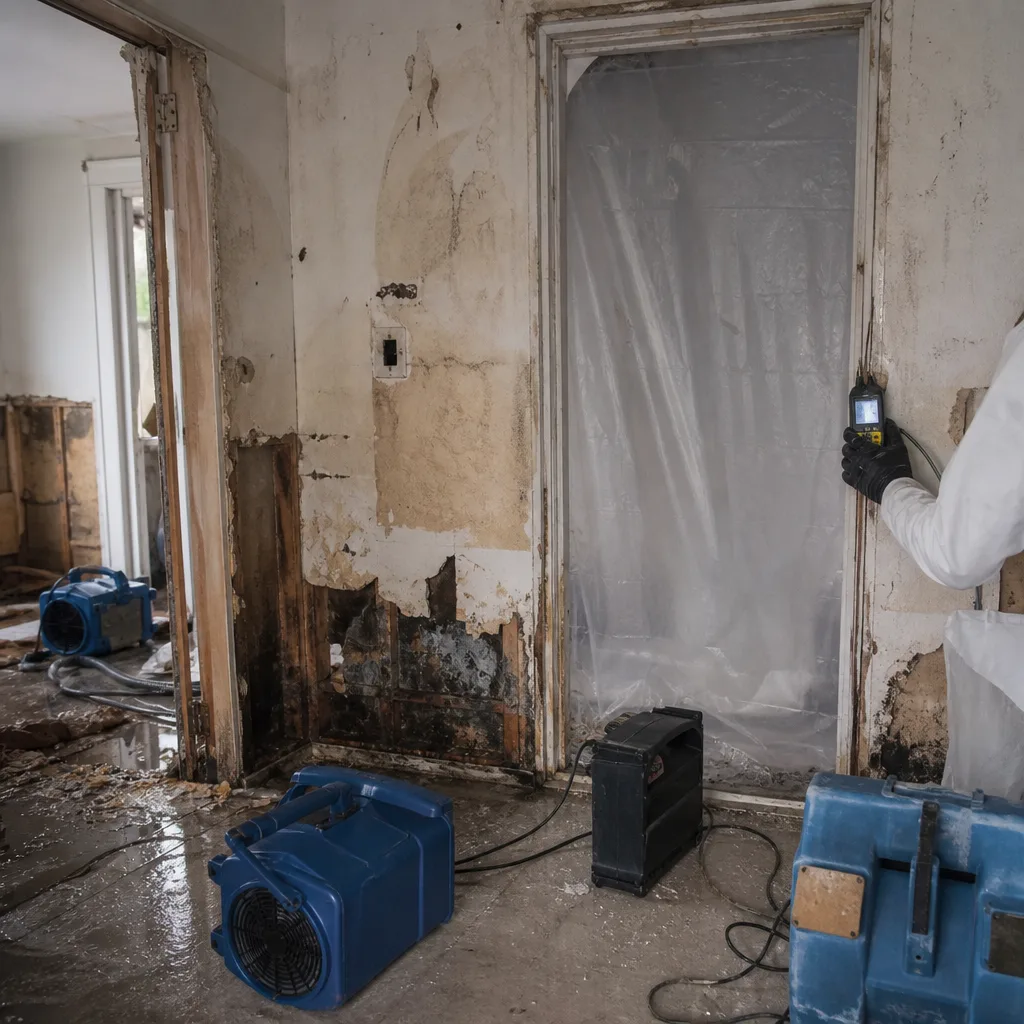 Before
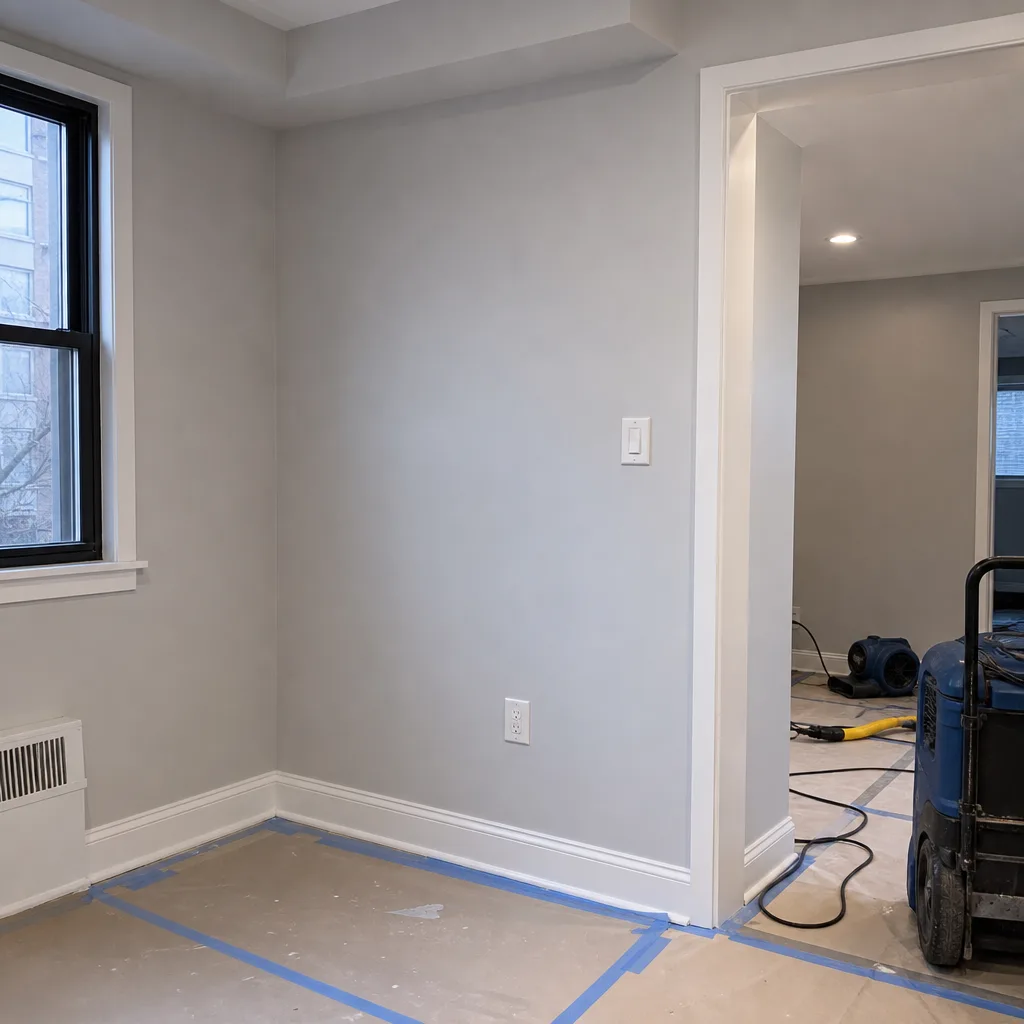 After
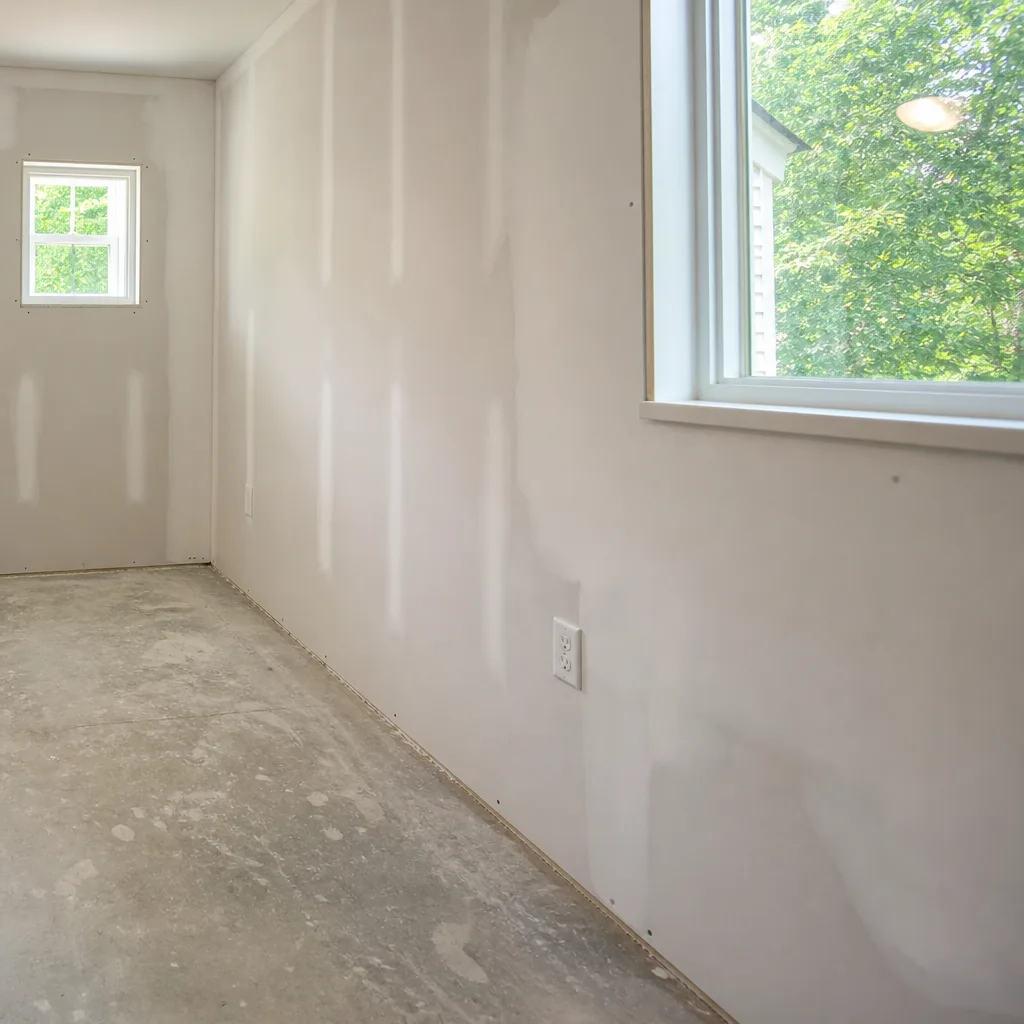
After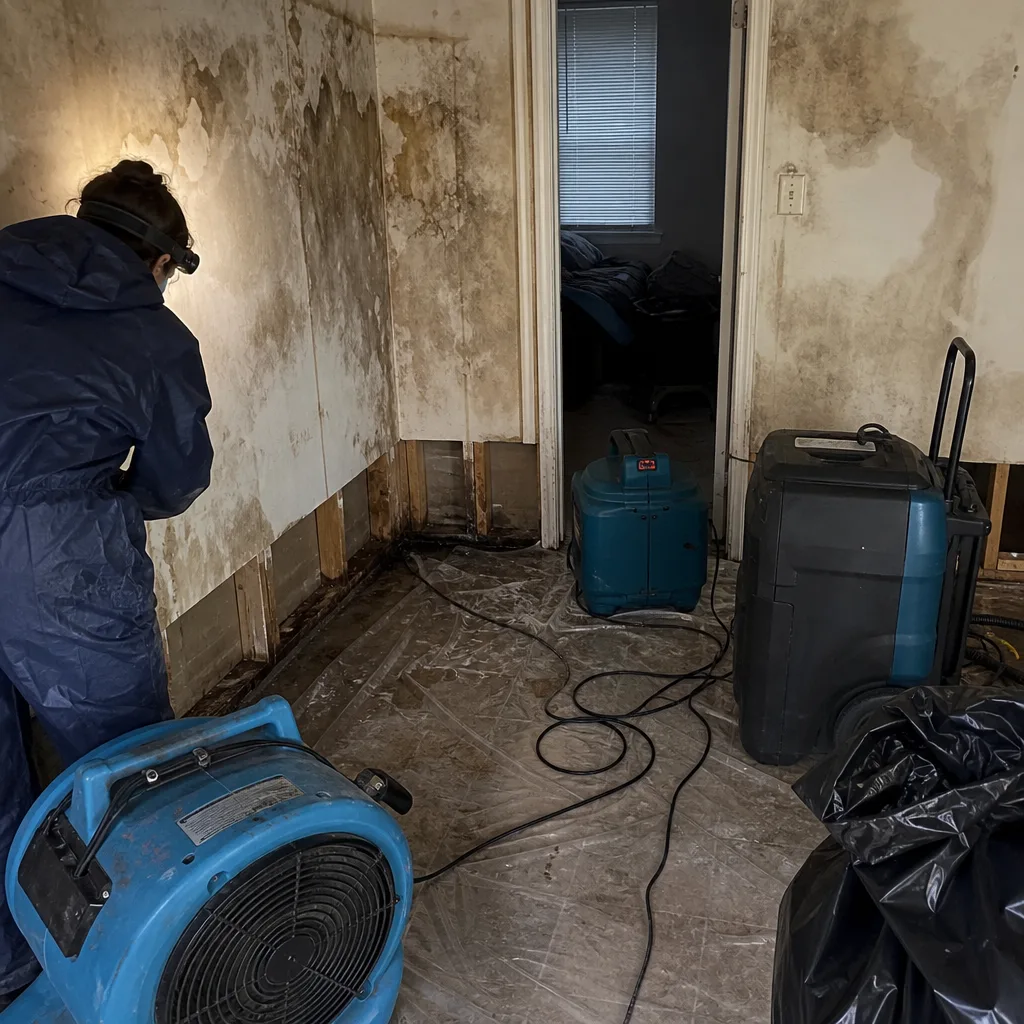 Before
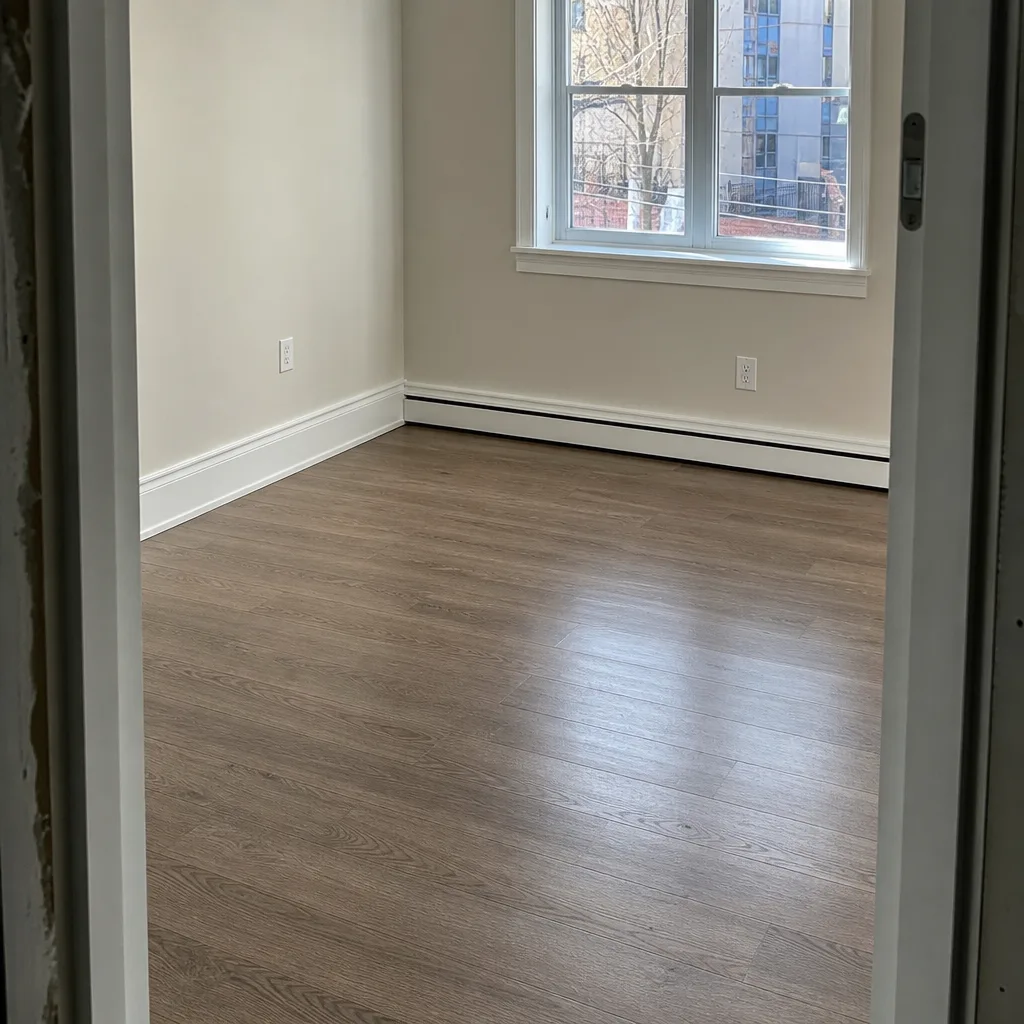 After
After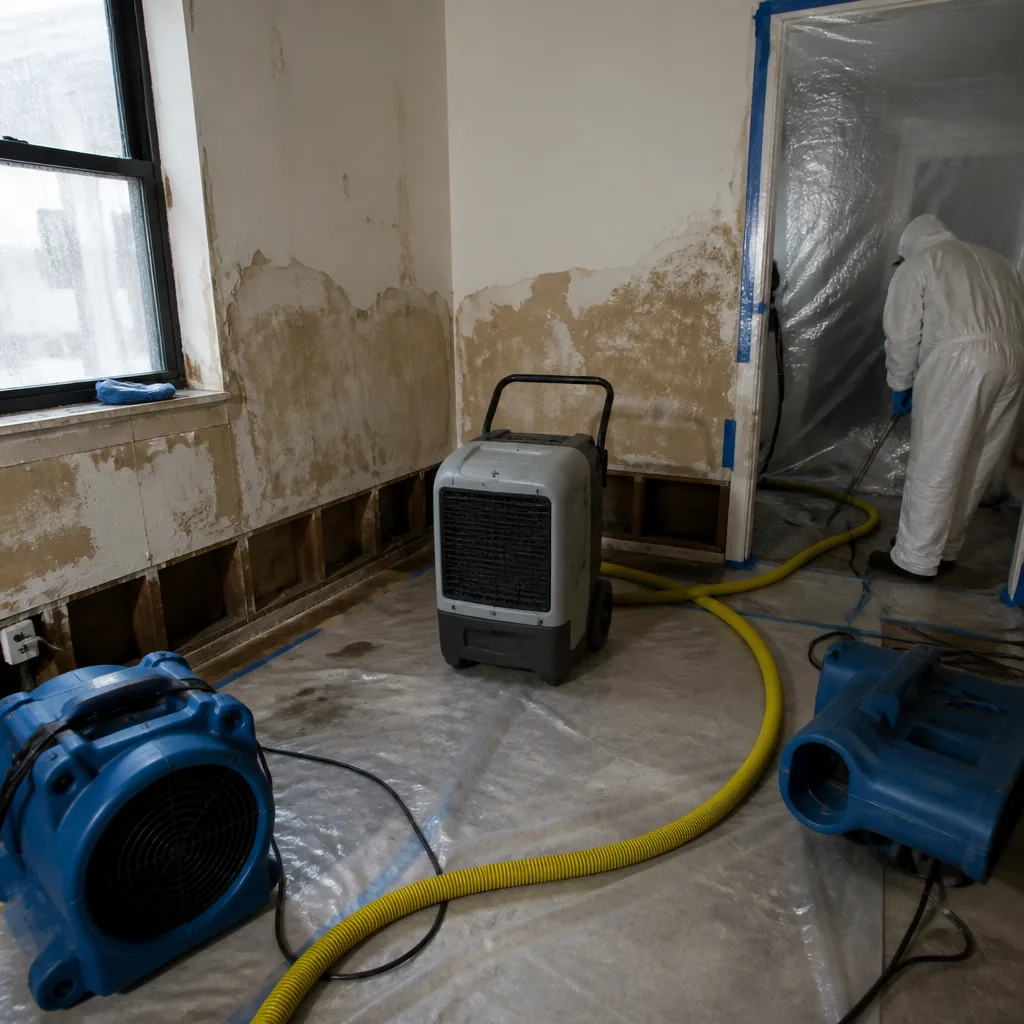 Before
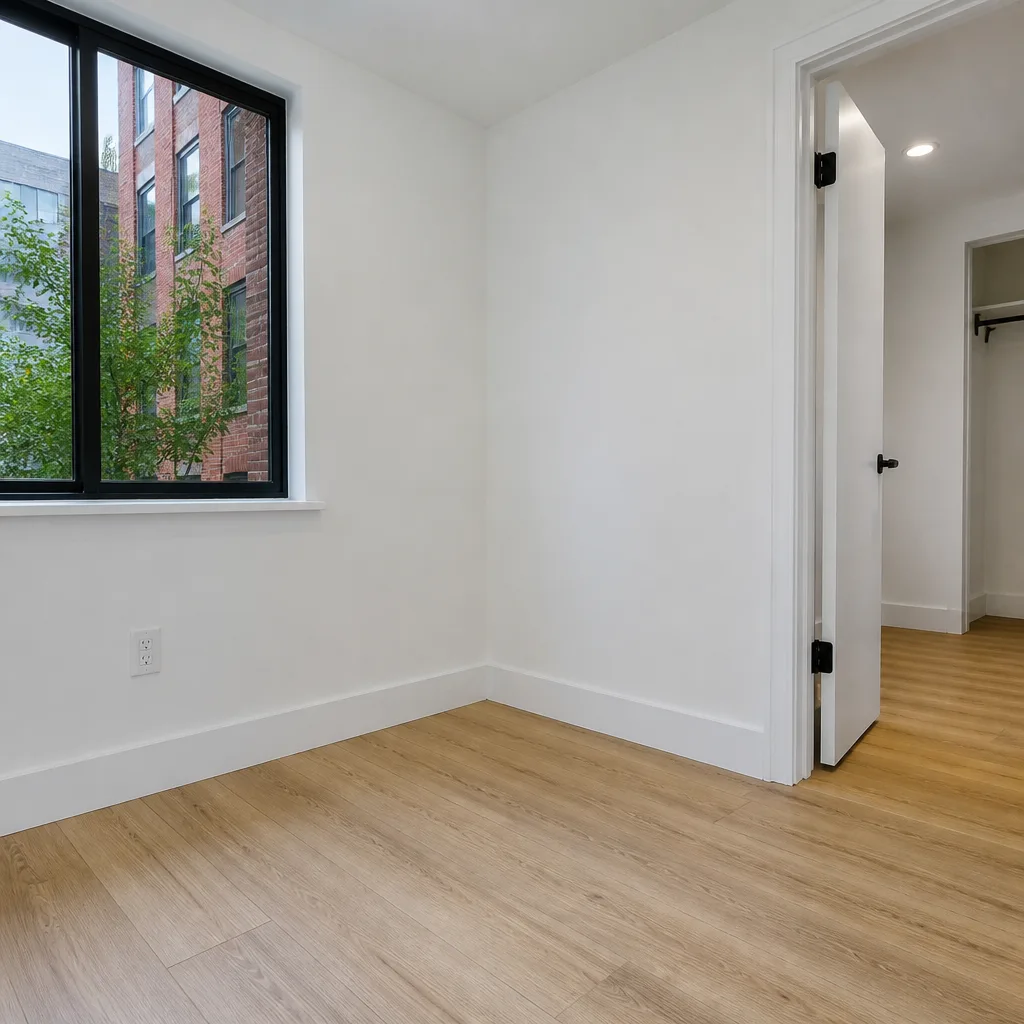 After
AfterFast, Reliable Fire & Smoke Damage Restoration Across Financial District
Fire and smoke damage restoration in Financial District high-rises typically runs $4,200-$18,500 depending on floor height, affected square footage, and whether original plaster walls are involved. Most emergency board-ups and tarping in the Financial District are completed within 90 minutes of call receipt, with full smoke and soot mitigation beginning same-day once the FDNY releases the scene. Call (914) 530-9723 - a live person answers, 24 hours a day, 7 days a week.
We’ve restored fire-damaged units from the residential conversions at 70 Pine Street to the office towers along Water Street, and we know what the Financial District’s building stock demands: crews who understand that a 1932 masonry high-rise doesn’t vent smoke like a 2010 glass tower, and that sub-basement salt corrosion from Sandy can turn a contained kitchen fire into a multi-system failure. Our Financial District dispatch is coordinated from our New York City office, with crews carrying containment sheeting sized for pre-war corridor widths and HEPA filtration rated for legacy plaster dust.
Why DryMark Restoration Long Island City Is Financial District’s Preferred Fire & Smoke Damage Restoration Company
Financial District residents and building managers call us because we document before we demo. Our Fire & Smoke Damage Restoration team has handled post-fire losses in converted towers where the smoke traveled through original 1930s plaster and lath walls that modern crews often miss entirely. We don’t guess at scope - we write it, price it, and photograph every stage.
Response time to the Financial District averages 45-65 minutes from call to on-site during business hours, slightly longer for overnight calls depending on bridge traffic from our staging point. We’ve served buildings from Pearl Street to the Battery, and our techs carry floor plans for several major FiDi conversions on their tablets - because knowing where the original pipe chases run saves hours on smoke migration mapping.
Our reviews from Financial District customers consistently cite two things: the written price that didn’t change once work started, and the photo record that made their insurance claim straightforward. Haven Standard, Clause 1 applies here exactly as it does everywhere we work - no exceptions for emergency calls, no “we’ll figure it out as we go.”
Our Fire & Smoke Damage Restoration Services in Financial District
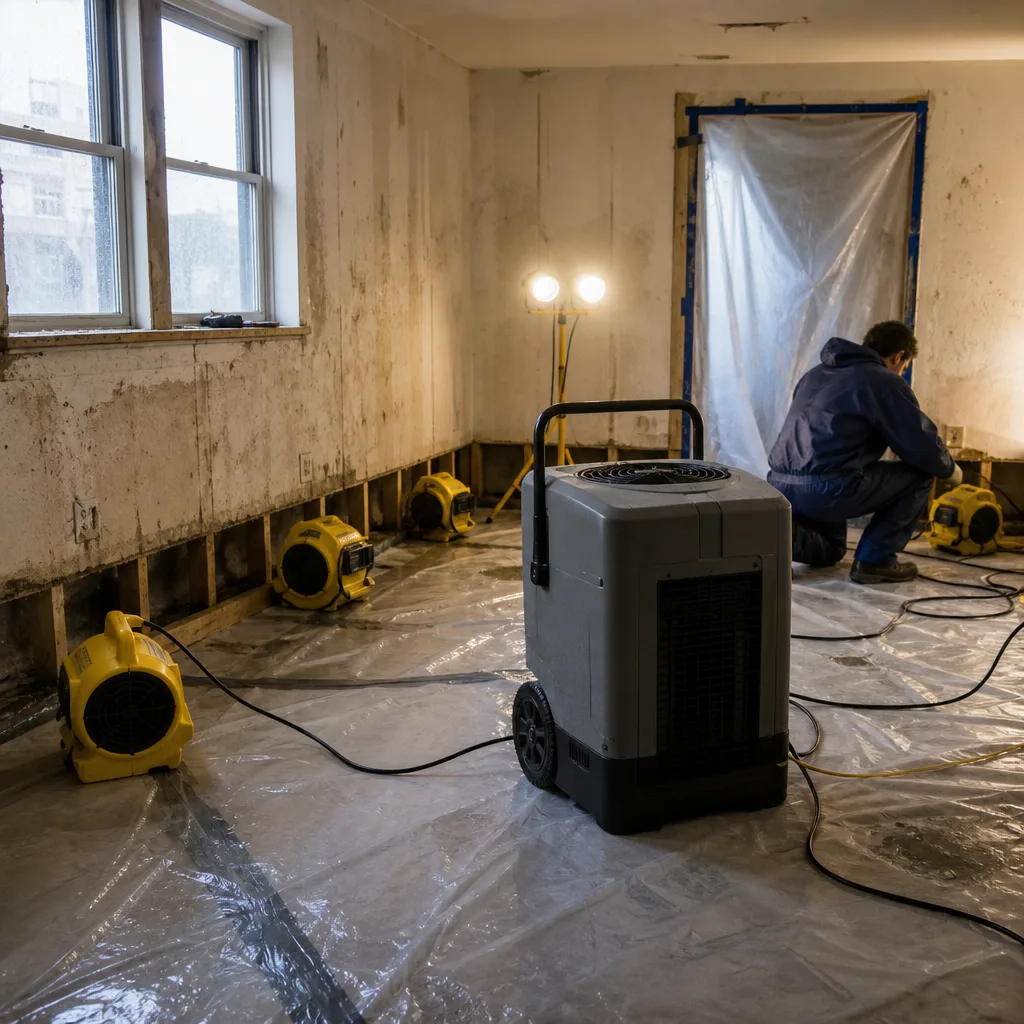
Fire Damage Cleanup
Fire damage cleanup in Financial District towers starts with structural assessment and immediate water extraction from suppression systems. The combination of original plaster, steel framing, and decades-old electrical conduit means we test for energized circuits before demolition begins - a step that prevented a secondary electrical fire at a Broad Street property we handled in 2023. Our crews remove charred debris, catalog damaged materials for insurance, and establish drying targets before any rebuild discussion. In FiDi’s deep sub-basements, we also test for residual salt corrosion on mechanical systems that can accelerate failure after fire suppression water contacts existing corrosion.
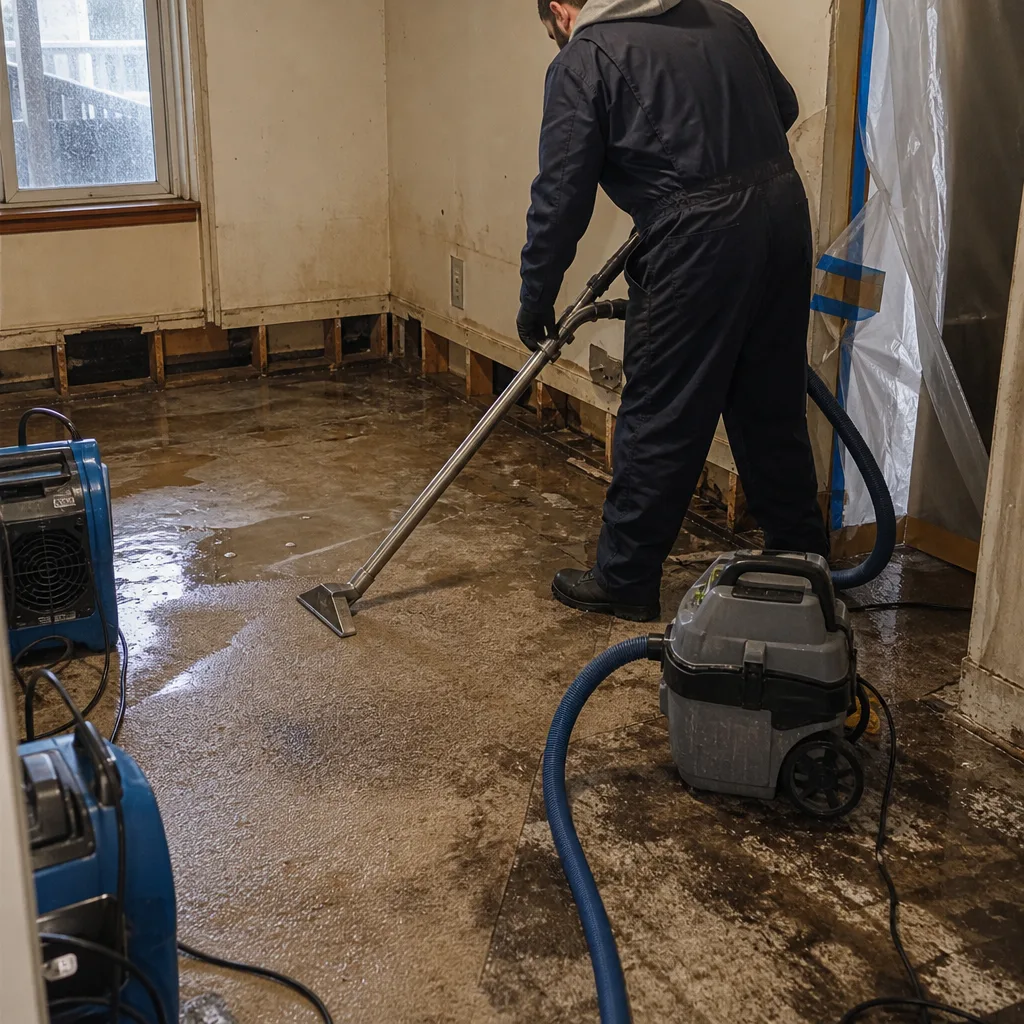
Smoke & Soot Removal
Smoke and soot removal is where Financial District buildings separate professional restoration from surface cleaning. Original plaster and lath walls - standard in pre-war towers from 40 Wall Street to 20 Exchange Place - act as soot reservoirs that release odor for weeks if cavities aren’t opened and cleaned. We use dry-ice blasting on ornate lobby plaster where replacement would destroy historic fabric, and HEPA vacuuming with contact time on steel framing where acidic soot begins metal corrosion within 72 hours. Our techs document pre-loss condition of every decorative surface before work begins - a photo record that protects both the building owner and the restoration scope from downstream disputes.
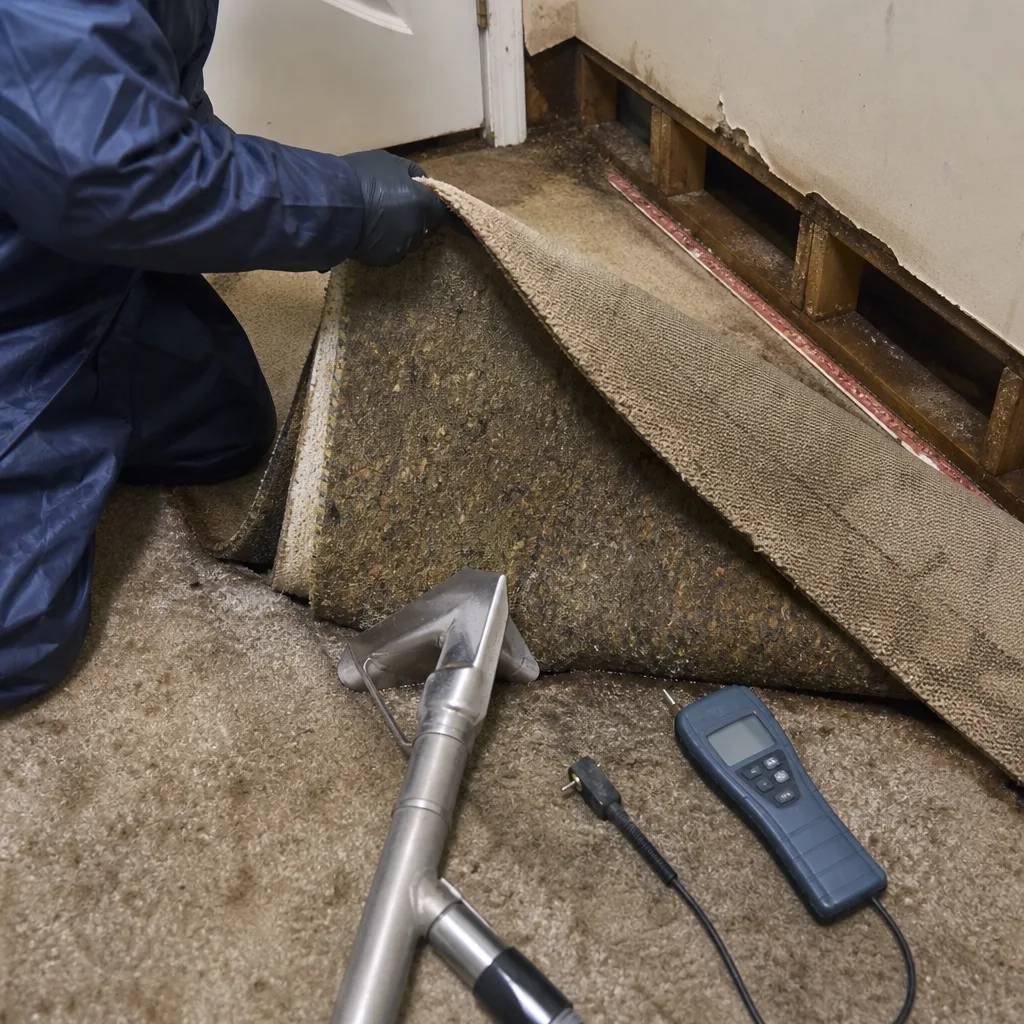
Odor Removal & Deodorization
Odor removal in Financial District properties fails when crews treat the air without treating the materials. We deploy thermal fogging and ozone treatment only after source removal - meaning the soot is out of the wall cavities, not just covered. In buildings with original plaster, we often find that odor has migrated through decades-old pipe chases and elevator shaft penetrations that modern HVAC sealed long ago. Our deodorization protocol includes vapor pressure differential monitoring: we measure the actual force driving odor molecules out of materials, then adjust temperature and airflow until that pressure reverses and carries the odor to our filtration equipment. This is psychrometric data, documented daily - not guesswork.
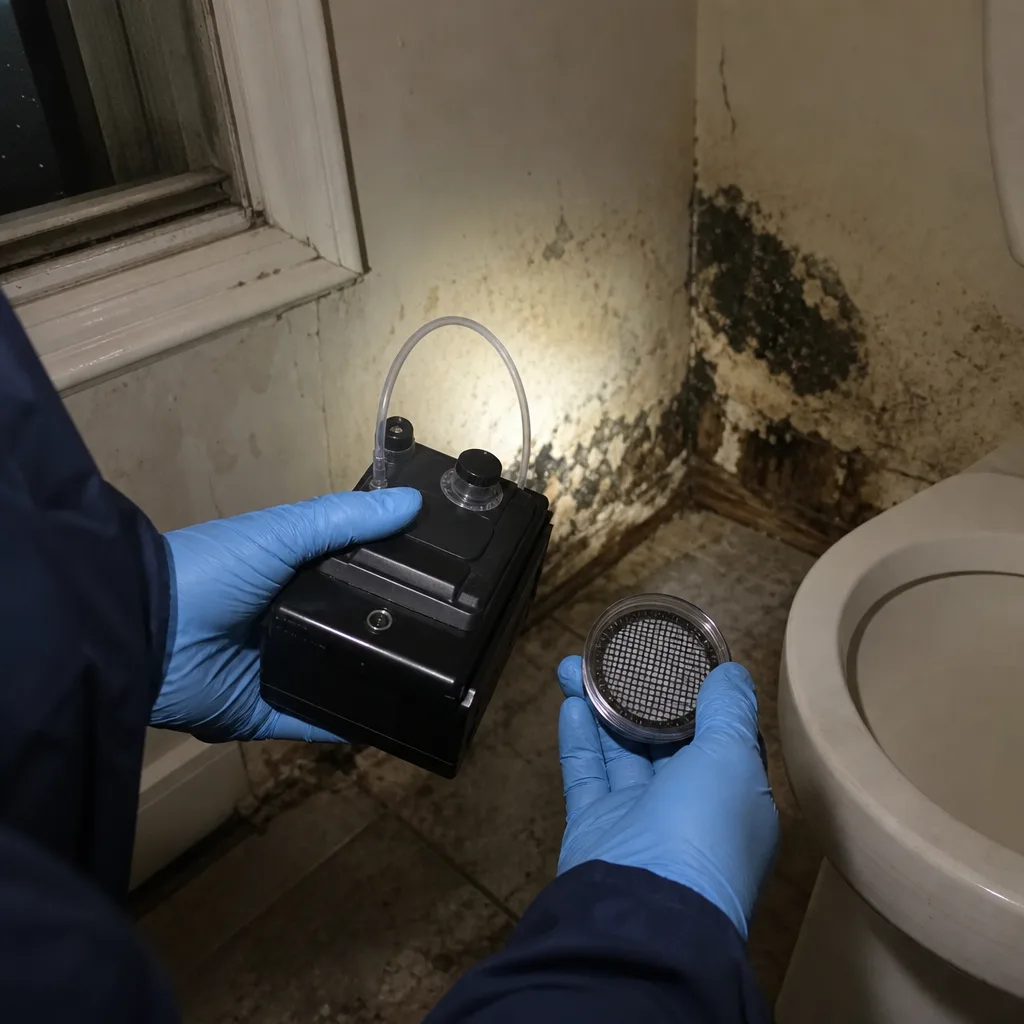
Emergency Board-Up & Tarping
Emergency board-up in the Financial District faces unique constraints: street-level access for scaffolding, landmark commission notification for facade work on historic structures, and coordination with 24/7 lobby security at residential conversions. We stock marine-grade plywood and weatherproof tarps sized for commercial window bays, and our crews carry pre-negotiated access protocols for several major FiDi buildings. Board-up is typically complete within 90 minutes of FDNY release, with photo documentation transmitted to your adjuster before our techs leave the site.
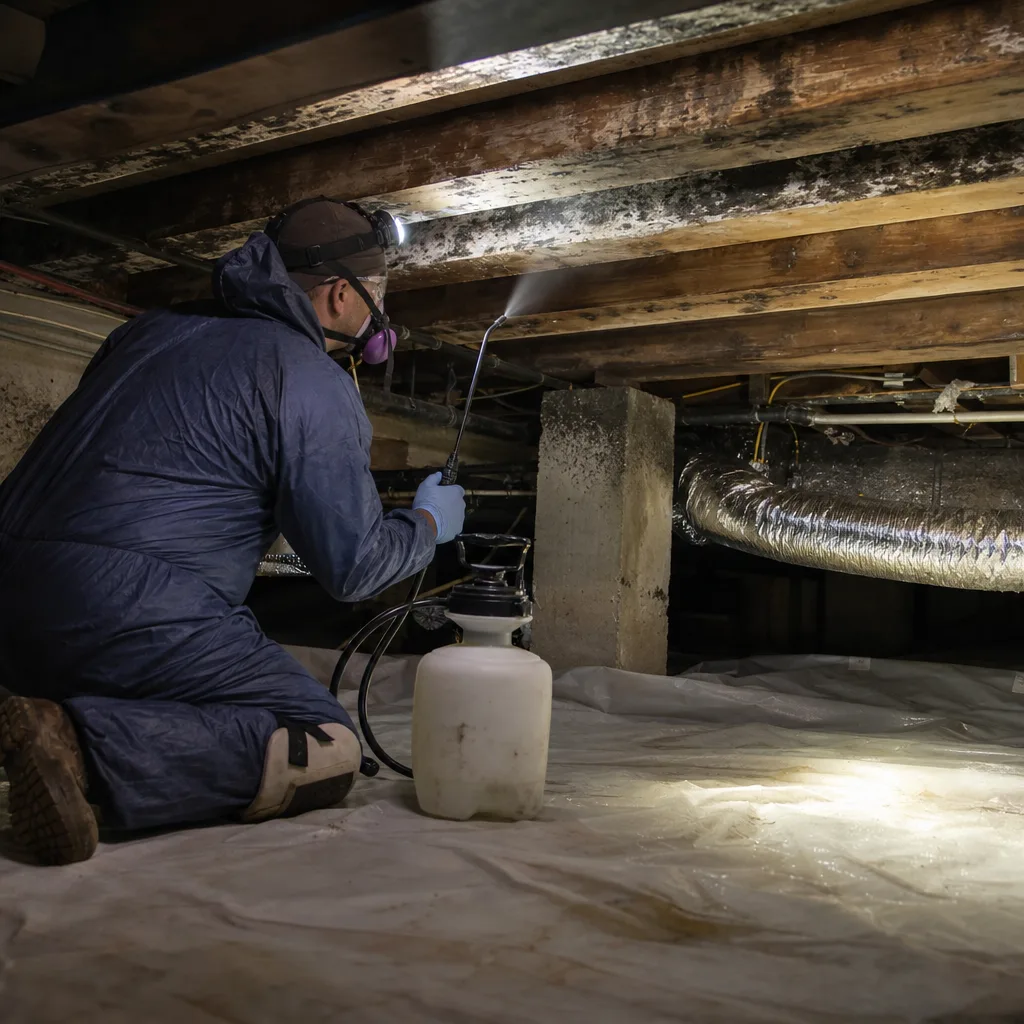
Contents Cleaning & Pack-Out
Contents pack-out for Financial District fire losses requires inventory discipline that matches insurance documentation standards. We photograph, barcode, and condition-code every item before it leaves the unit - textiles to electronics to original built-in cabinetry that can’t be removed without structural damage. Our cleaning facility handles smoke-impacted contents with ultrasonic and specialized dry-cleaning processes, with written tracking at every handoff. For the office-to-residential conversion units we’re seeing more of in FiDi, we often find that fire damage has exposed pre-existing water damage behind commercial drop ceilings - and we document that distinction carefully so your claim reflects actual fire loss, not deferred maintenance.
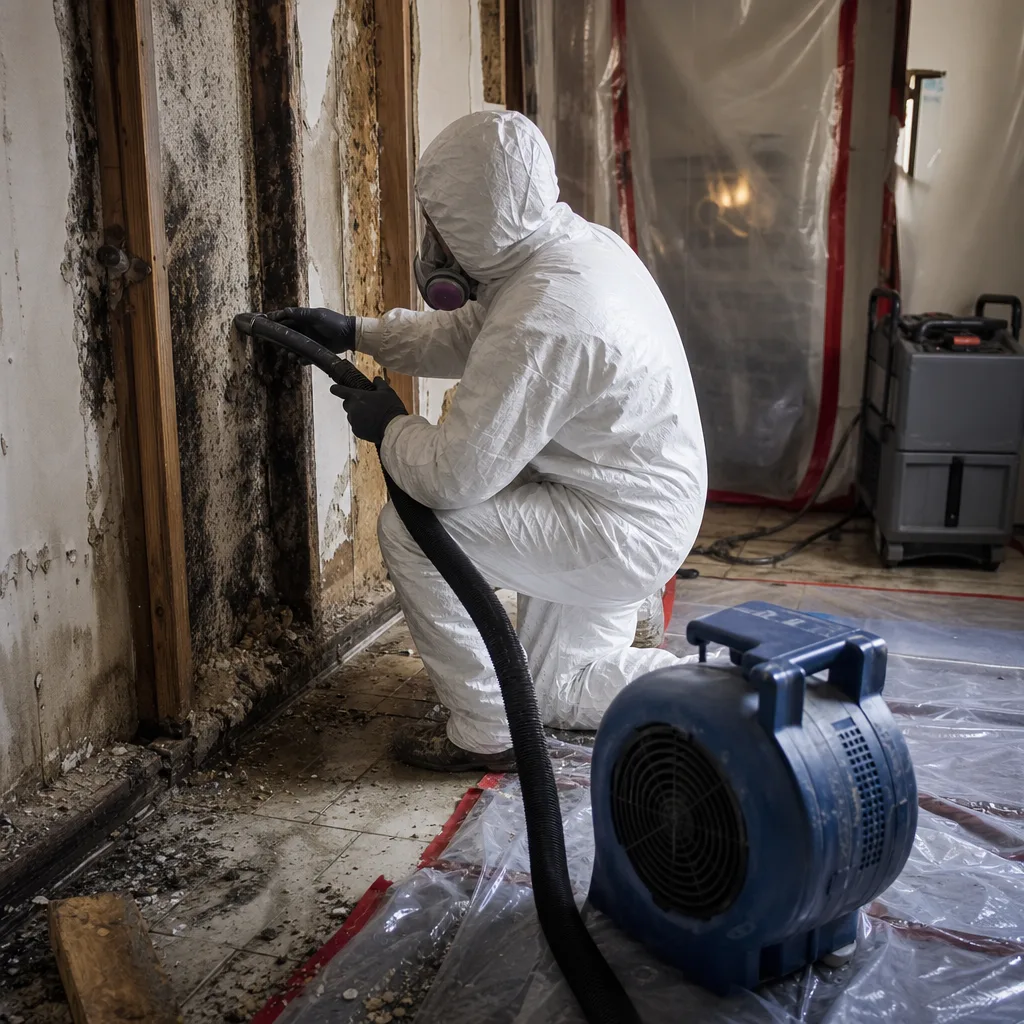
Structural Fire Repair
Structural fire repair in Financial District masonry towers means working with steel framing that may have been compromised by both fire heat and pre-existing salt corrosion from Sandy-era flooding. We coordinate with structural engineers familiar with pre-war New York construction, and we won’t sign off on rebuild until steel integrity is verified - not assumed. Our reconstruction scopes specify replacement materials by trade name and performance rating, with written prices before any structural work begins. Haven Standard, Clause 1 applies to rebuild phases exactly as it does to emergency mitigation.
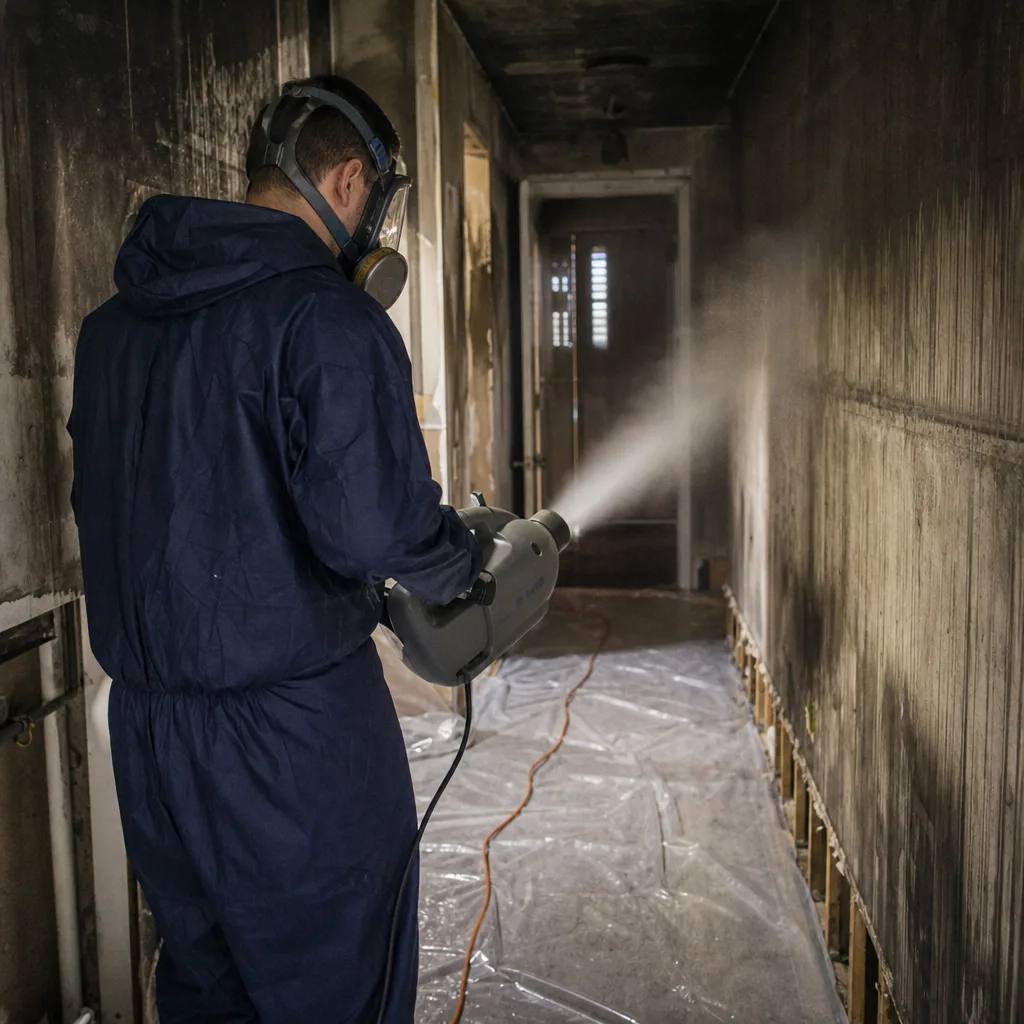
What happens when you call
- 1
A real person answersNo phone trees - you reach a local pro.
- 2
You get an upfront price rangeHonest numbers before anyone is dispatched.
- 3
A background-checked tech heads outLicensed & insured, dispatched right away.
- 4
You approve before work beginsNothing starts until you say go.
BeforeAfterTrusted Brands We Service in Financial District
We document all fire and smoke restoration work to RIA and IFA standards, with drying equipment from Phoenix and Dri-Eaz deployed when water suppression has preceded fire damage - a common sequence in Financial District high-rises where sprinkler activation follows kitchen or electrical fires. Our crews carry replacement air movers, dehumidifiers, and HEPA filtration units sized for the confined mechanical rooms and residential corridors typical of FiDi conversions, not suburban single-family layouts. Parts availability and equipment familiarity mean we don’t lose days sourcing components that fit pre-war building constraints.
Common Fire & Smoke Damage Restoration Problems We See in Financial District Homes
- Original plaster soot reservoirs. Restoration crews treat fire damage in FiDi towers like a standard modern apartment - missing that original plaster and lath act as hidden soot reservoirs, so smoke odor returns days later because deodorization wasn’t paired with cavity cleaning behind legacy walls.
- Sub-basement salt corrosion compounding fire suppression damage. Sub-basement mechanical rooms flooded by saltwater during storm surge still show elevated moisture readings years later; when a fire in an electrical vault triggers water suppression, the combination of salt residue, soot, and residual damp creates a corrosive slurry that shorts out switchgear and is often misdiagnosed as pure fire damage.
- Conversion surprises behind commercial ceilings. In office-to-residential conversions, fire damage behind commercial-grade drop ceilings reveals rotted framing and active mold from decades of unreported leaks - crews that only extract water and board up miss the Category 3 black water infiltration from failed pipe chases, and the loss isn’t fully mitigated.
- Smoke migration through obsolete building penetrations. Pre-war towers from the 1920s and 1930s contain abandoned elevator shafts, mail chutes, and pneumatic tube systems that modern firestopping never addressed - smoke travels vertically and horizontally through these channels in ways that surprise both building staff and inexperienced restoration contractors.
Pricing for Fire & Smoke Damage Restoration in Financial District, NY
Emergency board-up and tarping in Financial District typically runs $850-$2,400 depending on facade access requirements and whether street-level scaffolding is needed for landmark-protected buildings. Smoke and soot removal for a standard one-bedroom unit in a converted FiDi tower ranges $3,800-$7,200; original plaster involvement adds $1,500-$4,000 for careful cavity cleaning and decorative surface preservation. Full fire damage restoration including structural drying, odor removal, and contents pack-out for a two-bedroom residential unit averages $8,500-$18,500, with sub-basement mechanical room losses involving salt corrosion assessment running higher.
What affects cost: floor height (crew mobilization time), original plaster versus drywall, extent of water suppression damage, whether salt corrosion testing is indicated, and contents volume requiring pack-out. Every job receives a written price before work begins - Haven Standard, Clause 1 - with no scope additions once our crew is inside your building. We also offer a Free Second Opinion on any competitor’s written estimate; bring their scope and we’ll review it at no charge.
We Also Serve Cities Near Financial District
Our crews regularly handle fire and smoke damage restoration for properties in Financial District, Long Island City, Murray Hill, Greenpoint, and Astoria - with dispatch protocols tailored to each area’s building stock and access constraints. Whether you’re in a converted warehouse in Greenpoint or a post-war high-rise in Murray Hill, the same documentation standards apply: written price first, photo record always, 365-Day Done Right Promise on every job.
Serving Financial District, NY - Our Local Coverage Area
We’re based in the Financial District area and know this community well. Use the map below to see our service coverage - if you’re nearby, we can almost certainly help.
FAQs - Fire & Smoke Damage Restoration in Financial District
Original plaster and lath walls, obsolete building penetrations, and pre-war mechanical systems add complexity that drywall-and-studs construction simply doesn’t have. A typical FiDi tower fire with smoke migration through legacy walls requires 20-40% more time for proper cavity cleaning and odor source removal than a comparable fire in a 2005-built condo. Call (914) 530-9723 for a written scope and timeline specific to your building - estimates are free.
Yes - Sandy’s 14-foot storm surge left salt residue in sub-basement masonry and steel that accelerates corrosion when fire suppression water contacts it. We test for this on every FiDi job with mechanical room involvement, and we document the distinction between fire damage and pre-existing salt corrosion for your adjuster. Call (914) 530-9723 if your building has post-Sandy mechanical room concerns.
Original plaster can often be restored with dry-ice blasting and specialized soot removal if the fire didn’t compromise the lath attachment or cause structural cracking. We’ve restored ornate lobby plaster at multiple Financial District conversions, documenting pre-loss condition before work begins to establish restoration versus replacement scope. Replacement becomes necessary when heat has calcined the plaster layer or water damage has detached it from lath - we make that call with written photo evidence, not opinion. Call (914) 530-9723 for an assessment.
Shut down HVAC immediately to prevent smoke circulation, don’t wipe or wash any surfaces (this drives soot deeper), and call for professional assessment before the FDNY release is complete so our crew can begin containment while access is already established. In Financial District towers with original plaster, early cavity inspection prevents the odor callbacks that occur when surface cleaning misses hidden soot reservoirs. Call (914) 530-9723 - we can often have a tech on-site before the fire marshal clears the scene.
We barcode-inventory every item, condition-code for smoke exposure versus pre-existing damage, and clean at our facility with processes matched to material type - ultrasonic for hard goods, specialized dry-cleaning for textiles, electronic restoration for smoke-impacted devices. For FiDi conversions, we often discover that fire damage has exposed pre-existing water damage from failed pipe chases; we document this distinction carefully so your claim reflects actual fire loss. Contents are returned with written condition verification. Call (914) 530-9723 to discuss pack-out scope.
Written by Alicia Brennan, Owner at Back to Dry Restoration, serving Financial District since 2011 under The Haven Standard.