
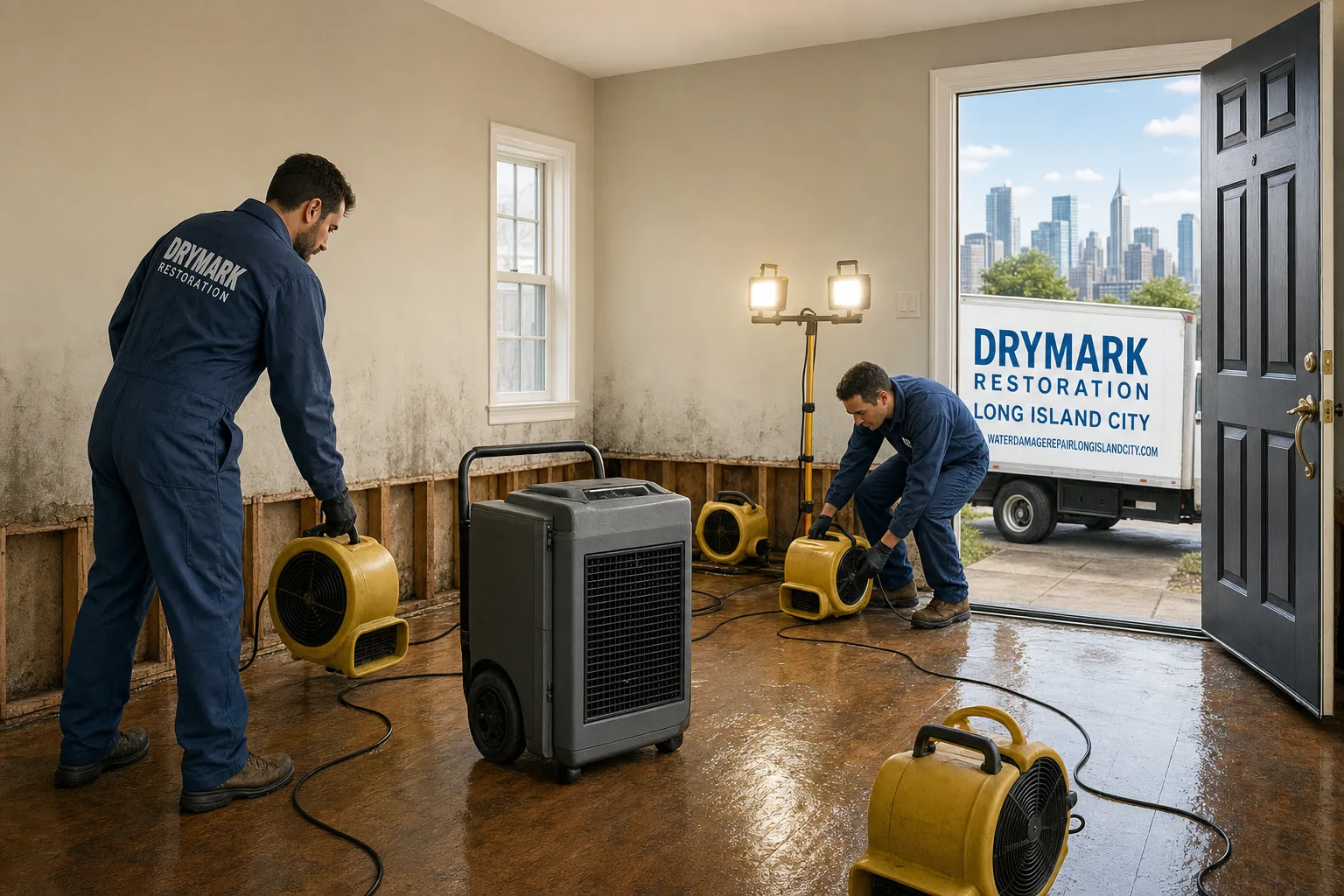
Free visual inspection and a written scope of work before any mitigation begins - photos, moisture readings, and drying logs go in your claim file
The scope we write is the scope we bill. Anything new gets shown to you, in writing, before we touch it.
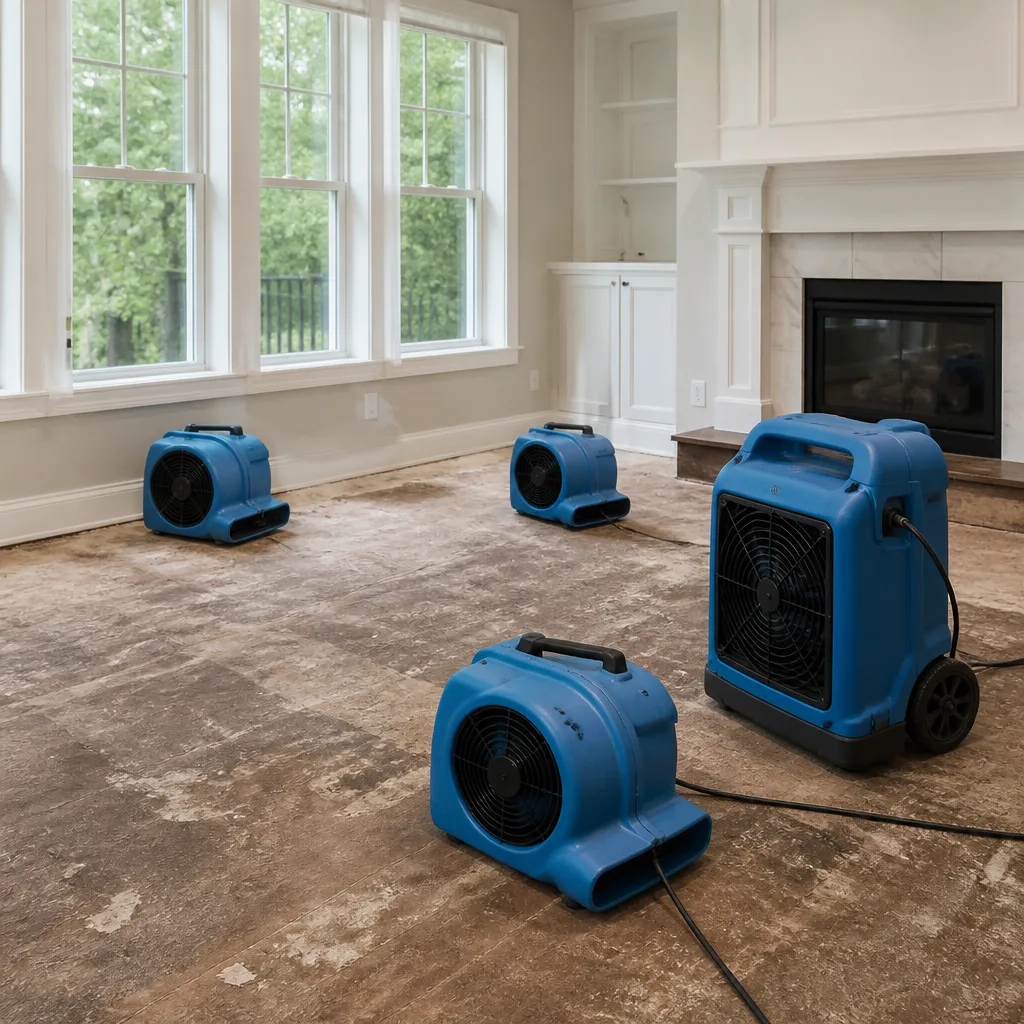

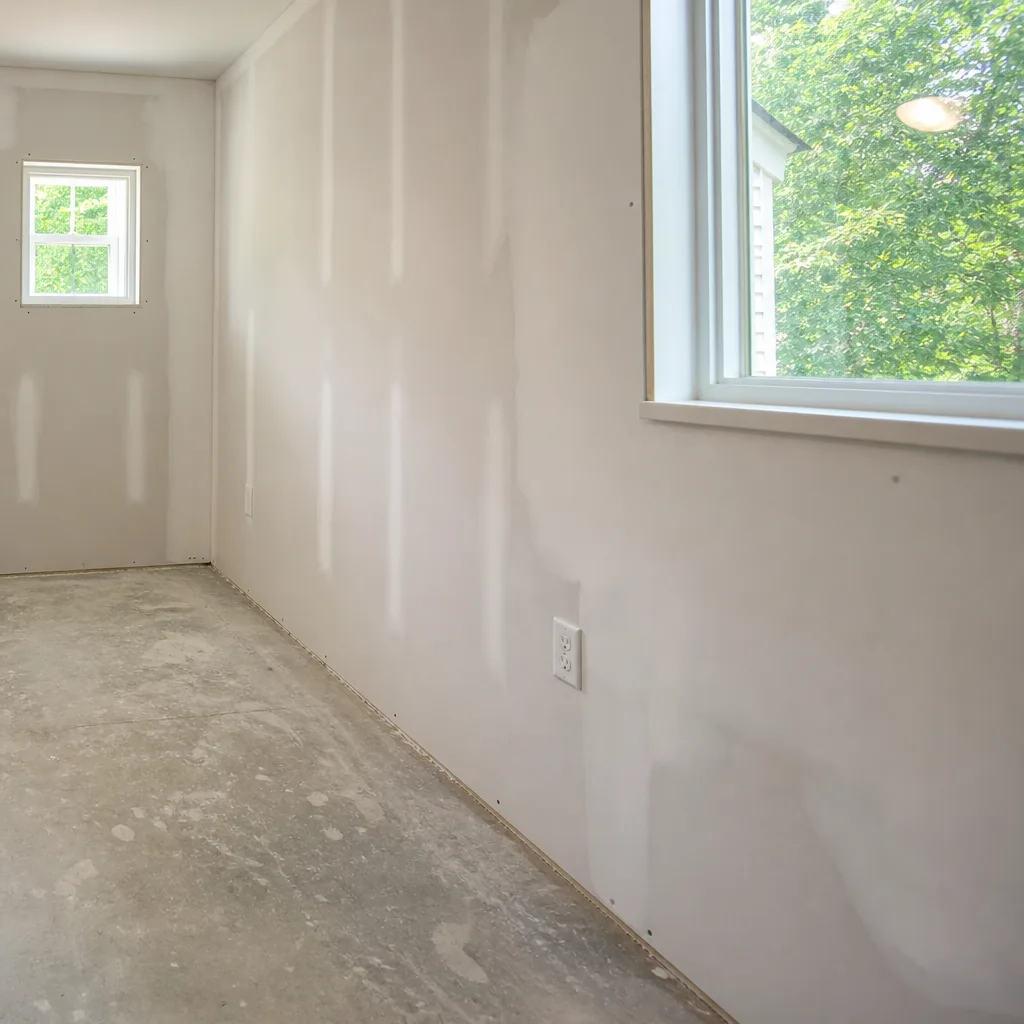
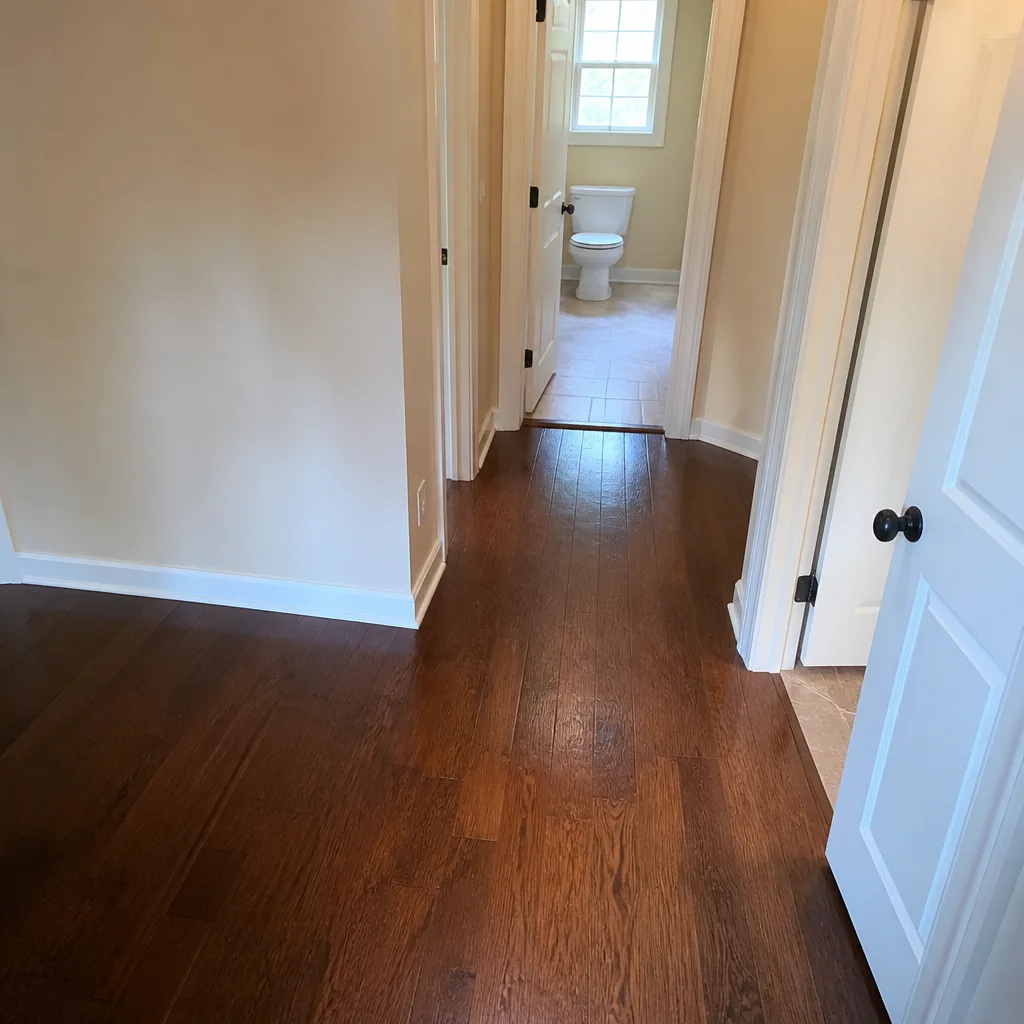
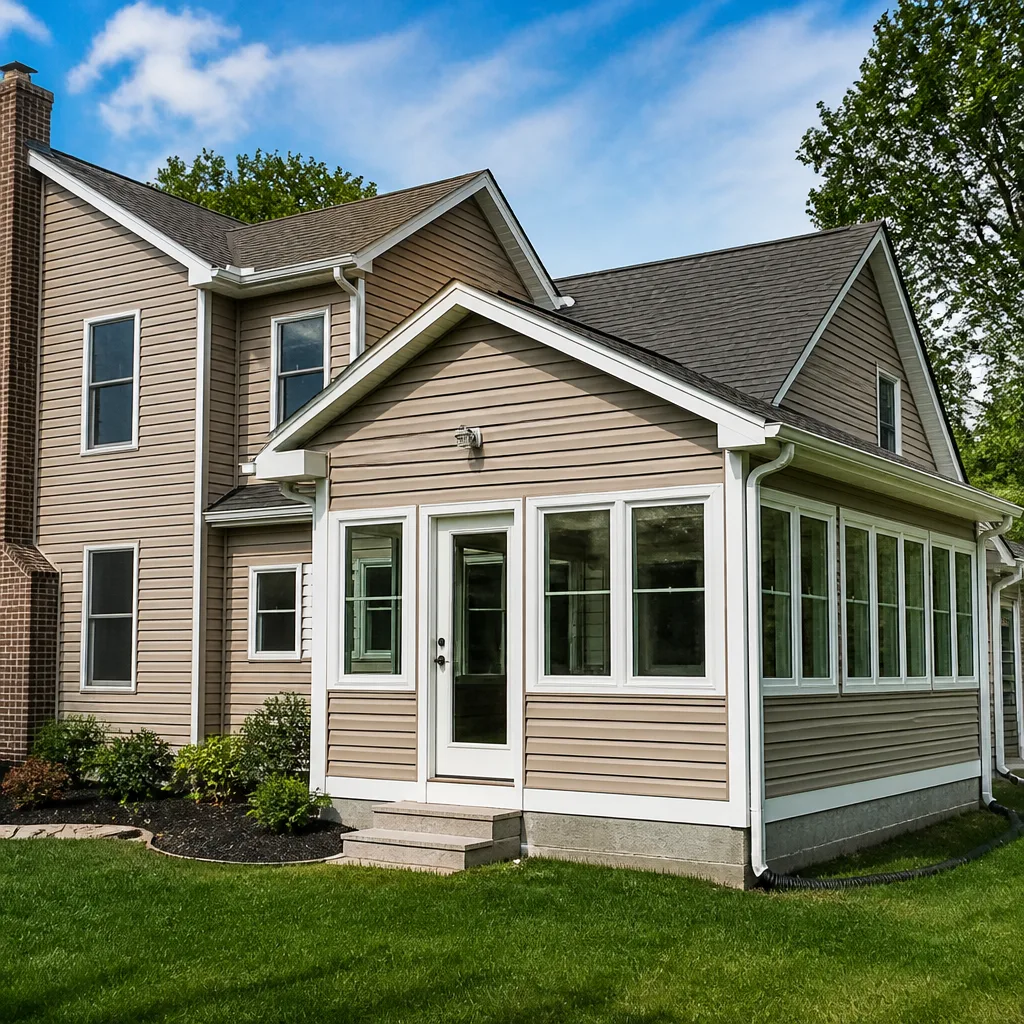
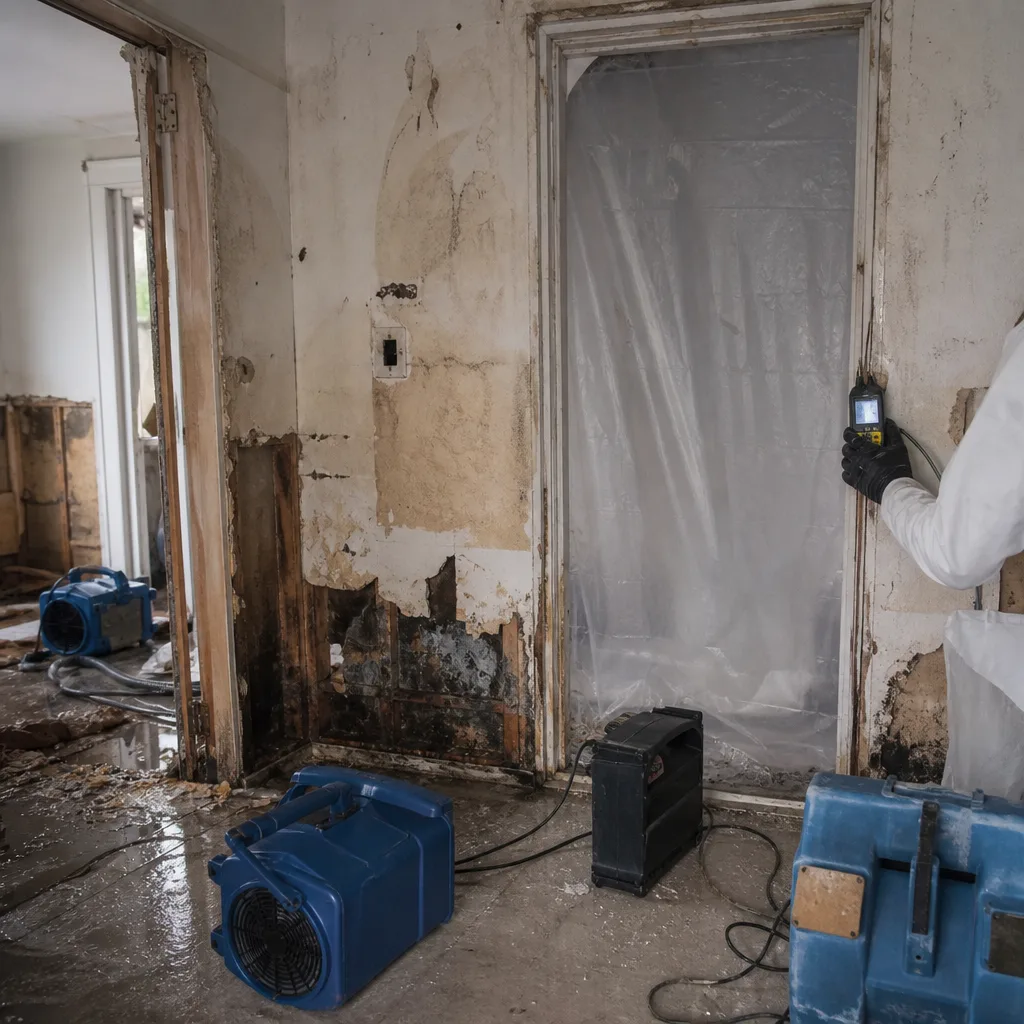 Before
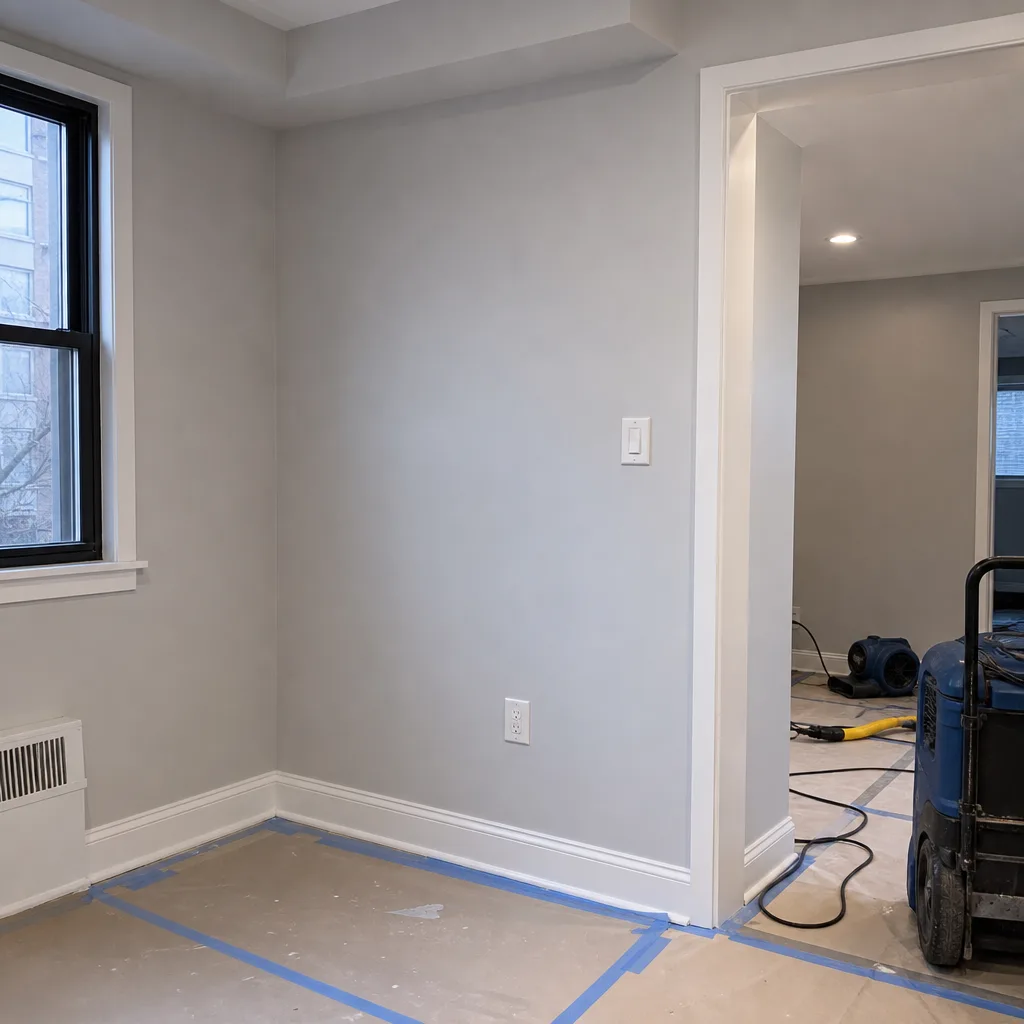 After
After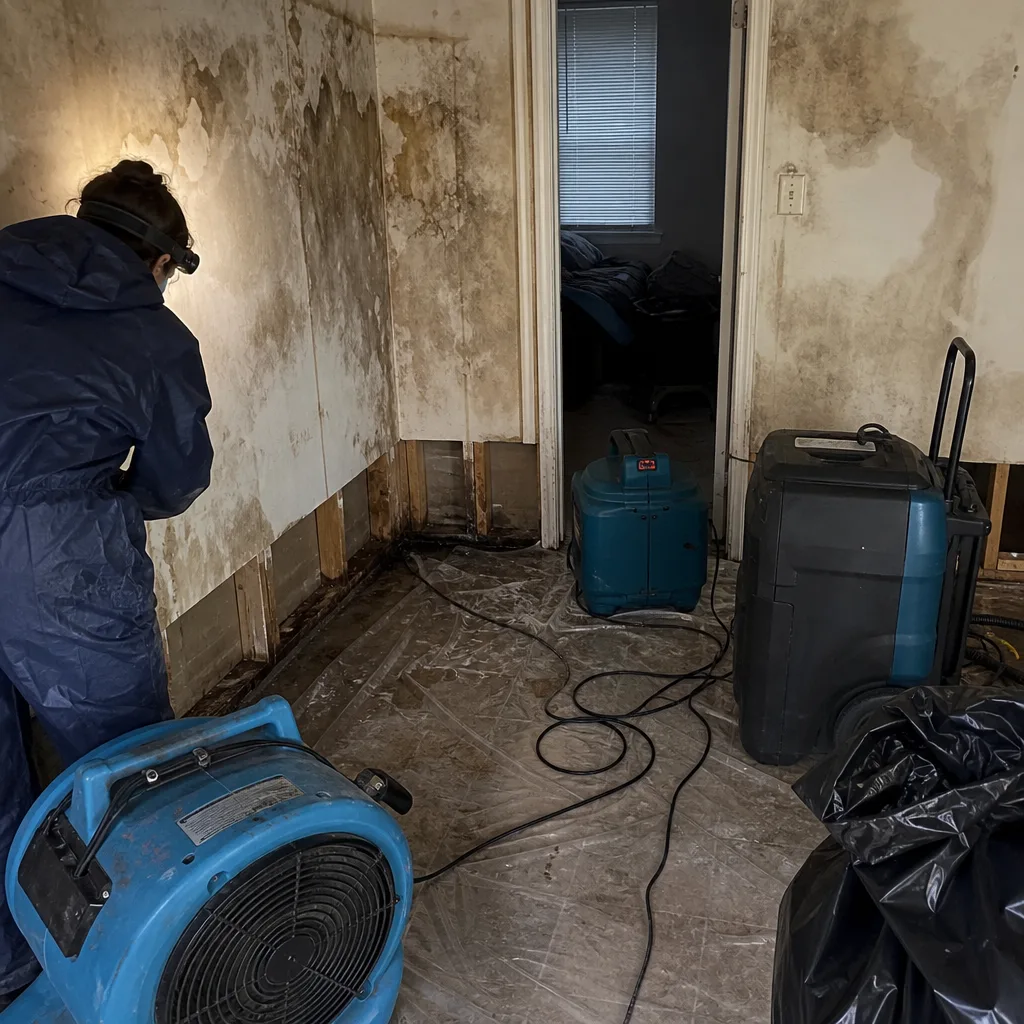 Before
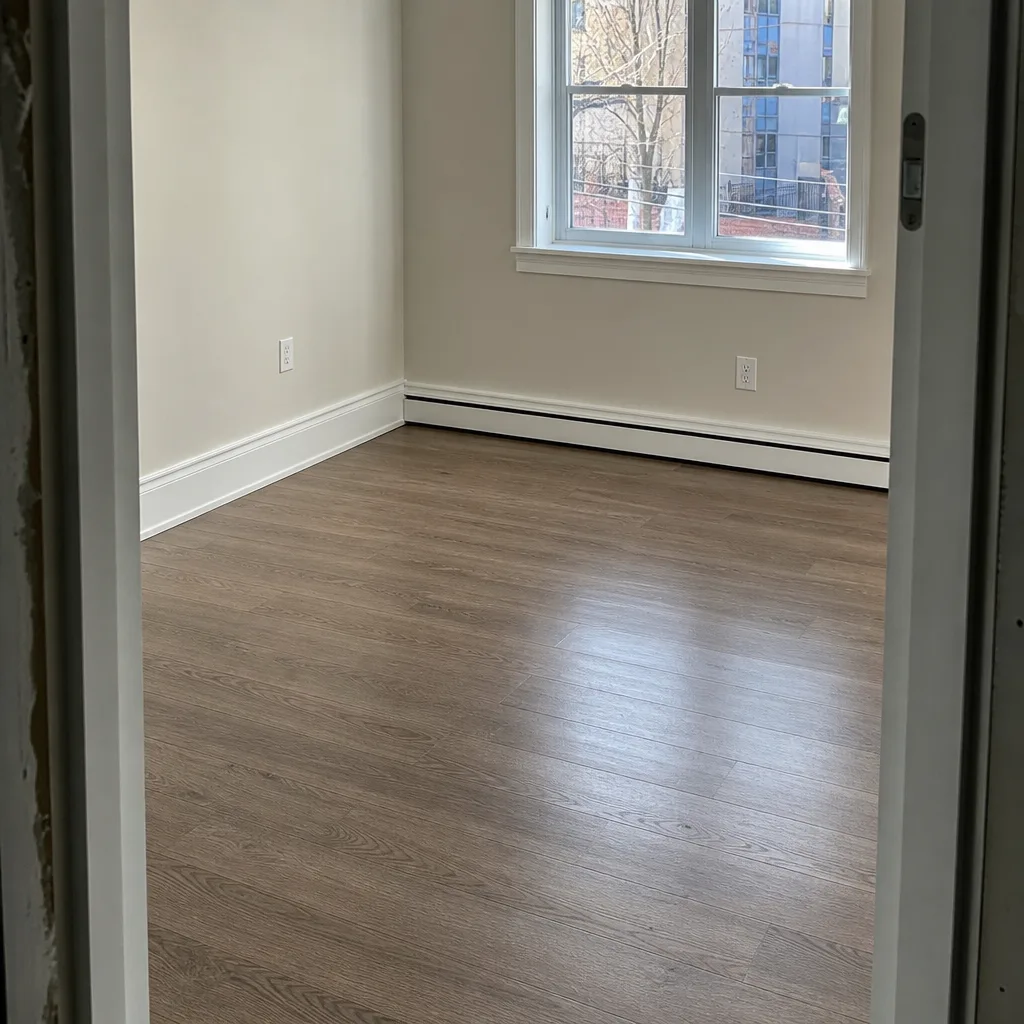 After
After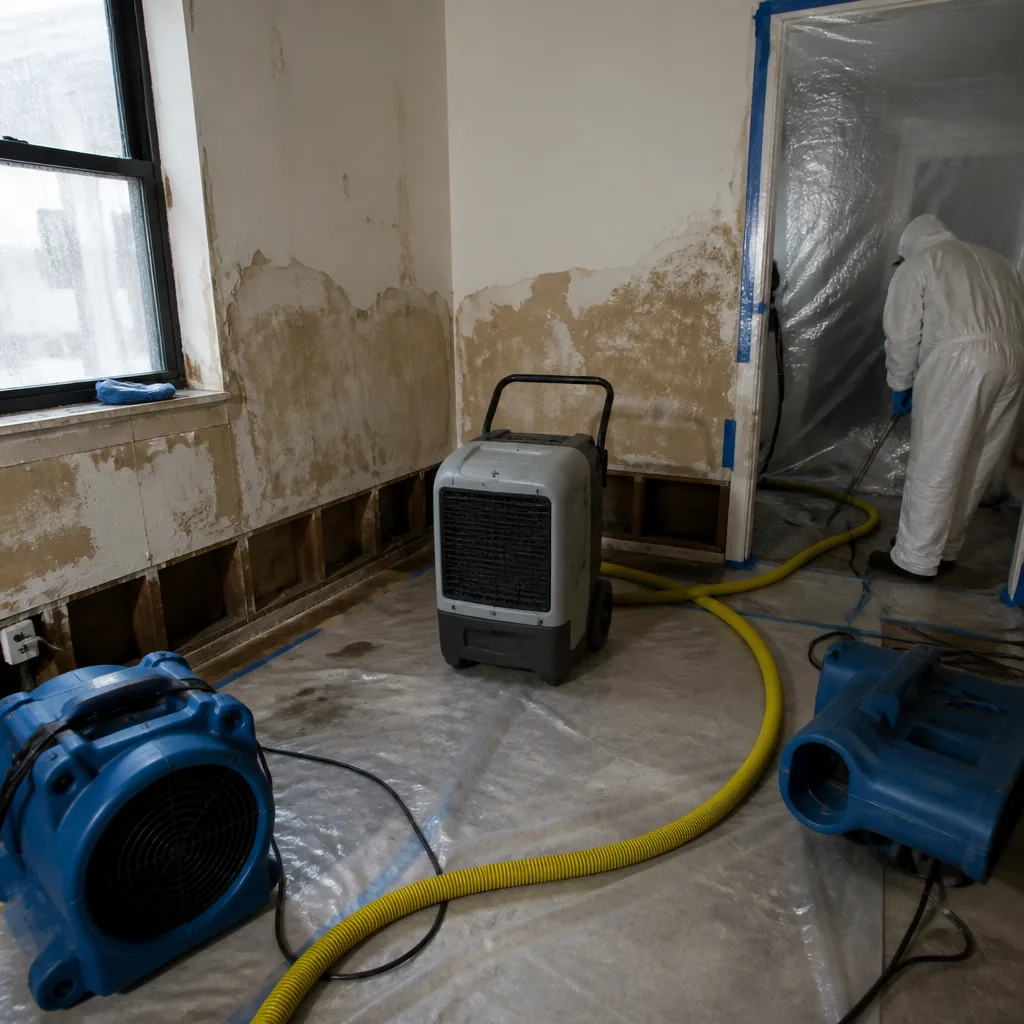 Before
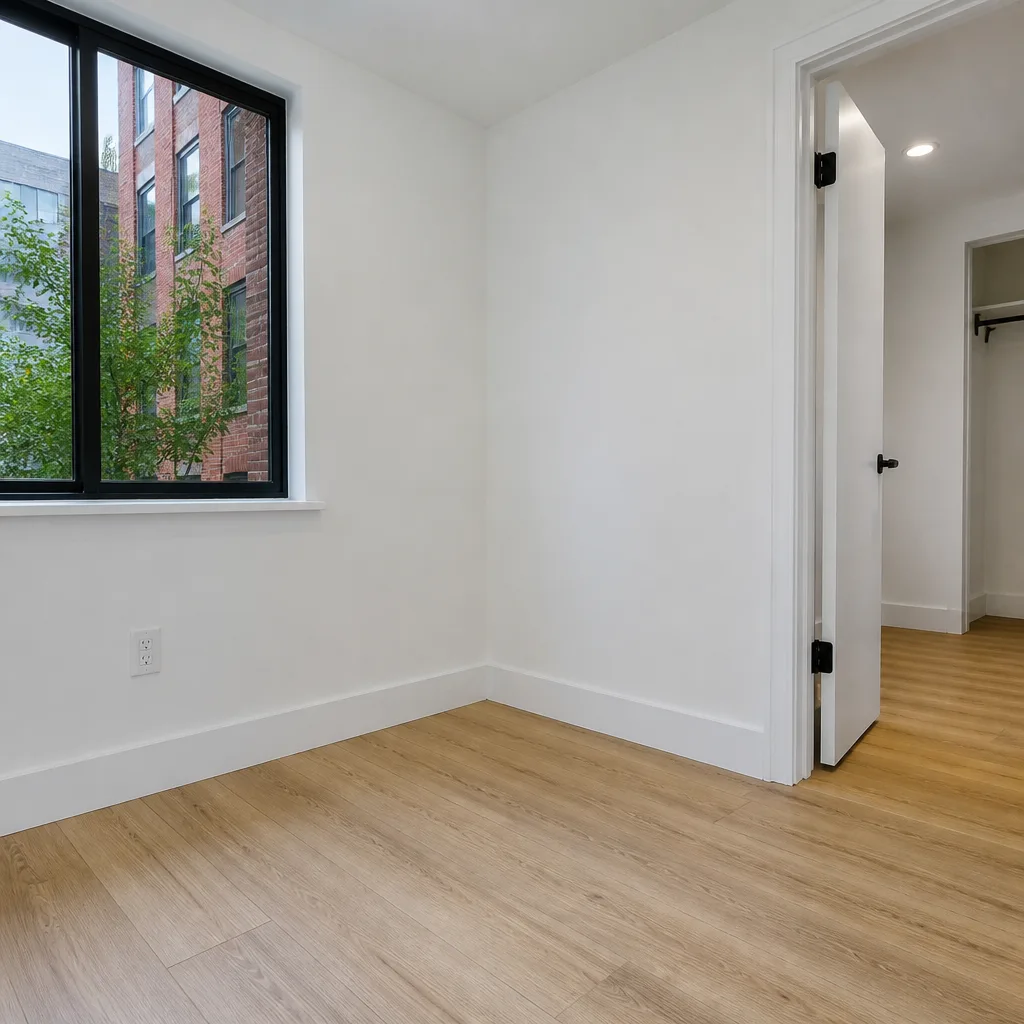 After
AfterFast, Reliable Mold Remediation Across Financial District
Mold remediation in the Financial District typically costs $2,800-$7,500 for residential units and $8,500-$22,000 for commercial or deep sub-basement work, with most inspection appointments available within 4-6 hours of your call. Our crews are dispatched from our New York City office and know the specific challenges of Financial District towers: the FEMA Flood Zone A/AE designation, the Sandy-surge legacy in sub-basements, and the office-to-residential conversions now exposing decades of hidden water damage. If you’re seeing musty odors, visible growth, or moisture readings above 16% on your drywall, call (914) 530-9723. We answer live, 24 hours a day, 7 days a week, and we’ll have a written scope and price in your hands before any work begins - Haven Standard, Clause 1.
Why DryMark Restoration Long Island City Is Financial District’s Preferred Mold Remediation Company
We’ve restored more than 12,000 homes and commercial properties since 2011, and a significant share of our Manhattan work clusters right here at the southern tip. Financial District property managers and condo boards call us back because our documentation holds up under adjuster scrutiny: photo records on every visit, daily moisture logs with psychrometric data (temperature, relative humidity, and vapor pressure differential - the measurable force that drives moisture through building materials), and written scopes that match the invoice line for line.
Our response time to the Financial District averages under 90 minutes during business hours and under 3 hours overnight. We know the loading dock protocols at 40 Wall Street, the freight elevator restrictions at 70 Pine Street, and the after-hours access procedures that slow down out-of-town crews. That local fluency means we spend less time waiting in lobbies and more time containing the mold problem before it spreads.
Alicia Brennan built this company around a documentation gap she saw as a former claims adjuster: restoration invoices that got denied because the contractor couldn’t produce a dated photo or a moisture log showing progressive drying. Every Financial District job we take carries that same documentation standard. The 365-Day Done Right Promise, backed by The Haven Standard, is a signed guarantee - not a verbal assurance - and it stays with the property, not the owner, if you sell.
Our Mold Remediation Services in Financial District
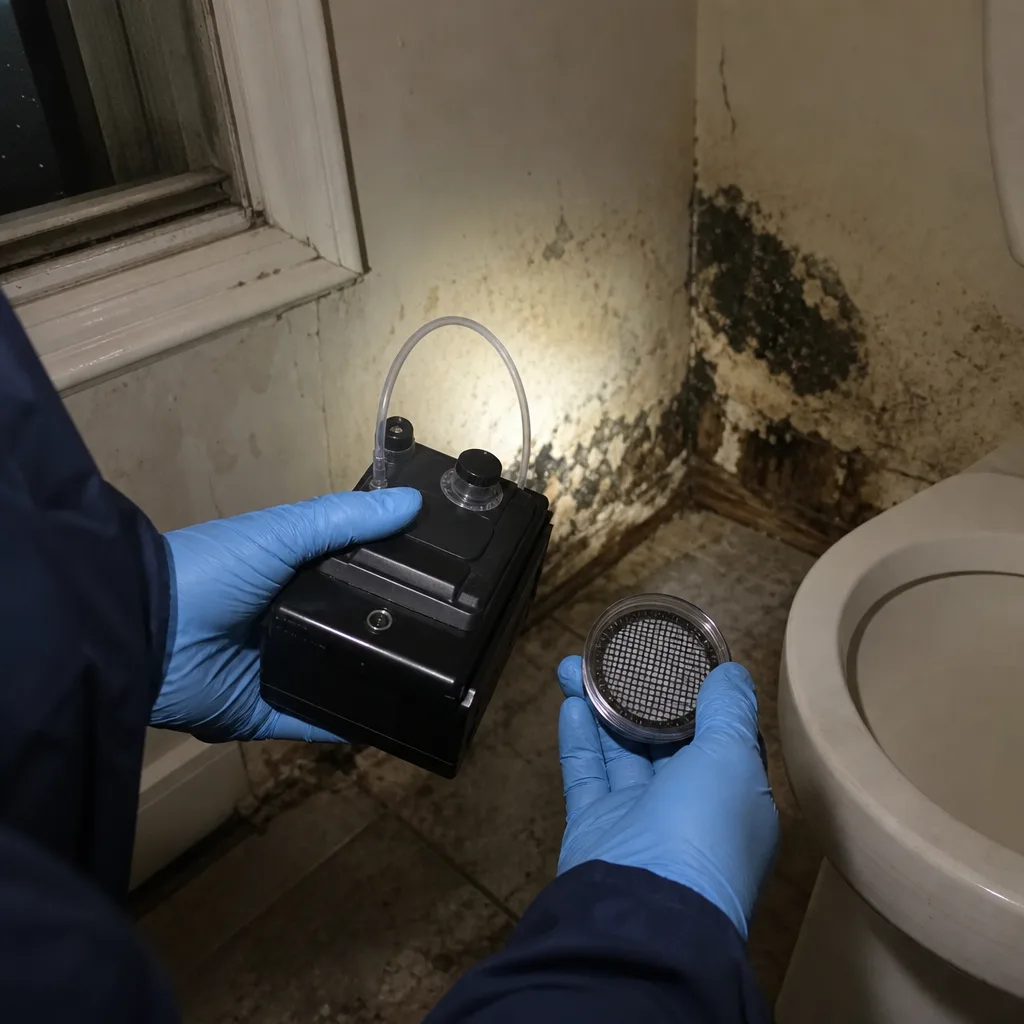
Mold Inspection & Testing
A proper mold inspection in the Financial District starts with understanding where moisture hides. We use infrared cameras and moisture meters to map the building envelope, but the real work is knowing where to look: the deep, multi-level sub-basements common in towers near 20 Exchange Place, where limited air circulation and proximity to the water table create pockets of sustained humidity that surface meters miss. Air and surface samples go to an independent lab; we don’t perform our own testing to avoid conflict of interest. You’ll receive a written report with species identification, affected square footage, and a remediation scope with a fixed price - Haven Standard, Clause 1 - before any containment goes up. Typical Financial District inspection and testing runs $450-$1,200 for residential units and $1,800-$3,500 for full commercial assessments with multiple sub-levels.
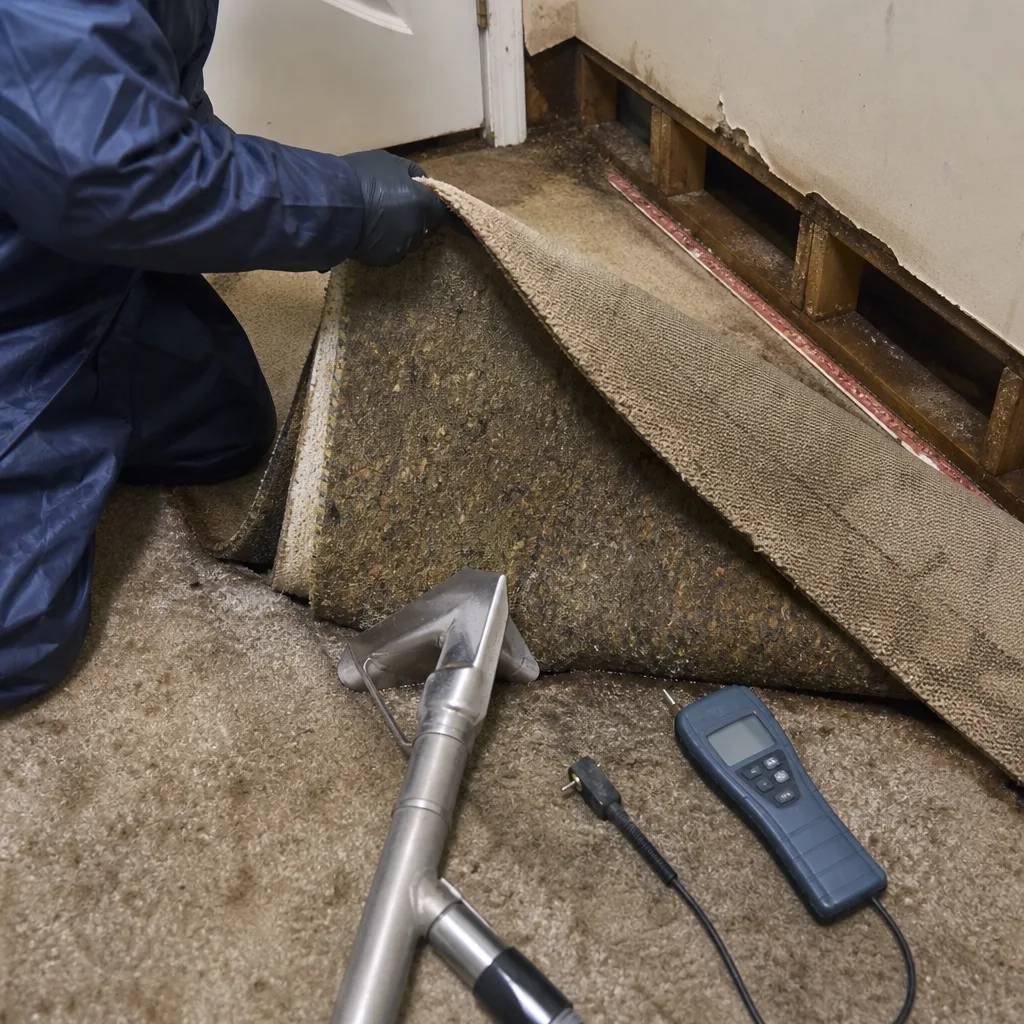
Black Mold Remediation
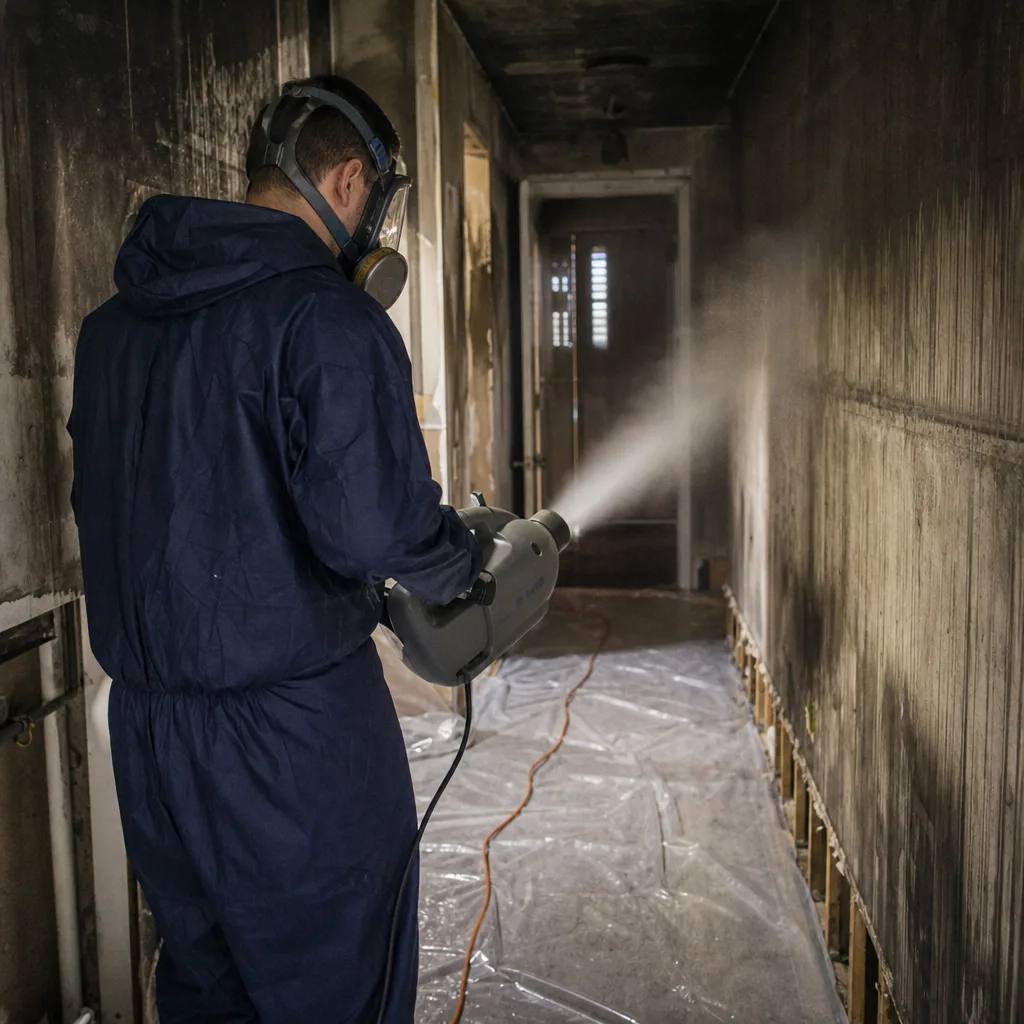
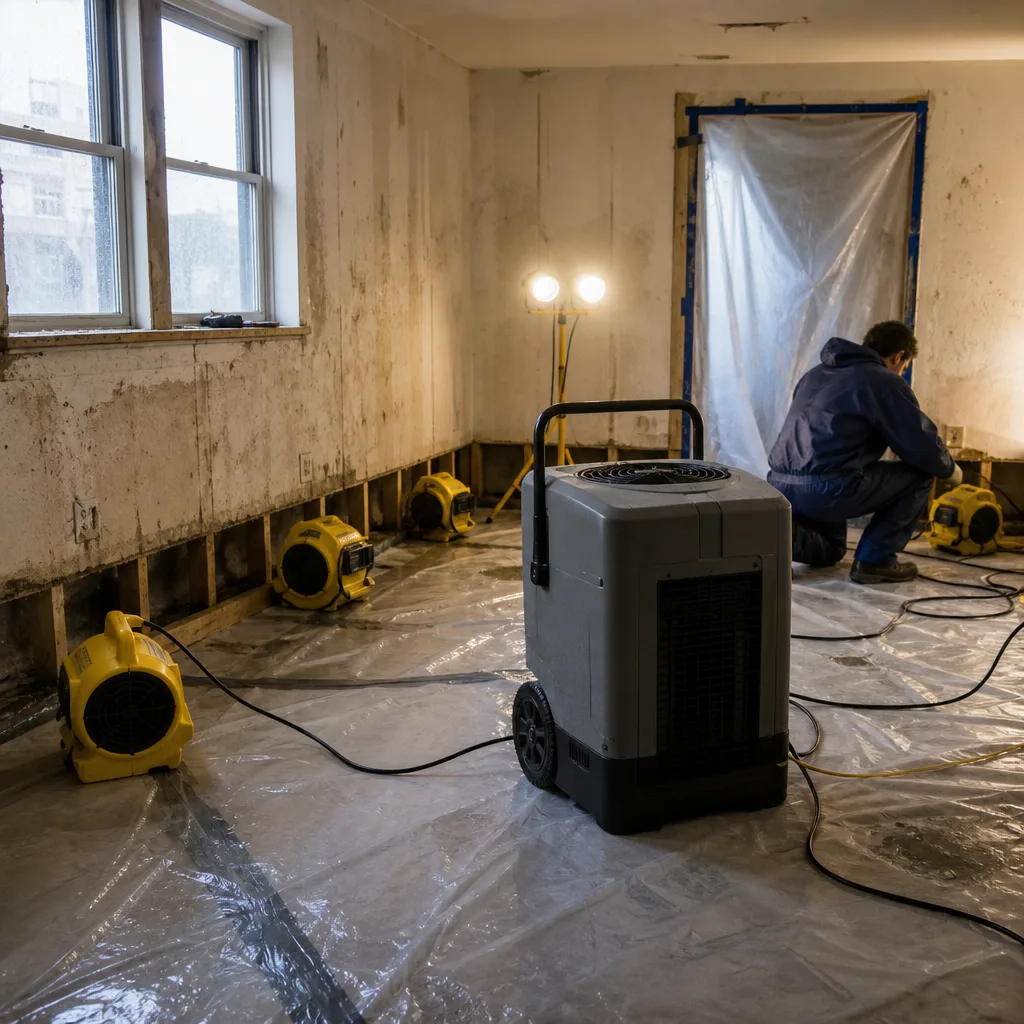
Stachybotrys chartarum and other toxigenic species require containment, negative air pressure, and HEPA filtration - not bleach and hope. In Financial District buildings, black mold often signals a long-term moisture source that predates the current tenant. On a conversion punch-list at 70 Pine Street, our tech pulled saturated plaster off a corridor wall and found active black mold creeping across the limestone behind it - no residential tenant had ever reported the slow riser leak that fed it. We set containment with negative air, ran moisture mapping across the whole chase, gave the framing an antimicrobial treatment, then switched to Injectidry to dry inside the wall cavity. We logged Dri-Eaz dehumidification and XPOWER air movers pulling the sub-basement below the 60% RH line, and the general contractor cleared the scope of work off our drying logs instead of tearing out the original wall. Black mold remediation in Financial District residential units typically runs $4,500-$9,500; commercial or historical restoration with asbestos abatement coordination can reach $15,000-$28,000.
Mold Removal
Removal is the physical extraction of contaminated materials - drywall, insulation, carpet, ceiling tiles - followed by HEPA vacuuming and antimicrobial application to remaining surfaces. In Financial District office-to-residential conversions, removal often uncovers additional colonies behind original plaster that must be abated before restoration proceeds. We coordinate with licensed asbestos abatement contractors when pre-1980 materials are involved, and we document every square foot removed with dated photos. Our crews are background-checked, uniformed, and named on your written scope - no day-labor substitutions. Typical removal-only work in Financial District apartments runs $2,800-$6,500; full-gut remediation in commercial basements with material disposal starts around $8,500.
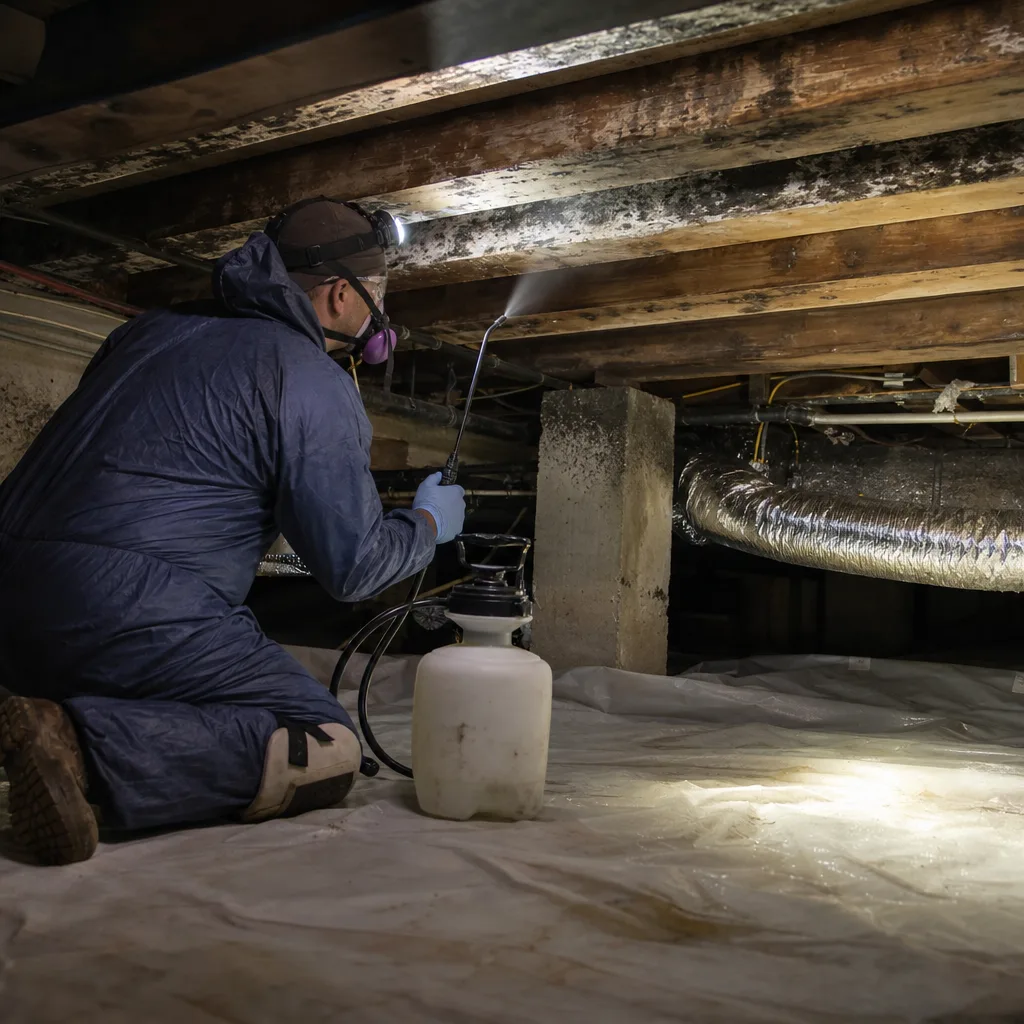
Air Quality Restoration
Post-remediation air quality testing confirms that spore counts have returned to normal fungal ecology - or identifies why they haven’t. We run particle counters and VOC meters during the drying phase, then schedule independent post-clearance sampling. In Financial District towers with shared HVAC risers, we also inspect whether contamination has entered the supply ducts; duct cleaning and sealing may be necessary to prevent recontamination of the unit or adjacent floors. Air quality restoration as a standalone service runs $1,200-$3,200; when bundled with full remediation, it’s typically $800-$1,800 additional.
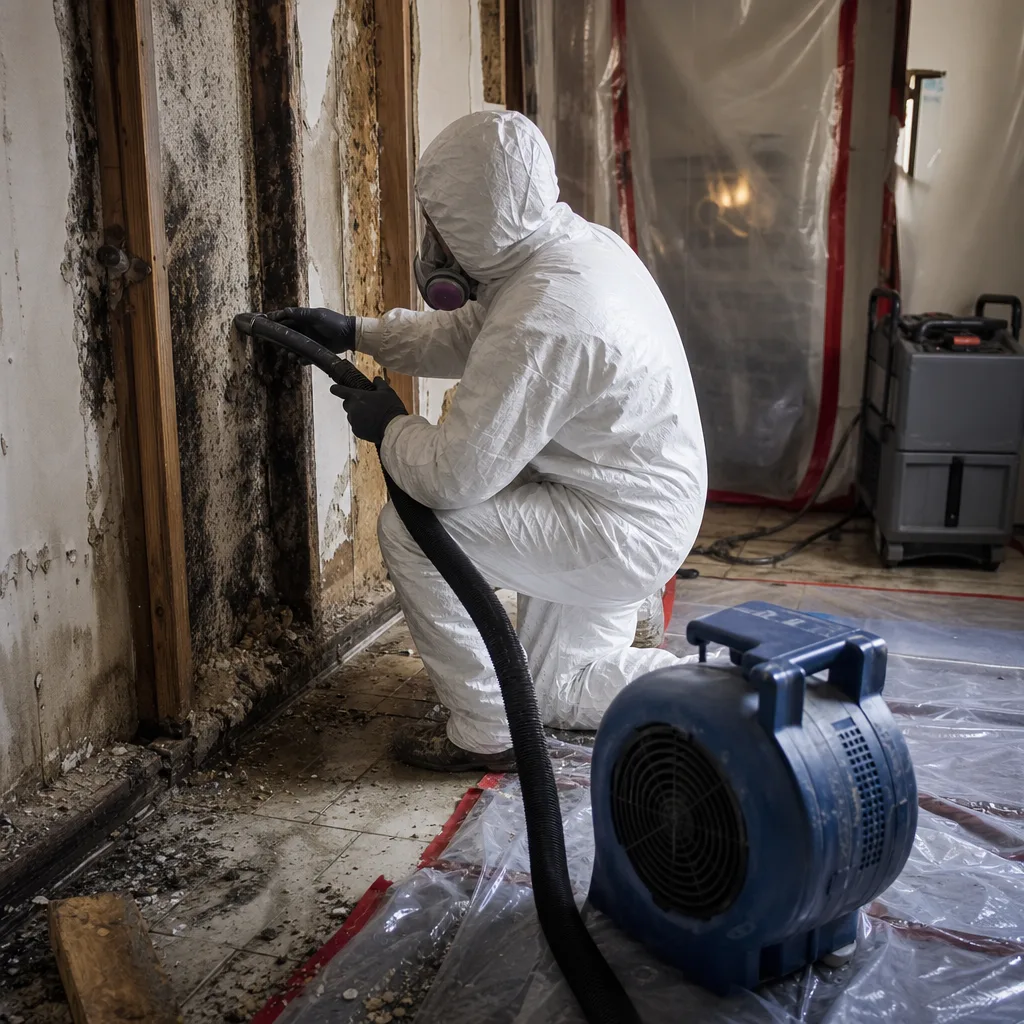
Moisture & Humidity Control
The harbor geometry at the confluence of the Hudson River and Upper New York Bay creates a documented “funnel” effect that amplifies storm surge energy precisely at the southern tip of Manhattan. Nor’easters that cause nuisance flooding in Murray Hill can produce structural water damage and equipment losses here. Our moisture control work targets the root condition: we install permanent dehumidification in sub-basement mechanical rooms, seal elevator pits against vapor intrusion, and specify vapor barriers for conversion projects. Ongoing humidity monitoring with remote sensors lets property managers track conditions without descending to the sub-basement. System design and installation in Financial District commercial properties typically runs $3,500-$8,500; residential unit solutions start around $1,800.
What happens when you call
- 1
A real person answersNo phone trees - you reach a local pro.
- 2
You get an upfront price rangeHonest numbers before anyone is dispatched.
- 3
A background-checked tech heads outLicensed & insured, dispatched right away.
- 4
You approve before work beginsNothing starts until you say go.
BeforeAfterTrusted Brands We Service in Financial District
Our equipment fleet includes professional-grade drying systems from Dri-Eaz, Phoenix, and XPOWER - brands specified by major insurance carriers because their output is measurable and their performance is documented to IICRC, RIA, and IFA standards. We stock HEPA filtration units, negative air machines, and Injectidry cavity-drying systems locally, so Financial District jobs don’t wait on freight from a warehouse upstate. When a storm surge hits and every hour of drying time matters, that local inventory difference shows up in your moisture logs.
Common Mold Remediation Problems We See in Financial District Homes
- Drying only the visible room and missing deep sub-basement voids. Ground-floor mechanical rooms flooded during Sandy, and no cross-ventilation in those multi-level sub-basements means moisture never leaves. Mold returns within weeks if the drying scope doesn’t include the full vertical envelope.
- Treating conversion finds as “new” damage. Office tenants rarely report slow leaks. Colonies behind original plaster at 40 Wall Street or 70 Pine Street may be decades old, and the abatement scope must account for asbestos-containing materials that must come out before restoration can proceed.
- Assuming harbor-water intrusion is Category 1. Water entering through elevator pits and electrical switchgear vaults from the Upper New York Bay is Category 3 - grossly contaminated. It must be extracted and the affected materials removed, not dried in place with dehumidifiers.
- Ignoring the office-to-residential documentation gap. Commercial inspections don’t catch residential-grade moisture problems. We routinely find active mold and rotted framing behind ornate lobby plaster that passed every prior review because no one lived there to smell it.
Pricing for Mold Remediation in Financial District, NY
Here’s what mold remediation actually costs in this market, based on jobs we’ve completed in towers from 20 Exchange Place to the Battery:
| Service | Typical Range in Financial District |
|---|---|
| Mold inspection & testing (residential) | $450 - $1,200 |
| Mold inspection & testing (commercial/multi-level) | $1,800 - $3,500 |
| Mold removal (residential unit) | $2,800 - $6,500 |
| Black mold remediation (residential) | $4,500 - $9,500 |
| Black mold remediation (commercial/historical) | $15,000 - $28,000 |
| Air quality restoration (standalone) | $1,200 - $3,200 |
| Moisture control system (residential) | $1,800 - $4,500 |
| Moisture control system (commercial) | $3,500 - $8,500 |
What moves you within these ranges: the affected square footage, whether asbestos abatement is required before mold work, the depth of sub-basement involvement, and whether the moisture source is still active. Every job gets a written price before work starts - Haven Standard, Clause 1 - with no scope-creep additions once the crew is inside. Bring us a competitor’s written estimate and we’ll review it at no charge; our Free Second Opinion is available on any documented quote.
We Also Serve Cities Near Financial District
Our Mold Remediation crews regularly work in Long Island City, Murray Hill, Greenpoint, and Astoria - each with its own flood risk profile and building stock, but none with the unique combination of FEMA Flood Zone A/AE exposure, deep sub-basements, and conversion-era hidden damage that defines Mold Remediation in Financial District. If you manage properties across multiple neighborhoods, we can coordinate inspections and maintain consistent documentation standards across your portfolio.
Serving Financial District, NY - Our Local Coverage Area
We’re based in the Financial District area and know this community well. Use the map below to see our service coverage - if you’re nearby, we can almost certainly help.
FAQs - Mold Remediation in Financial District
Office tenants don’t report slow leaks the way residential occupants do. A dripping pipe behind a lobby wall at 40 Wall Street might go unmentioned for a decade; the first person to smell it is the new condo owner after the gut-job exposes the colony. Commercial inspections focus on visible, accessible areas and life-safety systems, not concealed moisture behind ornamental plaster. If you’re planning a conversion, budget for pre-demolition moisture mapping and air sampling - it’s cheaper than discovering mold after your drywall crew has started. Call (914) 530-9723 for a scope and fixed-price estimate.
Under typical Financial District conditions - 65-75°F in sub-basements with limited ventilation - mold colonization begins within 24 to 48 hours of water intrusion. After Sandy, we saw active growth in elevator pits and mechanical rooms within 72 hours where standing harbor water wasn’t fully extracted. Speed matters, but so does completeness: a surface dry with moisture trapped behind limestone or in concrete block cavities will still produce colonies. We answer live at (914) 530-9723 and can have a crew moisture-mapping your property within hours.
No. Harbor water entering through elevator pits, switchgear vaults, or foundation penetrations is Category 3 - grossly contaminated with pathogens, chemicals, and debris. Drying it in place with dehumidifiers traps contaminants in porous materials and creates a long-term health hazard. The correct protocol is extraction, removal of affected porous materials, antimicrobial treatment of remaining surfaces, and verification through post-clearance testing. We document every step with photos and moisture logs for your adjuster. Call (914) 530-9723 for a written scope and price.
Sometimes, but only if we can establish airflow and dehumidification to all affected cavities. Injectidry systems let us dry inside wall and ceiling voids without full demolition, and we’ve used them successfully in sub-basements at 70 Pine Street and 20 Exchange Place. The limiting factor is access: if mechanical equipment or structural elements block hose placement, selective removal may be necessary. We map the space first, give you a written scope with two options - minimal-invasive drying versus full removal - and a fixed price for each. No work starts until you’ve signed the scope you prefer.
A proper scope for a building of that era includes: independent mold inspection and lab testing; asbestos-containing material survey (pre-1980 buildings require this before disturbance); containment and negative air establishment; HEPA-filtered removal of contaminated materials; antimicrobial treatment of remaining surfaces; cavity drying with documented psychrometric data; post-remediation air quality testing; and a written warranty. We also flag any active moisture sources - corroded risers, foundation seepage, failed waterproofing - for your engineer to address before restoration closes the walls. The scope is fixed-price, signed, and backed by our 365-Day Done Right Promise under The Haven Standard. Call (914) 530-9723 to schedule.
Call (914) 530-9723 now for a free, written estimate on mold remediation in your Financial District property. We answer live 24 hours a day, 7 days a week, and every scope we deliver includes a fixed price before work begins, a photo record on every visit, and documentation that holds up with your insurance adjuster. Haven Standard, Clause 1: no exceptions.
Written by Alicia Brennan, Owner at Back to Dry Restoration, serving Financial District since 2011.