
Free visual inspection and a written scope of work before any mitigation begins - photos, moisture readings, and drying logs go in your claim file
The scope we write is the scope we bill. Anything new gets shown to you, in writing, before we touch it.
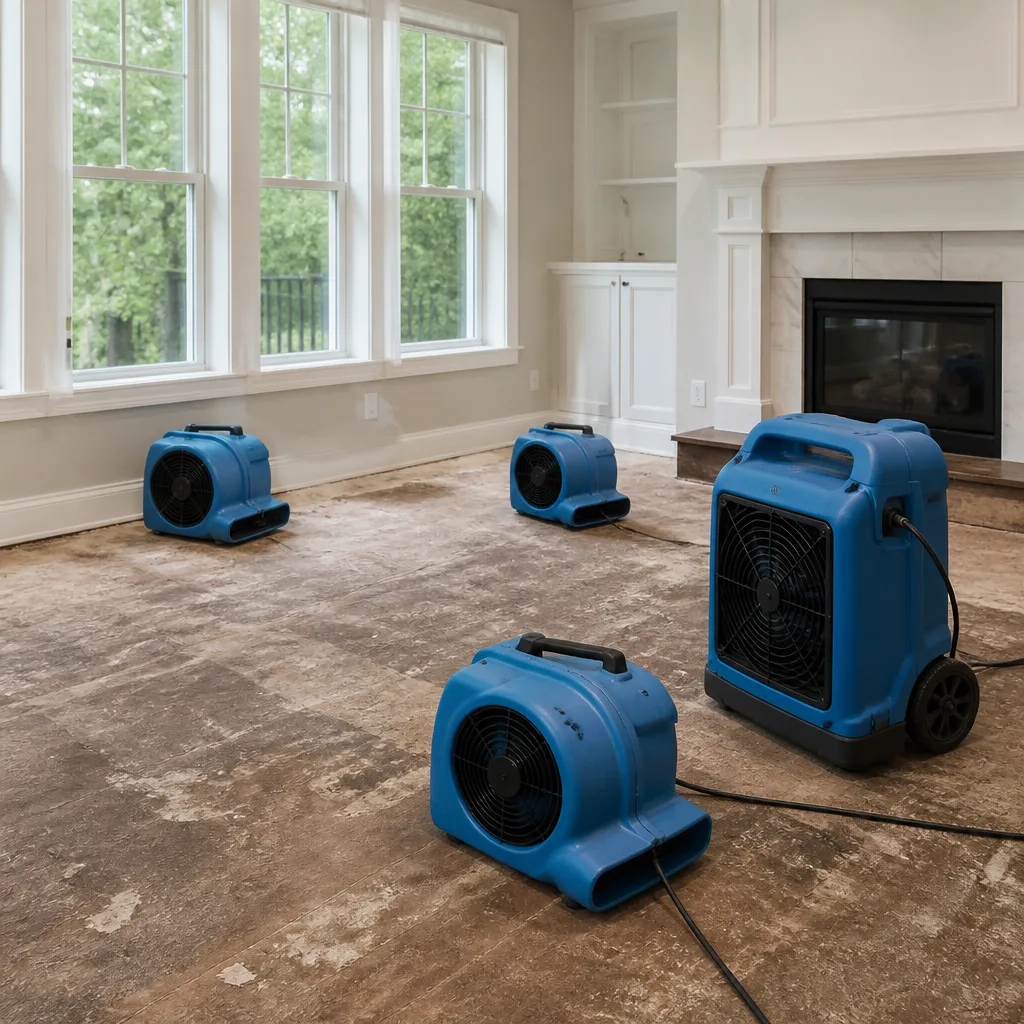
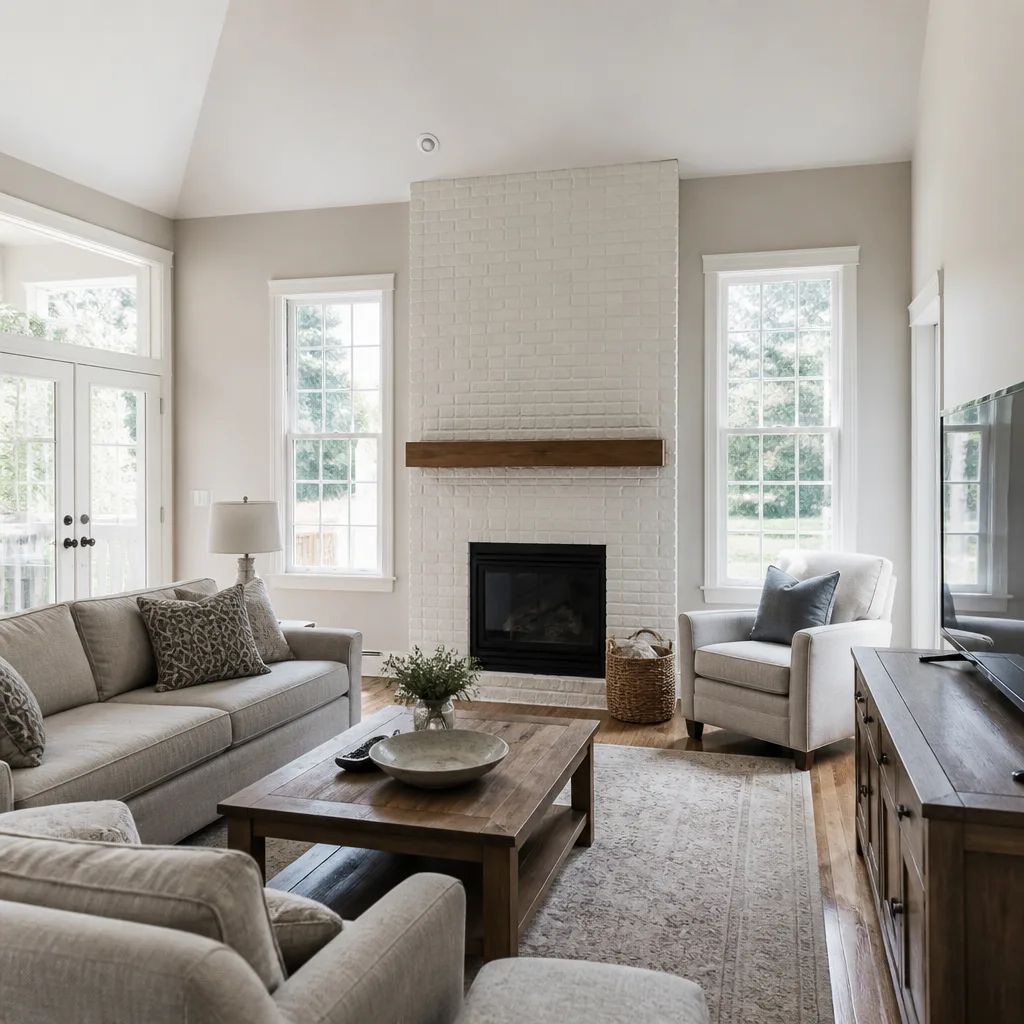
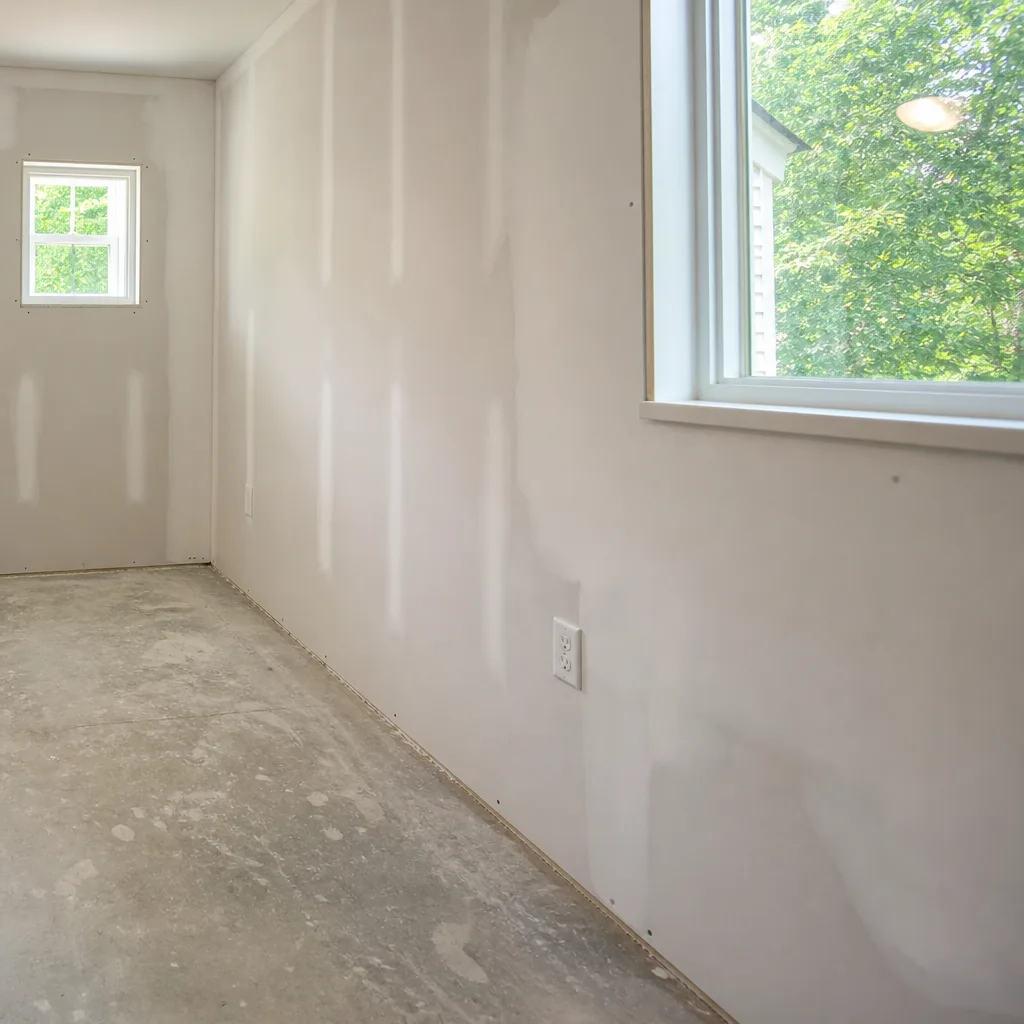
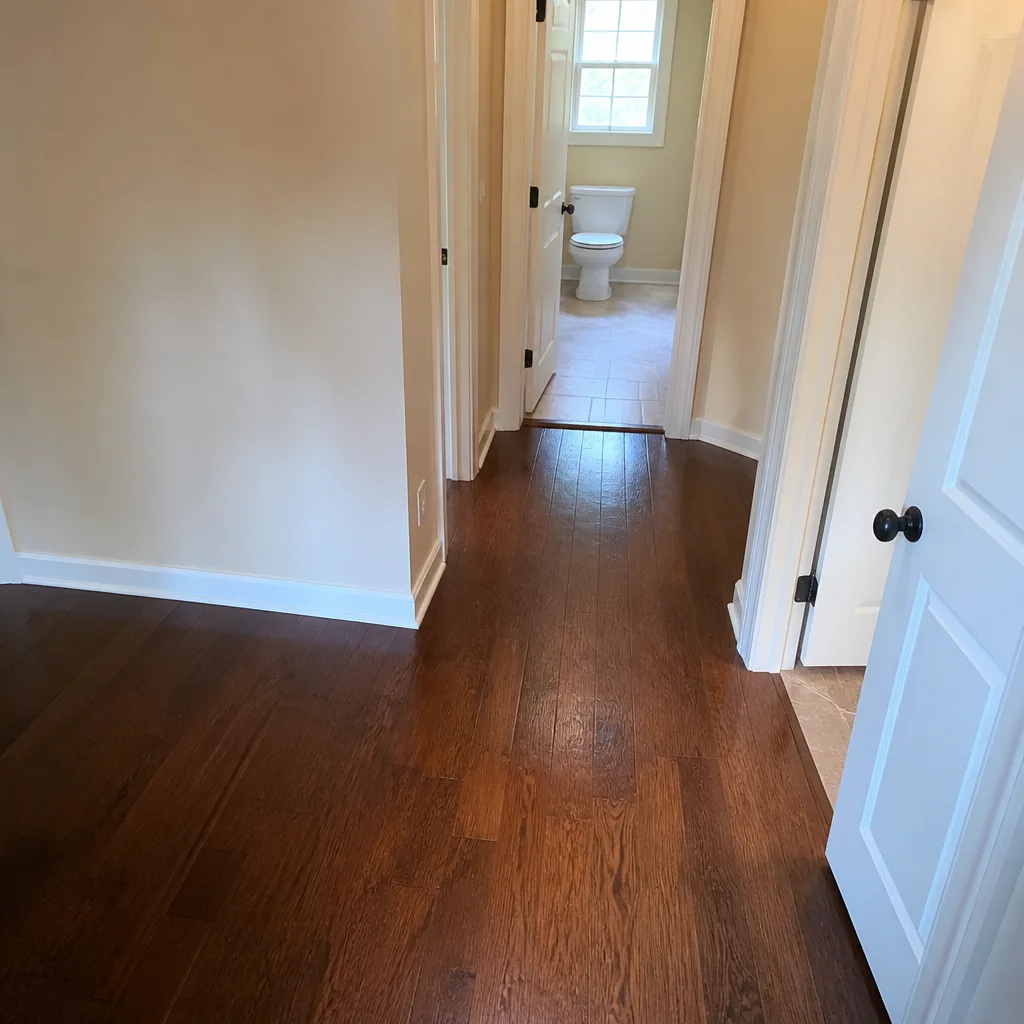
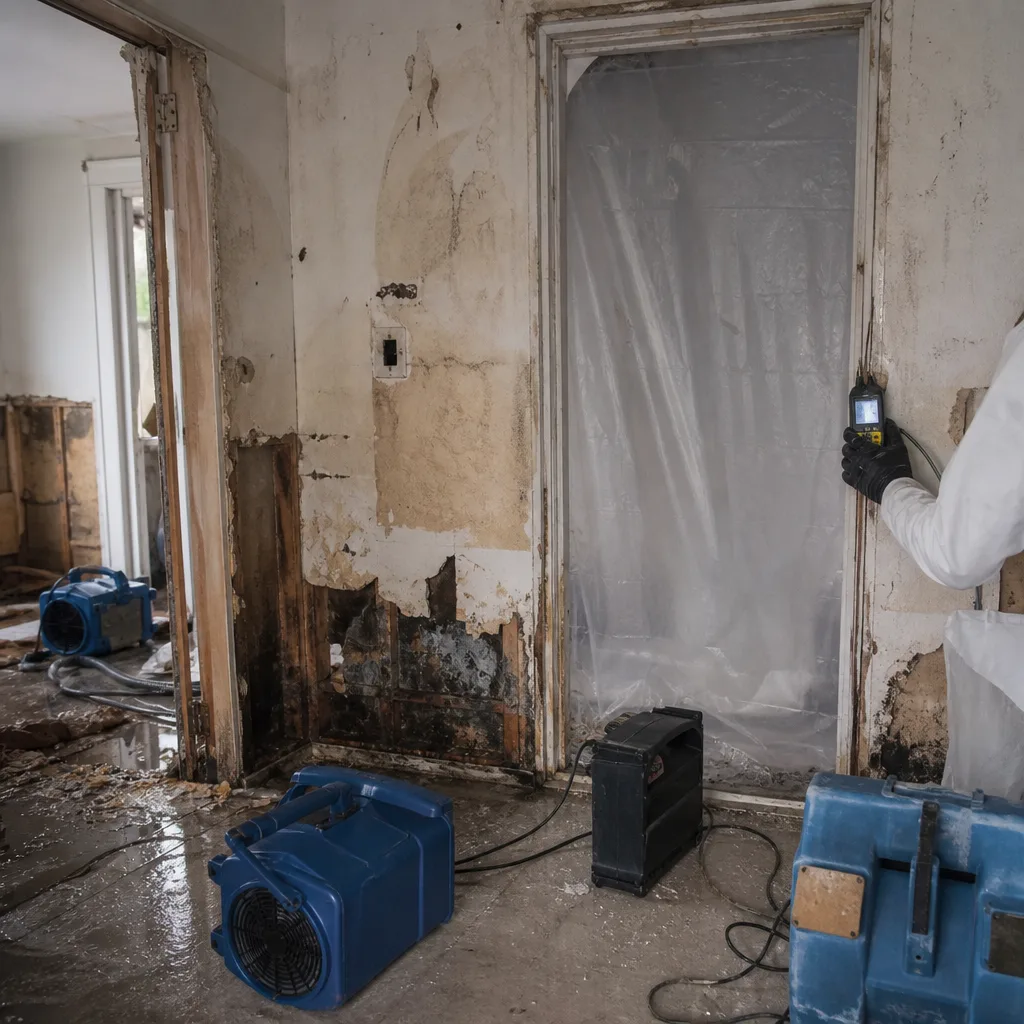 Before
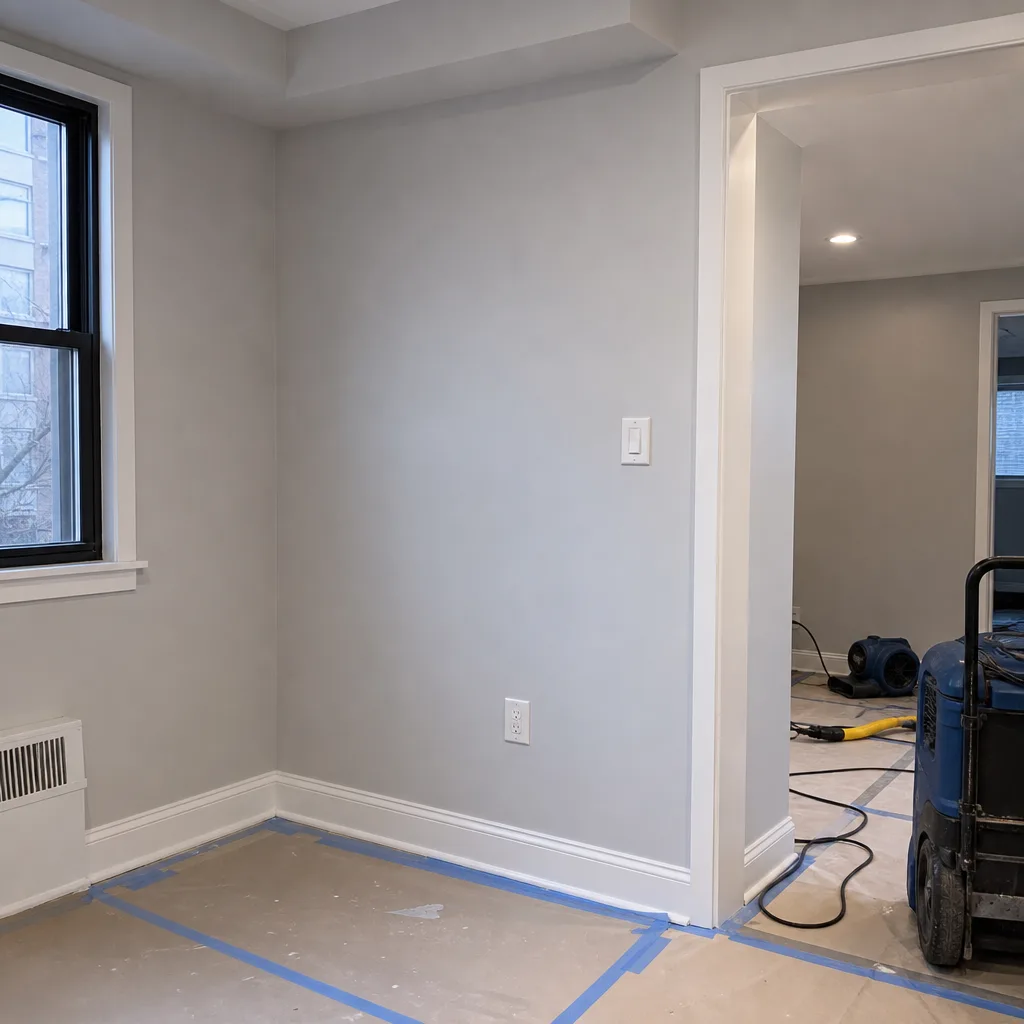 After
After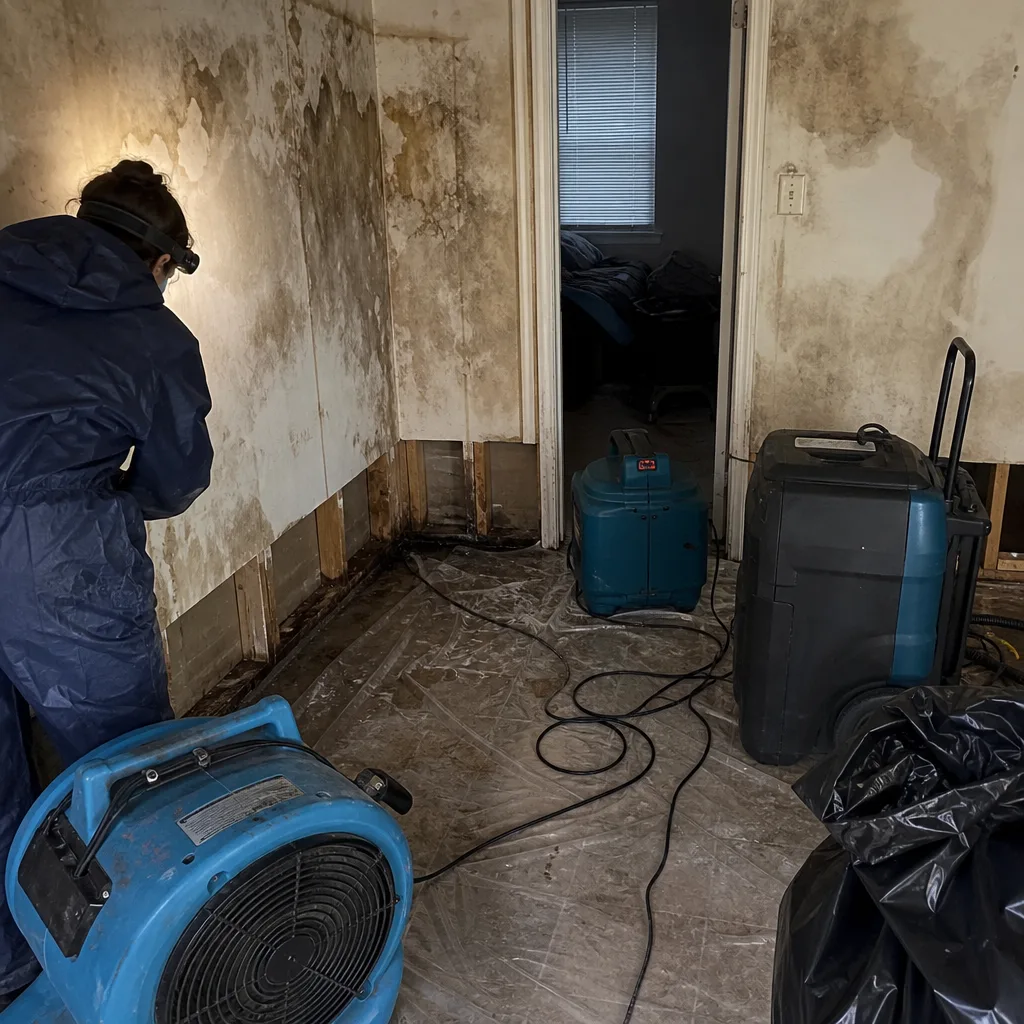 Before
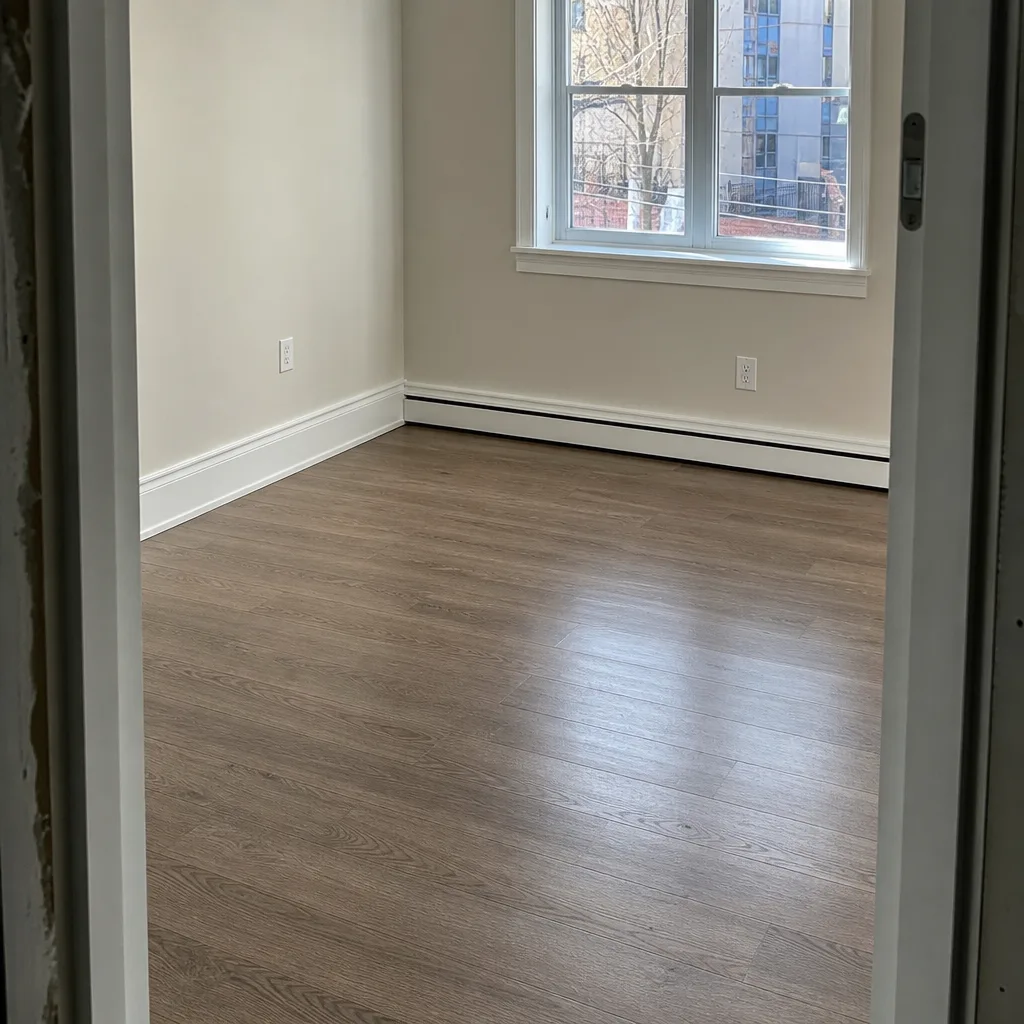 After
After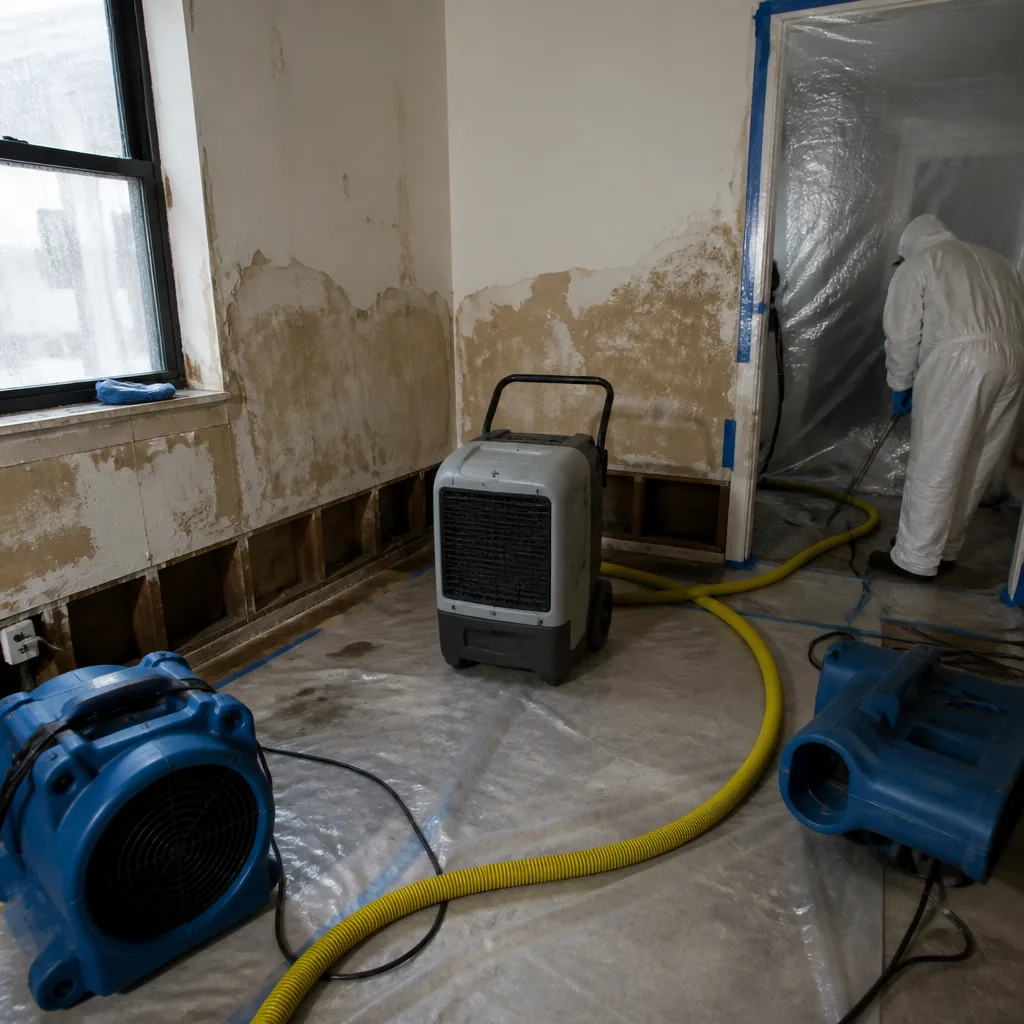 Before
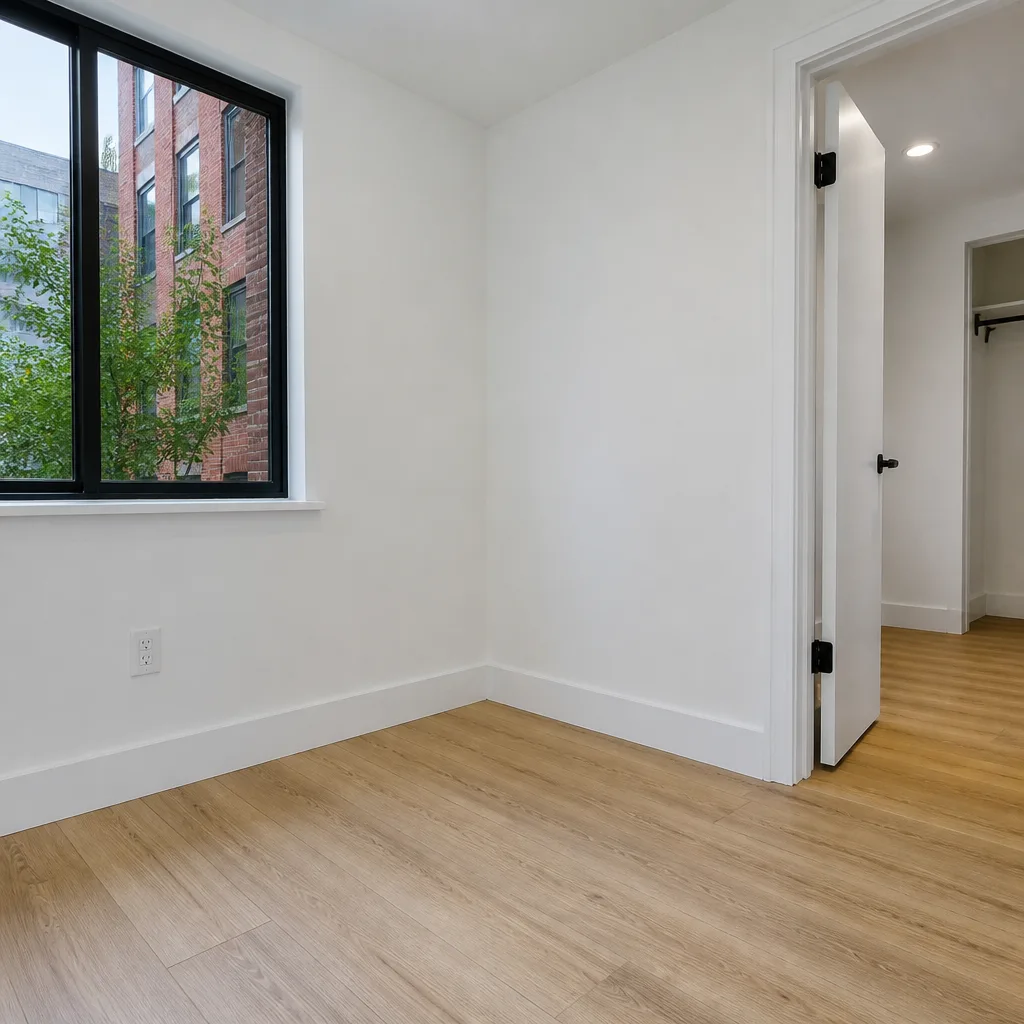 After
AfterMold Inspection & Testing in Long Island City, NY
A professional mold inspection and testing service in Long Island City typically costs between $350 and $750, depending on the number of rooms tested and whether air quality sampling is required alongside surface swabs. At DryMark Restoration Long Island City, we provide a written price before any work begins, as required by the Haven Standard, Clause 1. If you suspect microbial growth in your home, call (914) 530-9723 to schedule an assessment. We do not guess; we document conditions using psychrometric data and moisture mapping to determine if you have an active mold issue or simply a moisture control problem that needs correction.
Mold growth in Long Island City often hides behind drywall or beneath flooring, especially in older buildings near the East River where humidity levels fluctuate significantly. We approach mold inspection as a forensic exercise. Our job is to provide you with the evidence needed to make an informed decision, whether that involves simple cleaning or full-scale Mold Remediation in Long Island City. We operate independently, meaning our inspection reports are objective and focused entirely on the data we collect in your specific environment.
When You Need Mold Inspection & Testing
Homeowners often reach out to us when they see visible signs of growth, but the most critical inspections happen before the mold is obvious. Here are the specific scenarios where we recommend professional testing:
- Persistent Musty Odors: If you smell a damp, earthy scent in specific closets or near HVAC vents, mold is likely metabolizing organic material, even if it remains hidden from view.
- Recent Water Intrusion: If you have experienced a pipe burst, a roof leak, or basement flooding in the last 48 hours, professional testing can determine if the drying process was effective or if secondary mold growth has already begun.
- Unexplained Health Symptoms: When family members experience respiratory irritation, persistent coughing, or skin rashes that improve when they leave the home but return upon re-entry, we can test the air for high spore counts.
- Real Estate Transactions: Before closing on a property in Long Island City, we provide an objective assessment of the HVAC systems and crawl spaces to ensure there are no pre-existing moisture or mold liabilities.
- High Humidity Readings: If your home consistently sustains relative humidity levels above 60%-common in older Long Island City brownstones-we can identify the specific condensation points where mold is most likely to colonize.
Our Mold Inspection & Testing Process
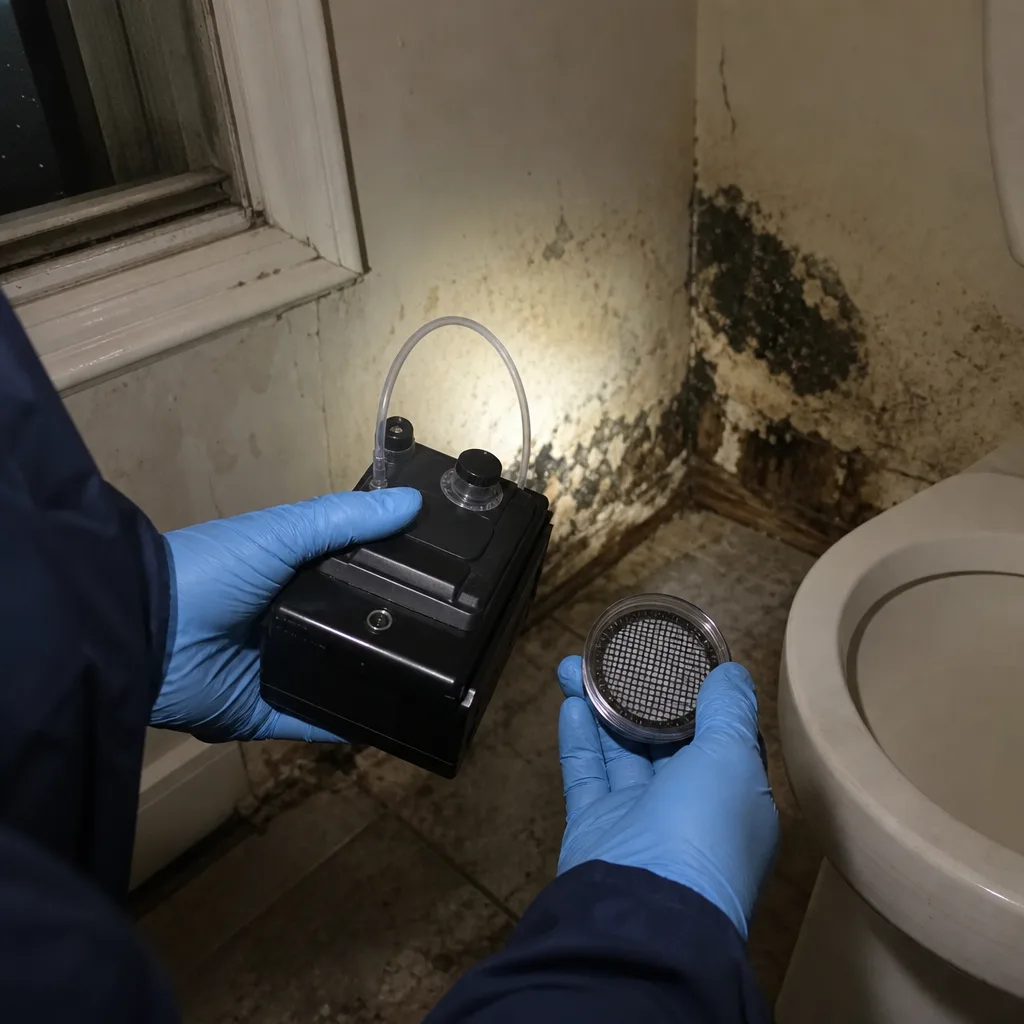
We follow a rigorous, documented process to ensure every inspection provides actionable data. We do not rely on visual intuition alone; we use scientific measurements to justify our findings.
- Initial Moisture Mapping: We begin by scanning walls, floors, and ceilings using thermal imaging and moisture meters to locate hidden pockets of water. If the substrate is dry, the likelihood of active mold growth is significantly lower.
- Visual Forensic Assessment: We inspect the HVAC system, under-sink cabinets, and attic spaces, documenting any signs of water staining or microbial growth with high-resolution photography.
- Air Quality Sampling: Using equipment calibrated to IICRC standards, we take air samples inside the home and compare them against a baseline sample taken from the outdoor environment in Long Island City. This determines if your interior spore counts are elevated compared to the natural local baseline.
- Surface Swabbing: If we find visible growth, we take a tape lift or swab sample to identify the specific genus of mold. This is critical for determining whether the growth is hazardous or merely cosmetic.
- Laboratory Analysis and Reporting: We send all samples to an independent, accredited laboratory. You receive a comprehensive, plain-English report detailing exactly what was found, the concentration levels, and the necessary steps for remediation.
BeforeAfterMold Inspection & Testing Pricing in Long Island City
We believe in full transparency regarding costs. Per the Haven Standard, Clause 1, we provide a written price before any work starts, so you are never surprised by the final invoice. Our pricing structure is designed to cover the equipment, laboratory fees, and the time required for accurate documentation.
| Service Type | Typical Price Range |
|---|---|
| Basic Visual Inspection & Moisture Mapping | $250 – $400 |
| Air Quality Testing (Includes 2-3 Samples) | $450 – $650 |
| Full Suite (Air + Surface Samples + Report) | $600 – $850+ |
These prices are estimates based on standard residential square footage in Long Island City. We always offer a Free Second Opinion on any competitor’s written estimate. If you have a quote from another provider, bring it to us, and we will review it at no charge. Call (914) 530-9723 to discuss your property’s specific needs.
FAQs - Mold Inspection & Testing
Is it cheaper to clean mold myself or hire a professional?
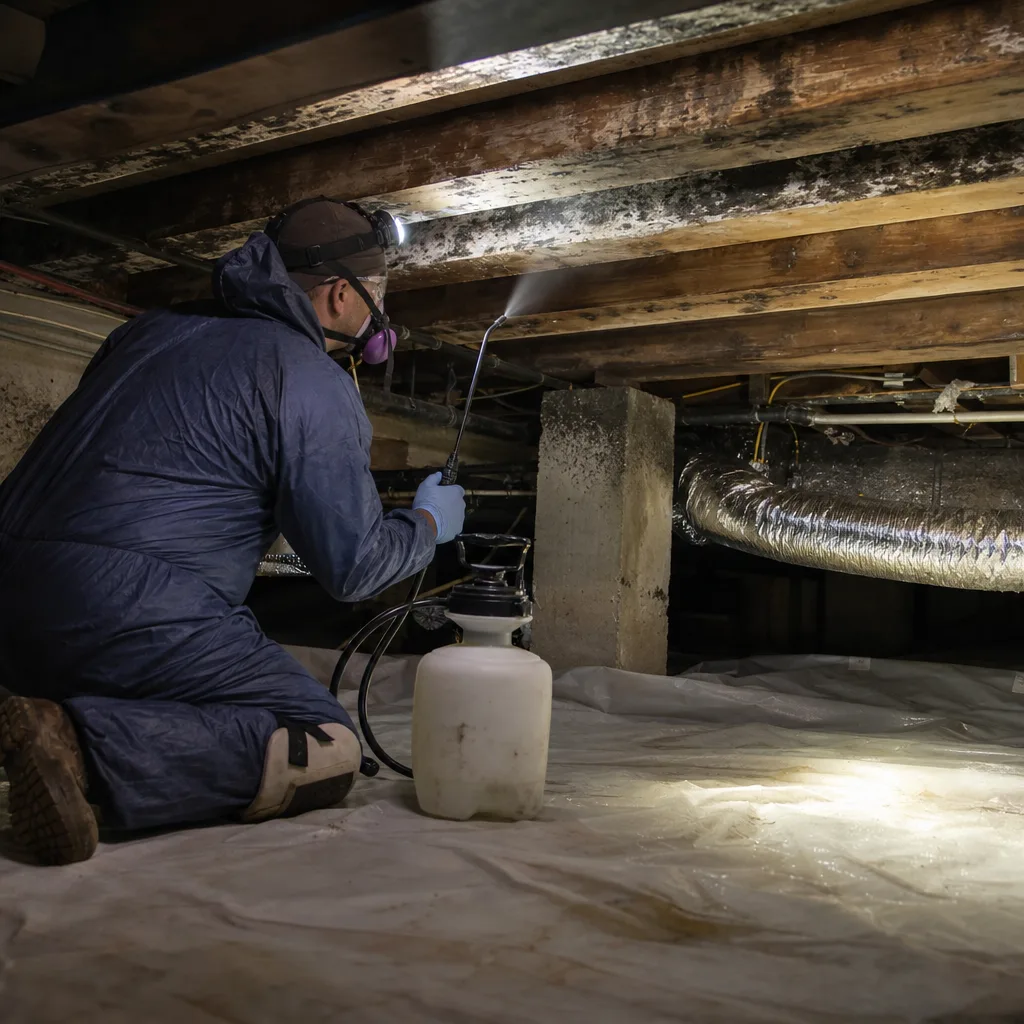
If the mold covers an area larger than 10 square feet, the EPA and industry standards like the IICRC strongly recommend Mold Remediation services to prevent the release of spores throughout the rest of your home. Attempting to scrub mold in a confined area often releases thousands of spores into the air, which can cross-contaminate unaffected rooms and HVAC ducts. Call (914) 530-9723 to ensure the containment and removal are done correctly the first time.
Can you tell me if the mold is toxic?
There is no industry-standard definition of “toxic mold,” but laboratory testing can identify the genus and species of the mold present. We provide you with the lab report that identifies the specific types of mold in your home, which allows you to consult with a medical professional regarding your specific health concerns. Our role is to provide the data; we focus on the evidence of the growth itself.
Do I need an inspection if I can see the mold?
Visible mold is often the tip of the iceberg, and an inspection helps us understand the “why” behind the growth. We need to identify the moisture source-whether it’s a leaky pipe, condensation, or poor ventilation-so that we can stop the mold from returning after we clean it. Without identifying the source, Mold Removal is only a temporary fix. Call us to schedule an inspection so we can trace the moisture back to its origin.
What equipment do you use for testing?
We use professional-grade instruments, including high-sensitivity moisture meters and thermal imaging cameras, to identify hidden water damage. For air quality, we use specialized pumps and cassettes to capture air samples that are then analyzed by an independent laboratory to IICRC and RIA standards. This ensures that the documentation we provide is verifiable and useful for insurance claims or property sale disclosures.
Written by Alicia Brennan, Owner at DryMark Restoration Long Island City, serving Long Island City.