
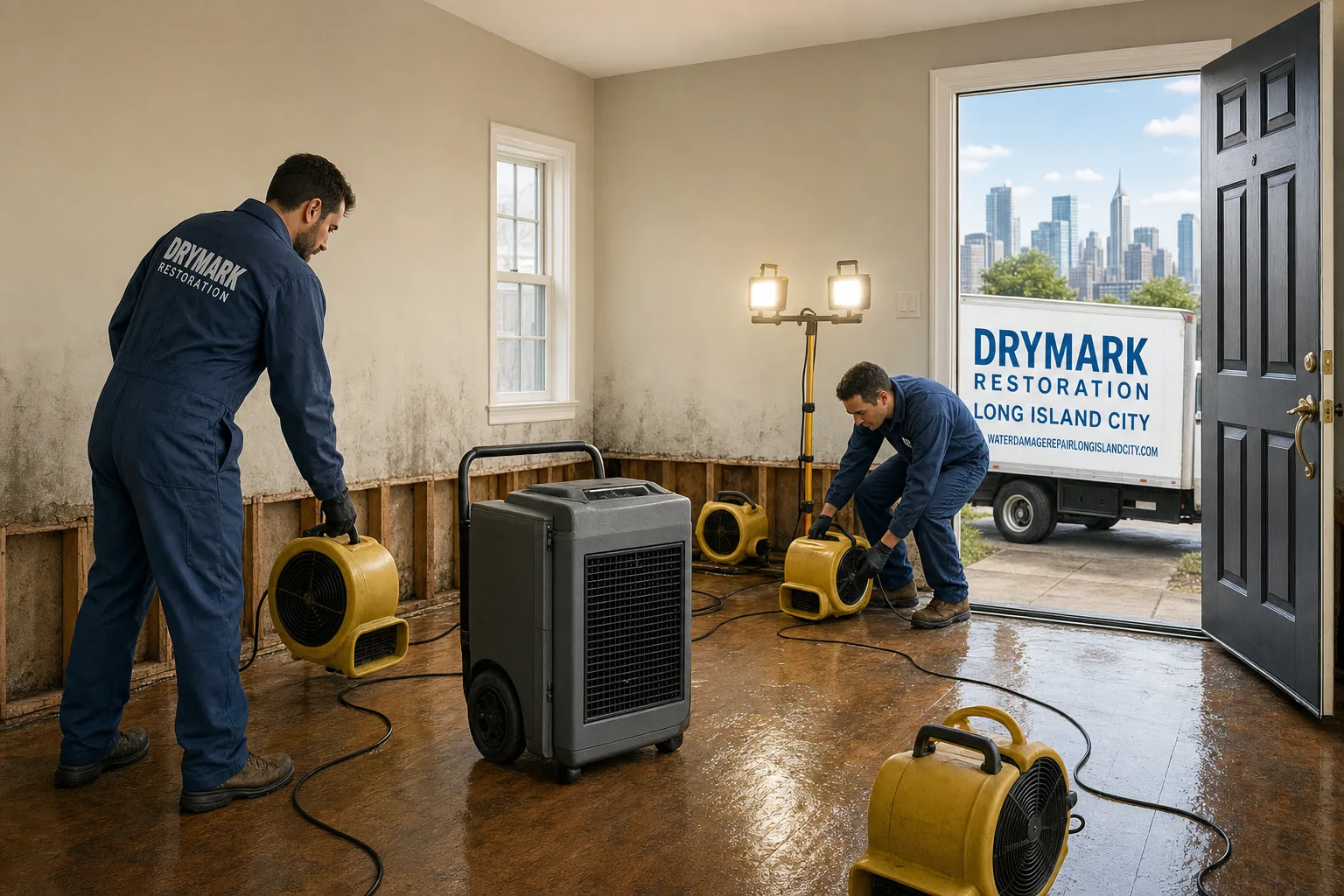
Free visual inspection and a written scope of work before any mitigation begins - photos, moisture readings, and drying logs go in your claim file
The scope we write is the scope we bill. Anything new gets shown to you, in writing, before we touch it.
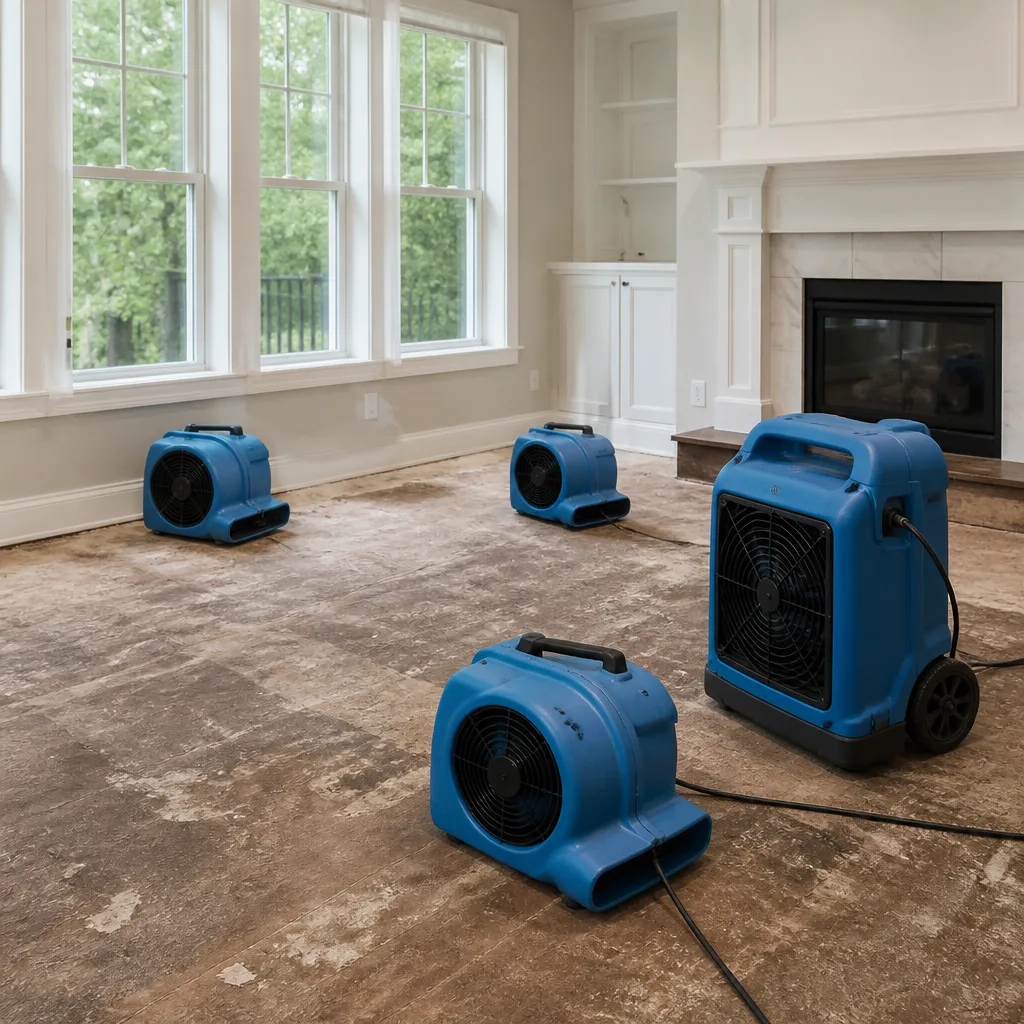

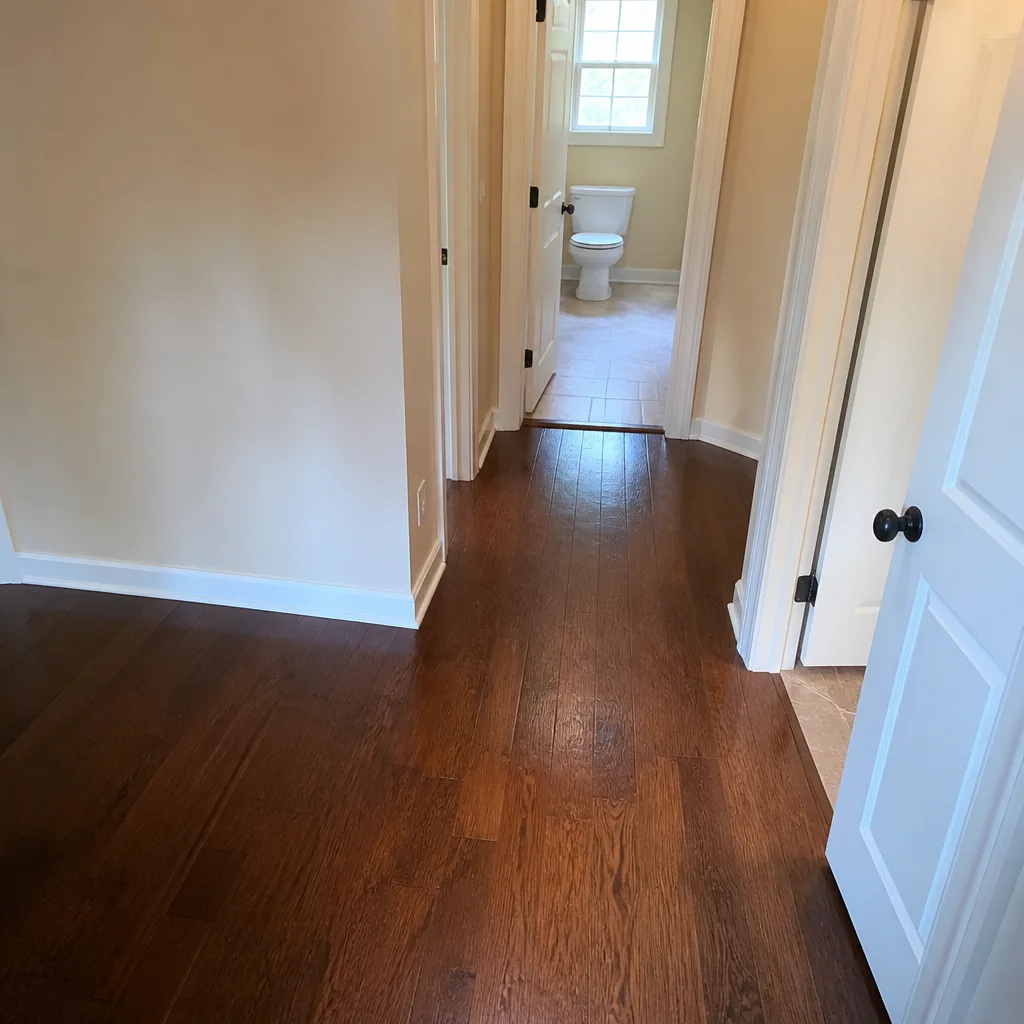
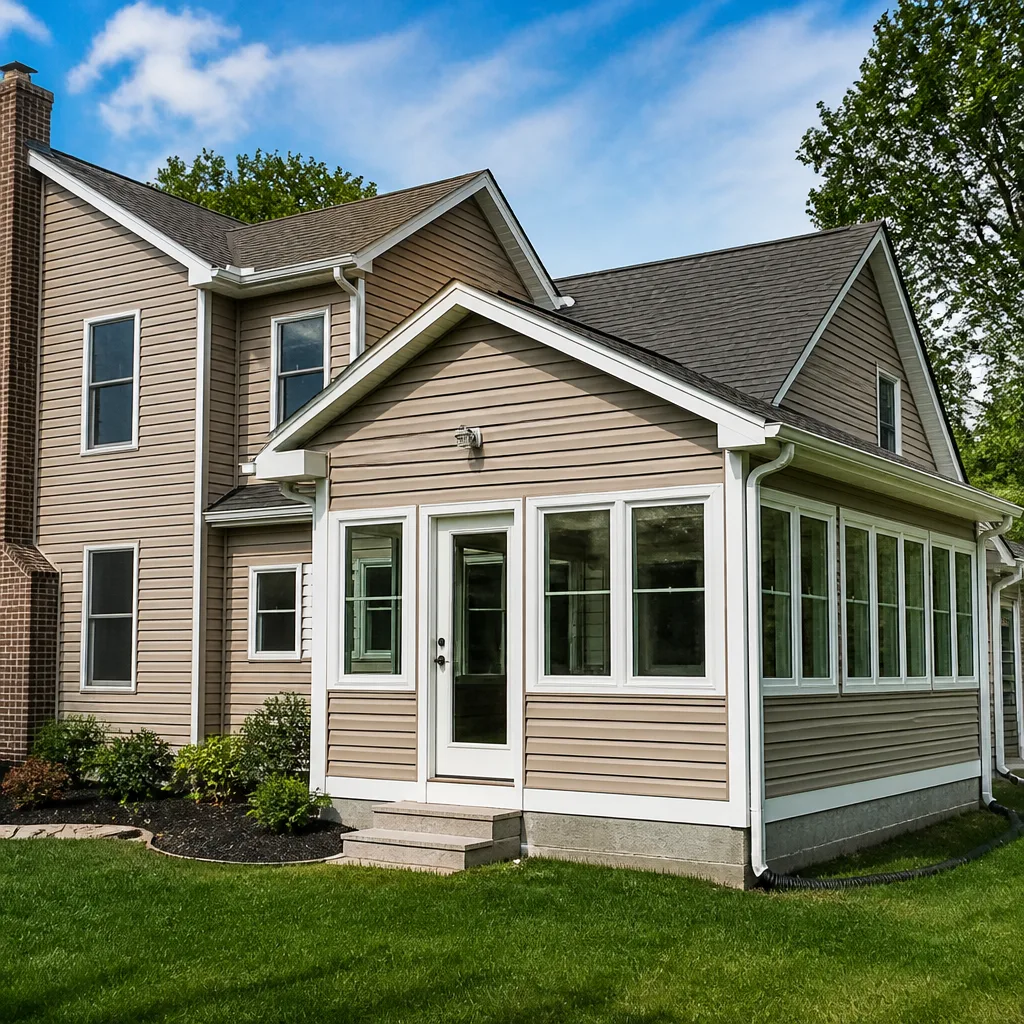
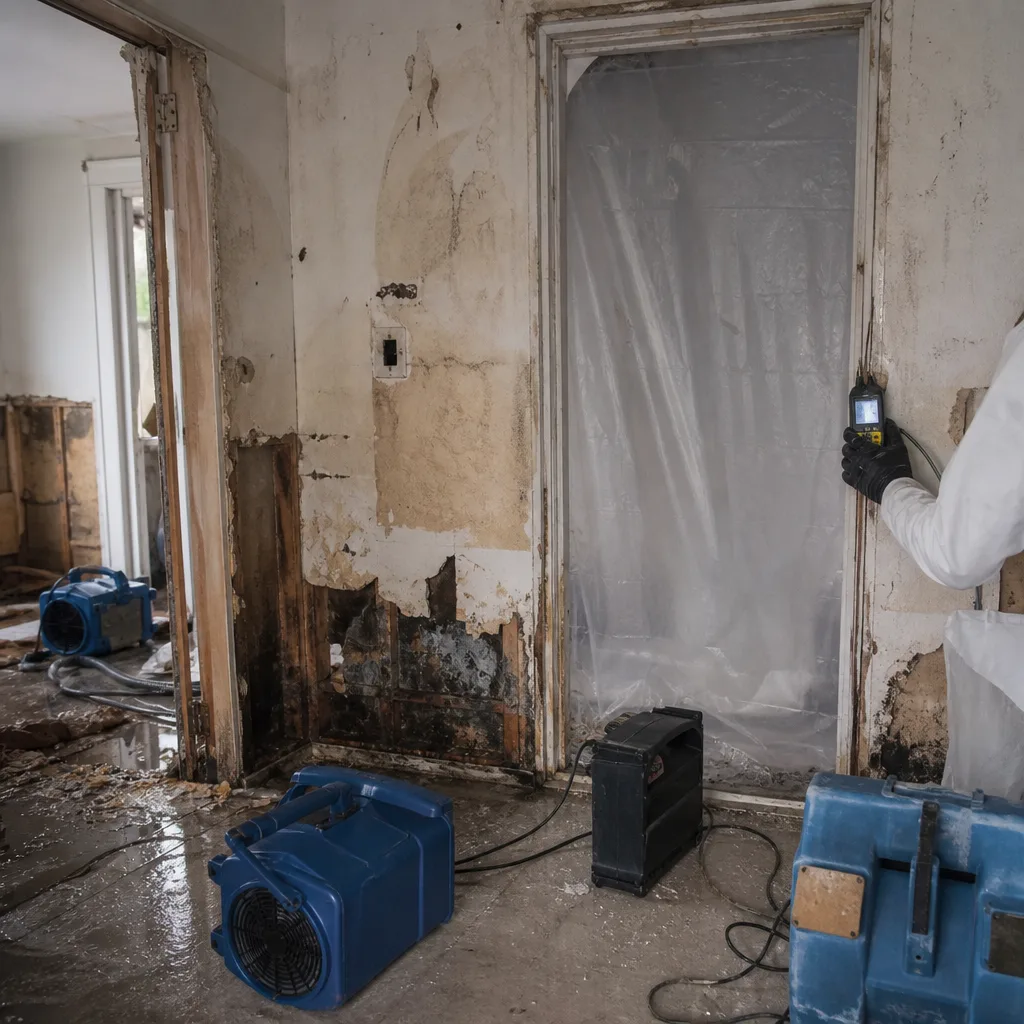 Before
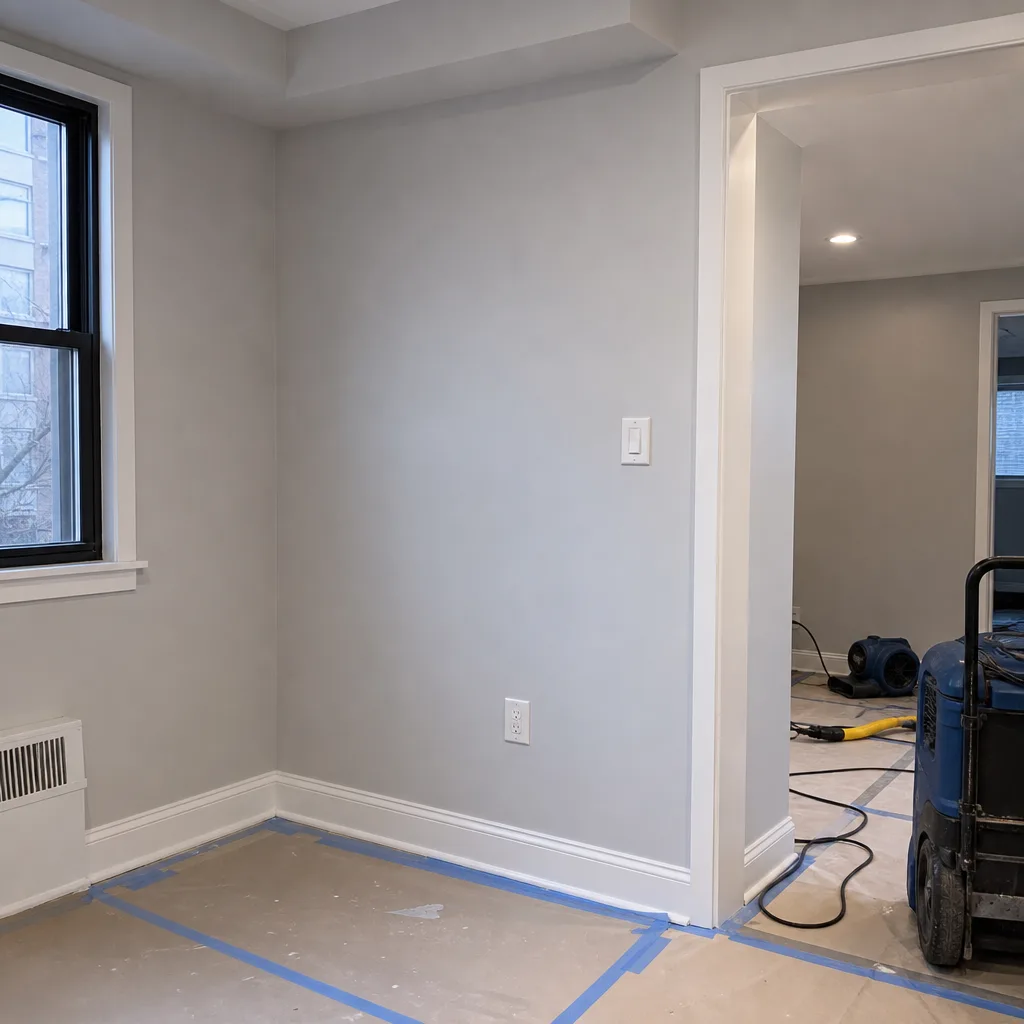 After
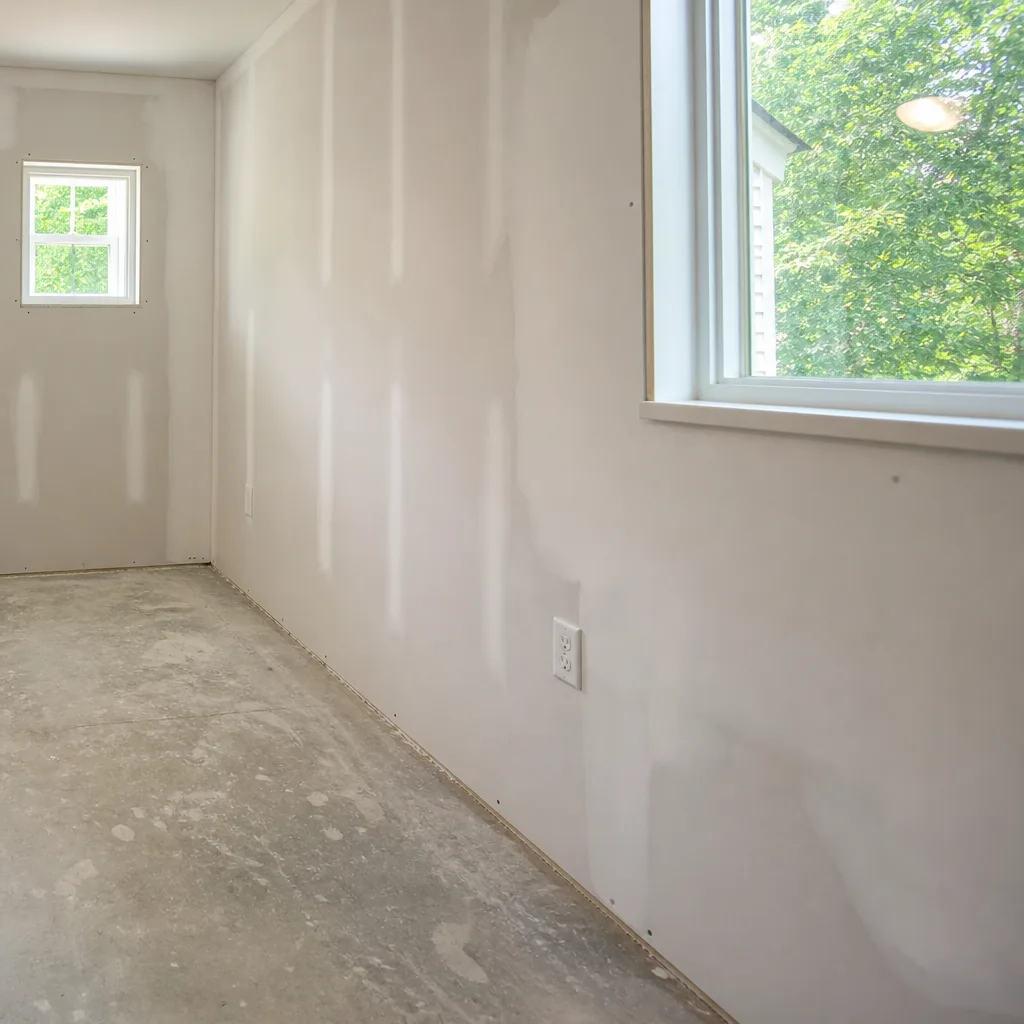
After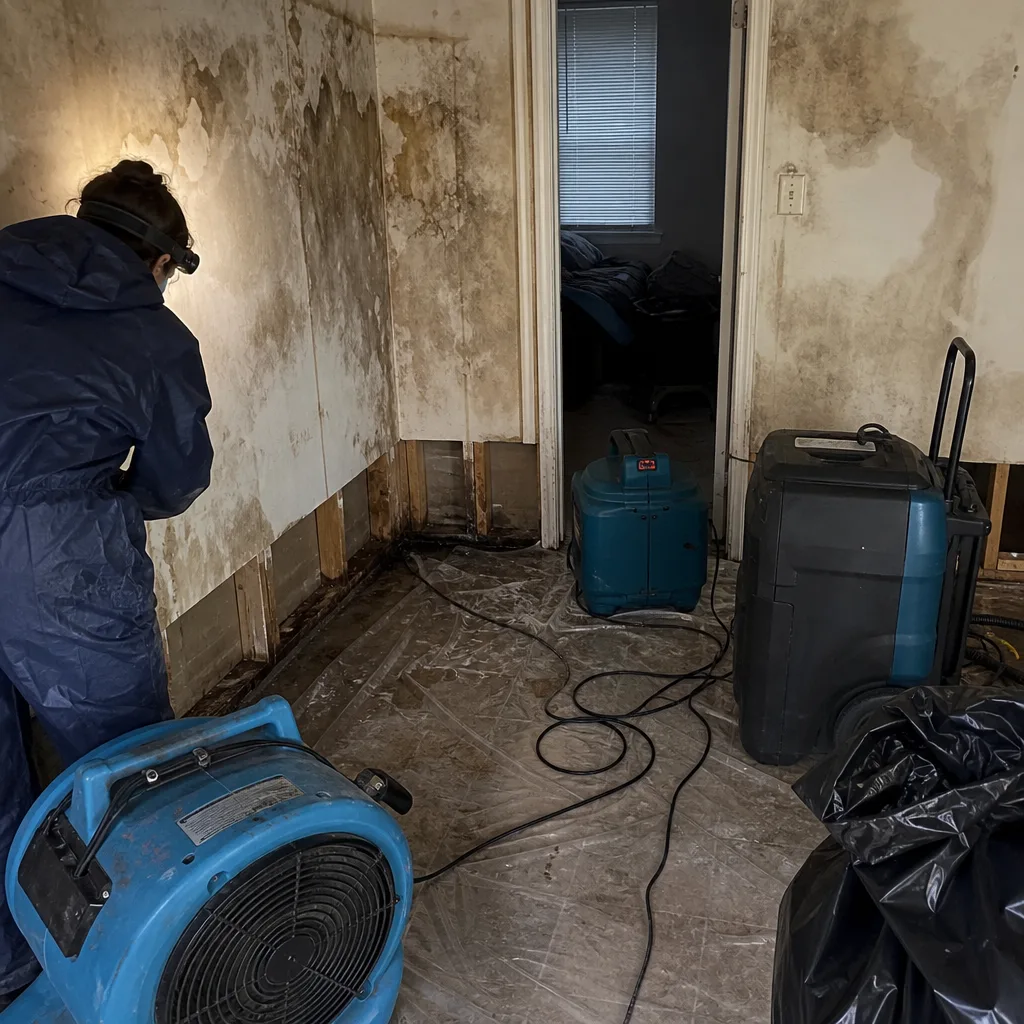 Before
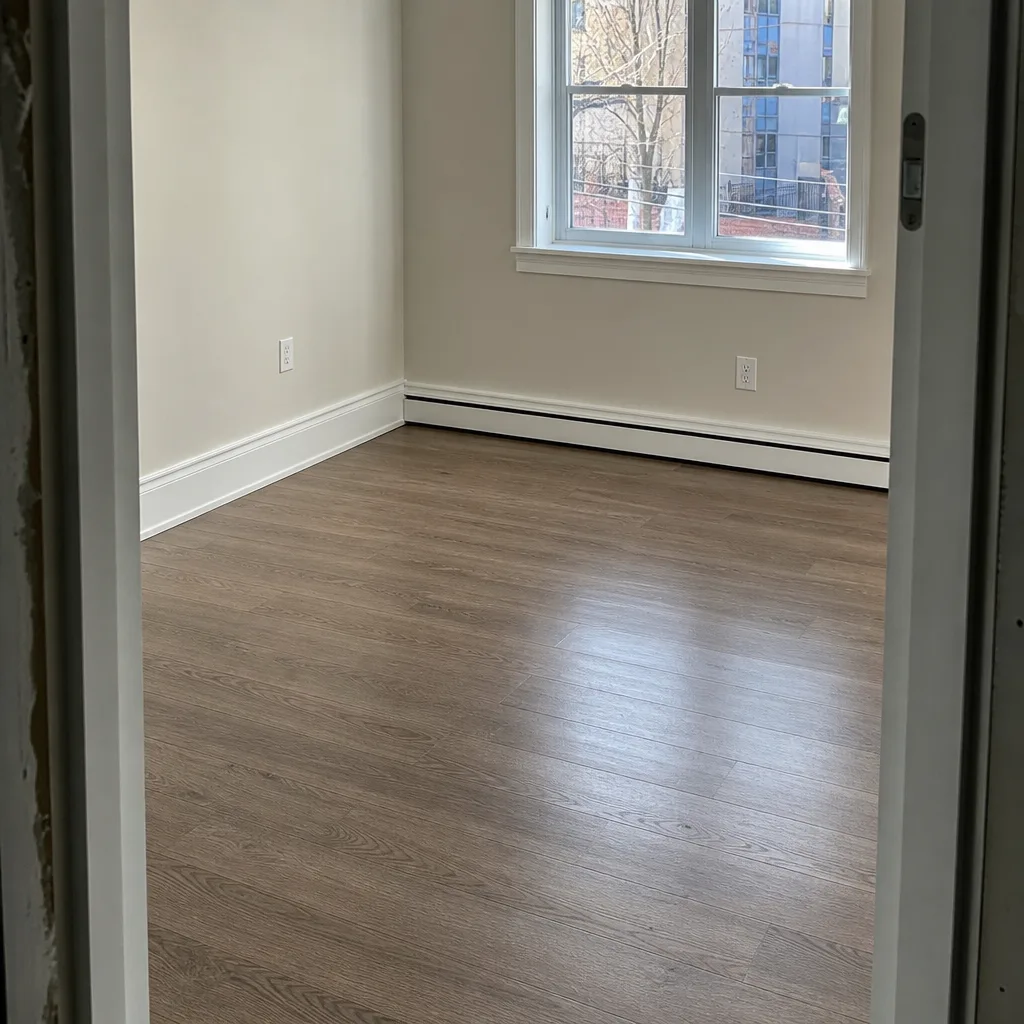 After
After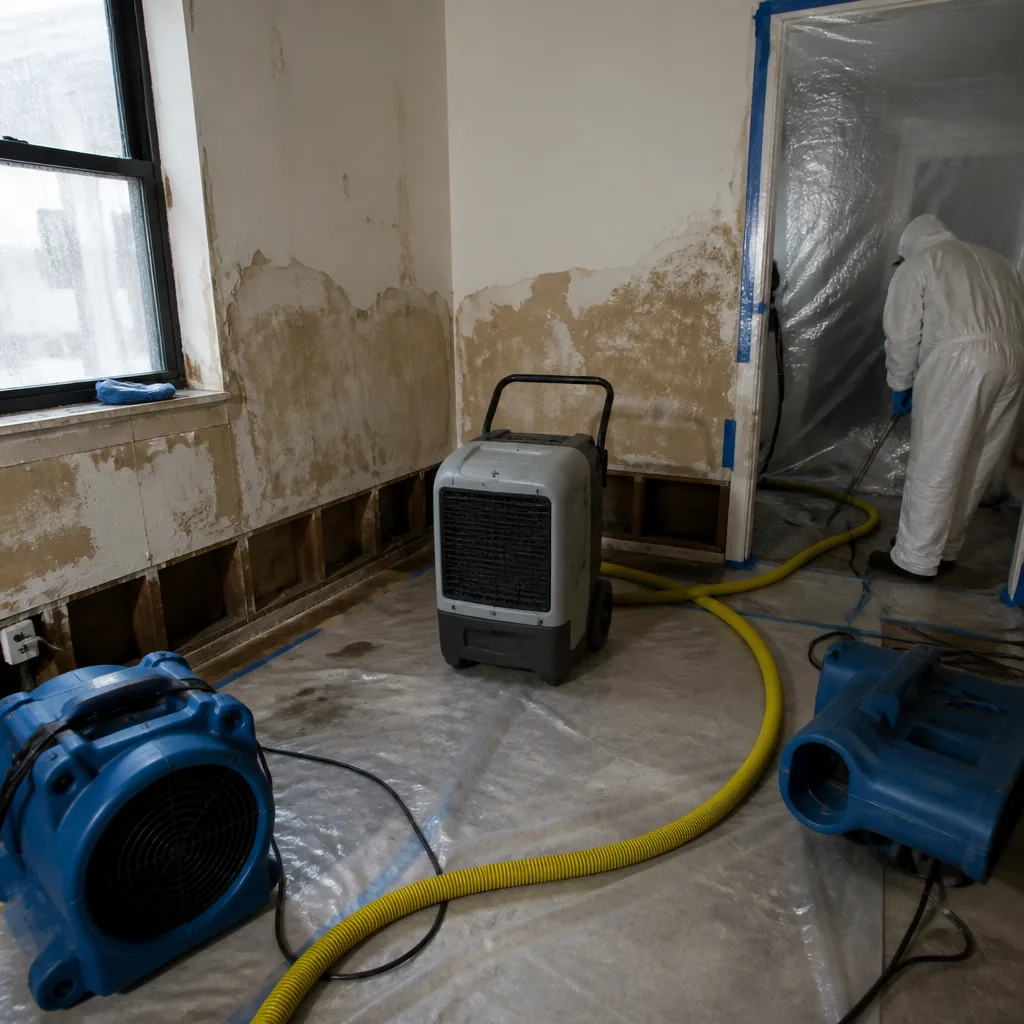 Before
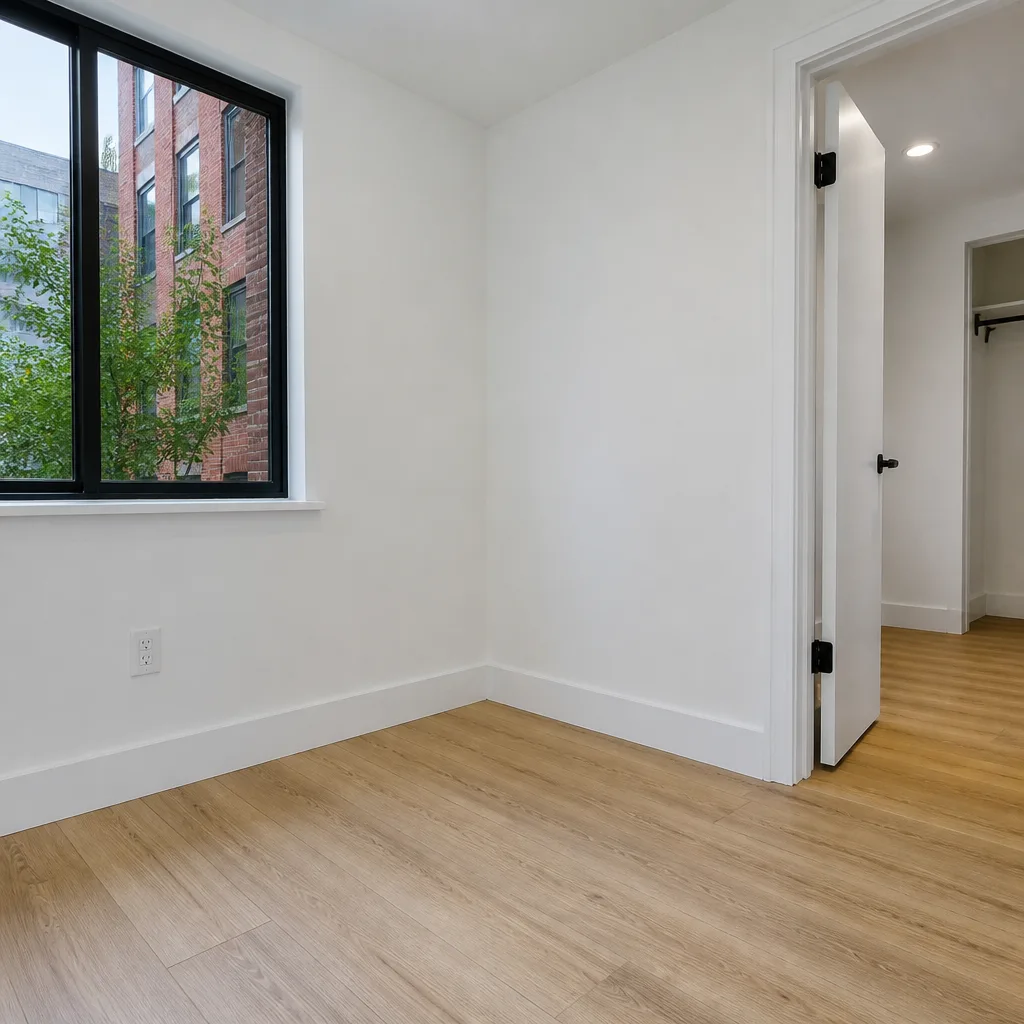 After
AfterHow Much Does Mold Remediation Cost in Long Island City?
Mold Remediation in Long Island City typically costs between $1,500 and $4,500 for localized issues, while full-scale basement or crawlspace remediation can range from $5,000 to $12,000 or more depending on the extent of the infestation. Because every property in this area faces unique challenges-from high-density pre-war masonry to modern luxury high-rise moisture entrapment-we provide a firm, written price before any work begins, as required by The Haven Standard, Clause 1.
If you suspect mold, you need an accurate assessment rather than a ballpark estimate. We document every square inch of affected material to ensure you aren’t paying for work you don’t need. Our team at DryMark Restoration Long Island City has been serving local property owners since 2011, focusing on the documentation gap that often causes insurance claims to be denied or undervalued.
Mold Remediation Cost Breakdown (2026)
Pricing for Mold Removal in New York City is rarely one-size-fits-all. The following table provides a breakdown of typical costs based on our recent jobs across Long Island City neighborhoods, including Hunters Point, Court Square, and Dutch Kills.
| Service Scope | Estimated Cost Range |
|---|---|
| Small, localized containment (e.g., under a sink) | $1,200 - $2,500 |
| Mid-sized room or single-wall remediation | $2,800 - $5,500 |
| Full basement or extensive sub-floor remediation | $6,000 - $12,000+ |
| HVAC system mold cleaning and decontamination | $2,000 - $4,000 |
| Professional air quality testing (third-party/lab) | $400 - $800 |
These figures cover the full process: site assessment, physical containment, HEPA air filtration, antimicrobial treatment, and final clearance. We adhere to IICRC, RIA, and IFA standards, ensuring that every job is documented with a photo record on every visit. This documentation is what allows us to produce invoices that hold up under strict insurance review. If you have a competitor’s estimate, we offer a free second opinion to ensure you are being quoted fairly.
What Affects Mold Remediation Pricing in Long Island City
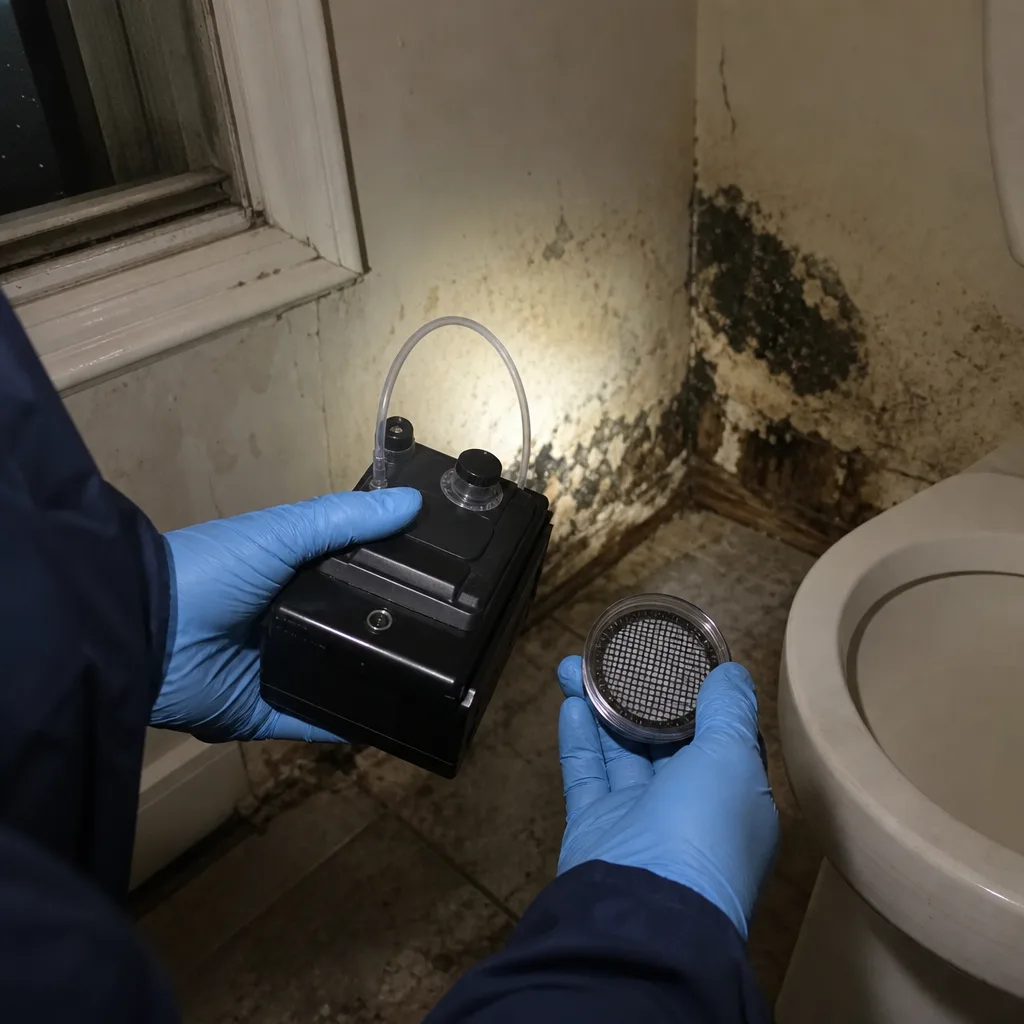
Pricing fluctuations in our market are driven by specific environmental and architectural factors common to the Long Island City area. Understanding these variables helps you know what you are paying for when a contractor presents a scope of work.
- Material Porosity: Mold growing on non-porous surfaces like tile or metal is significantly cheaper to clean than mold embedded in porous materials like drywall, insulation, or wood framing, which often require complete removal and replacement.
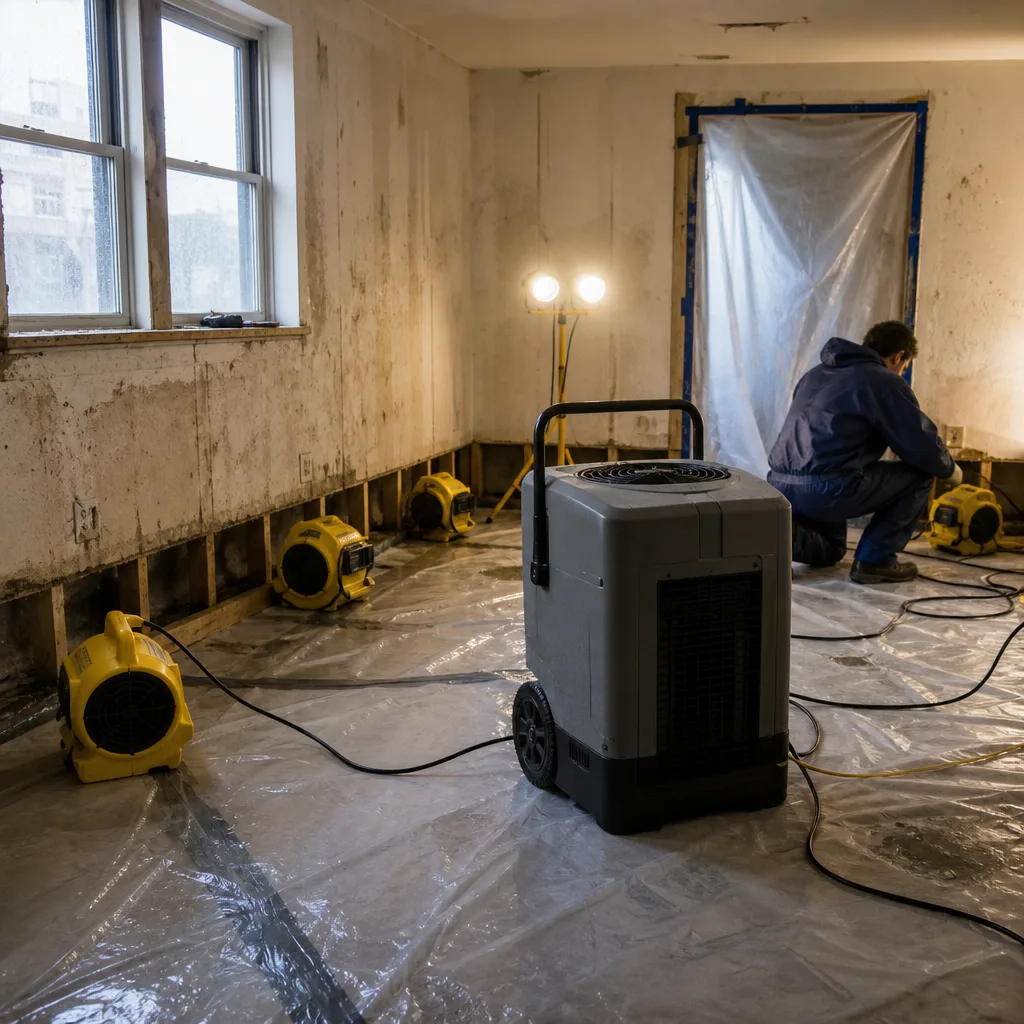
- Accessibility in High-Rise Units: Many Long Island City buildings have strict freight elevator access and limited staging areas. If our crew needs to navigate complex building management protocols or limited workspace, the labor hours required to safely transport equipment like our Dri-Eaz and Phoenix dehumidifiers will adjust the final quote.
- Hidden Moisture Sources: If we identify a leaking pipe or a failed vapor barrier behind a wall, the price must include the specific repair to stop the water intrusion. Remediation without stopping the source is futile, and we refuse to perform work that doesn’t solve the root cause.
- Containment Complexity: Protecting your remaining living space is critical. In smaller apartments or condos near the East River, we often need to build complex negative-pressure containment zones to prevent cross-contamination to unaffected rooms, which adds to the labor and material costs.
- Material Classifications: We classify materials by their level of contamination. A Category 3 water loss (sewage or black water) requires significantly more stringent safety protocols, personal protective equipment (PPE), and disposal costs than a Category 1 clean water loss.
We believe in radical transparency. Every job we perform is quoted in writing before our crew starts, ensuring there is never any “scope creep” once we are inside your home. Whether you are dealing with a leak in a Court Square condo or a basement issue in a Dutch Kills townhouse, our process remains the same: identify the moisture, remove the contamination, and document the recovery.
BeforeAfterHow to Save on Mold Remediation
The most expensive remediation is the one you have to pay for twice. Many homeowners in Long Island City attempt to save money by using store-bought cleaners or by hiring the lowest bidder, only to find the mold returns weeks later. Proper remediation is about removing the source and drying the structure, not just wiping the surface.
To keep costs predictable, follow these steps:
- Address the Moisture First: If you see a leak, stop it immediately. Mold needs moisture to survive; if you cut off the supply, you prevent the colony from spreading further, which keeps the eventual remediation scope smaller.
- Get a Documented Scope: Do not accept a verbal estimate. Demand a line-item scope of work that details exactly which materials will be removed, how the area will be contained, and what drying equipment will be deployed.
- Ask for a Photo Record: Ensure your contractor provides a photo record on every visit. This not only proves the work was done correctly but is essential for insurance claims and your own peace of mind.
- Leverage Professional Equipment: Avoid companies that rely on fans and household dehumidifiers. We use professional-grade drying systems from Phoenix, XPOWER, B-Air, and Injectidry to ensure the structure reaches its “dry standard” based on psychrometric data-a measure of the relationship between air temperature, humidity, and moisture content.
If you have received an estimate from another company, bring it to us. We provide a Free Second Opinion on any competitor’s written estimate to ensure you aren’t overpaying or missing critical steps. Call (914) 530-9723 to speak with a live person about your situation.
Safety Warning: High-Tension and Electrical Hazards
When dealing with mold, the primary danger is often not the mold itself, but the hidden hazards that caused it. Mold is frequently a symptom of water intrusion near electrical panels, wiring, or HVAC systems. If you notice mold growth near electrical outlets, light fixtures, or main service panels, do not attempt to clean or disturb the area. High-voltage electrical components in wet environments present a significant risk of shock or fire. Contact a professional immediately to secure the area and assess the electrical safety before any remediation begins.
FAQs - Mold Remediation Cost
How much does it cost to test for mold in Long Island City?
Professional Mold Inspection & Testing and surface sampling in Long Island City typically cost between $400 and $800. This fee covers the collection of samples by a trained technician and the subsequent laboratory analysis, which provides a definitive report on the type and concentration of mold spores present in your home. Call (914) 530-9723 to schedule an assessment.
Is it cheaper to repair or replace moldy materials?
In most cases, it is significantly cheaper and safer to remove and replace porous materials like drywall, carpet, and insulation than to attempt to clean them. Once mold roots itself into a porous material, it is nearly impossible to remove 100% of the spores; replacement is the standard for a healthy, permanent fix, and we provide a written price for this work before we begin.
Can you come today to inspect my home?
Yes, we maintain 24-hour availability to address water damage and mold emergencies. Because we do not use voicemail trees, you will always reach a live person who can dispatch our team to your location in Long Island City. Call (914) 530-9723 to get help immediately.
Does insurance cover mold remediation?
Insurance coverage for mold depends entirely on the source of the moisture and the specific language in your policy. If the mold resulted from a sudden, accidental water loss-such as a burst pipe-it is often covered; however, mold resulting from long-term neglect or maintenance issues is rarely covered. We work with you to provide the detailed documentation, including moisture logs and photo records, that adjusters require to process your claim.
Why do I need professional drying equipment?
Mold remediation is only successful if the underlying structure is returned to a dry state, which is measured by precise moisture readings. Household fans and dehumidifiers lack the vapor pressure differential required to pull deep-seated moisture out of wall cavities and sub-floors. Our use of Injectidry and Phoenix systems ensures the building materials reach a moisture content safe for reconstruction, backed by our 365-Day Done Right Promise.
Pricing reflects the Long Island City market as of 2026. DryMark Restoration Long Island City offers free estimates - call (914) 530-9723.
Written by Alicia Brennan, Owner at DryMark Restoration Long Island City, serving Long Island City since 2011.
What Our Customers Say
"They photographed behind the baseboards before removing anything. That documentation is the only reason the claim covered the wall cavity."
- Noreen S."Professional through a genuinely awful week. Explained each stage before it happened."
- Kalila R."Daily moisture readings, written down, room by room. When the adjuster questioned the drying time they sent the log and the conversation ended."
- Constance E.