
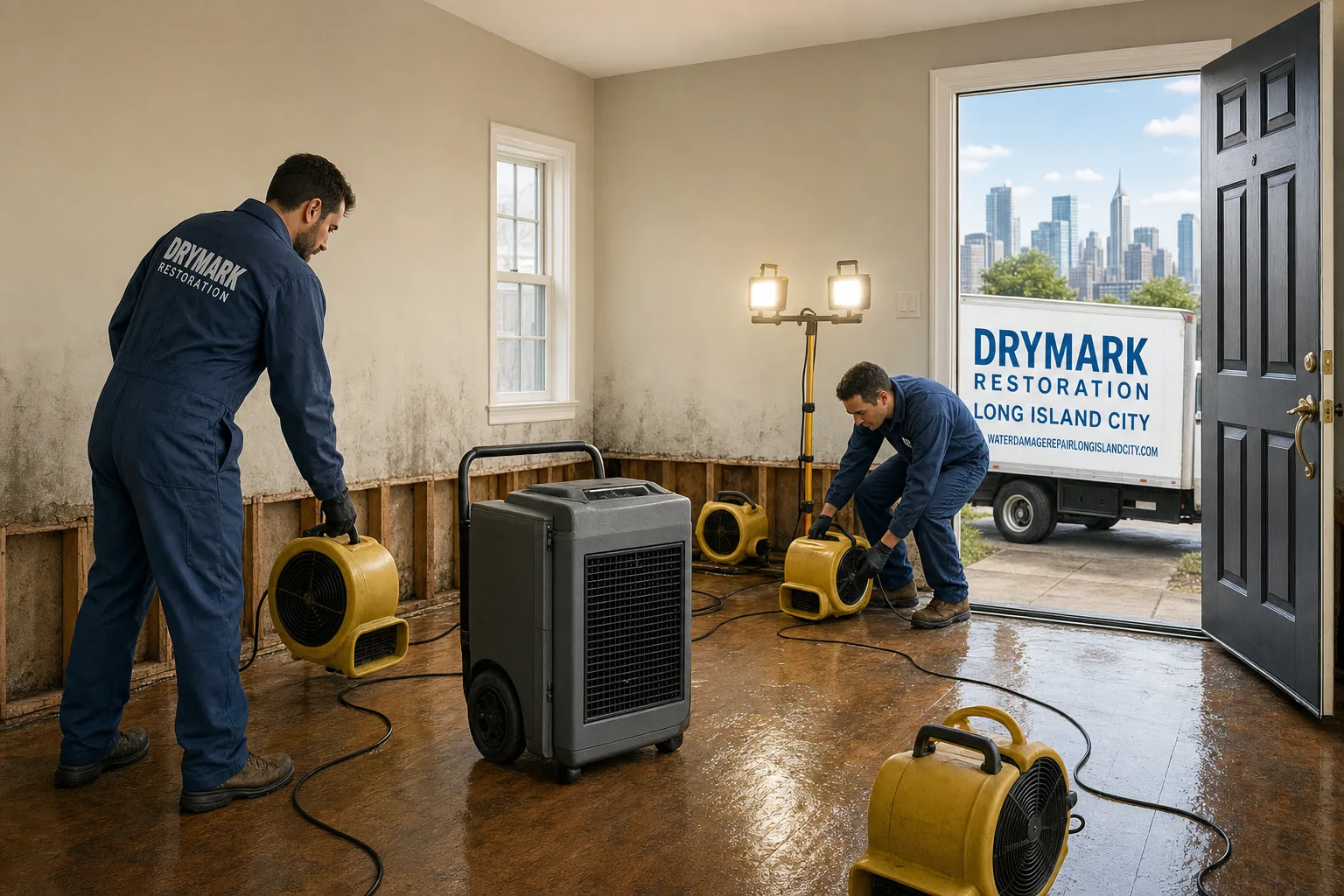
Free visual inspection and a written scope of work before any mitigation begins - photos, moisture readings, and drying logs go in your claim file
The scope we write is the scope we bill. Anything new gets shown to you, in writing, before we touch it.
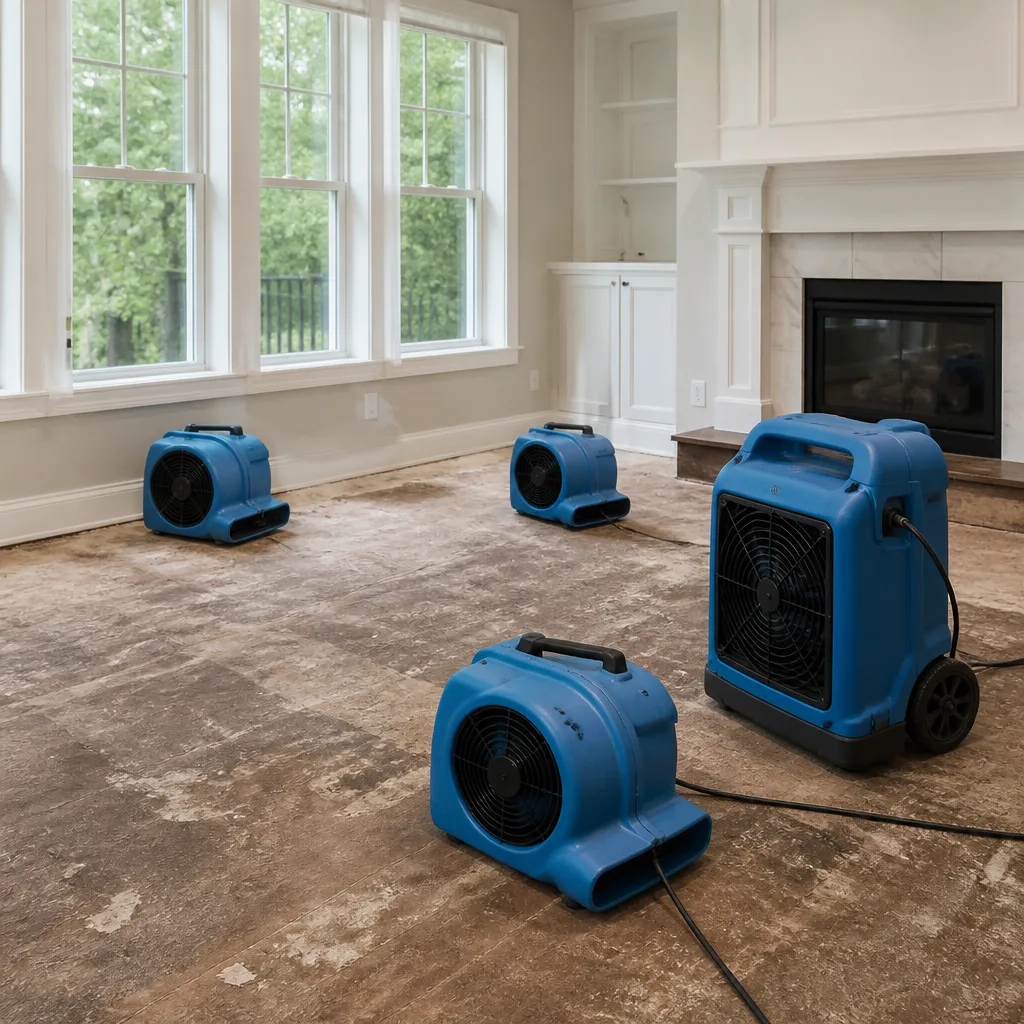

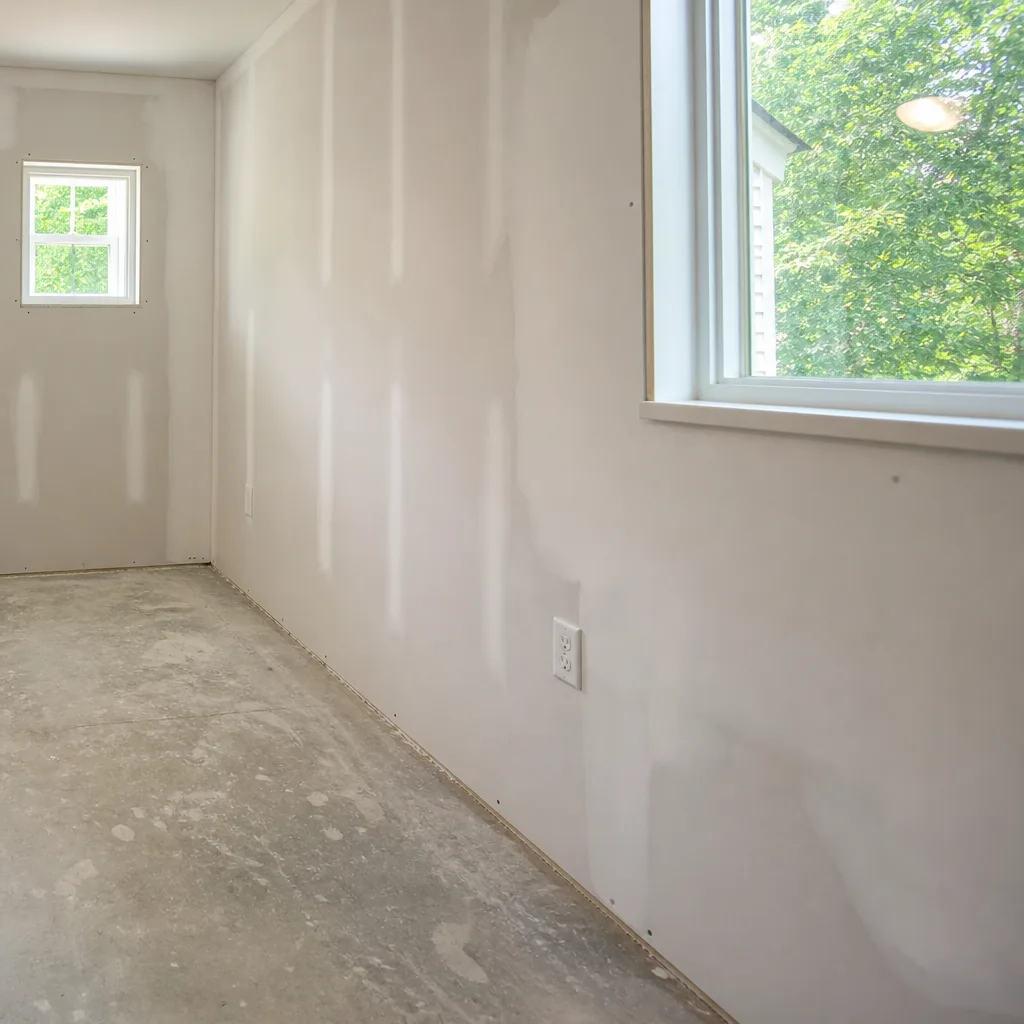
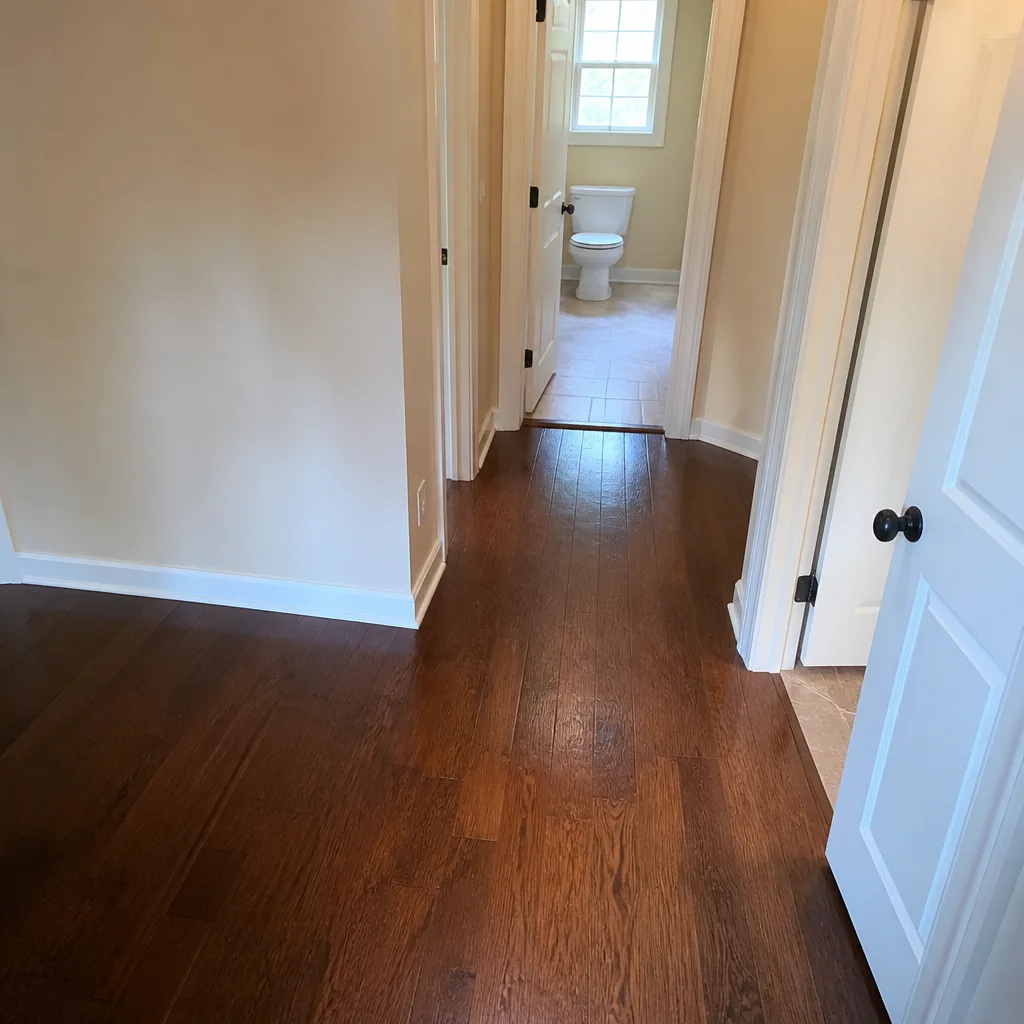
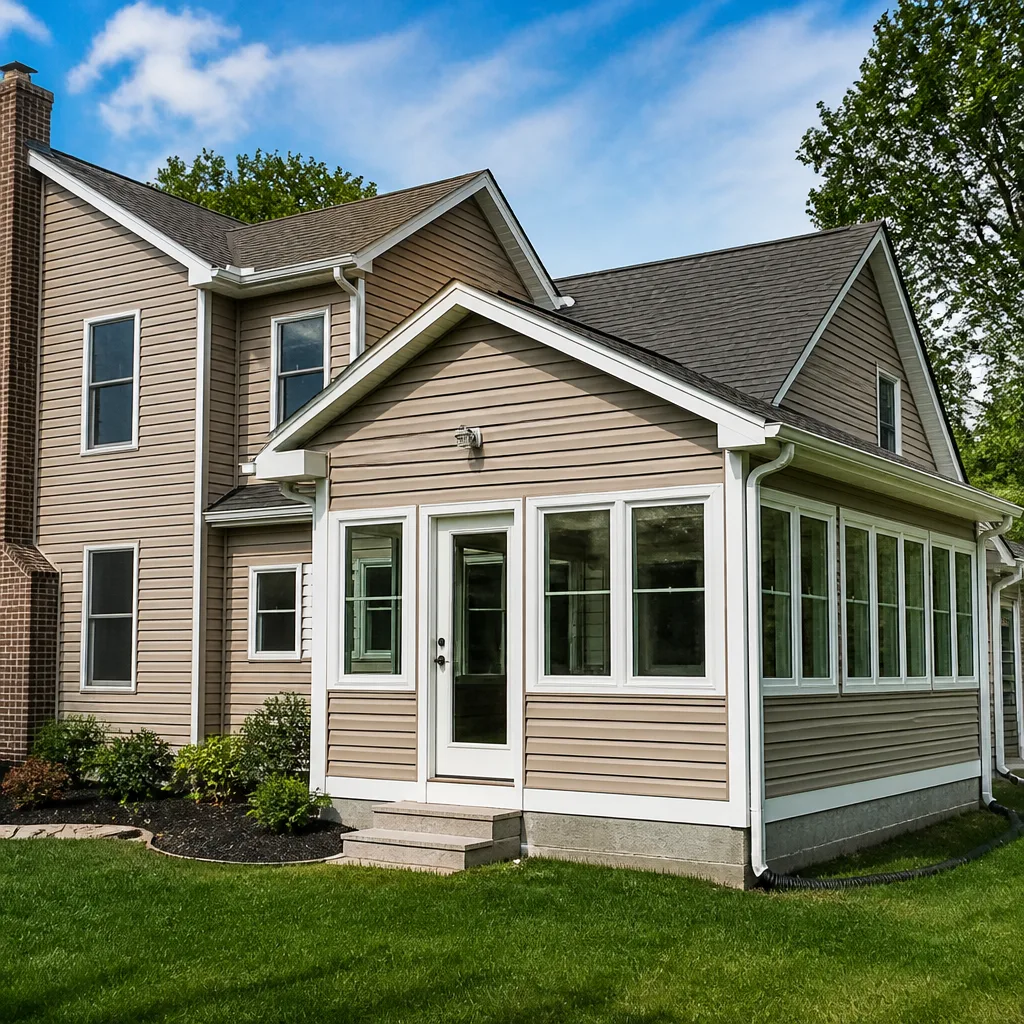
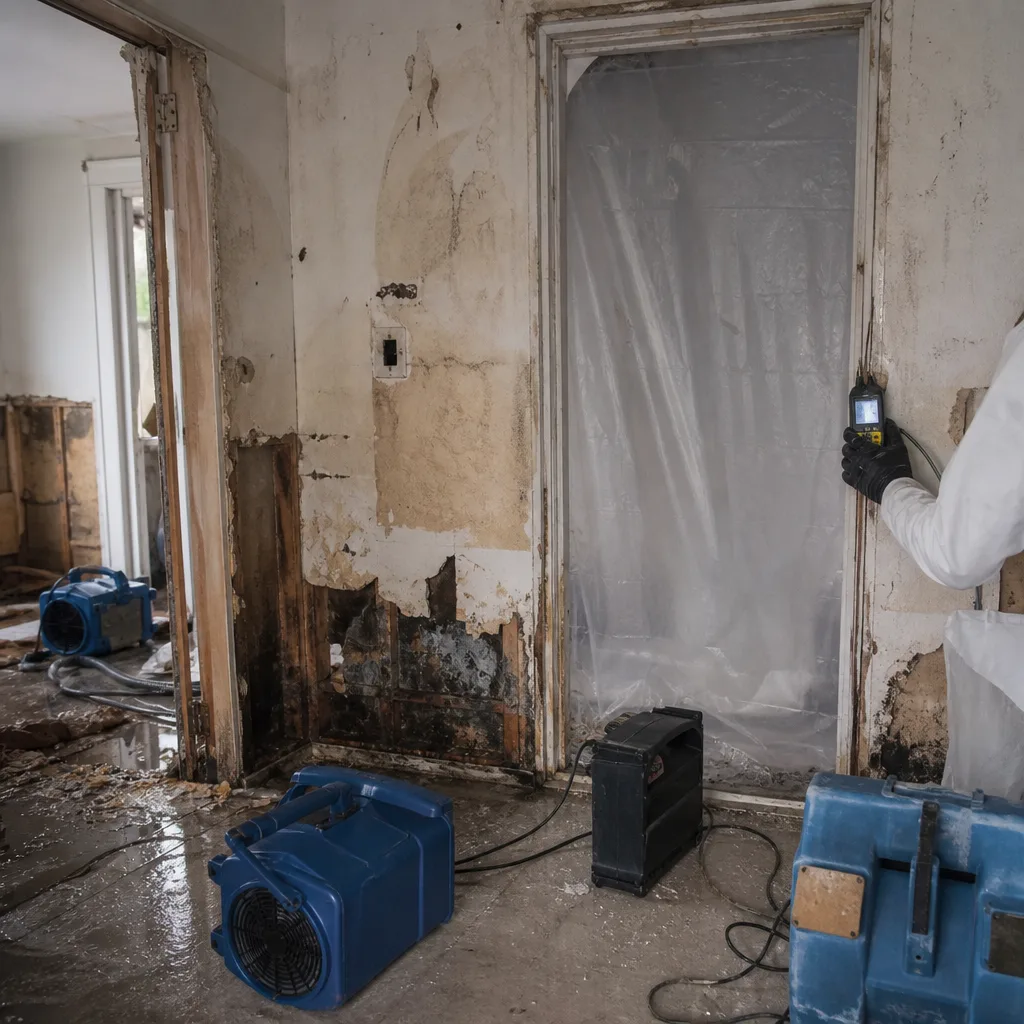 Before
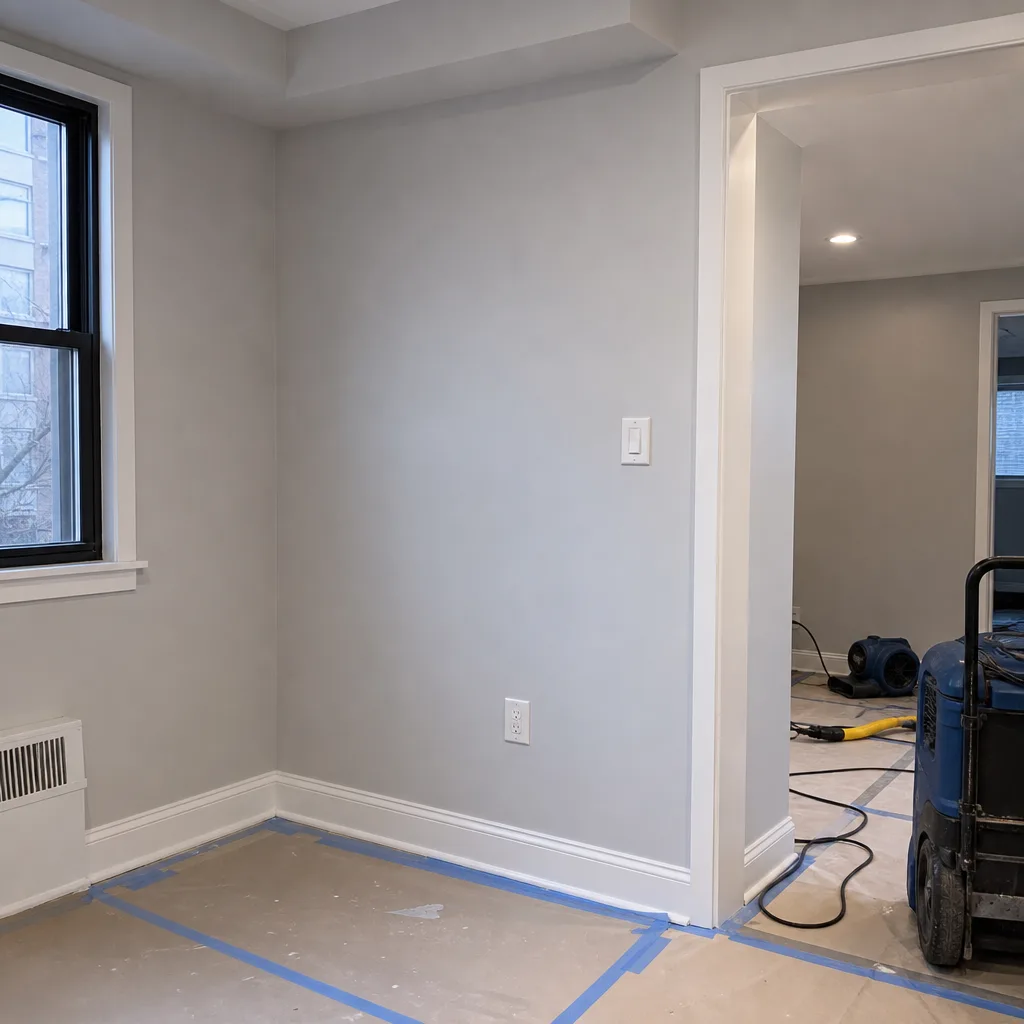 After
After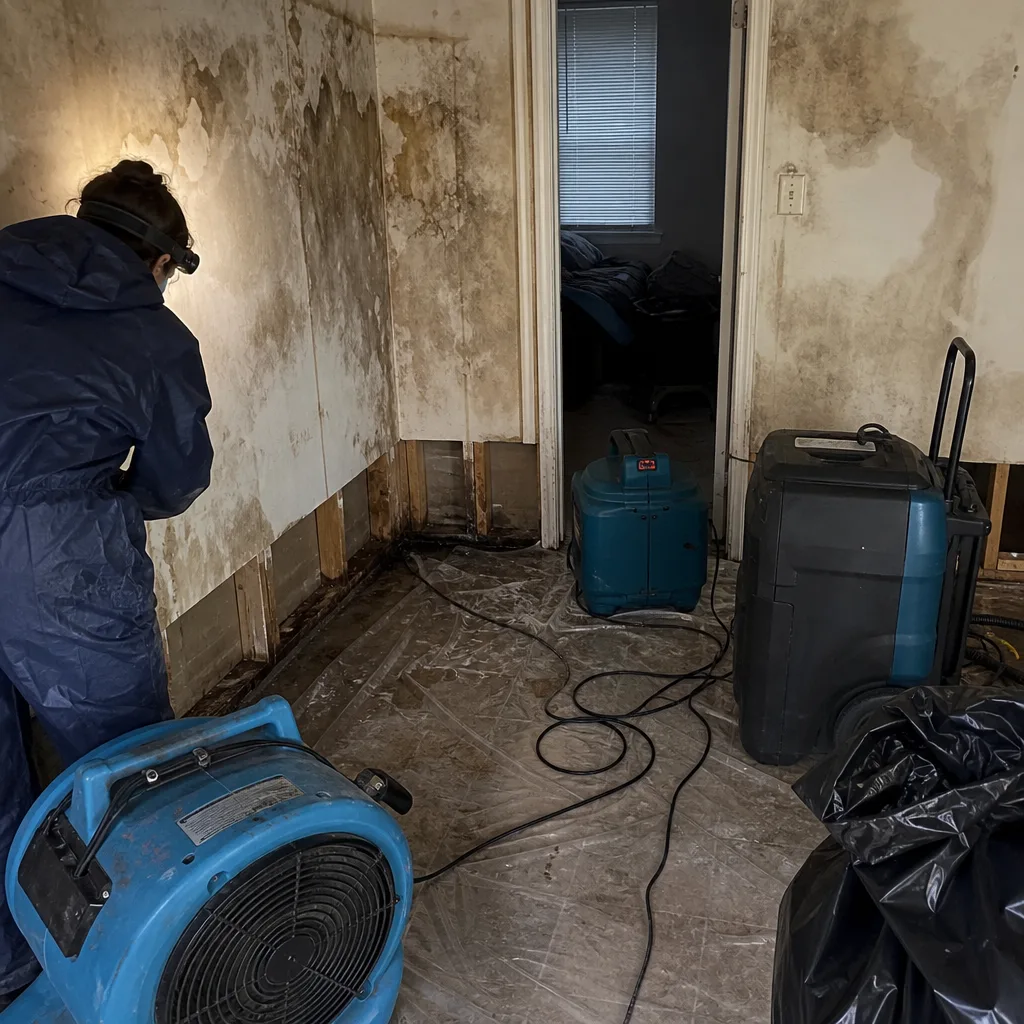 Before
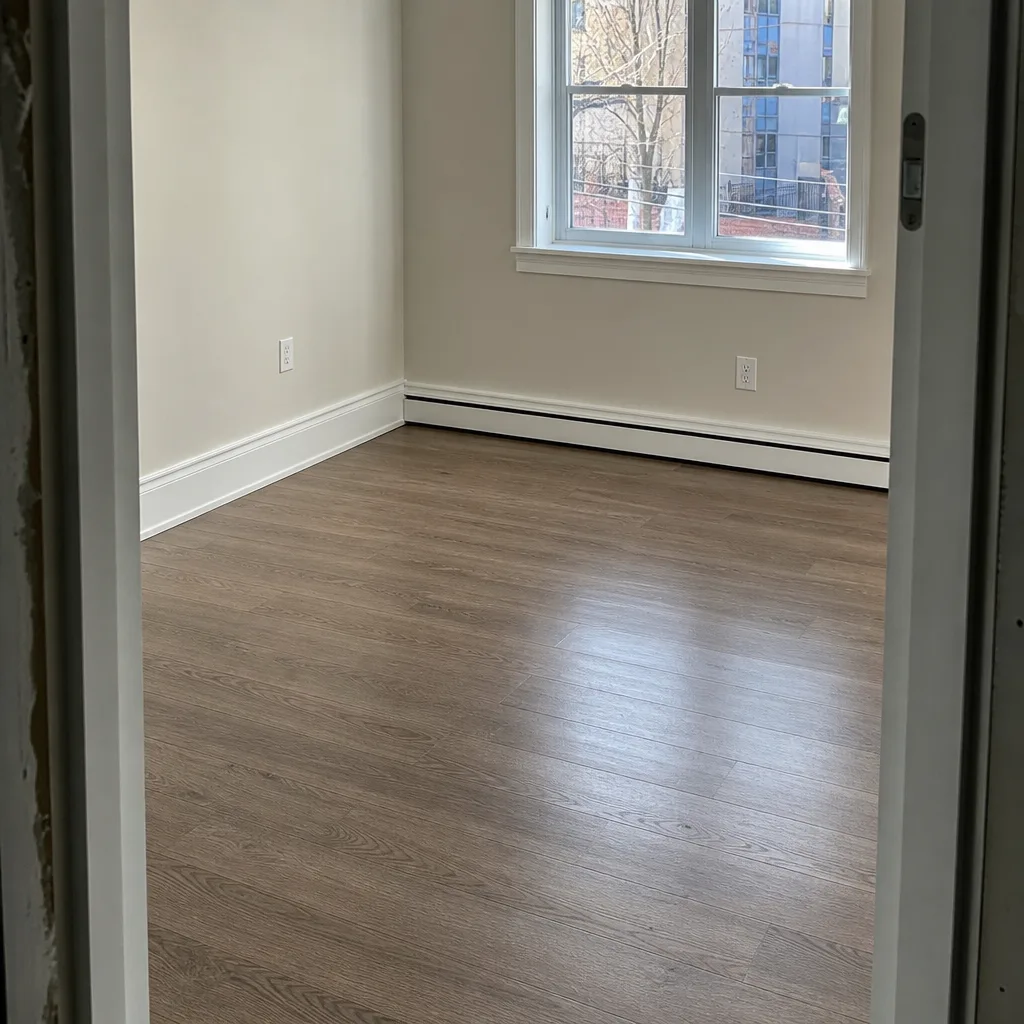 After
After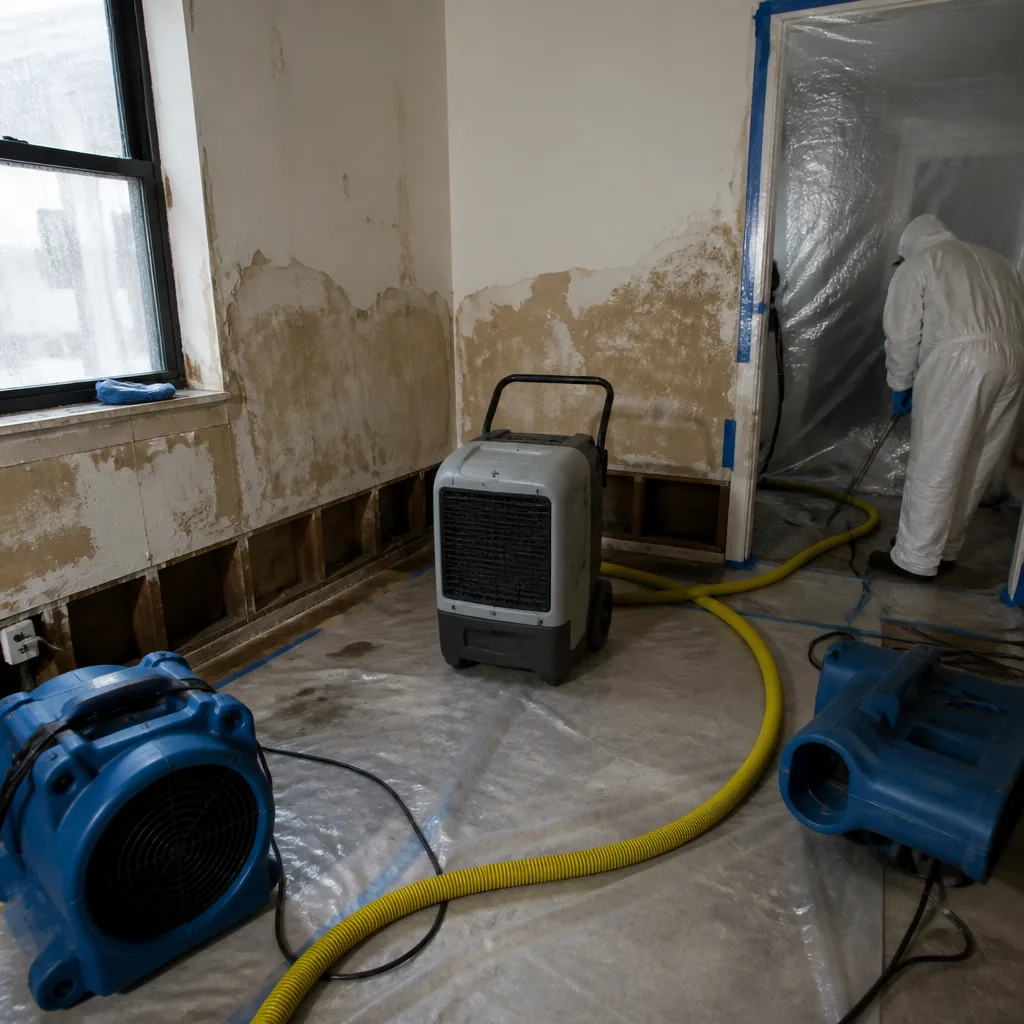 Before
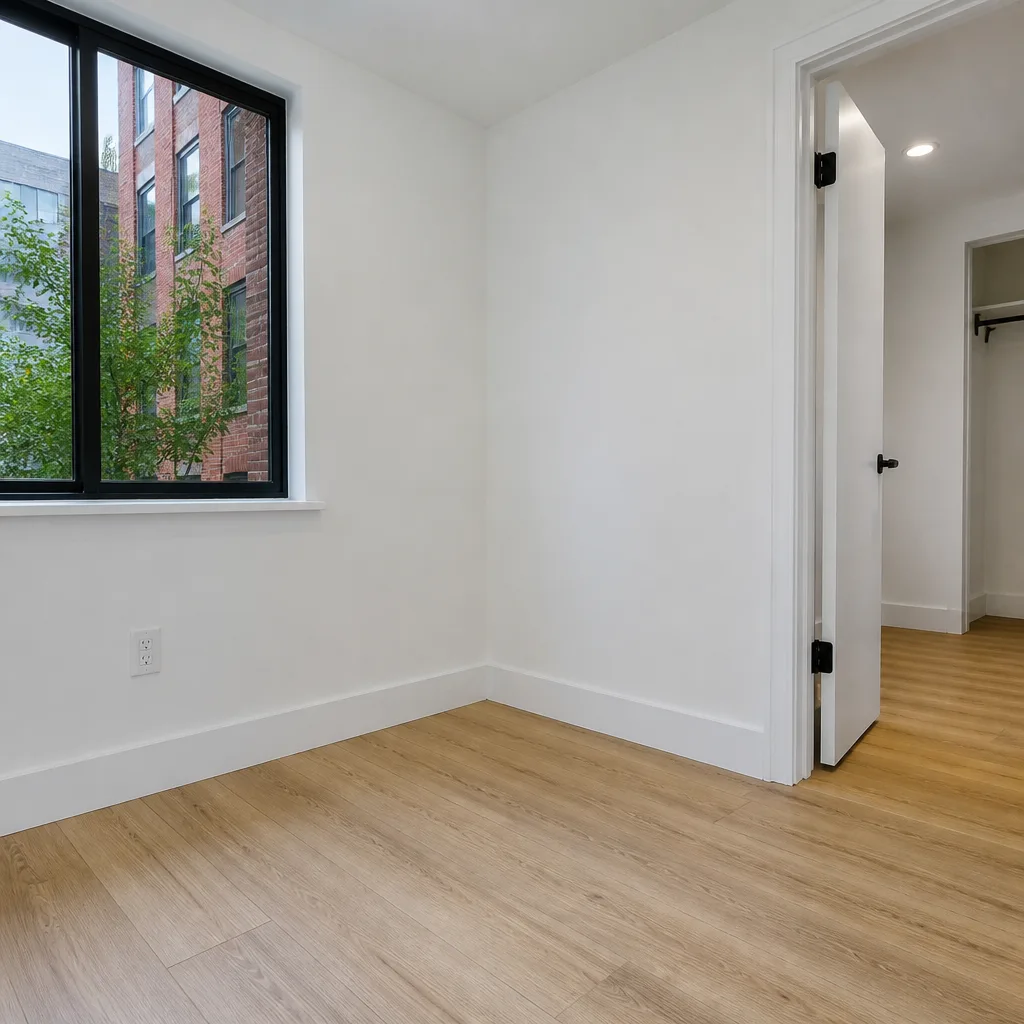 After
AfterTrusted Water Damage Restoration for Long Island City Homeowners
Water damage restoration in Long Island City typically costs between $1,800 and $6,500 depending on the affected square footage, material classification, and whether the water source is clean, gray, or black. Most emergency calls in the 11101, 11106, and 11109 zip codes receive a crew within 60 to 90 minutes, with same-day extraction and drying setup standard on calls placed before 4 PM. Call (914) 530-9723 now; a live person answers every line, 24 hours a day, 7 days a week.
Since 2011, Alicia Brennan has led Back to Dry Restoration under The Haven Standard, building the company around a documentation gap she witnessed as a former claims adjuster: the sloppy paper trail that turns legitimate homeowner claims into denied or delayed payments. We’ve restored more than 12,000 homes, every one with a written price before work started and a photo-documented record when the crew left. In Long Island City, we regularly see water damage originating from aging copper supply lines in pre-war buildings near the Queensboro Bridge, roof membrane failures in newer glass-and-steel towers along Center Boulevard, and sump pump backups in garden-level units during heavy rain events that overwhelm the area’s combined sewer system. Our crews carry professional-grade drying systems from Dri-Eaz, Phoenix, and XPOWER, and every job is documented to IICRC, RIA, and IFA standards.
What Our Water Damage Restoration Service Includes
Emergency Water Extraction
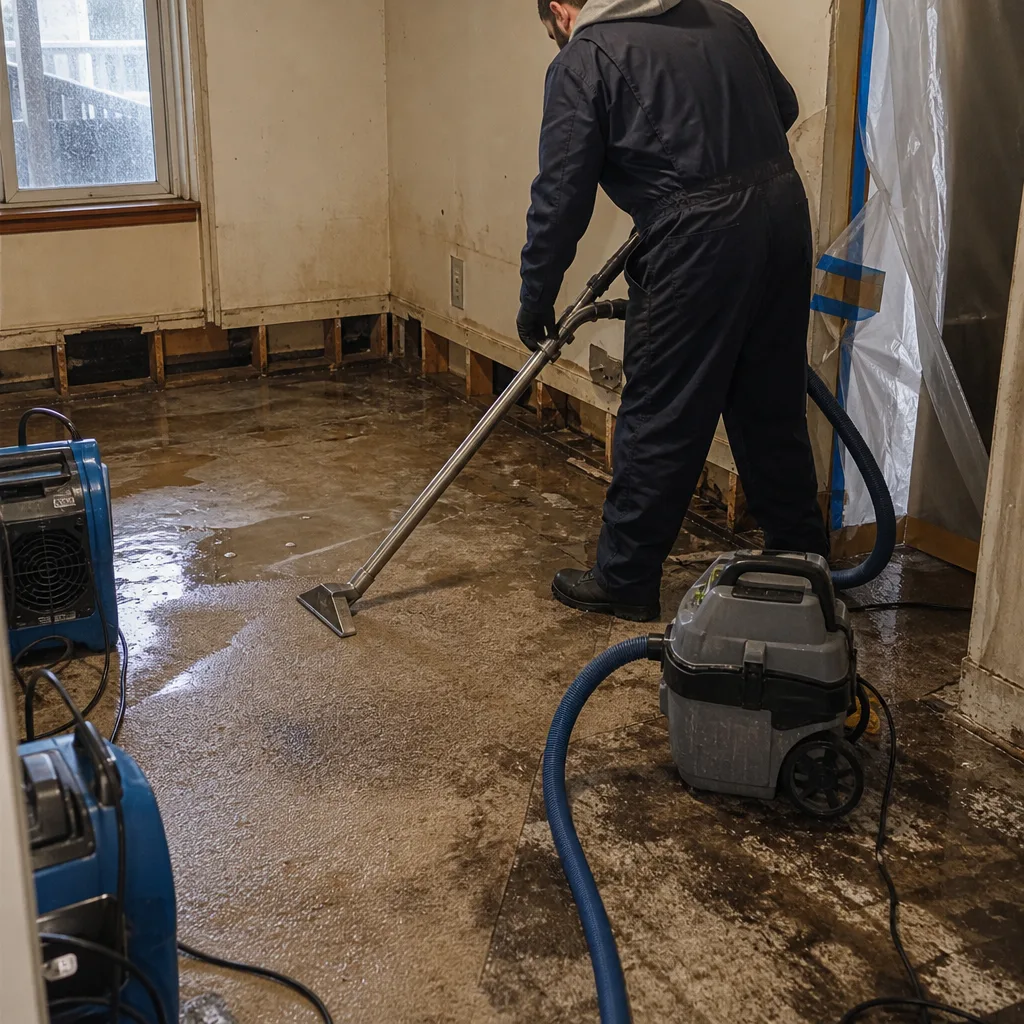
Emergency water extraction is the immediate removal of standing water from floors, carpets, and subfloors using truck-mounted or portable extraction systems, typically performed within the first two hours of a loss to prevent secondary damage to structural materials. In Long Island City, we most often deploy this service after boiler room floods in co-op buildings near 21st Street, dishwasher supply line failures in luxury rentals along the waterfront, and storm surge backup in ground-floor commercial spaces on Vernon Boulevard. Our crews arrive with weighted extraction wands, submersible pumps, and self-propelled ride-on units for large open areas; every extraction is photographed before and after, with moisture readings taken at 16-inch intervals across the affected grid.
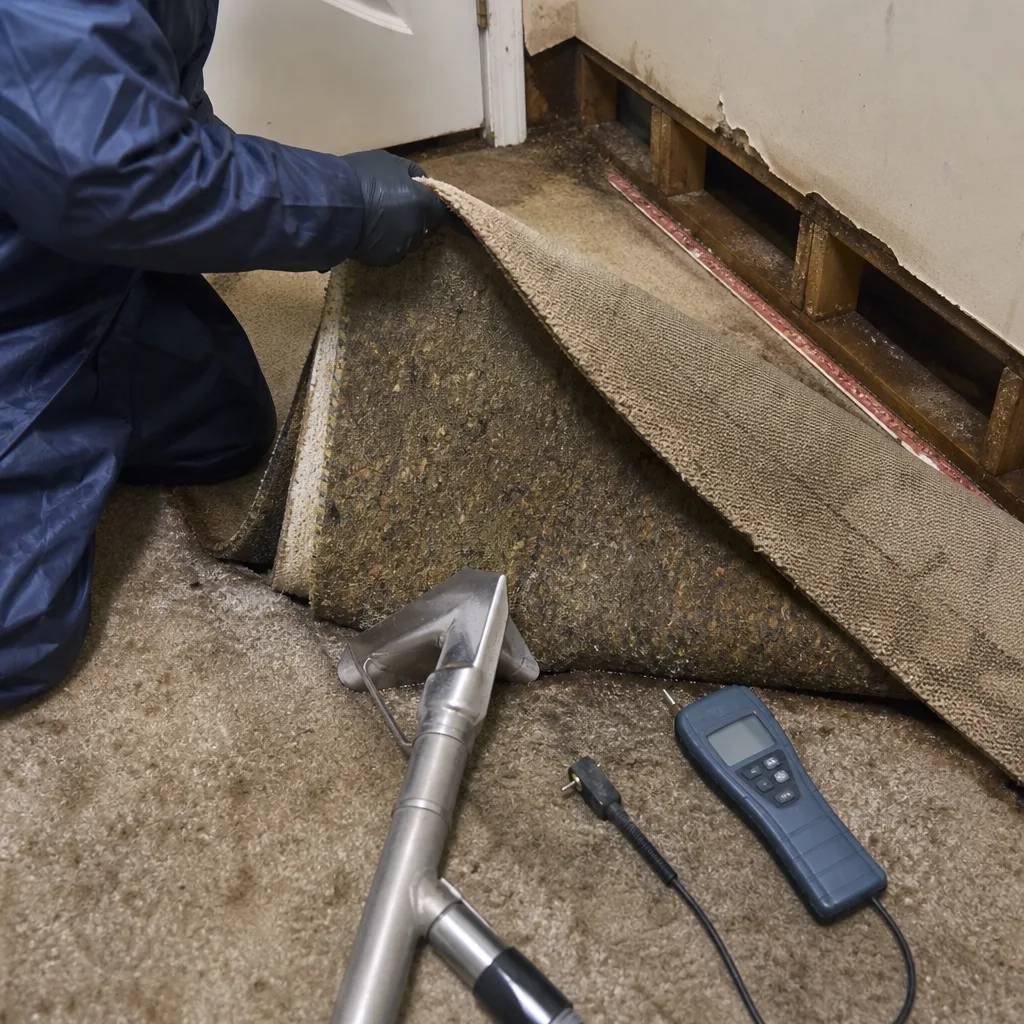
Structural Drying & Dehumidification
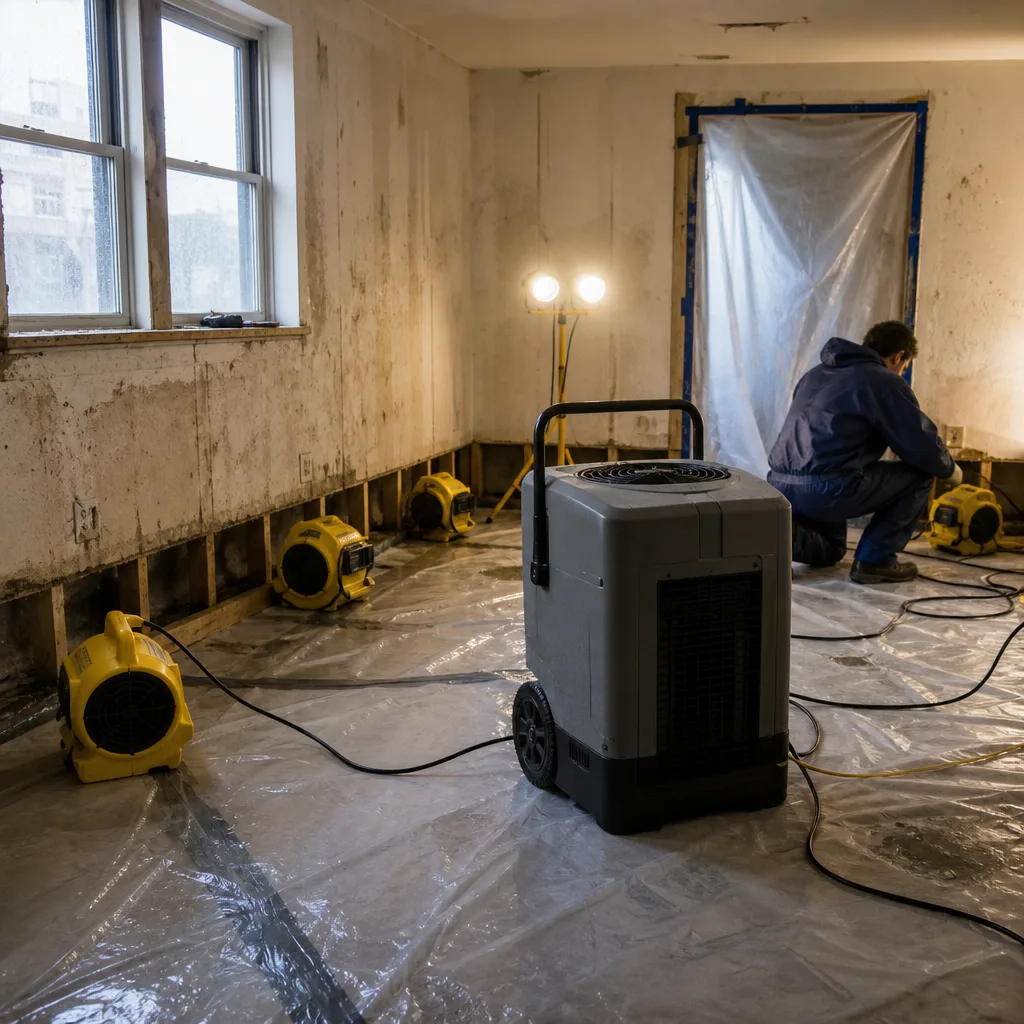
Structural drying and dehumidification is the controlled reduction of moisture content in wall cavities, ceiling assemblies, and subfloor systems using air movers, dehumidifiers, and targeted drying chambers, guided by daily psychrometric data that tracks temperature, relative humidity, and vapor pressure differential (the force that drives moisture from wet materials into the air). In Long Island City’s high-density environment, we frequently encounter interstitial moisture trapped between concrete slabs and engineered flooring in new construction, as well as lathe-and-plaster assemblies in pre-war housing stock near Astoria Boulevard that release moisture more slowly than modern drywall. Our technicians establish drying goals based on the specific equilibrium moisture content of each material class, documented in daily drying logs that become part of your claim file.
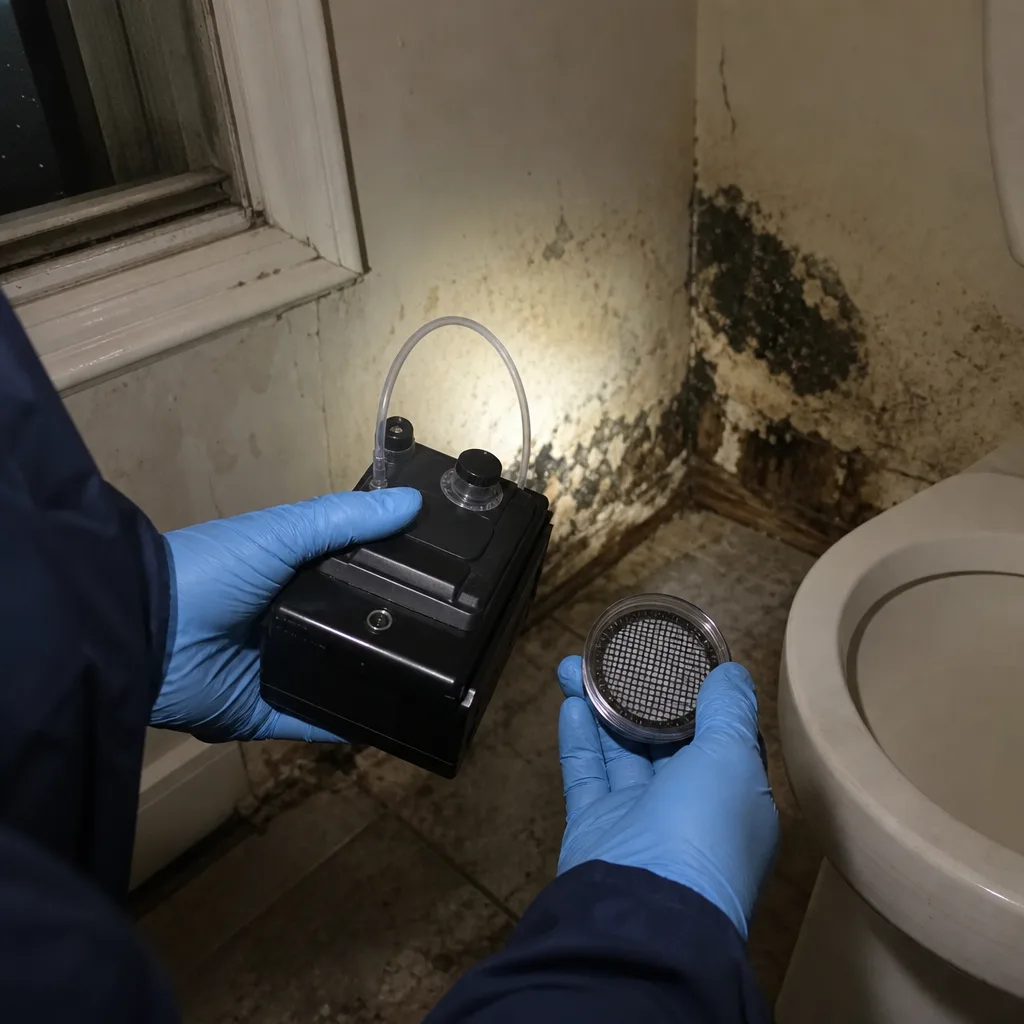
Flood Cleanup
Flood cleanup addresses water intrusion from external sources, including storm surge, overwhelmed municipal drainage, and rising groundwater, and requires classification of the water as Category 3 (black water) due to potential contamination with pathogens, chemicals, and debris. Long Island City’s position at the confluence of the East River and Newtown Creek means flood events here often carry petroleum residues and industrial contaminants from historic brownfield sites, particularly in the Anable Basin and Dutch Kills areas. Our flood cleanup protocol includes full personal protective equipment for technicians, antimicrobial application to all affected surfaces, and disposal of porous materials that cannot be sanitized, with waste manifest documentation provided for insurance review.
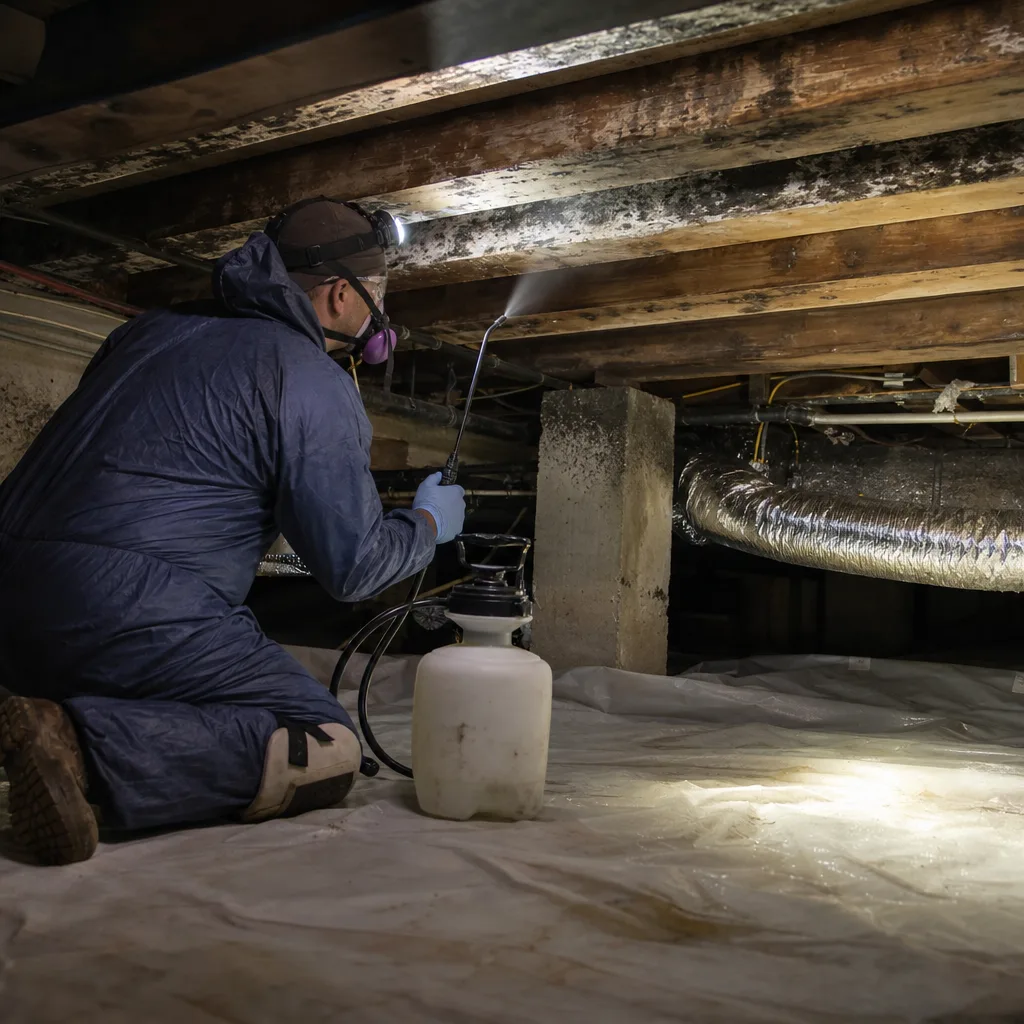
Burst Pipe Restoration
Burst pipe restoration encompasses the water damage mitigation following a catastrophic failure of plumbing supply lines, drain lines, or heating system pipes, including the extraction, drying, and repair of affected building materials plus coordination with licensed plumbers for the pipe repair itself. In Long Island City, we see burst pipe calls spike during January cold snaps when poorly insulated riser pipes in buildings between 31st Avenue and Northern Boulevard freeze and split, and during summer months when thermal expansion stresses aging polybutylene lines in 1980s-era construction. Our scope includes moisture mapping to trace water migration behind walls and through ceiling cavities, often revealing hidden damage that extends two or three rooms from the visible break.
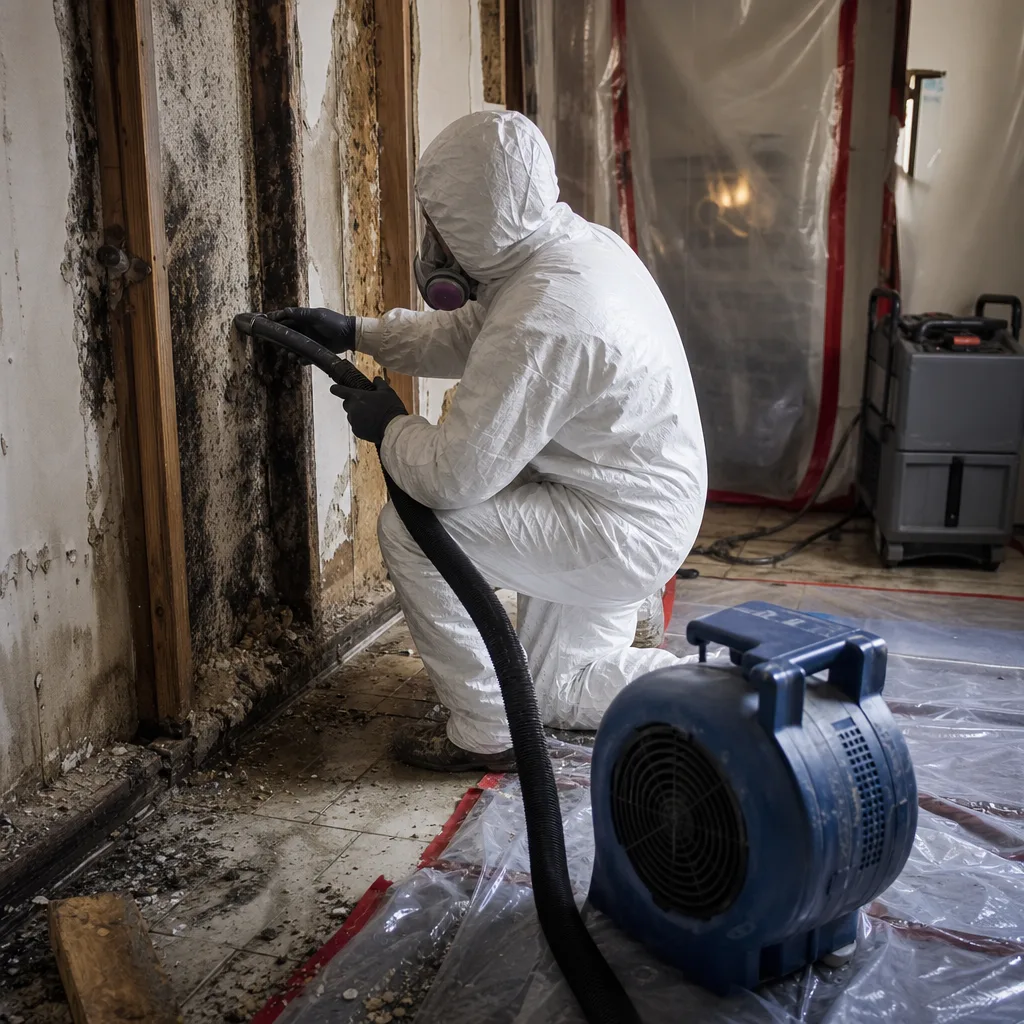
Basement Water Removal
Basement water removal is the specialized extraction and drying of below-grade spaces where hydrostatic pressure, foundation seepage, or mechanical system failures have introduced water, complicated by the unique vapor dynamics of underground environments where evaporation rates are naturally suppressed. Long Island City’s mix of historic row house basements, mid-century utility cellars, and modern podium-level parking structures presents distinct challenges: the former often have stone foundations that wick groundwater continuously, while the latter may have waterproofing membrane failures that channel water from planter beds or plaza decks above. We deploy low-grain refrigerant dehumidifiers and positive-pressure drying systems to overcome the high ambient humidity typical of basement environments, with moisture readings benchmarked against the specific wood species and concrete mix present.
Ceiling & Roof Leak Water Damage
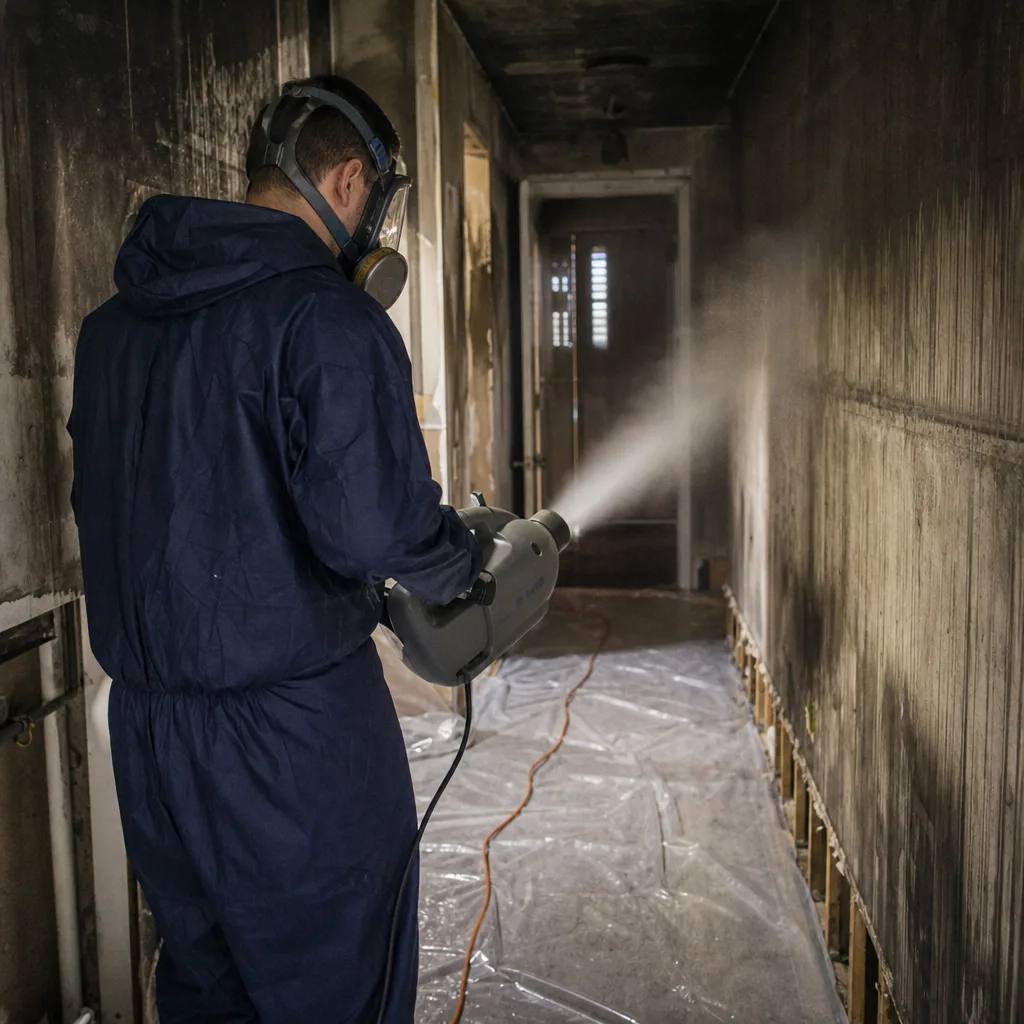
Ceiling and roof leak water damage restoration addresses the path of water from compromised roofing assemblies, parapet walls, or mechanical penetrations through insulation and ceiling finishes, often manifesting as stained drywall, sagging plaster, or active dripping that threatens electrical fixtures and occupant safety. In Long Island City, we frequently trace ceiling leaks to failed EPDM membrane seams on flat commercial roofs in the Industrial Business Zone, deteriorated coping caps on pre-war masonry parapets near Queens Plaza, and improperly flashed HVAC curbs on newer high-rise residential towers. Our protocol includes infrared thermal imaging to map the full extent of saturated insulation above the visible stain, preventing the incomplete drying that leads to mold amplification and odor complaints within 48 to 72 hours.
What happens when you call
- 1
A real person answersNo phone trees - you reach a local pro.
- 2
You get an upfront price rangeHonest numbers before anyone is dispatched.
- 3
A background-checked tech heads outLicensed & insured, dispatched right away.
- 4
You approve before work beginsNothing starts until you say go.
Signs You Need Water Damage Restoration Right Now
- Visible water pooling or active dripping. Standing water on floors, water dripping from ceiling fixtures, or bubbling paint indicates an active leak that is currently saturating structural materials. Every minute of delay increases the affected square footage and the likelihood that drying alone will not suffice, requiring instead the removal and replacement of drywall, insulation, or subfloor.
- Musty or earthy odor without an identifiable source. A persistent damp smell, particularly in basements, utility closets, or behind kitchen cabinets, signals hidden moisture accumulation that has likely already initiated microbial growth. In Long Island City’s older housing stock near the Sunnyside Yards, we regularly find concealed leaks in galvanized steel drain lines that have corroded through, saturating wall cavities for weeks before detection.
- Discoloration or staining on walls, ceilings, or baseboards. Yellow-brown water marks, darkening at wall-floor junctions, or blistering paint indicate previous or ongoing water intrusion that has altered the moisture content of finish materials. These stains often represent only the visible portion of damage that extends laterally through capillary action, particularly in plaster-and-lathe construction common in Long Island City’s pre-1960 buildings.
- Sudden increase in water bill without usage change. An unexplained spike in monthly water charges frequently indicates a concealed supply line leak, either under slabs, behind walls, or in crawl spaces, that may be releasing gallons per day into the building envelope. We coordinate with meter data and conduct pressure-drop isolation testing to locate these leaks before opening walls unnecessarily.
- Sagging or soft spots in flooring. Spongy areas underfoot, particularly near dishwashers, refrigerators with icemakers, or bathroom fixtures, indicate subfloor saturation that has compromised the structural integrity of the assembly. In Long Island City’s newer construction with engineered wood or laminate flooring, this damage progresses rapidly because these materials delaminate when moisture content exceeds 16 percent.
BeforeAfterOur Water Damage Restoration Process - Step by Step
- 1
Emergency contact and dispatch. When you call (914) 530-9723, a live person answers, gathers your address in Long Island City, the source of water if known, and whether the water is clean or potentially contaminated. We dispatch a crew immediately for active leaks; for stabilized situations, we schedule an assessment within four hours. No voicemail trees, no next-business-day callbacks while water is still moving.
- 2
On-site inspection and moisture mapping. Our technician arrives with a thermal imaging camera, pin and pinless moisture meters, and a hygrometer to measure ambient conditions. We identify the water category (clean, gray, or black), trace migration paths through walls and floor assemblies, and photograph every affected area. You receive a written scope and price before any work begins, per Haven Standard, Clause 1.
- 3
Water extraction and containment. Using truck-mounted or portable extraction equipment matched to your building’s access constraints, we remove standing water and, where necessary, perform controlled demolition of unsalvageable materials. Containment barriers with negative air pressure are erected for Category 2 or 3 losses to prevent cross-contamination. Every extraction pass is documented with before-and-after photos and moisture readings.
- 4
Structural drying with daily monitoring. We install air movers, dehumidifiers, and specialty drying systems such as Injectidry floor mats or wall-cavity injection units based on the moisture map. Technicians return daily to record psychrometric data, adjust equipment placement, and document progress in drying logs that track moisture content reduction against established goals. These logs become part of your insurance claim file.
- 5
Verification, documentation, and warranty. Once materials reach their target moisture content, we conduct final readings, remove equipment, and deliver a complete photo record, drying log summary, and signed completion certificate. Every job is covered by our 365-Day Done Right Promise under The Haven Standard: if it’s not done right, we make it right. A free second opinion on any competitor’s written estimate remains available at no charge.
How Much Does Water Damage Restoration Cost in Long Island City?
A typical emergency water extraction and drying project for a one-bedroom apartment in Long Island City runs $1,800 to $3,400 for clean water losses under 500 square feet, while whole-floor drying in a two-bedroom unit with Category 2 gray water may range from $3,200 to $5,800. Basement flood cleanup with contaminated water and required material removal in Long Island City’s older buildings near Newtown Creek typically falls between $4,500 and $8,500, depending on depth of flooding and whether the foundation requires antimicrobial treatment. Burst pipe restoration with concealed leak detection, limited drywall removal, and full drying of a 1,200-square-foot residence generally costs $2,800 to $6,200.
| Service Scenario | Typical Range in Long Island City | Primary Cost Drivers |
|---|---|---|
| Emergency water extraction, clean water, under 500 sq ft | $1,800 - $3,400 | Extraction time, equipment count, access constraints |
| Structural drying & dehumidification, 500-1,200 sq ft | $2,400 - $4,800 | Material types, vapor barrier presence, drying duration |
| Flood cleanup, Category 3, basement or ground floor | $4,500 - $8,500 | Contamination level, disposal volume, antimicrobial treatment |
| Burst pipe restoration with leak detection | $2,800 - $6,200 | Concealed damage extent, finish material replacement |
| Ceiling/roof leak drying with insulation removal | $2,200 - $5,400 | Insulation type, ceiling height, electrical fixture proximity |
Several factors move these ranges up or down. Water category is primary: clean water from a supply line costs less to remediate than gray water from a dishwasher drain or black water from a sewage backup, each requiring successively more protective equipment, antimicrobial application, and disposal. Material classification matters too: drywall and fiberglass insulation dry readily and inexpensively, while plaster, hardwood, and custom millwork demand specialized drying protocols or replacement. Access constraints in Long Island City’s high-rise buildings, particularly freight elevator restrictions in towers along Center Boulevard or parking limitations near Queens Plaza, can add labor time. Finally, the speed of your call directly affects cost: water absorbed for less than 24 hours typically requires only drying, while 48 to 72 hours of saturation often necessitates removal and replacement of structural materials.
To avoid overpaying, obtain a written scope from any contractor before work begins, verify that moisture readings will be taken daily with documented goals, and confirm that equipment rental is itemized rather than bundled into an opaque daily rate. Back to Dry Restoration provides all of this under Haven Standard, Clause 1: a written price before any work starts, with no scope-creep additions once the crew is inside. Our free estimates include the full moisture map, equipment plan, and projected drying timeline. Call (914) 530-9723 for an exact quote on your specific situation.
Water Damage Restoration Near Long Island City - Our Service Area
Back to Dry Restoration dispatches water damage crews throughout western Queens and across the East River, with typical response times of 45 to 75 minutes for Water Damage Restoration in Long Island City, 30 to 60 minutes for Water Damage Restoration in Greenpoint, and 60 to 90 minutes for Water Damage Restoration in Murray Hill. We also regularly serve Astoria, Williamsburg, Elmhurst, Midtown Manhattan, the Upper East Side, the Upper West Side, the Financial District, and Manhattan broadly, with Hoboken accessible via the Holland Tunnel for scheduled assessments. Our familiarity with New York City Department of Buildings permit requirements, co-op board notification protocols, and FEMA flood zone classifications across these neighborhoods allows us to navigate the regulatory and insurance documentation that delays less experienced contractors.
Serving Long Island City, NY - Our Local Coverage Area
We’re based in the Long Island City area and know this community well. Use the map below to see our service coverage - if you’re nearby, we can almost certainly help.
Frequently Asked Questions - Water Damage Restoration in Long Island City
Water damage restoration is the professional process of extracting standing water, drying structural materials to established moisture content goals, and documenting the work to insurance standards so that a water-impacted property is returned to its pre-loss condition. The service encompasses emergency extraction, controlled demolition of unsalvageable materials, antimicrobial treatment where contamination exists, and daily monitoring with written drying logs. At Back to Dry Restoration, every restoration is performed under The Haven Standard with a written price before work begins and a photo record on every visit.
Most residential water damage drying projects in Long Island City require three to five days of active equipment operation, with an additional one to two days for final verification and equipment removal. Category 3 flood losses or projects requiring extensive material replacement may extend to seven to ten days. Daily technician visits ensure equipment is optimized and drying goals are tracked; you receive the complete drying log at project completion. Call (914) 530-9723 for a timeline estimate based on your specific moisture map.
Water damage restoration in Long Island City typically ranges from $1,800 for small clean-water extractions to $8,500 or more for extensive Category 3 flood cleanup with material removal, with most residential drying projects falling between $2,800 and $5,400. The final price depends on water category, affected square footage, material types, and drying duration. Back to Dry Restoration delivers a written price before any work starts, per Haven Standard, Clause 1, with no additions once the crew is on site; call (914) 530-9723 for a free, itemized estimate.
Yes, our technicians are trained on and deploy professional-grade drying systems from Dri-Eaz, Phoenix, XPOWER, B-Air, and Injectidry, with specific expertise in the LGR 7000XLi dehumidifier from Dri-Eaz and the 200HT from Phoenix for high-capacity residential and commercial applications. We select equipment based on the psychrometric requirements of each job rather than brand preference, and we stock OEM filters, hoses, and replacement components to minimize downtime. Whether your property requires the focused airflow of an Injectidry floor mat system or the large-volume capacity of a Phoenix 200HT, we configure the optimal drying plan and document equipment deployment in your job file.
Yes, Back to Dry Restoration maintains live phone coverage 24 hours a day, 7 days a week, with no voicemail on emergency lines; a person answers every call and can dispatch a crew for active leaks in Long Island City typically within 60 to 90 minutes. For calls received after 4 PM, we may stage equipment for first-thing delivery if the water source has been stopped and no active damage is occurring. The fastest response comes from calling (914) 530-9723 directly rather than submitting web forms.
Every water damage restoration project is covered by our 365-Day Done Right Promise under The Haven Standard: if any aspect of the drying or documentation is not done right, we return to make it right at no additional cost. This is a written guarantee, not a verbal assurance, and it is signed by both parties before work begins. The warranty specifically covers re-drying if moisture readings rise above target levels, correction of documentation errors that affect insurance claims, and repair of any workmanship defects in our controlled demolition or reconstruction.
If safe to do so, stop the water source at the main shutoff valve or fixture supply stop, remove valuable items from the affected area, and avoid entering spaces where electrical outlets or fixtures are submerged. Do not attempt to extract water yourself if the source is a sewage backup or if standing water exceeds two inches and covers electrical pathways. Our crew will handle all moisture mapping, equipment placement, and safety assessment upon arrival; your primary preparation is ensuring building access and, for co-op or condo units in Long Island City, notifying the super or building management of our expected arrival time. Call (914) 530-9723 and we’ll walk you through any site-specific steps.
Schedule Your Water Damage Restoration Service in Long Island City Today
Call (914) 530-9723 now to speak with a live dispatcher, or request a free written estimate with no obligation. Every job includes a documented photo record, daily drying logs, and the 365-Day Done Right Promise under The Haven Standard. We’re independently owned and operated, and we’ve delivered written prices before work starts on more than 12,000 homes since 2011.
Written by Alicia Brennan, Owner at Back to Dry Restoration, serving Long Island City since 2011.