
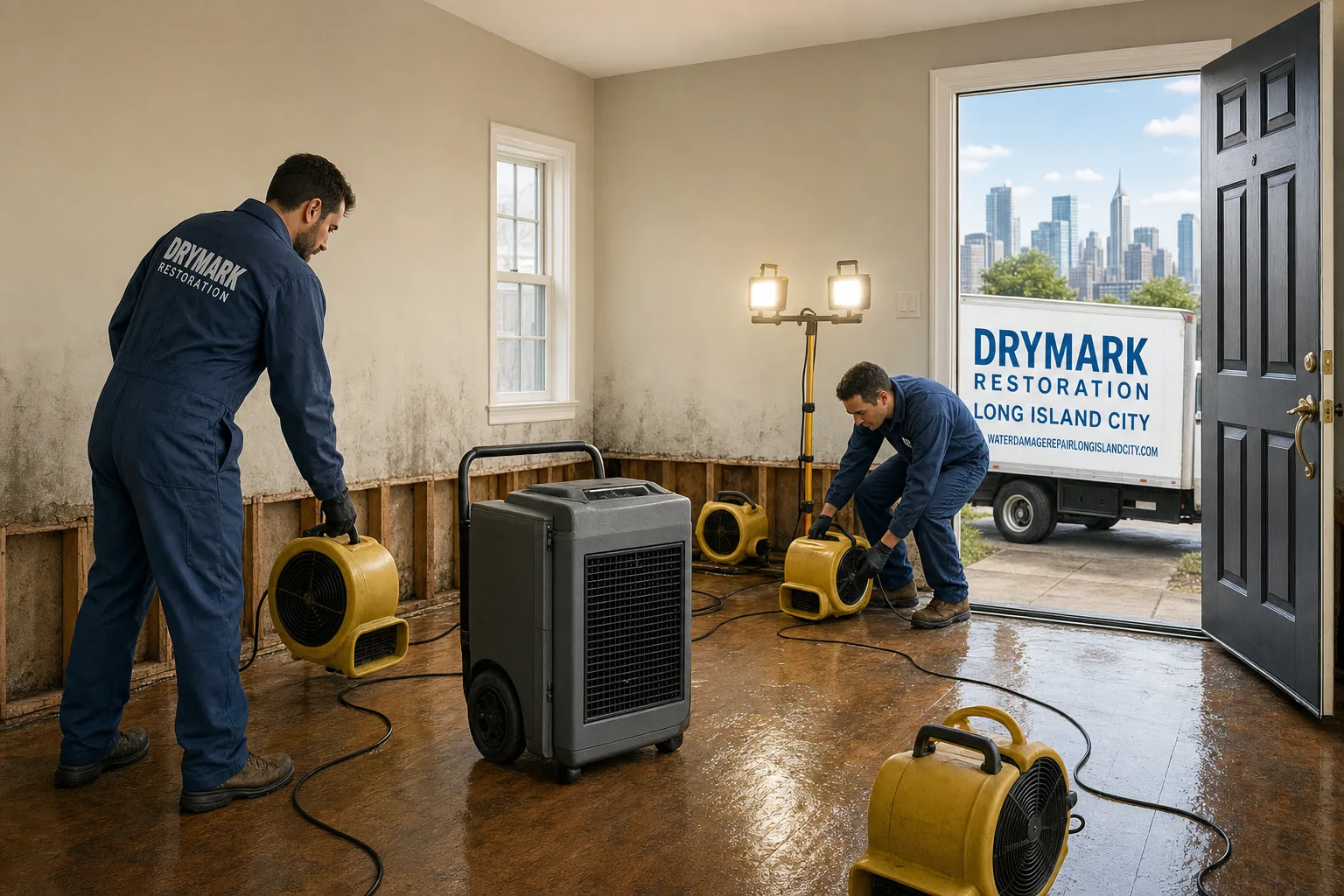
Free visual inspection and a written scope of work before any mitigation begins - photos, moisture readings, and drying logs go in your claim file
The scope we write is the scope we bill. Anything new gets shown to you, in writing, before we touch it.
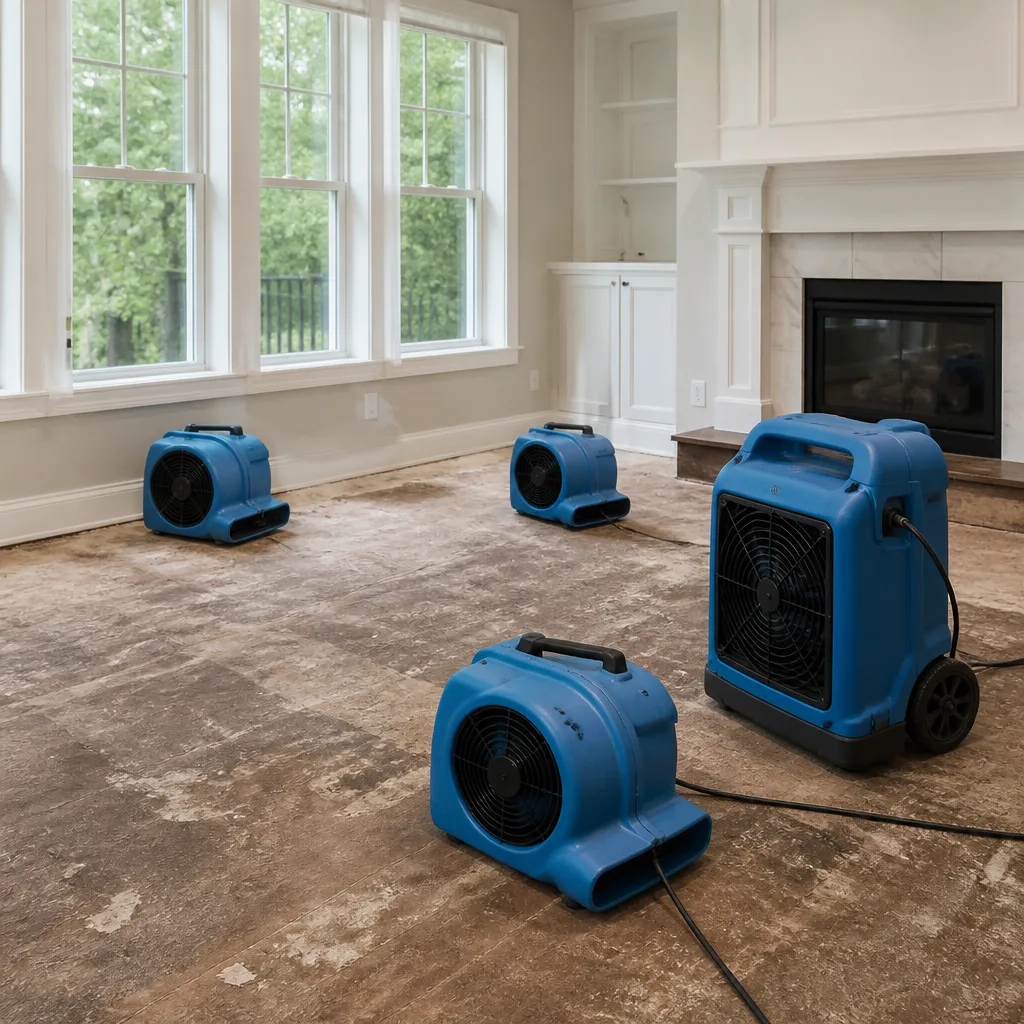

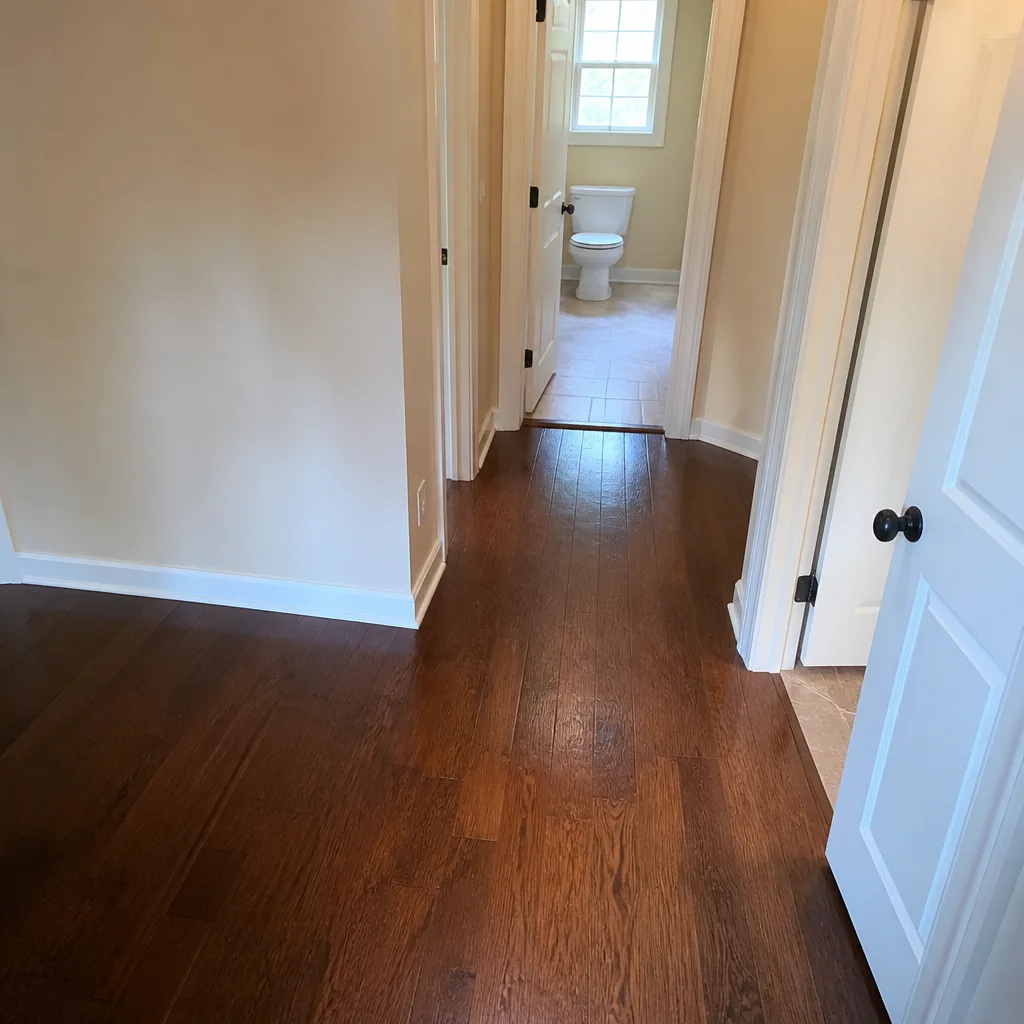
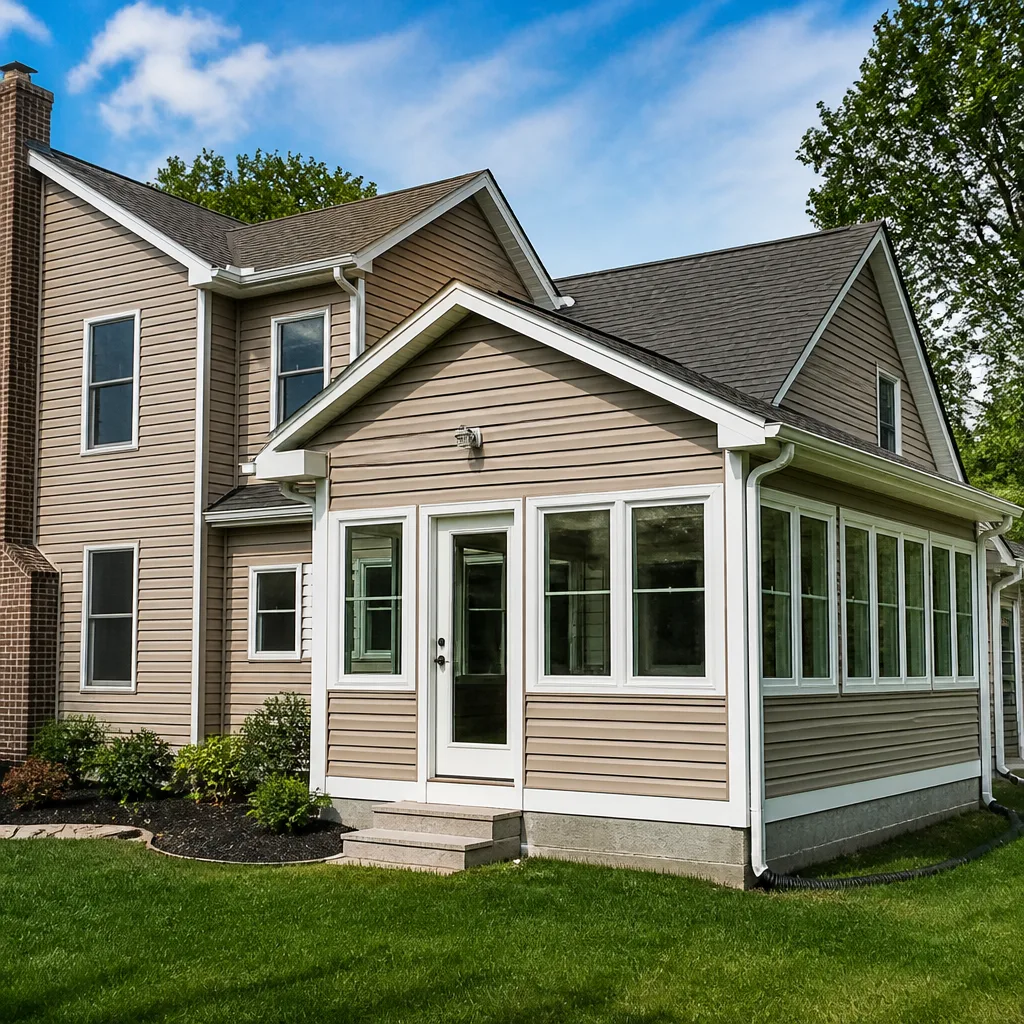
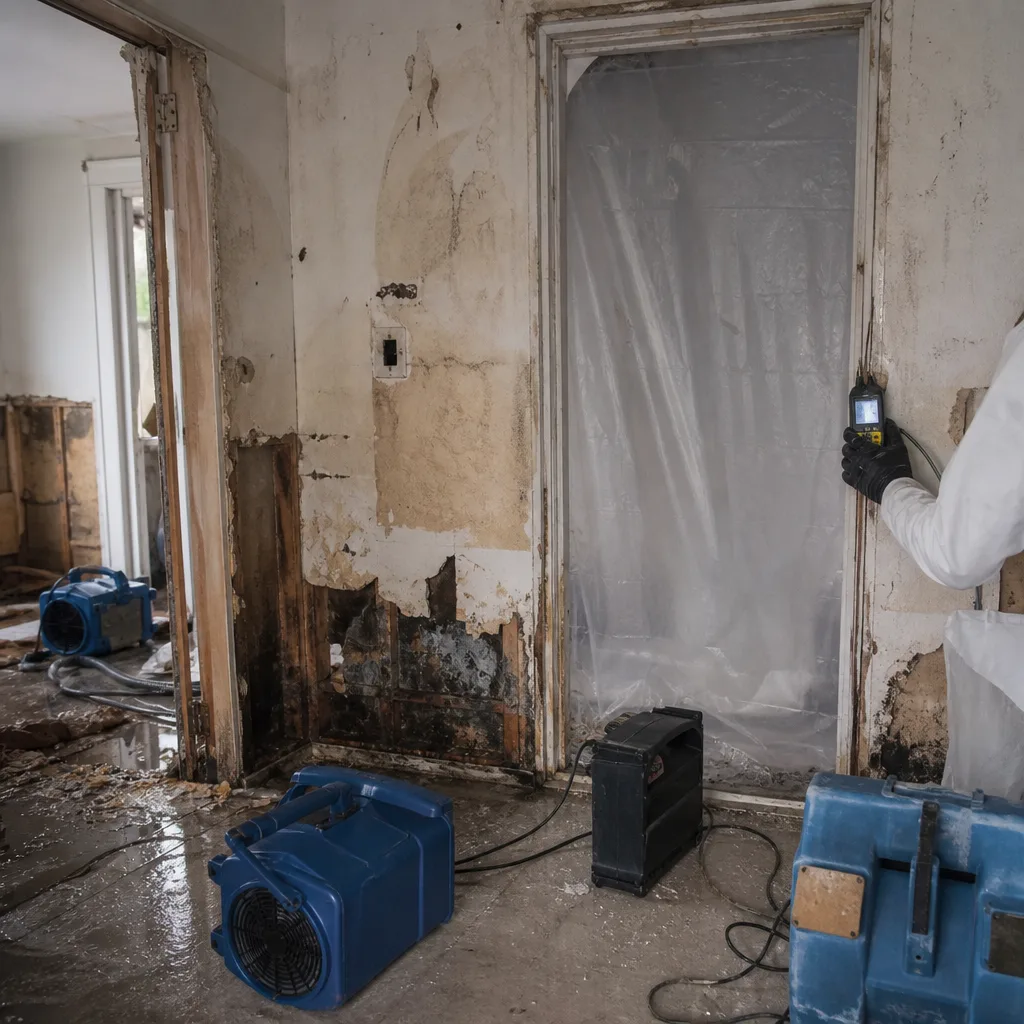 Before
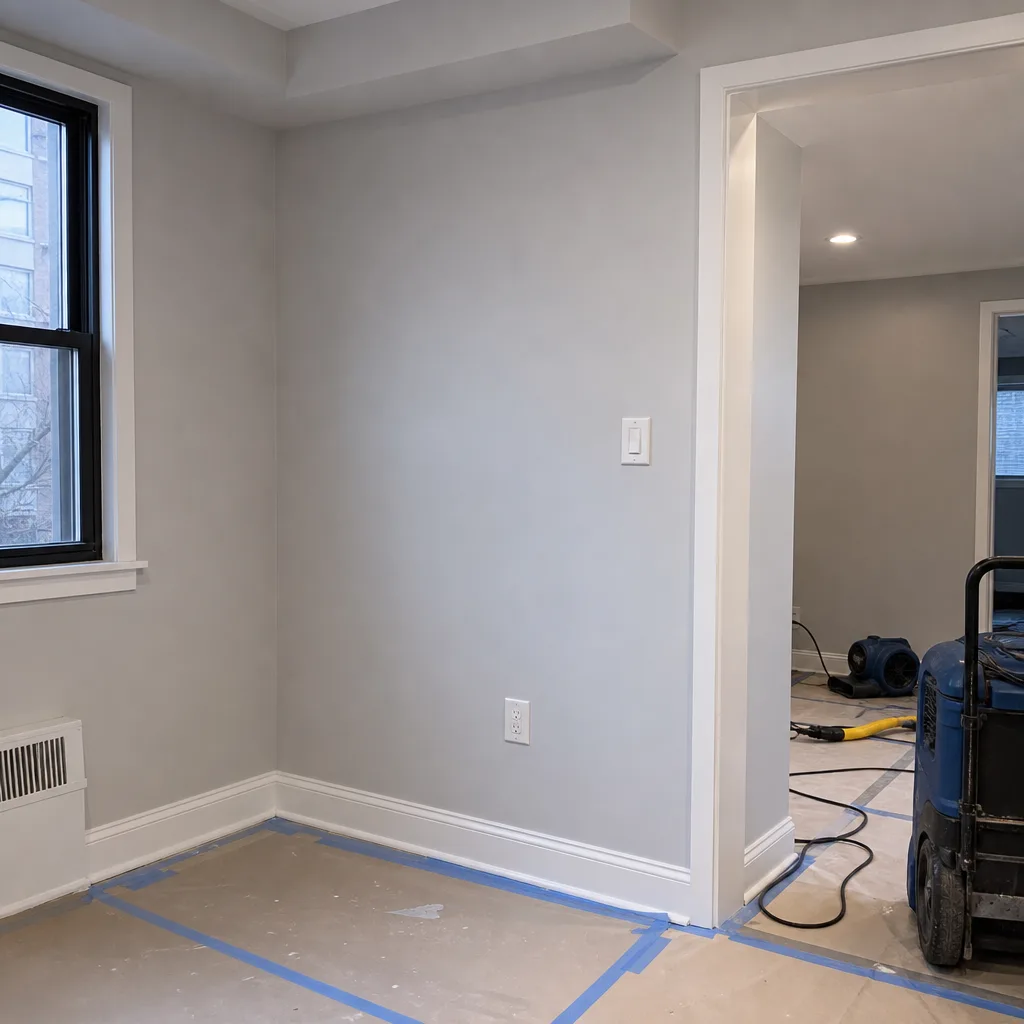 After
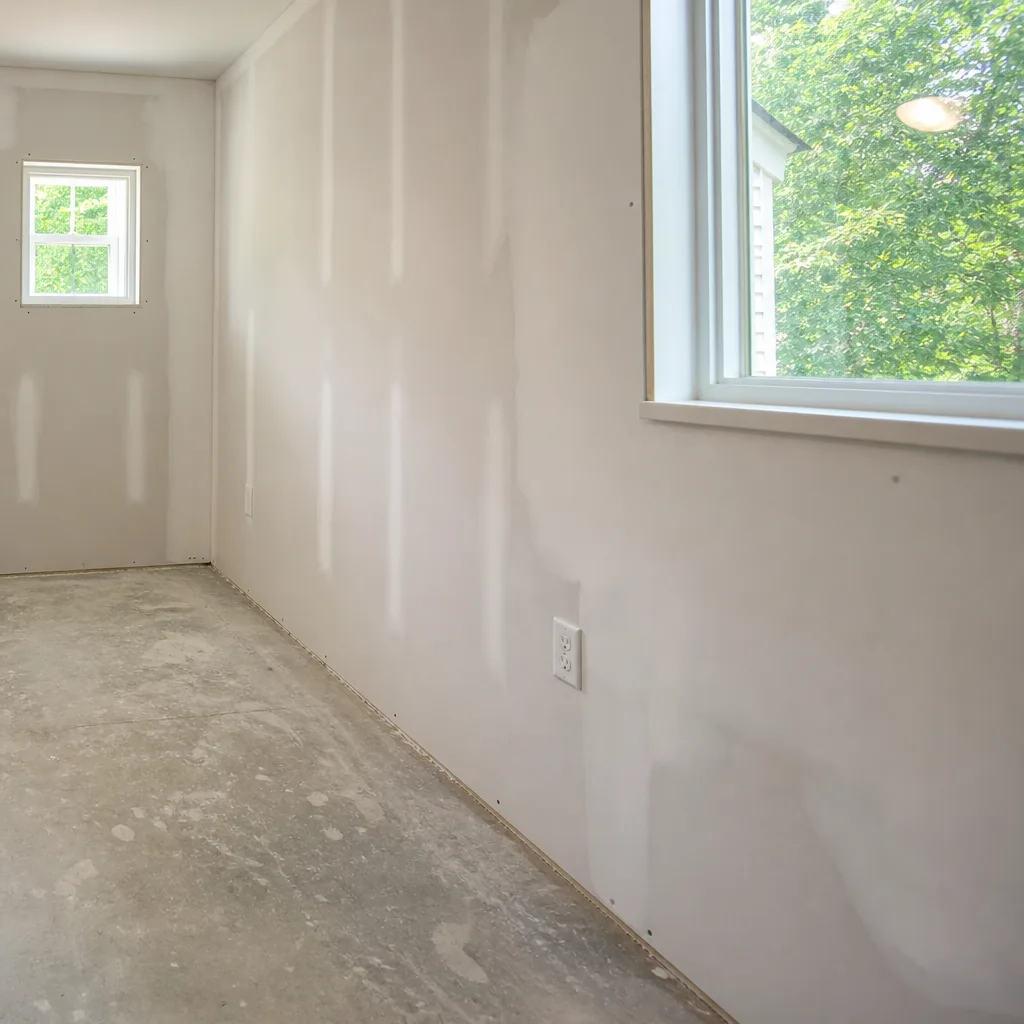
After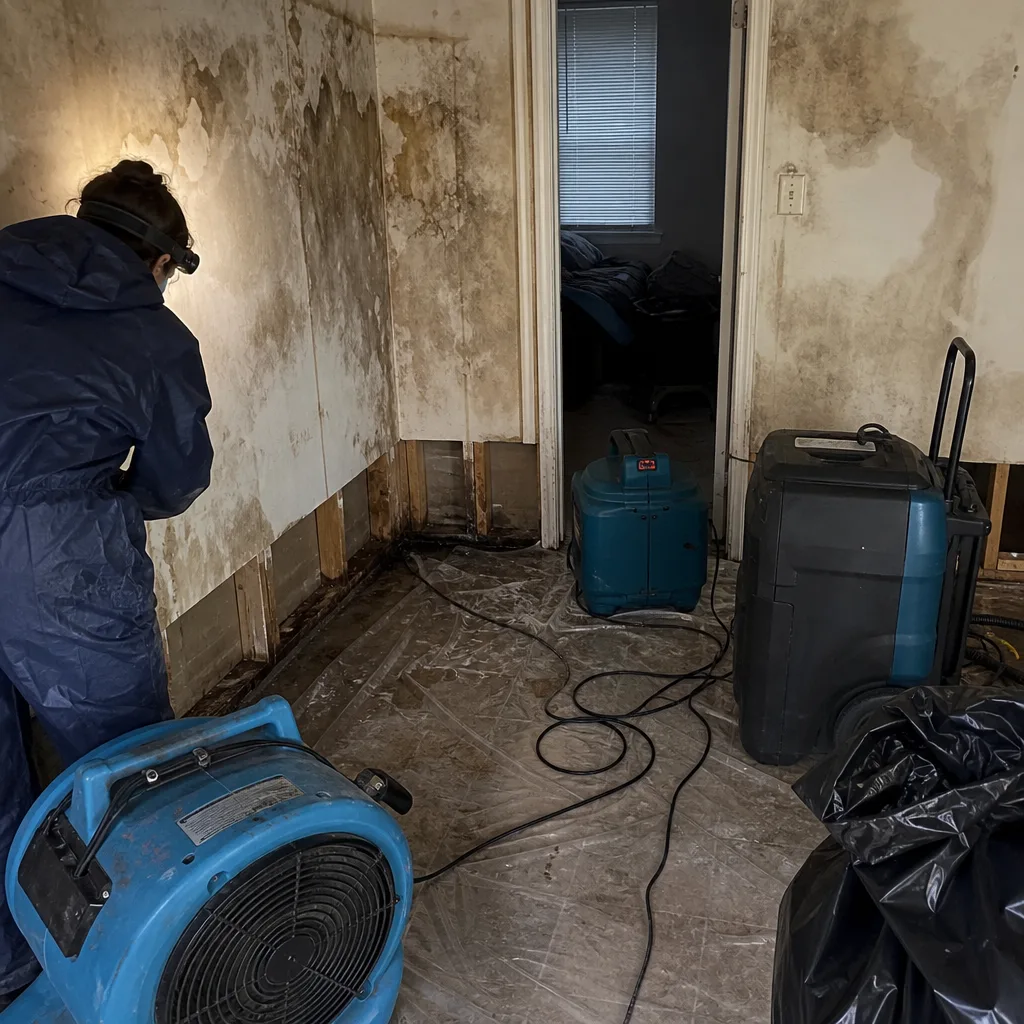 Before
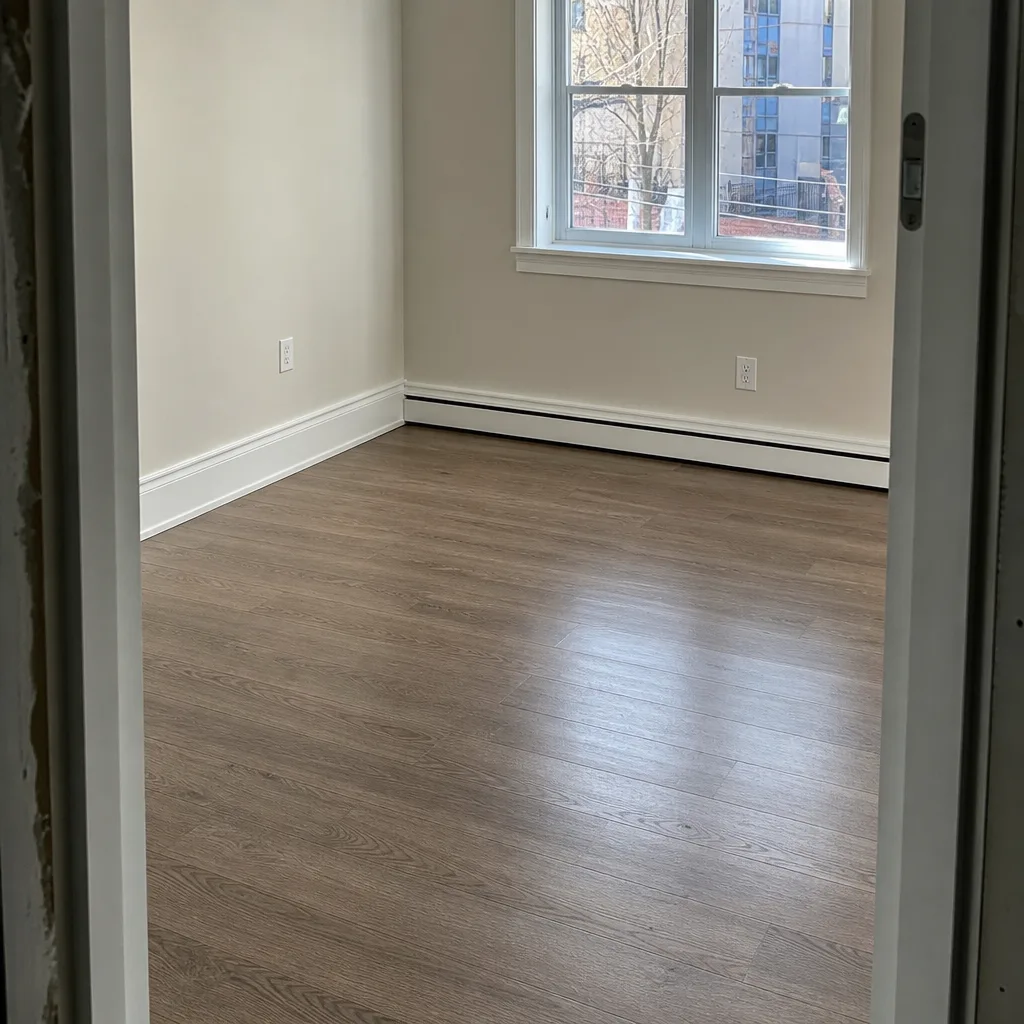 After
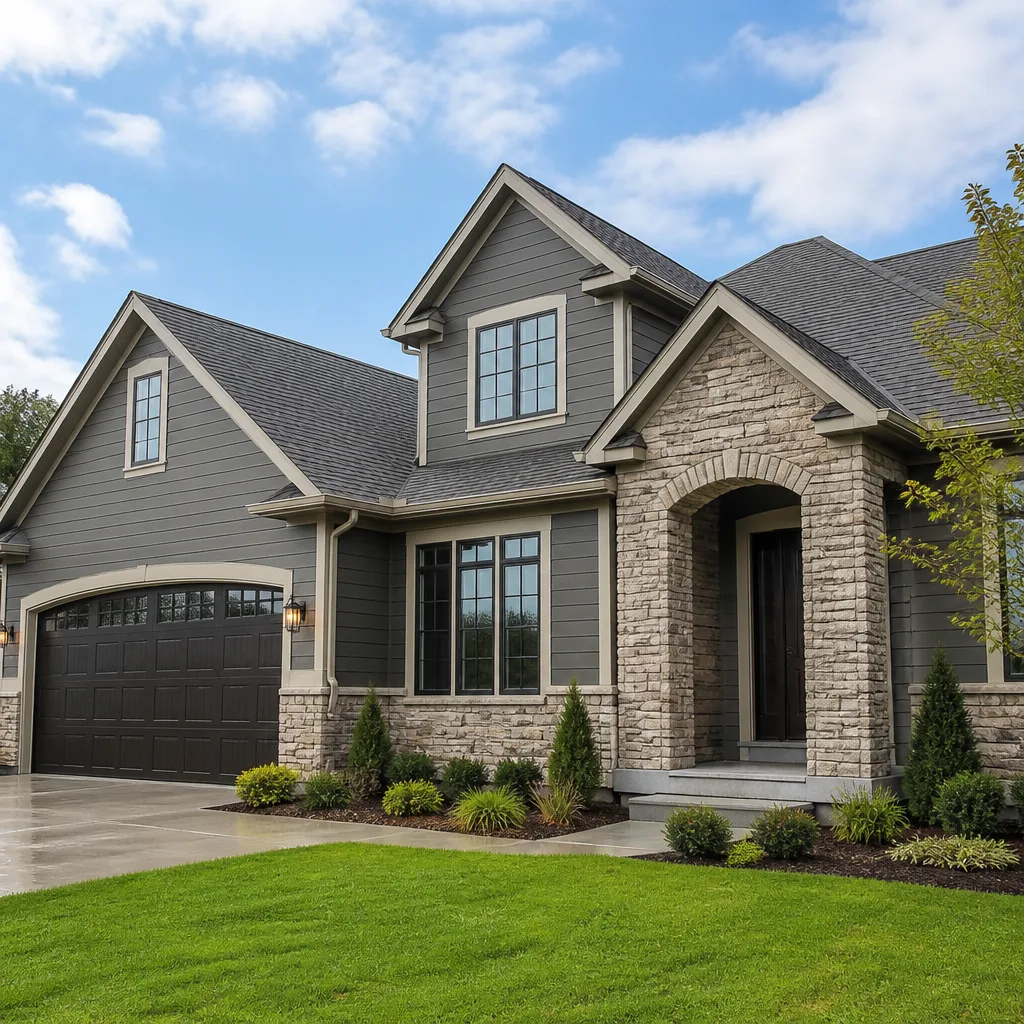
After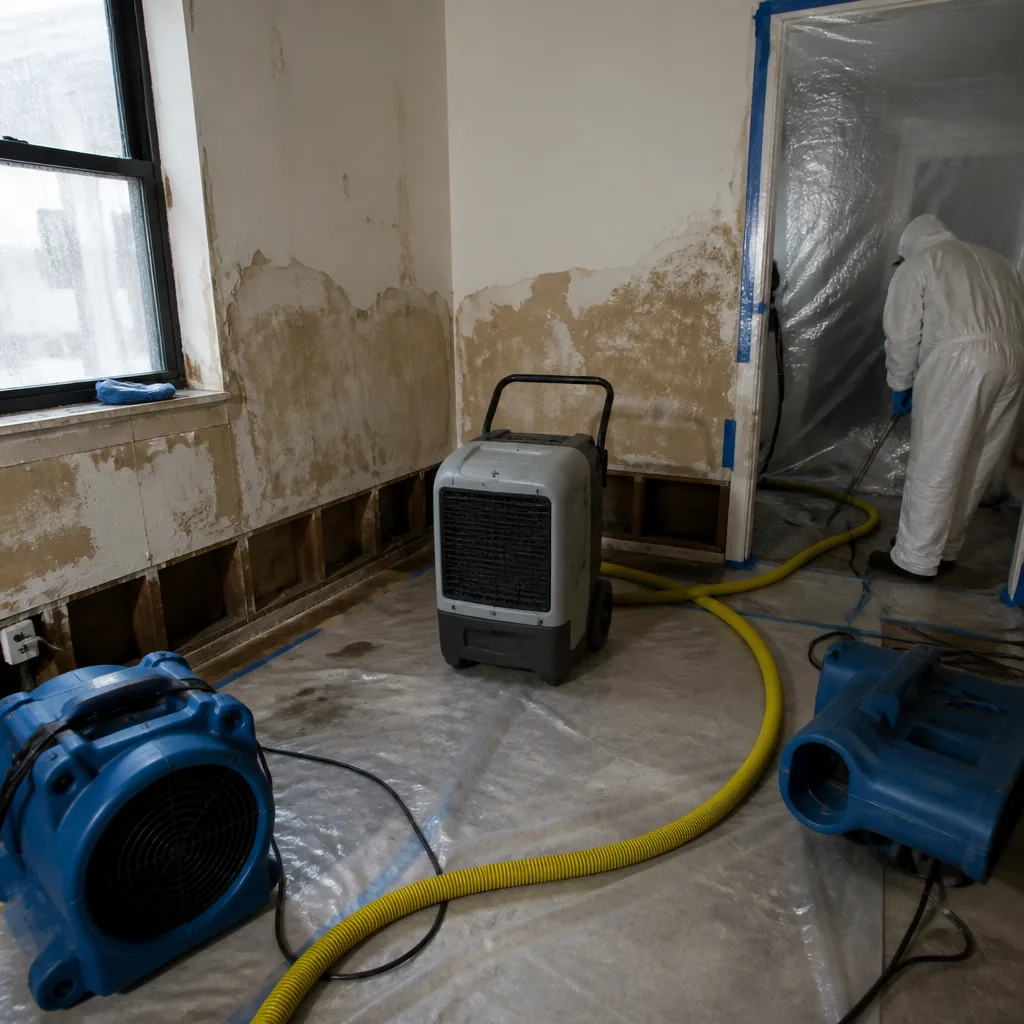 Before
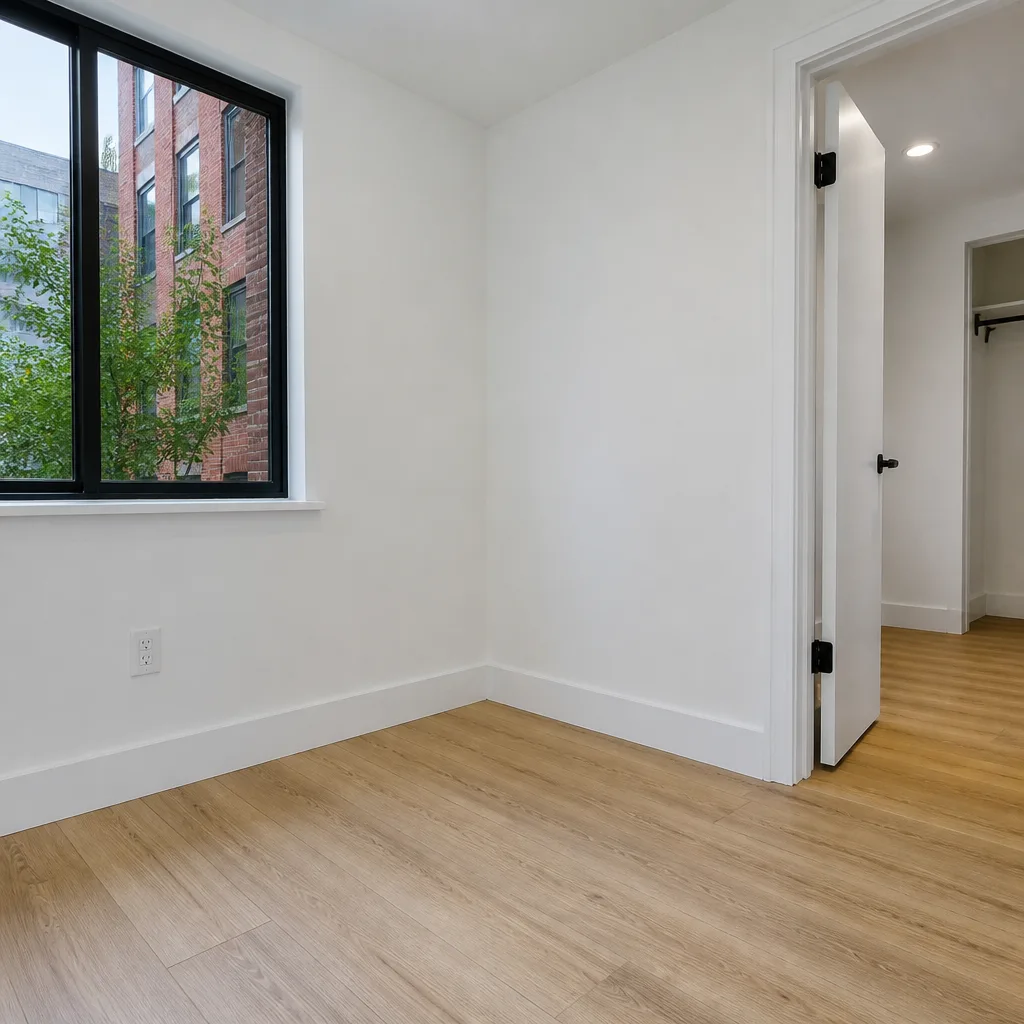 After
AfterFast, Reliable Water Damage Restoration Across New York
Water damage restoration in New York typically runs $3,200-$8,500 for a standard residential mitigation, with emergency water extraction starting at $1,800-$3,500 and structural drying adding $1,400-$5,000 depending on affected square footage and material type. Most emergency calls in New York receive a live answer within two rings, and our crews can be on-site in Manhattan, Brooklyn, or the Bronx within 60-90 minutes during business hours and 90-120 minutes overnight.
We’re Back to Dry Restoration, independently owned and operated under The Haven Standard since 2011, and our Water Damage Restoration team dispatches from our New York City office to serve New York locally. Alicia Brennan founded this company after years as a claims adjuster watching homeowners lose legitimate coverage because their restoration contractor’s documentation wouldn’t survive an insurer’s review. That gap is why we deliver a written price before any work starts, a photo record on every visit, and daily moisture logs that turn restoration invoices into payable claims.
Why Back to Dry Restoration Is New York’s Preferred Water Damage Restoration Company
We’ve restored more than 12,000 homes since 2011, every one with a written price before work started and a documented record when the crew left. In New York, that discipline matters more than most places. The city’s hyper-dense multifamily building stock - co-ops, condos, and rental towers stacked 15, 30, 50 stories high - means a single burst pipe or drain overflow routinely cascades through 5 to 15 apartments simultaneously. What would be a single-family job in Westchester becomes a multi-party restoration requiring coordination with a co-op board, a building super, and multiple competing insurance carriers before a drop of water is extracted.
Our live phone coverage runs 24 hours a day, 7 days a week with no voicemail on emergency lines. A real person answers every call. We don’t do urgency theatre - no countdown timers, no “limited slots” pressure - because water damage in New York creates its own urgency. What we do is answer fast, arrive with documented equipment, and start with a written scope.
Our technicians are background-checked, uniformed, named, licensed, and insured. Their license numbers are available on request. Every crew carries professional-grade drying systems from Dri-Eaz, Phoenix, and XPOWER, documented to IICRC, RIA, and IFA standards. The daily drying logs we produce are the same logs that get restoration invoices paid by adjusters who’ve learned to trust our documentation.
Our Water Damage Restoration Services in New York
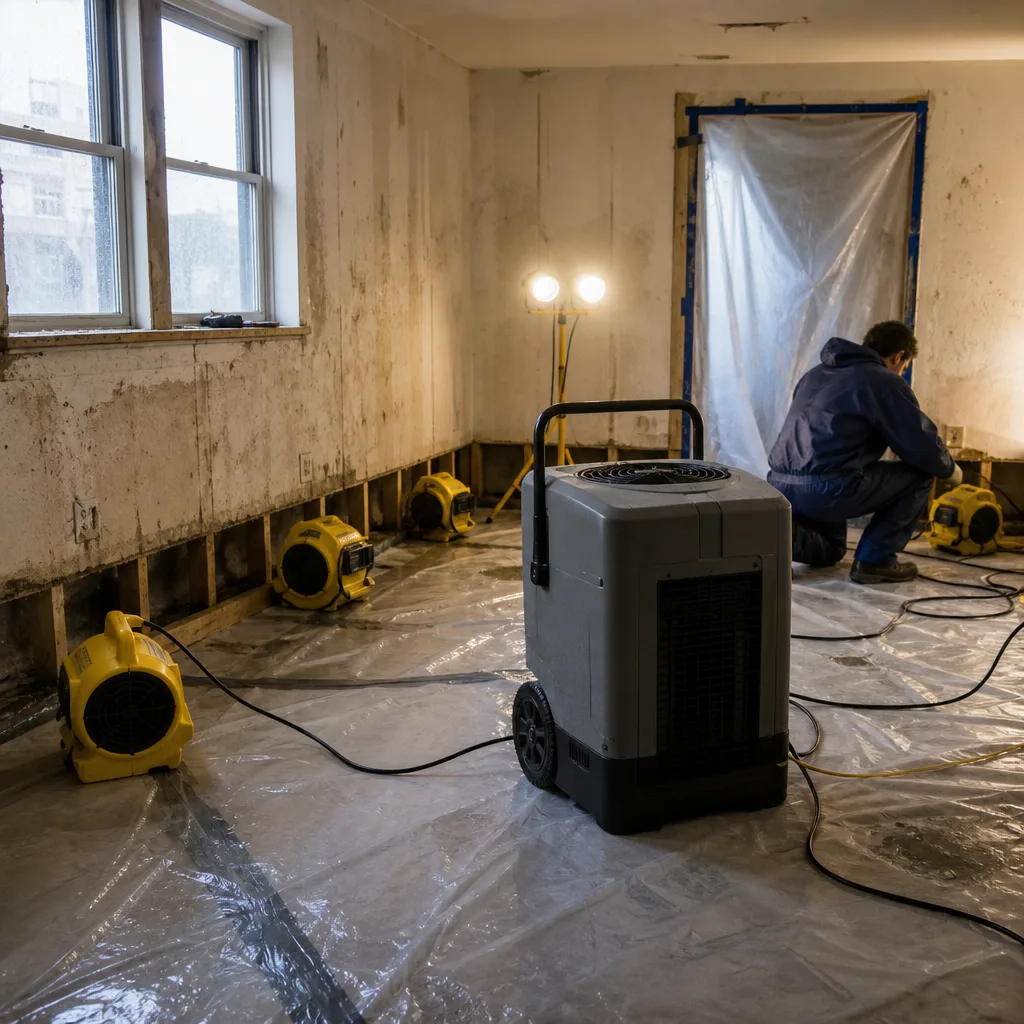
Emergency Water Extraction
In New York, emergency water extraction often means working around building systems we can’t legally touch without permission. We were called to a pre-war co-op on West End Avenue in the 80s after a riser joint failed on the 9th floor, sending water through plaster-on-lath ceilings and original cast-iron drain stacks down to the 4th. Because the building’s pipe chase was common area, we couldn’t open anything until the board voted three days later - by then moisture mapping with our Dri-Eaz meters showed elevated readings in 11 stacked apartments. We set containment, ran Phoenix dehumidifiers and air movers to begin structural drying in the units we could access, and once the board approved the chase opening we completed water extraction and antimicrobial treatment on the lath before mold could colonize. Emergency water extraction in New York runs $1,800-$3,500 for the initial extraction phase, with costs climbing when multiple units and common-area coordination are involved.
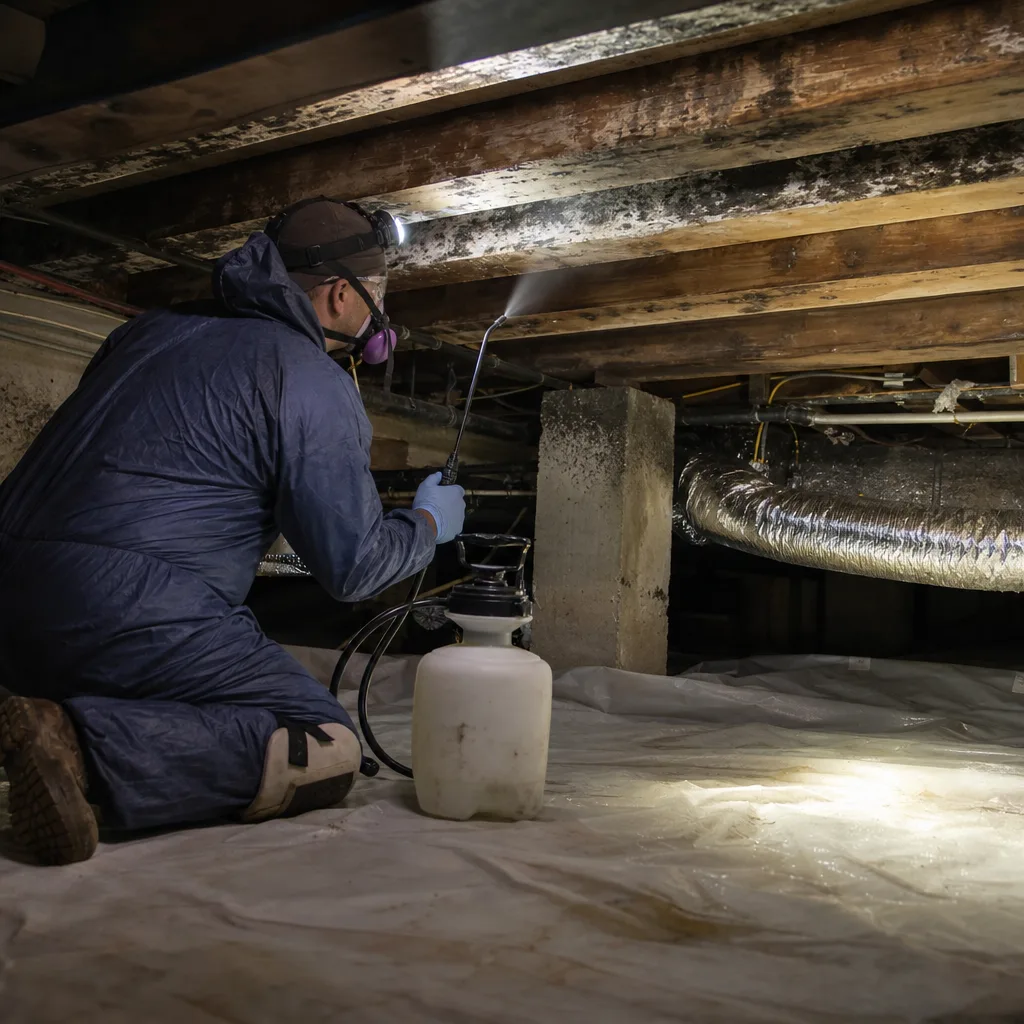
Structural Drying & Dehumidification
New York’s pre-war housing stock - tenements, brownstones, and apartment buildings with original plaster-on-lath walls, cast-iron radiator steam systems, and cast-iron or early galvanized drain lines - complicates moisture mapping and structural drying compared to standard drywall construction. Plaster-on-lath holds moisture differently than gypsum board; it releases water slowly and can harbor hidden saturation for weeks. Our structural drying process uses psychrometric data - measurements of temperature, relative humidity, and vapor pressure differential (the force that actually moves moisture from wet materials into dry air) - to calculate exactly how many air movers and dehumidifiers a plaster-walled New York apartment needs, and for how long. Structural drying and dehumidification in New York typically costs $1,400-$5,000 depending on affected square footage, with plaster-on-lath assemblies running toward the higher end due to extended drying timelines.
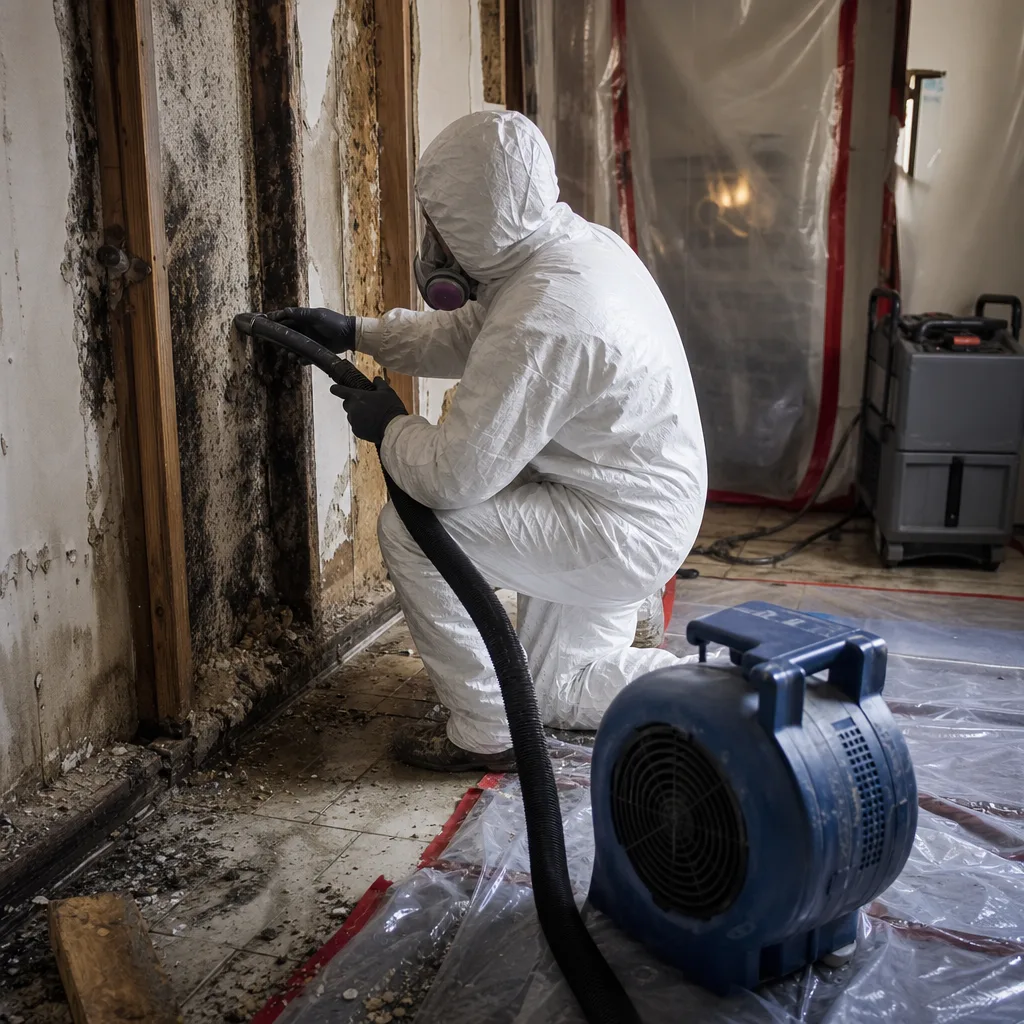
Flood Cleanup
Superstorm Sandy’s 2012 storm surge permanently elevated awareness of flood risk across New York’s Zone A neighborhoods - Red Hook, Lower Manhattan, Howard Beach, broad swaths of Staten Island. Baseline mold and structural assessments in those areas are now standard pre-sale and post-storm expectations. Flood cleanup in these zones requires documentation that satisfies both insurance scrutiny and NYC DEP regulations. Our flood cleanup crews produce the photo records, moisture logs, and written scopes that satisfy both. Flood cleanup in New York starts at $2,500-$4,500 for Category 1 flooding in a single unit, with Category 2 or 3 losses, common-area involvement, or asbestos-containing materials pushing costs significantly higher.
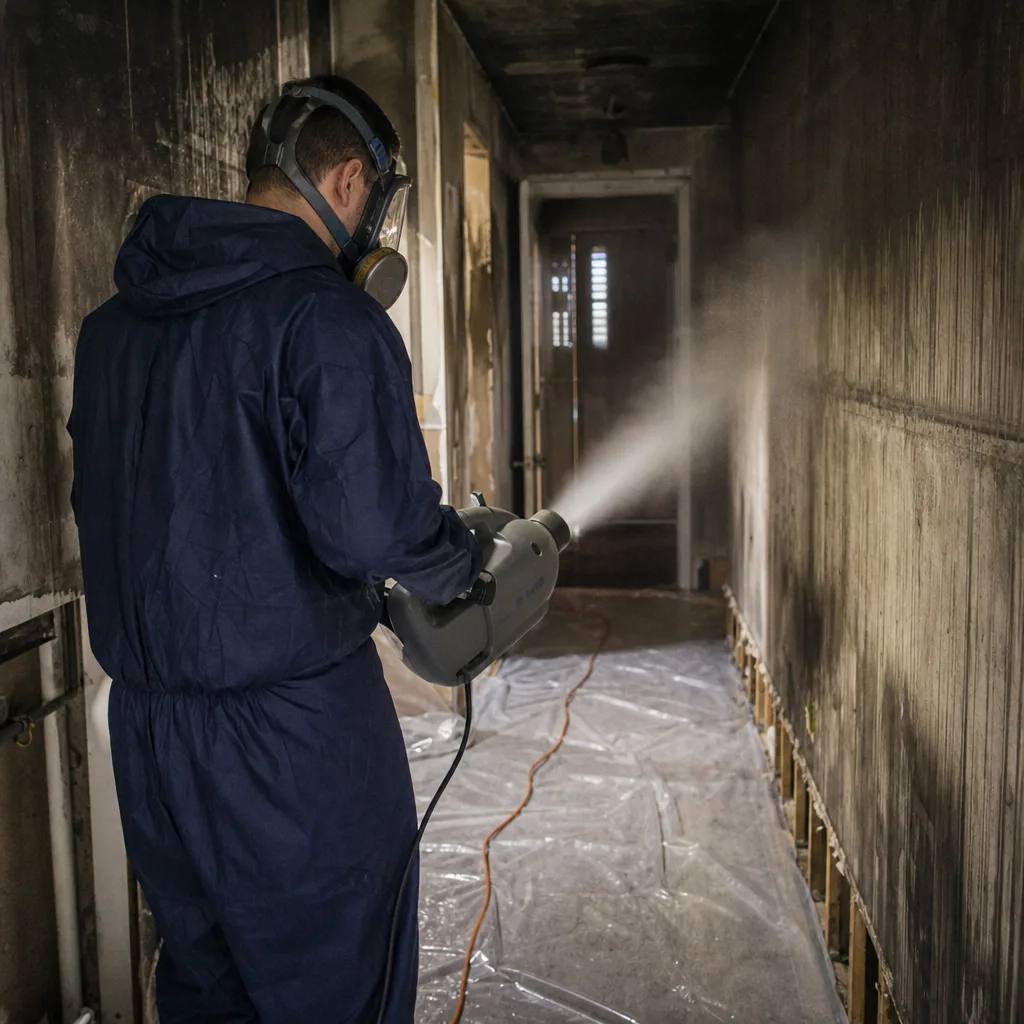
Burst Pipe Restoration
Burst pipe restoration in New York’s post-war mid-rises and high-rises from the 1950s-1970s often involves flat built-up roofing systems notorious for ponding water and slow membrane failures that saturate concrete decks and multiple ceiling assemblies before the leak is ever reported. By the time a tenant calls, water may have traveled through three floors of concrete and steel. Our burst pipe restoration includes locating the actual source - not just drying what’s visible - and documenting the path of water migration for insurance. Burst pipe restoration in New York typically runs $3,200-$6,500, with high-rise common-area access issues and concrete deck saturation adding time and cost.
Basement Water Removal
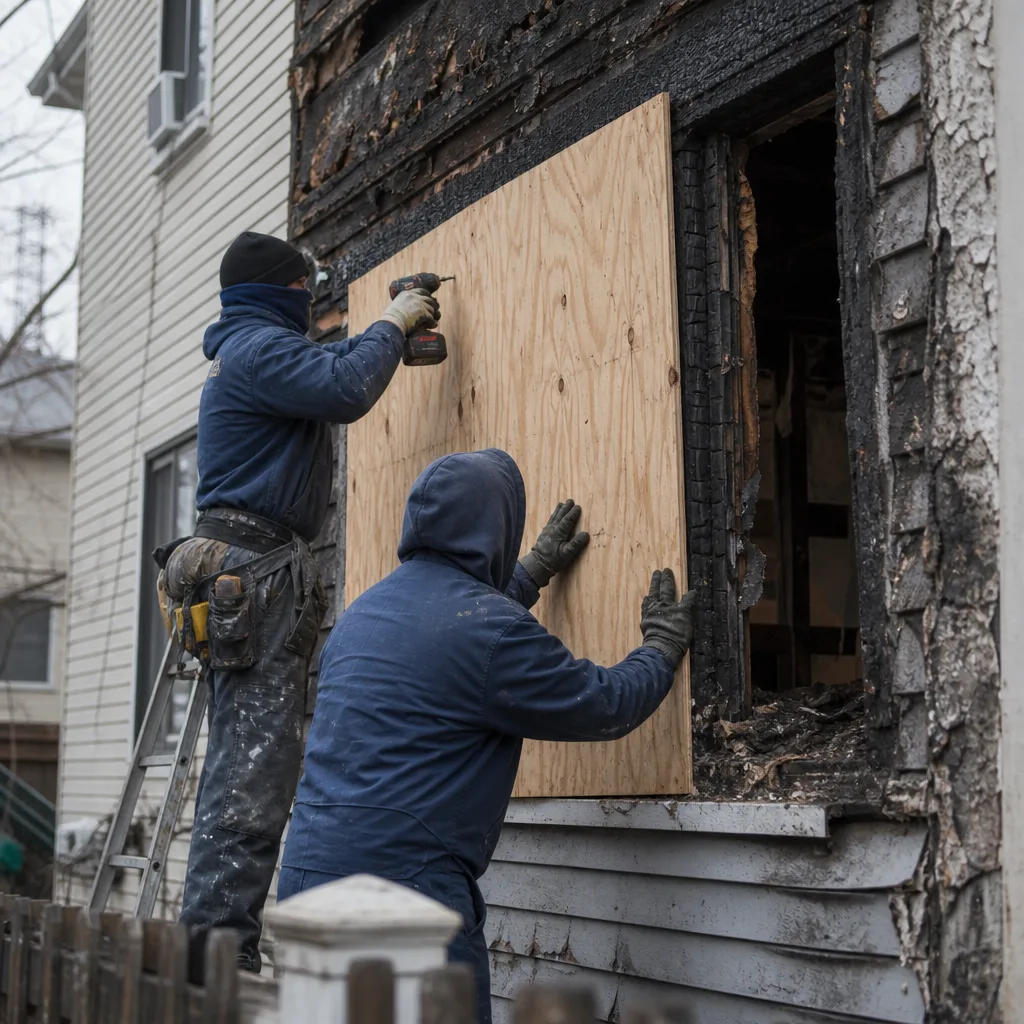
Basement water removal in New York’s older buildings means navigating century-old foundation walls, deteriorated mortar joints, and combined sewer systems that back up during heavy rain. We document the water source - foundation seepage, sewer backup, or surface flooding - because each classification affects insurance coverage differently. Basement water removal starts at $2,200-$4,000 in New York.
Ceiling & Roof Leak Water Damage
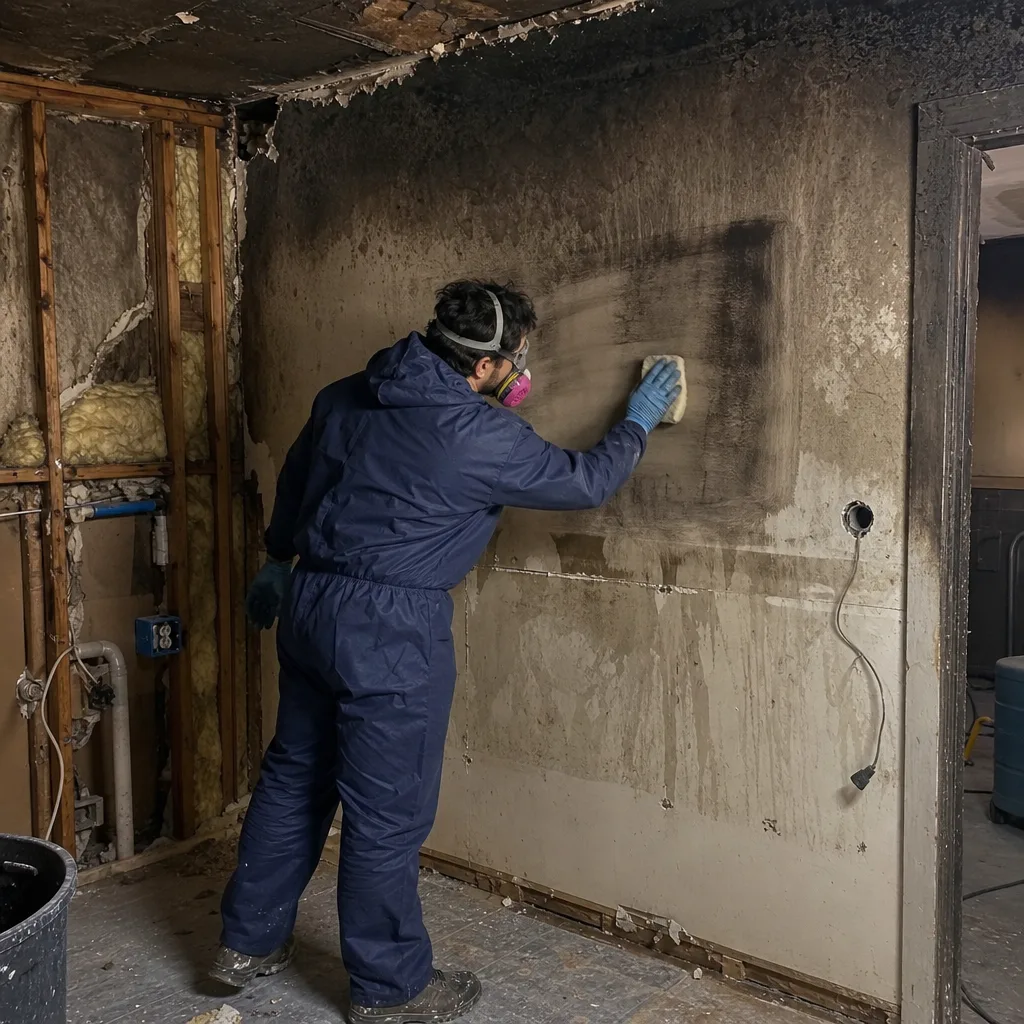
Nor’easters deliver sustained wind-driven rain that exploits aging masonry facades and deteriorated brick mortar common across Brooklyn, the Bronx, and upper Manhattan, driving water laterally into interior walls far from any roof or window. These damage patterns are easy to misdiagnose. Our ceiling and roof leak assessments trace water migration with thermal imaging and moisture meters, then document the actual entry point for insurance. Ceiling and roof leak water damage restoration in New York runs $2,800-$5,500.
What happens when you call
- 1
A real person answersNo phone trees - you reach a local pro.
- 2
You get an upfront price rangeHonest numbers before anyone is dispatched.
- 3
A background-checked tech heads outLicensed & insured, dispatched right away.
- 4
You approve before work beginsNothing starts until you say go.
BeforeAfterTrusted Equipment Brands We Deploy in New York
We don’t sell equipment brands. We deploy them, document their performance, and produce the logs that get claims paid. Our New York crews use professional-grade drying systems from Dri-Eaz, Phoenix, and XPOWER - dehumidifiers rated for the high ambient humidity of coastal summers, air movers with the airflow volume to dry plaster-on-lath assemblies, and Injectidry systems for hardwood floor drying in pre-war apartments where replacement flooring must match landmark or co-op board specifications. Every machine’s runtime, output readings, and placement are logged daily. That documentation is included as a standard deliverable, never an upsell.
Common Water Damage Restoration Problems We See in New York Homes
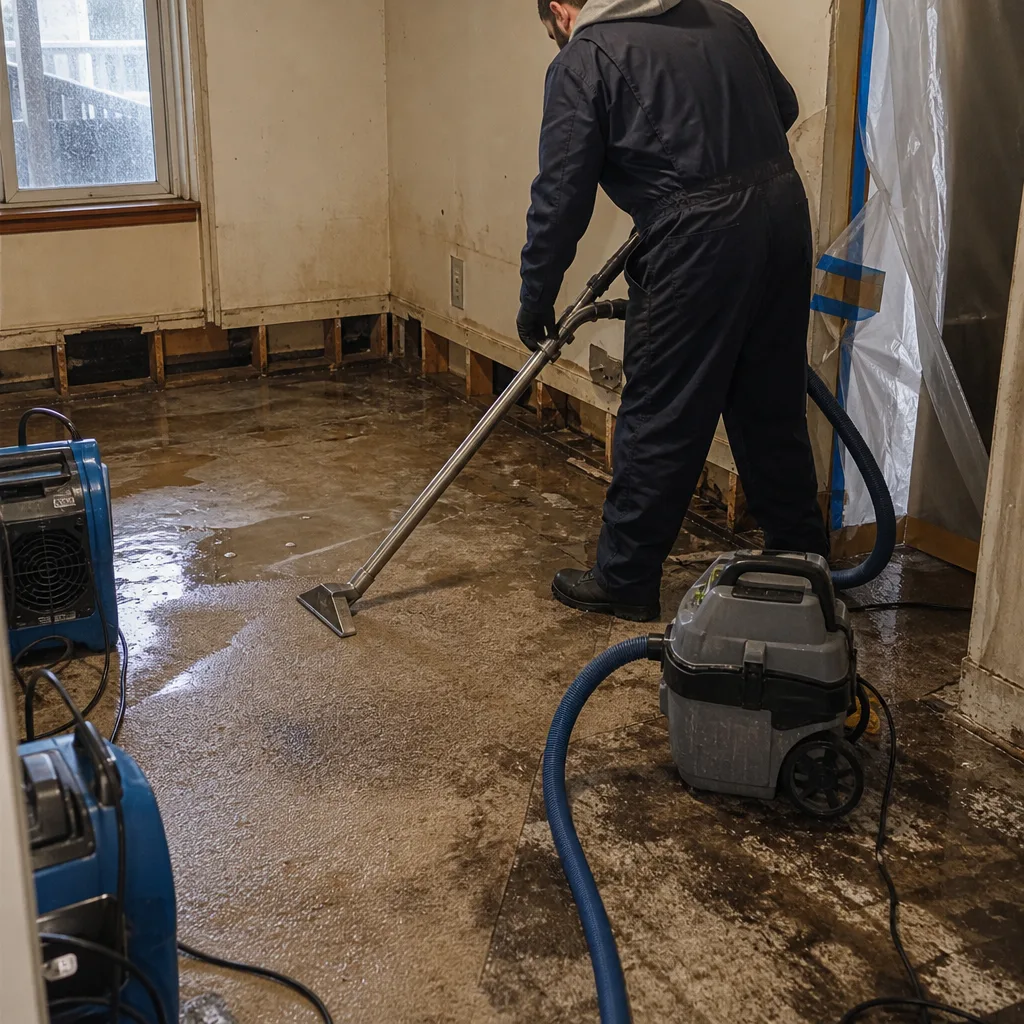
- Co-op board delays turning Category 1 losses into mold jobs. In NYC self-managed co-ops, the board legally controls access to common-area pipe chases, so a restoration crew often cannot open a wall to reach the actual water source without a formal board vote that can take 48-72 hours - long enough for a Category 1 water loss to become an active mold situation before mitigation even starts.
- Asbestos surveys adding days and cost to every pre-1980 job. Because virtually every pre-1980 building in the five boroughs contains asbestos in floor tiles, pipe insulation, plaster, and ceiling texture, NYC DEP regulations require a licensed asbestos survey and often full abatement before any demolition or drying work can legally begin - a regulatory layer that adds days and cost that restoration companies in neighboring suburban markets simply never encounter.
- Nor’easter wind-driven rain penetrating masonry far from obvious entry points. Sustained wind-driven rain exploits aging masonry facades and deteriorated brick mortar across Brooklyn, the Bronx, and upper Manhattan, driving water laterally into interior walls - damage patterns that are easy to misdiagnose without proper moisture mapping.
- Flat roof ponding in post-war high-rises causing slow, hidden saturation. Post-war mid-rises and high-rises from the 1950s-1970s feature flat built-up roofing systems notorious for ponding water and slow membrane failures that saturate concrete decks and multiple ceiling assemblies before the leak is ever reported.
Pricing for Water Damage Restoration in New York, NY
Here’s what water damage restoration actually costs in New York’s market, based on jobs we’ve completed with written prices before work started - Haven Standard, Clause 1.
| Service | Typical Range in New York |
|---|---|
| Emergency Water Extraction | $1,800 - $3,500 |
| Structural Drying & Dehumidification | $1,400 - $5,000 |
| Flood Cleanup (Category 1, single unit) | $2,500 - $4,500 |
| Burst Pipe Restoration | $3,200 - $6,500 |
| Basement Water Removal | $2,200 - $4,000 |
| Ceiling & Roof Leak Water Damage | $2,800 - $5,500 |
| Full Residential Mitigation (typical) | $3,200 - $8,500 |
What moves a job toward the higher end: multiple affected units in a co-op or condo, common-area access requiring board approval, asbestos survey and abatement requirements, plaster-on-lath rather than drywall construction, concrete deck saturation in high-rises, and Category 2 or 3 water classification. What doesn’t change the price after we start: nothing. Haven Standard, Clause 1 - the written price is the price.
We also offer a Free Second Opinion on any competitor’s written estimate. Bring their quote and we’ll review it at no charge.
We Also Serve Cities Near New York
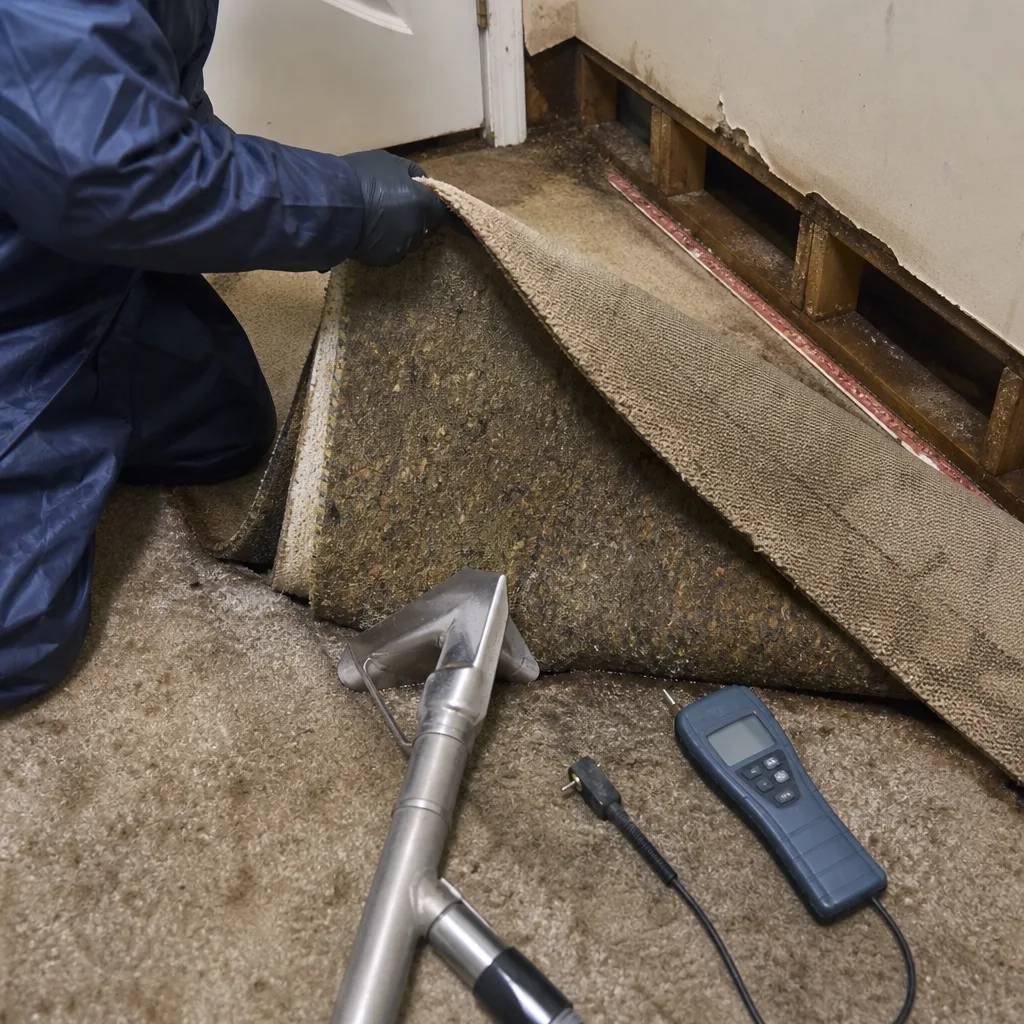
Our New York City office dispatches crews throughout the metro area, including Manhattan, Long Island City, Astoria, and Elmhurst. Each neighborhood brings its own building stock and regulatory context - Long Island City’s rapid new construction versus Astoria’s pre-war walk-ups versus Elmhurst’s mixed-age housing - and our documentation adapts to each. Wherever you are in the five boroughs and nearby, the same Haven Standard applies: written price before work starts, photo record on every visit, daily moisture logs, and the 365-Day Done Right Promise.
Serving New York, NY - Our Local Coverage Area
We’re based in the New York area and know this community well. Use the map below to see our service coverage - if you’re nearby, we can almost certainly help.
FAQs - Water Damage Restoration in New York
It takes longer because the co-op board legally controls access to common-area pipe chases, and a restoration crew cannot open a wall or pull a floor to reach the actual water source without a formal board vote. In self-managed co-ops, that vote may not happen for 48-72 hours, turning a containable Category 1 water loss into an active mold situation before mitigation even starts. We set containment and begin structural drying in accessible units immediately while working with the board and building super to expedite access. Call (914) 530-9723 and we’ll explain how we document the delay for your insurance claim.
Yes, NYC DEP regulations require a licensed asbestos survey before any demolition or drying work that would disturb materials in virtually every pre-1980 building in the five boroughs. Asbestos appears in floor tiles, pipe insulation, plaster, and ceiling texture. Full abatement is often required before work can legally begin - a regulatory layer that adds days and cost that restoration companies in suburban markets never encounter. We coordinate licensed asbestos surveys as part of our standard workflow and document the findings for your insurance file. Call (914) 530-9723 to discuss timing and cost.
Salt-air corrosion near the New York coast attacks garage-door springs, hinges, rollers, tracks, and opener chains years faster than inland hardware degrades. Seized rollers and snapped torsion springs are a leading cause of door failures that let wind-driven rain into the structure, compounding water damage from storms and flooding. We inspect garage-door hardware during water damage assessments in coastal Zone A neighborhoods and can coordinate replacement with galvanized or coated springs, stainless hardware, and nylon rollers where corrosion is advanced. Call (914) 530-9723 if your door showed failure signs before or during a water loss.
Category 1 is clean water from a broken supply line or overflowed sink. Category 2 is gray water with significant contamination, such as dishwasher discharge or a washing machine overflow. Category 3 is black water - sewage, seawater from storm surge, or water that has passed through the ground - and requires the most extensive remediation. In New York, Category 1 losses in pre-war buildings often become Category 2 or 3 when they sit for 48-72 hours due to co-op board delays, or when they contact asbestos-containing materials, lead paint, or combined sewer backups. We classify water on arrival and document the classification with photo evidence for your insurance. Call (914) 530-9723 for immediate assessment.
Nor’easters deliver sustained wind-driven rain that exploits aging masonry facades and deteriorated brick mortar common across Brooklyn, the Bronx, and upper Manhattan, driving water laterally into interior walls far from any roof or window. The damage pattern is easy to misdiagnose as plumbing failure or roof leak because the actual entry point is often three rooms away from where water appears. Our assessments use thermal imaging and moisture meters to trace migration paths and identify the true source. Call (914) 530-9723 after any Nor’easter if you notice staining, mustiness, or warping - estimates are free and include full documentation.
Water damage in New York doesn’t wait for business hours, and neither do we. A live person answers every call to (914) 530-9723, 24 hours a day, 7 days a week. We’ll deliver a written price before any work starts, document every visit with a photo record, and stand behind the result with our 365-Day Done Right Promise under The Haven Standard. If it’s not done right, we make it right - that’s not a marketing line, it’s a signed guarantee on every job.
Written by Alicia Brennan, Owner at Back to Dry Restoration, serving New York since 2011.