
Last updated September 23, 2026
Free visual inspection and a written scope of work before any mitigation begins - photos, moisture readings, and drying logs go in your claim file
The scope we write is the scope we bill. Anything new gets shown to you, in writing, before we touch it.
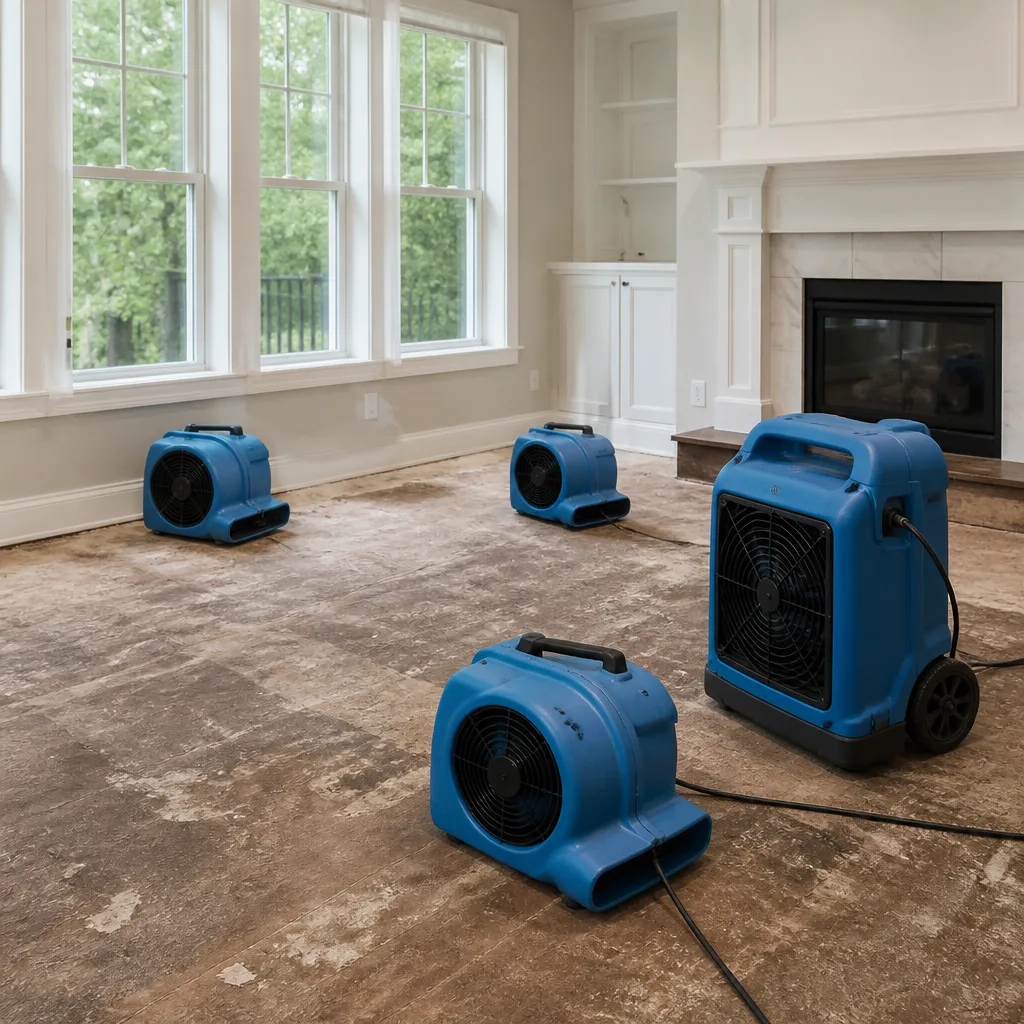

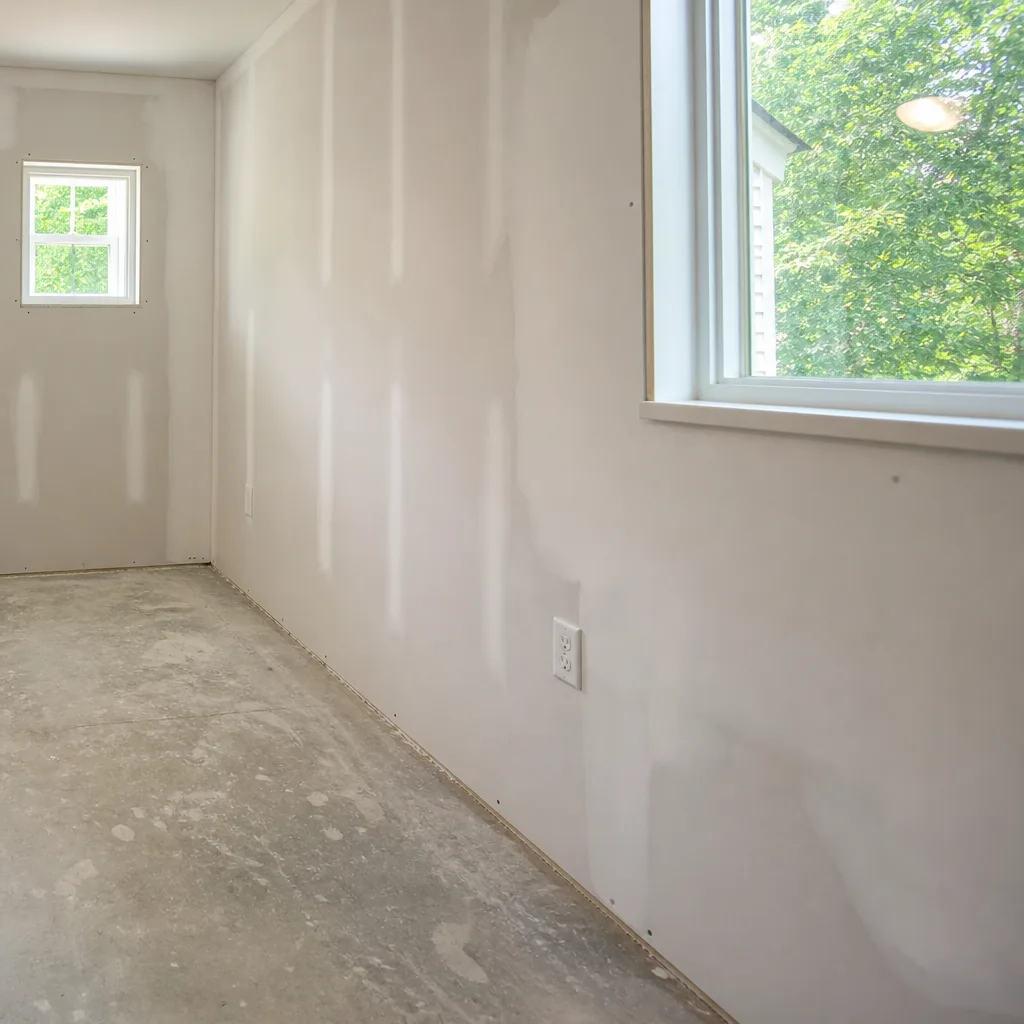
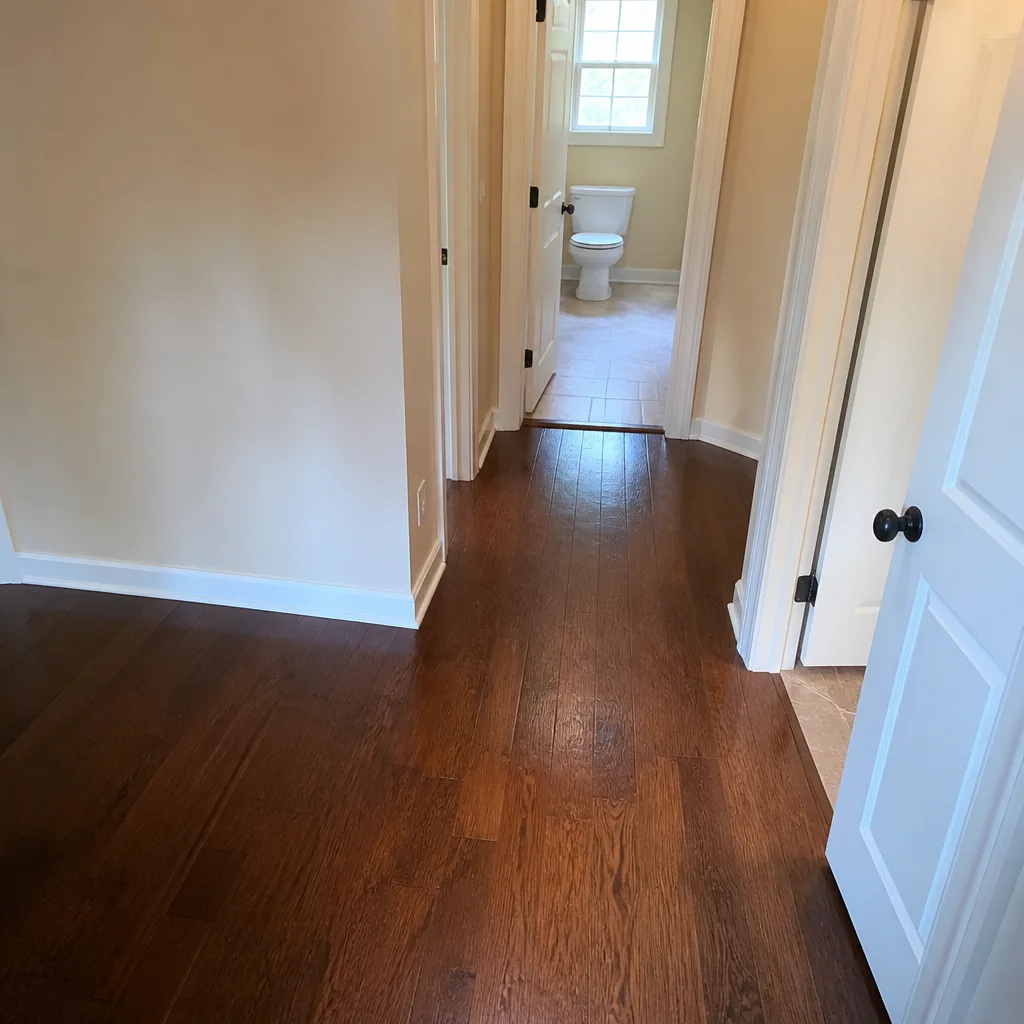
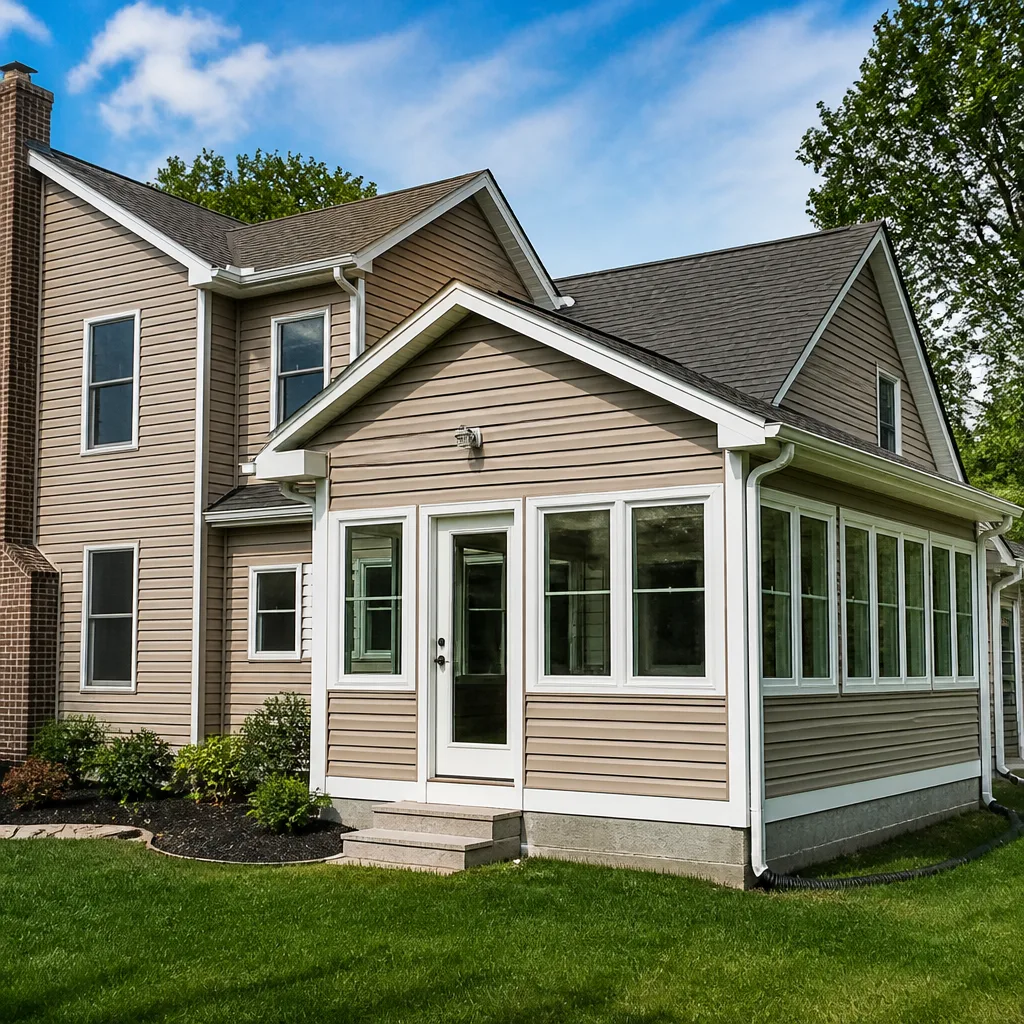
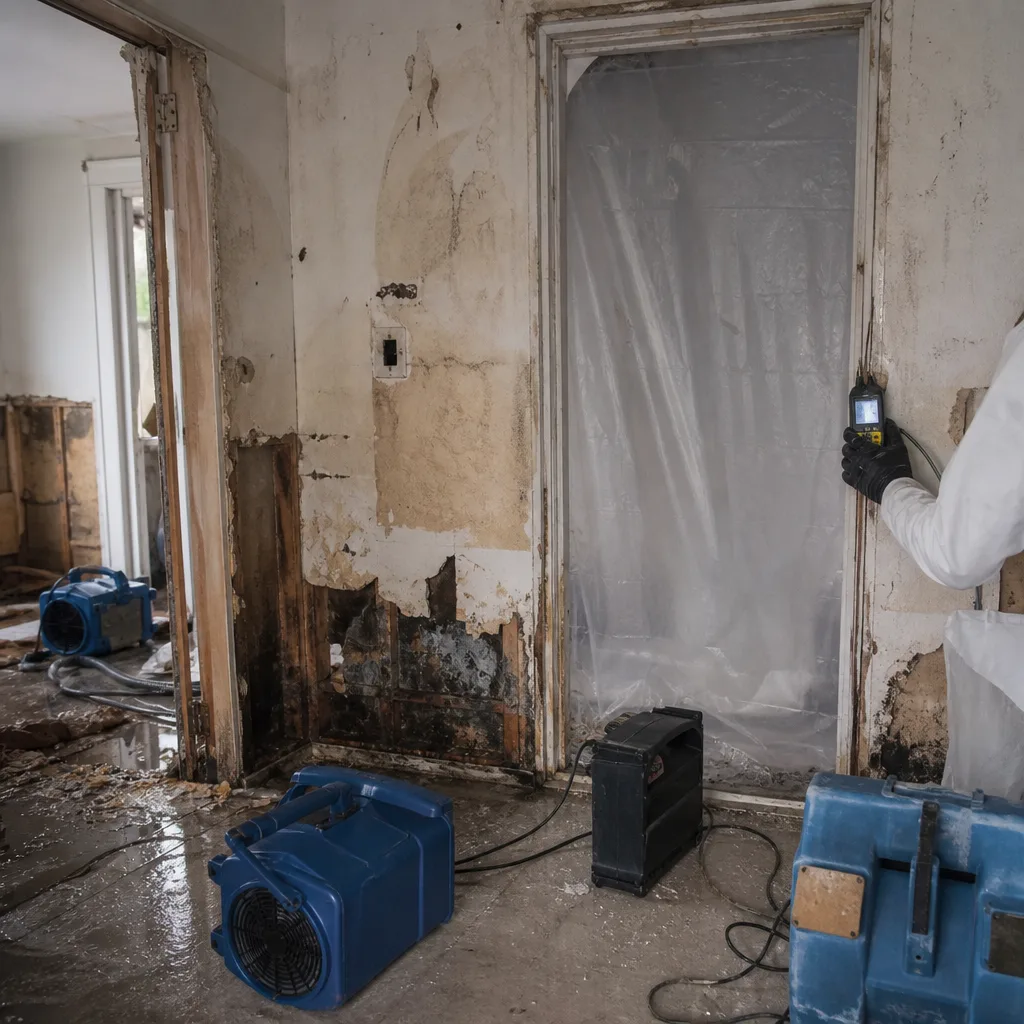 Before
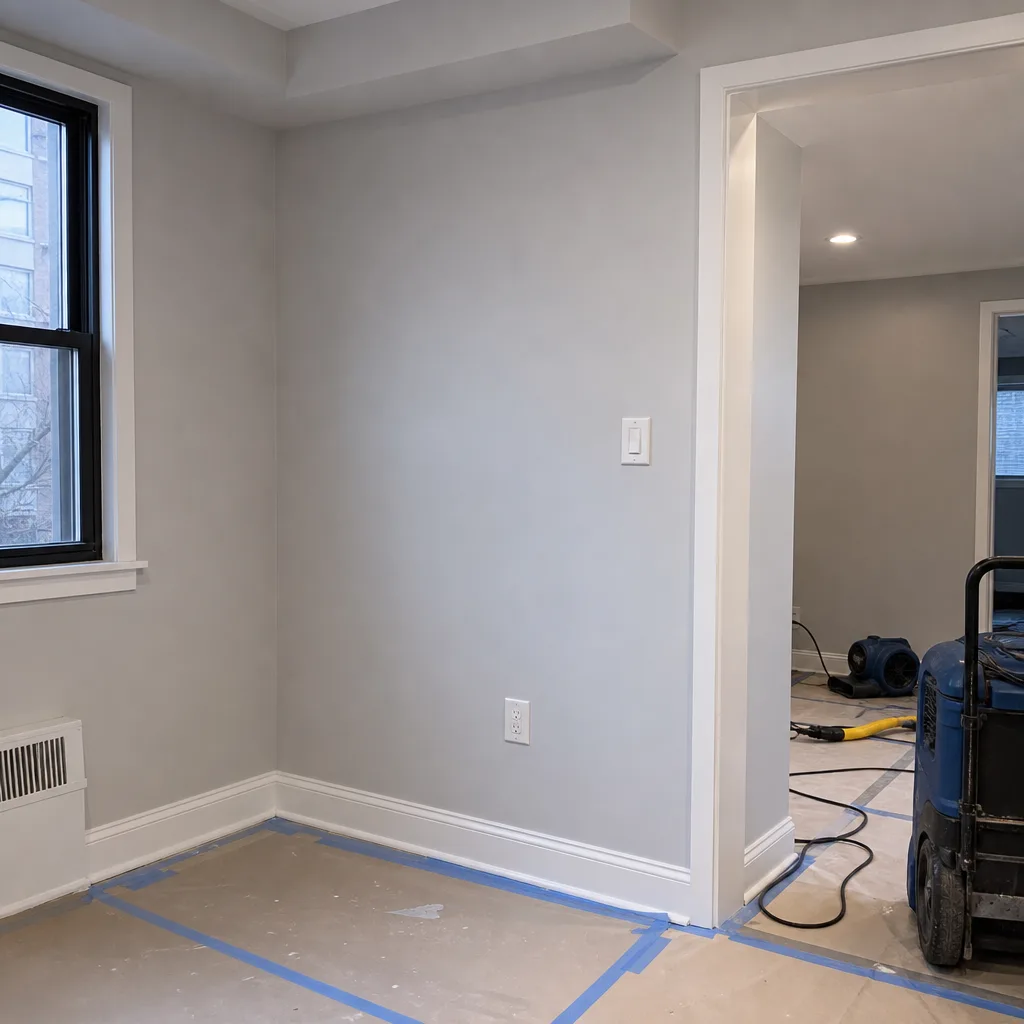 After
After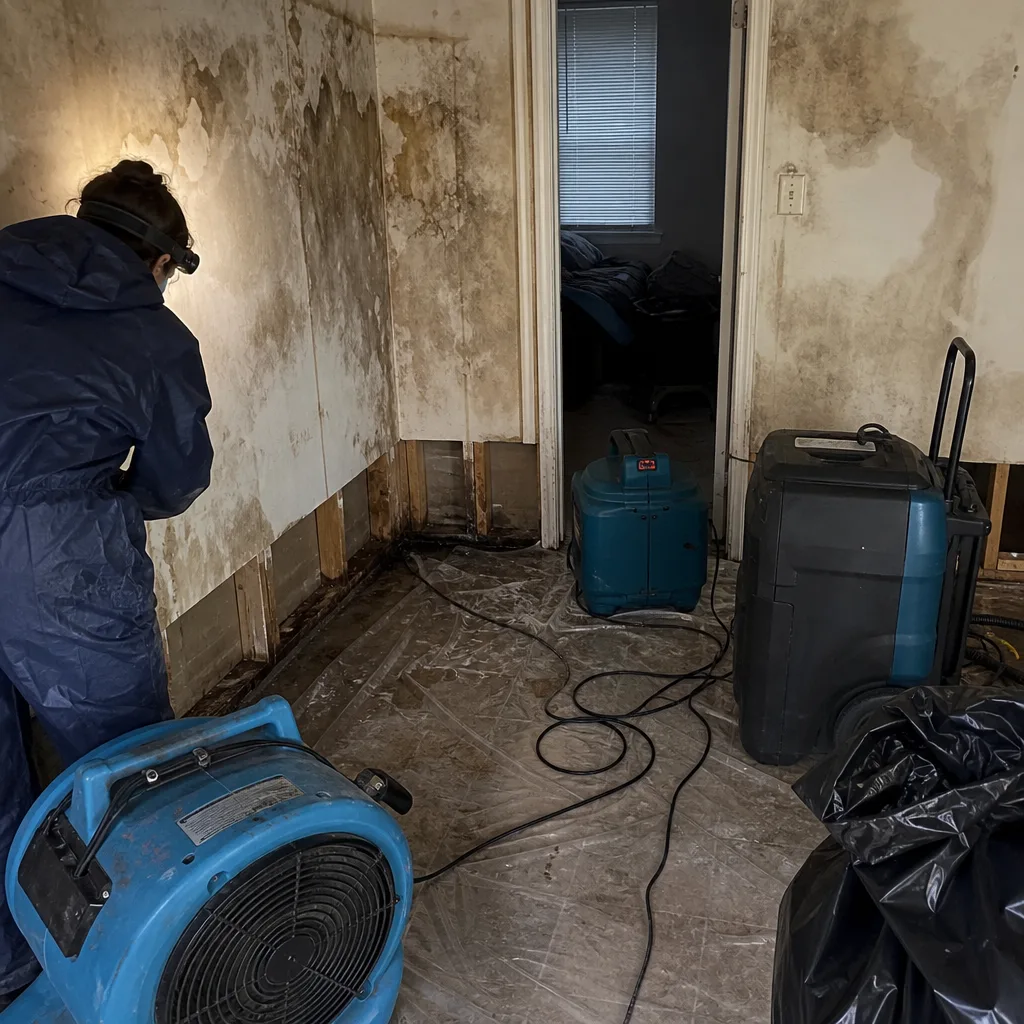 Before
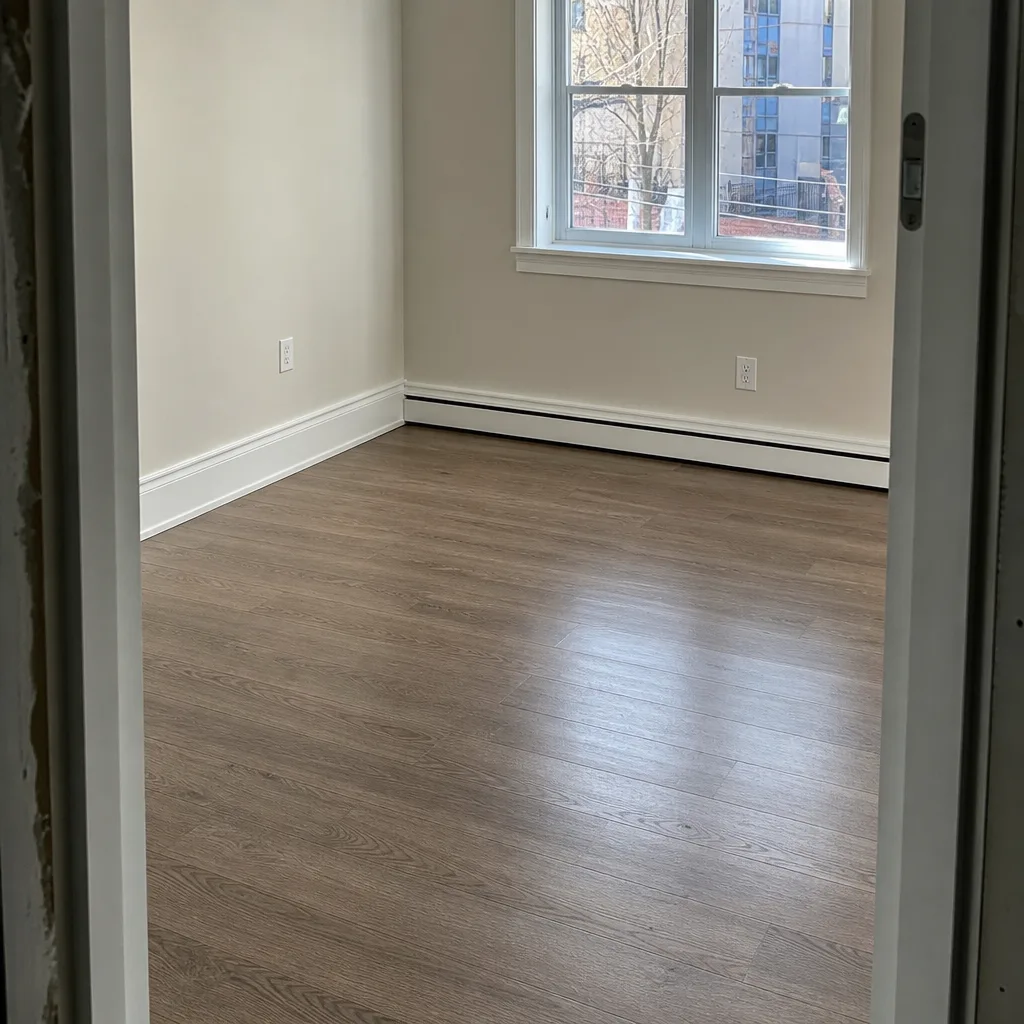 After
After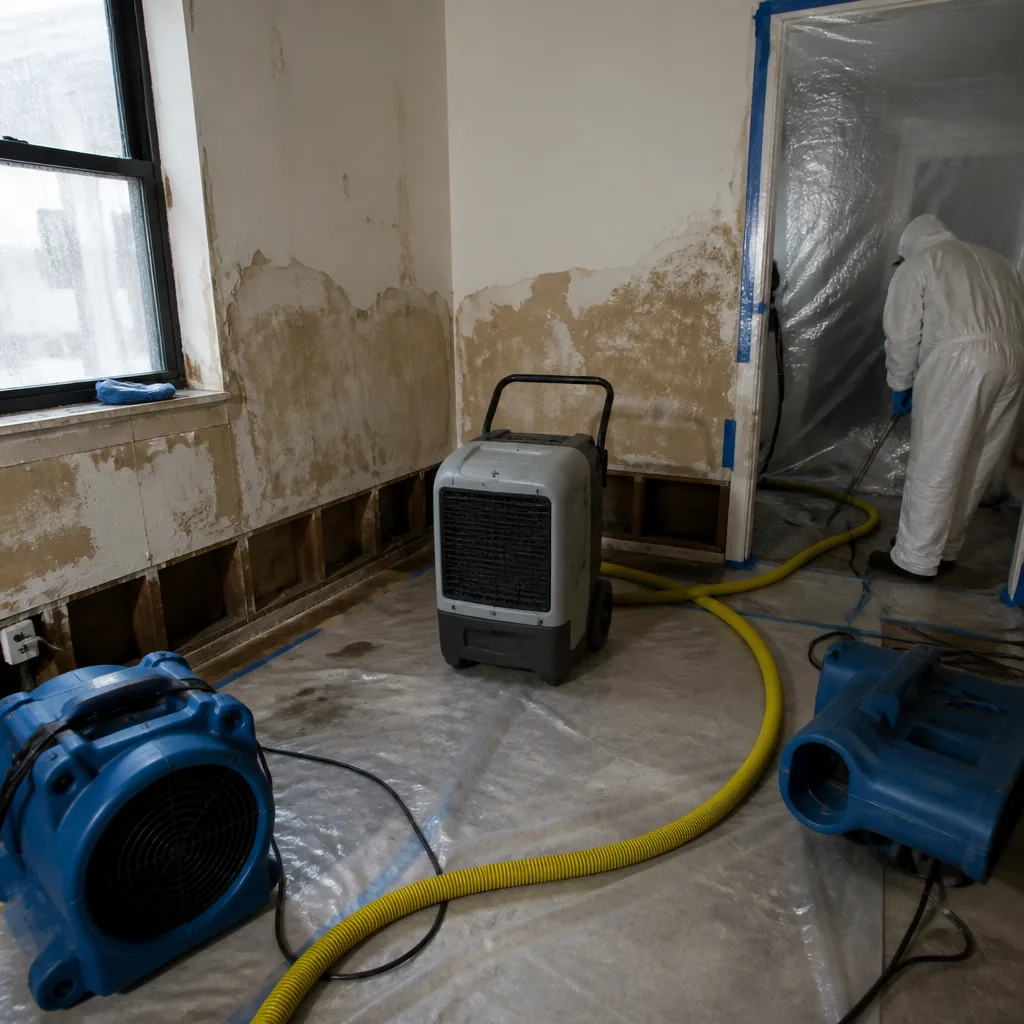 Before
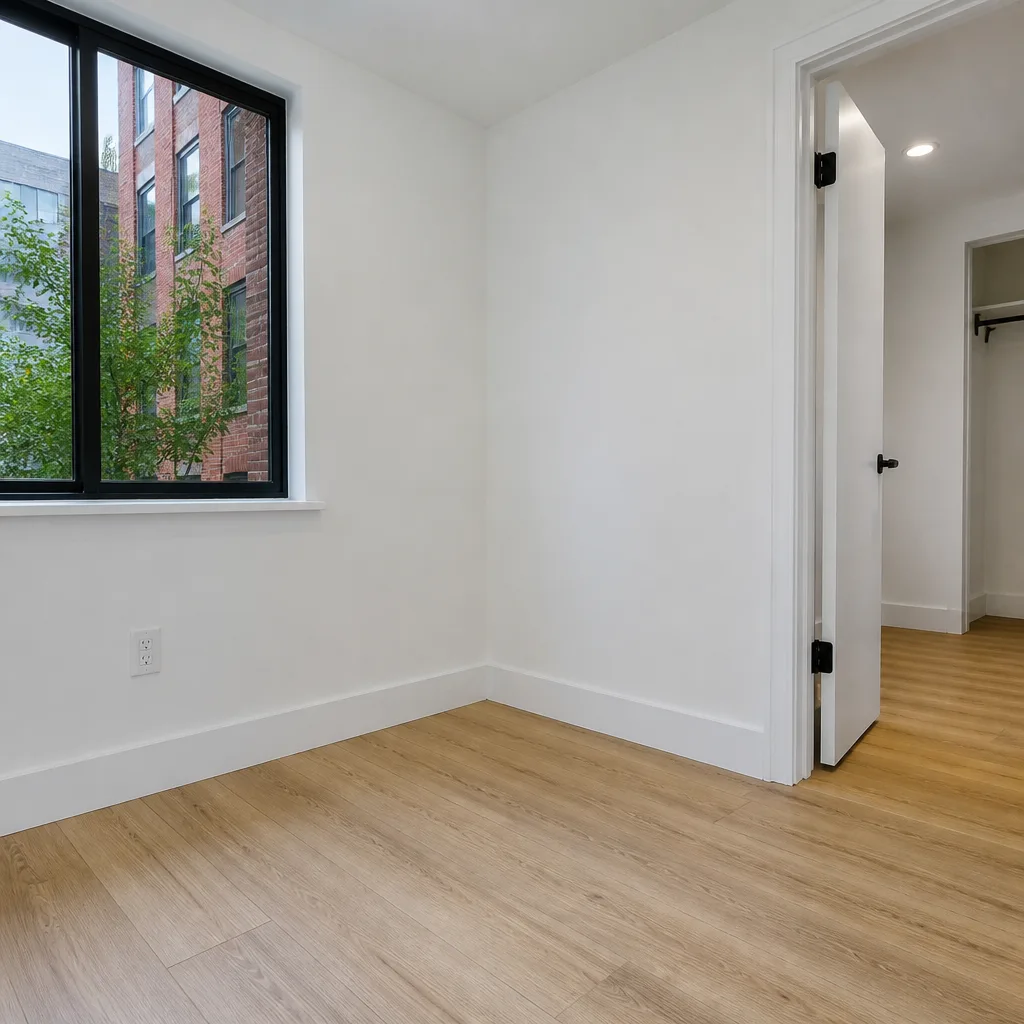 After
AfterHow to Hire a Damage Restoration Contractor in Long Island City: A Step-by-Step Guide
A contractor who arrives within the hour but hands you nothing in writing has already created the conditions for a denied or reduced claim. An insurer doesn’t care how fast the crew moved; they care what the documentation proves. In Long Island City, where pre-war co-ops, new glass towers, and converted industrial lofts sit shoulder to shoulder, the restoration trade attracts as many paper-pushers as skilled technicians. We’ve seen the difference between a job that closes in thirty days and one that drags for eight months, and it almost always comes down to five pieces of paper that should have been on the kitchen counter before the first dehumidifier started humming. This guide shows you exactly what to ask for, how to verify it, and which red flags mean you should keep looking. For a broader overview, see our Complete Guide to Damage Restoration in Long Island City.
Quick Answer
To hire a damage restoration contractor in Long Island City, verify NYC Home Improvement Contractor registration with the DCA, demand five specific documents before work begins (written scope, itemized estimate, equipment placement plan, daily log template, and photo protocol), and interview the contractor using actual documentation from a previous job. The lowest estimate is often the one most likely to produce a supplemental invoice after your adjuster visits.
Table of Contents
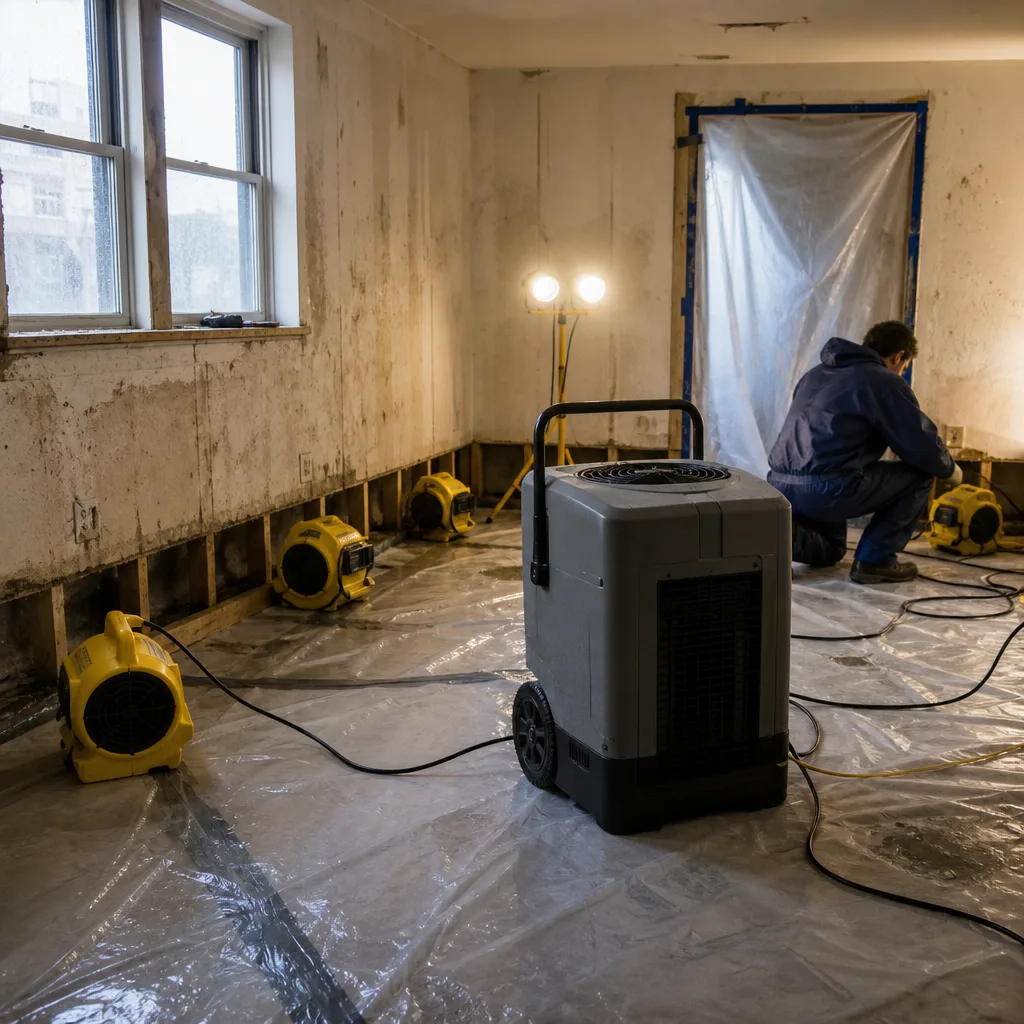
- The Five Documents Every Contractor Should Produce Before Work Begins
- How to Verify NYC-Specific Licensing Requirements
- Red Flags Specific to Post-Storm Contractor Solicitation in LIC
- How to Interview a Contractor Using Their Previous Job Documentation
- Why the Lowest Estimate Often Produces the Biggest Supplemental Bill
- Long Island City-Specific Building and Climate Considerations
- Common Mistakes to Avoid
- When to Call a Professional
- Frequently Asked Questions
- The Bottom Line
BeforeAfterThe Five Documents Every Contractor Should Produce Before Work Begins
At DryMark Restoration Long Island City, we’ve restored over 12,000 homes since 2011, and we’ve learned that the jobs that close clean share one trait: the contractor treated documentation as the product, not an afterthought. Before a single piece of equipment crosses your threshold, you should have five documents in hand. If a contractor can’t or won’t produce them, you’re not looking at a restoration company; you’re looking at a gamble.
1. Written Scope of Work
This is a room-by-room narrative of what will be done, what materials will be removed, and what will be left in place. It should name affected square footage, material classifications (Category 1, 2, or 3 water; Class 1, 2, 3, or 4 damage), and the drying strategy. A scope that reads “dry out basement” is not a scope. A scope that reads “remove 340 sq ft of 1/2″ drywall from south basement wall to 24″ above finished floor; deploy LGR dehumidification to achieve 30-50% RH per IICRC S500; HEPA vacuum exposed framing” is a scope you can hold an insurer to.
2. Itemized Estimate
Line-item pricing for labor, equipment, and materials, with unit costs and quantities. Not a single number on a napkin. Not “about $4,500.” The estimate should reference Xactimate or an equivalent pricing database, and each line should be defensible to an adjuster. At DryMark Restoration Long Island City, we deliver this in writing before work begins, every time, with no exceptions - Haven Standard, Clause 1.
3. Equipment Placement Plan
A diagram or written description showing where each dehumidifier, air mover, and negative air machine will sit, with CFM (cubic feet per minute) ratings and psychrometric targets. Psychrometric data measures temperature, relative humidity, and vapor pressure differential - the actual conditions that determine whether a structure dries or incubates mold. A contractor who can’t explain vapor pressure differential in plain language probably can’t control it.
4. Daily Log Template
A blank version of the form they’ll use to record moisture readings, equipment readings, and job conditions each day. Ask to see a completed one from a previous job - we’ll cover why in the next section. The log should include: date and time of visit, technician name and license number, moisture content readings for affected materials (wood, drywall, concrete), relative humidity and temperature, equipment deployed and settings, and any changes to the scope.
5. Photo Protocol
A written description of what gets photographed, when, and how images are delivered to you. At minimum: pre-loss condition, moisture mapping, equipment placement, daily progress, post-removal condition, and final dry standard verification. The photo record should be included as a standard deliverable, never an upsell. We’ve seen $30,000 claims reduced to $8,000 because the contractor took four photos total and the insurer disputed whether the damage existed at all.
These five documents are not bureaucracy. They are the difference between a claim that pays and a claim that fights you for months. In our experience, the contractors who resist producing them are the same ones who show up with rental equipment from big-box stores and no moisture meters.
How to Verify NYC-Specific Licensing Requirements
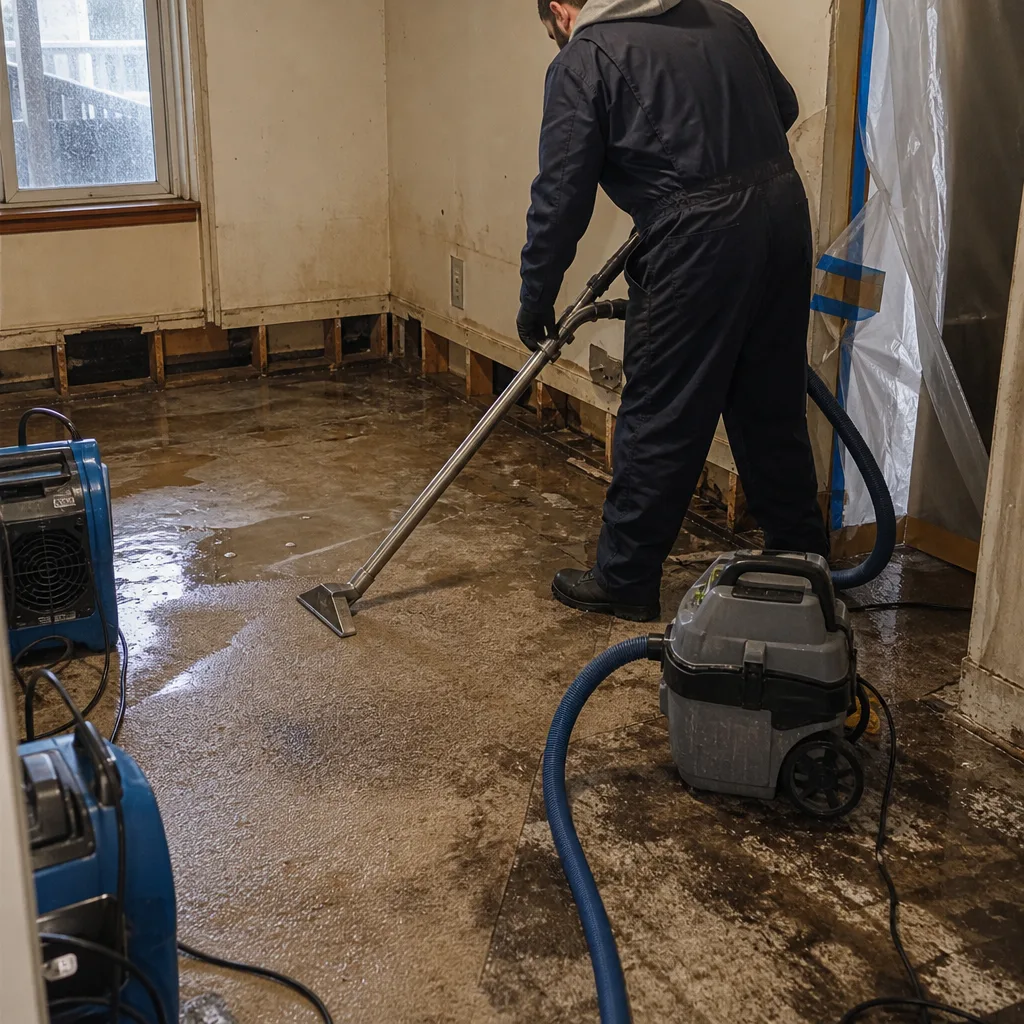
New York City does not make contractor verification optional, and the requirements are specific enough that a general contractor’s license from Nassau County or a home improvement registration from Albany means nothing in Long Island City.
Here’s what to check:
- Home Improvement Contractor (HIC) Registration with NYC Department of Consumer Affairs (DCA): Required for any residential restoration work over $200. Verify active status at nyc.gov/dca. The registration should match the company name on your estimate exactly - not a dba, not a sister company.
- General Contractor License with NYC Department of Buildings: Required for structural work, demolition, or any job requiring a permit. Class A (unlimited), B (medium), or C (minor) depending on scope.
- Asbestos Handling License (if applicable): Pre-1987 buildings in Long Island City, especially the industrial conversions along Vernon Boulevard and Jackson Avenue, may contain asbestos in flooring, insulation, or joint compound. Disturbance requires NYC DEP notification and licensed abatement.
- Workers’ Compensation and Disability Insurance: Verify through the NYC DCA or request a certificate of insurance naming you as additional insured for the project duration.
- EPA RRP Certification: Required for disturbing lead paint in pre-1978 residential buildings. Many of the two-family homes and small apartment buildings in Hunters Point and Dutch Kills fall under this rule.
Ask for license numbers in writing. A legitimate contractor provides them without hesitation. At DryMark Restoration Long Island City, our technicians carry license documentation and present it on request - background-checked, uniformed, and verified before they arrive.
One specific Long Island City wrinkle: buildings in the Special Long Island City Mixed Use District or within 100 feet of the waterfront may have additional DEP or DEC requirements for dewatering, especially after flooding events. A contractor who works LIC regularly knows this. One who doesn’t may start work and discover mid-job that permits are required, adding weeks to your timeline.
Red Flags Specific to Post-Storm Contractor Solicitation in LIC
Long Island City’s geography - low-lying, waterfront-adjacent, with combined sewer overflow infrastructure that dates to the 1930s - makes it a target for storm-chasing contractors after every significant rain event or East River surge. The red flags are specific and recurring.
Door-Knockers with Out-of-State Plates
After Hurricane Ida in 2021 and the repeated flash flooding of 2023, we saw crews from Florida, Texas, and the Carolinas canvassing Hunters Point and the streets near Anable Basin. Some were legitimate. Many were not. An out-of-state vehicle is not disqualifying, but it is a signal to verify every license, check DCA registration, and confirm where the company maintains a permanent office. A PO box in Queens does not count.
Verbal-Only Pricing
“We’ll figure it out once we start” or “Don’t worry, insurance will cover it” are phrases that should end the conversation. Haven Standard, Clause 1 exists precisely because this practice is endemic in post-disaster environments. A written price before work starts is not a preference; it is a firewall against scope creep.
“We’ll Deal with Insurance Directly” Pitches
This is illegal in New York without explicit written authorization, and it is a common precursor to assignment of benefits (AOB) abuse. In AOB scams, the contractor takes control of your claim, inflates the invoice, and sues your insurer when payment is disputed - leaving you with a lien on your property and a canceled policy. Never sign over your claim rights without attorney review.
Pressure to Sign Immediately
“I can start tomorrow but I need a signature today” is urgency theatre, and it has no place in professional restoration. Documentation takes time. A proper scope takes time. A contractor who won’t let you sleep on a decision is a contractor who doesn’t want you to verify their credentials.
No Local References from Similar Buildings
Long Island City’s building stock is heterogeneous. A contractor who restored a single-family home in Syosset may have no relevant experience with a 1920s brick rowhouse on 21st Street or a high-rise condo on Center Boulevard. Ask for references from buildings similar to yours, with contact information, and call them.
How to Interview a Contractor Using Their Previous Job Documentation
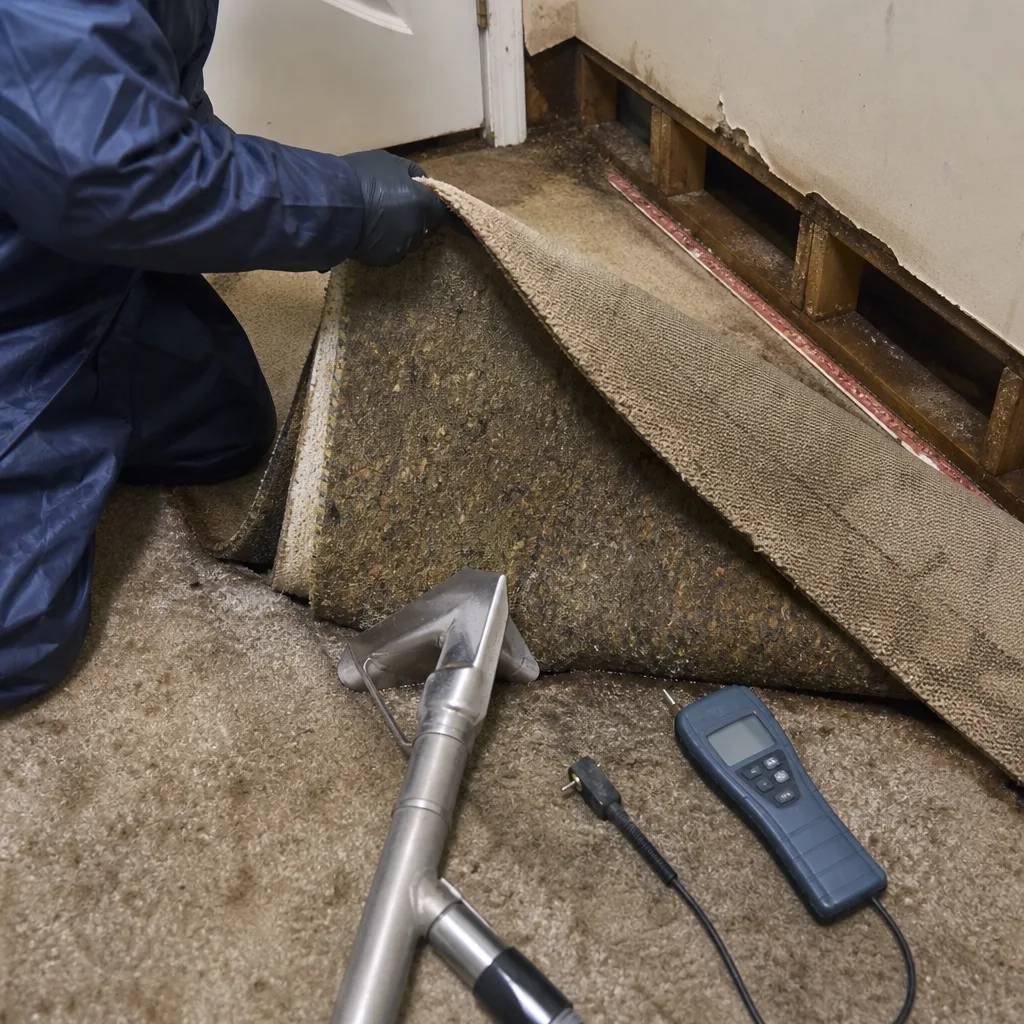
The most revealing question you can ask a restoration contractor is not “How fast can you start?” It is: “Can you show me a completed drying log from a job you finished last month?”
The answer tells you everything. A contractor with organized documentation will produce it, explain it, and walk you through what the numbers mean. A contractor without it will deflect, generalize, or promise to “get you something later.” Later never comes.
Here’s how to conduct the interview:
- Request a completed daily drying log from a recent job. Not a template - an actual log. Look for: technician name and license number, specific moisture content readings (wood should reach 16% or below; drywall 12% or below; concrete 75% RH or below per ASTM F2170), relative humidity and temperature readings, equipment settings, and dated signatures. Gaps in the log mean gaps in oversight.
- Ask to see the photo record from the same job. Count the images. A typical residential water loss should generate 80-150 photos. Look for moisture mapping images with meter readings visible, not just wide shots of equipment. Ask how the photos were delivered to the homeowner and whether they were submitted to the insurer.
- Request the final invoice and the initial estimate. Compare them. Variances under 10% are normal for unforeseen conditions. Variances over 25% suggest either sloppy scoping or deliberate lowballing. Ask for an explanation of any major change orders.
- Ask about the 365-Day Done Right Promise. Not whether they “guarantee their work” - ask for the written document. At DryMark Restoration Long Island City, we stamp this on every job under The Haven Standard. It is not a marketing line; it is a signed warranty with a specific remedy.
- Verify the equipment listed in the log against what they propose for your job. Professional-grade drying systems from Dri-Eaz, Phoenix, and XPOWER produce verifiable psychrometric data. Rental equipment from hardware stores does not. The brand names should appear in the documentation, not just in the sales pitch.
This interview takes twenty minutes. It has saved our prospective clients from six-figure mistakes. One homeowner in Court Square showed us a competitor’s “completed” job where the drying log contained three entries over fourteen days - all with identical readings, clearly fabricated. The basement was still wet when we inspected it.
Why the Lowest Estimate Often Produces the Biggest Supplemental Bill
The estimate that wins on price frequently loses on total cost. This is not intuition; it is pattern.
Low estimates achieve their number through predictable omissions:
- Insufficient equipment: Fewer dehumidifiers and air movers than the square footage and material class require, extending drying time and increasing secondary damage risk. A Class 3 water loss in a 1,200 sq ft Long Island City condo needs approximately 3-4 LGR dehumidifiers and 12-16 air movers per IICRC S500 guidelines. A bid that specifies 1 dehumidifier and 4 air movers is not competitive; it is incomplete.
- No contingency for concealed moisture: Water travels along wall cavities, subfloors, and HVAC ducts. A scope that addresses only visible damage will require supplements once thermal imaging or moisture mapping reveals the full extent. The supplement arrives after work has started, when you have no leverage.
- Exclusion of permit costs: NYC permits for electrical, plumbing, or structural work can add $500-$3,000 depending on scope. A low estimate that omits them becomes a mid-job surprise.
- Labor rates below market: In Long Island City, where skilled trades command Manhattan-adjacent wages, below-market labor rates suggest uninsured subcontractors, undocumented workers, or corners cut on safety and quality.
- No documentation labor: The time to produce daily logs, photo records, and moisture maps is real labor. A contractor who doesn’t budget for it won’t do it, and your claim will suffer.
The supplement cycle works like this: contractor lowballs to win the job, starts work, discovers “unforeseen” conditions that were foreseeable to an experienced estimator, submits supplements to your insurer, and waits. You wait with them, living in a construction zone, while your claim ages and your patience frays. In our experience, the final invoice on a low initial estimate averages 40-60% higher than the original number - when it doesn’t trigger a coverage dispute that delays payment for months.
Haven Standard, Clause 1 - written price before work begins - exists to break this cycle. The price we quote is the price you pay, with documented change-order protocols for genuinely unforeseen conditions. No scope-creep additions once the crew is inside.
Long Island City-Specific Building and Climate Considerations
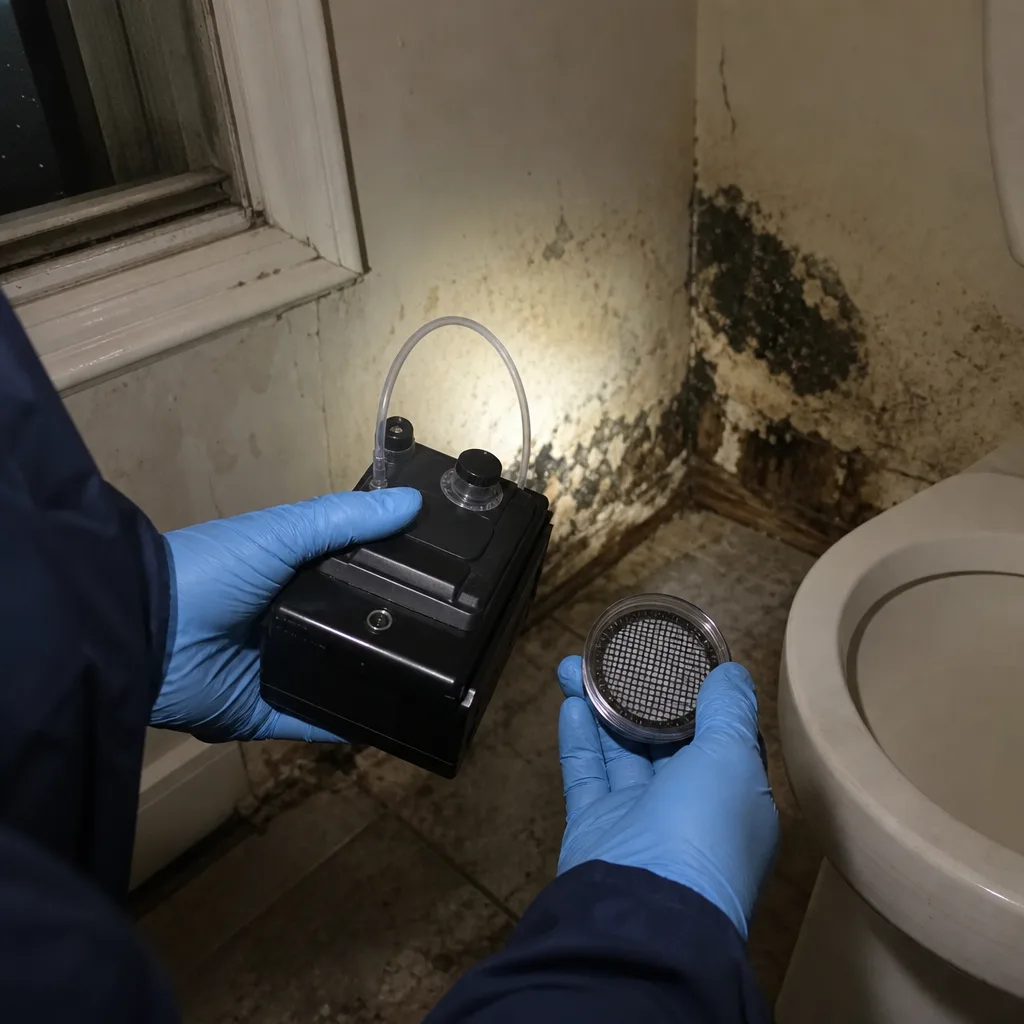
Restoration in Long Island City is not restoration in a generic suburb. The building stock, infrastructure, and climate patterns create specific risks that a qualified contractor should address in their scope.
Combined Sewer Overflow and Category 3 Water
Long Island City’s sewer system combines stormwater and sanitary waste in single pipes. During heavy rain, the system backs up through floor drains and basement fixtures, delivering Category 3 water - grossly contaminated, carrying pathogens and chemicals. Category 3 losses require full removal of porous materials, antimicrobial treatment, and specialized drying protocols. A contractor who treats Category 3 water as Category 1 or 2 is creating a health hazard and a future mold liability.
Pre-War Construction and Plaster
The brick rowhouses and small apartment buildings in Dutch Kills and Ravenswood, many built 1900-1930, use horsehair plaster on wood lath rather than modern drywall. Plaster is more moisture-tolerant than drywall but slower to dry, and it requires different equipment configurations - lower airflow, longer drying cycles, careful monitoring for delamination. A contractor who specs “remove and replace drywall” for a plaster wall doesn’t understand the building.
High-Rise and Condo Protocols
The glass towers along the East River - buildings like those in Hunters Point South - have building management protocols, insurance requirements, and contractor vetting procedures that can add days to mobilization. A qualified contractor has worked with LIC condo boards before, understands the certificate of insurance requirements, and knows how to coordinate with building engineers for water shut-off and electrical isolation.
Vapor Pressure and River Proximity
Buildings within two blocks of the East River experience higher ambient humidity, especially in summer months when vapor pressure differentials between outdoor and indoor air are greatest. This slows natural drying and increases the dehumidification load. A scope that doesn’t account for local psychrometric conditions will under-spec equipment.
Asbestos and Lead in Industrial Conversions
The former factories and warehouses converted to residential use - common along Jackson Avenue and the side streets - may contain asbestos in original flooring, roofing, or insulation, and lead paint on any pre-1978 surfaces. Disturbance requires notification, licensed abatement, and clearance air sampling. A contractor who starts demolition without testing is exposing you to liability and health risk.
Common Mistakes to Avoid
- Hiring based on response speed alone. A contractor who arrives in thirty minutes with no documentation is not faster; they’re just earlier at creating problems. Speed matters for water damage mitigation, but even emergency work should be followed by a written scope within hours, not days.
- Accepting a verbal estimate. In New York, verbal contracts for home improvement work over $200 are unenforceable. If it’s not in writing, it doesn’t exist. Haven Standard, Clause 1 was written because this mistake is so common and so costly.
- Not verifying DCA registration independently. Don’t trust a contractor’s word or a photocopied certificate. Check nyc.gov/dca yourself. We’ve encountered contractors who presented expired registrations or registrations belonging to unrelated companies.
- Ignoring the equipment list. “Dehumidifiers and fans” is not a specification. Ask for model numbers, CFM ratings, and the basis for equipment count (square footage, material class, psychrometric load). Professional-grade drying systems from Dri-Eaz, Phoenix, and XPOWER are standard in legitimate restoration; consumer-grade equipment is not.
- Signing an assignment of benefits without legal review. This transfers your insurance rights to the contractor and is a known vector for fraud in New York. Never sign one under pressure, and consider having any restoration contract reviewed by an attorney or public adjuster.
- Choosing the lowest estimate without comparing documentation quality. The lowest bid is often the one with the thinnest paper trail, and thin paper trails produce denied claims. Compare the five documents, not just the bottom line.
- Not asking about mold prevention during water damage restoration. Long Island City’s humidity and building density create persistent mold risk. A mold remediation plan should be part of any water loss scope, not an afterthought discovered three weeks later.
When to Call a Professional
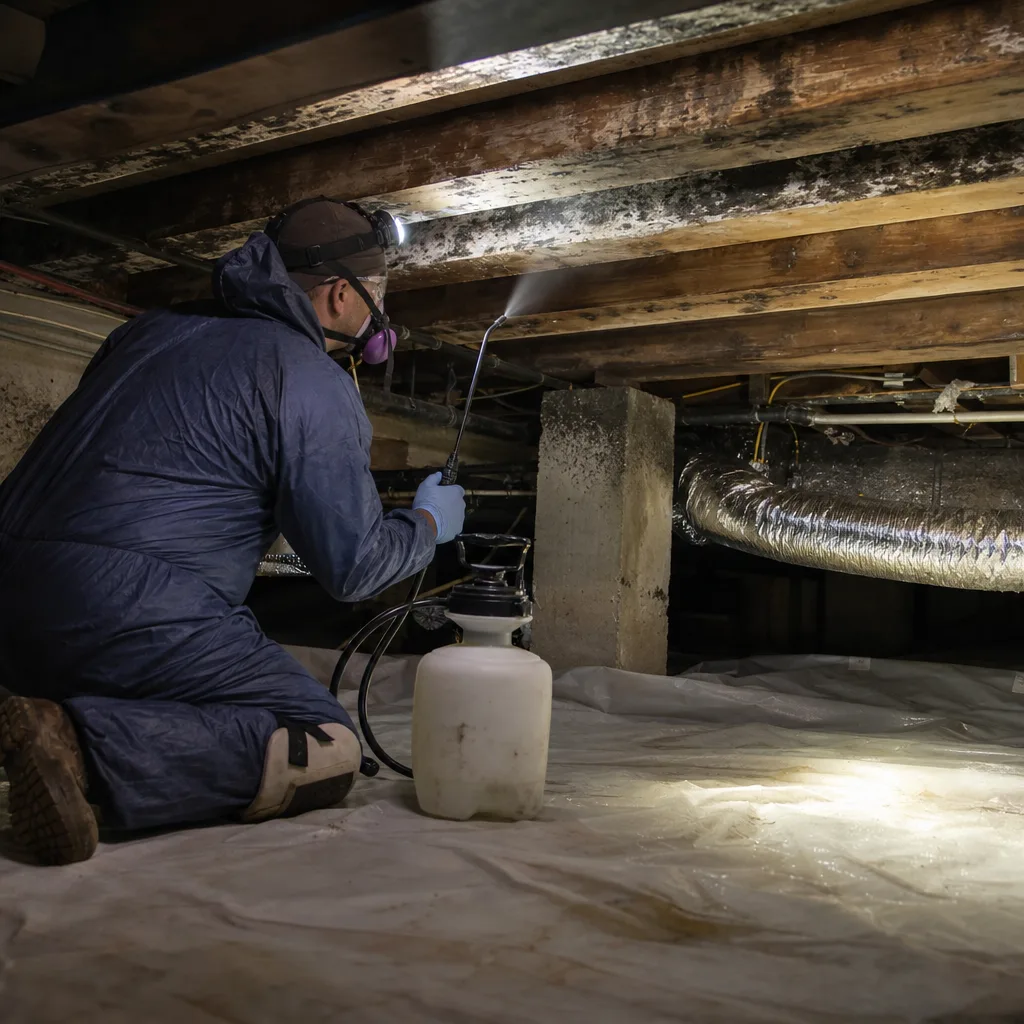
Some situations demand immediate professional response, not DIY assessment. Call a licensed restoration contractor if: water has affected finished walls, ceilings, or flooring; you smell musty or earthy odors indicating hidden moisture; visible mold covers more than 10 square feet; sewage or gray water is involved; the loss occurred in a multi-unit building where damage may have spread to adjacent units; or your insurer has already assigned an adjuster and you need documentation to match their timeline.
DryMark Restoration Long Island City offers free estimates in Long Island City - call (914) 530-9723. Our live phone coverage is available 24 hours a day, 7 days a week with no voicemail on emergency lines. Every job is quoted in writing before work begins, documented with a photo record on every visit, and covered by the 365-Day Done Right Promise. We also provide a Free Second Opinion on any competitor’s written estimate at no charge.
Frequently Asked Questions
Water damage mitigation typically ranges $1,200-$4,500 for residential losses under 1,500 square feet, with reconstruction adding $3,000-$15,000 depending on finishes and material class. Fire and smoke restoration starts higher due to contents handling and odor remediation, often $5,000-$25,000 for partial-house losses. Exact costs require a written scope based on site-specific conditions. Call (914) 530-9723 for a free estimate - we deliver a written price before work begins, every time, with no exceptions.
Most homeowners policies cover sudden and accidental water damage, fire, and storm damage, but exclude gradual leaks, flooding from outside (without separate flood insurance), and sewage backup (without specific endorsement). The key variable is documentation: insurers pay claims that are documented with photo records, moisture logs, and written scopes. They deny or reduce claims that aren’t. We coordinate directly with adjusters and provide the documentation package that supports full payment.
For emergency mitigation - active water intrusion, sewage backup, or fire suppression water - legitimate contractors in LIC typically arrive within 1-2 hours during normal conditions, longer during widespread events. Reconstruction and non-emergency work is scoped, scheduled, and priced in writing, not dispatched for same-day arrival. Beware of contractors who promise immediate reconstruction; proper scheduling protects quality and documentation.
Category 1 water losses under 10 square feet on non-porous surfaces can sometimes be handled by homeowners with proper equipment. Anything larger, anything involving porous materials (drywall, insulation, carpet pad), anything with Category 2 or 3 water, or any visible mold requires professional remediation. In Long Island City’s humid climate, incomplete drying almost always leads to secondary mold growth within 48-72 hours. The cost of proper remediation is almost always lower than the cost of remediation plus mold abatement later.
You retain control of your claim unless you sign an assignment of benefits. A professional contractor provides documentation to support your claim and may communicate with your adjuster at your direction, but should never pressure you to transfer claim rights. At DryMark Restoration Long Island City, we provide photo-documented assessments, written scopes, and direct adjuster coordination as part of standard service - with you as the claimant, not us.
Politely decline to sign anything, take their information, and verify their credentials independently before considering their services. Check DCA registration, request a written estimate, and compare it to at least one other bid. Never pay upfront, never sign over your insurance benefits, and never allow work to begin without a written scope. The legitimate contractors will still be there tomorrow; the scammers rely on pressure and speed.
The Bottom Line
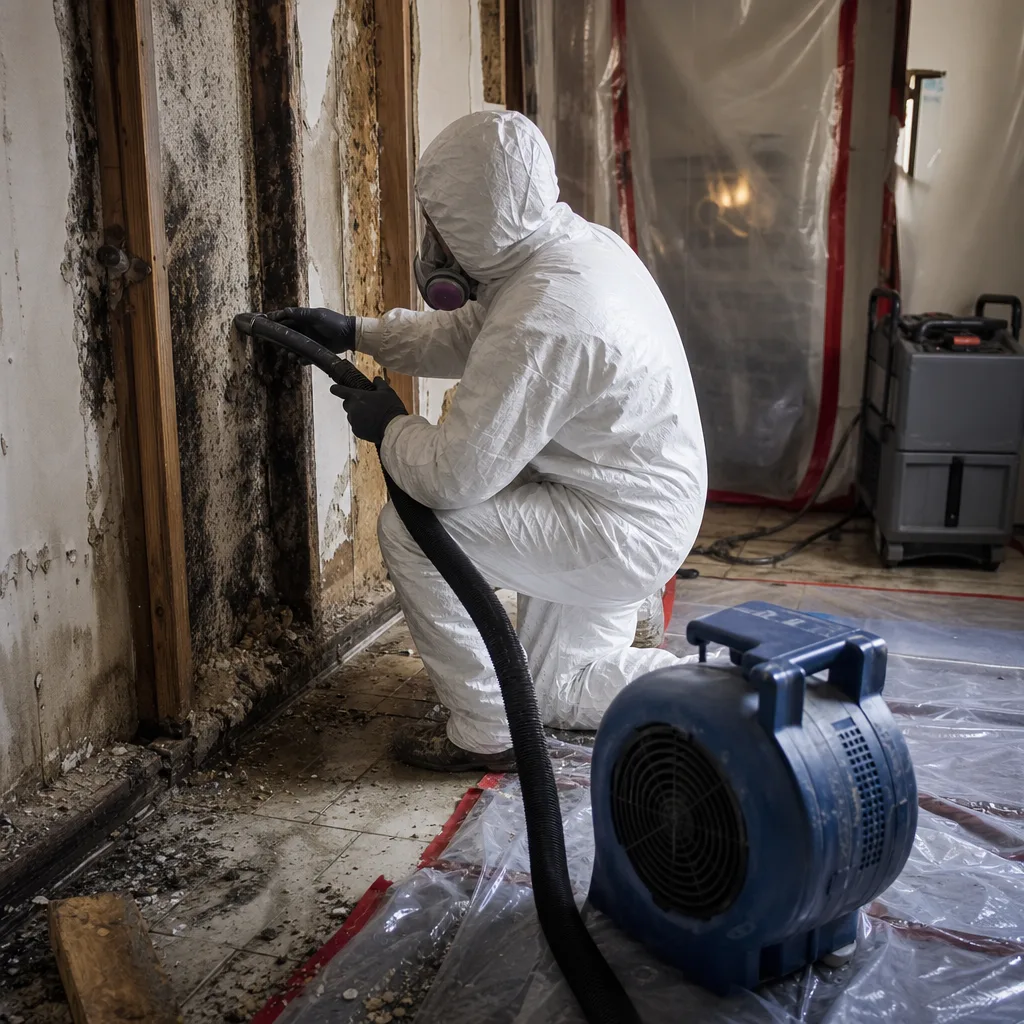
The right question to ask a Long Island City restoration contractor isn’t “how fast can you start?” - it’s “what will you hand me on day one, and what will you hand me when you leave?” The answers predict whether your claim gets paid more reliably than any license or review. Demand the five documents. Verify the licenses yourself. Interview with previous job documentation. And remember that the lowest estimate often carries the highest hidden cost. Documentation is not bureaucracy; it is the product. Everything else is just noise. For more guides & resources, visit our blog.
Written by Alicia Brennan, Owner at DryMark Restoration Long Island City, serving Long Island City since 2011.