
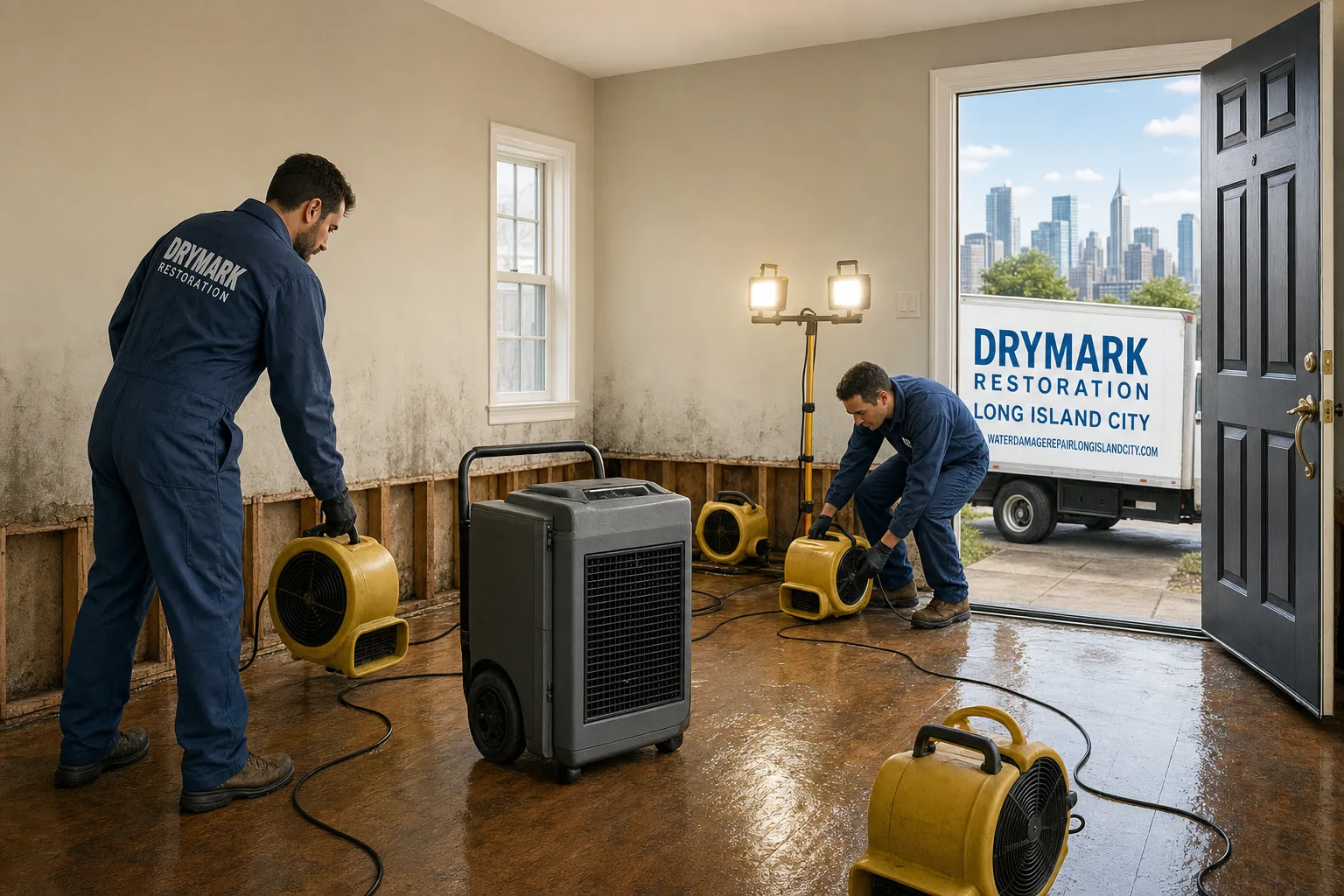
Free visual inspection and a written scope of work before any mitigation begins - photos, moisture readings, and drying logs go in your claim file
The scope we write is the scope we bill. Anything new gets shown to you, in writing, before we touch it.
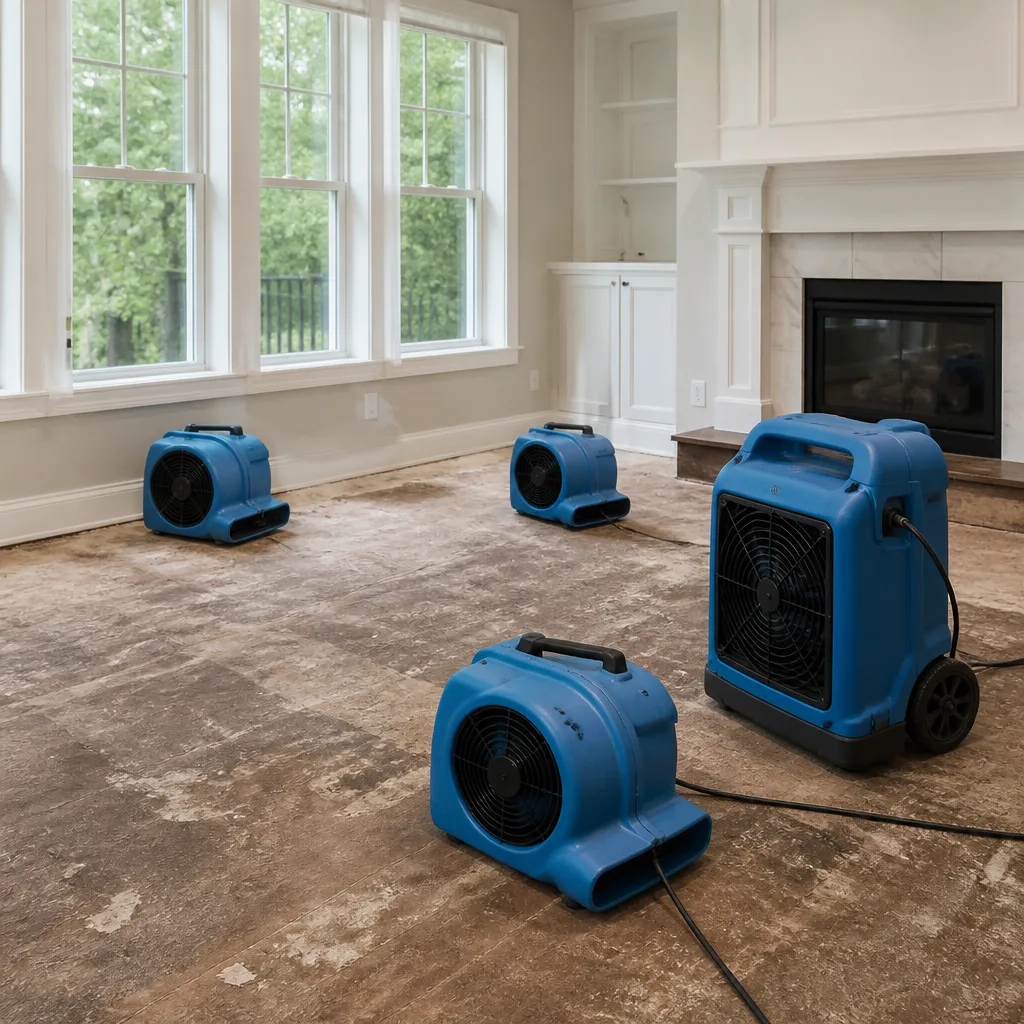

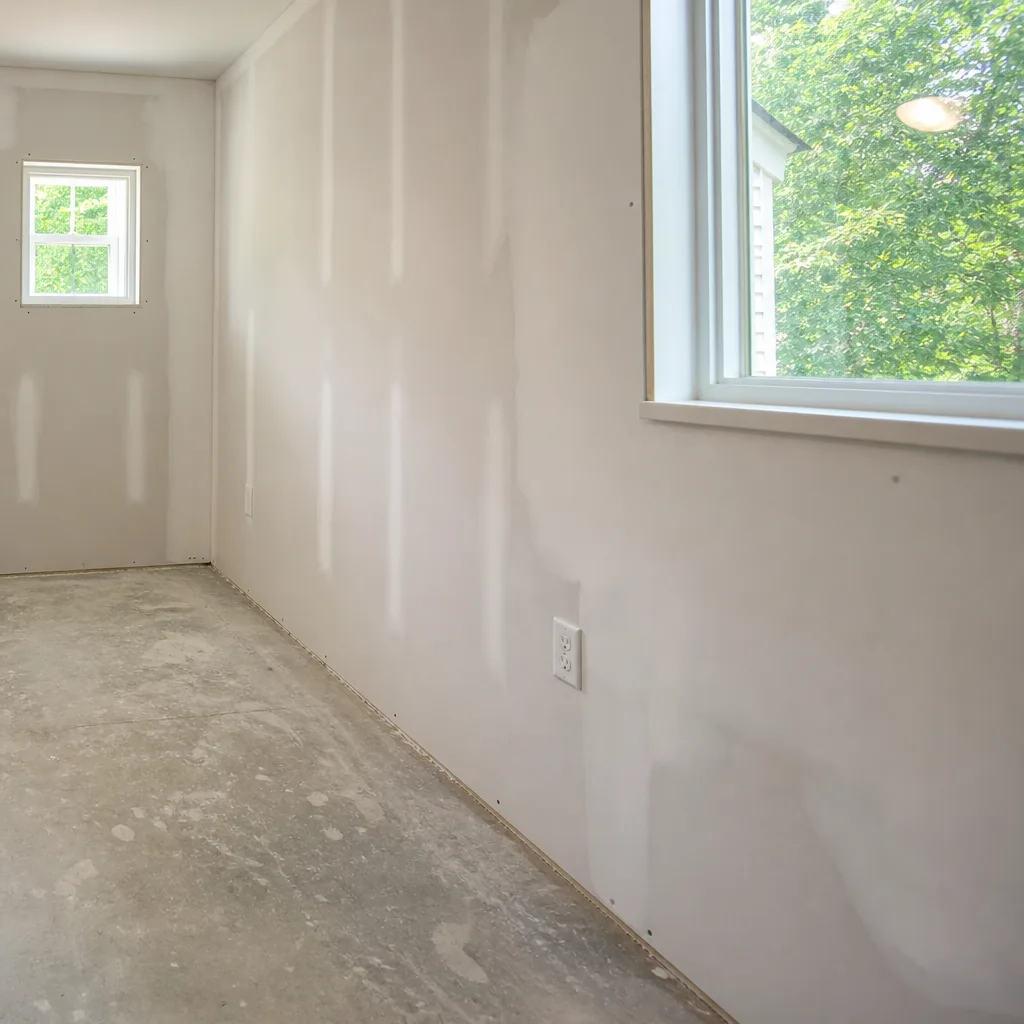
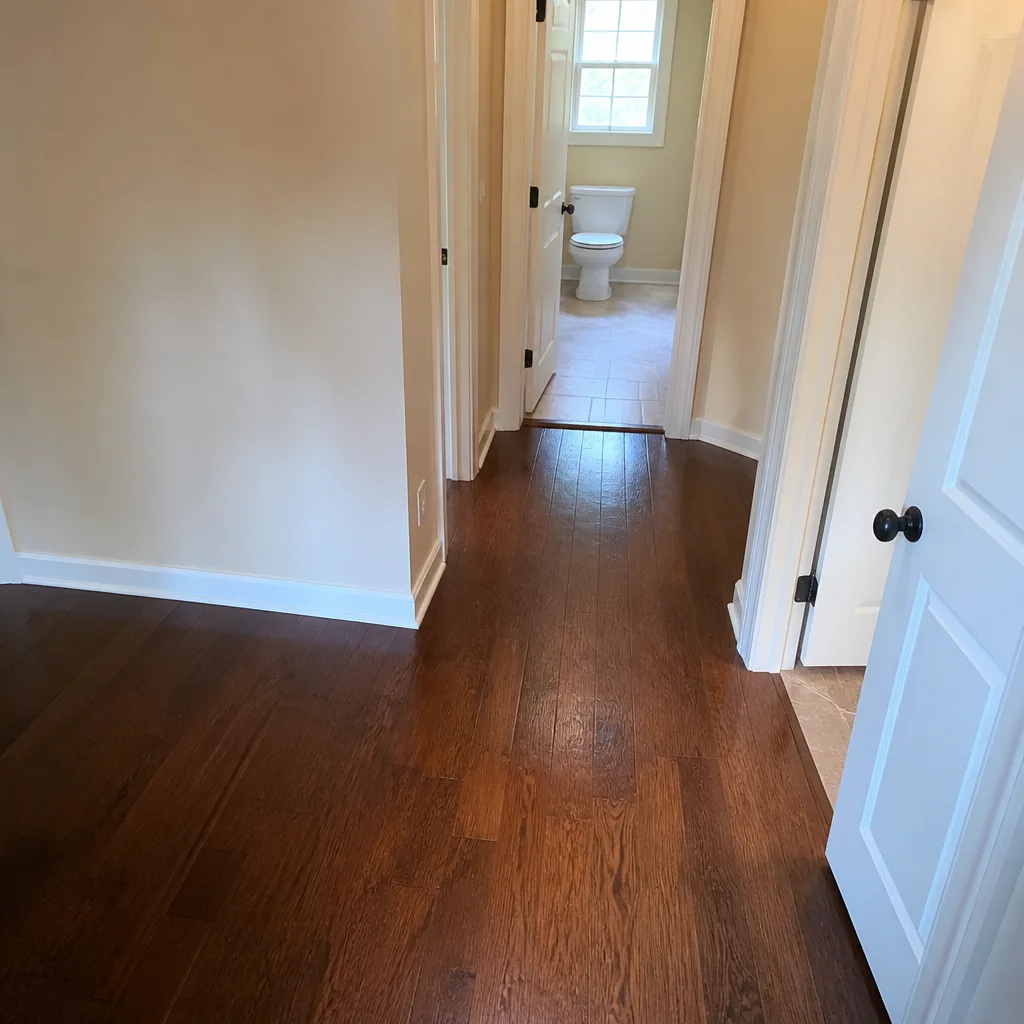
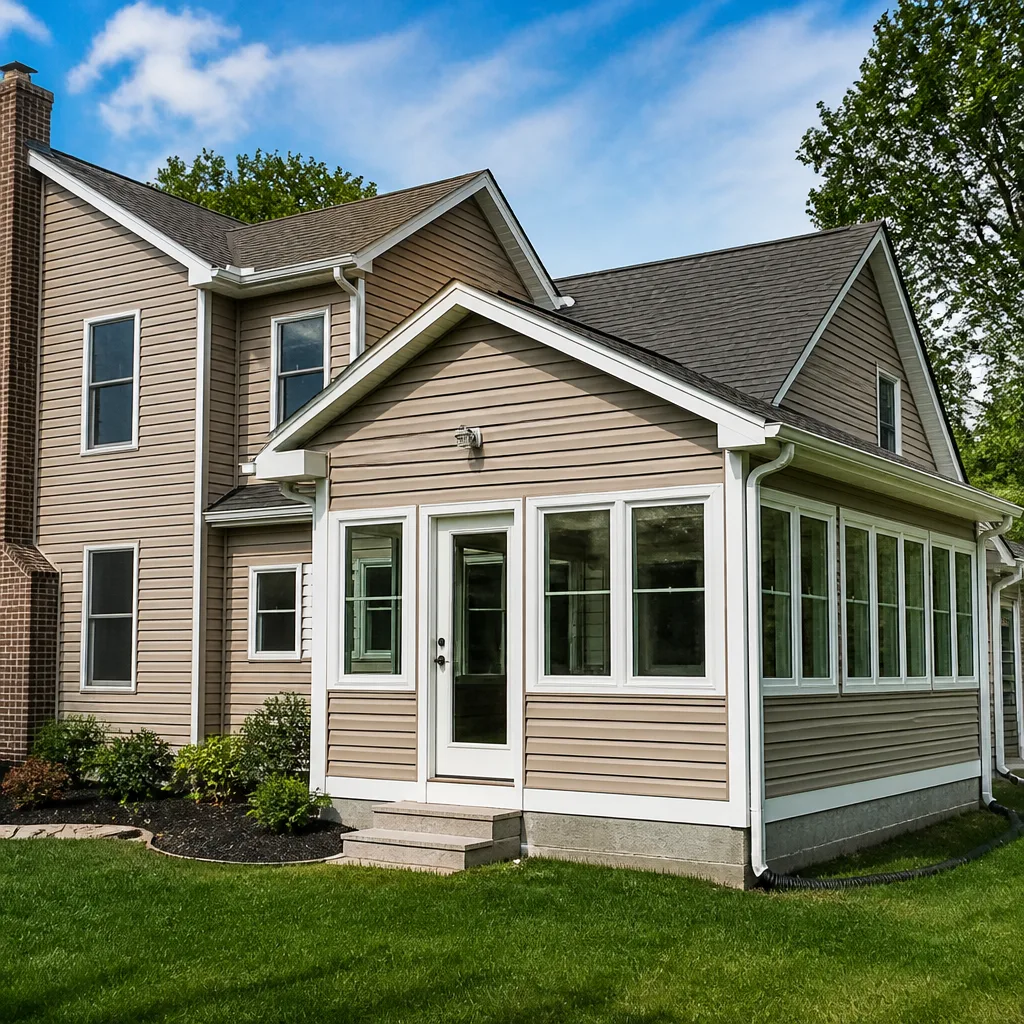
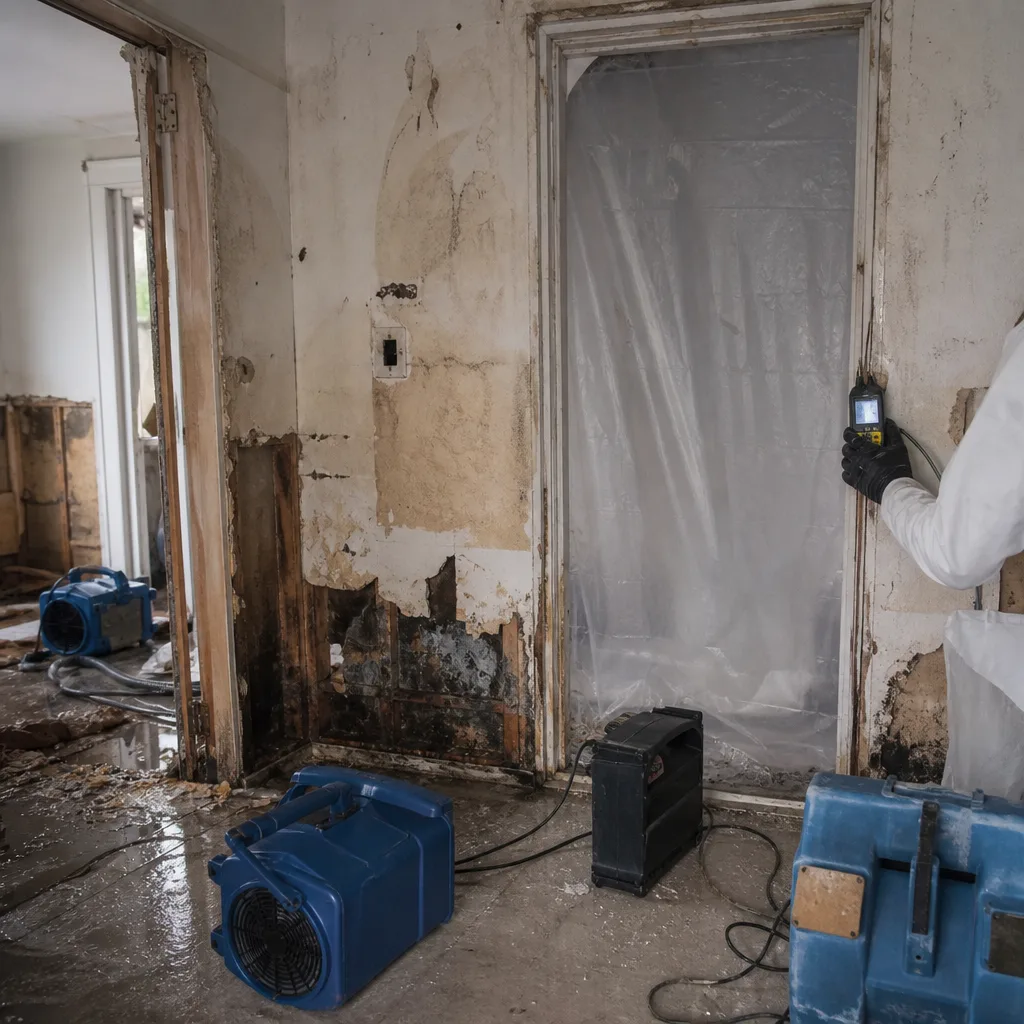 Before
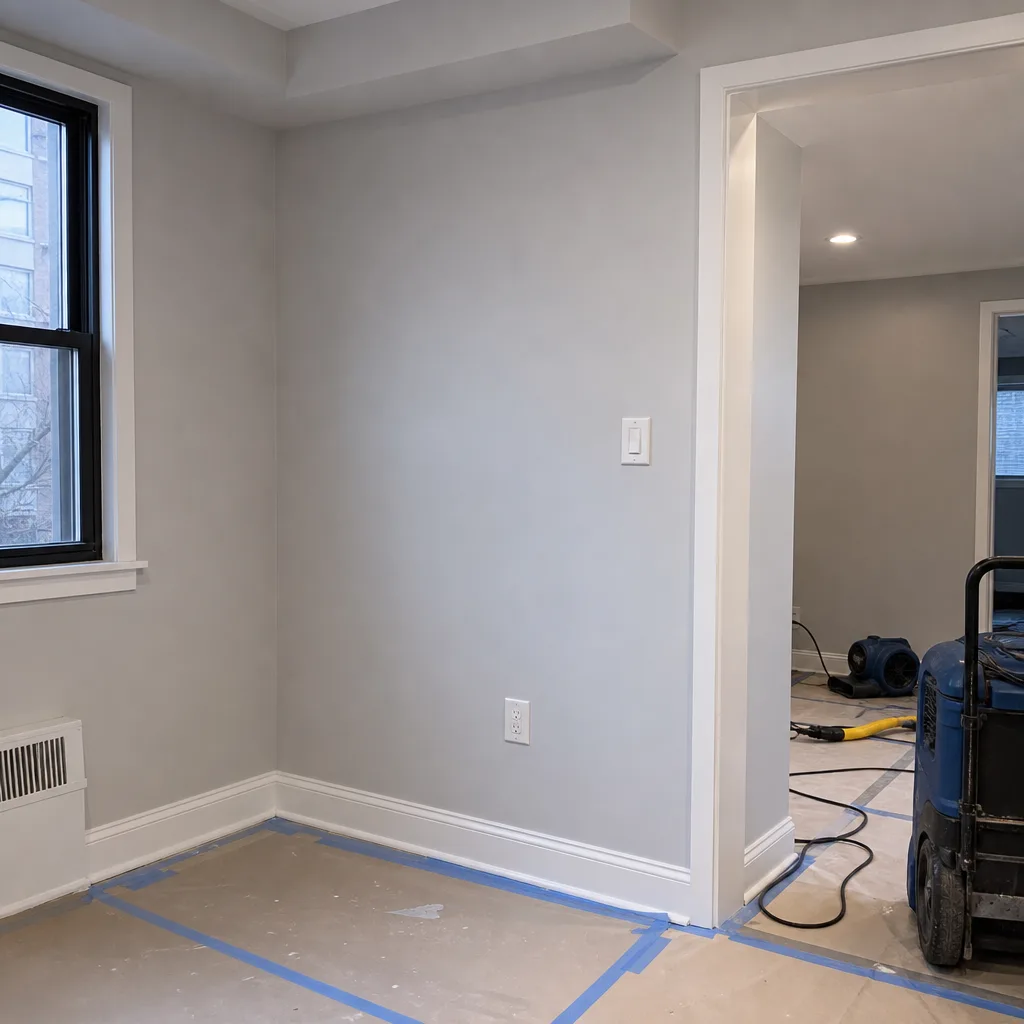 After
After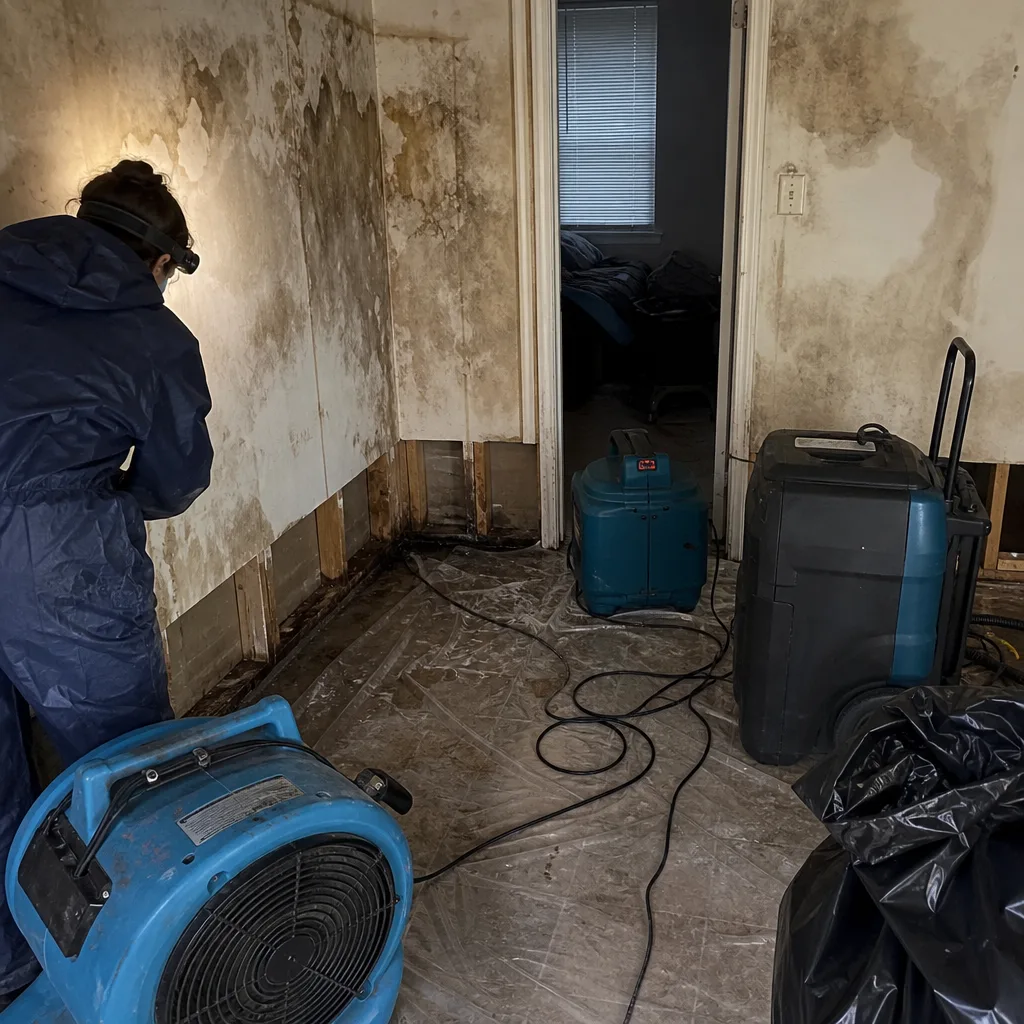 Before
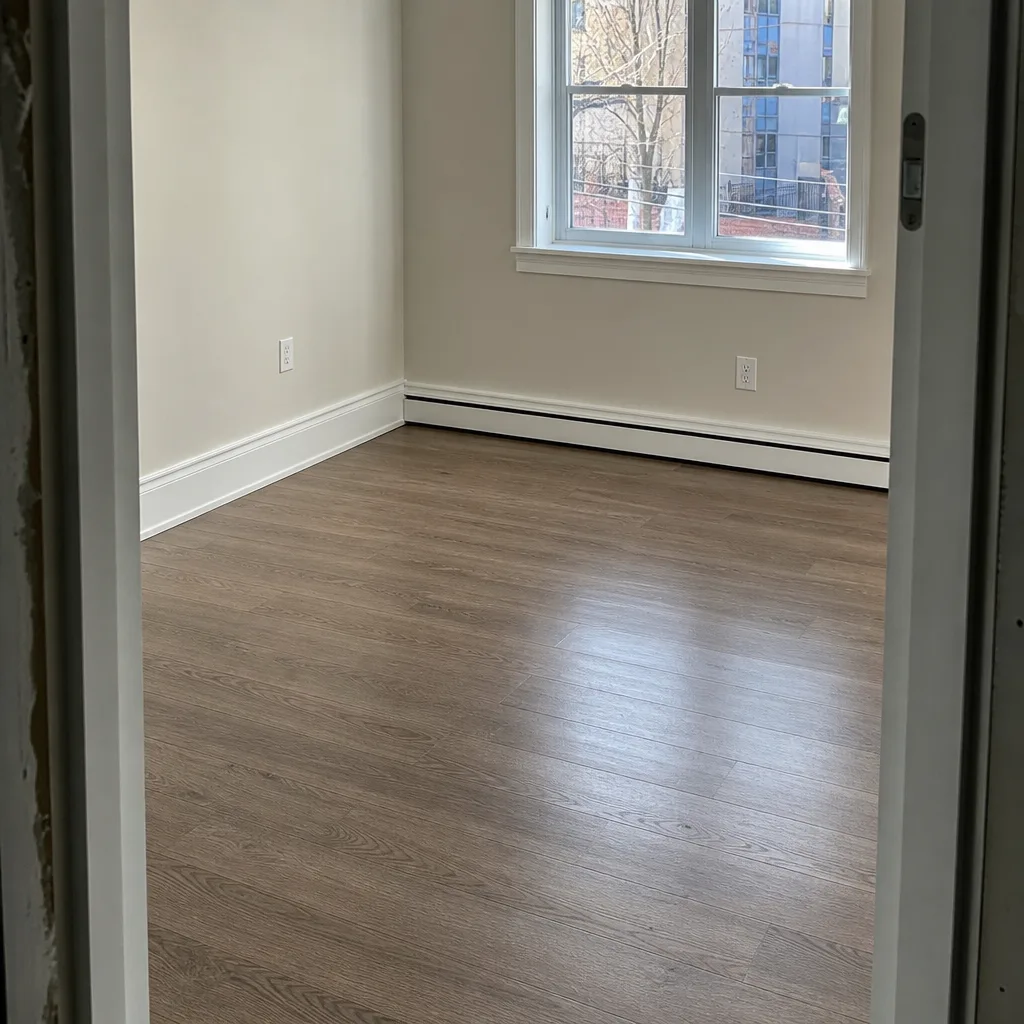 After
After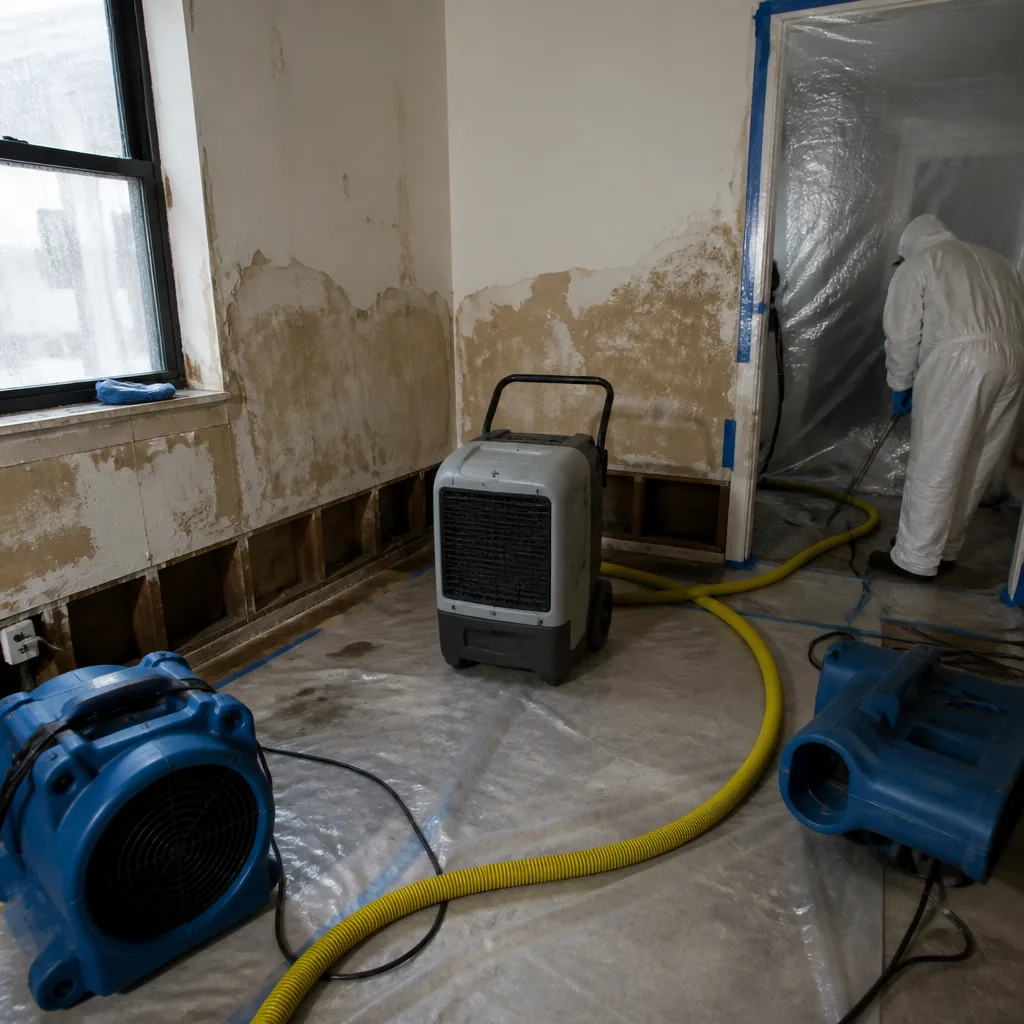 Before
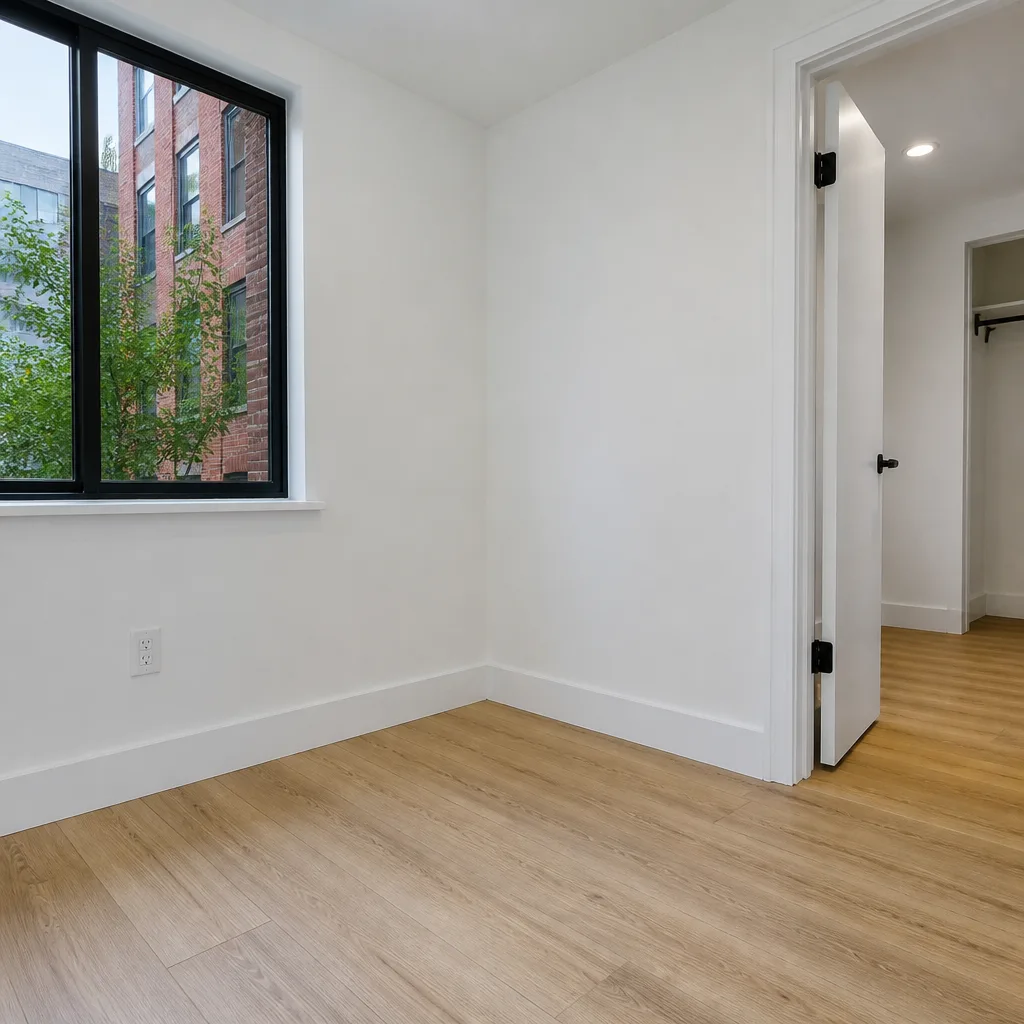 After
AfterFast, Reliable Water Damage Restoration Across Manhattan
Water damage in Manhattan rarely stays in one apartment. A burst pipe on the 14th floor of a pre-war co-op sends water through horsehair plaster ceilings into three, four, five units below before the super even knows it’s happening. We’re DryMark Restoration Long Island City, and we built our Manhattan response around that reality: multi-unit losses, multiple insurance policies, and the permit-and-survey requirements that gate every move in a pre-1980 building. Our crews are on the road to the Upper West Side, the Financial District, and the East Side waterfront within the hour when steam-heat season hits. Call (914) 530-9723. A live person answers, 24 hours a day, 7 days a week. No voicemail while water is still moving.
Why DryMark Restoration Long Island City Is Manhattan’s Preferred Water Damage Restoration Company
We’ve restored water damage in Manhattan since 2011, and our file on this market runs deep. Alicia Brennan founded this company after years as a claims adjuster watching homeowners lose coverage fights because their restoration company couldn’t produce documentation. That gap is why we operate under The Haven Standard: a written price before work begins on every job, a photo record on every visit, and daily moisture logs that turn restoration invoices into payable claims.
Our Manhattan customers find us because they read the three-star reviews. They want to know what happens when something goes wrong, and they see that we answer those reviews with specifics: the moisture reading that changed, the secondary visit we made, the warranty we honored under Haven Standard, Clause 3. Twelve thousand homes restored since 2011, every one with a written price before the first tool came out of the truck.
Response time to Manhattan runs under an hour from our New York City office during peak season. We know which buildings on West End Avenue have gravity-fed steam systems that fail every October. We know which Financial District towers sit in FEMA flood zones and which East Side co-ops built in the 1920s still have galvanized supply lines reaching end of life. That local knowledge means we arrive with the right equipment and the right expectations, not a generic checklist.
Our Water Damage Restoration team is background-checked, uniformed, and licensed. The license number is on the page. Every technician is named and verified before they arrive.
Our Water Damage Restoration Services in Manhattan
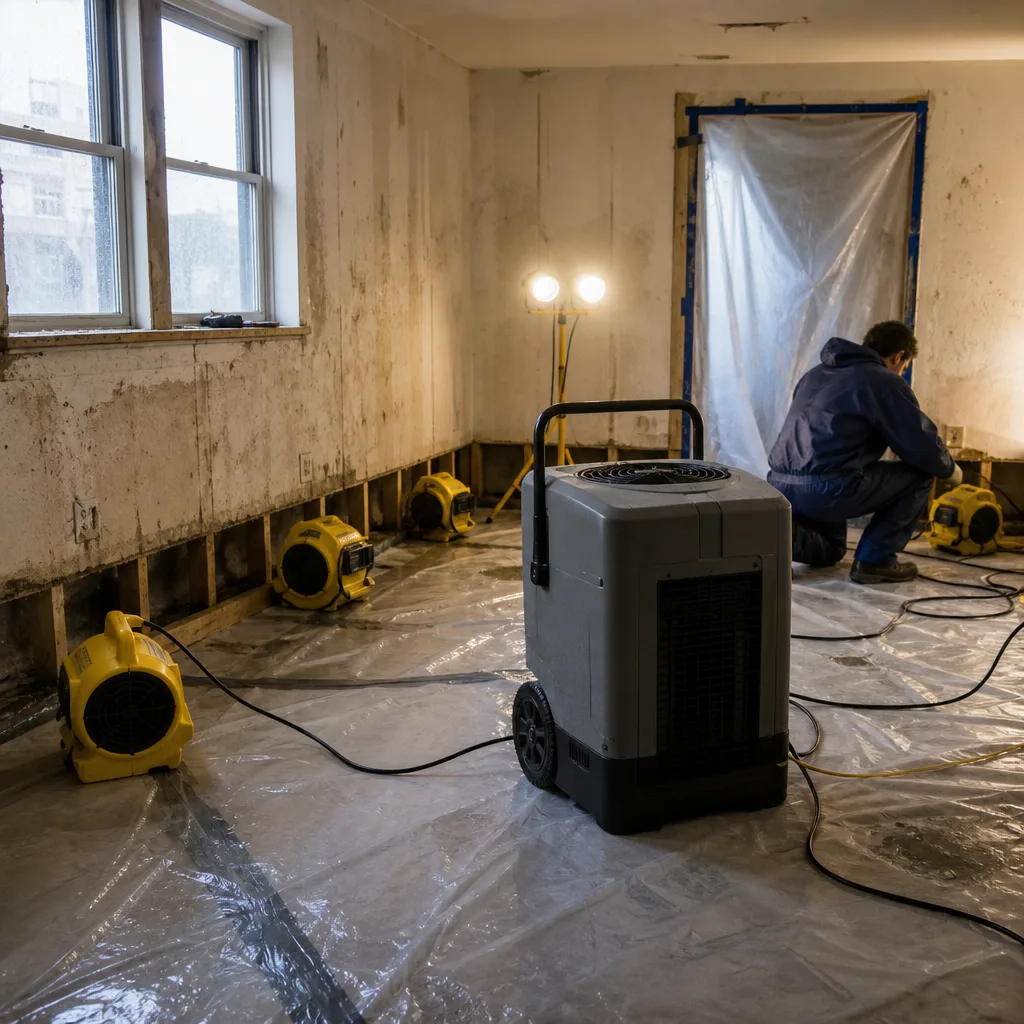
Emergency Water Extraction
When a steam condensate line fails on a vertical stack in a West 80s co-op, water doesn’t pool politely. It runs through horsehair plaster, down electrical chases, and into the uninsulated void spaces between original floor assemblies. Our emergency extraction teams deploy truck-mounted systems and portable flood pumper units to remove standing water from multiple units simultaneously. In Manhattan, extraction is almost always a multi-apartment operation. We contain each affected unit, extract to the subfloor or concrete slab, and document gallons removed for the drying log that goes to your adjuster.
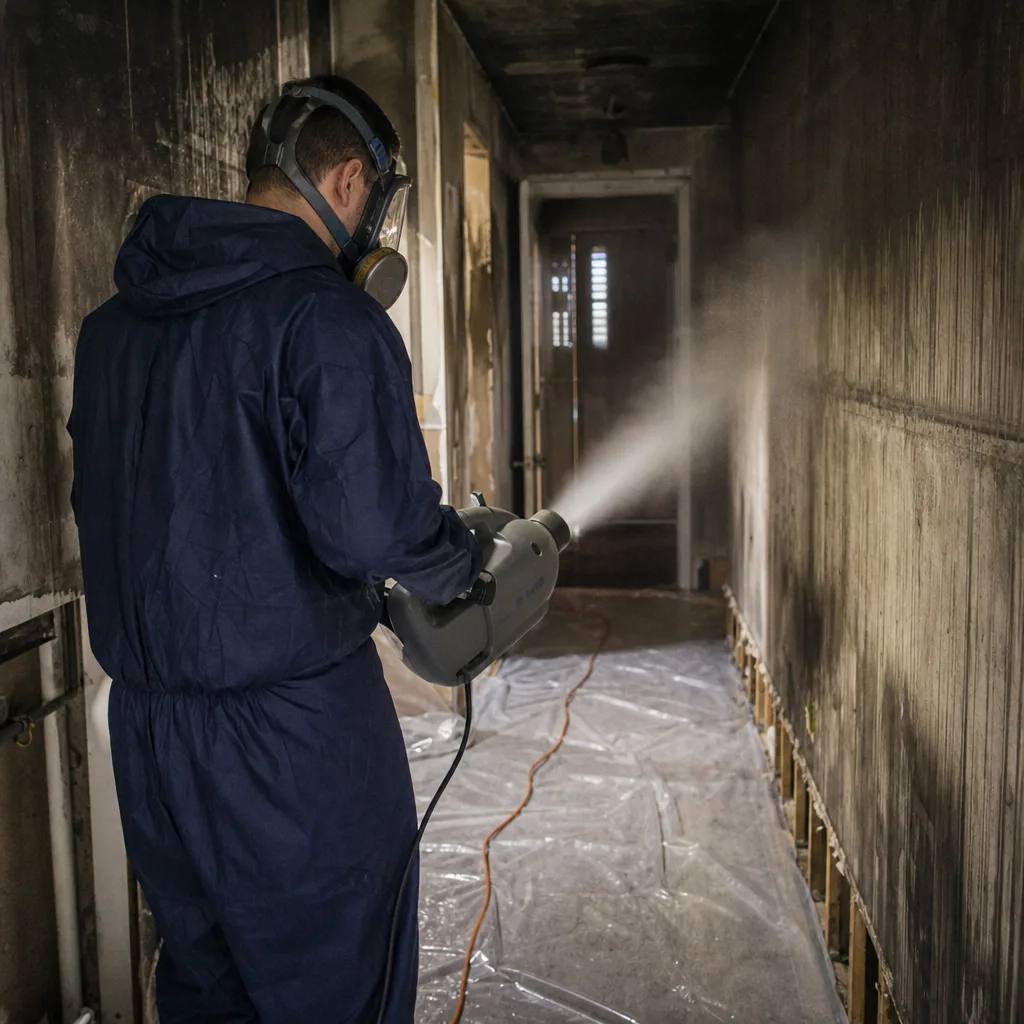
Structural Drying & Dehumidification
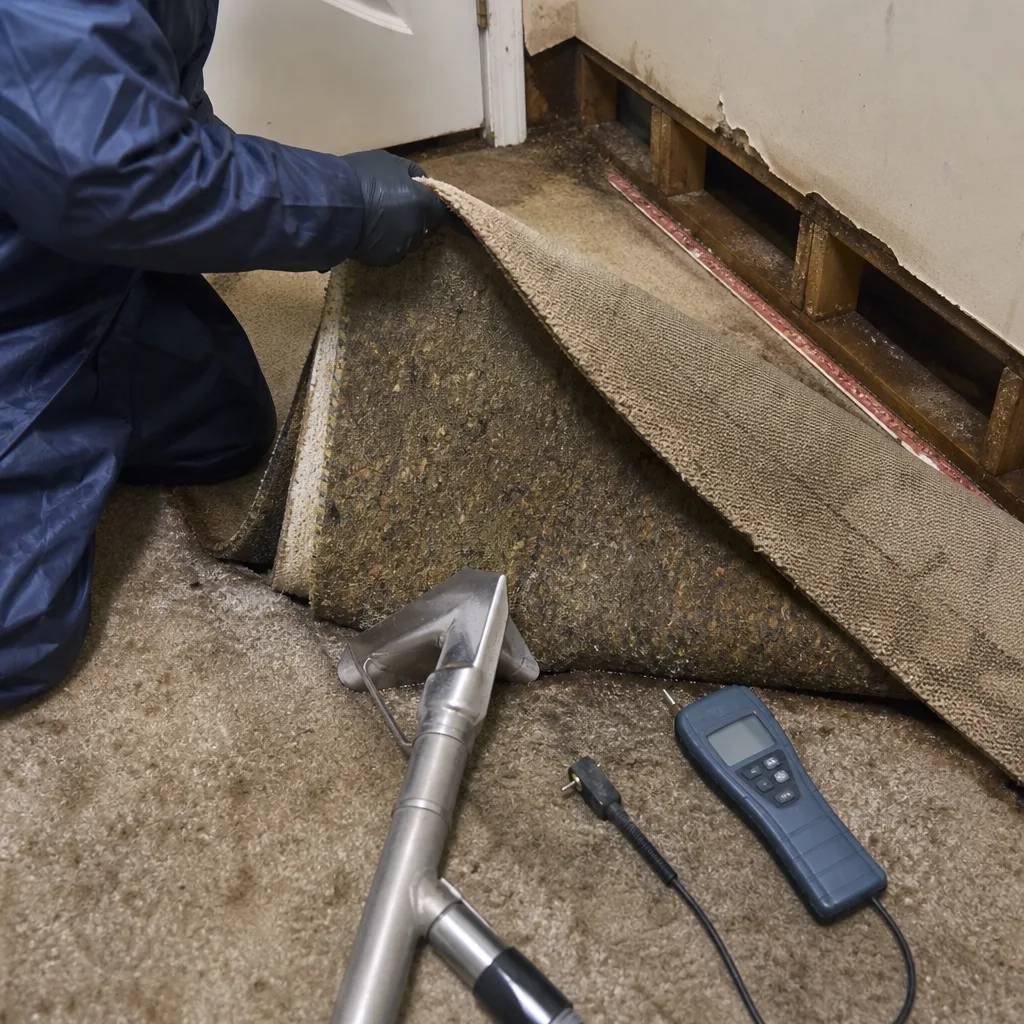
Manhattan’s pre-war buildings dry differently than suburban drywall. Horsehair plaster is porous and holds moisture in its gypsum core long after the surface reads dry. Cast iron radiators and embedded copper lines create thermal bridges that redistribute moisture. We deploy Dri-Eaz and Phoenix dehumidification systems sized to the cubic volume of affected space, not just the square footage. Psychrometric data - temperature, relative humidity, and vapor pressure differential - is logged daily. Tertiary drying, the final phase where hidden moisture equalizes across materials, typically runs 72 to 96 hours longer in Manhattan plaster assemblies than in standard frame construction. We don’t sign off until the numbers say we’re done.
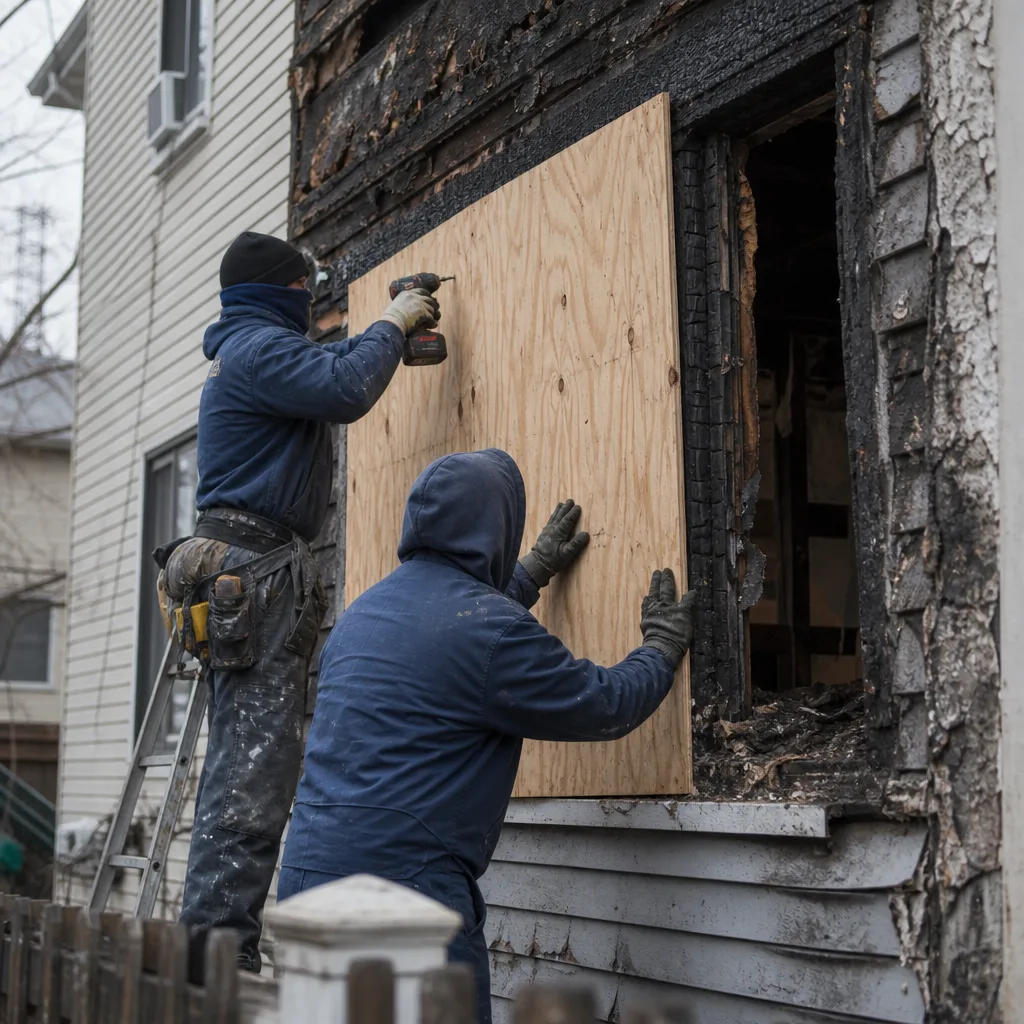
Flood Cleanup
Lower Manhattan and the Financial District sit in FEMA flood zones where storm surge from nor’easters and hurricanes drove catastrophic basement and ground-floor inundation during Sandy in 2012. Flood cleanup here means Category 3 water, every time: river water, sewage backup, and chemical contaminants. We extract, remove compromised porous materials, apply antimicrobial treatment to structural elements that can be saved, and document every decision with photos for your flood insurance claim. Buildings with flat rooftops and minimal mechanical pitch also see recurring winter intrusion at HVAC curbs and parapet walls - flood cleanup without the flood, but the same contamination risk from long-standing water.
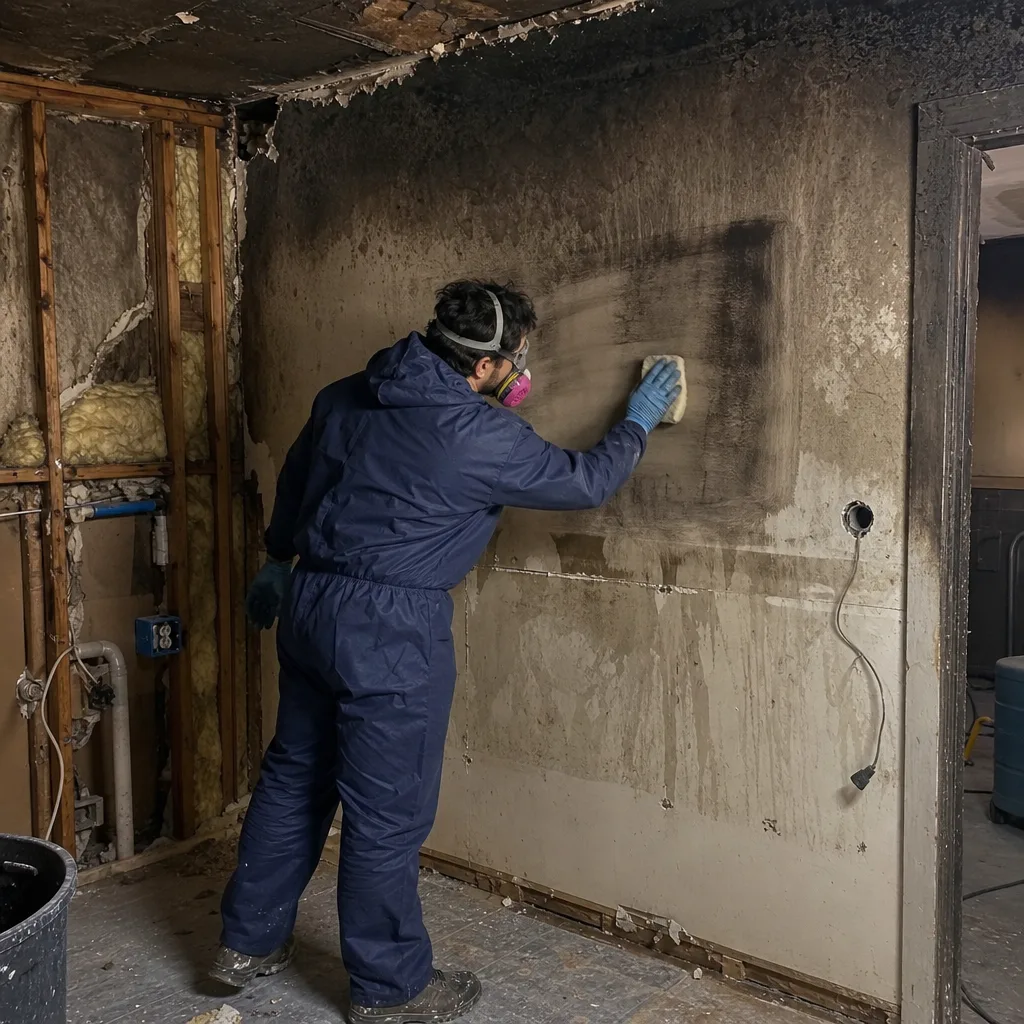
Burst Pipe Restoration
Manhattan’s burst pipe season starts predictably: the first cold snap in October, when buildings fire up steam heat for the first time since April. Aging condensate return lines and valve packing fail under pressure. A single failed fitting on a vertical stack can affect units from the top floor to the basement in under an hour. Our burst pipe response includes immediate water shutoff coordination with building management, extraction across all affected units, and moisture mapping of plaster ceiling cavities that look dry but hold trapped water. We also coordinate the NYC Department of Buildings work permits and DEP asbestos and lead-paint surveys that pre-1980 buildings require before dehumidifiers can be placed. Starting without them means a stop-work order and a re-do with disposal costs.
What happens when you call
- 1
A real person answersNo phone trees - you reach a local pro.
- 2
You get an upfront price rangeHonest numbers before anyone is dispatched.
- 3
A background-checked tech heads outLicensed & insured, dispatched right away.
- 4
You approve before work beginsNothing starts until you say go.
BeforeAfterTrusted Brands We Service in Manhattan
Our equipment fleet runs on Dri-Eaz, Phoenix, and XPOWER systems - professional-grade drying technology documented to IICRC, RIA, and IFA standards. We stock HEPA air scrubbers, Injectidry cavity drying systems, and low-grain refrigerant dehumidifiers sized for Manhattan’s high cubic-volume apartments. Parts and replacement units are warehoused locally, so if a dehumidifier fails on day three of a five-day dry in a Midtown high-rise, we swap it same-day rather than waiting on freight. Every machine’s output is logged to the drying record that accompanies your invoice.
Common Water Damage Restoration Problems We See in Manhattan Homes
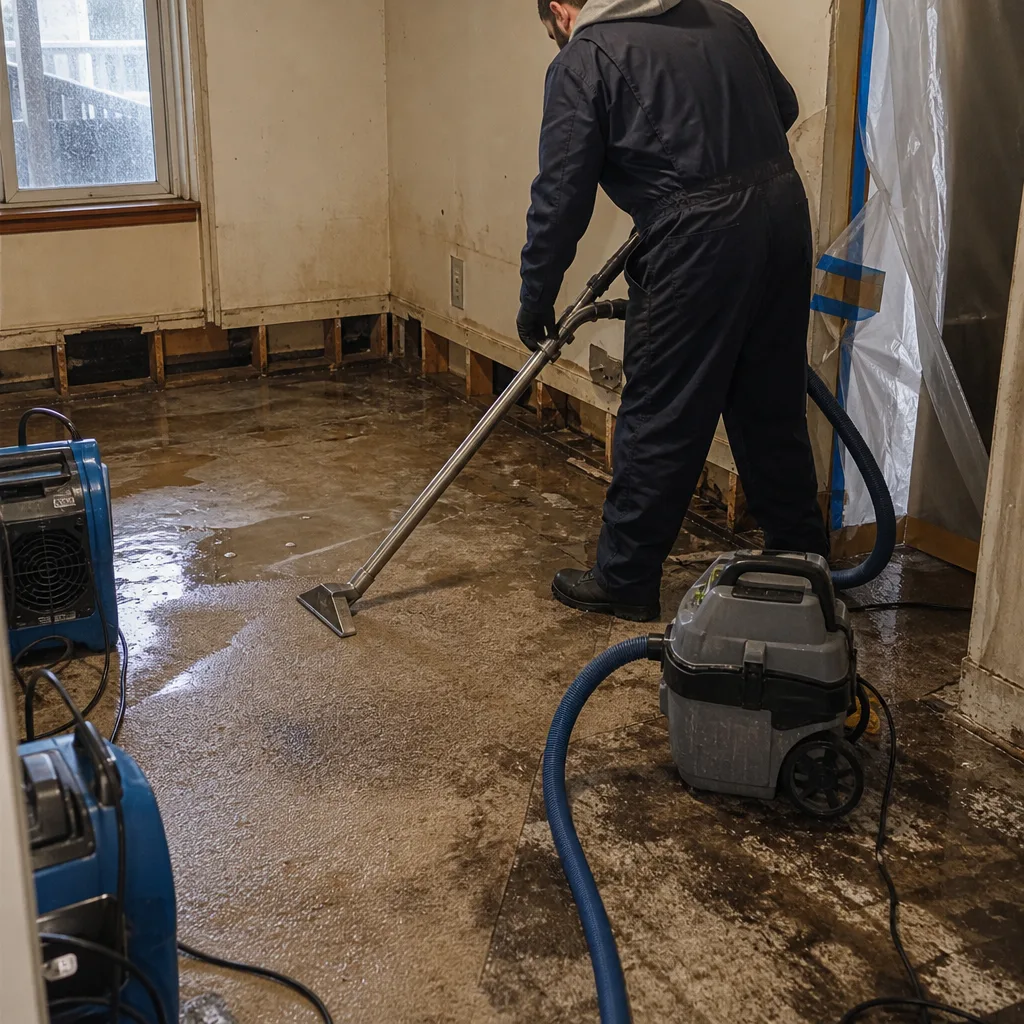
- Steam-heat startup failures every October. The building turns on heat, pressure hits aging condensate returns and valve packing, and water cascades through multiple plaster ceilings before anyone calls. By the time we’re on the phone, three to five units are involved and the loss is already hours old.
- Hidden moisture in horsehair plaster voids. Crews dry the visible wet ceiling and sign off, but uninsulated spaces between original floor assemblies and embedded copper lines keep feeding mold past the 48-hour window. Surface dry is not structural dry.
- Category misclassification on steam and galvanized systems. Condensate mixed with rust from galvanized supply lines pushes water from Category 1 to Category 2 or 3. Porous plaster and original millwork that should be removed get dried instead, and mold follows within weeks.
- Permit and survey delays on pre-1980 buildings. Restoration starts before the NYC DOB permit or DEP asbestos/lead-paint survey is complete. Work stops, materials that should have been salvaged are now demolition waste, and the timeline doubles.
Pricing for Water Damage Restoration in Manhattan, NY
Water damage restoration in Manhattan runs higher than surrounding markets because the jobs are structurally more complex. Here’s what we see in this market:
| Service | Typical Range in Manhattan |
|---|---|
| Emergency water extraction (single unit) | $1,800 - $3,400 |
| Emergency water extraction (multi-unit stack) | $4,200 - $8,500 |
| Structural drying & dehumidification (per day) | $380 - $620 |
| Category 3 flood cleanup with disposal | $6,500 - $14,000 |
| Burst pipe restoration with plaster repair | $3,200 - $7,800 |
| Basement water removal (ground-floor commercial) | $2,400 - $5,600 |
Multi-unit losses add 40 to 60 percent to base extraction costs because of containment, concurrent documentation for multiple adjusters, and the extended drying timeline of plaster assemblies. Pre-1980 buildings may require asbestos and lead abatement, which runs $8 to $15 per square foot and is quoted separately after survey. Every job gets a written price before work begins, Haven Standard, Clause 1. No exceptions. Bring a competitor’s written estimate and we’ll review it free - our Second Opinion policy.
Call (914) 530-9723 for an exact quote on your specific loss. Estimates are free.
We Also Serve Cities Near Manhattan
Our New York City office dispatches crews throughout the metro area. We regularly handle Water Damage Restoration in Manhattan alongside work in New York, Long Island City, Astoria, and Elmhurst. The same Haven Standard documentation, the same written-price guarantee, the same live-answer phone coverage applies in every service area.
Serving Manhattan, NY - Our Local Coverage Area
We’re based in the Manhattan area and know this community well. Use the map below to see our service coverage - if you’re nearby, we can almost certainly help.
FAQs - Water Damage Restoration in Manhattan
We contain each affected unit, extract standing water, and moisture-map the full vertical stack before anyone starts drying. Our first call is also to building management to confirm the NYC DOB permit status and whether the DEP asbestos/lead-paint survey is complete, because starting without either means a stop-work order. Then we deploy Dri-Eaz dehumidification and begin the drying log that each of the four separate policies will need. Call (914) 530-9723 and we’ll coordinate the response with your super and your board.
Yes, because steam condensate mixed with rust from galvanized supply lines and decades of sediment in cast iron stacks routinely pushes water from Category 1 to Category 2 or 3. In a suburban home with PEX and drywall, clean water stays clean longer. In Manhattan, the building itself contaminates the water. That changes what can be dried versus what must be removed, and it changes the antimicrobial protocol. We test and classify on arrival, document the reading, and build the scope from that number.
NYC DEP rules mandate asbestos and lead-paint surveys before disturbance of any material in pre-1980 buildings. Starting mitigation without the survey is a violation that triggers a stop-work order, fines, and a re-do with all previously salvaged materials now classified as hazardous waste. We verify survey completion before equipment crosses the threshold. The 24 to 48 hour mold clock is real, but so is the cost of a $15,000 disposal bill because someone skipped a $400 survey.
Absolutely, and it usually does. A single steam condensate return failure on a vertical stack triggers concurrent claims across four or five HO-6 policies plus the building’s master policy. Each adjuster needs independent documentation: moisture readings, photo records, drying logs, and a scope of work tied to that unit’s specific damage. We package separate documentation packets for each policy, clearly delineating what damage originated where. Without that separation, claims get delayed or denied on overlap disputes.
Yes. The October steam startup is Manhattan’s most predictable water damage event. Buildings that have been offline since April push pressure through condensate returns and valve packing that dried out and cracked over summer. Our call volume typically doubles in the first two weeks of October. If your building hasn’t had its steam system inspected since last spring, ask your super about the condensate lines now, before the pressure hits. If you’re already wet, call (914) 530-9723 - we keep additional crews on standby for this season.
Water damage in Manhattan doesn’t wait for business hours, and neither do we. Call (914) 530-9723 now. A live person will answer, document your loss, and dispatch a crew with a written price before any work begins. Every job is covered by our 365-Day Done Right Promise under The Haven Standard, backed by documented photo records and daily moisture logs that your adjuster can read and pay without a fight.
Written by Alicia Brennan, Owner at DryMark Restoration Long Island City, serving Manhattan since 2011.