
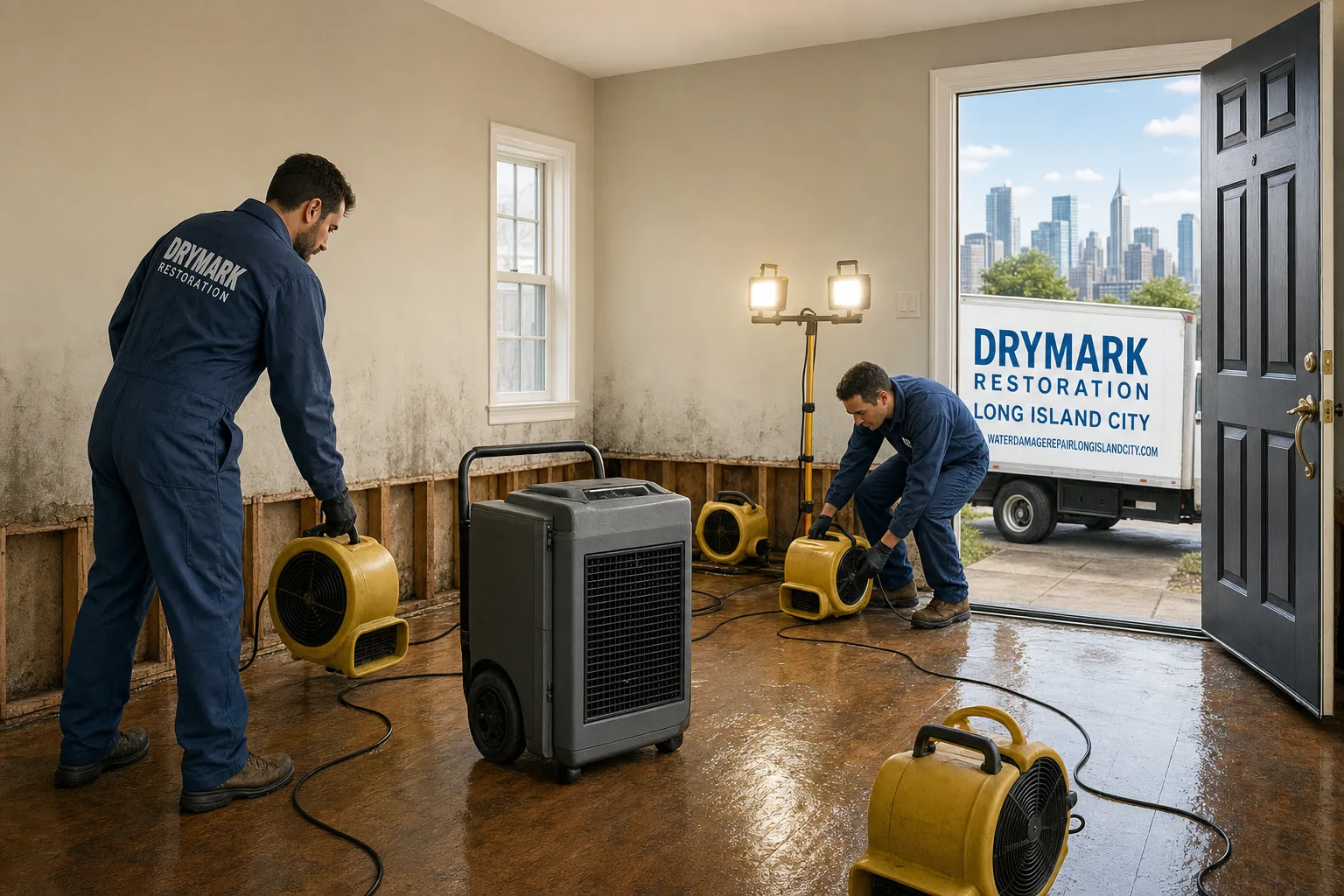
Free visual inspection and a written scope of work before any mitigation begins - photos, moisture readings, and drying logs go in your claim file
The scope we write is the scope we bill. Anything new gets shown to you, in writing, before we touch it.
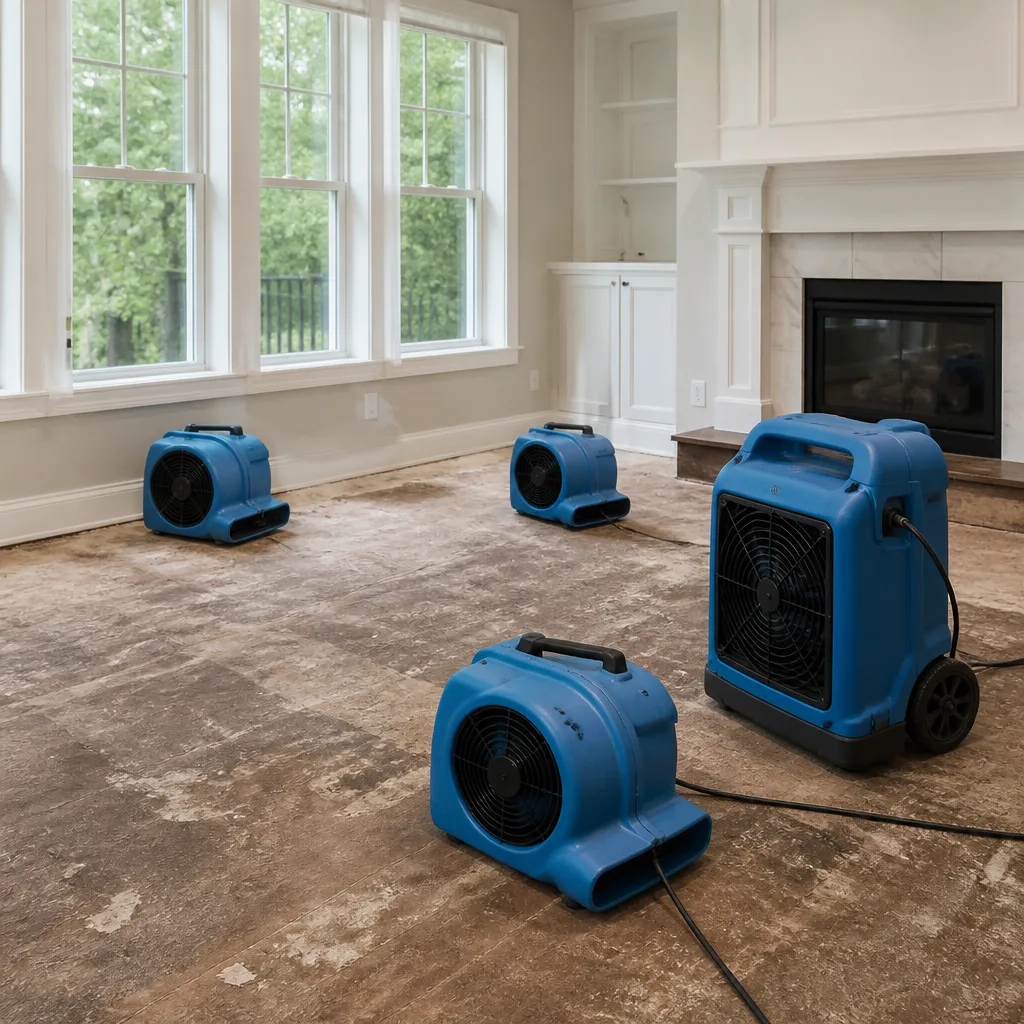
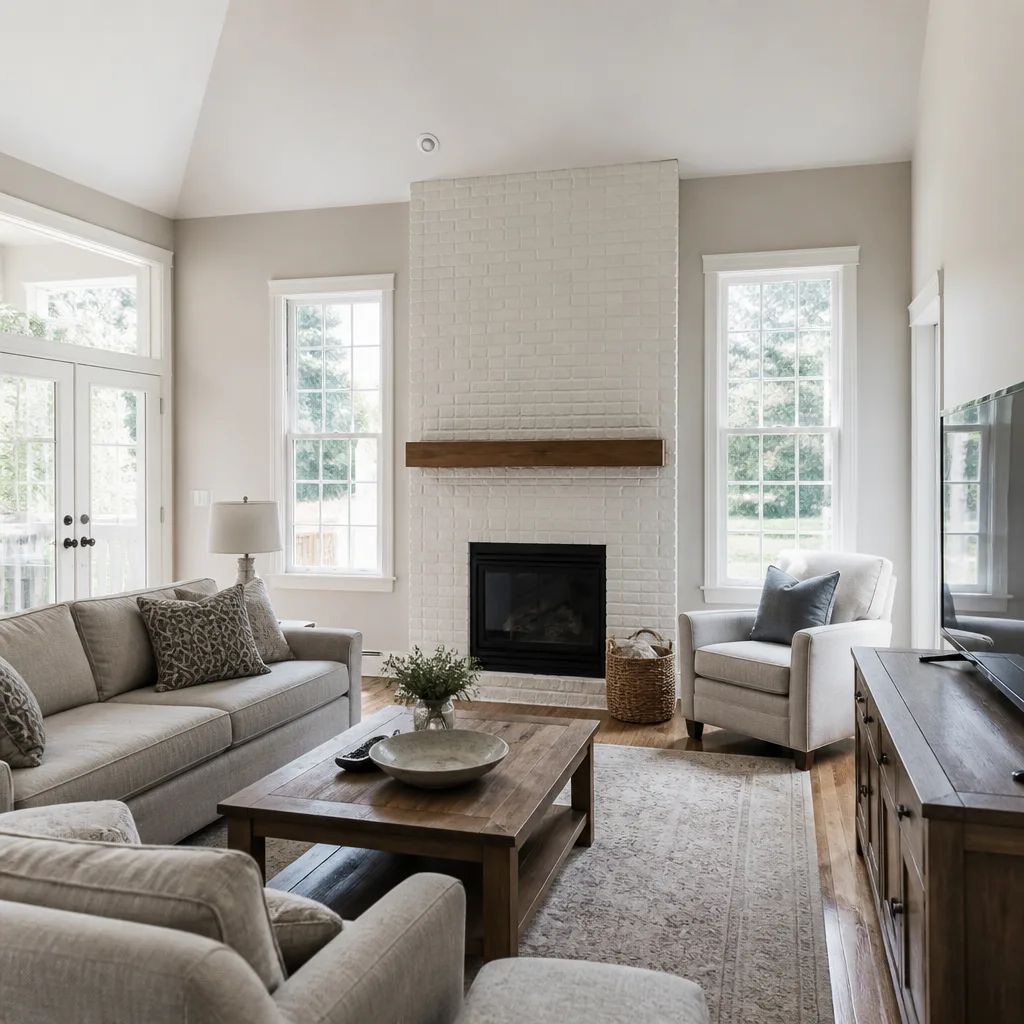
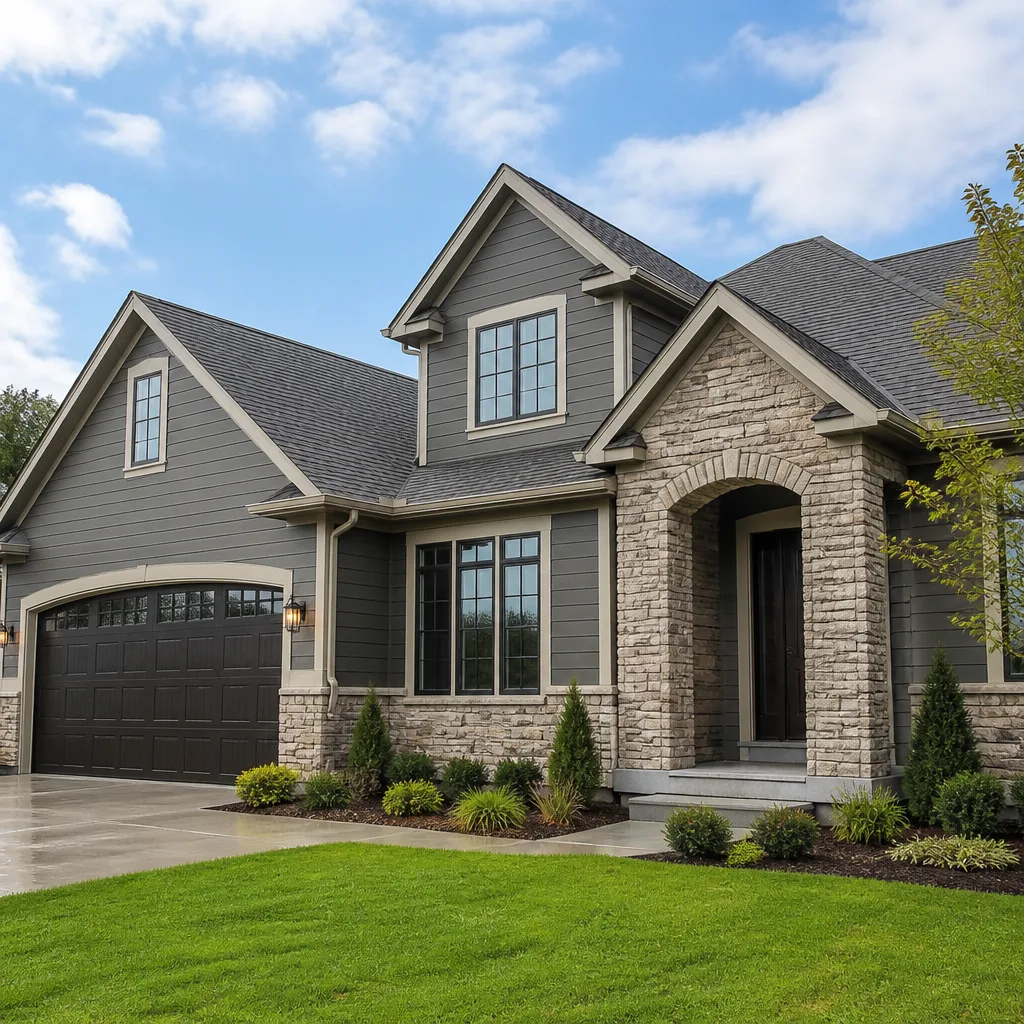
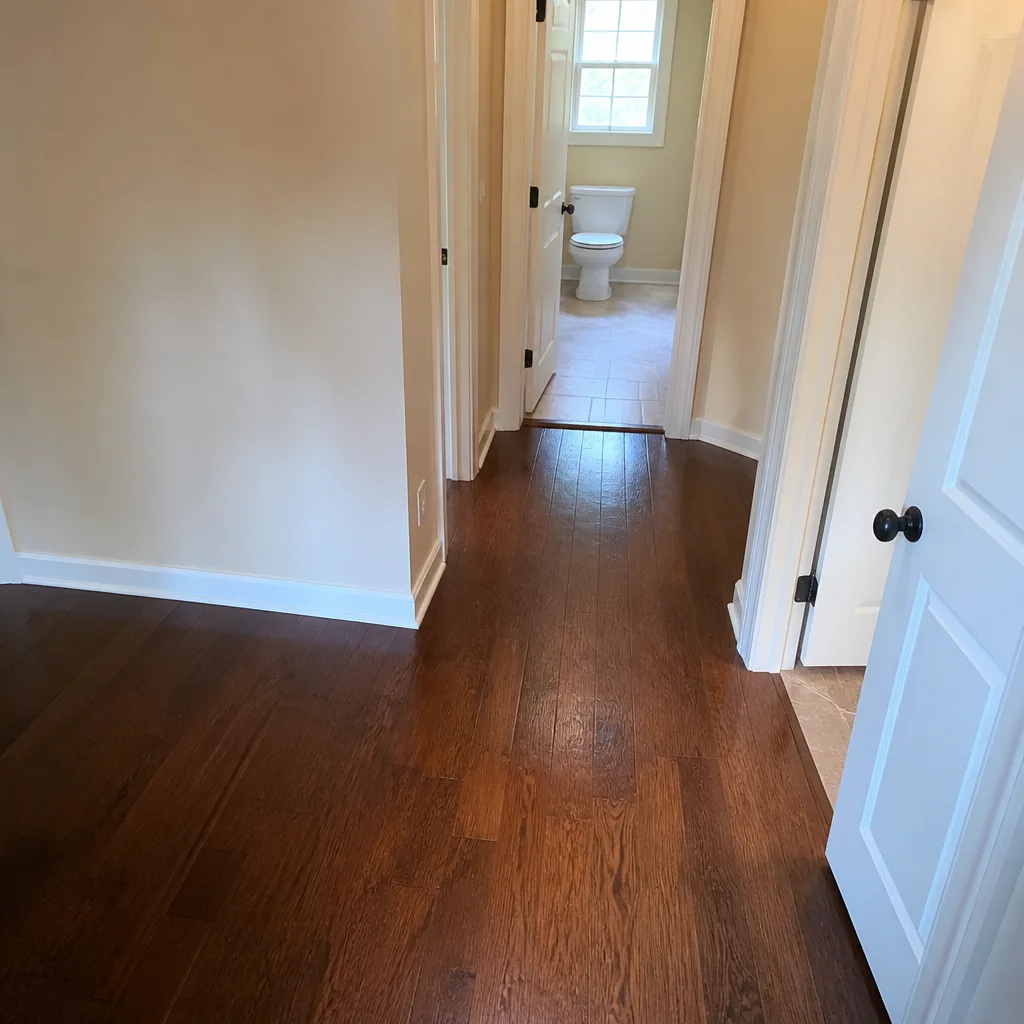
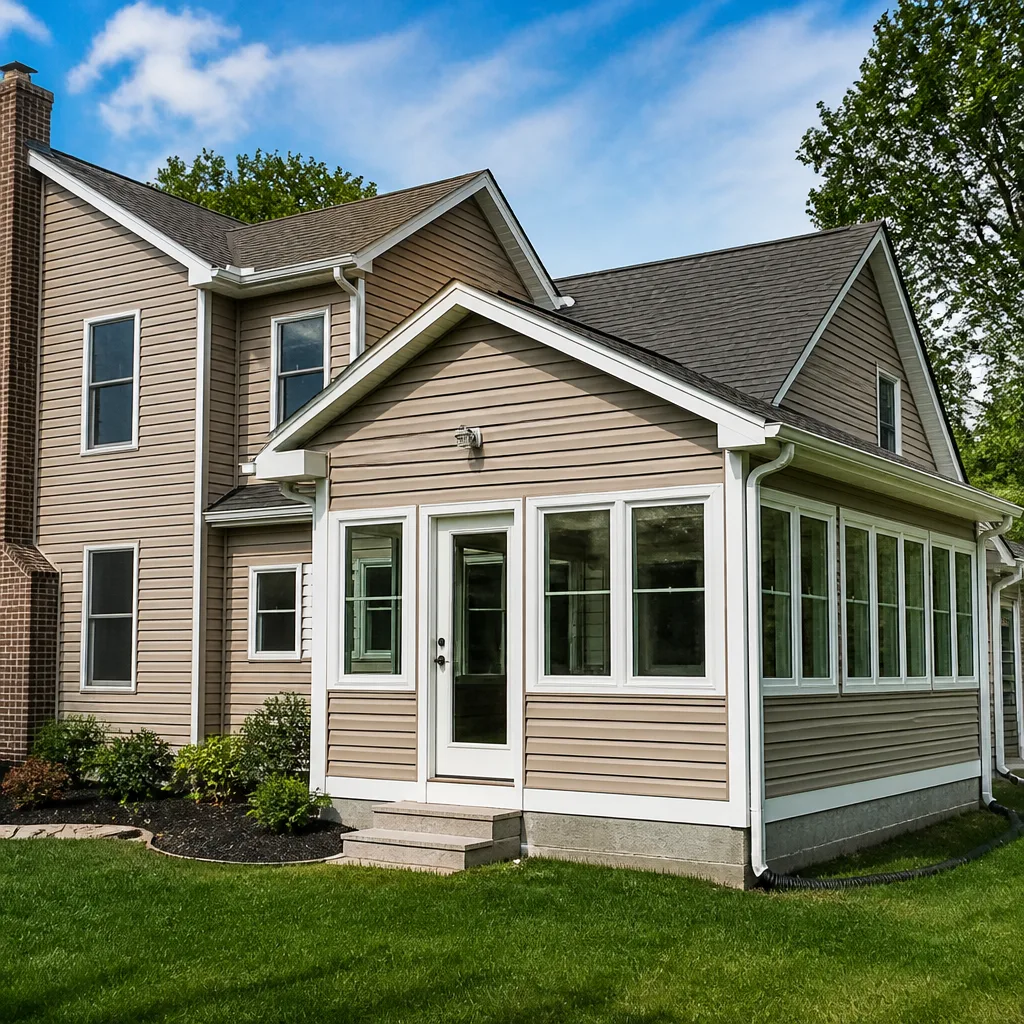
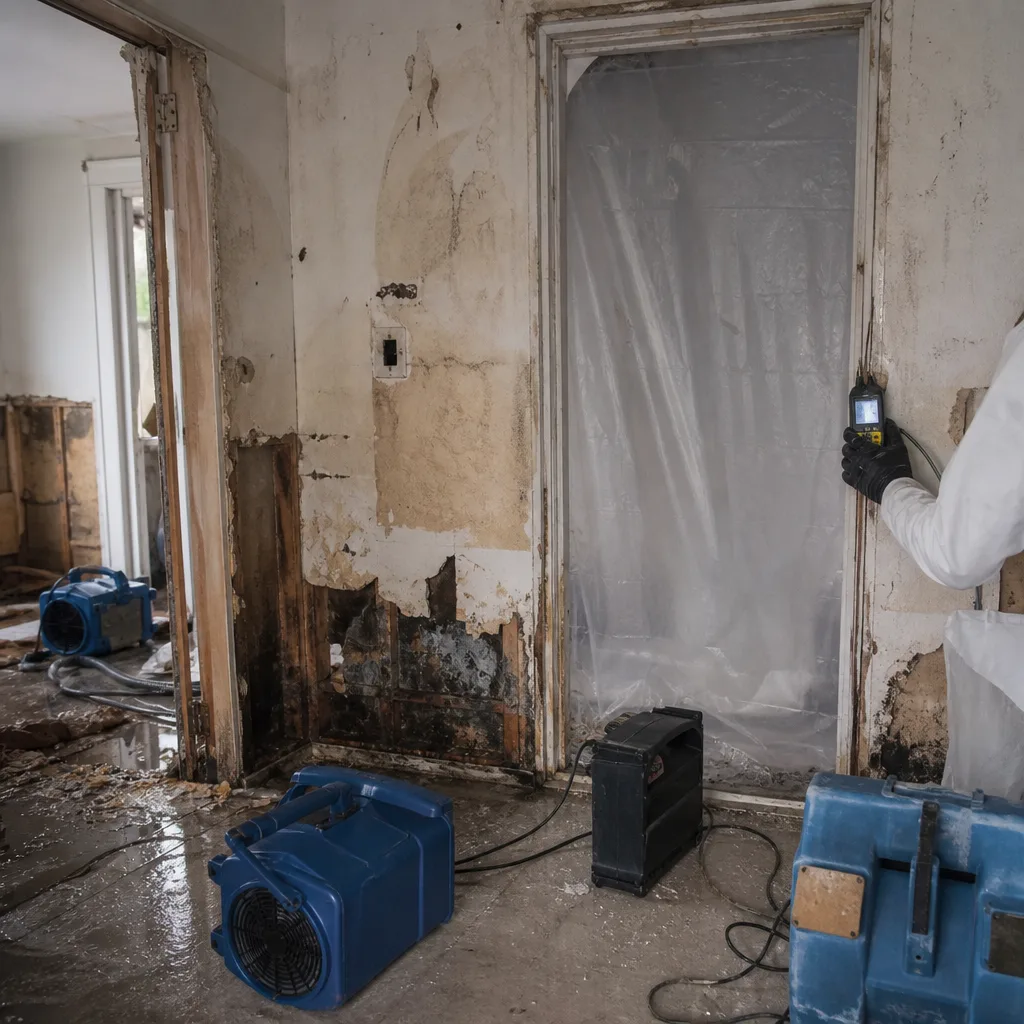 Before
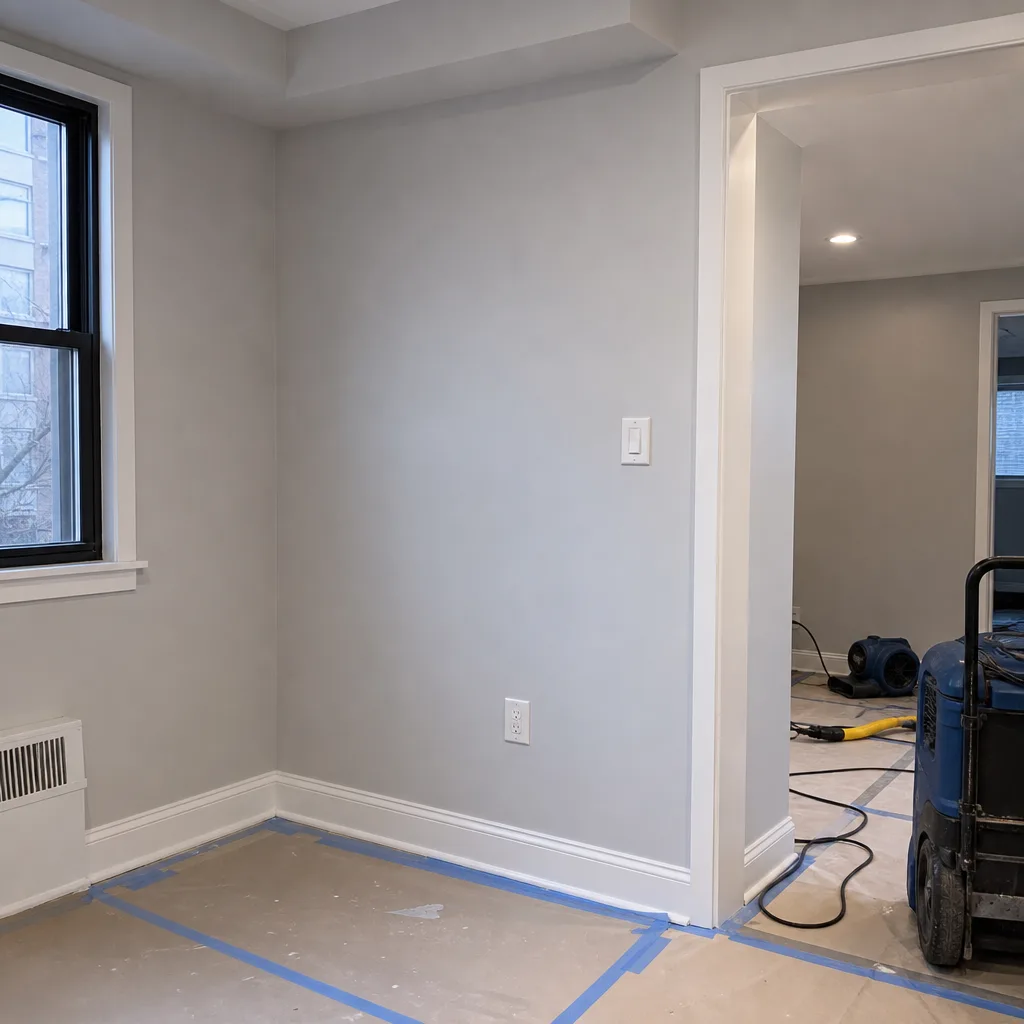 After
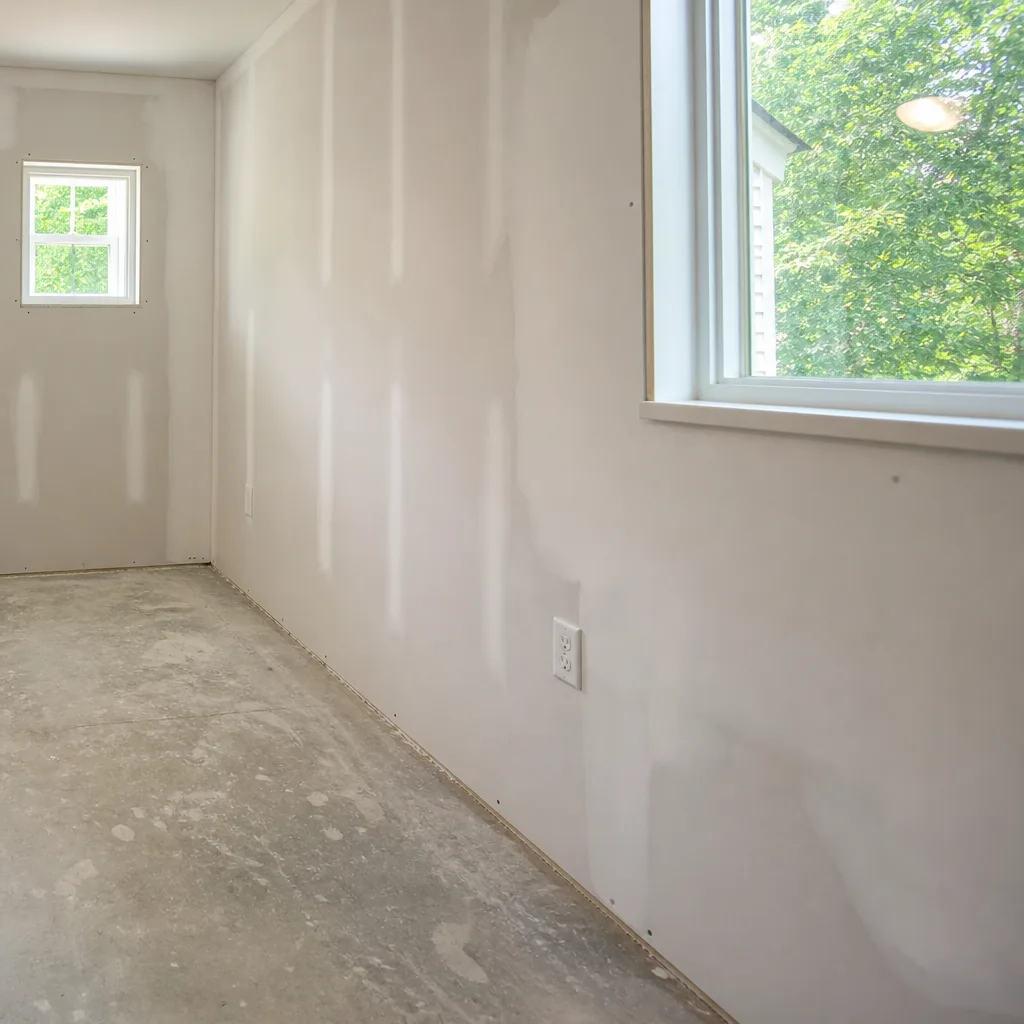
After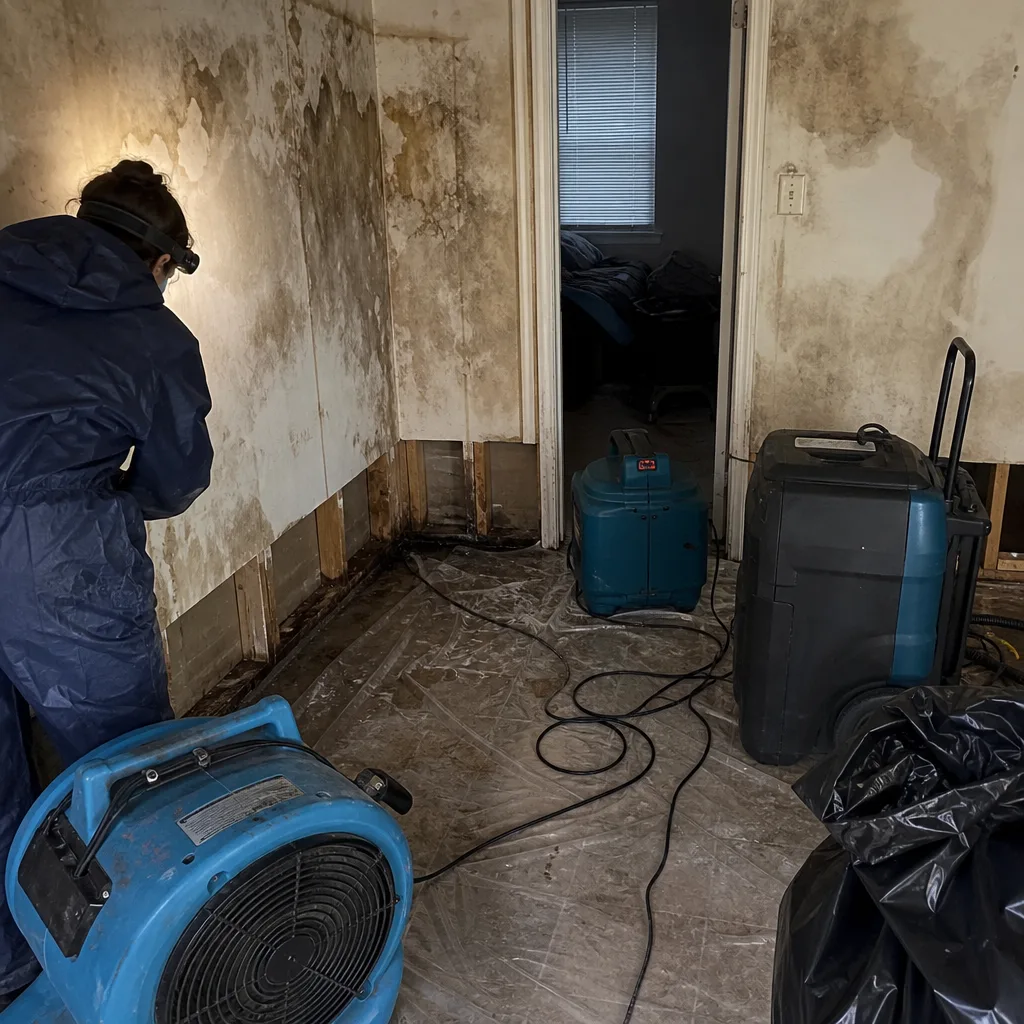 Before
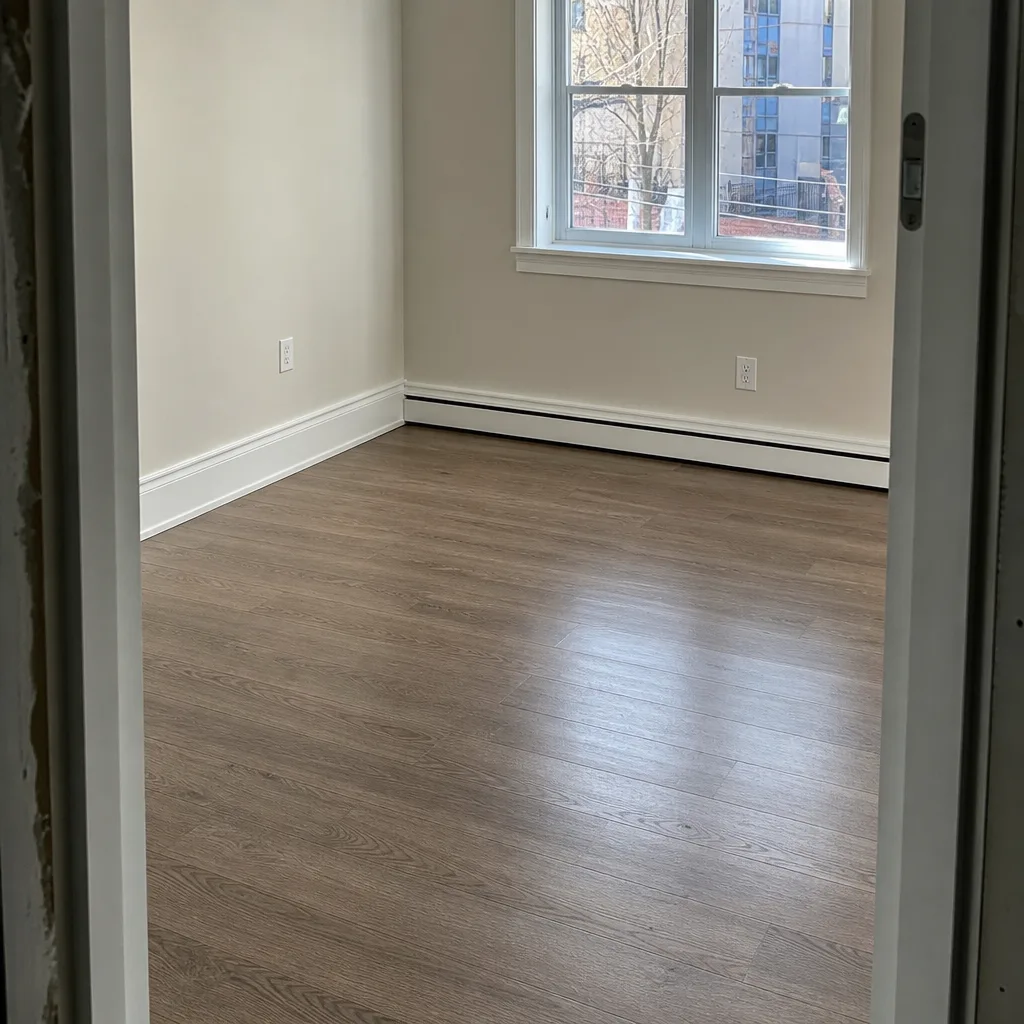 After
After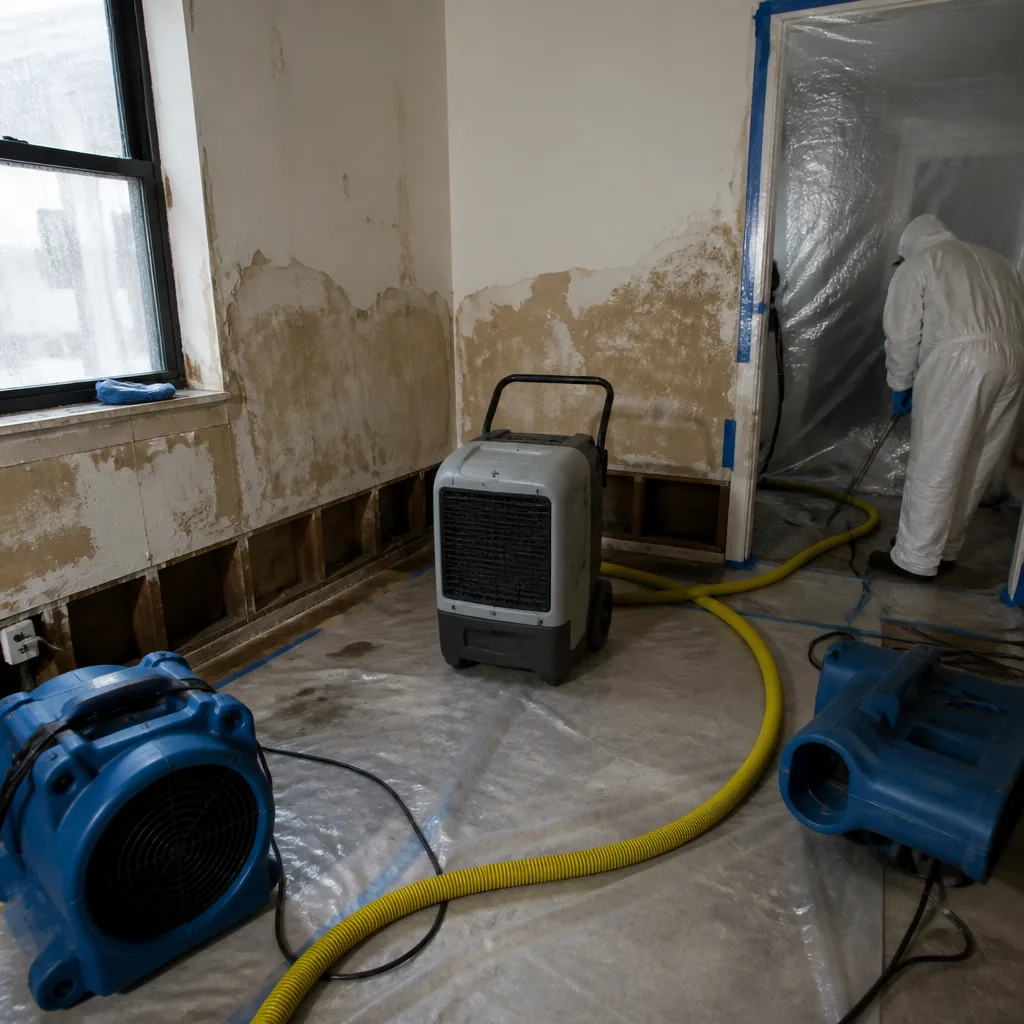 Before
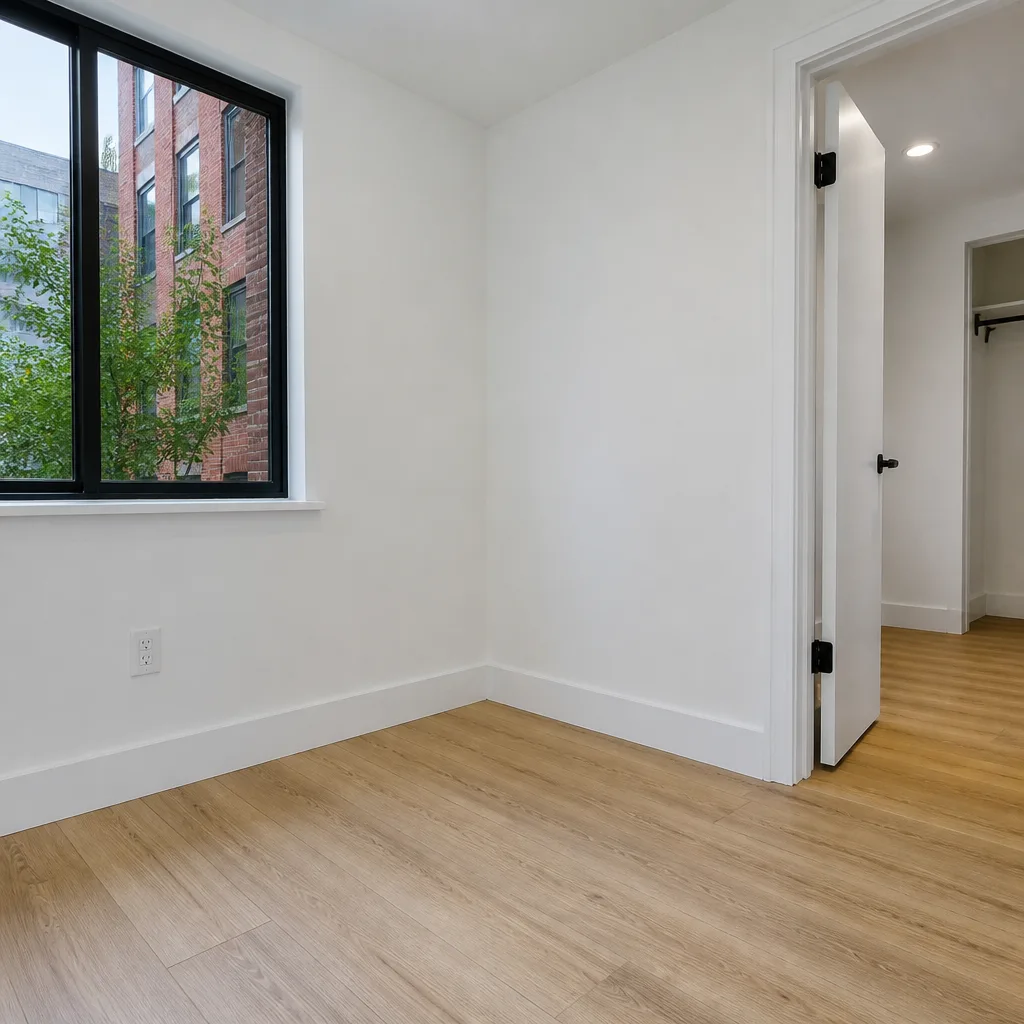 After
AfterFast, Reliable Mold Remediation Across Upper West Side
Mold remediation in Upper West Side pre-war co-ops typically runs $2,800-$7,500 depending on affected square footage, with containment and air quality restoration adding $1,200-$3,200 when shared riser chases are involved. Most Upper West Side inspections are scheduled within 24 hours, and our crews carry the documentation protocols that co-op boards and managing agents expect before any wall gets opened.
We serve Upper West Side from our New York City office, with crews who know the difference between a Riverside Drive landmarked stack and a West End Avenue post-war building. The corridor between Central Park and the Hudson River funnels wind-driven rain against west-facing facades, pushing moisture into horsehair-plaster wall assemblies where mold colonizes the lath and plaster keys long before it ever shows on the painted surface. If you’re seeing staining, catching a musty note in the HVAC, or your board’s managing agent flagged moisture during a routine inspection, call (914) 530-9723. We’ll deliver a written price before anyone starts work, and we’ll document every moisture reading for the insurance file you’ll need.
Why DryMark Restoration Long Island City Is Upper West Side’s Preferred Mold Remediation Company
Upper West Side shareholders and building managers call us because we’ve handled the three-policy choreography these losses demand. A single pipe failure in a Central Park West co-op routinely cascades through five to ten stacked units, and restoration crews must navigate co-op board approval, shareholder-versus-building liability disputes, and Landmarks Preservation Commission requirements before opening a single wall. We don’t guess at that process. We’ve documented it on hundreds of jobs.
Our reviews from Upper West Side customers consistently cite the same thing: the written scope arrived before the crew did, and the photo record matched what the adjuster finally saw. Response time to Upper West Side averages under four hours for active water-and-mold emergencies, though we won’t promise speed on reconstruction work - that’s scoped, scheduled, and priced in writing like any restoration rebuild under Haven Standard, Clause 1.
What separates us in this market is trade-specific documentation. Our technicians log psychrometric data - temperature, relative humidity, and vapor pressure differential, which is the force that drives moisture through building materials - on every visit, producing drying logs that satisfy IICRC, RIA, and IFA standards and turn restoration invoices into payable claims. We know what a managing agent at a West End Avenue co-op needs to see before signing off on hallway equipment placement, and we know how to stage containment inside the unit when that sign-off is pending.
Our Mold Remediation Services in Upper West Side
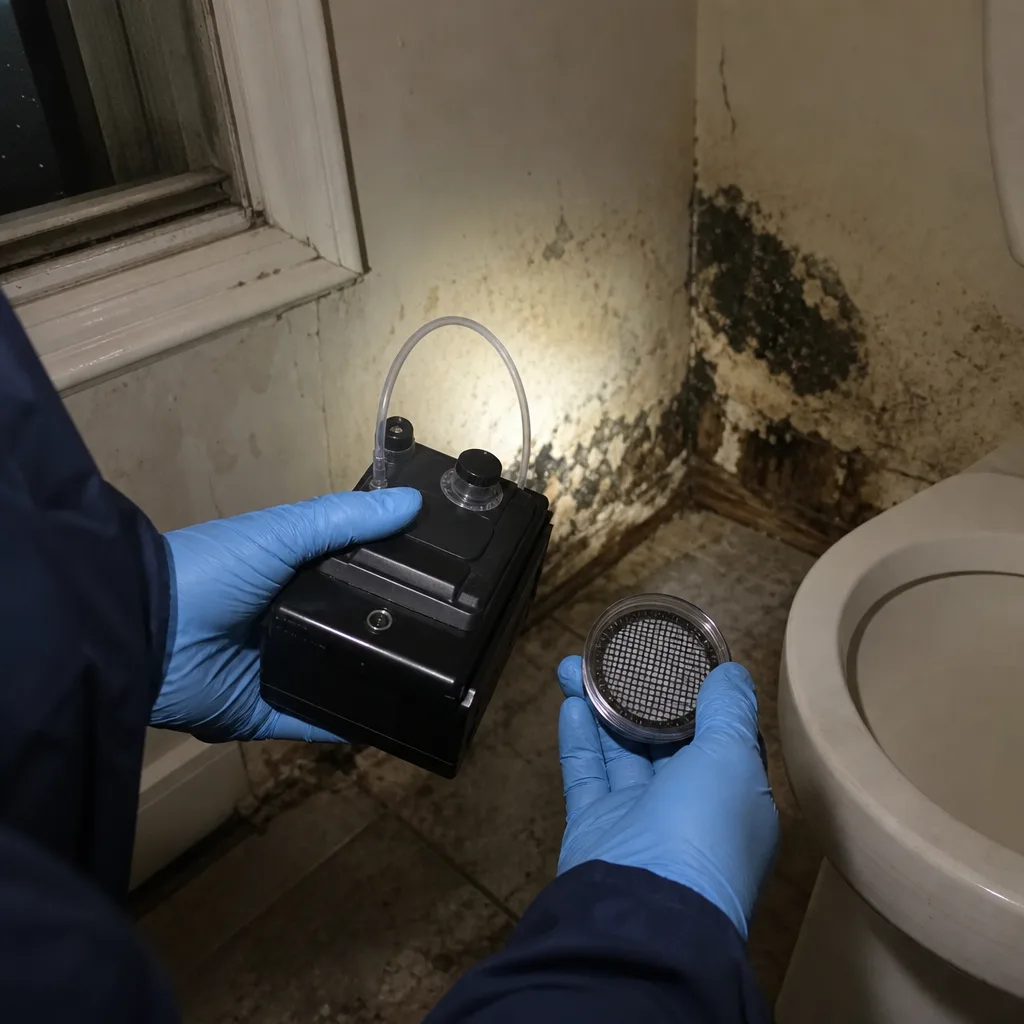
Mold Inspection & Testing
Upper West Side inspections start with moisture mapping using thermal imaging and pin-type meters calibrated for horsehair plaster, not modern drywall. Standard readings miss trapped moisture in the lath and plaster keys, so we document both surface and substrate conditions across the full affected assembly. A typical inspection in Upper West Side runs $450-$850 for a one-bedroom co-op unit, with multi-unit stack assessments starting at $1,200 when the managing agent requests full-documentation coverage for the building’s master policy. Third-party industrial hygienist sampling is quoted separately and coordinated through our network - we don’t self-perform testing we might later be asked to remediate.
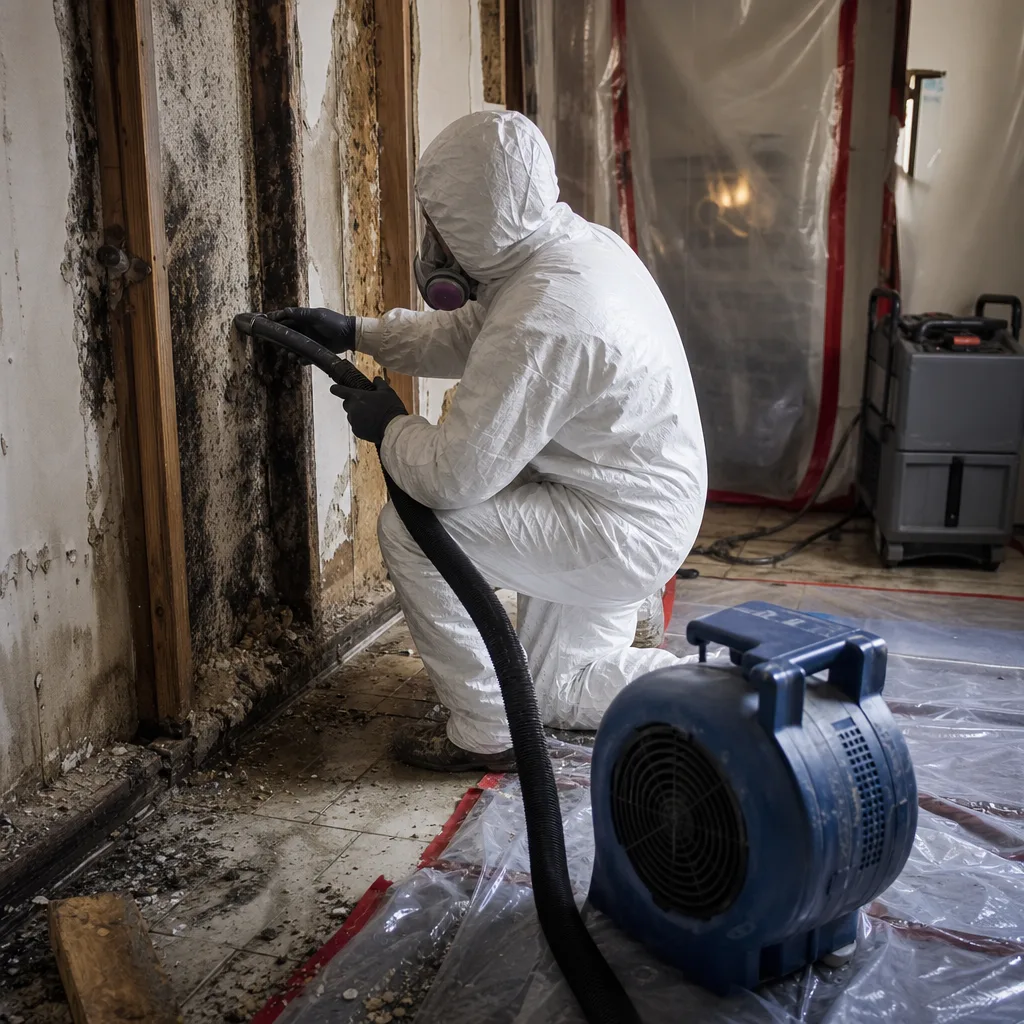
Mold Removal
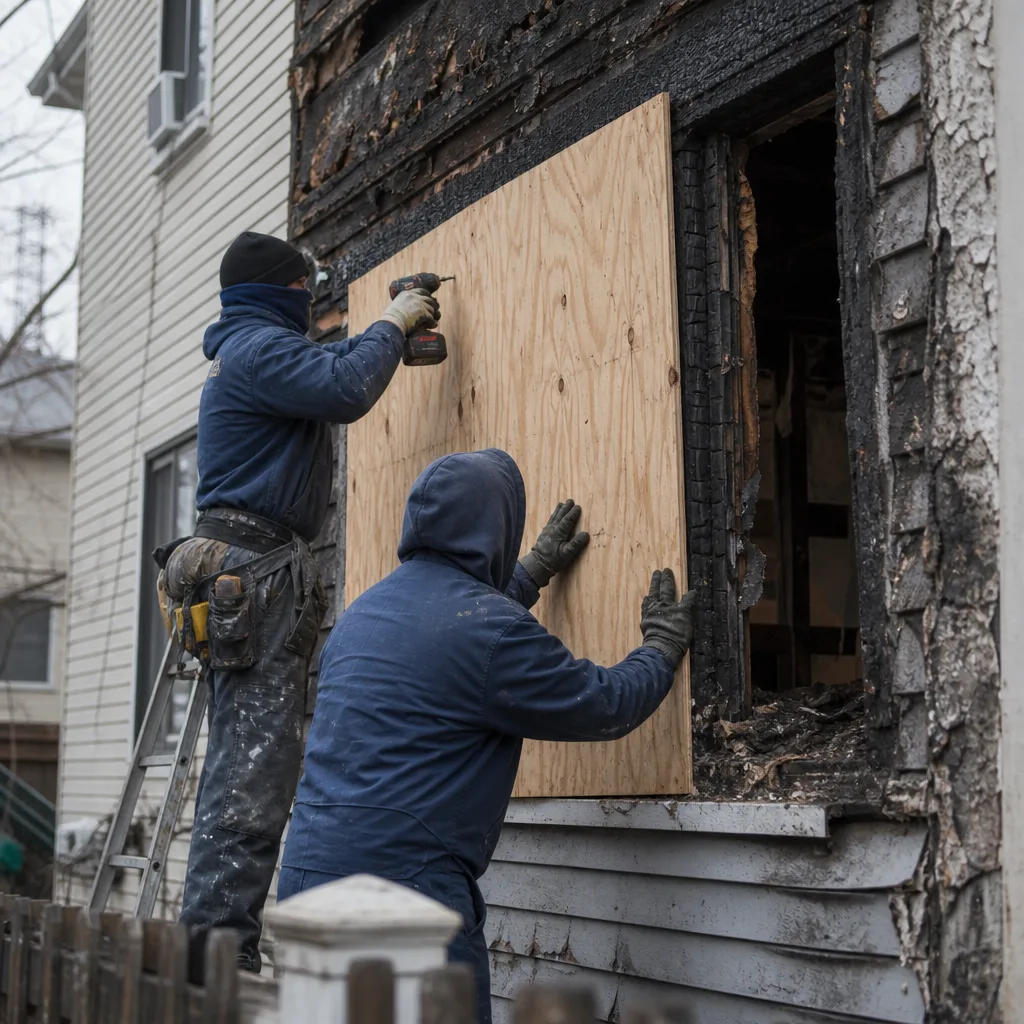
Removal in Upper West Side pre-war buildings requires containment strategies that account for shared riser chases and original door gaps that move spores between shareholder units. We build contained work zones with HEPA-negative air machines and poly barriers sized for the room, not the suburban tent-and-scrubber approach. Crews that skip containment because the co-op board hasn’t approved hallway access allow spores to migrate - we’ve been called in to fix that exact mistake on West End Avenue. Removal pricing for contained residential work in Upper West Side ranges $18-$32 per square foot of affected surface, with lath-and-plaster demolition and proper disposal adding 40-60% over standard drywall remediation due to material weight and NYC Department of Sanitation requirements.
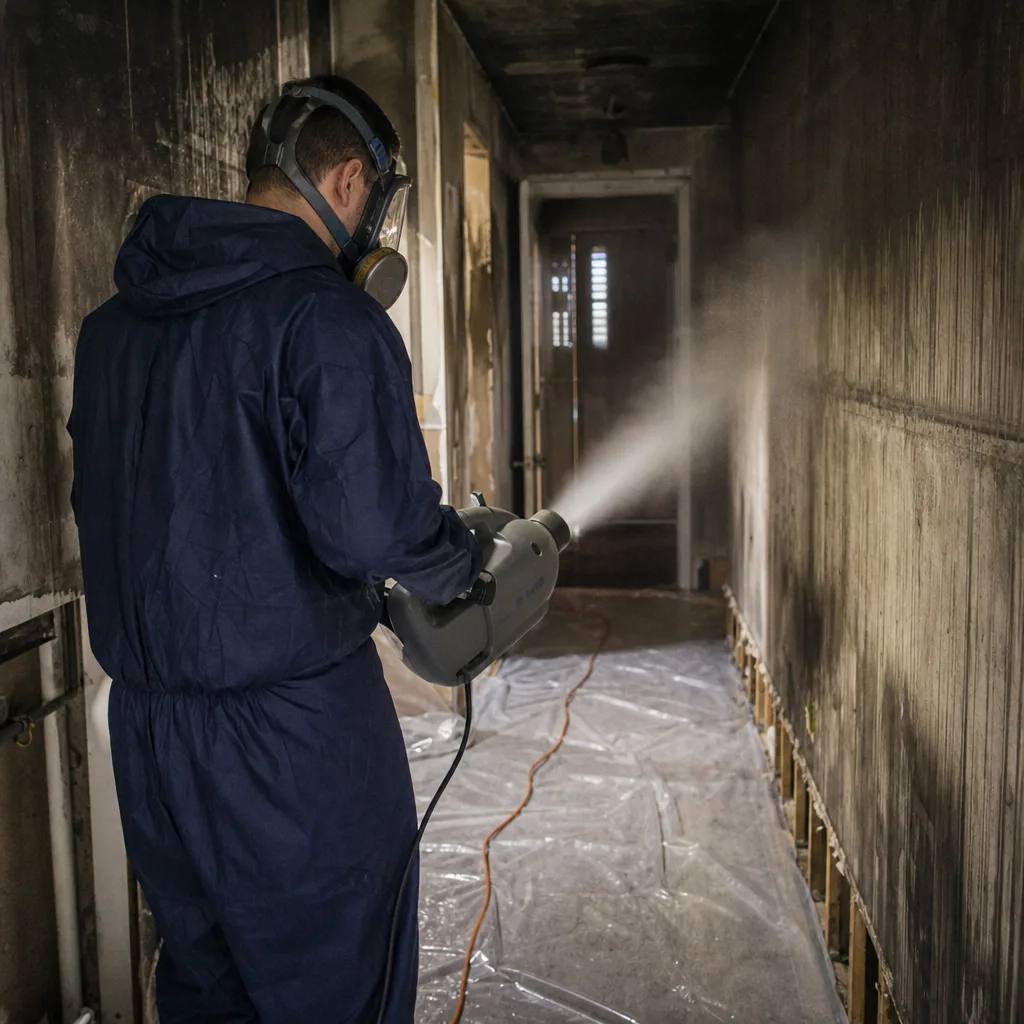
Black Mold Remediation
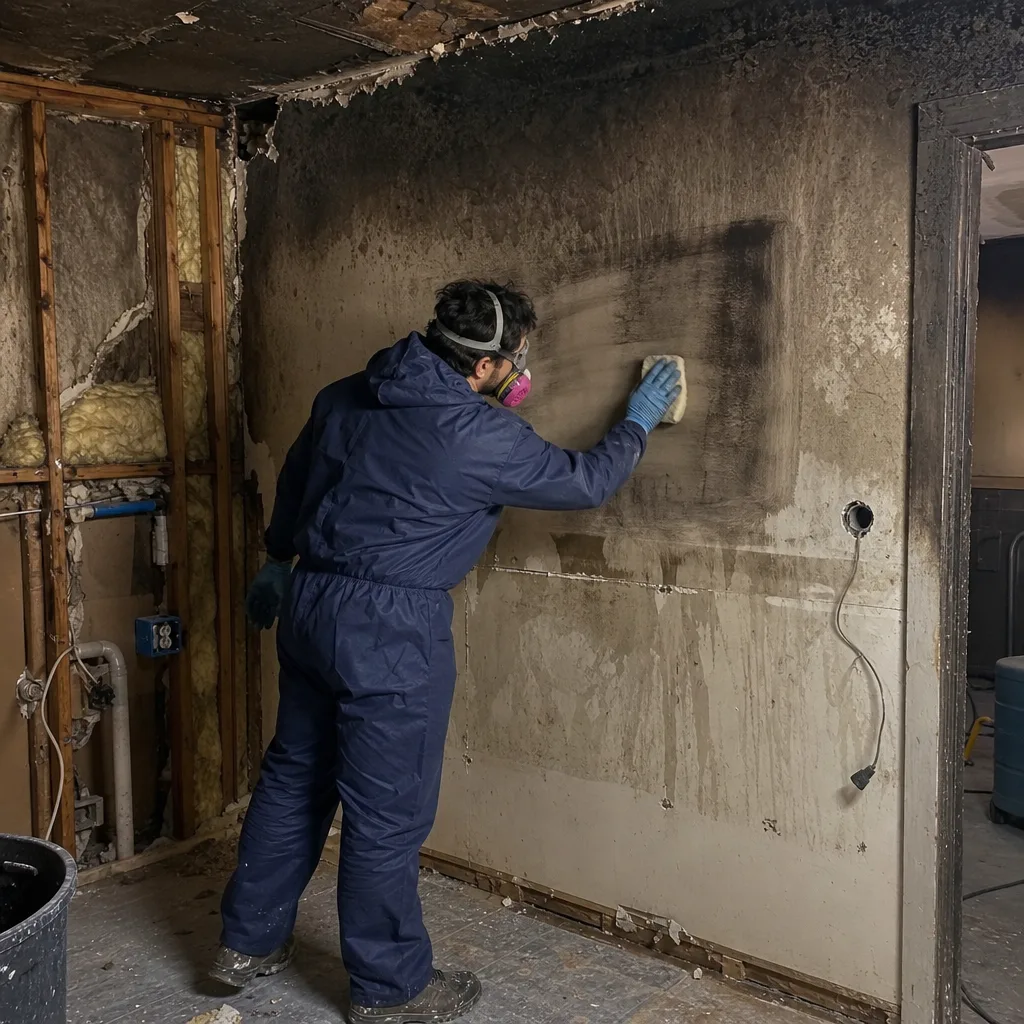
Stachybotrys and other toxigenic molds in Upper West Side buildings almost always trace to chronic moisture in exterior wall assemblies, not single-event flooding. The wind exposure on Riverside Drive facades creates conditions where envelope failures feed slow, hidden colonization. Our black mold protocol adds antimicrobial treatment with EPA-registered products, sealed removal of contaminated plaster and lath, and post-remediation verification sampling by an independent hygienist. We don’t declare a job complete until the documentation says so. Typical black mold remediation in Upper West Side landmark buildings runs $4,500-$9,500 depending on whether parquet subfloor assemblies require treatment or replacement.
Air Quality Restoration
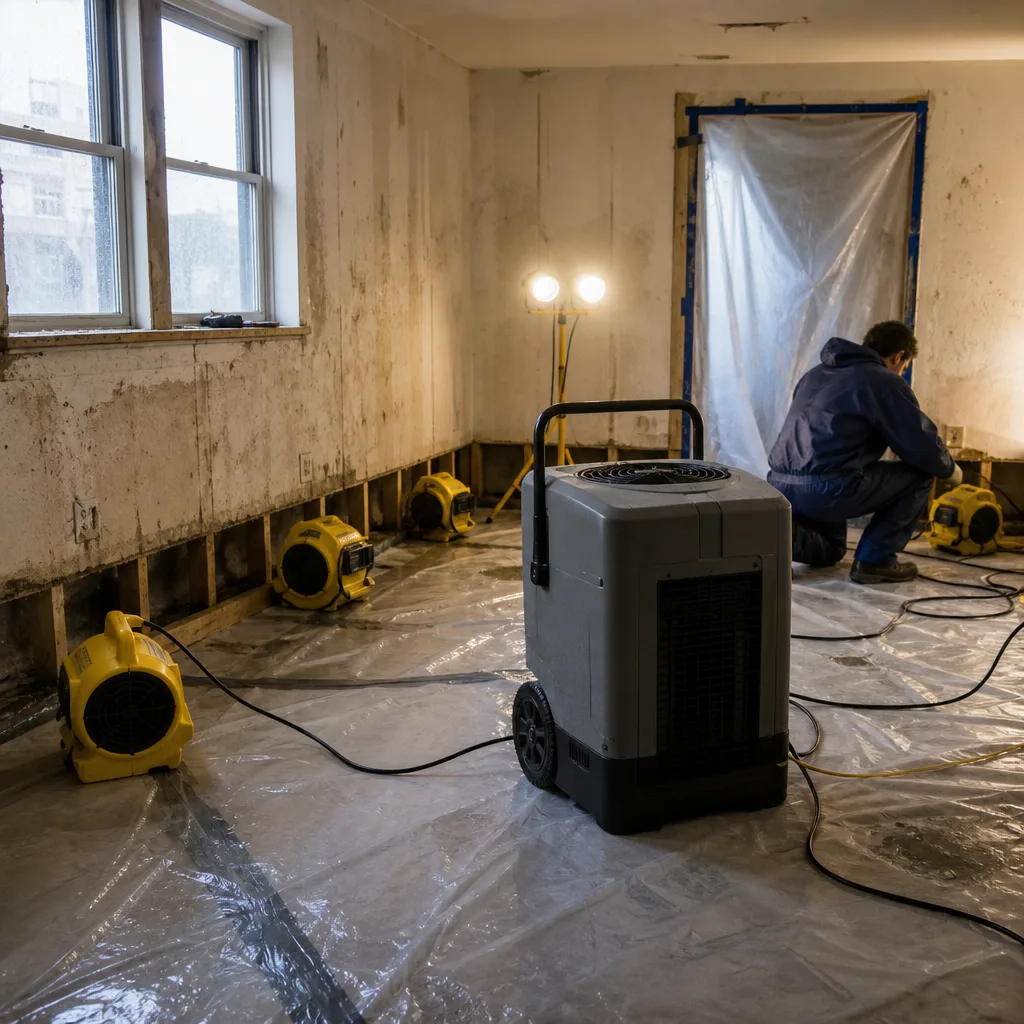
Shared HVAC systems and original ductwork in Upper West Side pre-war buildings move spores efficiently across units and floors. Our air quality restoration includes HEPA filtration during active remediation, duct inspection with video documentation, and post-project air sampling to establish clearance. We deploy Phoenix and Dri-Eaz dehumidification systems sized to the vapor load of plaster-and-lath assemblies, which hold roughly three times the moisture of standard drywall per inch of thickness. Air quality restoration as a standalone service in Upper West Side runs $1,800-$4,200; bundled with active mold remediation, it’s typically 15-25% of the total project scope.
Moisture & Humidity Control
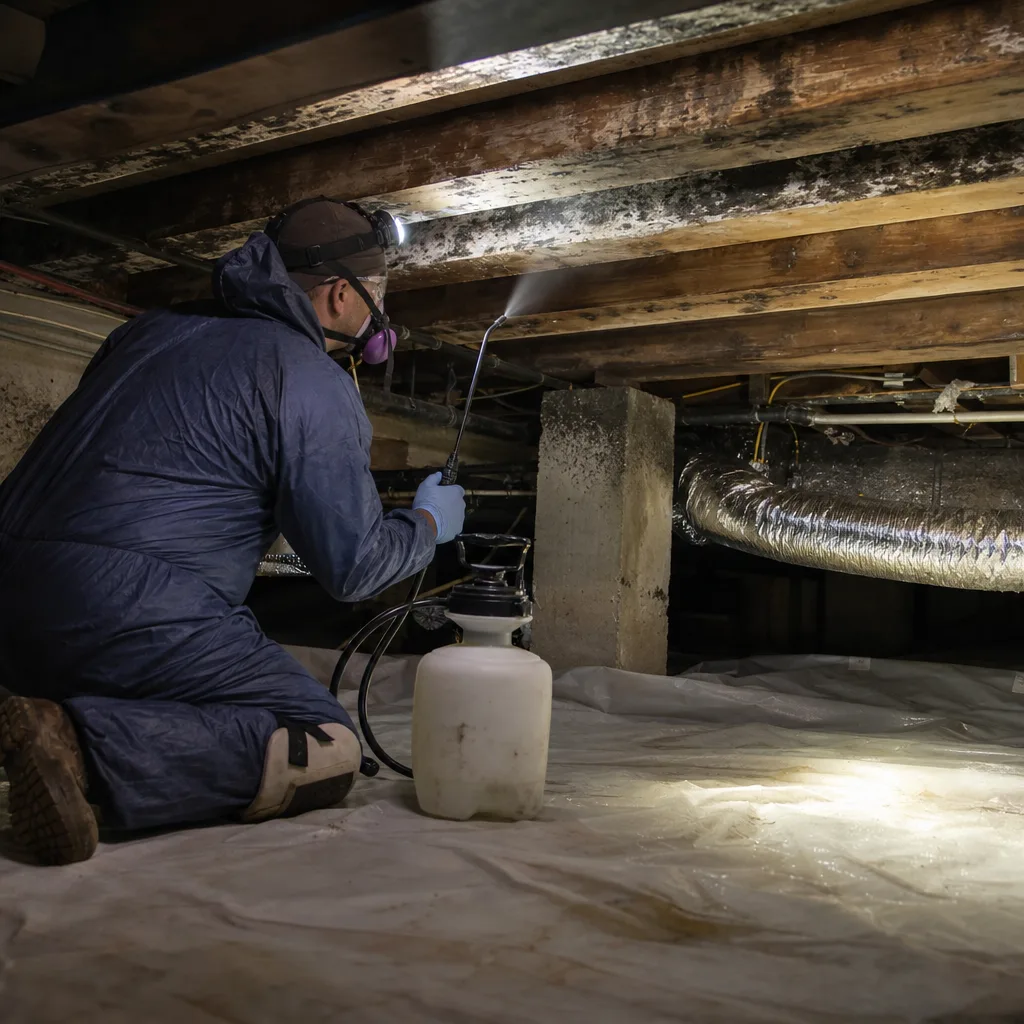
The freeze-thaw cycles that split cast-iron supply risers in Upper West Side exterior walls create recurring moisture events that standard mitigation timelines don’t capture. Our moisture control protocols include continuous monitoring with data-logging hygrometers, vapor pressure differential analysis to identify where moisture is still migrating, and tertiary drying - the final phase where hidden residual moisture is extracted from dense materials - documented to RIA standards. For Upper West Side co-op boards managing chronic building envelope issues, we provide written moisture management plans with quarterly inspection schedules starting at $2,400 annually.
What happens when you call
- 1
A real person answersNo phone trees - you reach a local pro.
- 2
You get an upfront price rangeHonest numbers before anyone is dispatched.
- 3
A background-checked tech heads outLicensed & insured, dispatched right away.
- 4
You approve before work beginsNothing starts until you say go.
BeforeAfterCommon Mold Remediation Problems We See in Upper West Side Homes
- Treating horsehair plaster like modern drywall. Standard drying times and moisture readings calibrated for paper-faced gypsum miss trapped moisture in the lath and plaster keys. We’ve reopened “completed” jobs on Central Park West where mold rebounded within six weeks because the substrate never actually dried.
- Skipping containment because the co-op board hasn’t approved hallway access. Crews that wait on board sign-off before placing poly and negative air in the affected unit allow spores to migrate through shared riser chases and original door gaps into neighboring shareholder units. The liability exposure is the source unit’s, the building’s, and eventually the restoration company’s.
- Using modern patching materials on landmarked interiors. Landmarks Preservation Commission historic-district rules on Central Park West and Riverside Drive prohibit substituting the original plaster profile or parquet subfloor assembly. A mold remediation scoped like a suburban drywall job fails the required pre-loss condition match at closeout, and the shareholder eats the rework cost.
- Missing the three-policy insurance structure. Water damage that originates in one shareholder’s unit legally travels into common-element territory within inches. Restorers who don’t document which materials belong to which policy - the source unit’s HO-6, the affected unit’s HO-6, and the building’s master policy - create claims disputes that delay payment for months.
Pricing for Mold Remediation in Upper West Side, NY
| Service | Typical Range in Upper West Side |
|---|---|
| Mold inspection & moisture mapping (1-bedroom co-op) | $450-$850 |
| Multi-unit stack assessment with full documentation | $1,200-$2,400 |
| Contained mold removal (per sq ft of affected surface) | $18-$32 |
| Black mold remediation with independent clearance | $4,500-$9,500 |
| Air quality restoration (standalone) | $1,800-$4,200 |
| Annual moisture management plan (co-op building) | $2,400+ |
What moves these numbers: the square footage of visible and hidden affected area, whether lath-and-plaster demolition is required versus surface treatment, the number of units and insurance policies involved, and whether Landmarks Preservation Commission pre-approval is needed for material matching. Every Upper West Side job gets a written price before work starts - Haven Standard, Clause 1 - with no scope-creep additions once the crew is inside. Bring a competitor’s written estimate and we’ll review it at no charge. Call (914) 530-9723 for an exact quote; estimates are free.
We Also Serve Cities Near Upper West Side
Our crews work across the metro area, with regular mold remediation and water damage response to Upper West Side, Long Island City, Murray Hill, Greenpoint, and Astoria. Each market has its own building stock and insurance conventions; our documentation protocols adapt to the local conditions. If your property sits just outside Upper West Side proper, call and we’ll confirm coverage and response time for your specific address.
Serving Upper West Side, NY - Our Local Coverage Area
We’re based in the Upper West Side area and know this community well. Use the map below to see our service coverage - if you’re nearby, we can almost certainly help.
FAQs - Mold Remediation in Upper West Side
Pre-war Upper West Side co-ops use horsehair plaster and lath instead of drywall, shared riser chases instead of isolated plumbing runs, and three overlapping insurance policies instead of one homeowner’s policy. Our Mold Remediation team documents moisture in the plaster keys, builds containment that accounts for original door gaps and shared chases, and produces drying logs formatted for the managing agent, the building’s master policy, and each affected shareholder’s HO-6. Call (914) 530-9723 for an exact quote - estimates are free.
Cast-iron and galvanized steel plumbing stacks in Upper West Side pre-war buildings run vertically through shared chases with minimal firestopping, and horsehair plaster ceilings are porous enough to wick moisture across multiple units before showing visible damage. The leak travels the path of least resistance, which is often down the exterior wall cavity, not straight down. We’ve traced water from a roof-level mechanical room to a courtyard-level unit five floors below. The mold follows the moisture, and the moisture follows the building’s original construction. Call (914) 530-9723 for an exact quote - estimates are free.
We can begin emergency stabilization - moisture source control, preliminary containment within the affected unit, and air scrubbing - immediately under most building insurance policies. Active demolition, hallway equipment placement, or work in common-element areas requires the managing agent’s sign-off. We document everything we do before that sign-off arrives, and we scope our initial containment to prevent spore migration without crossing into common space. Call (914) 530-9723 for an exact quote - estimates are free.
Yes. Landmarks Preservation Commission rules require pre-loss condition matching for individually landmarked buildings and historic districts, which means original plaster profiles, parquet subfloor assemblies, and specified finish materials must be replicated, not substituted with modern equivalents. We source matching plaster and flooring through LPC-approved suppliers and document every material specification for the building file. A remediation scoped without this constraint will fail at closeout. Call (914) 530-9723 for an exact quote - estimates are free.
The corridor between Central Park and the Hudson River creates persistent wind-driven moisture exposure on west-facing facades, and basement and courtyard-level units sit at the pressure boundary where that moisture meets the building’s foundation. Aging steam-heat systems with summer shutdown create humidity spikes, and original below-grade construction lacked modern vapor barriers. The result is chronic vapor pressure differential - moisture being pushed through foundation walls by the pressure difference between wet exterior soil and conditioned interior air. We address this with sub-slab depressurization, continuous dehumidification, and moisture management plans, not just repeated surface treatment. Call (914) 530-9723 for an exact quote - estimates are free.
Written by Alicia Brennan, Owner at DryMark Restoration Long Island City, serving Upper West Side since 2011.
Mold Remediation in Nearby Areas