
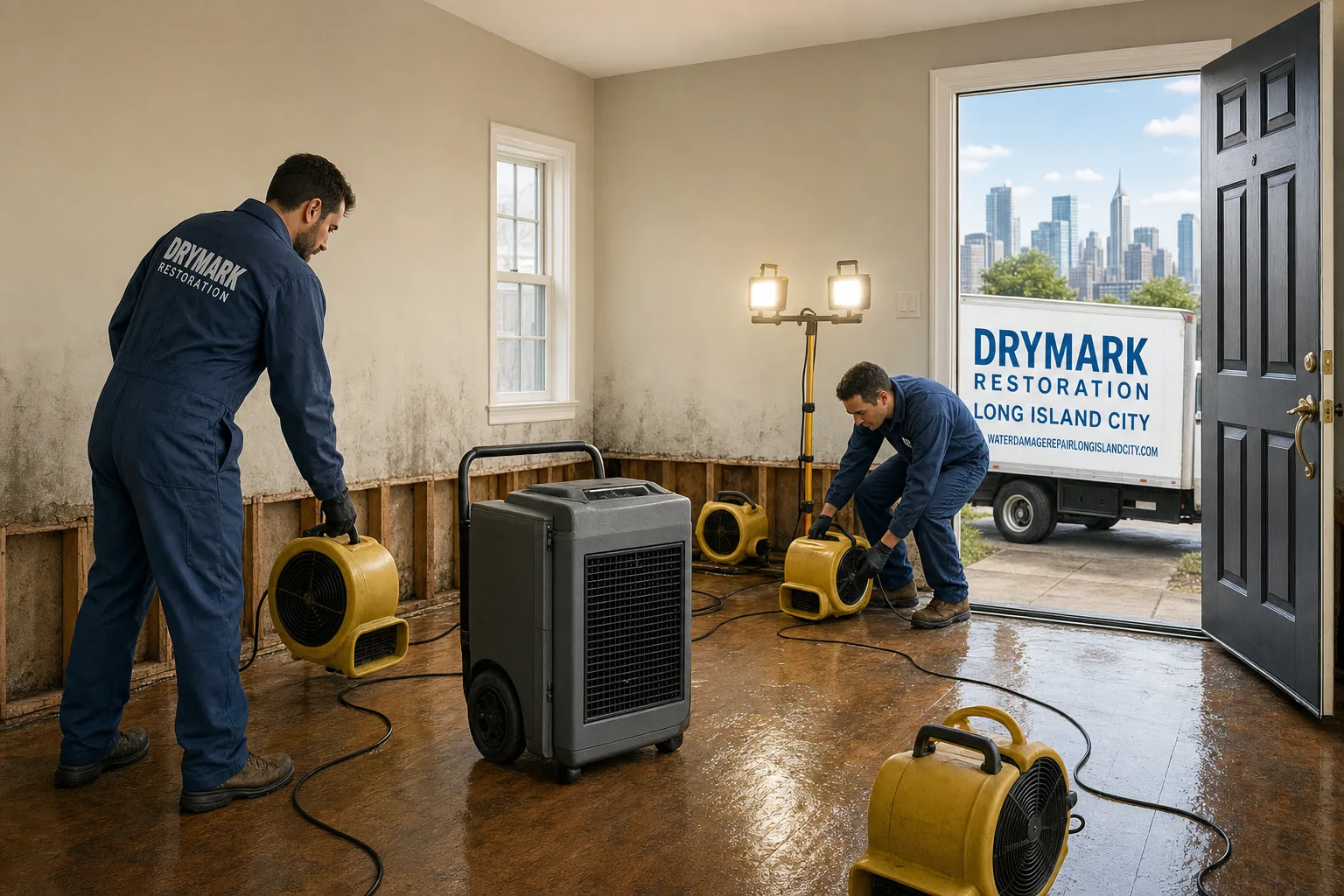
Free visual inspection and a written scope of work before any mitigation begins - photos, moisture readings, and drying logs go in your claim file
The scope we write is the scope we bill. Anything new gets shown to you, in writing, before we touch it.
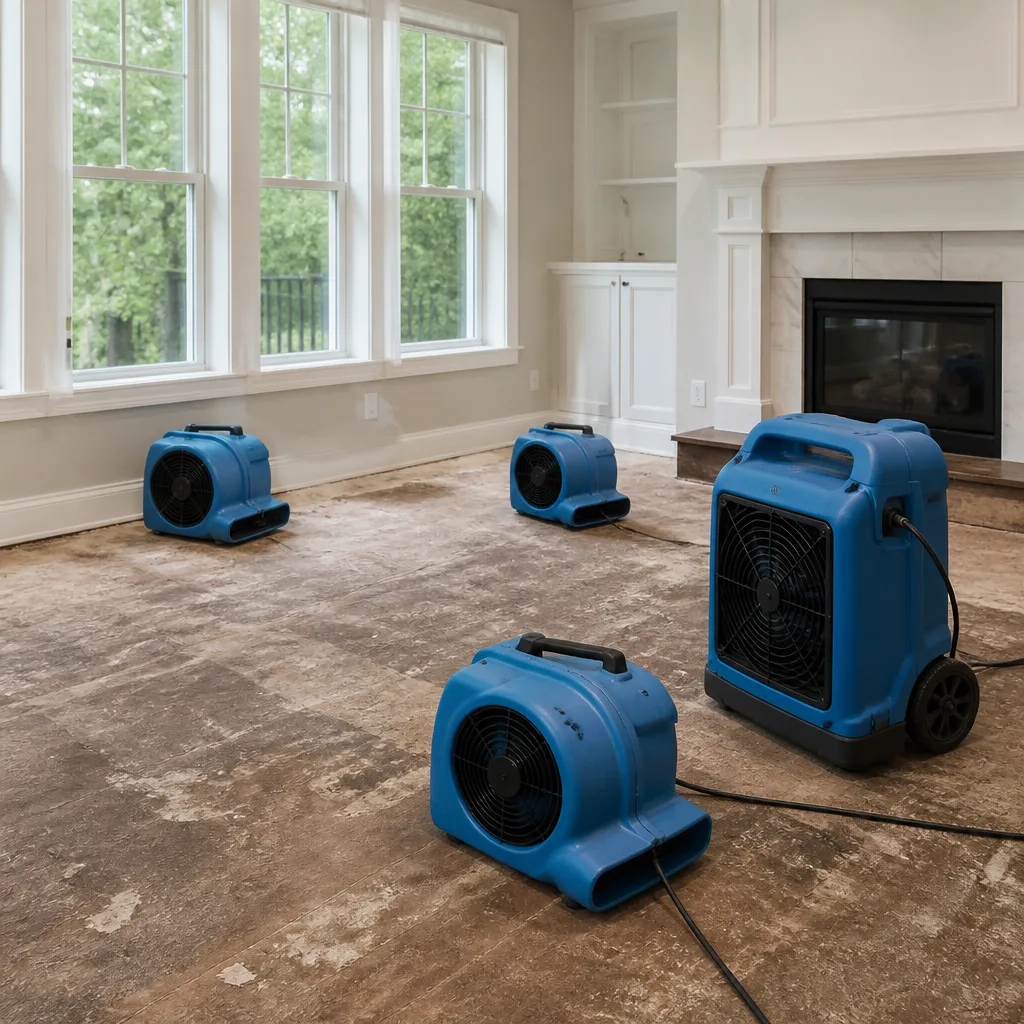

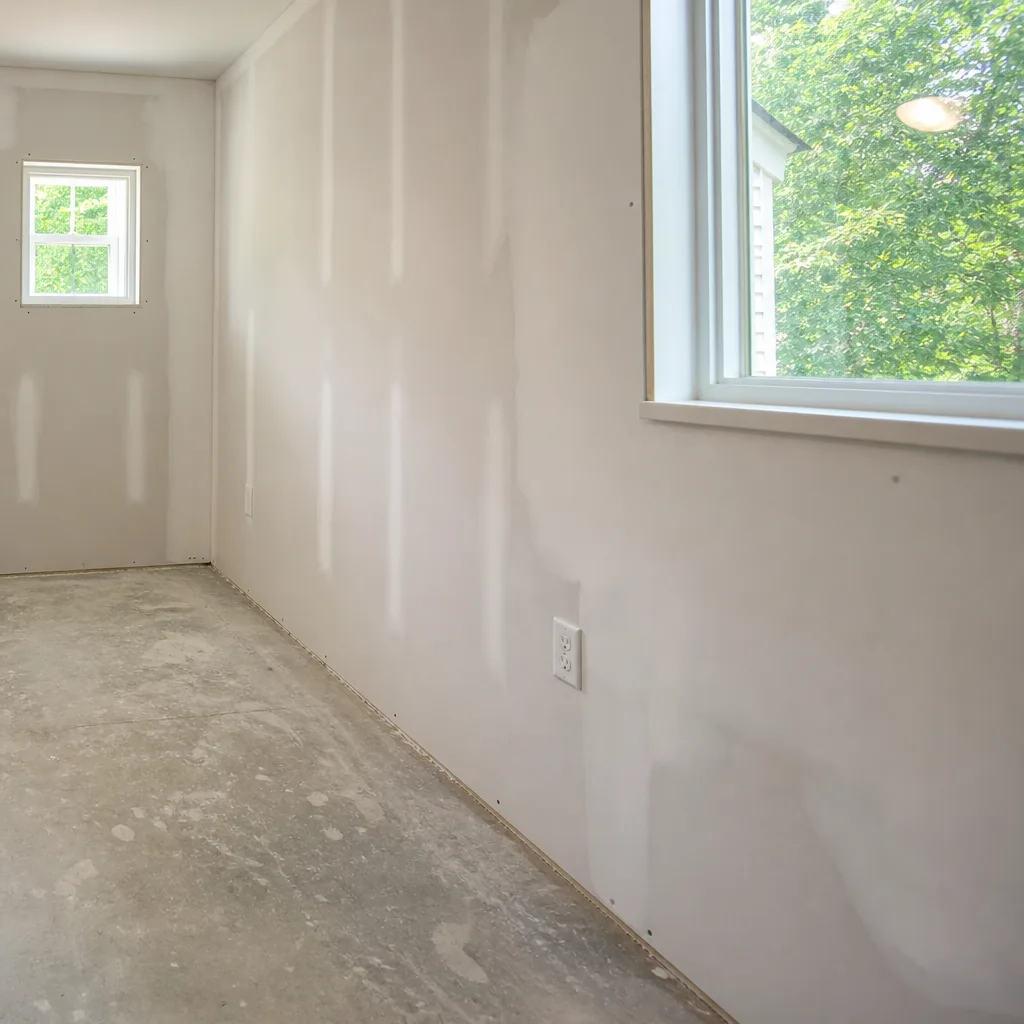
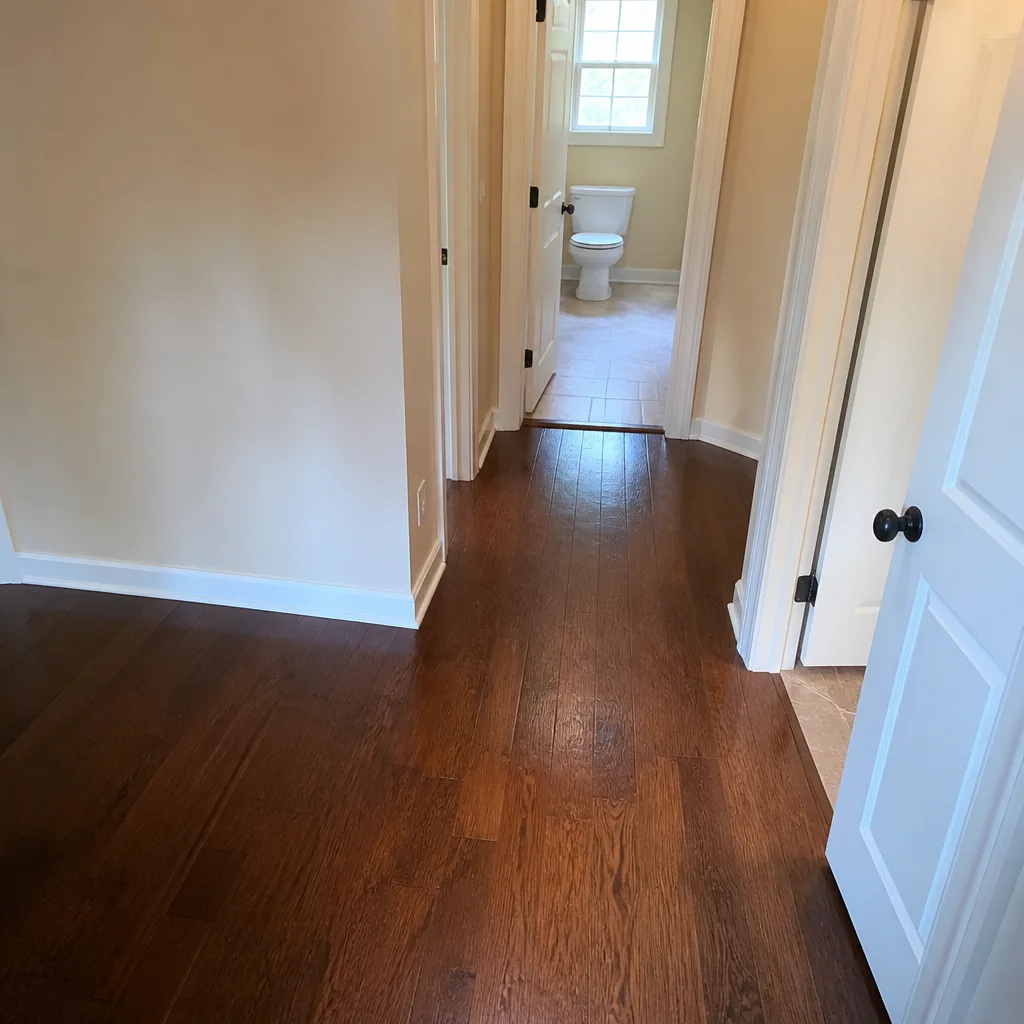
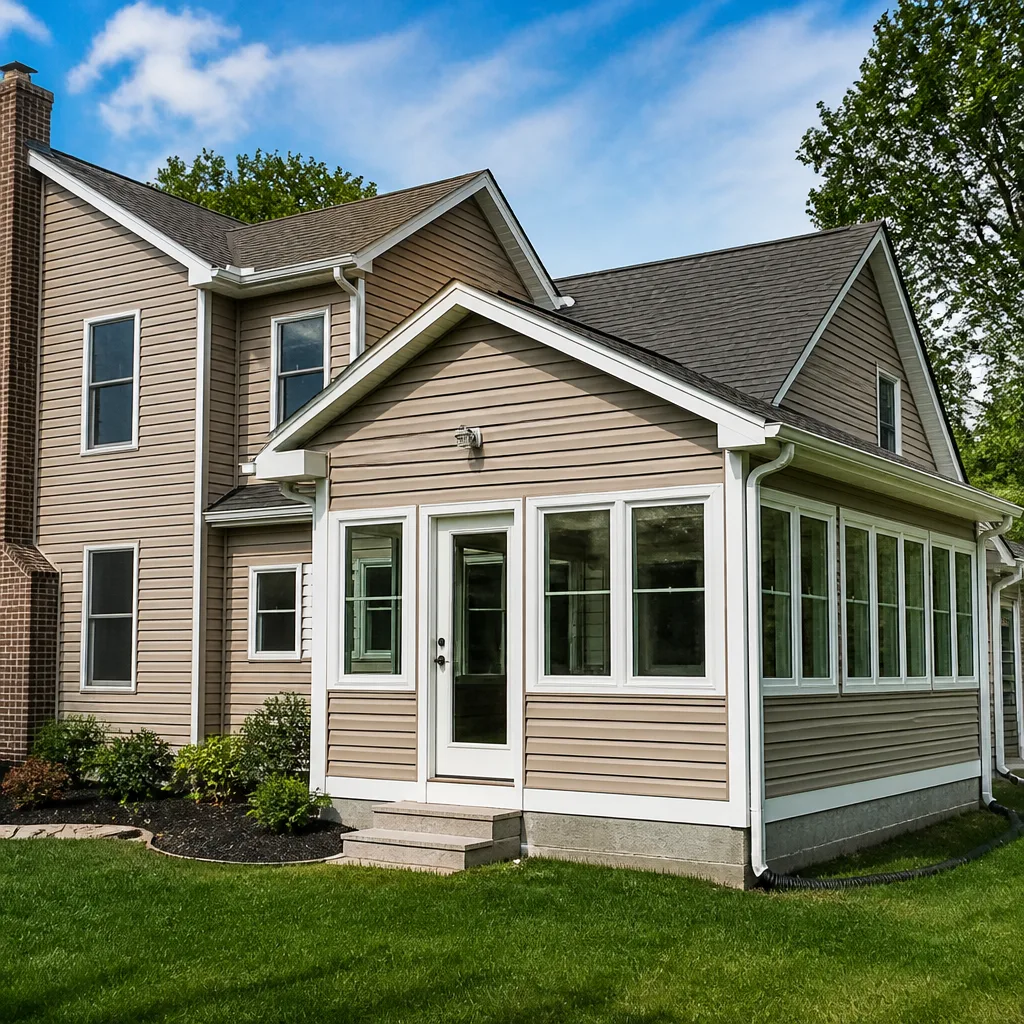
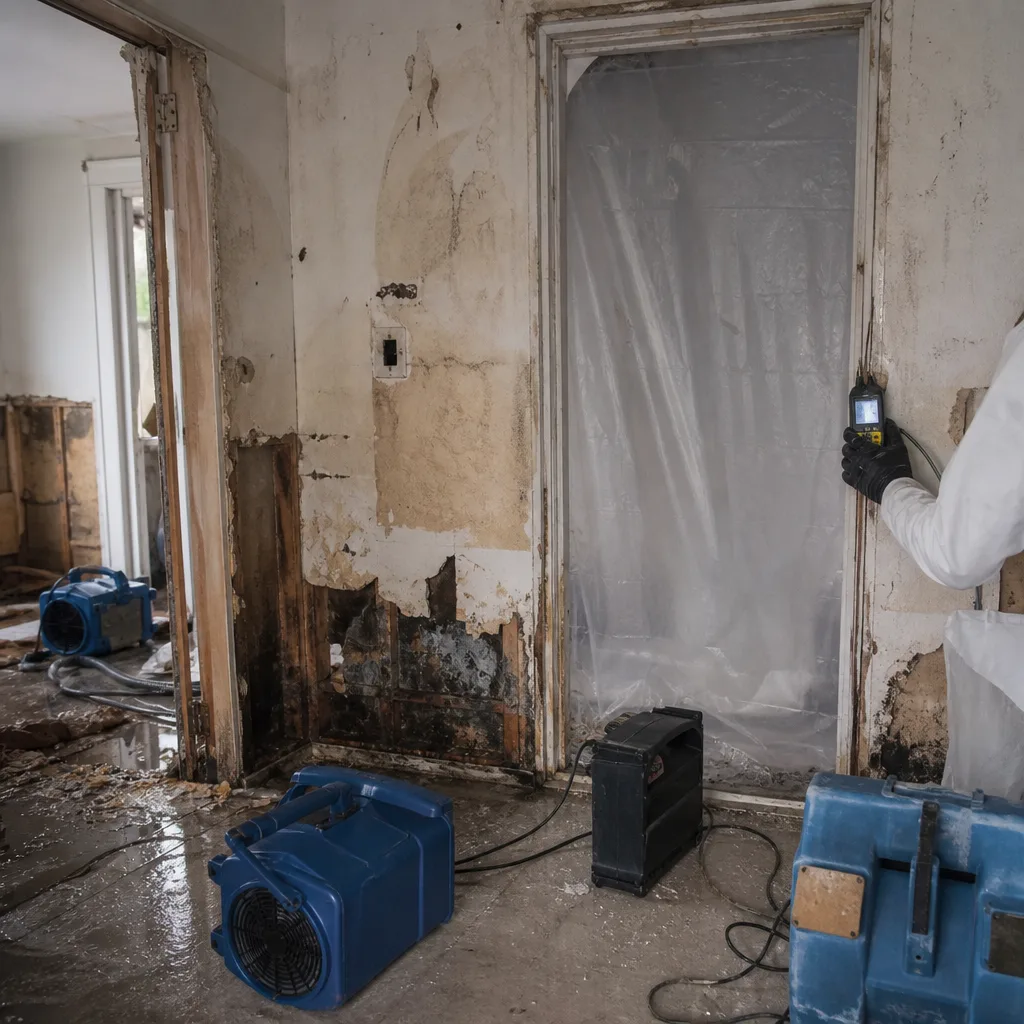 Before
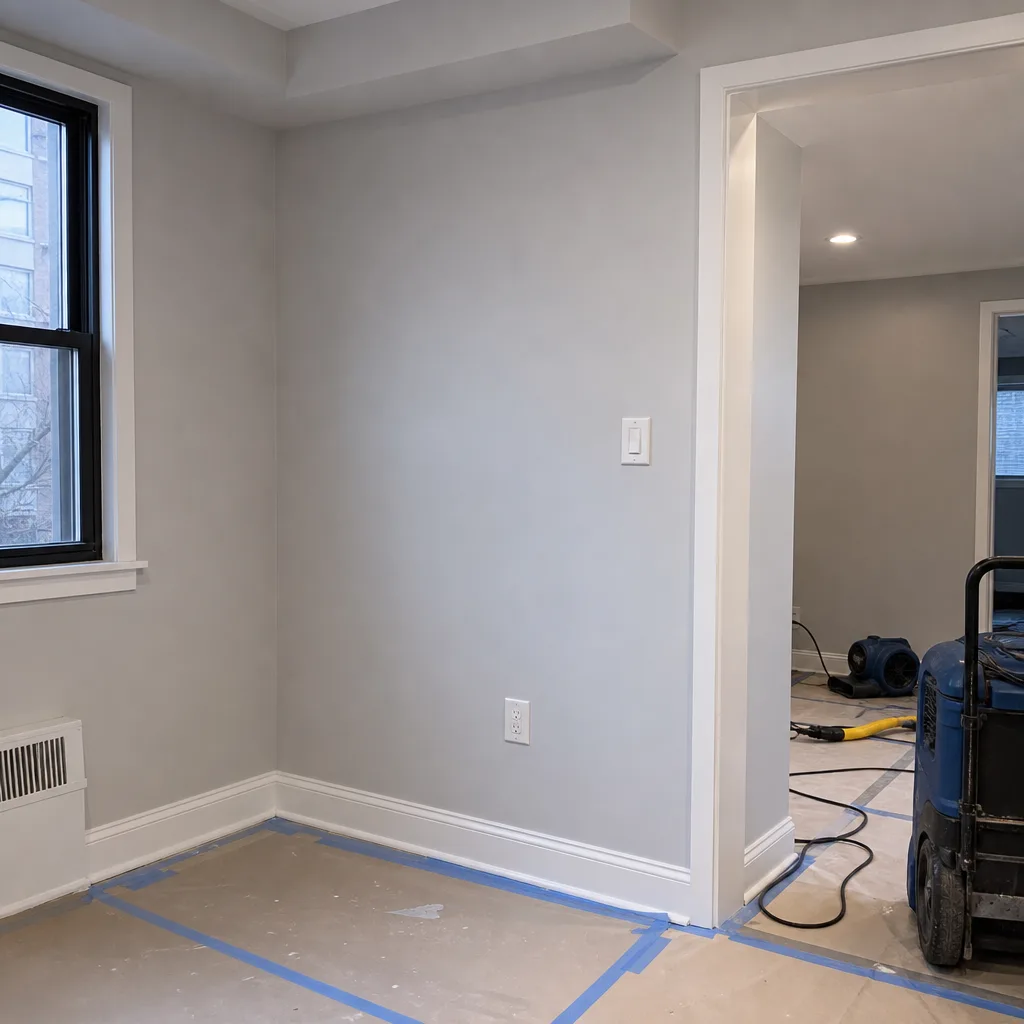 After
After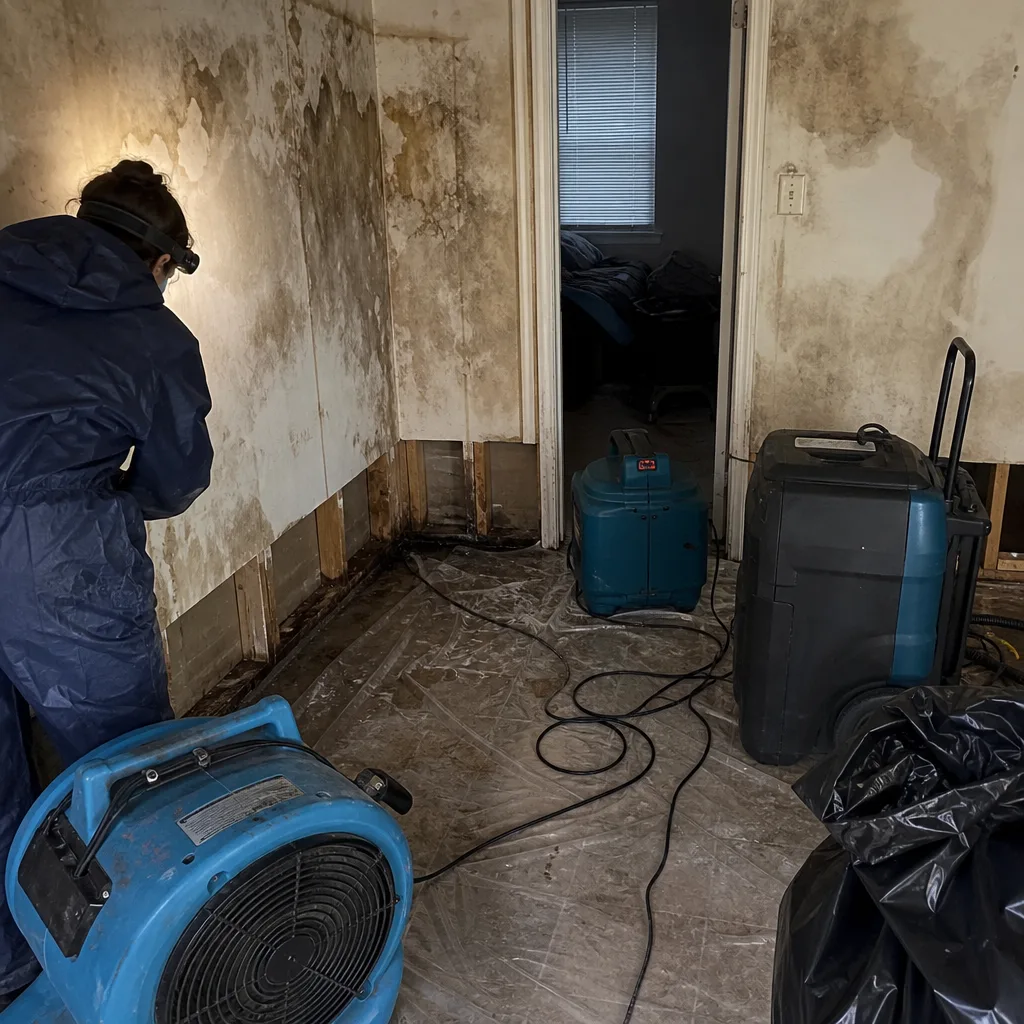 Before
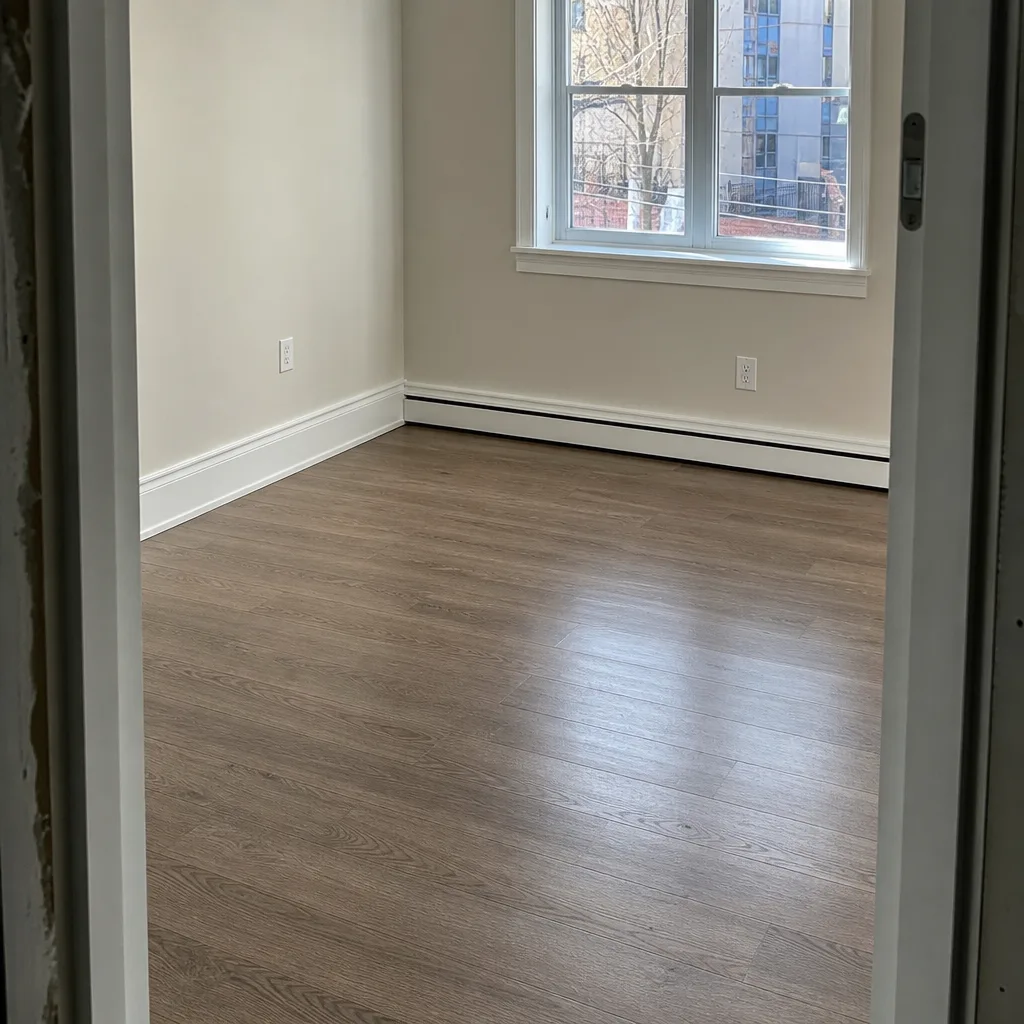 After
After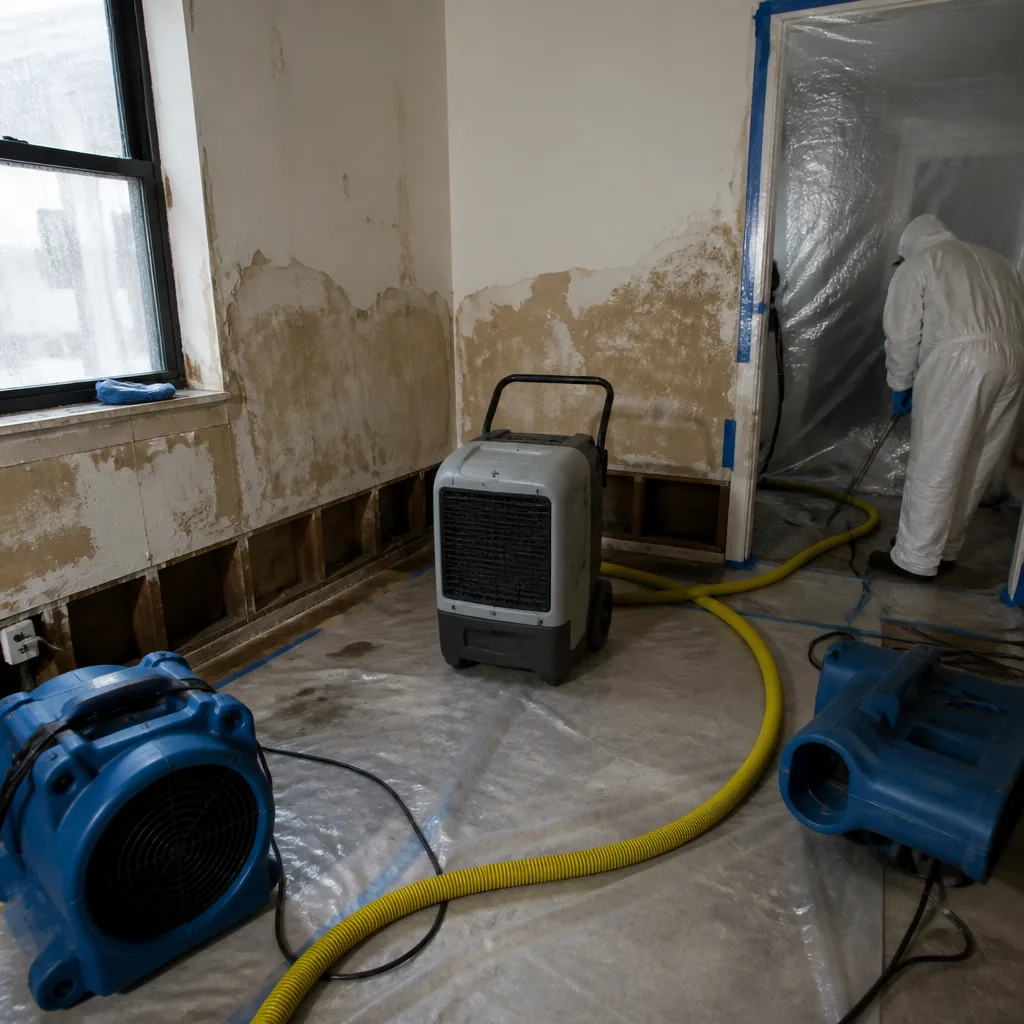 Before
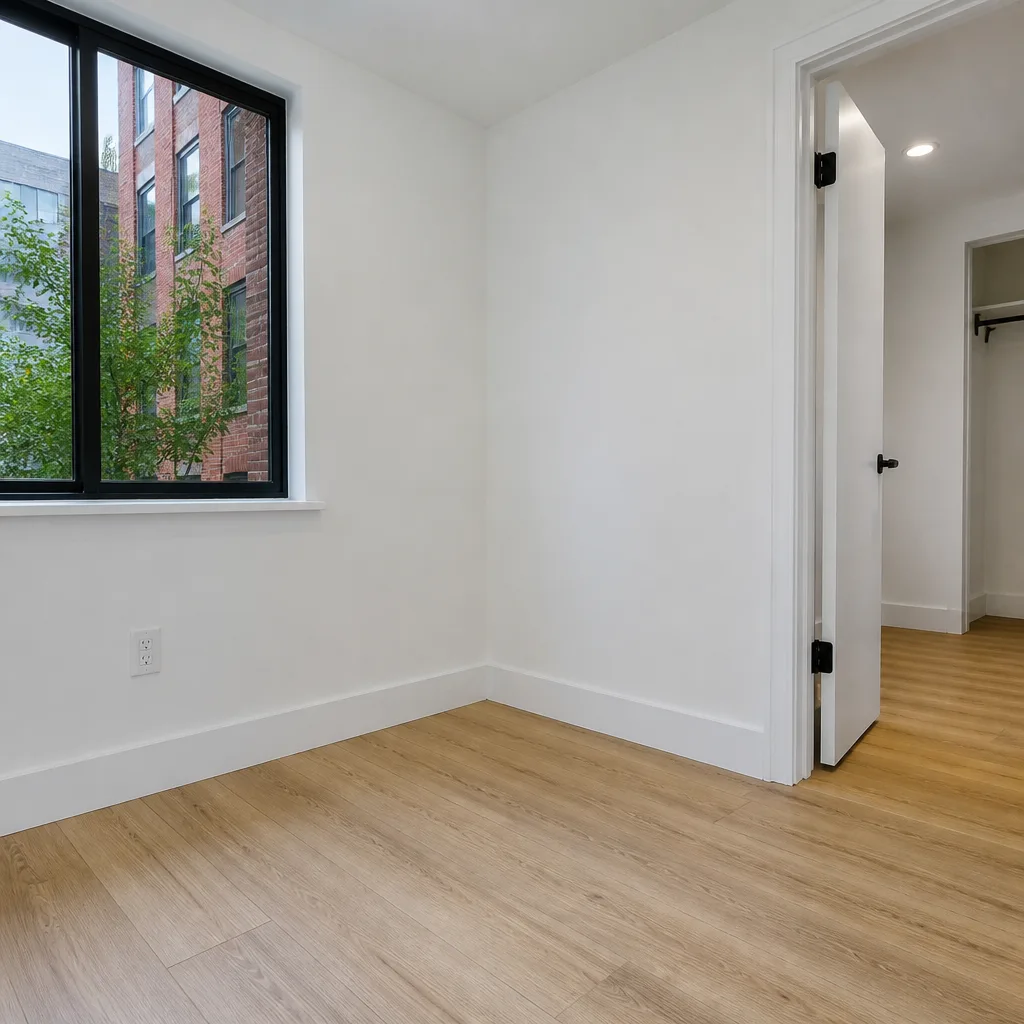 After
AfterFast, Reliable Mold Remediation Across Manhattan
Manhattan Water Damage Restoration and mold remediation typically runs $2,800-$7,500 for a standard apartment unit, with full-building stack remediation reaching $15,000-$35,000 depending on how many floors the moisture traveled. Most Manhattan jobs begin within 4-6 hours of your call, though co-op board approval and NYC DOB permit requirements can extend that timeline for multi-unit work. Call (914) 530-9723 and a live person will answer, 24 hours a day, 7 days a week - no voicemail, no callback queue while mold keeps spreading.
We’ve worked in Manhattan buildings from the Financial District to Washington Heights, and we know the difference between a simple surface treatment and the layered, multi-party remediation that pre-war high-rises demand. Our crews are dispatched from our New York City office, and we carry the documentation tools - moisture meters, thermal imaging, and daily photo logs - that turn a restoration invoice into a claim your insurer pays without a fight. Mold Remediation in Manhattan isn’t a generic service here; it’s a specific discipline shaped by steam heat, horsehair plaster, and co-op boards.
Why DryMark Restoration Long Island City Is Manhattan’s Preferred Mold Remediation Company
Our reputation in Manhattan was built on jobs where other companies walked away. In 2023, we completed remediation in a 1927 co-op on West End Avenue where a failed radiator condensate line had saturated horsehair plaster across four floors. The building’s managing agent required daily moisture logs, photo documentation of every visit, and a written scope before any work started. We delivered all three, and the job cleared the board’s final inspection on first review. Reviews from Manhattan customers consistently cite our documentation - the written price before work begins, the photo record on every visit, the drying logs that make insurance adjusters stop asking questions.
Response time to Manhattan averages 4-6 hours for initial assessment, though we can often have a technician on-site in under 3 hours for single-unit emergencies in the Upper West Side, Midtown, or the East Village. Co-op and condo buildings add variables we can’t control: board notification requirements, NYC DOB permit timelines for work affecting common elements, and mandatory asbestos or lead-paint surveys in pre-1980 buildings. What we can control, we do. Haven Standard, Clause 1: a written price before any work starts, every time, with no exceptions. Haven Standard, Clause 7: documented photo record on every visit, included as standard, never an upsell.
We understand Manhattan’s housing stock because we’ve documented it room by room. The pre-war masonry high-rises with their gravity steam systems. The post-war brick-and-concrete towers with failing embedded copper. The converted lofts on the Lower East Side with non-standard floor assemblies that trap water for weeks. This isn’t theoretical knowledge. It’s 12,000+ homes restored since 2011, every one with a written price before work started and a documented record when the crew left.
Our Mold Remediation Services in Manhattan
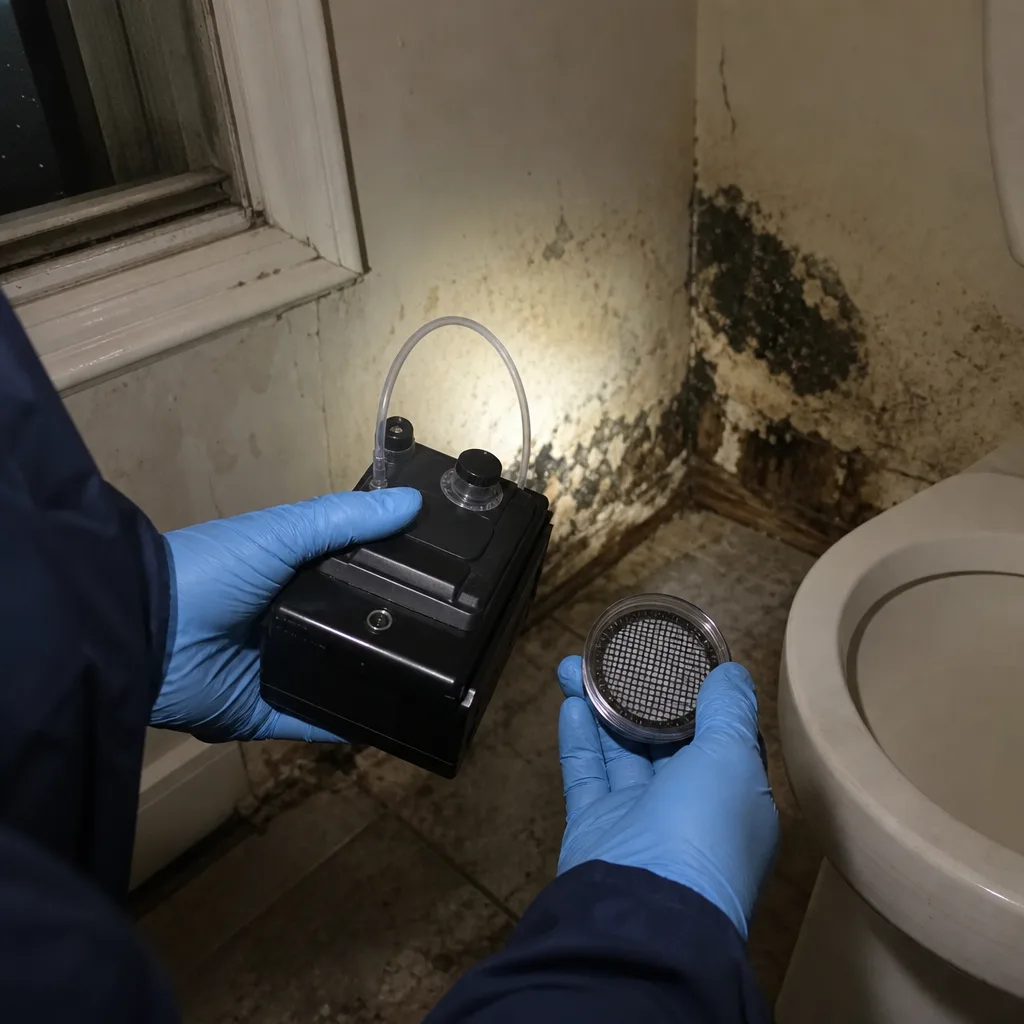
Mold Inspection & Testing
Manhattan’s mold problems rarely announce themselves. In a pre-war co-op on the Upper East Side, we recently inspected a unit where the owner reported a “musty smell” near the bedroom closet. Surface readings showed normal moisture levels. Our thermal imaging revealed a 6-degree temperature differential behind the horsehair plaster, and a borescope inspection found active mold colonization in a cast-iron pipe chase where a steam riser had been weeping condensate for months. We collected air and surface samples for third-party lab analysis, documented the chain of custody, and delivered a written scope with line-item pricing before any remediation began. In Manhattan, mold inspection must follow the building’s mechanical systems vertically, not just scan the visible walls horizontally.
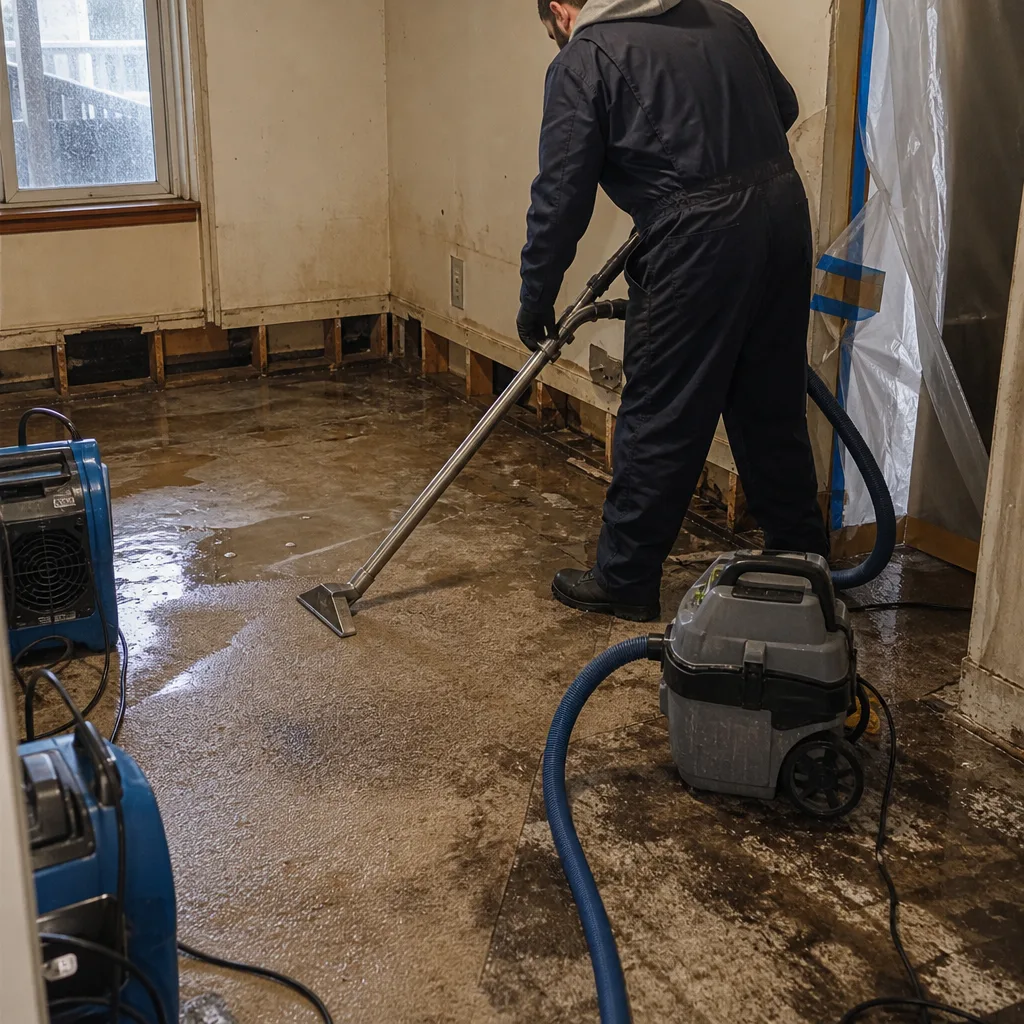
Mold Removal
Removal in Manhattan means containment before demolition. Co-op boards and building management require negative-air isolation, HEPA filtration, and notification protocols that protect common hallways and adjacent units. We build contained work zones with polyethylene barriers and maintain negative pressure throughout the removal process. In a 1950s tower near Lincoln Center, we removed mold-damaged drywall from a bathroom where a failed supply line had saturated the subfloor, but we preserved the original terrazzo floor at the owner’s request - documenting the moisture readings that proved it was salvageable. Every removal job includes the photo record, the written scope, and the drying log that your adjuster and your board will both want to see.
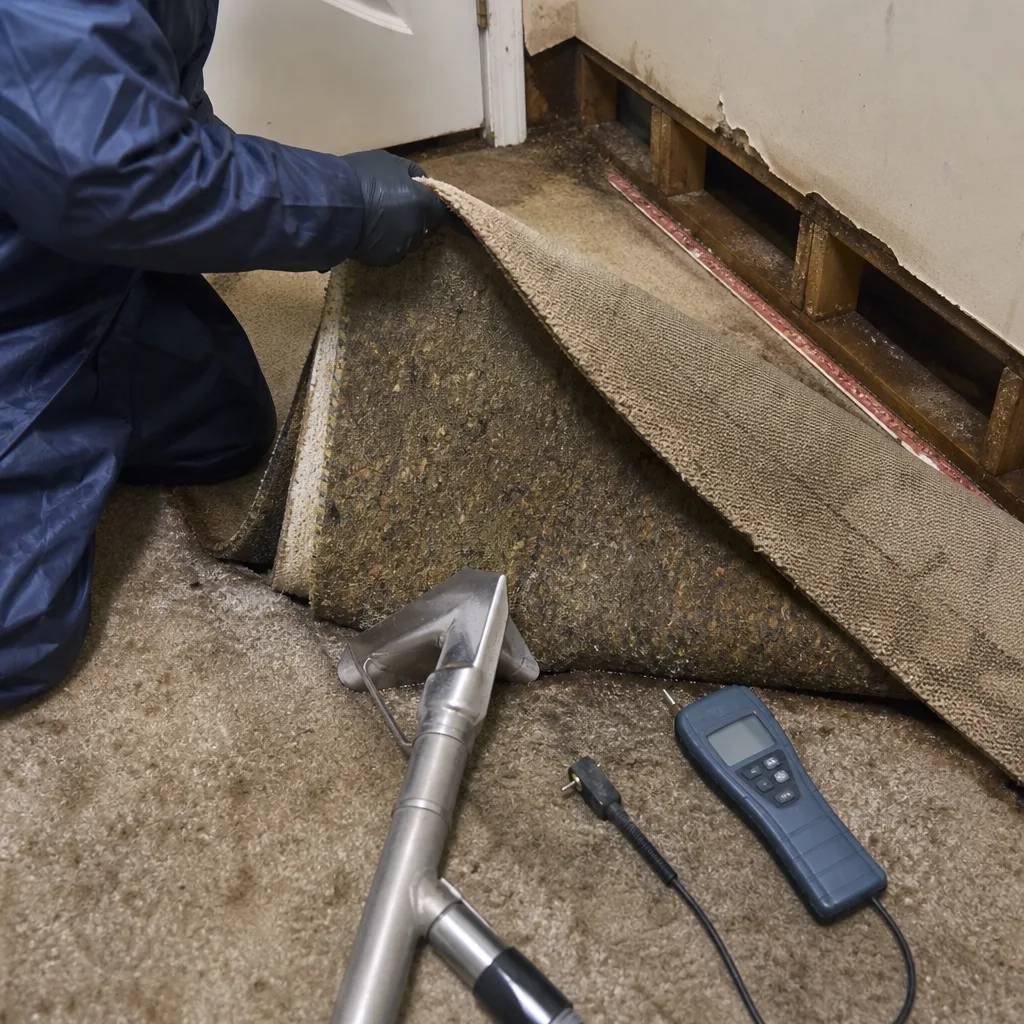
Black Mold Remediation
Stachybotrys chartarum and other toxigenic molds require the same containment rigor as asbestos abatement in Manhattan’s regulated environment. We treat black mold remediation as a controlled-environment operation: full PPE for technicians, sealed containment with air scrubbers, and antimicrobial treatment of all affected and adjacent surfaces. In a ground-floor unit near the Hudson River waterfront in Battery Park City, we remediated black mold that had colonized behind baseboards after Hurricane Sandy floodwater receded - the moisture had been trapped in the wall cavity for years, invisible until the owner renovated. We documented the full scope, coordinated with the building’s flood-insurance carrier, and delivered the drying logs that supported the claim.
Air Quality Restoration
Manhattan apartments recirculate air through compact HVAC systems and window units that can spread mold spores floor to floor in a high-rise. Our air quality restoration combines HEPA filtration during remediation with post-remediation air sampling to verify spore counts have returned to acceptable levels. We use Dri-Eaz and Phoenix air scrubbers rated to 99.97% efficiency at 0.3 microns, and we document the filter change schedule and runtime hours in your job file. For co-op buildings, we can sample air in common hallways and adjacent units to demonstrate that containment was effective - documentation that protects the building as well as the individual owner.
Moisture & Humidity Control
The root cause of recurring mold in Manhattan is almost always chronic moisture, not a single event. Steam-heat systems produce condensate year after year. Flat roofs with minimal pitch collect water at HVAC curbs and parapet walls. We install permanent dehumidification and monitor vapor pressure differential - the measurable force that drives moisture through walls - to identify where air is carrying water into cavities it shouldn’t reach. Our Mold Remediation team uses Injectidry systems to dry wall cavities without demolition when possible, preserving original plaster and documenting the psychrometric data that proves the cavity reached dry standard.
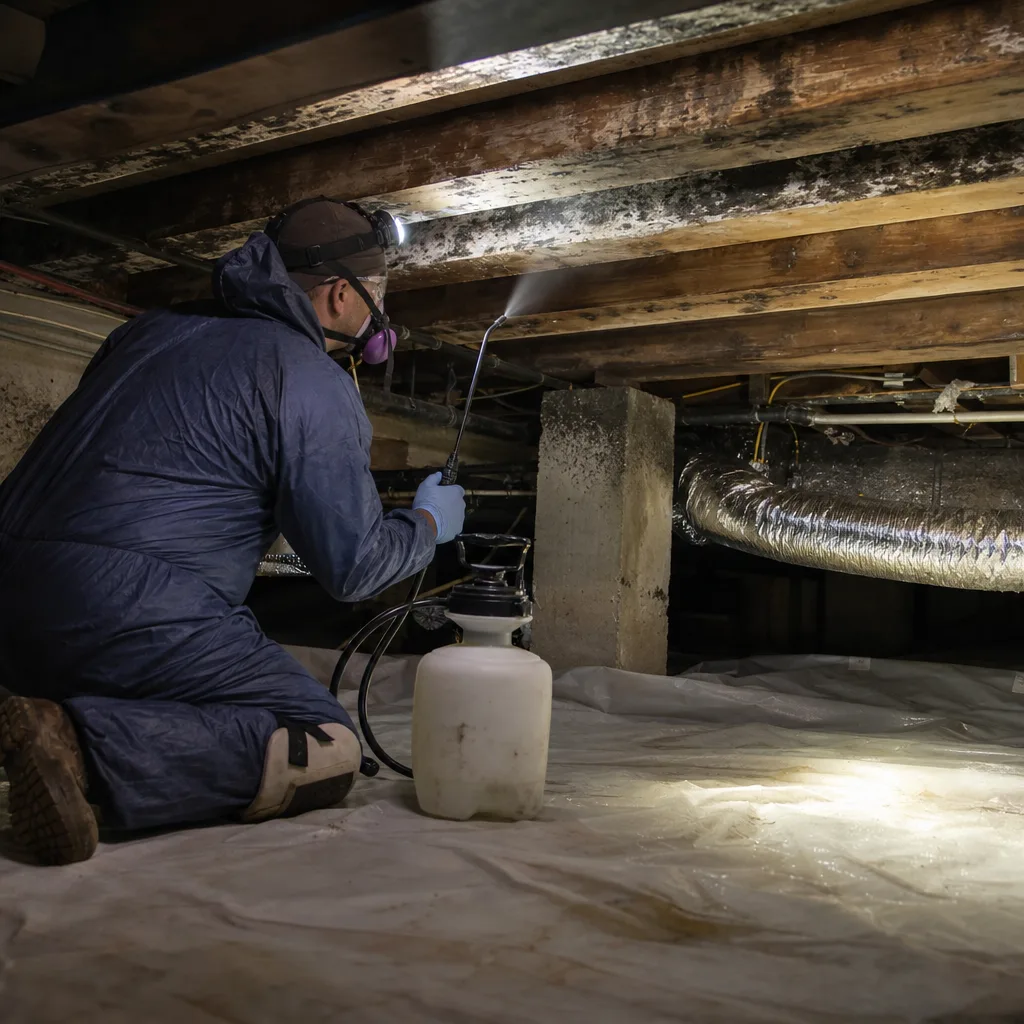
Crawl Space Treatment
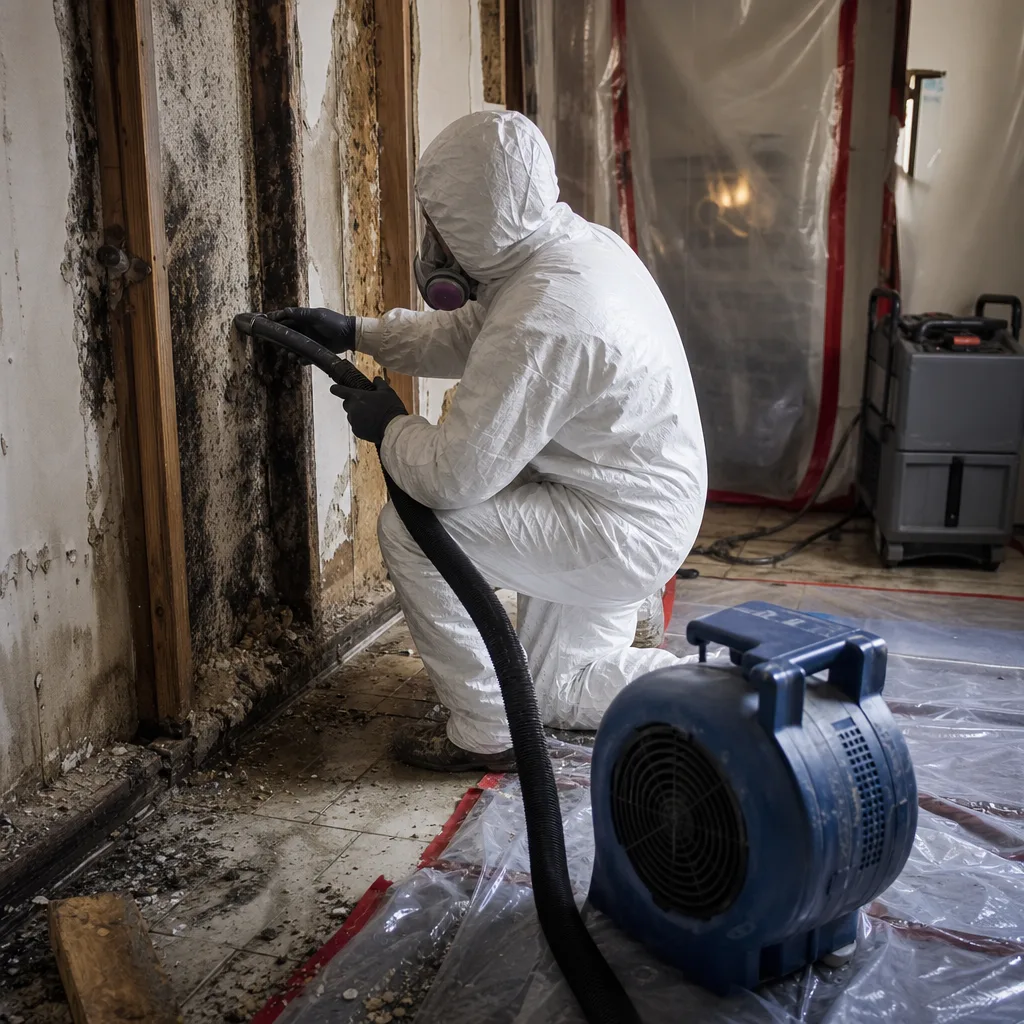
True crawl spaces are rare in Manhattan high-rises, but converted commercial and industrial buildings - especially in Tribeca, SoHo, and the Meatpacking District - often have sub-grade utility vaults, elevator pits, and former coal-storage areas that function identically. These spaces accumulate groundwater, condensate from steam mains, and sewer gas infiltration. We treat them with the same protocols as traditional crawl spaces: moisture barrier installation, sump pump evaluation, and antimicrobial treatment of structural elements. Documentation includes photo evidence of conditions before and after, plus written recommendations for ongoing maintenance.
What happens when you call
- 1
A real person answersNo phone trees - you reach a local pro.
- 2
You get an upfront price rangeHonest numbers before anyone is dispatched.
- 3
A background-checked tech heads outLicensed & insured, dispatched right away.
- 4
You approve before work beginsNothing starts until you say go.
BeforeAfterTrusted Brands We Service in Manhattan
We deploy professional-grade drying and air quality systems from Dri-Eaz, Phoenix, and XPOWER on Manhattan jobs, with Injectidry cavity-drying equipment for the plaster-and-lath assemblies that demolition would destroy. These aren’t brand names we mention for credibility; they’re the machines we maintain in our New York City inventory, with replacement filters, hoses, and fittings stocked locally so a failed desiccant rotor or clogged HEPA filter doesn’t delay your job. All work is documented to IICRC, RIA, and IFA standards - the daily drying logs, the psychrometric readings, the photo record - producing the documentation package that turns a restoration invoice into a payable insurance claim. We don’t promise speed at the expense of evidence. We deliver both.
Common Mold Remediation Problems We See in Manhattan Homes
- Hidden mold behind horsehair plaster in pre-war buildings. The plaster looks sound, the paint looks clean, and a moisture meter on the surface reads normal. But a thermal camera reveals the temperature differential of a wet cavity, and a borescope finds mold colonizing the void behind. We map moisture vertically, following steam risers and cast-iron waste lines floor to floor.
- Steam-heat condensate line failures in autumn. Every October, buildings fire up gravity steam systems for the first time since April. Aging valve packing and corroded condensate return lines fail under pressure, sending water through plaster ceilings across multiple units simultaneously. Mold starts within 24-48 hours if the cavity isn’t opened and dried.
- Co-op board and NYC DOB permit delays. A job that should start Tuesday gets pushed to next week because the board hasn’t approved access to the common stack, or because pre-1980 buildings require asbestos and lead-paint surveys before demolition can begin. We build these timelines into our written scopes and communicate them to your insurer upfront.
- Recurring moisture from partial plumbing retrofits. A unit owner replaces galvanized supply lines with PEX but leaves the original cast-iron condensate return untouched. The new lines don’t leak. The old ones do, seasonally, predictably, re-wetting cavities that were already remediated once. We identify these legacy failure modes in inspection and address them in scope.
Pricing for Mold Remediation in Manhattan, NY
| Service | Typical Range in Manhattan |
|---|---|
| Mold inspection & testing (single unit) | $450-$850 |
| Surface mold removal (bathroom, closet) | $1,200-$2,800 |
| Full-unit remediation with containment | $2,800-$7,500 |
| Multi-floor stack remediation (co-op/condo) | $15,000-$35,000 |
| Air quality testing & post-remediation verification | $350-$600 |
| Moisture mapping & thermal imaging assessment | $400-$750 |
What moves a job toward the higher end: multiple affected units requiring separate containment zones, NYC DOB permit costs for work on common building systems, asbestos or lead-paint abatement triggered by pre-1980 building surveys, and the extended drying time that horsehair plaster demands compared to modern drywall. What we guarantee: Haven Standard, Clause 1 - a written price before any work starts, with no scope-creep additions once the crew is inside. Bring a competitor’s written estimate and we’ll review it free under our Free Second Opinion policy. Call (914) 530-9723 for your written estimate.
We Also Serve Cities Near Manhattan
Our crews work throughout the metro area, with regular jobs in Manhattan, New York, Long Island City, Astoria, and Elmhurst. Dispatch and scheduling are coordinated from our New York City office. Whether you’re in a Queens co-op with similar steam-heat infrastructure or a Brooklyn brownstone with its own masonry and plaster challenges, we bring the same documentation-first approach: written price before work begins, photo record on every visit, drying logs that support your claim.
Serving Manhattan, NY - Our Local Coverage Area
We’re based in the Manhattan area and know this community well. Use the map below to see our service coverage - if you’re nearby, we can almost certainly help.
FAQs - Mold Remediation in Manhattan
Co-op remediation takes longer because three parties must align before work starts: the unit owner, the co-op board or managing agent, and the NYC Department of Buildings for permits affecting common elements. Pre-1980 buildings also require asbestos and lead-paint surveys that add 3-7 business days. Once work begins, containment must protect common hallways and adjacent units, and drying must account for horsehair plaster’s density, which holds moisture longer than modern drywall. Call (914) 530-9723 and we’ll outline the specific timeline for your building.
We use thermal imaging to detect temperature differentials behind plaster, then confirm with borescope inspection through small, repairable access holes. Surface moisture meters alone are unreliable on horsehair plaster because the dense material can read dry at the surface while the wood lath behind it is saturated. Our field protocol maps moisture vertically, following steam risers and waste lines floor to floor, not just scanning the visible wall plane. Call (914) 530-9723 to schedule thermal imaging assessment.
Yes, and it often does. Steam-heat systems are building-wide, and a failed condensate return line on the 14th floor can send moisture through a vertical stack of pre-war apartments in under an hour. Our tech was called to a pre-war co-op on West End Avenue after exactly this failure, and we found hidden mold on horsehair plaster two floors below the source unit. We set up containment, performed antimicrobial treatment, used Injectidry to dry the wall cavity without demolition, and logged moisture readings daily for the board. The co-op’s managing agent required full drying logs before we demobilized. If you’ve had a radiator failure, request inspection of units below you, not just adjacent to you.
Each affected unit typically has its own insurance policy, its own deductible, and its own claim file. We produce separate documentation packages - written scope, photo record, drying logs - for each unit, while coordinating a single containment and remediation plan that the building’s master policy or management company may also need to review. Our background in claims documentation means we speak adjuster language: we label photos by unit and date, we separate costs by policy, and we deliver the evidence that prevents your claim from stalling in inter-company dispute. Haven Standard, Clause 1 applies to every unit individually: written price before work starts, every time.
For single-unit events without common-element impact, we can often begin assessment within 4-6 hours and remediation the same day. For multi-unit co-op or condo events, the realistic timeline is 24-72 hours minimum, depending on board notification requirements and whether NYC DOB permits are needed. The 24-48 hour window for optimal mold prevention is real, but in Manhattan’s regulated environment, it’s sometimes not achievable without emergency board authorization. We document our recommendations and timeline in writing for your insurer, and we move as fast as the building’s governance allows. Call (914) 530-9723 to discuss your specific situation.
Written by Alicia Brennan, Owner at Back to Dry Restoration, serving Manhattan since 2011 under The Haven Standard.