
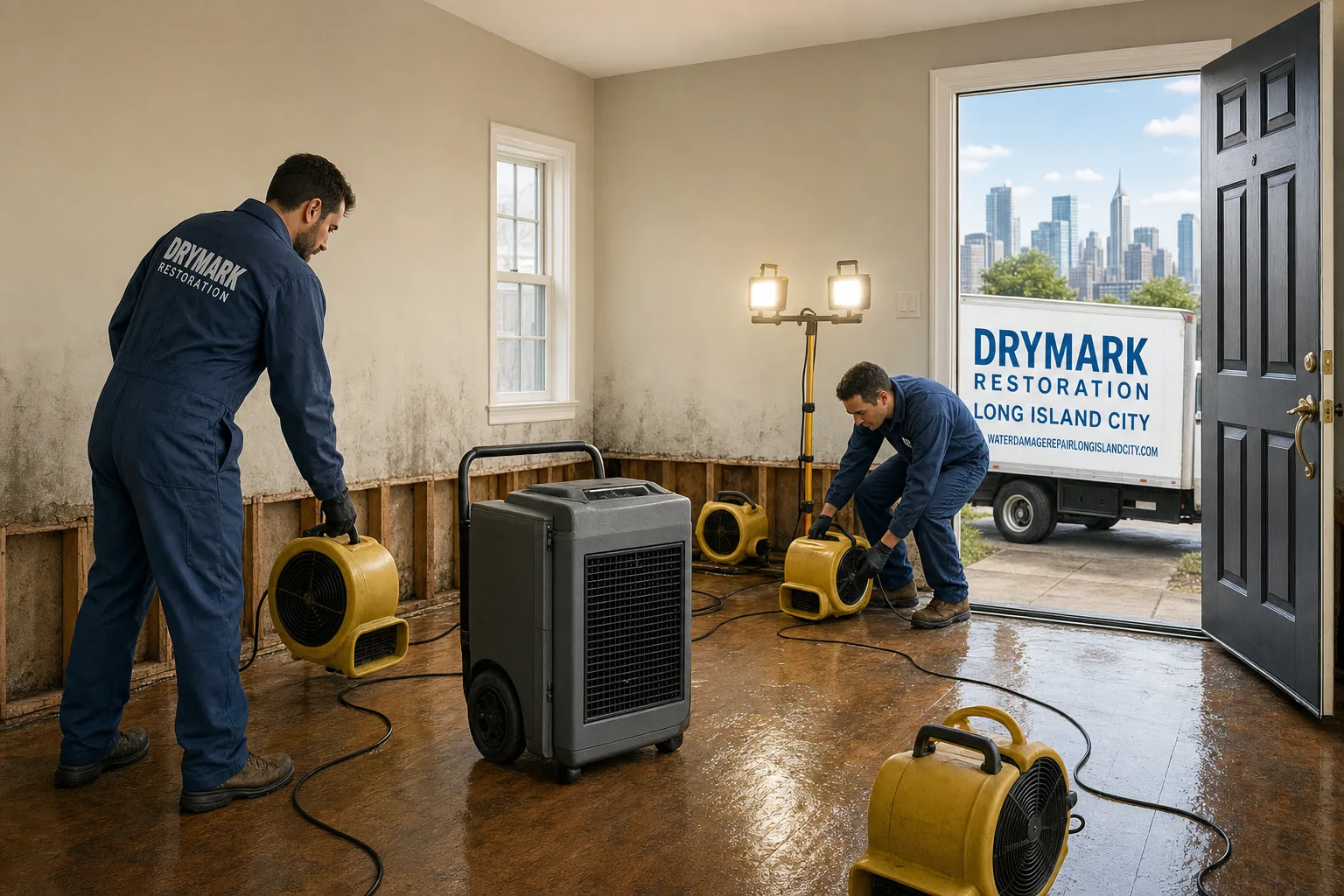
Free visual inspection and a written scope of work before any mitigation begins - photos, moisture readings, and drying logs go in your claim file
The scope we write is the scope we bill. Anything new gets shown to you, in writing, before we touch it.
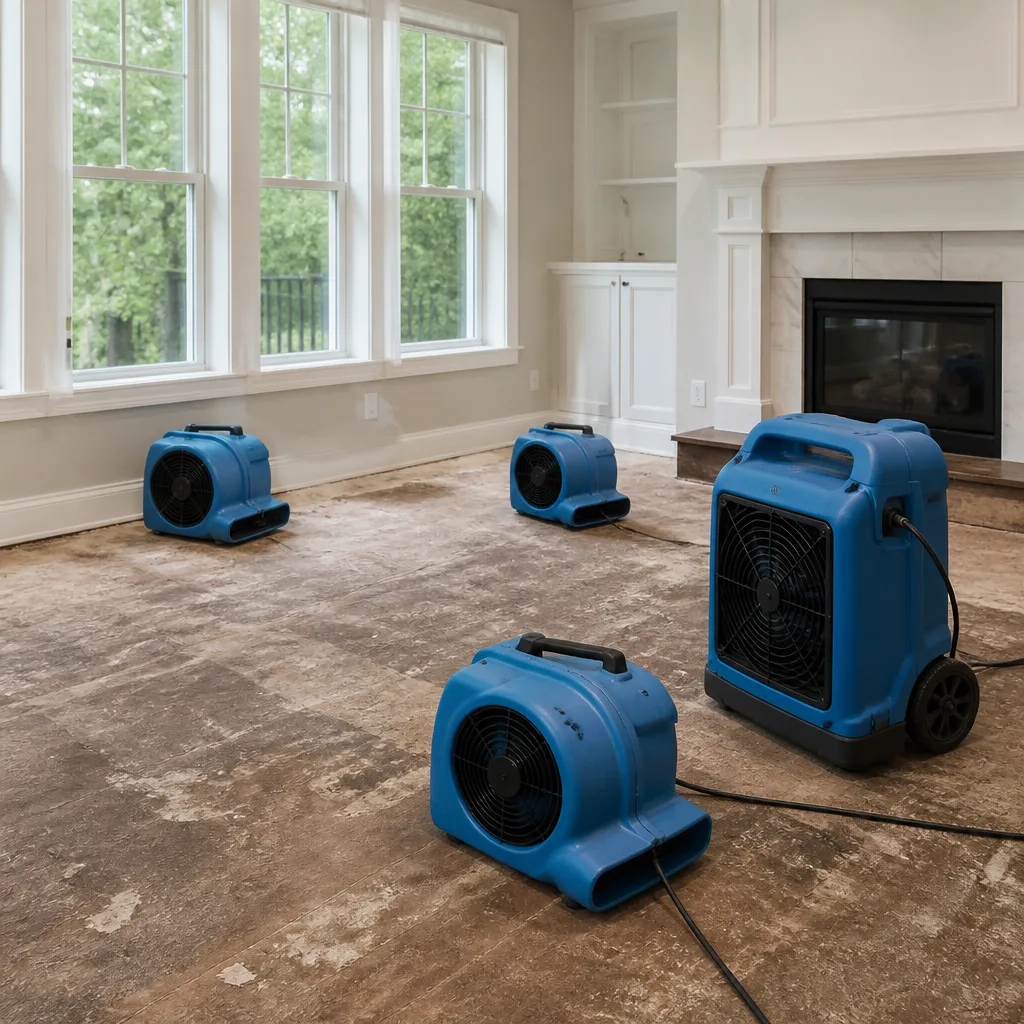

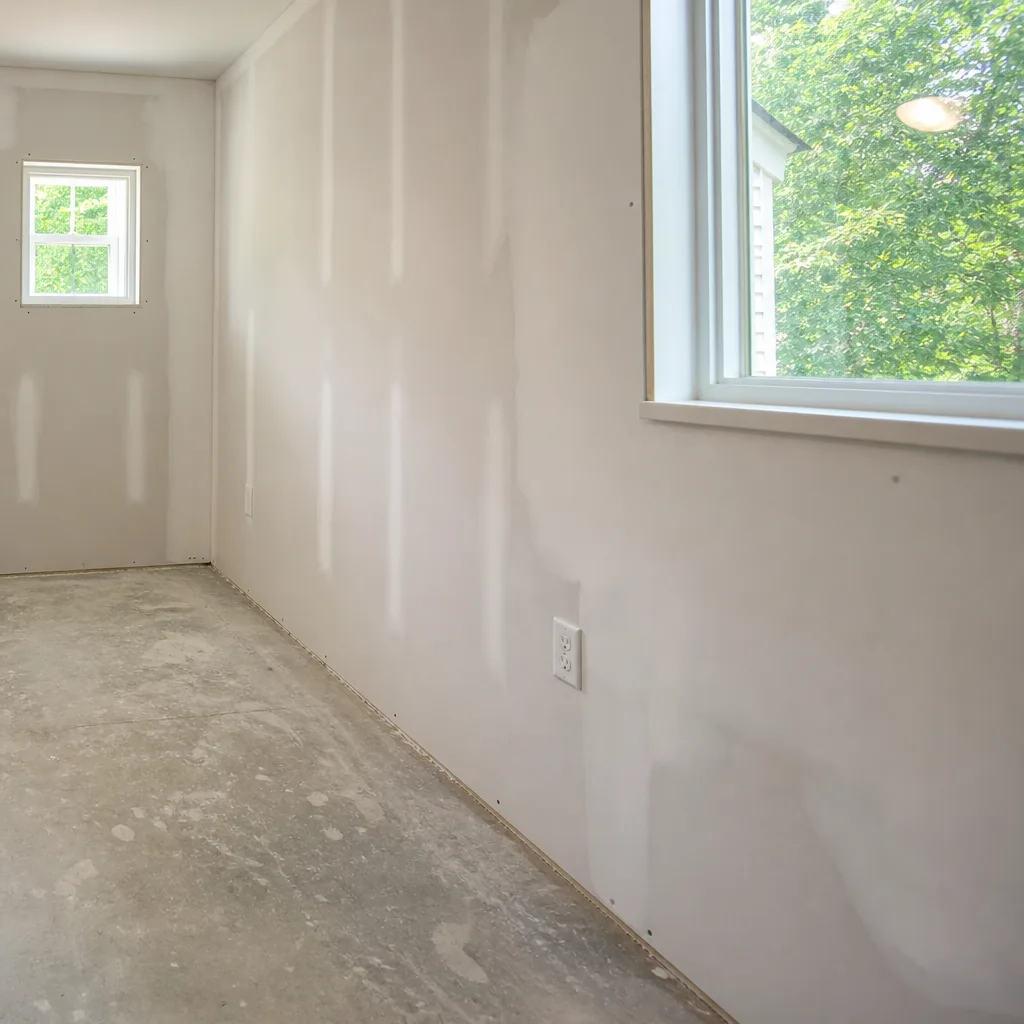
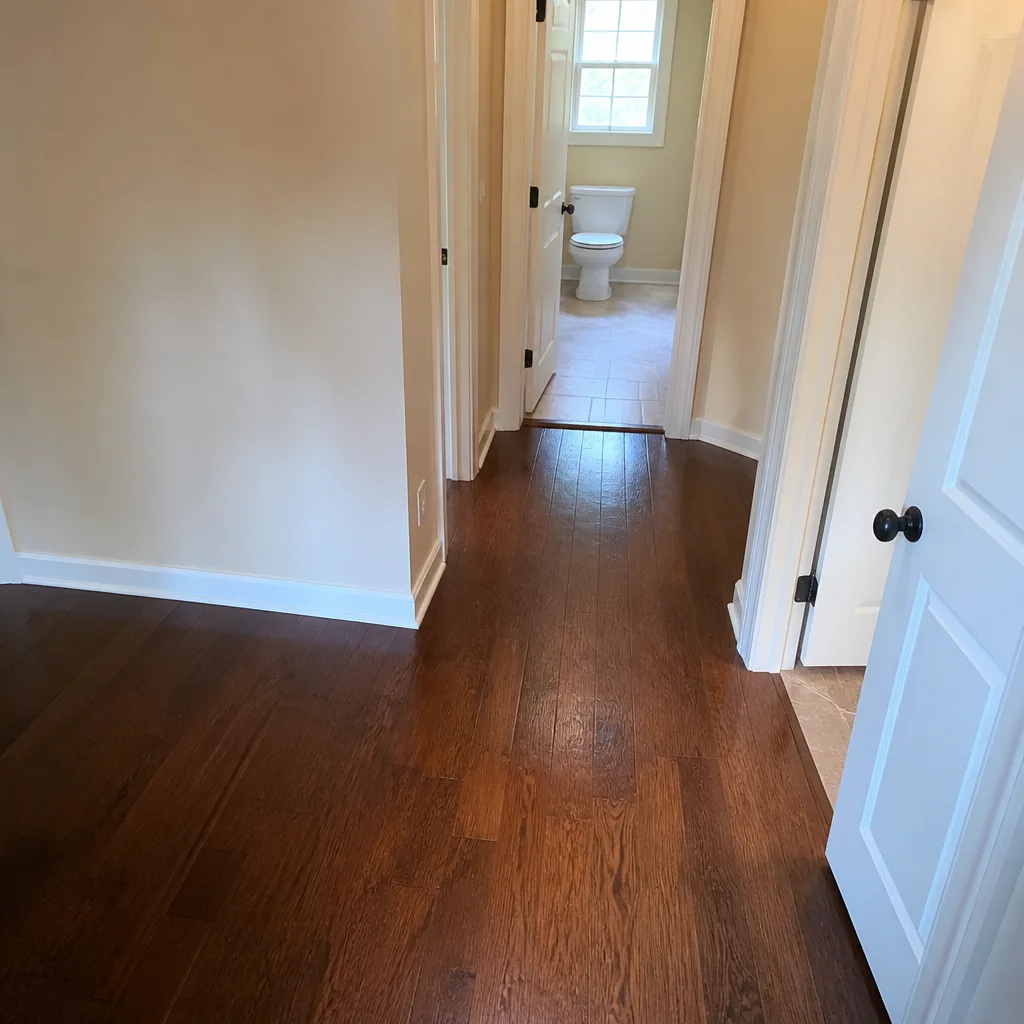
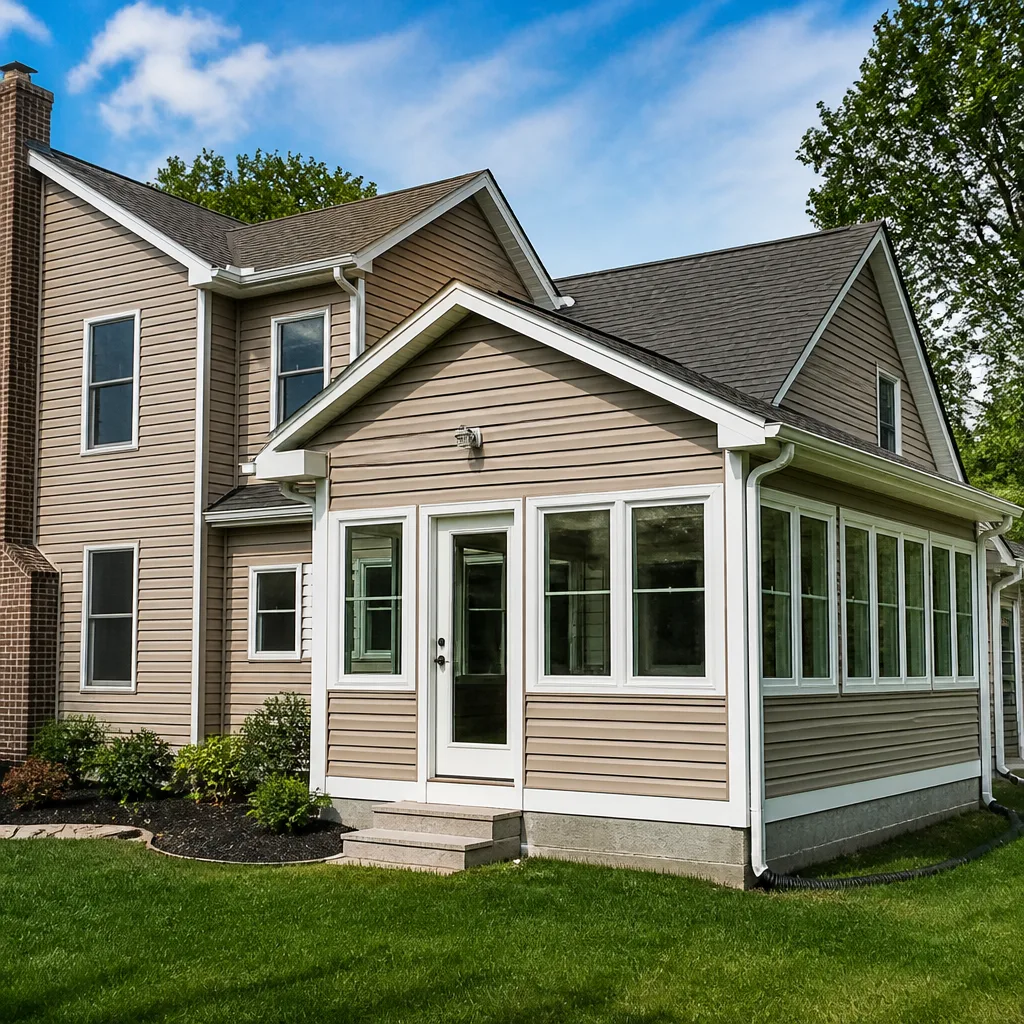
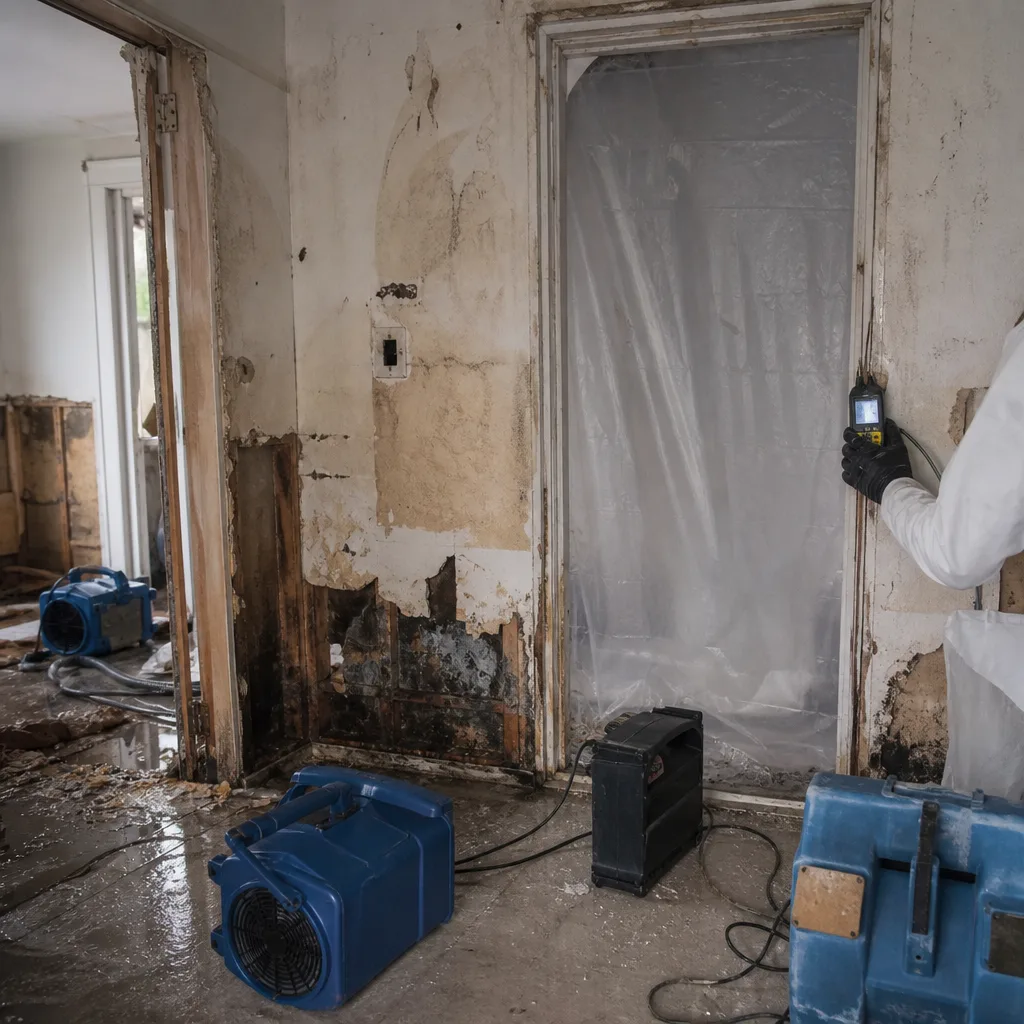 Before
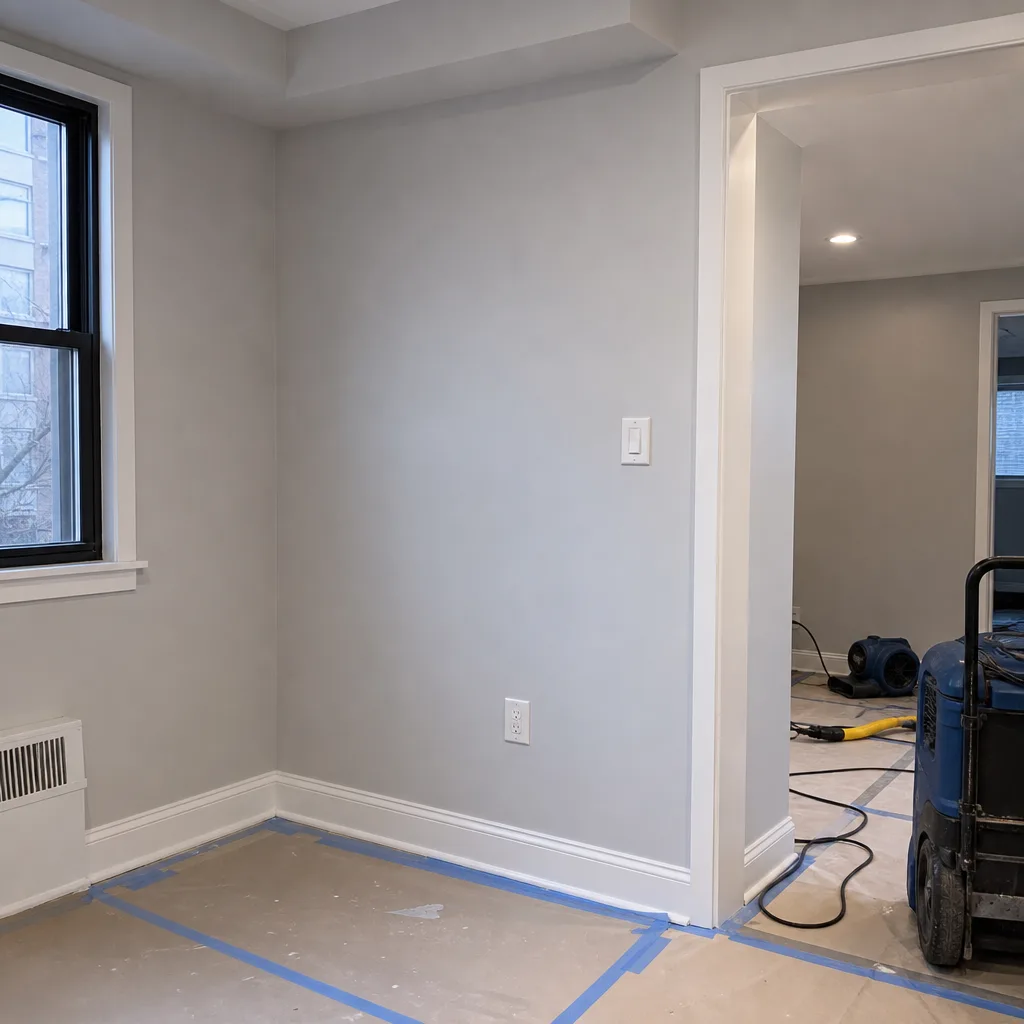 After
After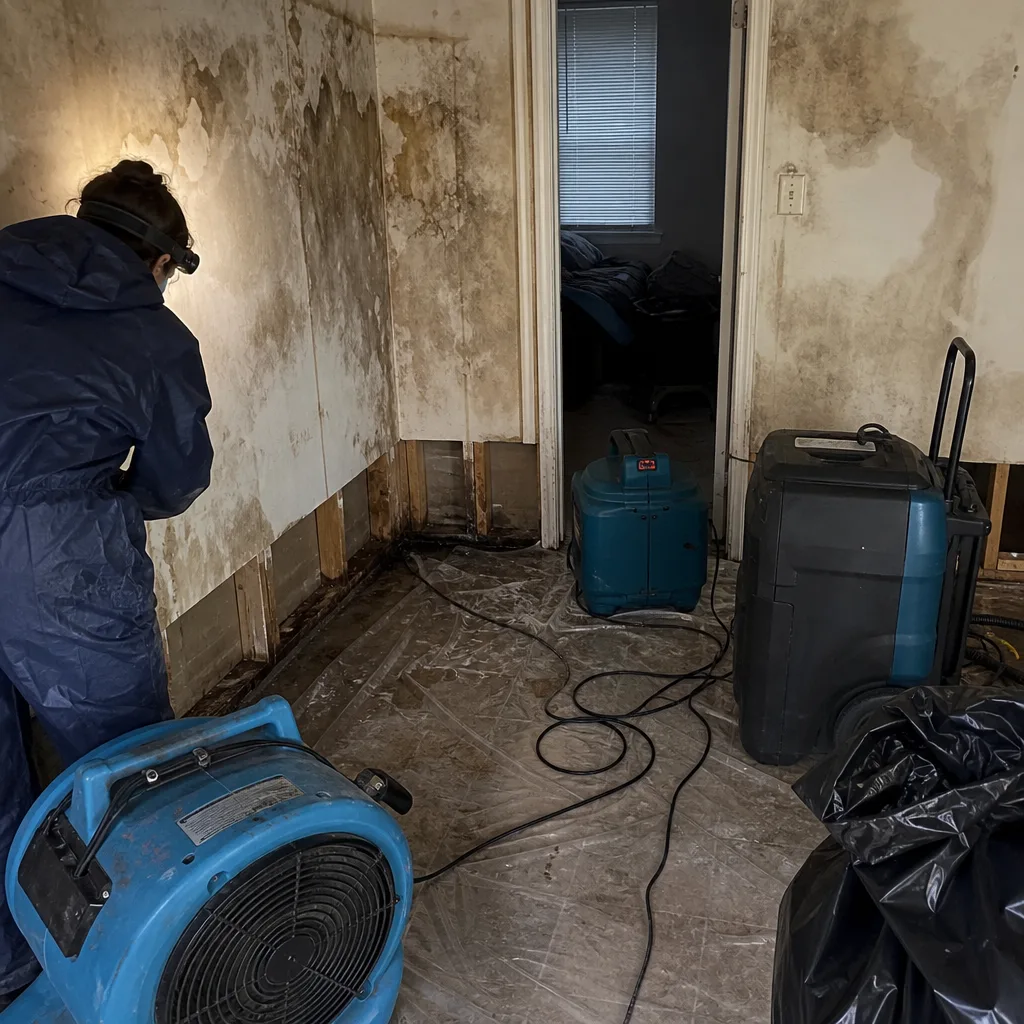 Before
 After
After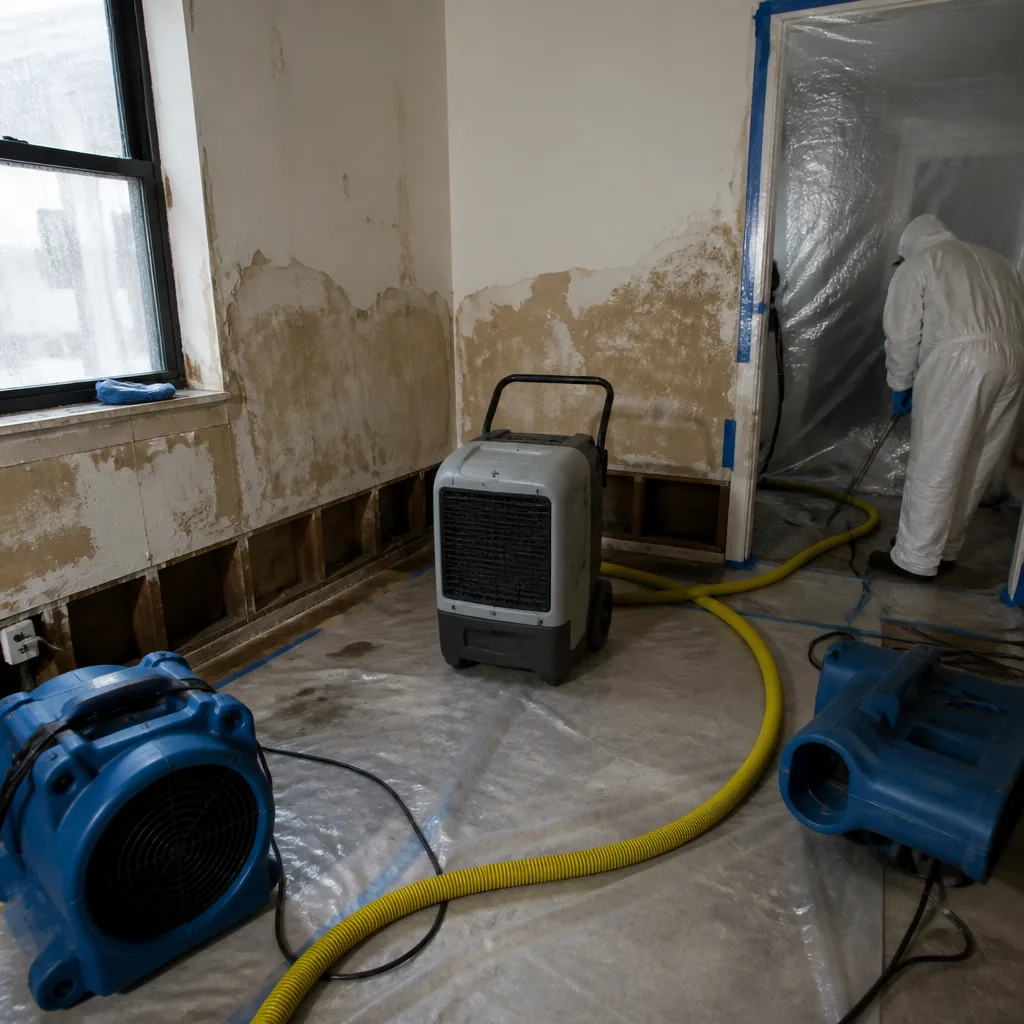 Before
 After
AfterHow Much Does Storm & Disaster Restoration Cost in Long Island City?
Storm and disaster restoration in Long Island City typically costs between $2,800 and $12,500 for standard residential water intrusion events, while major structural damage or sewage contamination events often range from $15,000 to $45,000 depending on the square footage and material saturation levels. Because every restoration project requires a written price before any work begins, as dictated by The Haven Standard, we provide a precise scope of work for your specific property in Long Island City, NY, rather than a generic estimate.
If your home or commercial space in Long Island City has suffered from storm damage, call DryMark Restoration Long Island City at (914) 530-9723 for a free estimate. We provide a documented photo record on every visit and upfront pricing so you know exactly what the job entails before our crew starts the equipment.
Storm & Disaster Restoration Cost Breakdown (2026)
Pricing for restoration is not a flat fee. It is a calculation based on the class of water, the square footage affected, and the specific drying equipment required to return the materials to their pre-loss moisture equilibrium. In Long Island City, we frequently see variations in cost based on whether the property is a newer high-rise in Court Square or a historic brownstone near the East River waterfront, as the building materials dictate the drying strategy.
Typical Restoration Cost Items
- Emergency Water Extraction: $800 - $2,500. This covers the initial removal of standing water using truck-mounted extraction units.
- Structural Drying & Dehumidification: $1,200 - $4,500. This includes the placement and monitoring of industrial-grade dehumidifiers and air movers. Cost varies based on the number of days the equipment must run to meet IICRC standards.
- Mold Remediation & Containment: $2,000 - $8,000. Required if moisture has sat for more than 48 hours, leading to microbial growth on drywall, studs, or subflooring.
- Demolition and Debris Removal: $1,500 - $5,000. Removal of non-salvageable materials like saturated insulation, baseboards, and water-damaged drywall.
- Documentation and Moisture Log Creation: Included in the scope. Alicia Brennan founded our company to solve the documentation gap, so we include daily moisture logs and photo records as standard deliverables, never as an upsell.
These figures represent the market rates for professional restoration services in Queens. If you receive a quote significantly lower than these ranges, it often indicates the absence of professional-grade drying equipment or a failure to document the job to insurance-grade standards. We invite you to bring any competitor’s written estimate to us for a free second opinion, ensuring you understand exactly what you are paying for.
What Affects Storm & Disaster Restoration Pricing in Long Island City
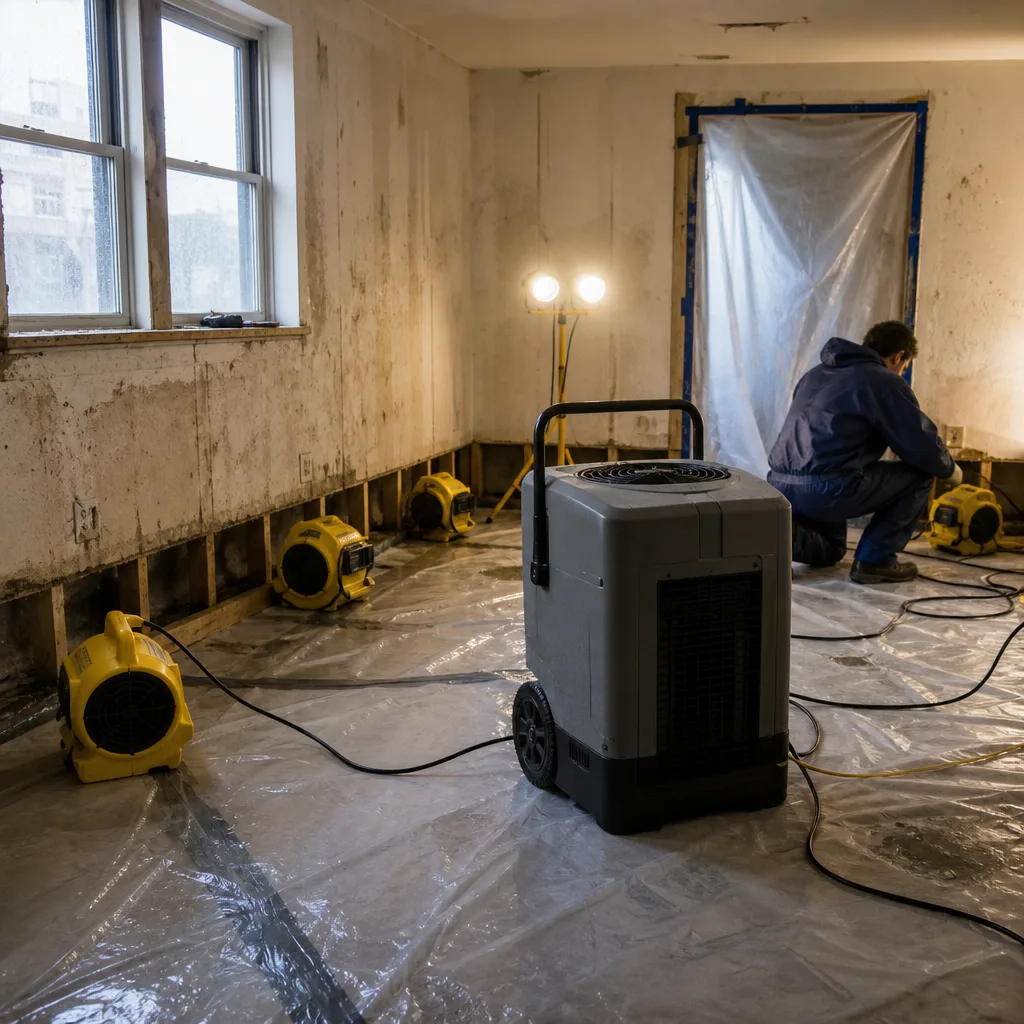
When our team assesses a site in Long Island City, we look at objective data-moisture readings, psychrometric data, and the classification of the water-to determine the cost. We do not use “convenience” pricing. Every dollar is tied to a specific line item in our written scope.
- Water Classification: Clean water (Category 1) from a pipe burst costs less to remediate than sewage-contaminated water (Category 3) from a storm surge or sewer backup. Category 3 requires specialized biohazard protocols, personal protective equipment, and disposal fees that increase the total project cost.
- Building Material Porosity: Restoring a luxury condo with high-end hardwood floors and custom cabinetry is more complex than restoring a standard apartment. Hardwood requires specific drying systems like the Injectidry floor mats to prevent cupping and permanent damage, which carries a different equipment cost than drying standard drywall.
- Duration of Saturation: The longer water sits, the more it migrates into the structure. A localized leak caught within two hours of impact costs significantly less than a basement flood that has been sitting for three days, as the latter requires extensive demolition of porous materials like drywall and carpet padding.
- Accessibility and Floor Level: In Long Island City high-rises, logistics play a role. Moving industrial-grade drying systems from Dri-Eaz, Phoenix, or XPOWER into a 30th-floor unit requires more labor hours than a ground-floor townhouse, impacting the total service quote.
- Documentation Requirements: Our pricing includes the administrative work required to secure your insurance claim. We generate daily moisture logs and photo records that prove the necessity of every dollar spent. This documentation is the difference between an insurance company paying your claim and denying it.
BeforeAfterThe Haven Standard: Our Commitment to Transparent Pricing
DryMark Restoration Long Island City operates under The Haven Standard, a framework established by Alicia Brennan to eliminate the confusion and surprise costs common in the restoration industry. We believe that if you cannot measure it, you cannot restore it. That is why we provide a written price before any work begins. This is not a suggestion; it is Clause 1 of The Haven Standard.
We see many homeowners in Long Island City struggle with restoration companies that provide a verbal estimate, start the work, and then present a final bill that is double the initial conversation. We do not operate that way. When we provide a quote, that is the price. There is no scope-creep, no surprise disposal fees, and no “emergency surcharges” added after our crew has already started the drying process. You deserve to know what the restoration will cost before you authorize a single piece of equipment to be turned on.
Our team, led by Alicia Brennan, has restored over 12,000 homes since 2011, and we have done so by adhering to the principle that a restoration invoice should be a clear, documented record of work performed. When you work with us, you receive a detailed scope of work, a daily moisture log, and a photo record on every visit. This ensures that your insurance adjuster has the evidence they need to process your claim, and you have the peace of mind of knowing exactly what is happening in your home.
How to Save on Storm & Disaster Restoration
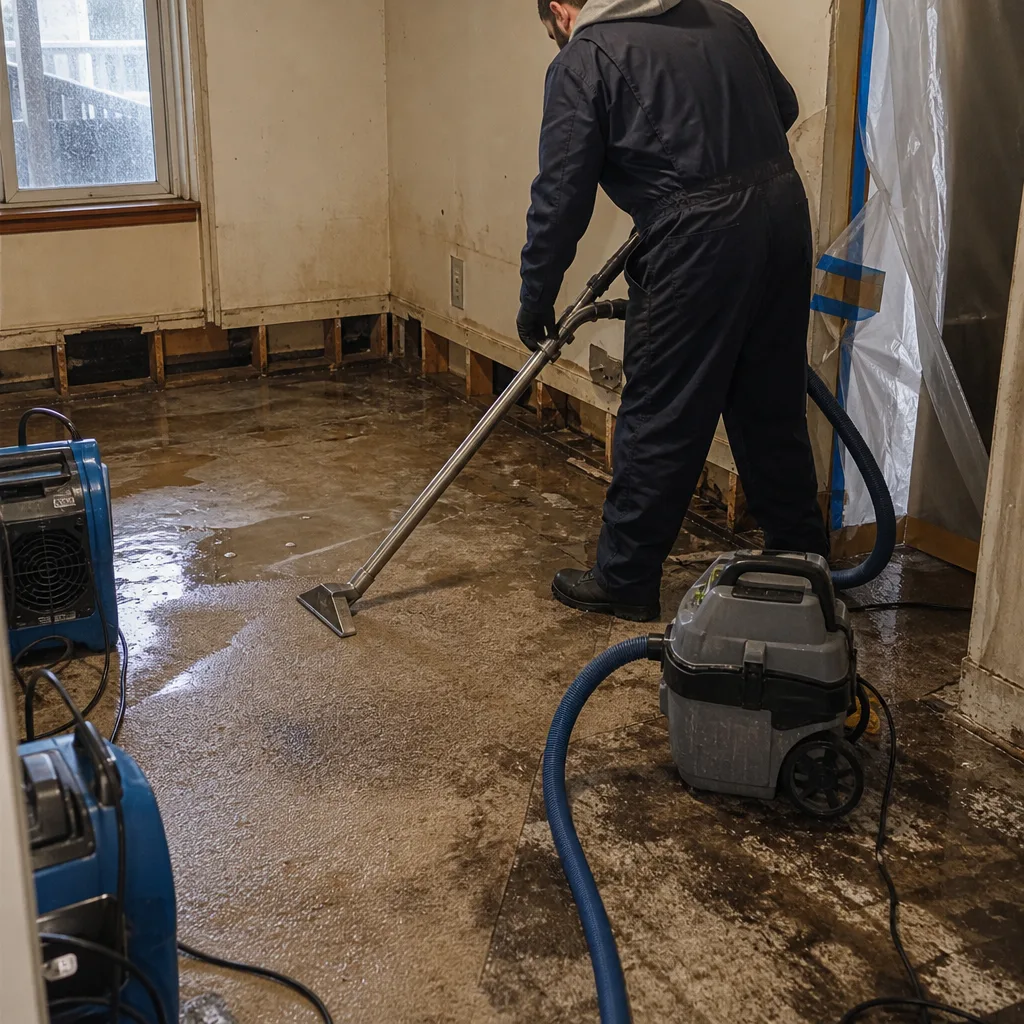
Saving money on restoration is not about finding the cheapest hourly rate; it is about finding the company that stops the damage fastest and documents it correctly. An improper restoration leads to secondary damage, such as mold growth, which can cost three times as much to remediate as the initial water event.
The most effective way to save money is to call us immediately. When we arrive on-site, we use professional-grade drying systems from Phoenix, B-Air, and Injectidry to remove moisture from deep within the structure. By drying the building materials in place, we can often avoid the expensive demolition and reconstruction of your walls, floors, and cabinetry.
We also recommend that you keep a record of all communication with your insurance provider. If you feel that your initial assessment was inaccurate, we offer a free second opinion on any written estimate provided by a competitor. We will review their scope of work to see if they are using the correct drying protocols for your specific situation. Call (914) 530-9723 to schedule your free estimate and ensure your restoration is handled correctly from the start.
The Technical Reality: Why Documentation Matters
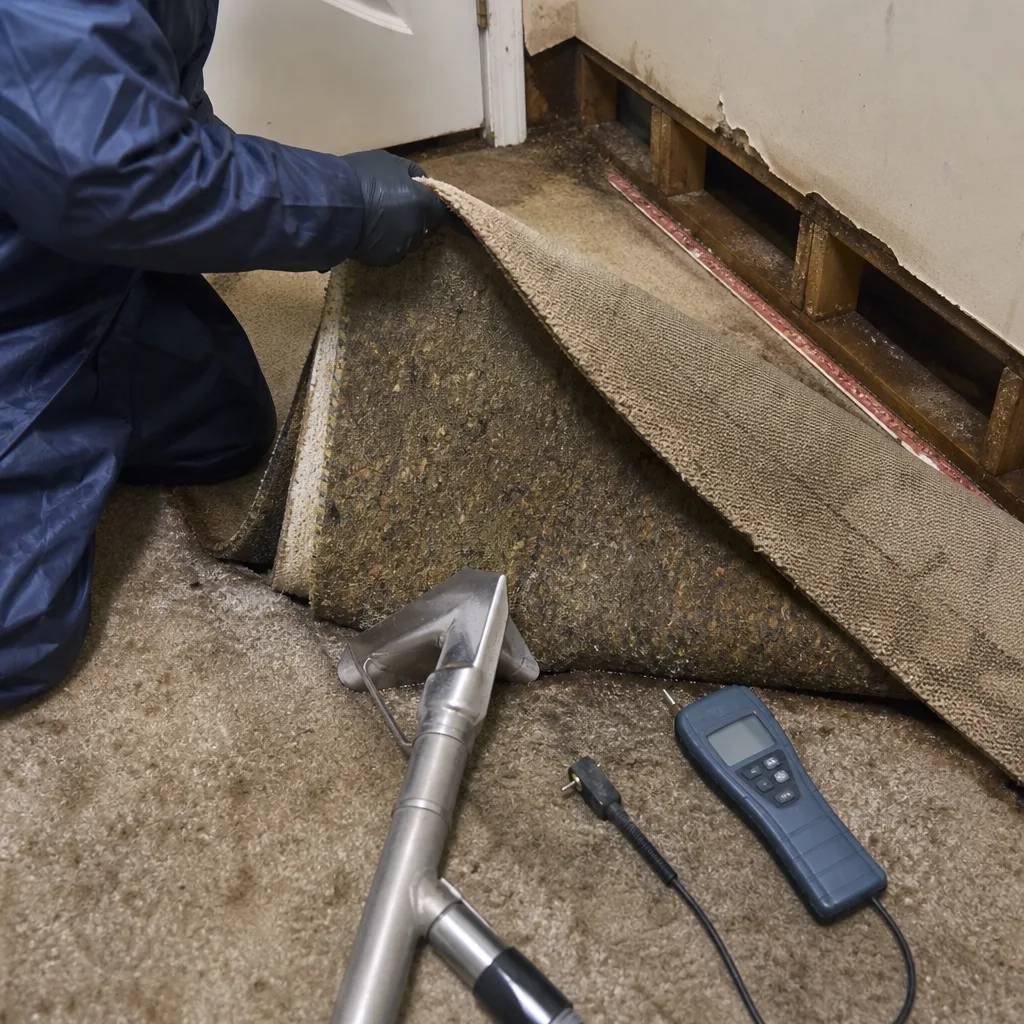
In the restoration industry, the difference between a successful claim and a denied one is often the quality of the moisture log. At DryMark Restoration Long Island City, we measure moisture content in wood, drywall, and concrete using calibrated moisture meters. We record these numbers on every visit. This creates a “drying curve” that proves the structure is actually drying out.
Many companies will place a fan in the room and assume it is working. We measure the psychrometric data-the relationship between temperature, humidity, and dew point-to ensure our dehumidifiers are actually pulling water out of the air. If the equipment is not calibrated to the specific environment of your Long Island City home, it is not doing its job. We document these readings because they are the evidence that justifies the cost of the restoration to your insurer.
This level of detail is part of the 365-Day Done Right Promise. If we say we are going to dry your structure, we stand by that promise. If it is not done right, we make it right. This warranty is stamped on every job we perform, providing you with a level of accountability that is rare in the restoration industry. We are not just a contractor; we are your partner in returning your home to its pre-loss condition.
Understanding Storm Surge and Sewer Backup in Long Island City
Long Island City faces unique challenges due to its proximity to the East River and its mix of industrial and residential zones. Storm events often bring more than just rainwater; they can bring brackish water, silt, and sewage into basements and ground-floor units. This is classified as Category 3 water, which is significantly more dangerous than a clean water leak from a sink or refrigerator.
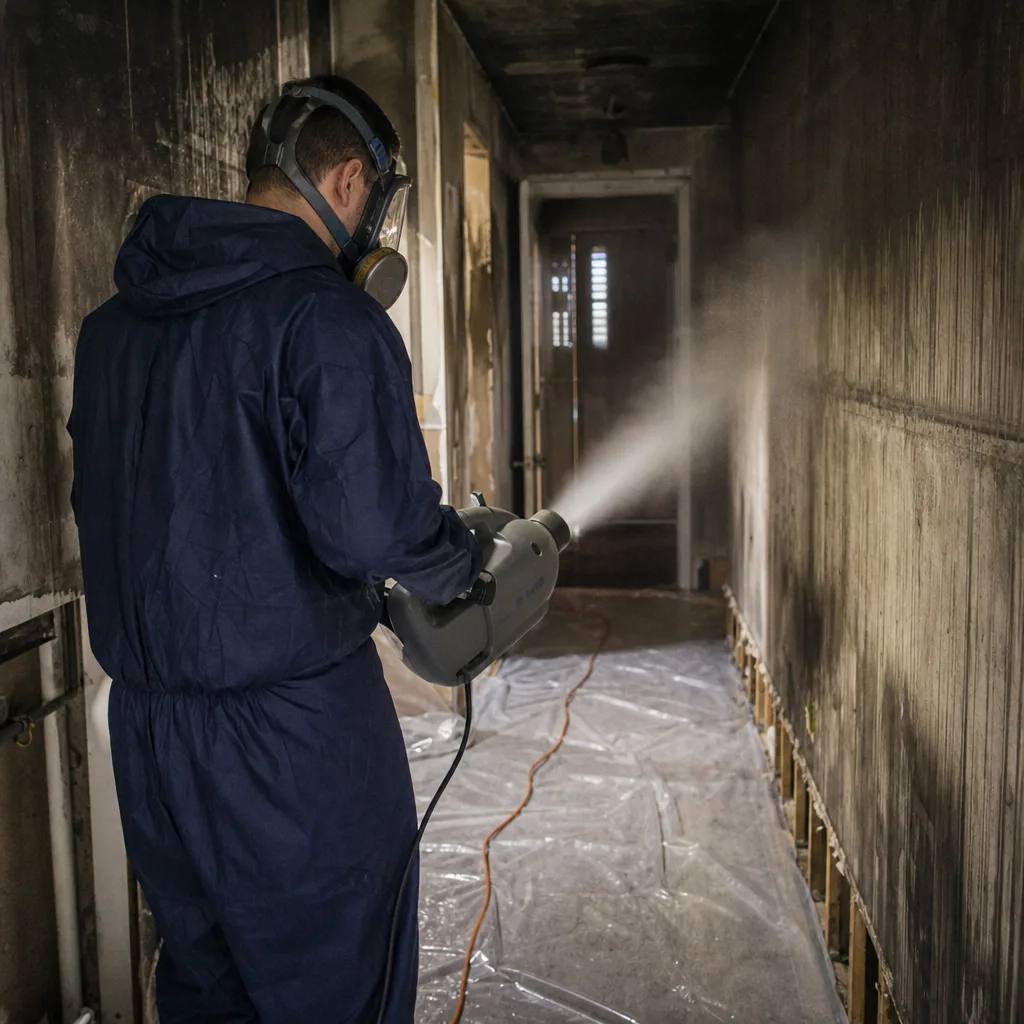
Category 3 water contains bacteria, pathogens, and contaminants that require immediate containment. When we encounter this, we isolate the affected area immediately to prevent cross-contamination into the rest of your home. We then remove all porous materials-carpet, padding, and drywall-that have been exposed to the contaminants. This is a non-negotiable safety requirement. If you are dealing with sewage or floodwater, do not attempt to clean it yourself. High-tension electrical lines, potential gas leaks, and biological hazards make this work dangerous. Call (914) 530-9723 immediately to have a trained professional secure the site.
Step-by-Step: The DryMark Restoration Process
When you call us for Storm & Disaster Restoration, we follow a strict, documented process to ensure nothing is missed. This is how we maintain our reputation in Long Island City.
- Immediate Response: We answer the phone 24 hours a day, 7 days a week. You will speak to a live person, not a voicemail tree. We will dispatch a crew to your property immediately to stabilize the environment.
- Site Assessment: Our lead technician arrives and performs a full inspection. We photograph the damage, take moisture readings of every affected surface, and identify the source of the water.
- Written Scope (Clause 1): We present a written price for the entire restoration project. We review this with you so you understand exactly what we are doing and why. We do not start work until you have signed this scope.
- Extraction and Containment: We remove standing water and set up containment barriers to protect the unaffected areas of your home.
- Drying and Monitoring: We install industrial drying equipment. We return daily to check moisture levels, adjust equipment settings, and record the data in our drying logs.
- Final Documentation: Once the materials reach their target moisture equilibrium, we provide you with a final package containing all photos, moisture logs, and our 365-Day Done Right Promise. This package is ready to be submitted to your insurance company.
FAQs - Storm & Disaster Restoration Cost
How much does it cost to fix a flooded basement in Long Island City?
Fixing a flooded basement typically ranges from $2,500 to $9,000 depending on the depth of the water and the materials affected. If the water is contaminated, the cost will be on the higher end due to the specialized biohazard cleaning protocols required. Call (914) 530-9723 for an exact quote based on your basement’s square footage.
Is it cheaper to repair or replace water-damaged materials?
It is almost always cheaper to dry and repair existing materials than to replace them, provided the water is not contaminated and the materials are not structurally compromised. We use professional drying systems to save drywall, subflooring, and framing, which avoids the high costs of demolition and reconstruction. Call (914) 530-9723 to see if your materials can be saved.
Do you work directly with my insurance company?
Yes, we provide all the documentation, photo records, and moisture logs your insurance company needs to process your claim efficiently. We are experts in documentation, and we ensure that every invoice is clear, detailed, and evidence-based. Call (914) 530-9723 to discuss your specific claim needs.
Can you come today to assess the damage?
We provide 24/7 live phone support and can dispatch a team to your property in Long Island City immediately. We understand that storm damage is an emergency, and we prioritize rapid response to prevent secondary damage like mold. Call (914) 530-9723 to request an immediate visit.
What is the “365-Day Done Right Promise”?
This is our written warranty that guarantees our restoration work for one year. If the work is not done correctly, we will return and make it right at no additional cost to you. This is part of our commitment to The Haven Standard. Call (914) 530-9723 to learn more about our guarantees.
Pricing reflects the Long Island City market as of 2026. DryMark Restoration Long Island City offers free estimates - call (914) 530-9723.
Written by Alicia Brennan, Owner at DryMark Restoration Long Island City, serving Long Island City since 2011.
What Our Customers Say
"They photographed behind the baseboards before removing anything. That documentation is the only reason the claim covered the wall cavity."
- Noreen S."Professional through a genuinely awful week. Explained each stage before it happened."
- Kalila R."Daily moisture readings, written down, room by room. When the adjuster questioned the drying time they sent the log and the conversation ended."
- Constance E.