
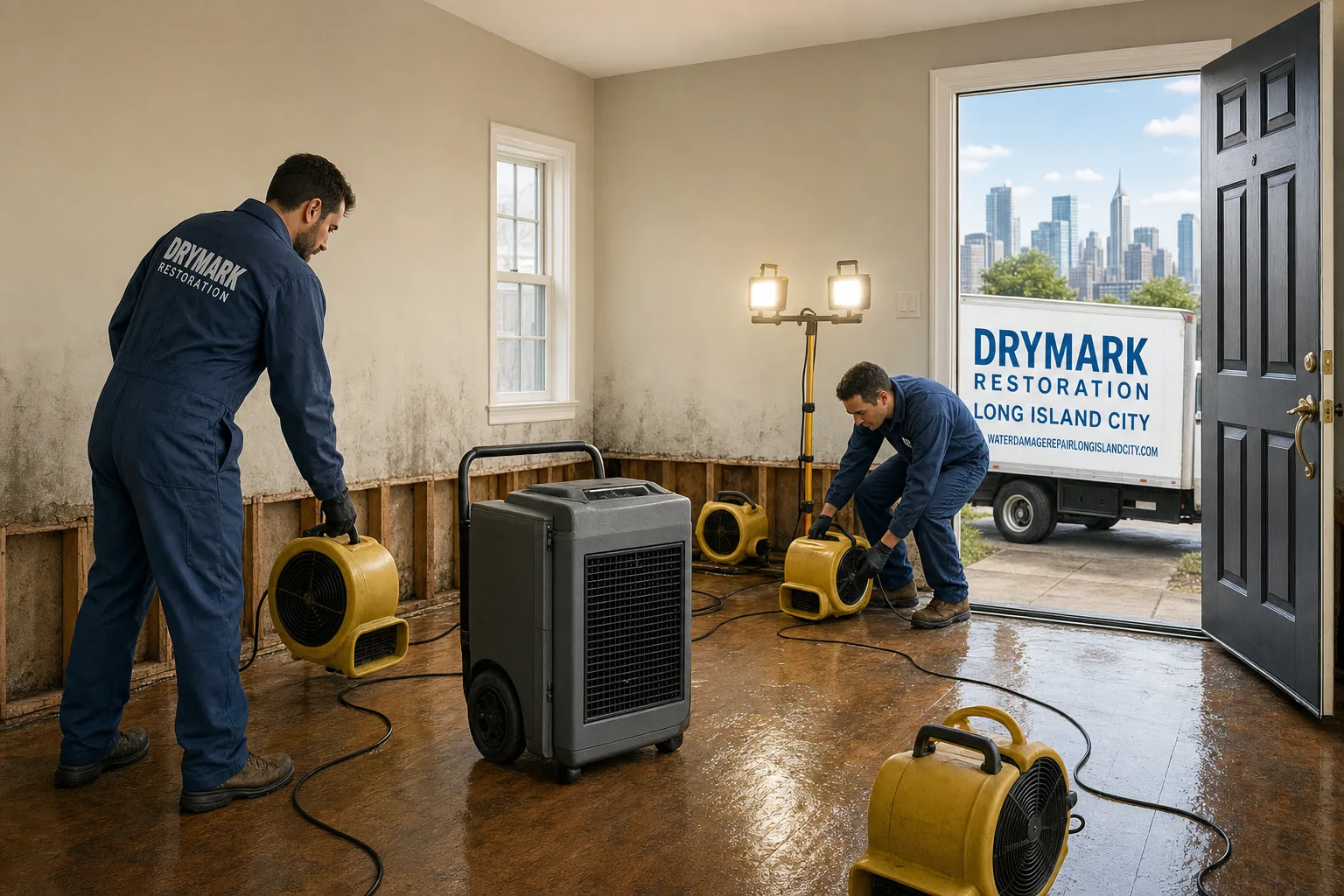
Free visual inspection and a written scope of work before any mitigation begins - photos, moisture readings, and drying logs go in your claim file
The scope we write is the scope we bill. Anything new gets shown to you, in writing, before we touch it.
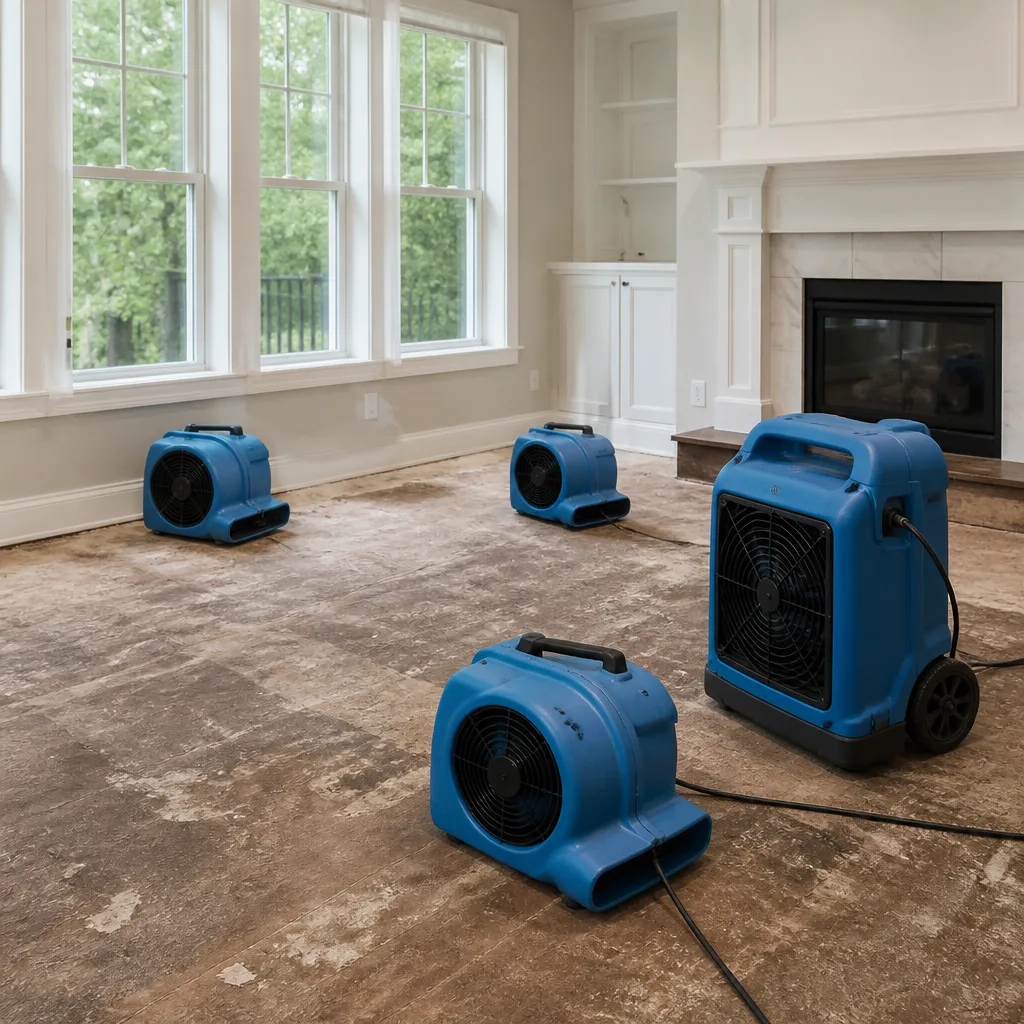

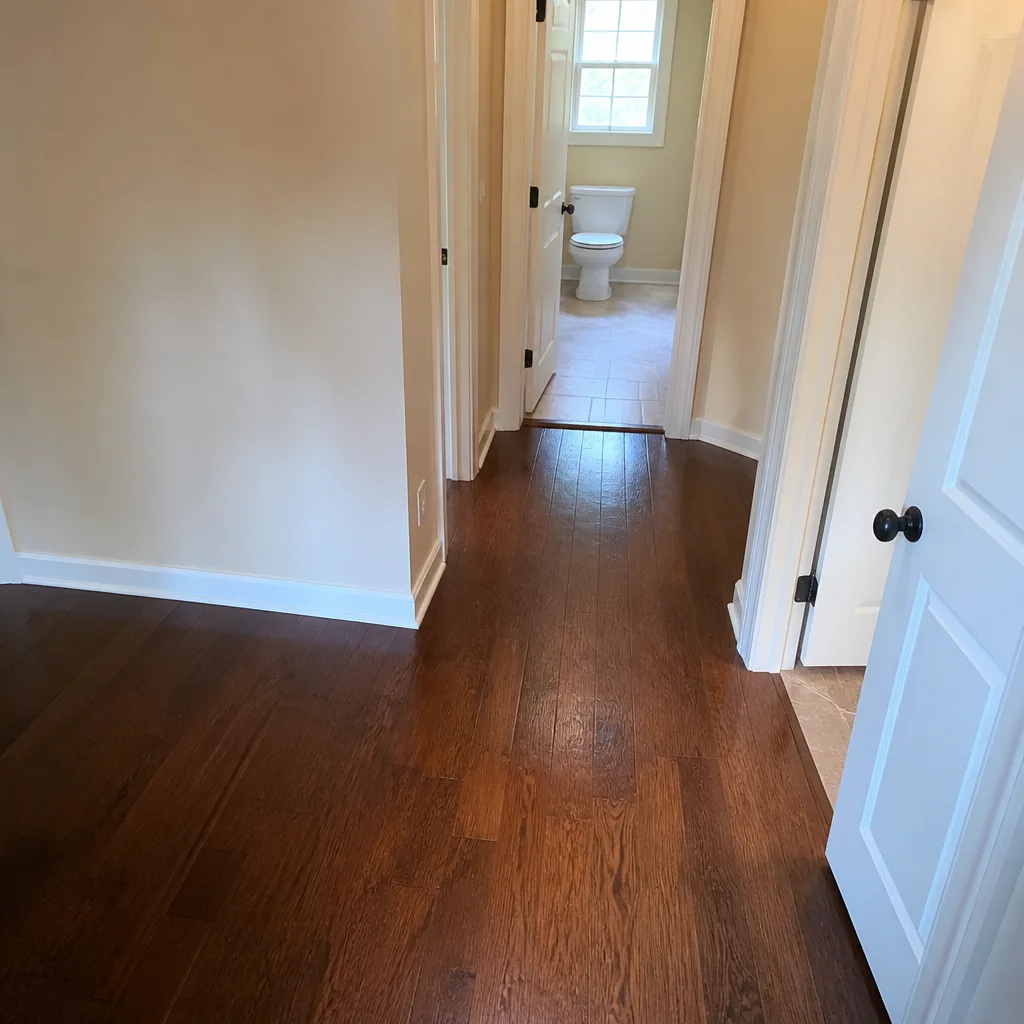
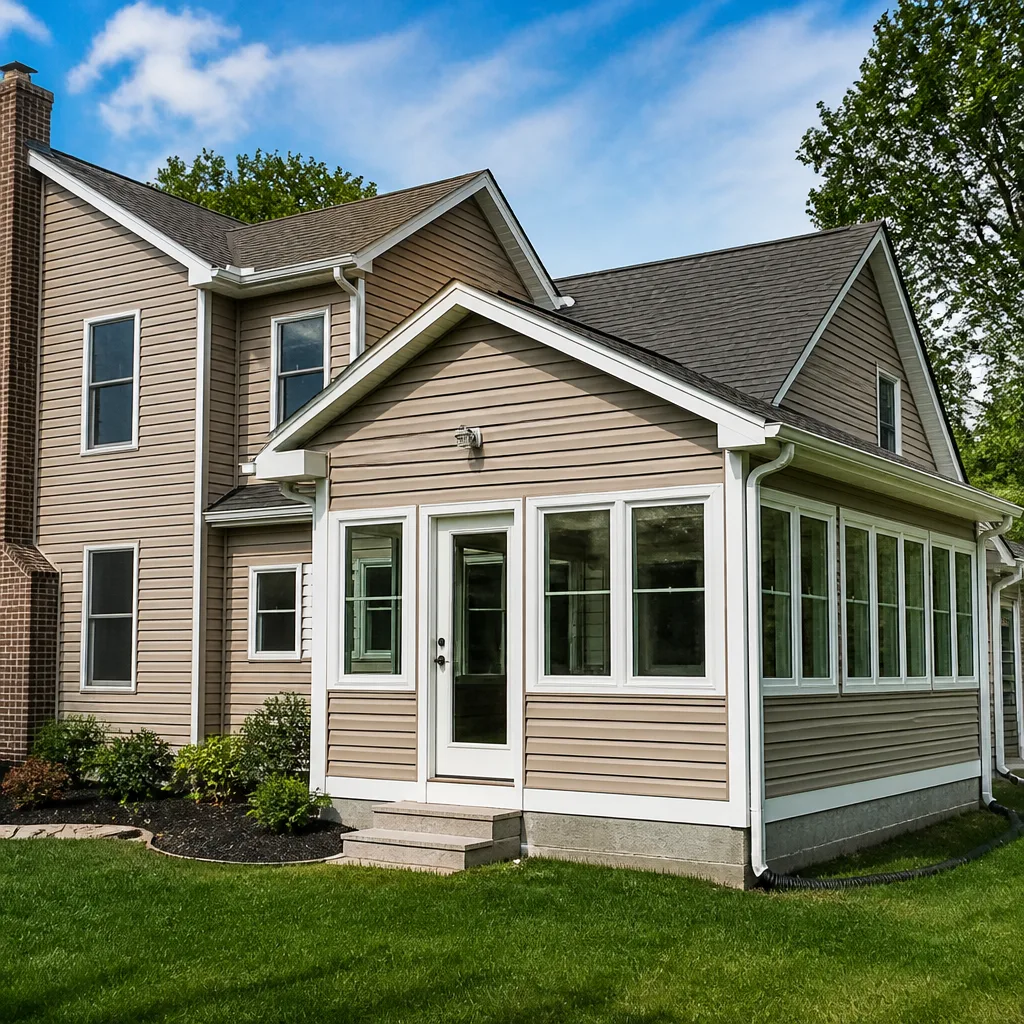
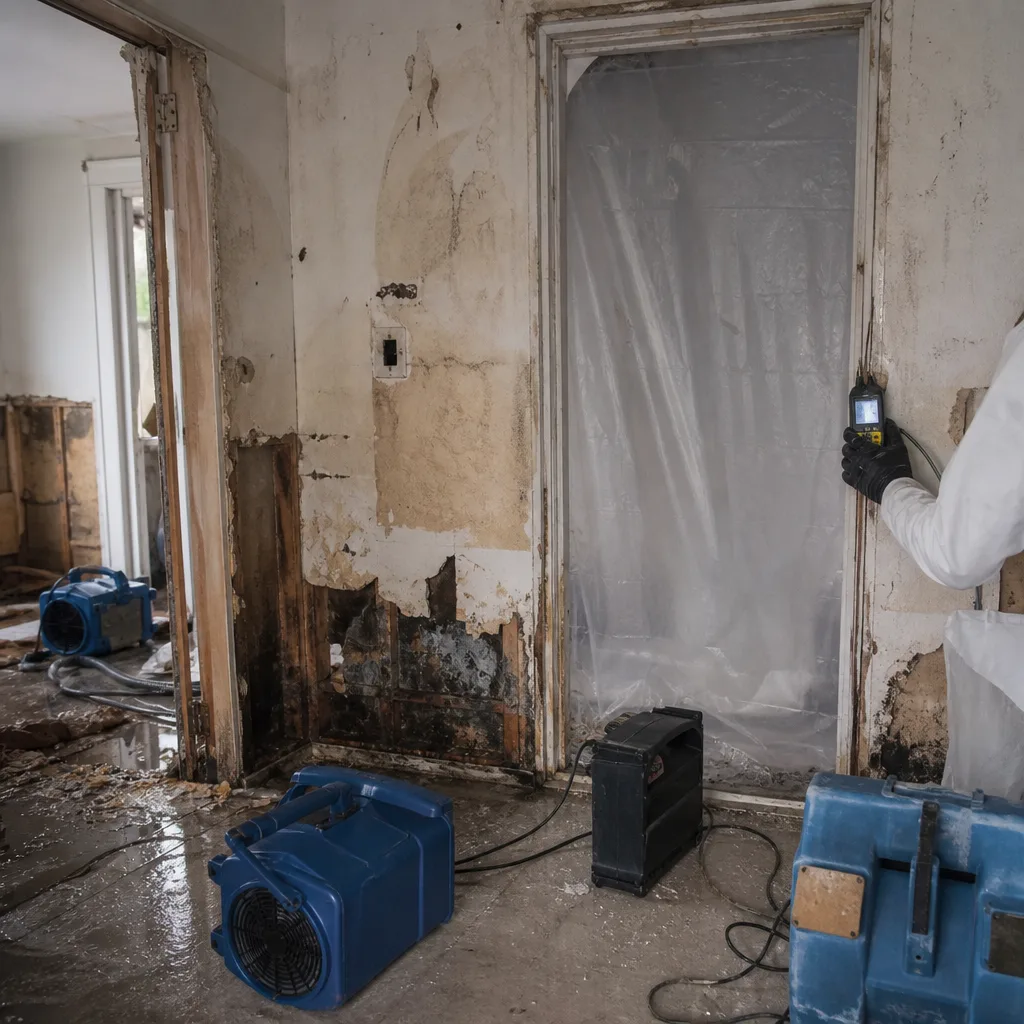 Before
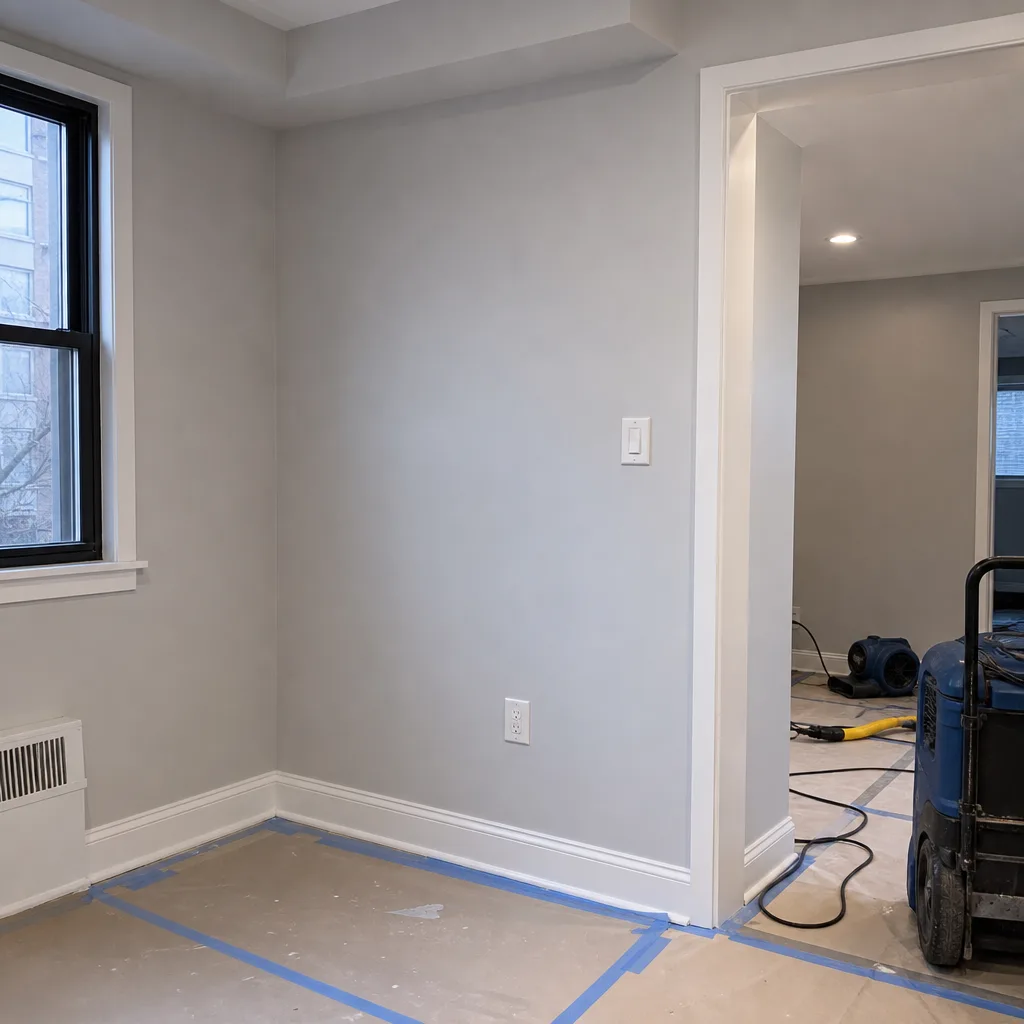 After
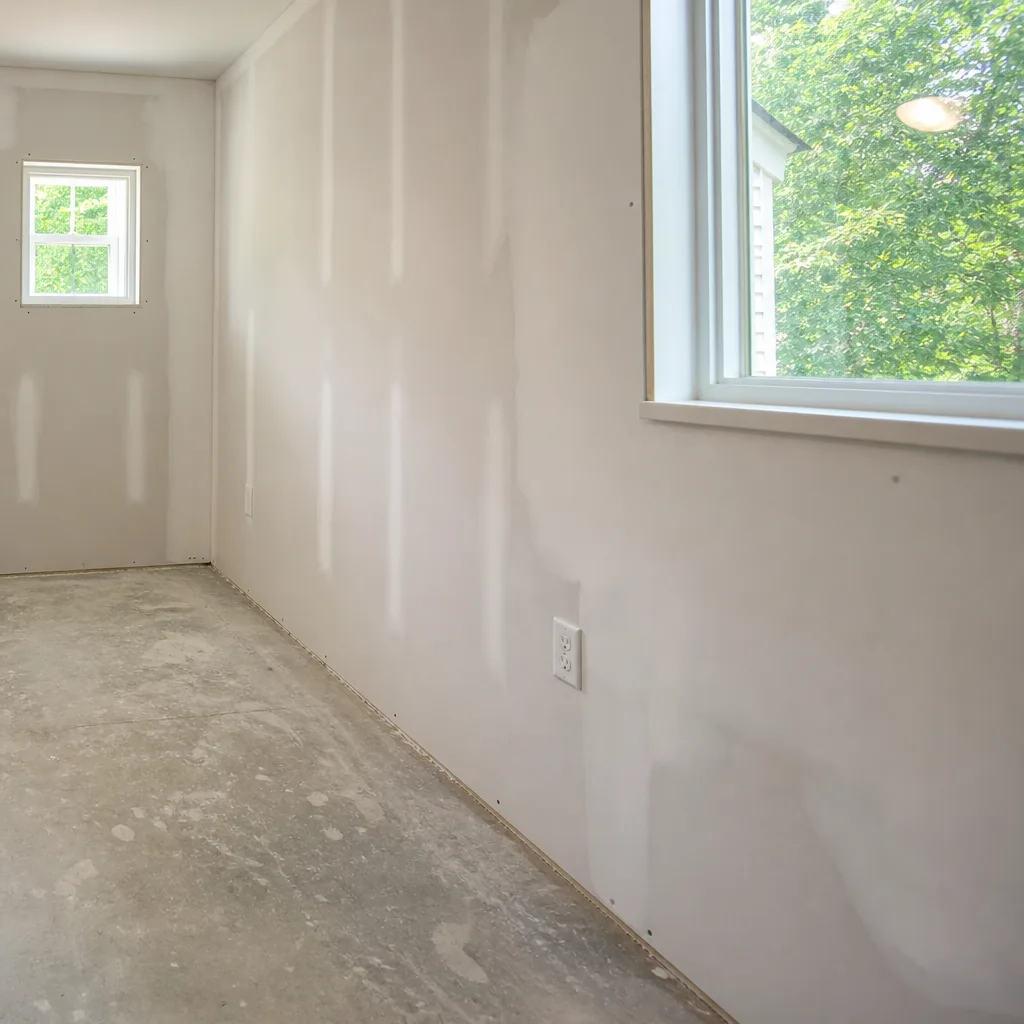
After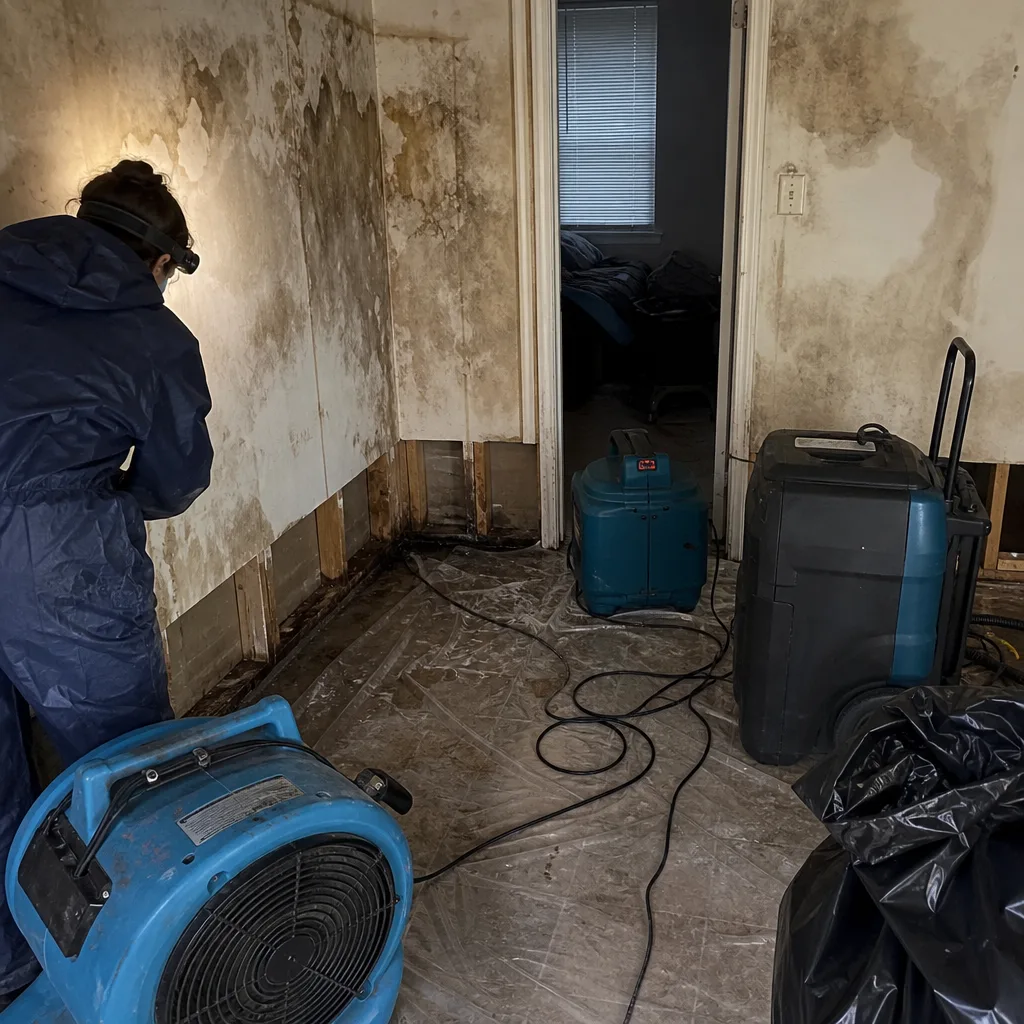 Before
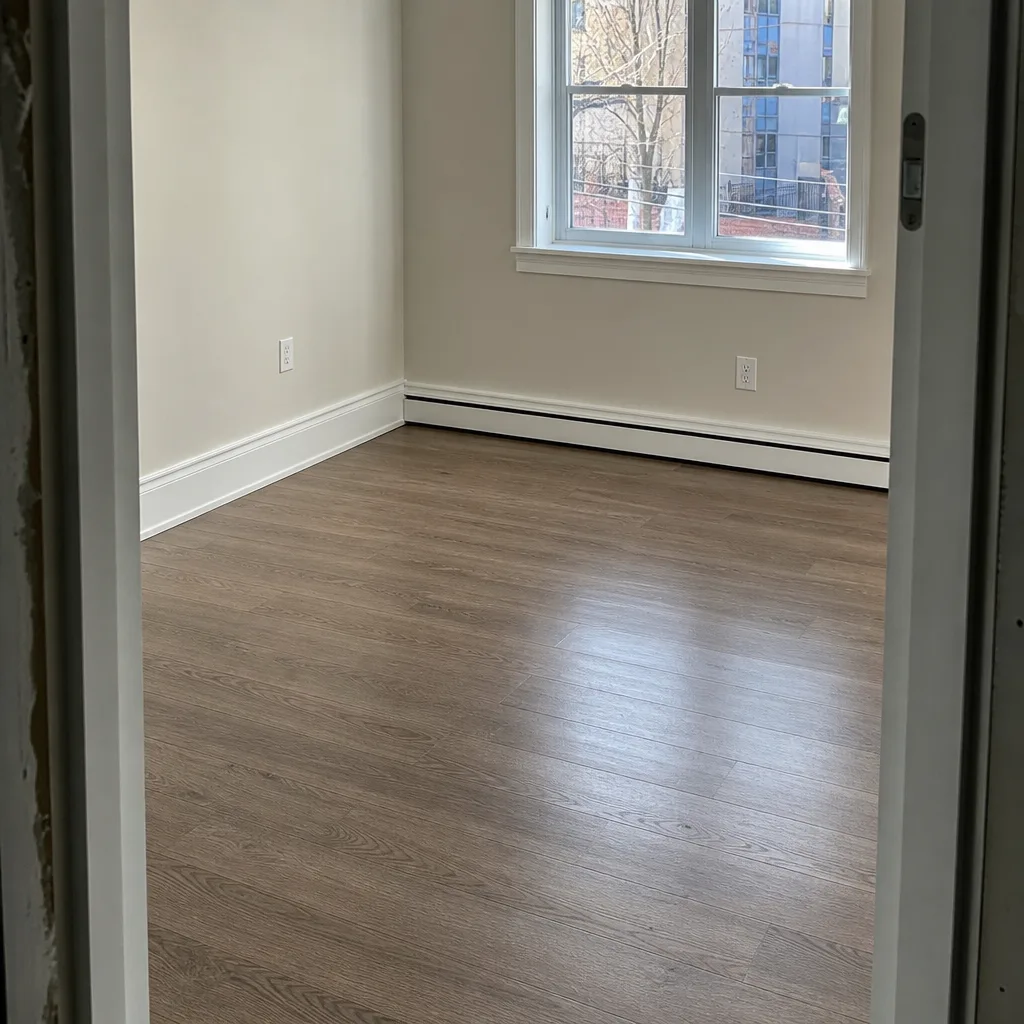 After
After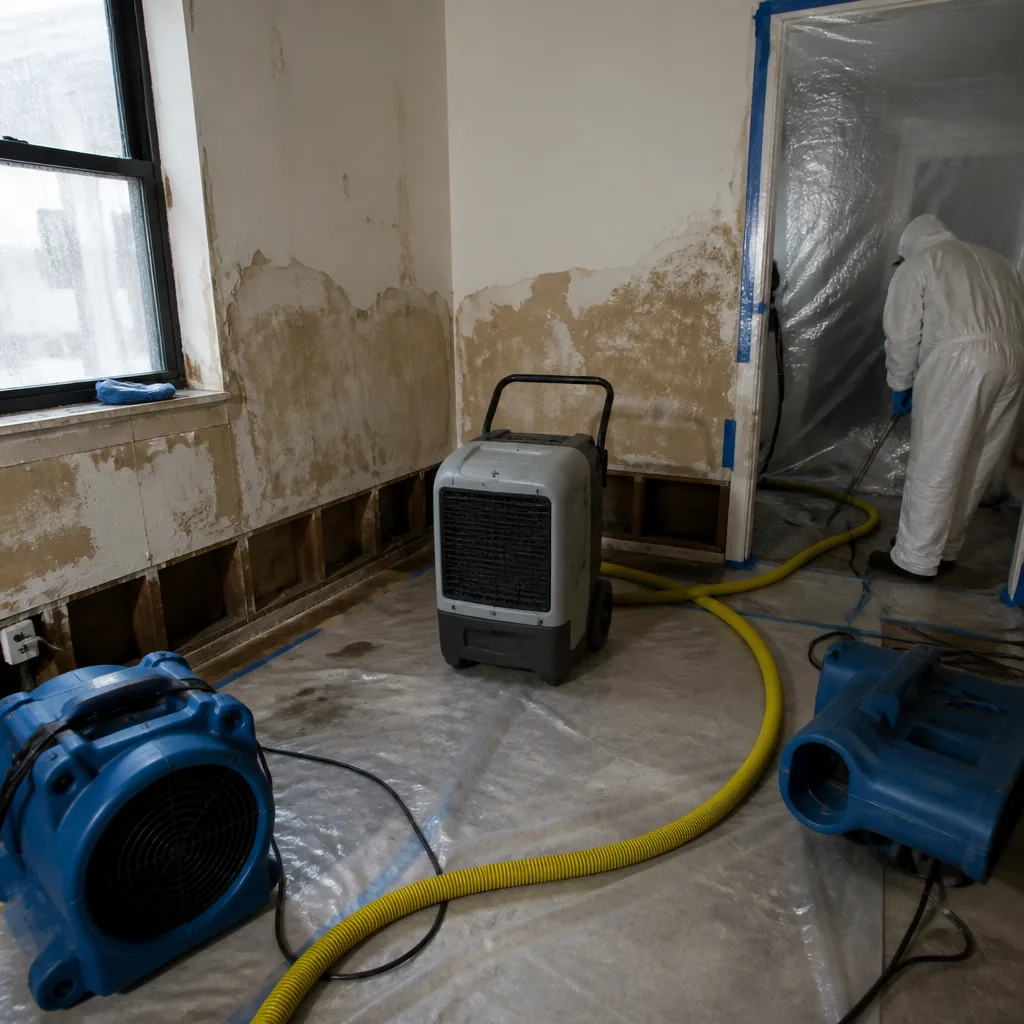 Before
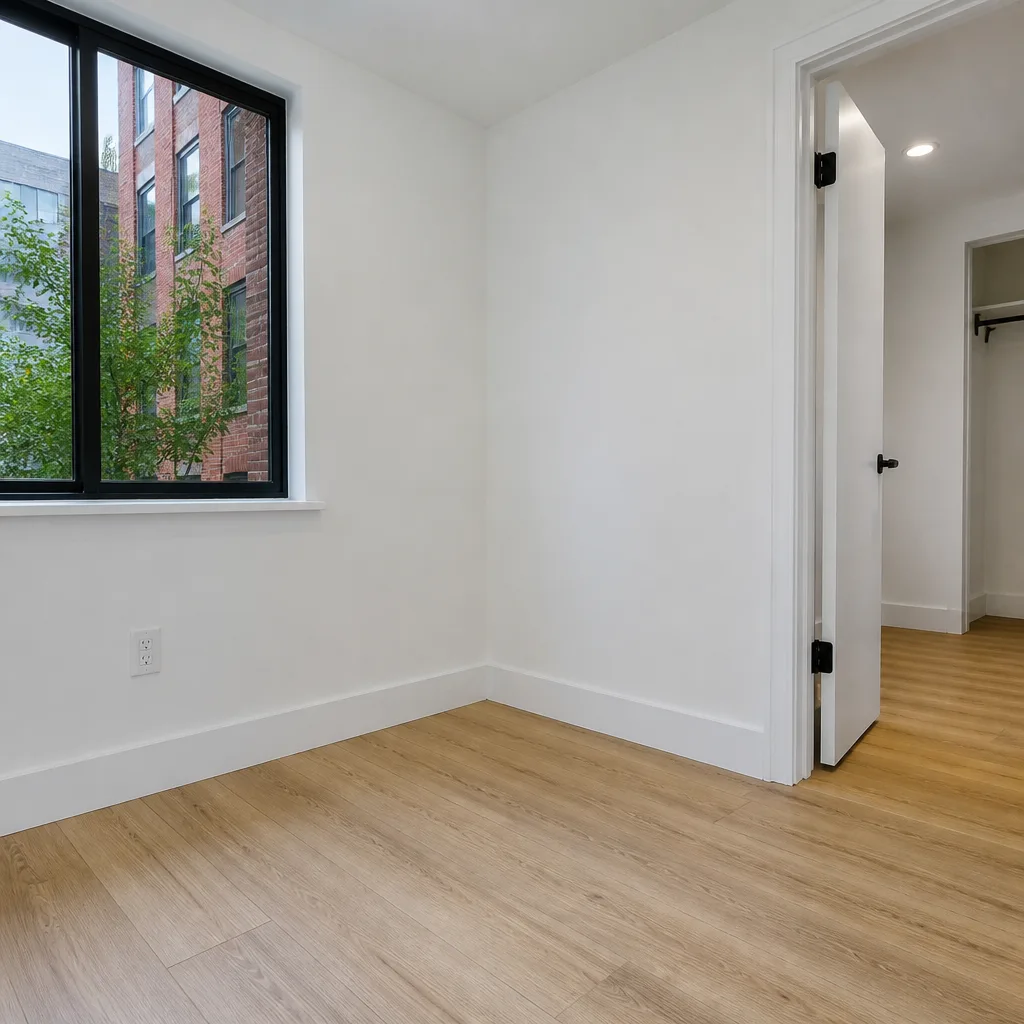 After
AfterHow Much Does Water Damage Restoration Cost in Long Island City?
Water Damage Restoration services in Long Island City typically cost between $2,500 and $7,500 for standard residential mitigation, though large-scale events in high-rise condos or brownstones can range from $8,000 to $15,000 or more. Costs are determined by the category of water, the square footage affected, and the specific materials involved, with DryMark Restoration providing a written price before work begins as per the Haven Standard, Clause 1.
Every restoration project is unique, but the cost drivers remain consistent. Basement Water Removal in a classic row house near the East River involves different drying protocols than a localized pipe burst in a 40th-floor unit in the Court Square district. Under the leadership of Alicia Brennan, we focus on documentation and moisture readings to ensure the scope of work is accurate, verifiable, and accepted by insurance adjusters.
Water Damage Restoration Cost Breakdown (2026)
The following table outlines the estimated market ranges for water damage restoration services in Long Island City. These figures assume a standard scope of work, including moisture mapping, water extraction, equipment setup, and daily monitoring logs.
| Service Category | Estimated Cost Range |
|---|---|
| Minor Leak (Single Room, Quick Response) | $1,500 – $3,500 |
| Moderate Damage (Multiple Rooms, Structural Drying) | $3,500 – $8,000 |
| Major Damage (Full Basement/Floor, Sewage/Black Water) | $8,000 – $15,000+ |
| Emergency Extraction Only (No Drying/Monitoring) | $800 – $2,000 |
| Mold Remediation (Add-on to Water Damage) | $2,500 – $6,000+ |
These numbers are estimates. At DryMark Restoration, we operate under the Haven Standard, which dictates that a firm, written price is provided before any work starts. We do not use “time and materials” billing that creeps upward as the job continues. If you have an existing quote from a competitor, we offer a Free Second Opinion at no charge to help you verify if the scope is accurate.
What Affects Water Damage Restoration Pricing in Long Island City
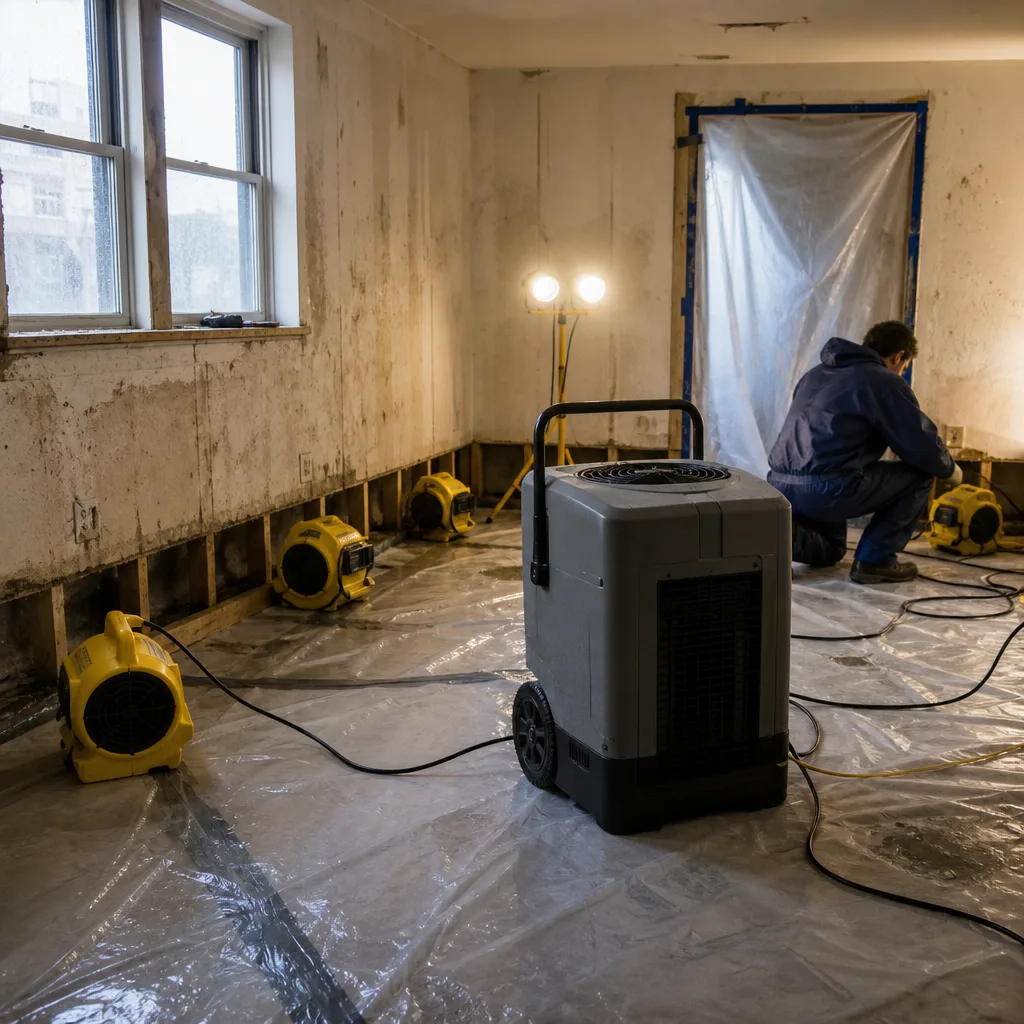
Pricing is rarely arbitrary. It is a calculation of labor, equipment, and the complexity of the structure. When we assess a property in Long Island City, we look at several variables that influence the final invoice.
- Category of Water: Category 1 water is clean, like a supply line break. Category 2 is grey water, involving dishwashers or washing machines. Category 3 is black water, such as sewage or standing floodwater, which requires specialized PPE, antimicrobial treatments, and often the removal of porous materials like carpeting and padding.
- Class of Water: This refers to the evaporation rate of the materials. Class 1 affects a small area with low-permeability materials, while Class 4 involves deeply saturated materials like hardwood floors, wet plaster, or concrete, requiring longer drying times and more specialized equipment.
- Structural Challenges: Working in a high-rise in Long Island City presents unique logistics. We must account for elevator access, building management insurance requirements (COIs), and the time required to transport industrial-grade dehumidifiers and air movers to upper floors.
- Moisture Mapping and Logs: The cost includes the labor of daily documentation. We use moisture meters to track the drying process. This data is what turns a restoration invoice into a payable insurance claim. If you cannot prove the drying happened, the insurance company may deny the claim.
- Equipment Deployment: We use professional-grade systems from Dri-Eaz, Phoenix, XPOWER, B-Air, and Injectidry. The number of air movers and low-grain refrigerant (LGR) dehumidifiers required is based on the cubic footage and the moisture content of the materials, not a flat fee.
BeforeAfterThe Haven Standard: Our Documentation-First Approach
Many restoration companies sell urgency. We sell evidence. Founded in 2011 by a former claims adjuster, DryMark Restoration was built to solve the documentation gap that causes homeowners to lose money on insurance claims. We know what an adjuster looks for in a file because we have sat in that chair.
Our approach is defined by the Haven Standard, a set of operational protocols that ensure every job is documented to IICRC, RIA, and IFA standards. When we arrive at your property, we do not start by tearing out drywall. We start by documenting the loss. We take a photo record on every visit, which is included as a standard deliverable, never an upsell.
The Haven Standard, Clause 1, is our core promise: a written price before work begins. This means you are never surprised by the final invoice. We provide a scope of work that details exactly what we will do, how long it will take, and why it is necessary to prevent secondary damage like mold growth. If you are currently dealing with a disaster, call (914) 530-9723 to speak with a live person, 24 hours a day, 7 days a week.
How to Save on Water Damage Restoration
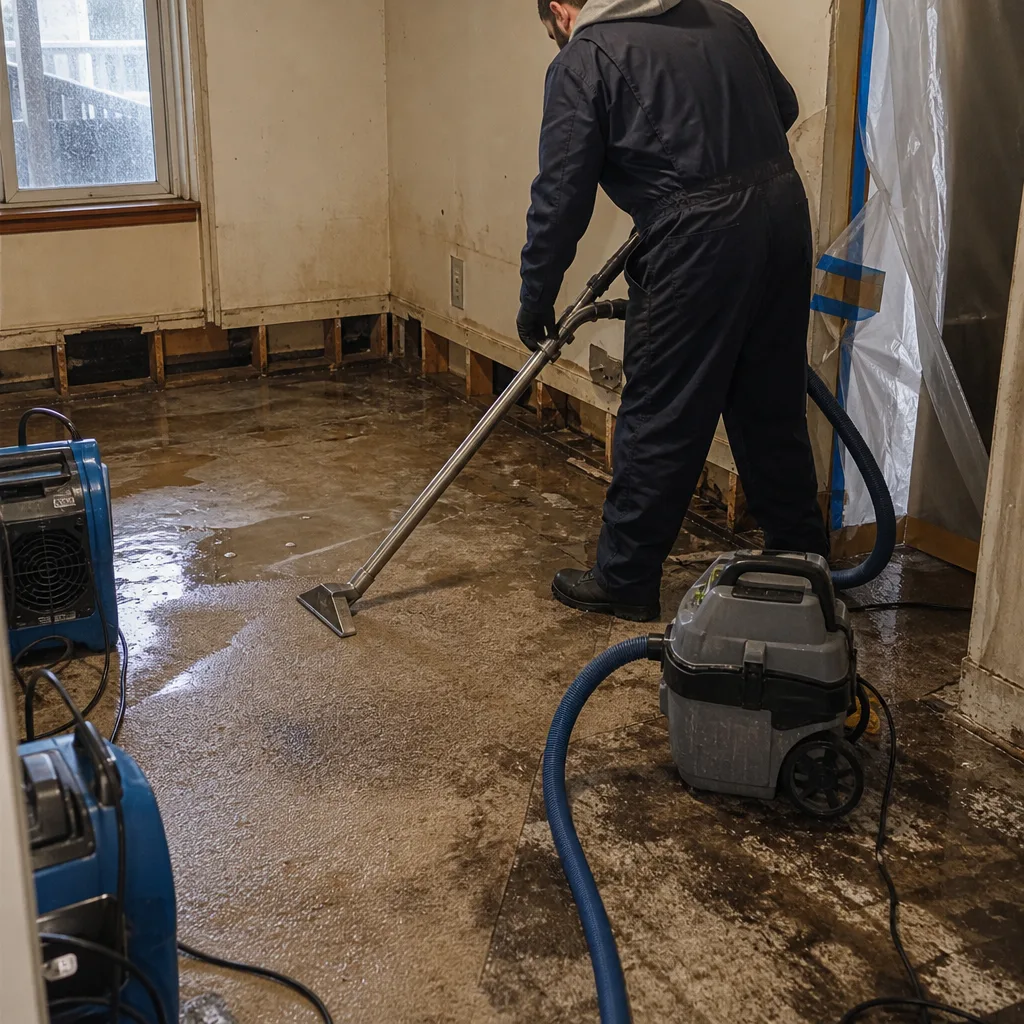
The most effective way to manage costs is to minimize the duration of the water exposure. Secondary damage happens quickly. Within 24 to 48 hours, moisture can migrate into wall cavities, subfloors, and structural framing, significantly increasing the cost of remediation.
1. Stop the source immediately. If you need Burst Pipe Restoration, shut off the main water valve. If the water is coming from a sewage backup, do not attempt to clean it yourself. Sewage contains pathogens that require specialized containment and decontamination. This is a safety risk, not a DIY project.
2. Document the loss. Before you clean or move anything, take photos and videos of the standing water and the affected materials. This is your evidence. If your insurance adjuster asks for proof of the initial damage, your photos will be your strongest asset.
3. Prioritize professional extraction. While you might be tempted to use a shop vac or towels, these tools rarely remove water from beneath flooring or behind baseboards. Professional extraction uses high-pressure systems to pull moisture out of the materials, which prevents the need for expensive reconstruction later.
4. Get a second opinion. If you have already received an estimate that feels high or confusing, call us for a free second opinion. We will review the scope and help you understand what is necessary and what might be unnecessary padding. Our goal is to provide a clear, accurate assessment of what your home actually requires.
Logistics of Water Damage in Long Island City
Long Island City is a unique market. We serve a mix of historic brownstones in the Hunters Point area and modern glass-and-steel high-rises along the waterfront. These structures respond differently to water damage.
In brownstones, water often travels through antique plaster and lath, hiding inside wall cavities where it can feed mold for weeks before it becomes visible. We use specialized moisture sensors to detect this hidden water. In modern high-rises, water damage often occurs due to appliance failures, such as a dishwasher hose or a washing machine supply line. These leaks can travel across multiple units, requiring coordination with building management and neighbors.
Regardless of the building type, the principles of drying remain the same. We focus on psychrometrics, which is the study of air and moisture. We manipulate the dew point and vapor pressure differential to pull moisture out of the materials and into the air, where our dehumidifiers can capture it. This is a scientific process. We do not guess. We measure, we document, and we dry.
Understanding the Restoration Process
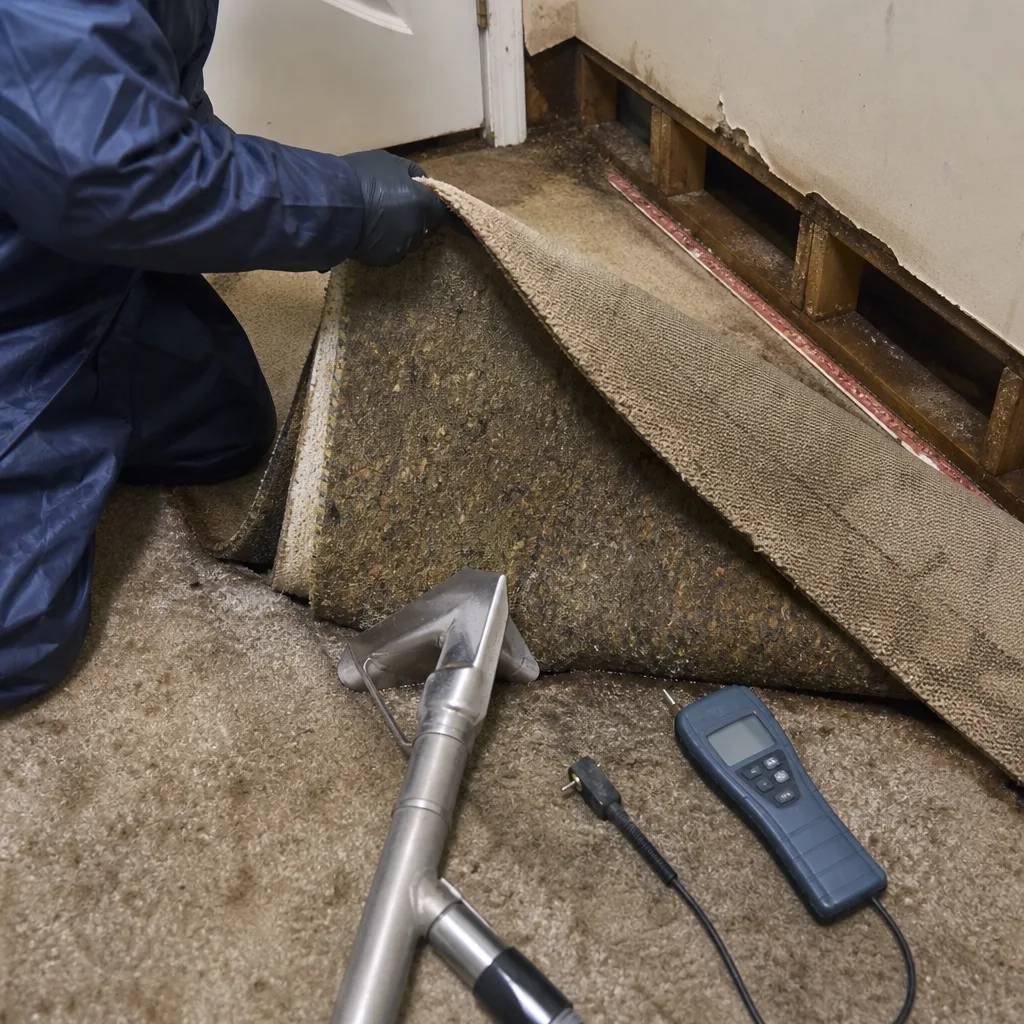
When you call DryMark Restoration at (914) 530-9723, you are not calling a call center. You are reaching a local team that understands the Long Island City area. Here is how we handle a typical Water Damage Restoration Near Me in Long Island City, NY project.
Step 1: Emergency Assessment
We arrive on-site to identify the source of the water. Safety is the first priority. We check for electrical hazards before touching any water. Once the area is safe, we perform a moisture survey to determine the extent of the saturation. This is where we create your initial scope of work.
Step 2: Water Extraction
We use commercial-grade pumps and extraction tools to remove standing water. The faster we extract the water, the less damage the structure sustains. We document the water removal process with photos, which are included in your final file.
Step 3: Equipment Setup
We deploy air movers and LGR dehumidifiers based on the square footage and the class of water. We set these up to create a drying chamber. This is not just throwing fans on the floor. We arrange equipment to promote evaporation and dehumidification according to IICRC standards.
Step 4: Daily Monitoring
We return to your property daily to check the moisture levels. We record these readings in a drying log. This log is the most important document in your file. It proves that the drying process was effective and that the structure was returned to a pre-loss condition.
Step 5: Completion and Documentation
Once our moisture readings indicate that the materials are dry, we remove the equipment. We provide you with a final package that includes the moisture logs, the photo record, and the invoice. This documentation is designed to be handed directly to your insurance adjuster. If you have questions about this process, please reach out to our team at home or review our specific Water Damage Restoration in Long Island City guide.
FAQs - Water Damage Restoration Cost
How much does it cost to fix a flooded basement in Long Island City?
A flooded basement typically costs between $4,000 and $12,000 depending on the volume of water, the source, and whether the water is classified as grey or black water. Factors such as the need for mold remediation or the removal of finished wallboard will increase the total. Call (914) 530-9723 for an exact, written quote before we start any work.
Does insurance cover water damage restoration?
Most homeowner insurance policies cover water damage caused by sudden and accidental events, such as a burst pipe or a malfunctioning appliance. However, damage caused by long-term neglect, such as a slow leak that has been present for months, is often excluded. We document every job with the precision required to support your claim, but you should verify your specific policy coverage with your agent.
Is it cheaper to repair or replace water-damaged materials?
In many cases, professional drying is significantly cheaper than replacement. For example, hardwood floors that have been wet can often be saved if we begin the drying process within 24 to 48 hours using specialized mat systems. Replacing hardwood is expensive and time-consuming. We always evaluate the cost-benefit of drying versus replacing before we start.
Can you come today to handle an emergency?
Yes. We have live phone coverage 24 hours a day, 7 days a week, with no voicemail trees. If you have active water damage, time is a critical factor. Call (914) 530-9723 immediately to speak with a professional who can dispatch a crew to your location in Long Island City.
What happens if the restoration is not done correctly?
If restoration is not done correctly, you risk secondary damage, specifically mold growth and structural decay. We back all our work with the 365-Day Done Right Promise. If it is not done right, we make it right. This is a written warranty under the Haven Standard, not a verbal assurance. We stand by our work because we document every step of it.
Pricing reflects the Long Island City market as of 2026. DryMark Restoration Long Island City offers free estimates - call (914) 530-9723. Written by Alicia Brennan, Owner at DryMark Restoration, serving Long Island City since 2011.
What Our Customers Say
"Professional through a genuinely awful week. Explained each stage before it happened."
- Kalila R."Daily moisture readings, written down, room by room. When the adjuster questioned the drying time they sent the log and the conversation ended."
- Constance E."Burst supply line upstairs. They had equipment in the house within a few hours and told me honestly which flooring could be saved and which could not."
- Jarrod P.