
Last updated September 23, 2026
Free visual inspection and a written scope of work before any mitigation begins - photos, moisture readings, and drying logs go in your claim file
The scope we write is the scope we bill. Anything new gets shown to you, in writing, before we touch it.
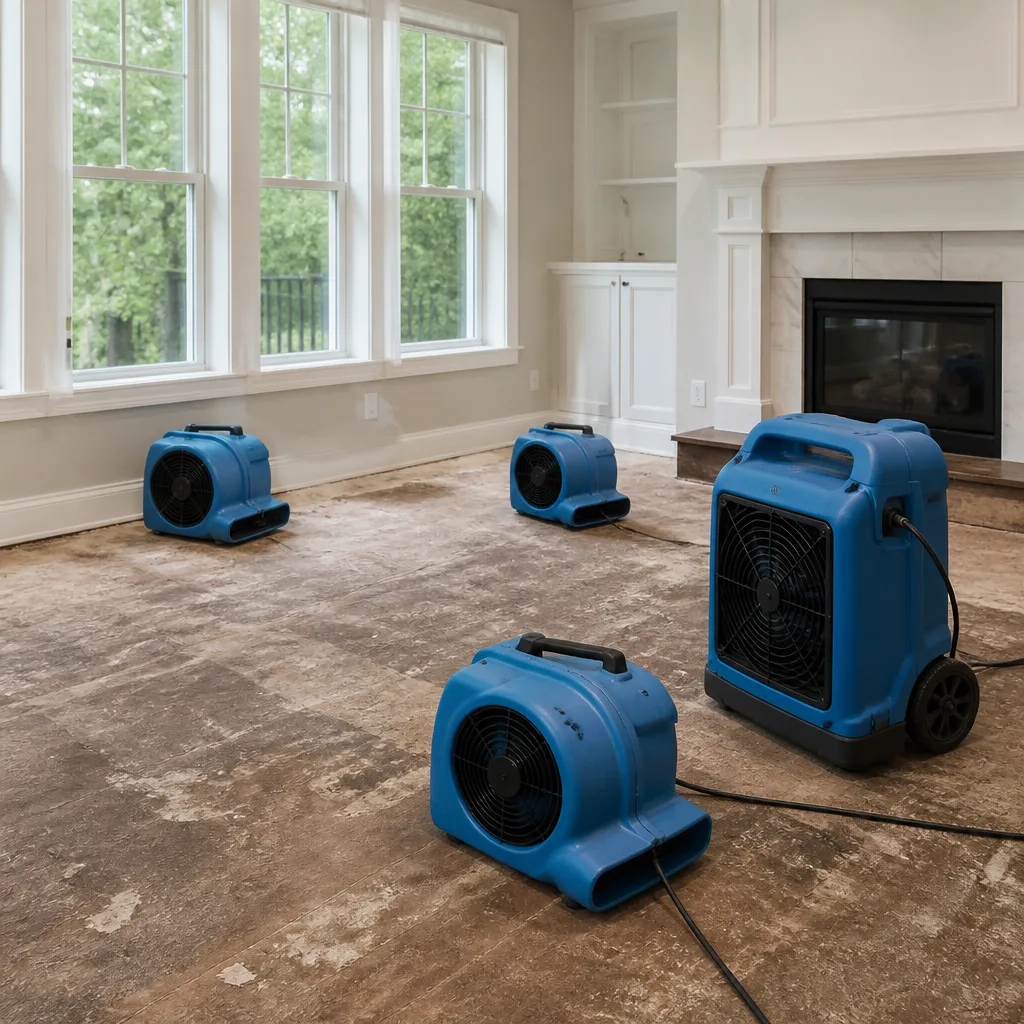

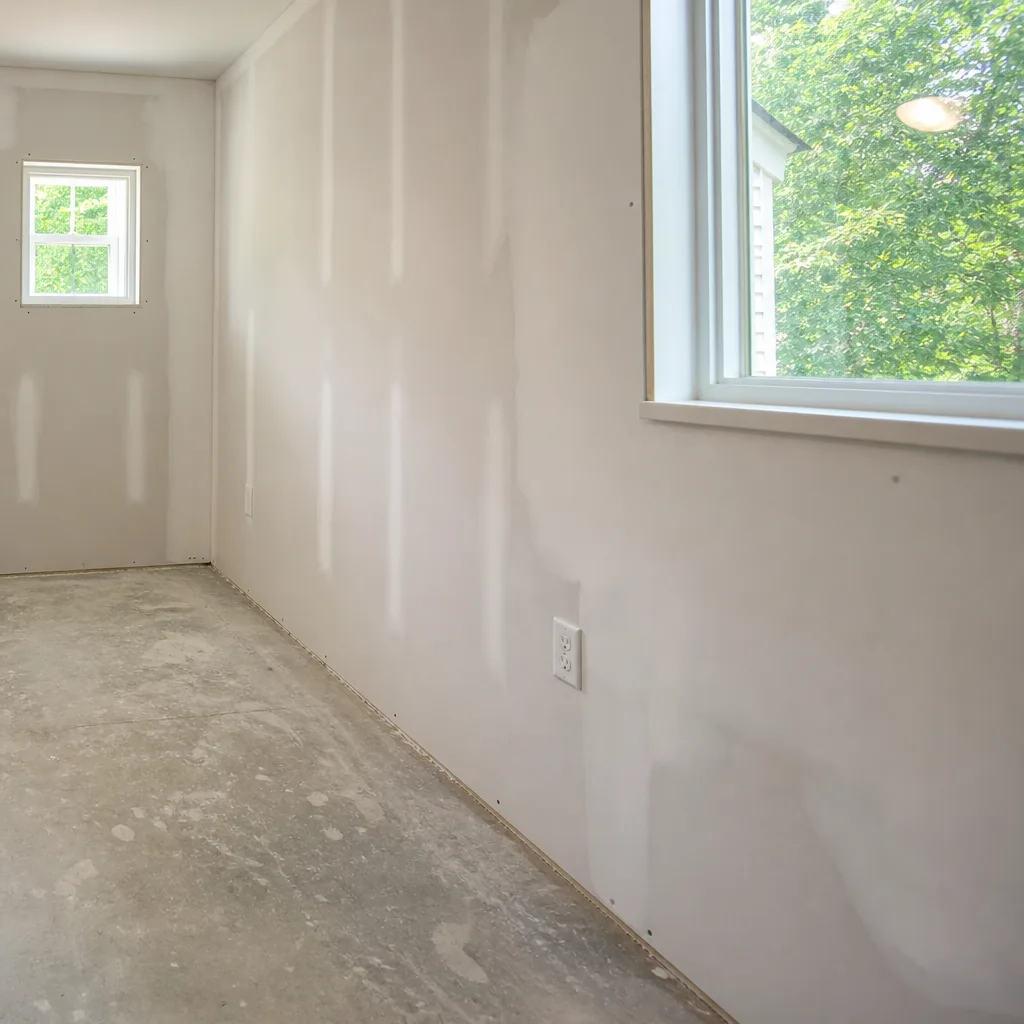
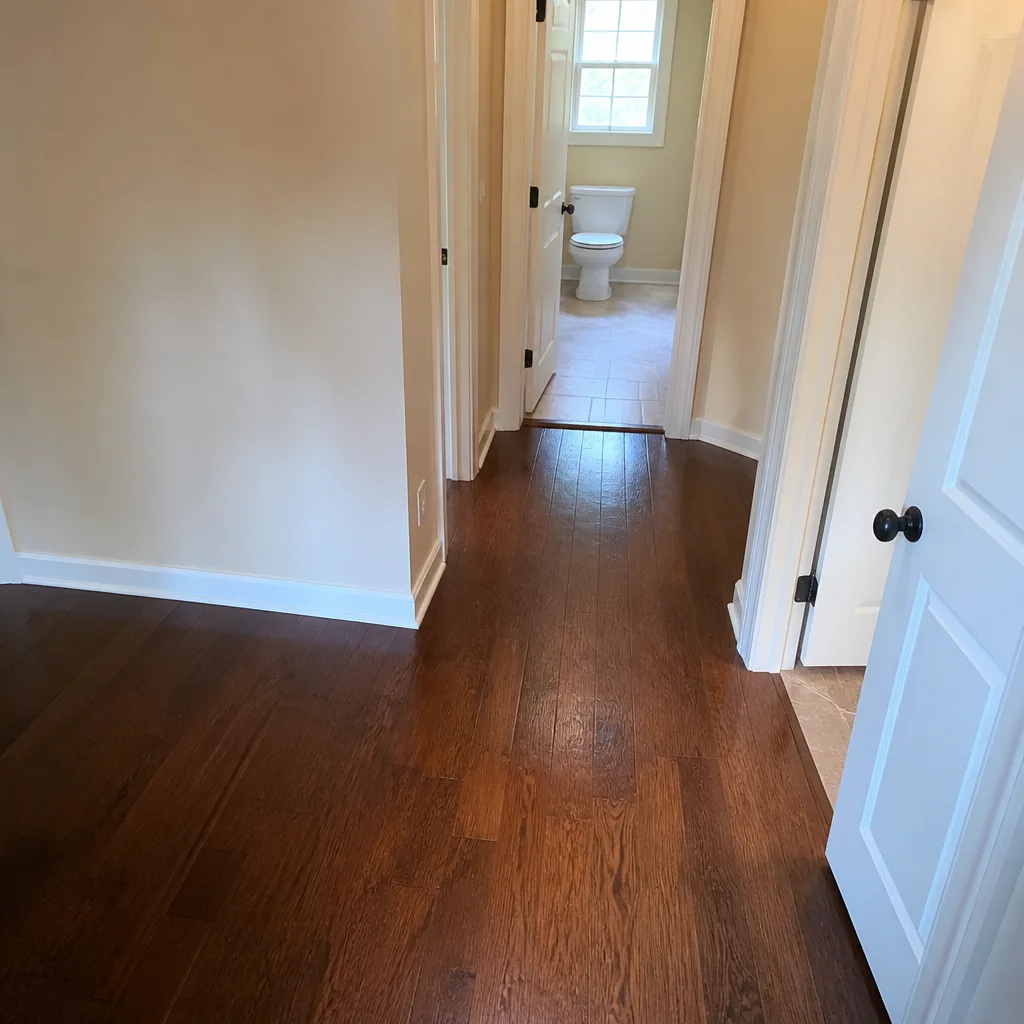
 Before
 After
After Before
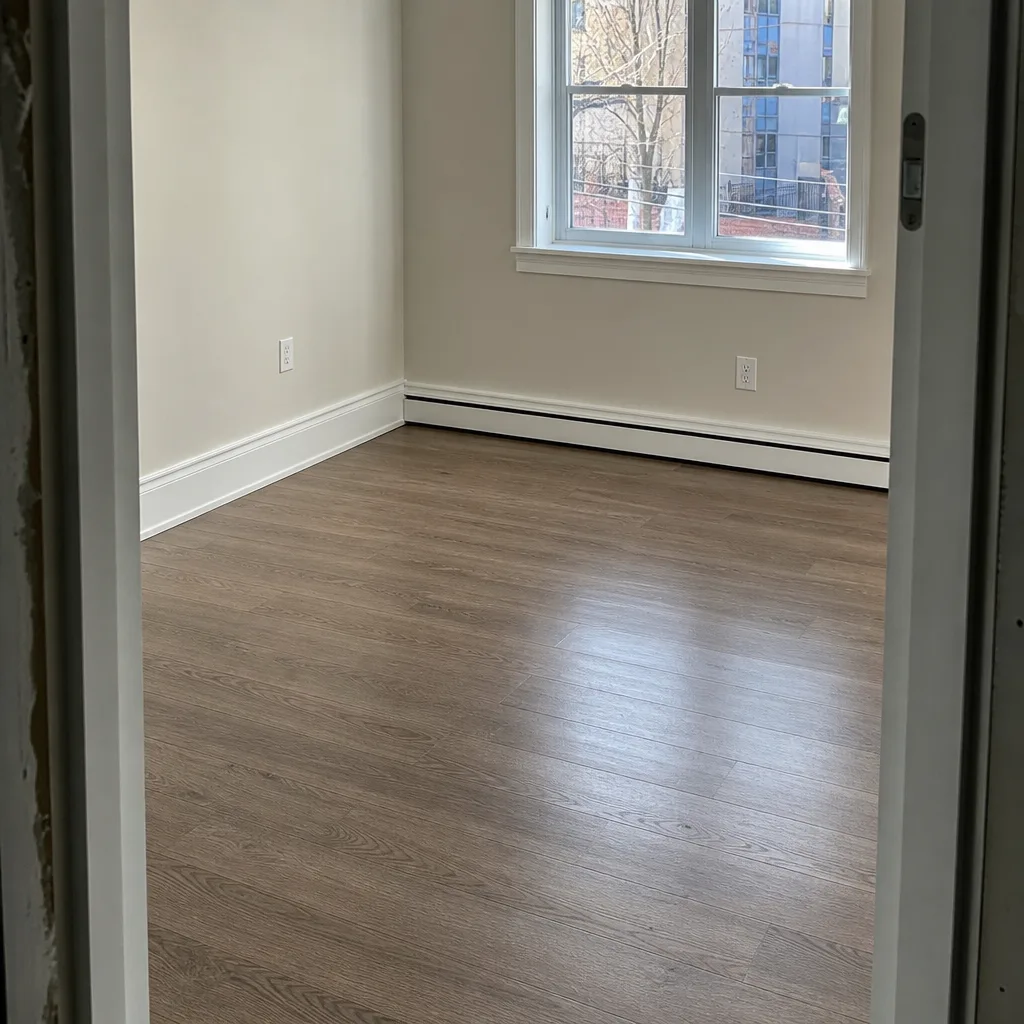 After
After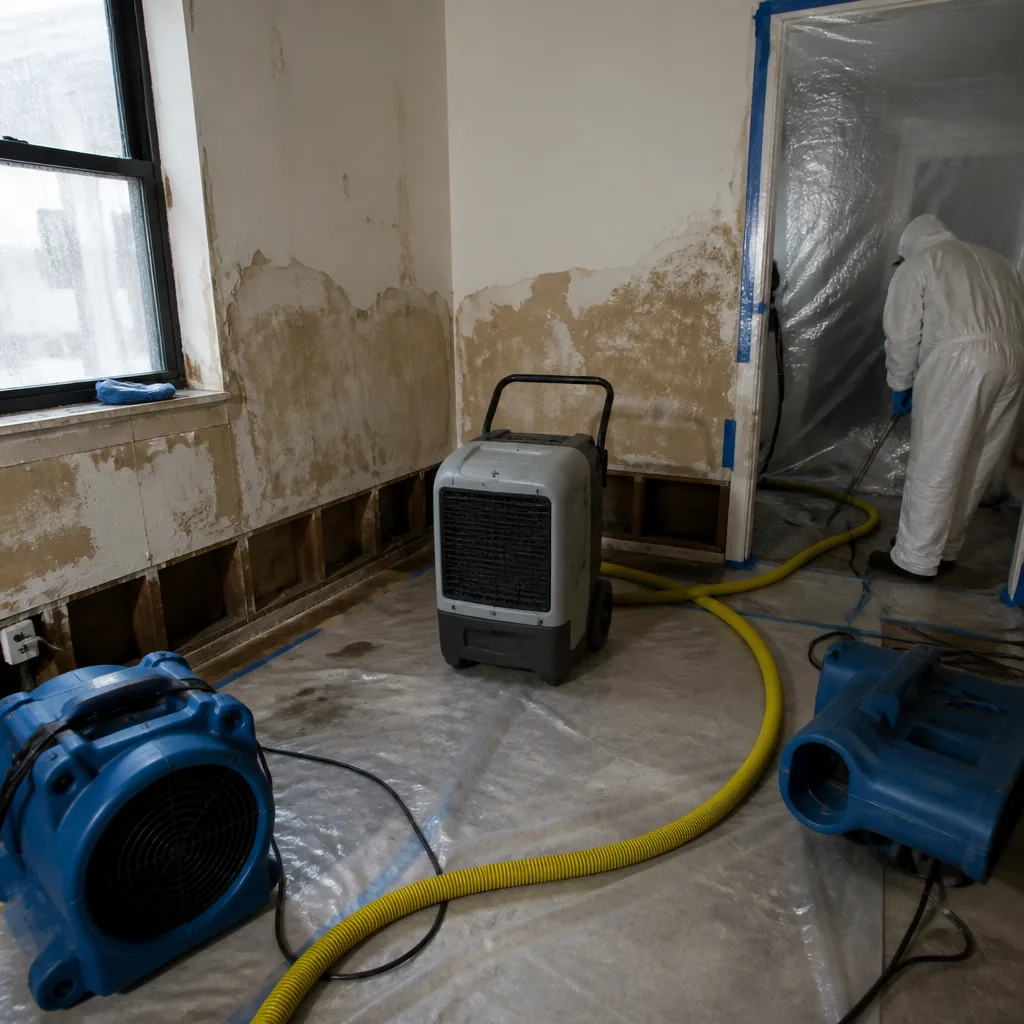 Before
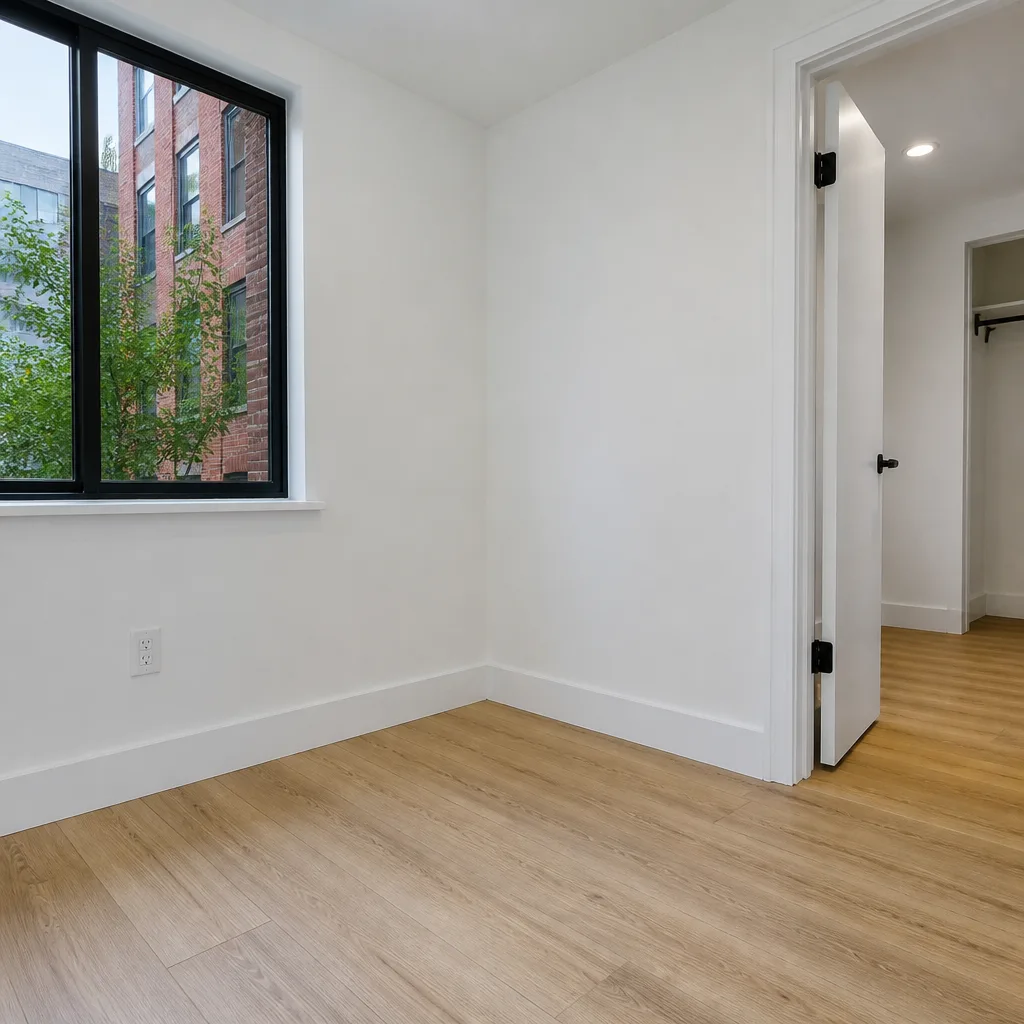 After
AfterDIY vs Professional Damage Restoration: The Long Island City Homeowner’s Decision Guide
Every year, hundreds of Long Island City homeowners roll up their sleeves after a pipe bursts, a toilet overflows, or a summer storm pushes water through a window well. Most believe they’re choosing between saving money and spending it. They’re not. The real choice is between two completely different standards of proof: one that satisfies a homeowner’s eyes, and one that satisfies an insurance company’s file requirements. In our experience reviewing competitor estimates and second-guessing DIY remediation attempts across Queens since 2011, the cost difference between professional and amateur restoration is usually smaller than the amount denied on a single disputed claim. This guide will show you when DIY is genuinely defensible, when it becomes a financial liability, and what documentation standard actually matters if you intend to file an insurance claim. For related reading, see our step-by-step guide to hiring a damage restoration contractor in Long Island City.
Quick Answer
DIY damage restoration in Long Island City is financially defensible only when the damage is clearly below your insurance deductible, involves no structural materials or microbial growth, and you have no intention of filing a claim. For everything else, professional restoration is not a service upgrade - it’s the minimum documentation standard required to get an insurance claim paid without dispute.
Table of Contents
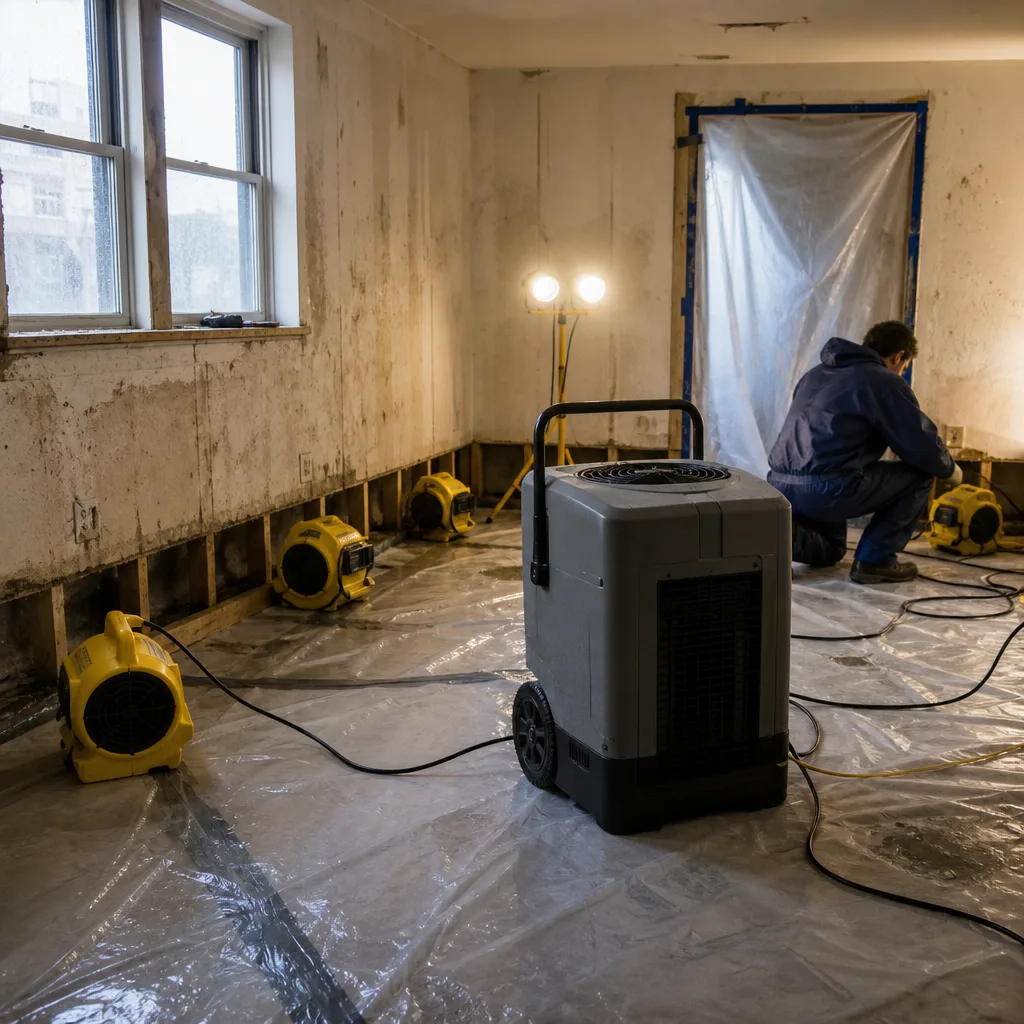
- When DIY Makes Sense: Three Defensible Scenarios
- The Insurance Documentation Gap: Why DIY Fails at Claims Time
- What the IICRC S500 Standard Actually Requires
- Long Island City-Specific DIY Risks
- DIY as Spoliation of Evidence: A Claim Killer
- What Professionals Should Hand You at Job Close
- Real Cost Comparison: DIY vs. Professional in the LIC Market
- Common Mistakes to Avoid
- When to Call a Professional
- Frequently Asked Questions
BeforeAfterWhen DIY Makes Sense: Three Defensible Scenarios
We don’t believe every water spot demands a truck-mounted extractor. After twelve thousand homes restored since 2011, we’ve identified exactly three conditions where a homeowner can reasonably handle cleanup without professional help.
Scenario 1: The Damage Is Clearly Below Your Deductible
If a bathroom sink overflows onto vinyl flooring and the water never reached baseboards or walls, the cleanup cost likely falls between $50 and $200 - well below most homeowners’ $1,000 to $2,500 deductibles. In this case, you’re not choosing between DIY and professional restoration; you’re choosing between DIY and paying entirely out of pocket for a service that doesn’t trigger insurance.
The key word is “clearly.” Water has a way of finding paths you can’t see. In Long Island City’s pre-war brick buildings, water travels horizontally through mortar joints before it ever shows as a stain. If you can’t trace every drop with certainty, the “small” spill may not be small.
Scenario 2: No Structural or Microbial Involvement
DIY is defensible when all three of these conditions are met:
- The water source is clean (Category 1, in restoration terminology - a broken supply line, not a drain backup or sewage line).
- No porous structural materials are affected - no drywall, no insulation, no subfloor, no wood framing.
- The area dries within 24 to 48 hours without intervention, meaning ambient humidity and air movement are sufficient.
Miss any one of these, and you’re gambling with mold growth or hidden structural damage. We’ve opened walls in Hunters Point condos where a “simple” overflow from six months prior had produced Stachybotrys colonies behind intact-looking paint - because the homeowner wiped the floor and called it done.
Scenario 3: You Have Zero Intention of Filing a Claim
This is the scenario most homeowners misunderstand. They think: “I’ll clean it up myself, and if there’s bigger damage, I’ll file later.” That sequence is exactly what insurers dispute. If you remediate first and claim later, you’ve destroyed the baseline documentation the adjuster needs to distinguish pre-existing damage from covered loss.
DIY is only defensible when you’re absolutely certain - not “probably,” not “unless it gets worse” - that no claim will be filed. The moment that certainty wavers, professional documentation becomes the cheaper path.
The Insurance Documentation Gap: Why DIY Fails at Claims Time
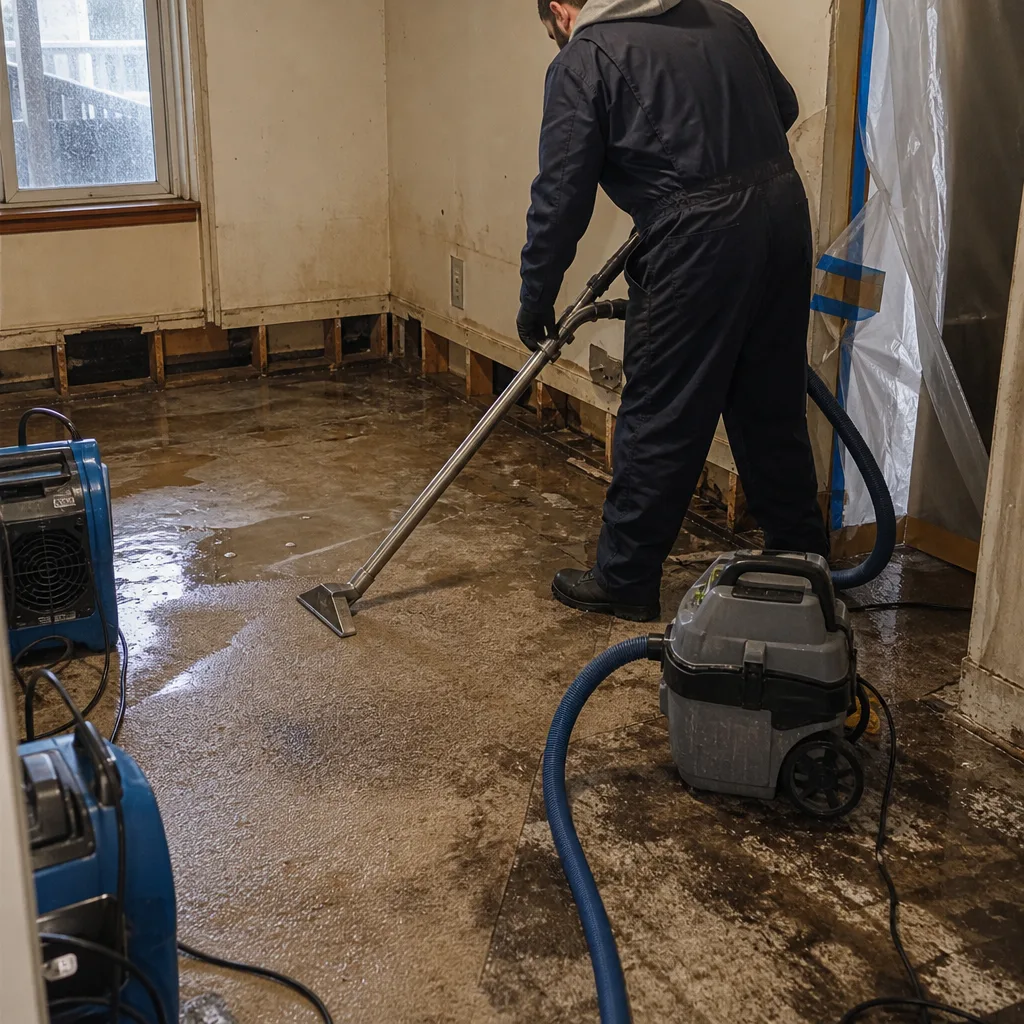
Here’s the counterintuitive truth we built Back to Dry around: insurance doesn’t pay for dry rooms. Insurance pays for documented losses. The room’s dryness is merely evidence that the loss was addressed. Without the right evidence, the loss itself becomes unprovable.
Consider the typical DIY cleanup timeline. A Long Island City homeowner rents a wet-dry vacuum and two box fans from the Home Depot on 48th Avenue. They run the fans for three days. The carpet feels dry. They submit a claim for the warped subfloor they discovered two weeks later.
The insurer’s response is predictable: “How do we know the subfloor wasn’t already warped? How do we know your fans didn’t cause additional damage? Where’s your moisture reading from day one? Where’s the photo record proving the water reached the subfloor at all?”
Each question is fair. Each is unanswerable without documentation the homeowner never collected. The claim is denied or reduced, and the “savings” from DIY evaporate.
Professional restoration exists, in part, to create a contemporaneous record that satisfies these questions before they’re asked. The daily drying log, the psychrometric data (temperature, relative humidity, and vapor pressure measured against established drying goals), the photo record with timestamps - these aren’t marketing materials. They’re the evidentiary foundation of a payable claim.
We see this gap most acutely with water damage restoration in Long Island City, where shared-wall buildings and below-grade units create complex moisture patterns that DIY methods simply cannot track.
What the IICRC S500 Standard Actually Requires
The Institute of Inspection, Cleaning and Restoration Certification (IICRC) publishes the S500 Standard and Reference Guide for Professional Water Damage Restoration. It’s the document insurers reference when evaluating whether remediation was performed to a “professional” standard. Understanding what it requires explains why DIY equipment cannot produce compliant documentation.
The Four Documentation Pillars
A professional water damage restoration project under IICRC S500 requires:
- Initial moisture mapping: Every affected material is identified by type (drywall, plaster, hardwood, OSB, concrete) and measured with a calibrated moisture meter or thermohygrometer. Readings are recorded in grains per pound (GPP) or moisture content percentage (MC%), with the measurement device and calibration date noted.
- Drying goal establishment: The restorer defines the target equilibrium moisture content for each material based on regional standards and the unaffected areas of the structure. In Long Island City’s humid summer climate, this baseline is higher than in Phoenix or Denver - a regional adjustment DIYers rarely make.
- Psychrometric monitoring: Every 24 hours, the restorer records temperature, relative humidity (RH), and specific humidity at multiple points in the affected area and in the outdoor reference environment. These readings determine whether the drying chamber is progressing or if equipment needs repositioning.
- Equipment documentation: Each dehumidifier, air mover, and specialized drying system is logged by make, model, serial number, and placement location. Air changes per hour (ACH) are calculated to verify adequate airflow.
A homeowner with rented equipment from a big-box store cannot produce this documentation. The equipment lacks the data ports for logging. The homeowner lacks the training to interpret psychrometric charts. And critically, no insurer will accept self-reported readings from an interested party as credible evidence.
Why This Matters for Your Claim
When an adjuster reviews a restoration invoice, they’re not checking whether the room is dry. They’re verifying that the invoice reflects work performed to a standard that justifies the charges. An IICRC-compliant file answers every question in advance. A DIY cleanup answers none.
The equipment we deploy - from Dri-Eaz and Phoenix dehumidifiers to Injectidry cavity drying systems - generates machine-logged data that third parties can verify. This isn’t about brand names. It’s about creating a record that survives scrutiny.
Long Island City-Specific DIY Risks
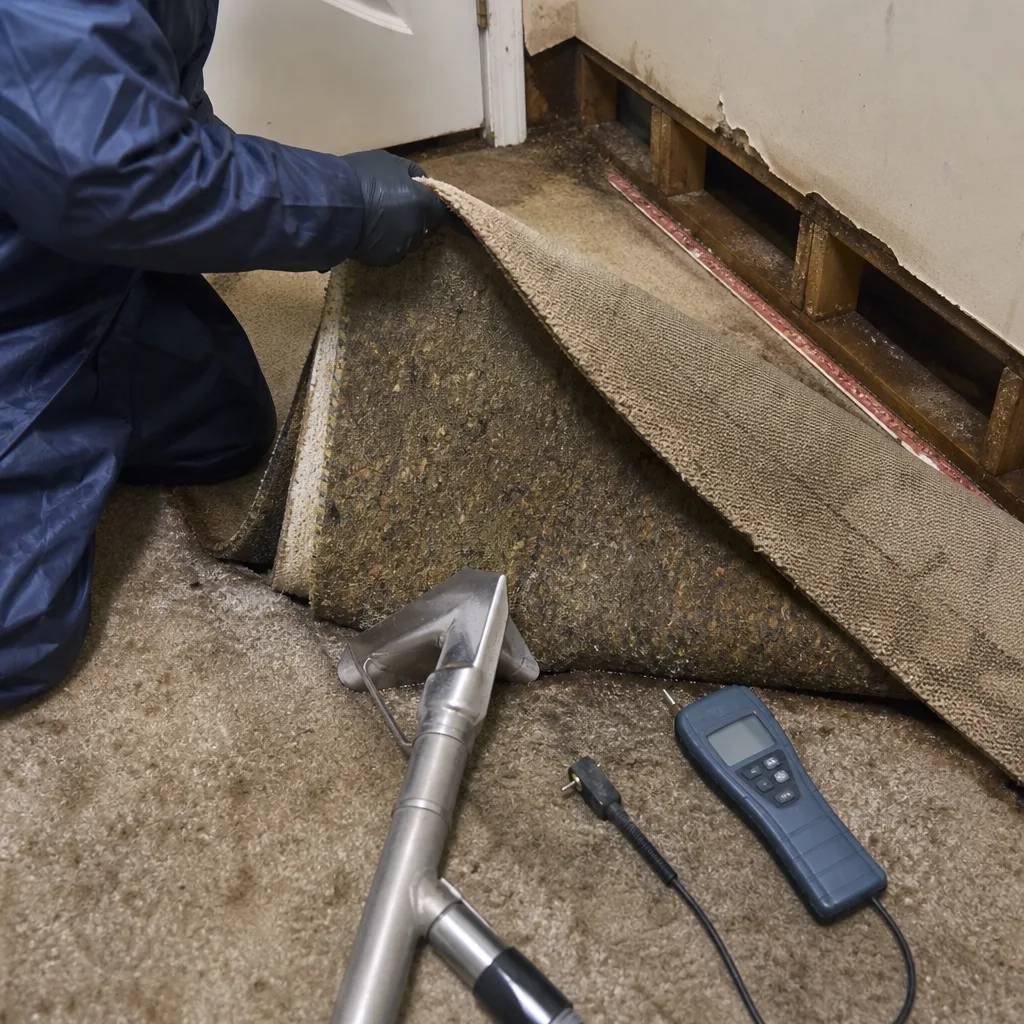
Long Island City’s building stock and geography create restoration challenges that don’t exist in suburban single-family homes. A homeowner applying generic DIY advice from a national website is working with incomplete information.
Below-Grade Units and Humidity Deception
Many Long Island City apartments - particularly in Hunters Point and along the waterfront - are garden-level or basement units. Relative humidity readings in these spaces are unreliable without calibrated equipment because the concrete slab and foundation walls act as thermal mass, creating localized cold spots where condensation forms even when the ambient RH seems acceptable.
We’ve measured 85% relative humidity in basement corners where a homeowner’s consumer-grade meter read 55% at chest height. That 30-point gap means active mold growth conditions while the homeowner believes the space is “drying out.” Professional-grade thermohygrometers with remote sensors are the only way to capture this stratification.
Brick Construction and Hidden Moisture Reservoirs
Long Island City’s pre-war buildings - the walk-ups along Vernon Boulevard, the converted industrial lofts in Dutch Kills - feature solid brick or terra cotta block construction. These materials absorb water like sponge cake and release it over weeks. A surface that reads “dry” with a pinless moisture meter may still hold gallons of water in the masonry core.
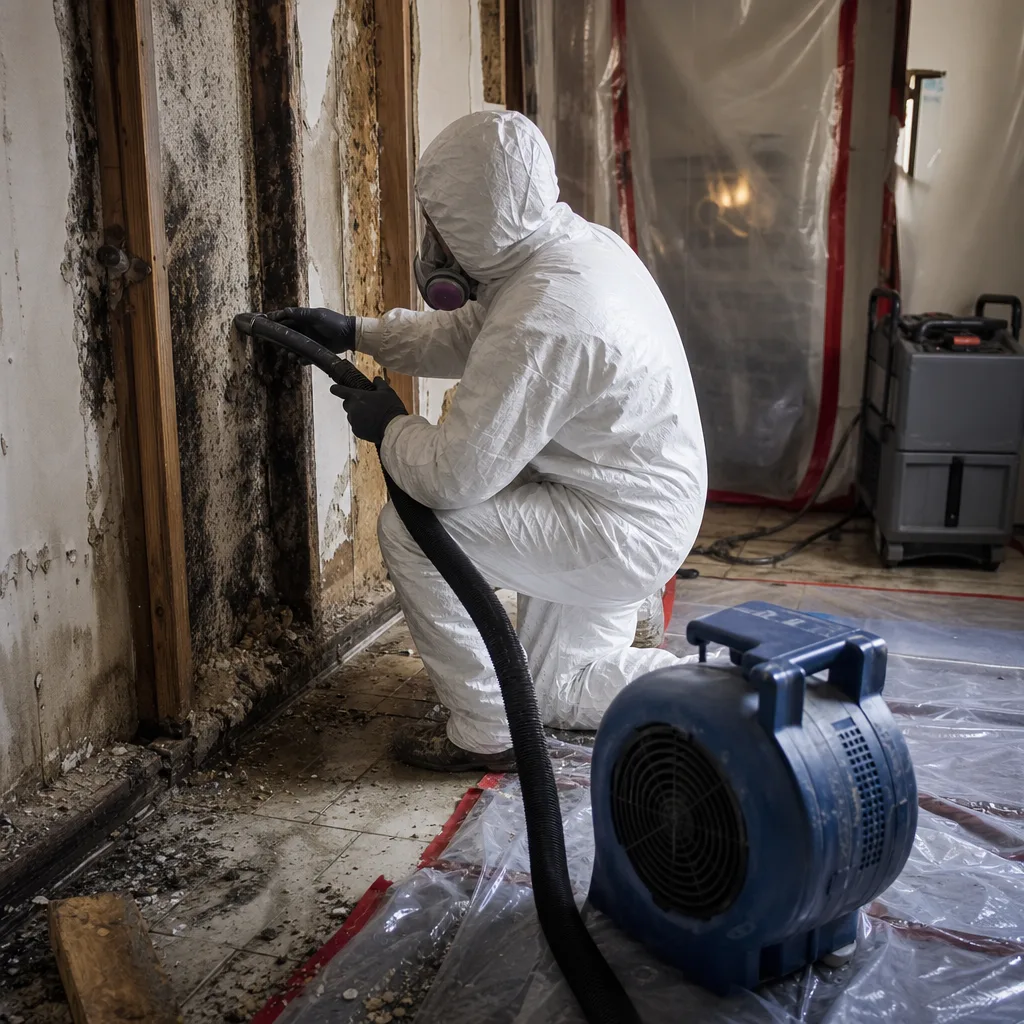
Without invasive moisture mapping (drilling test holes, using deep-penetration probes), DIY restoration addresses only the visible symptom. We’ve been called to mold remediation in Long Island City jobs where the homeowner’s three-week fan campaign had dried the drywall face while the brick behind it stayed saturated - creating a mold factory that cost three times more than initial professional drying would have.
Shared-Wall Buildings and Moisture Displacement
In Long Island City’s attached row houses and multi-family buildings, aggressive air movement in one unit can displace moisture into adjacent spaces. A homeowner running high-velocity fans in a flooded ground-floor apartment may be pushing water vapor through party walls into a neighbor’s unit - or worse, into structural cavities where it condenses on cooler surfaces.
Professional restoration includes containment protocols (polyethylene barriers, negative air pressure) that prevent this displacement. DIY restoration has no such safeguard. The liability exposure alone should give any condo or co-op owner pause.
DIY as Spoliation of Evidence: A Claim Killer
This is the scenario that keeps adjusters awake at night - and the one that should keep homeowners from touching water damage before documentation is complete.
Spoliation of evidence is the legal term for destroying or altering material that may be relevant to a dispute. In insurance claims, it refers to any action that prevents an adjuster from determining the cause, extent, or pre-existing condition of a loss. DIY remediation, however well-intentioned, is frequently alleged as spoliation.
Here’s how it plays out. A pipe bursts in a Long Island City rental unit on a Friday night. The tenant mops, runs fans, and throws out the soaked carpet. On Monday, the landlord files a claim for structural damage. The insurer sends an adjuster who finds a dry room, no carpet, and no photo record of the original conditions. The adjuster’s report notes: “Unable to verify scope of loss due to policyholder’s premature remediation. Recommend denial based on spoliation.”
This isn’t theoretical. We’ve reviewed claim files where exactly this sequence occurred. The landlord’s “savings” from quick cleanup cost them $14,000 in denied structural repairs.
The Documentation-First Protocol
The correct sequence - the one we follow on every DryMark Restoration Long Island City home job - is:
- Document before touching anything. Photo record of all affected materials, standing water depth, and water line marks on walls.
- Moisture map the entire affected area and adjacent spaces to establish the baseline.
- Begin controlled remediation only after the baseline is preserved.
- Continue daily documentation throughout the drying process.
- Deliver a complete file to the policyholder at job close.
Haven Standard, Clause 1 requires a written price before work begins. But Clause 1 also implies something else: no work begins before documentation. The two are inseparable. A price without a documented scope is a guess; work without a documented baseline is a liability.
What Professionals Should Hand You at Job Close
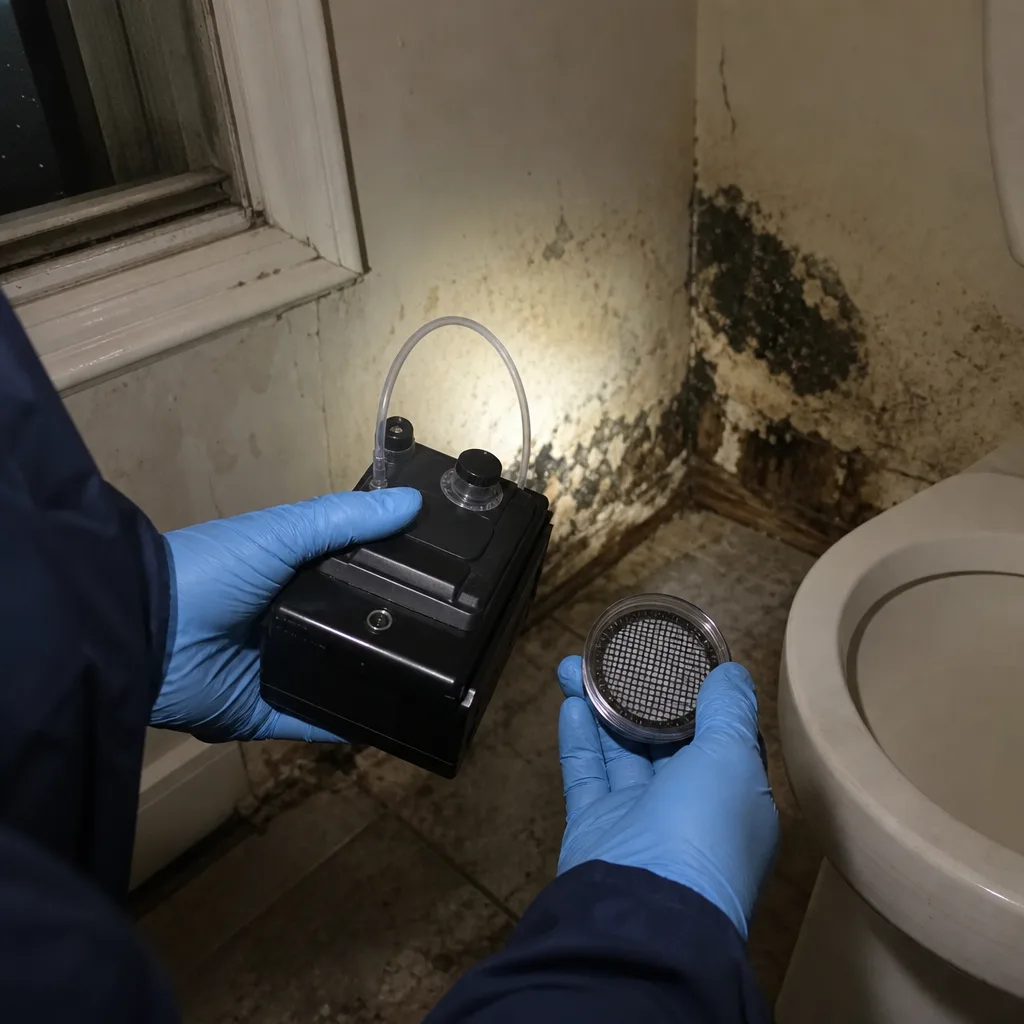
A homeowner paying professional rates deserves professional deliverables. Not a dry room - that’s the minimum. A complete file that justifies every dollar and protects every future claim. Here’s what we deliver on every job, and what you should demand from any restoration company you hire in Long Island City. For ongoing maintenance tips, review our water damage restoration maintenance checklist.
The Five Standard Deliverables
- Written scope of work: Every affected room, every material removed or dried in place, every piece of equipment deployed, with start and stop dates. This is the invoice’s narrative explanation.
- Daily drying log: Psychrometric readings at each equipment location, moisture content readings for each affected material, and notes on any adjustments made. This log demonstrates that drying was actively managed, not passively hoped for.
- Photo record with timestamps: Pre-work, during work, and post-work images of every affected area. We deliver these as a digital album with EXIF data intact, not as a handful of cell phone snapshots.
- Equipment placement diagram: A floor plan showing where each dehumidifier, air mover, and specialty drying unit was positioned, with airflow calculations.
- Signed warranty documentation: Our 365-Day Done Right Promise, backed by The Haven Standard, with the specific coverage terms and claim procedure.
This file is what makes the professional fee defensible. Without it, you’ve paid for equipment rental with a labor markup. With it, you’ve purchased an insurance-ready documentation package that typically recovers its cost in faster claim approval and reduced disputes.
We also offer a Free Second Opinion on any competitor’s written estimate. Bring us another company’s scope, and we’ll review it against IICRC standards at no charge - because we’ve seen too many Long Island City homeowners pay for documentation that wouldn’t survive an adjuster’s review.
Real Cost Comparison: DIY vs. Professional in the LIC Market
Homeowners deserve visible pricing. Haven Standard, Clause 1 exists precisely to end the “call for a quote” habit that obscures real costs. Here’s what DIY and professional restoration actually run in the Long Island City market, based on typical residential water damage scenarios we’ve handled.
Scenario: Category 1 Water Damage, 200 Square Feet, Single Room
| Cost Component | DIY Approach | Professional Approach |
|---|---|---|
| Equipment rental (fans, dehumidifier, wet-dry vac) | $150-$300 (3-7 days) | Included in service |
| Moisture detection tools | $50-$100 (consumer-grade, limited accuracy) | Included; professional-grade with calibration |
| Materials (disposable PPE, cleaning agents, poly sheeting) | $75-$150 | Included |
| Labor (your time, valued at $0-$50/hour) | 15-25 hours | Included |
| Documentation for insurance | None | Complete IICRC-compliant file |
| Total out-of-pocket | $275-$550 plus your time | $1,800-$3,200 (typical range, varies by scope) |
The professional cost is higher. But the comparison is misleading if a claim is involved. A professionally documented $2,800 restoration invoice is typically paid in full by insurance. A DIY cleanup with $400 in receipts and no documentation leaves the homeowner absorbing all subsequent damage - the warped subfloor, the mold inside the wall, the electrical corrosion - without recourse.
For fire and smoke damage restoration in Long Island City, the documentation gap is even wider. Smoke damage requires particulate testing and thermal fogging documentation that no homeowner can self-produce.
Common Mistakes to Avoid
- Renting equipment without understanding capacity: A consumer dehumidifier removes 30-50 pints per day. A professional unit removes 130-270 pints. In Long Island City’s humid August, the rental unit runs continuously without achieving drying goals - while the meter says it’s “working.”
- Trusting your nose for “dry”: By the time you smell must, mold has already colonized. Professional moisture meters detect elevated moisture content days before olfactory cues appear.
- Removing wet carpet without addressing the pad: Carpet pad acts as a water reservoir. Pulling carpet and leaving pad is like changing your socks while standing in a puddle. We’ve found saturated pad under “dry” carpet in Long Island City basements months after DIY removal.
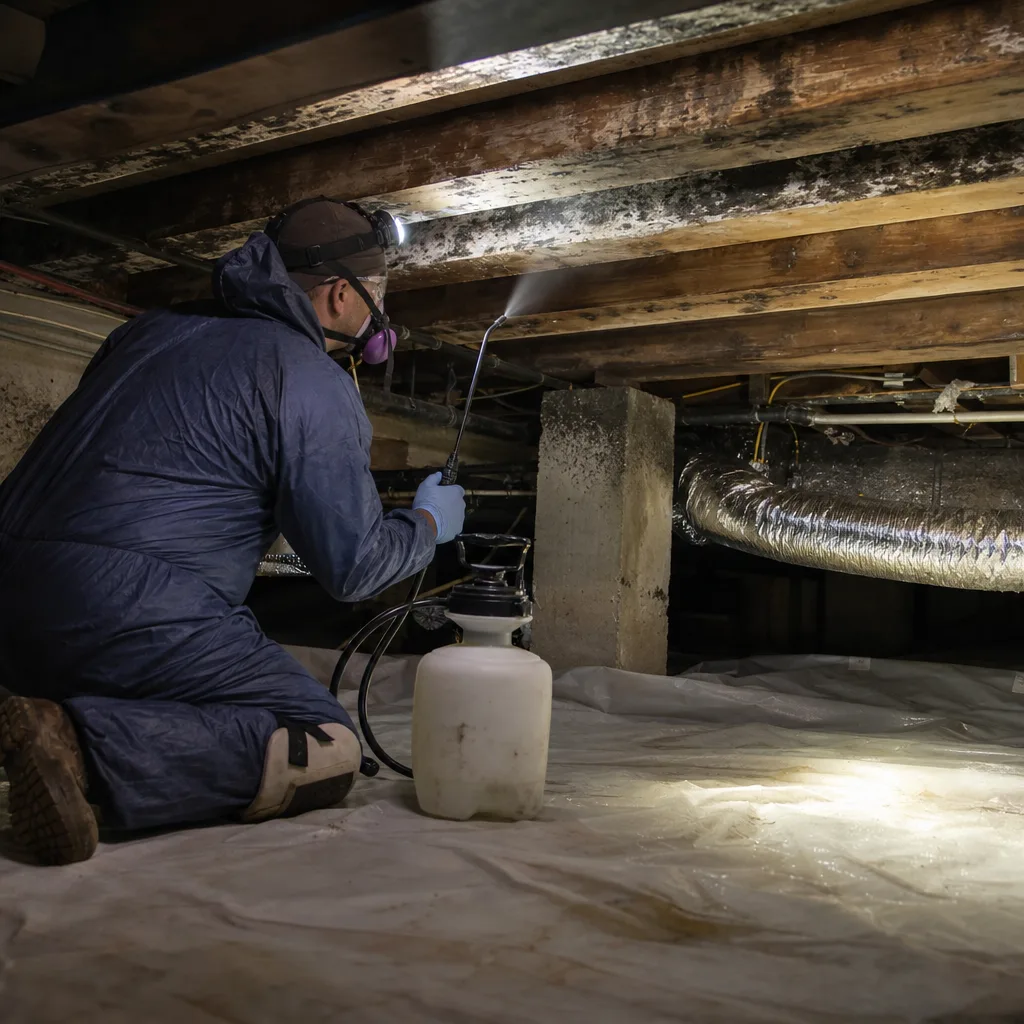
- Using bleach on mold: Bleach kills surface mold on non-porous materials but drives spores deeper into porous materials like drywall and wood. It also adds moisture to an already wet environment. Proper mold remediation in Long Island City requires containment, negative air pressure, and HEPA filtration - not a spray bottle from the grocery store.
- Waiting for the insurance adjuster before stopping active damage: This is the mirror-image mistake of premature remediation. You don’t need to wait for permission to prevent further damage - but you do need to document everything before you start. The correct sequence is document, then mitigate, not mitigate blindly or wait passively.
- Assuming your co-op or condo’s master policy covers your unit’s interior: Many Long Island City co-ops carry “bare walls” coverage that stops at the paint. Your DIY cleanup may be preserving damage that no policy covers - while a professional assessment would have identified the coverage gap and documented accordingly.
- Discarding damaged materials before photo documentation: That water-logged baseboard is evidence of how high the water rose. Without it, the adjuster can argue the damage was below your deductible threshold. Photograph everything, from multiple angles, with a ruler or coin for scale, before anything hits the trash.
When to Call a Professional
Call a professional when any of these conditions apply: the water source is Category 2 or 3 (gray or black water); any structural material is affected; the damage extends beyond a single, easily contained area; you intend to file an insurance claim; the property is a co-op, condo, or rental with shared walls or master policy complications; or mold is visible or suspected.
DryMark Restoration Long Island City offers free estimates in Long Island City - call (914) 530-9723. Every estimate includes a written scope before work begins, per Haven Standard, Clause 1. We also provide a Free Second Opinion on any competitor’s written estimate, and our 24-hour live dispatch means you’ll speak to a person, not a voicemail tree, whenever you call. Explore more guides & resources on protecting your property.
Frequently Asked Questions
Most standard homeowners policies cover sudden and accidental water damage, including professional restoration costs, when the damage is documented to industry standards. Insurers typically deny or reduce claims where the policyholder performed DIY remediation without creating a contemporaneous record of the loss. Call (914) 530-9723 for an exact assessment of your coverage - estimates are free.
Our live dispatch answers every call 24 hours a day, 7 days a week, with no voicemail on emergency lines. Response time to Long Island City addresses typically ranges from 45 minutes to 2 hours depending on traffic and current call volume. For active water damage, speed matters because mold colonization begins in 24 to 48 hours and moisture migration continues until contained. Call (914) 530-9723 for current availability.
You need full professional remediation if any structural material is wet, if you intend to file an insurance claim, or if the water source is anything other than a clean supply line. Surface cleaning addresses what you can see; remediation addresses what you can’t, with documentation that protects your claim. Call (914) 530-9723 for a scope assessment - if your situation truly is DIY-appropriate, we’ll tell you.
At DryMark Restoration Long Island City, we coordinate directly with your adjuster, providing the IICRC-compliant documentation package that supports your claim. This includes the written scope, daily drying logs, photo record, and equipment placement diagrams. You remain the policyholder and final decision-maker, but you don’t need to become a documentation expert. Call (914) 530-9723 to discuss direct adjuster coordination on your job.
This is the riskiest approach. DIY drying before professional assessment can constitute spoliation of evidence - destroying the baseline conditions your adjuster needs to price the loss. If you even suspect you’ll file a claim, document first, then call professionals before touching anything. Call (914) 530-9723 for guidance on immediate documentation steps you can take while waiting for our arrival.
Long Island City’s building stock includes pre-war brick construction that holds hidden moisture, below-grade units with humidity stratification that consumer meters miss, and shared-wall buildings where aggressive drying in one unit displaces moisture into neighbors’ spaces. These factors make professional moisture mapping and containment protocols essential rather than optional. We’ve restored homes across Hunters Point, Dutch Kills, and the waterfront since 2011 - call (914) 530-9723 for neighborhood-specific expertise.
The Bottom Line
The DIY versus professional restoration decision isn’t about skill, courage, or even immediate cost. It’s about whether you need a record that someone else will pay for. In Long Island City’s complex building environment, with insurance documentation requirements that grow stricter every year, professional restoration is the only path that reliably produces that record. The three defensible DIY scenarios - below-deductible damage, no structural involvement, no claim intended - cover fewer situations than most homeowners assume. For everything else, the documentation standard matters more than the drying itself. That’s why we built our company around it.
Written by Alicia Brennan, Owner at DryMark Restoration Long Island City, serving Long Island City since 2011.