
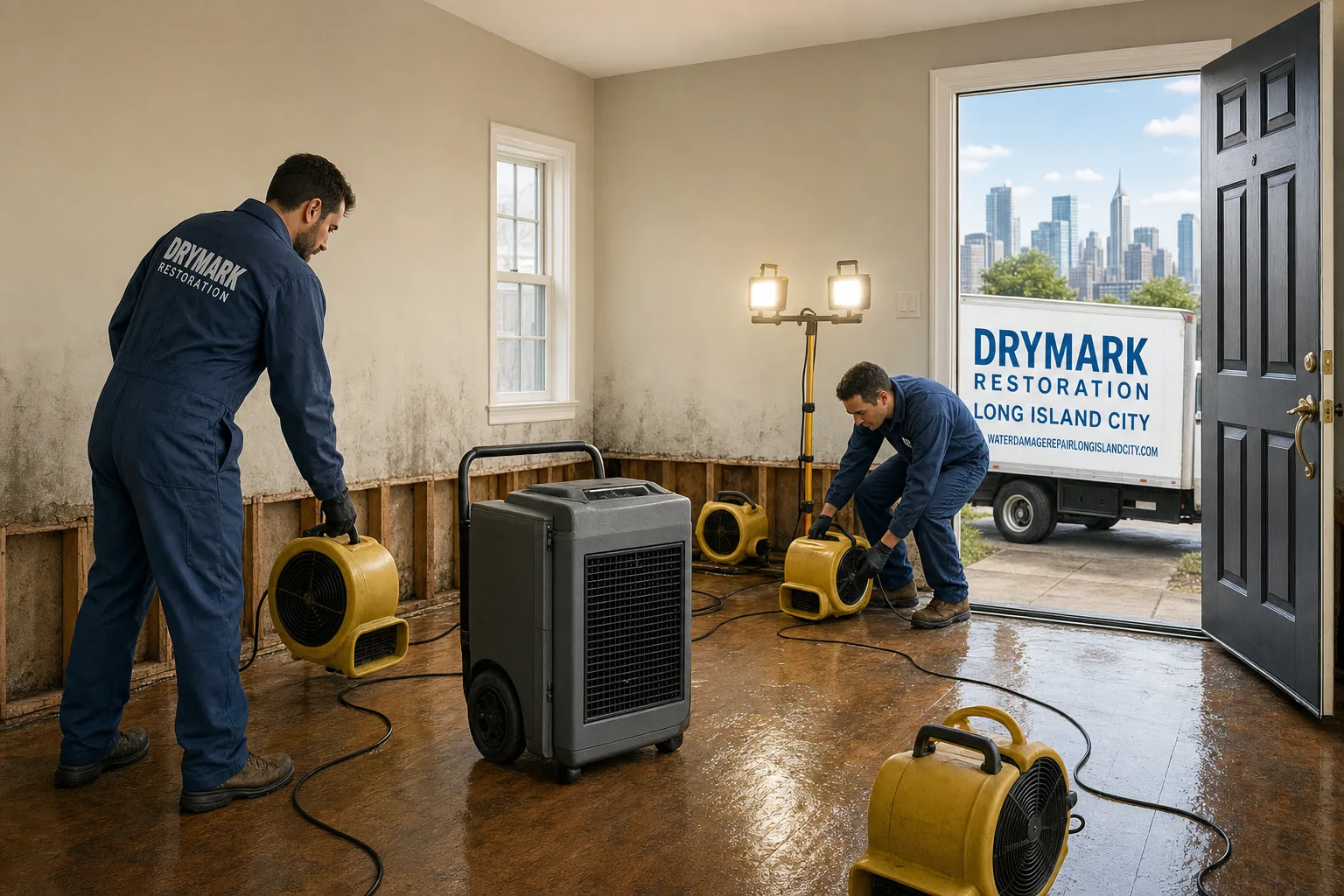
Free visual inspection and a written scope of work before any mitigation begins - photos, moisture readings, and drying logs go in your claim file
The scope we write is the scope we bill. Anything new gets shown to you, in writing, before we touch it.
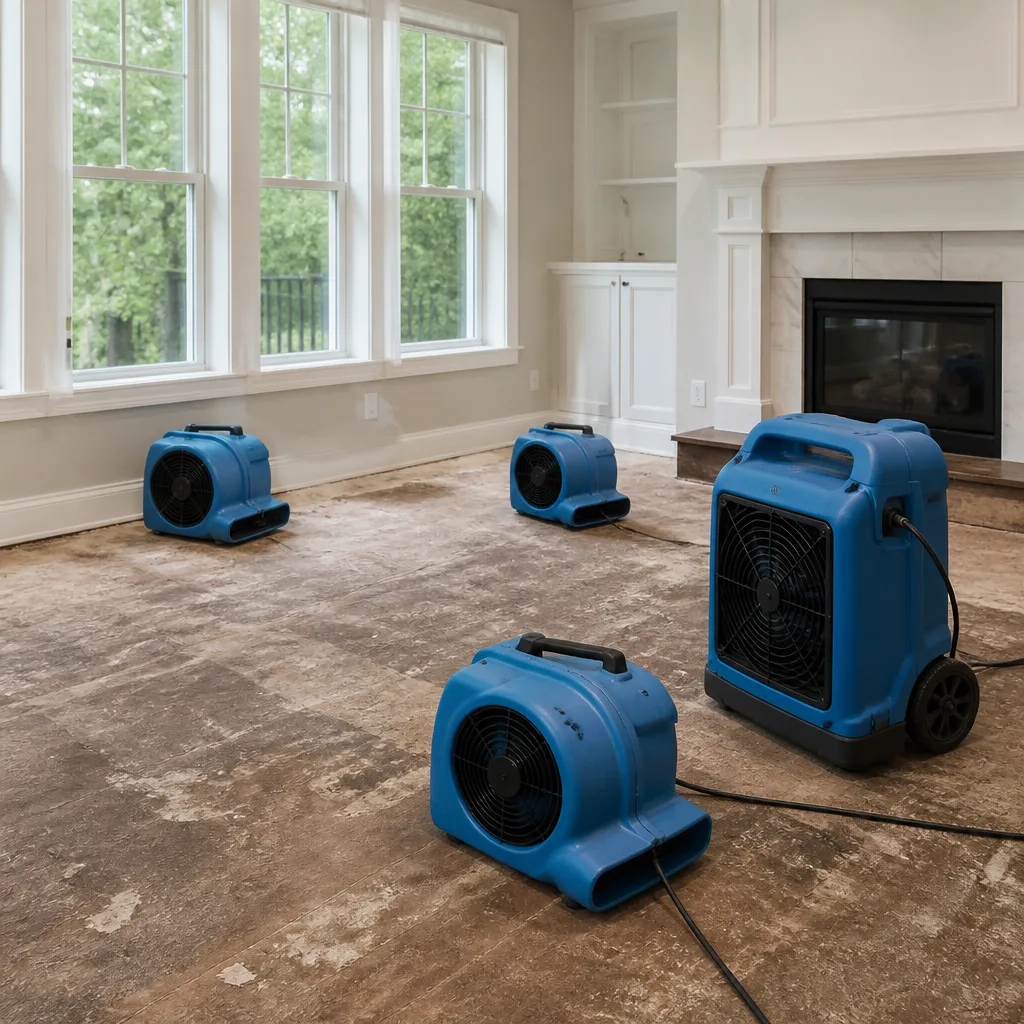
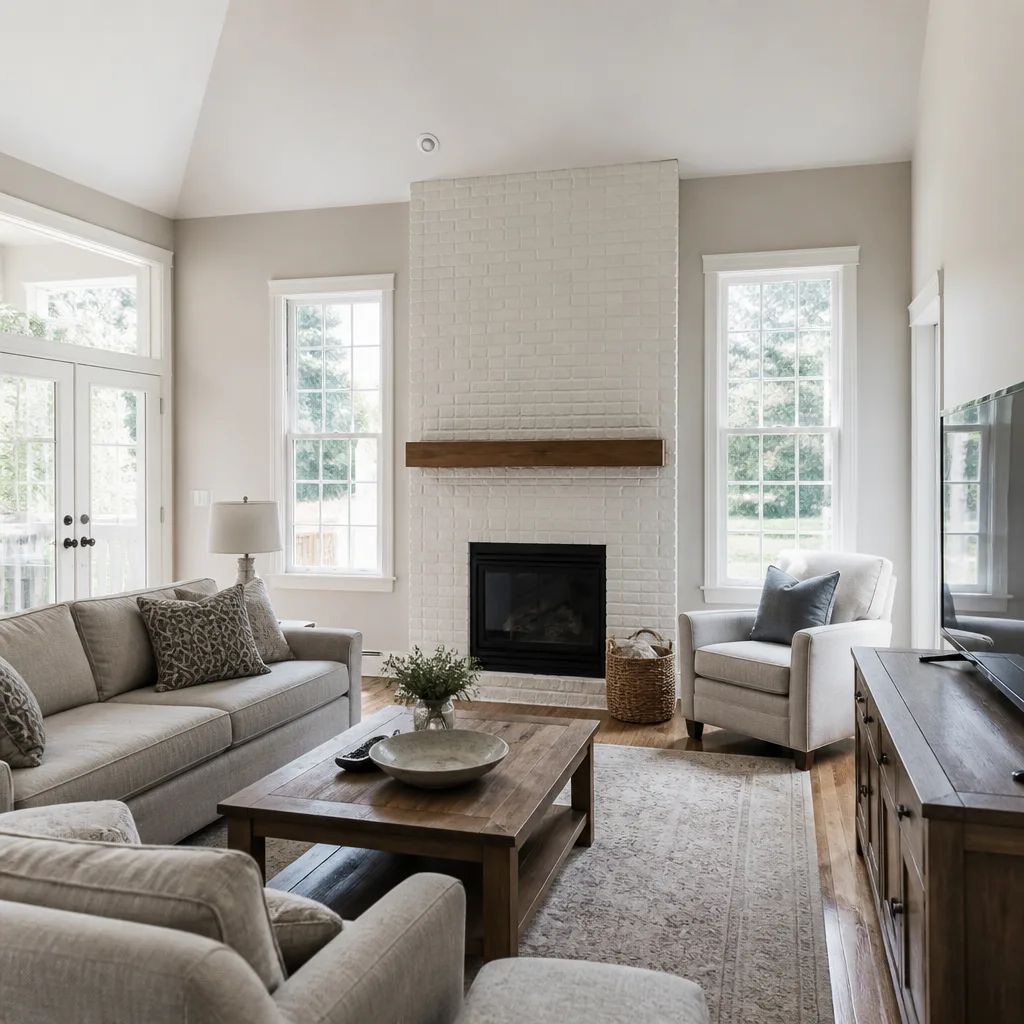
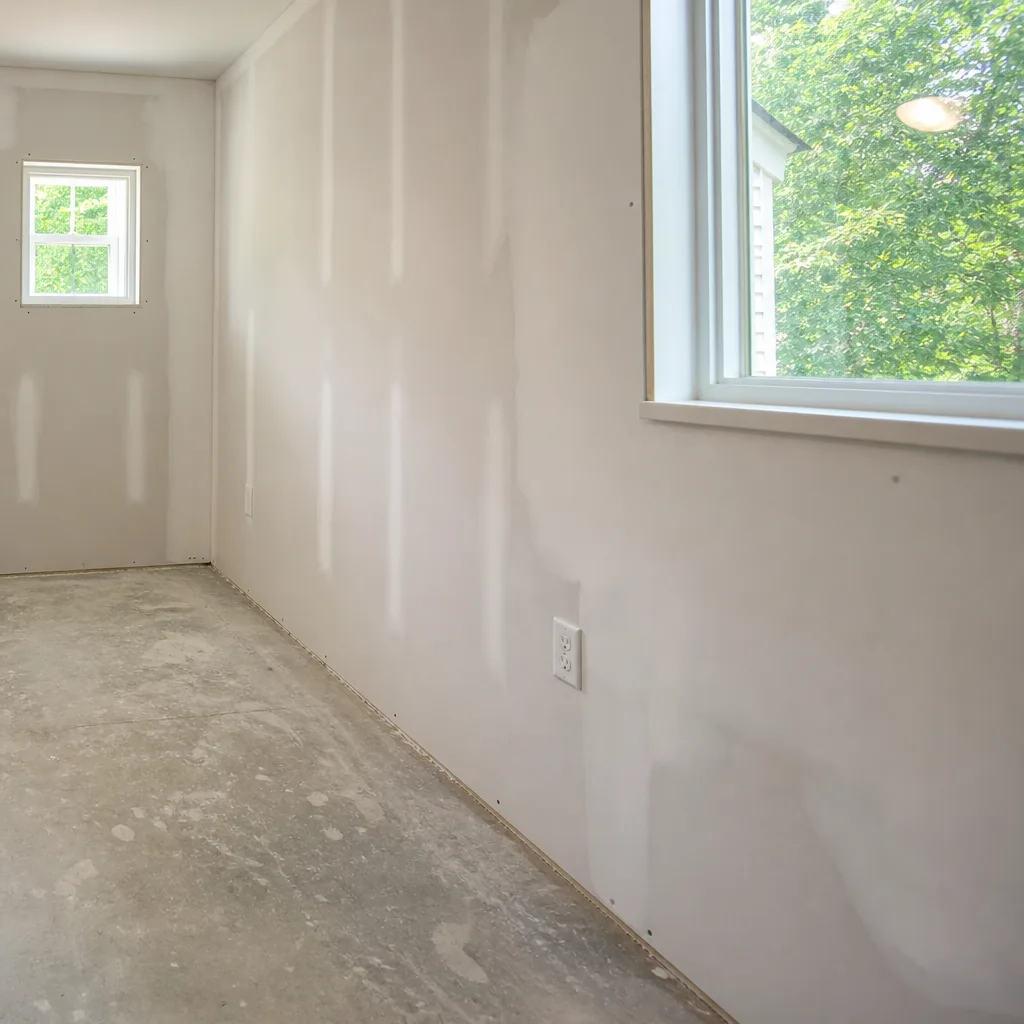
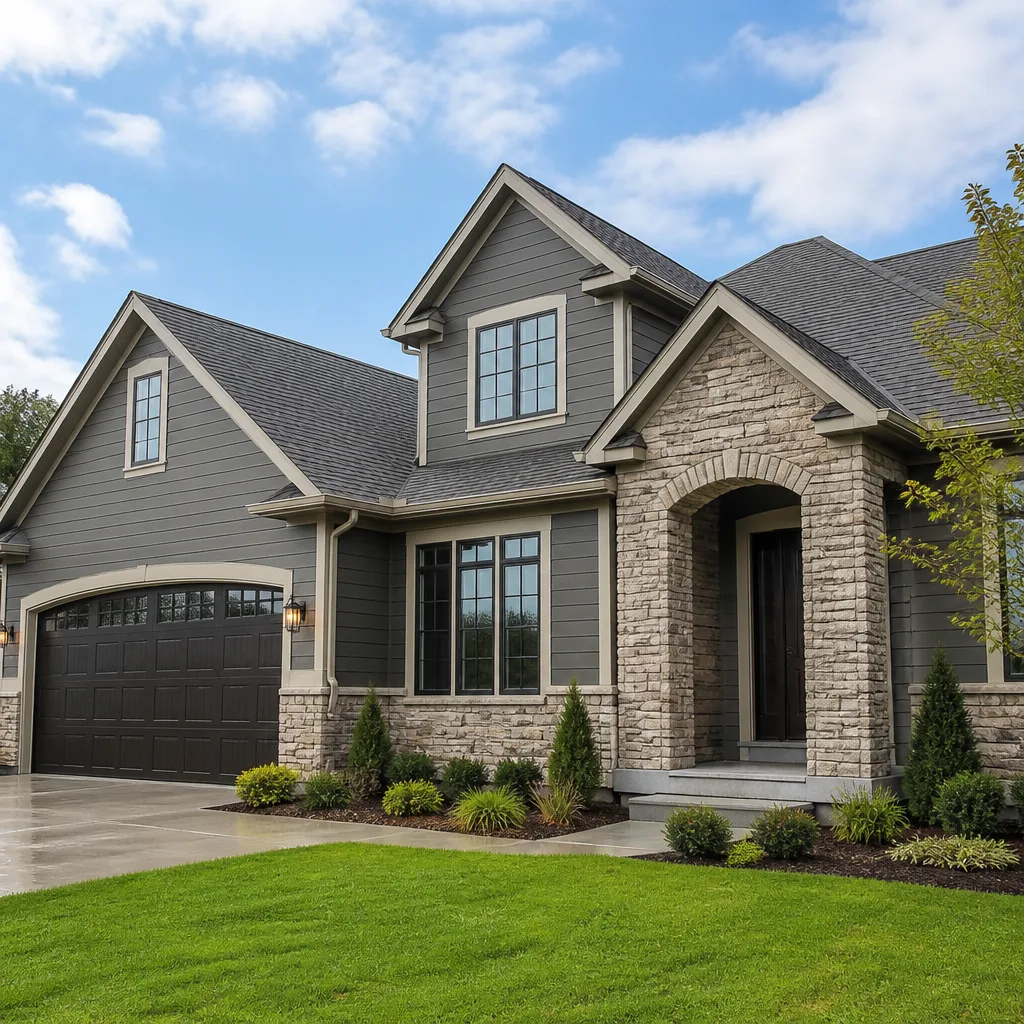
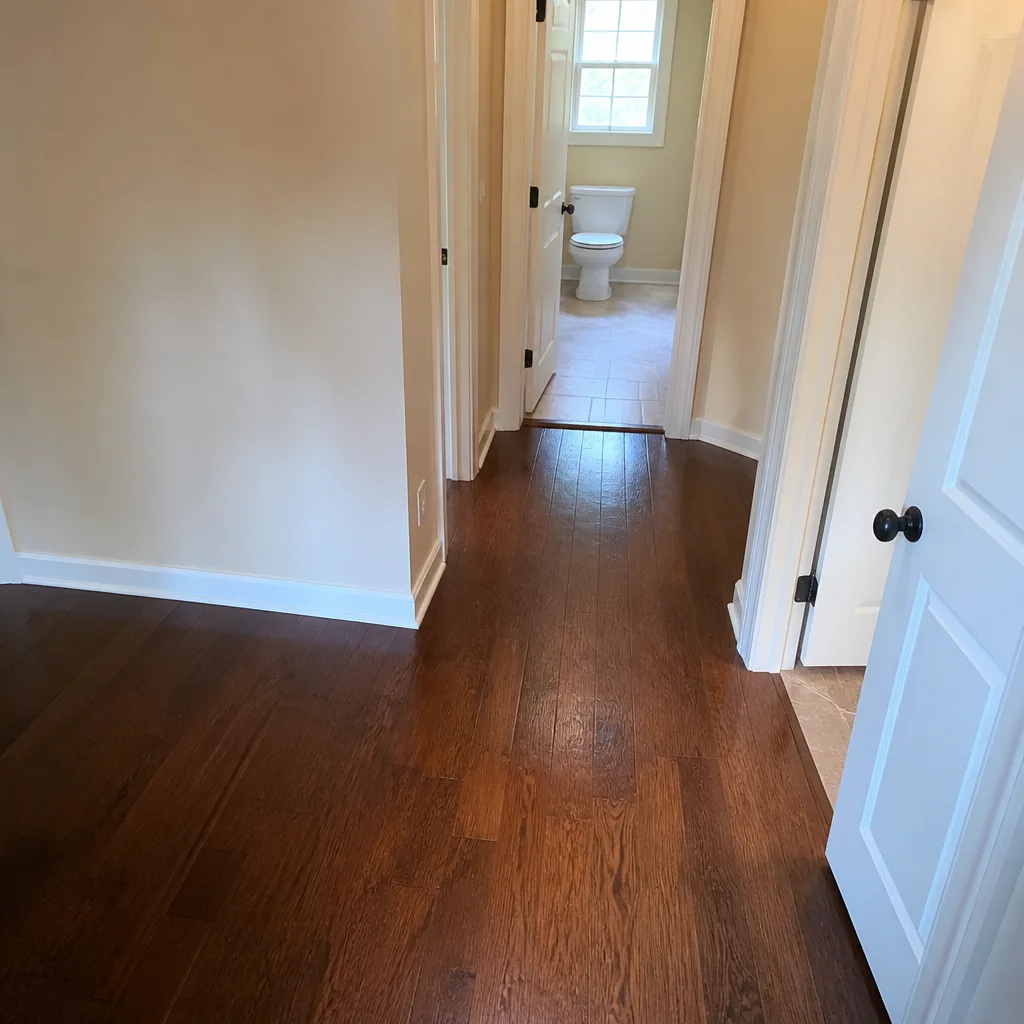
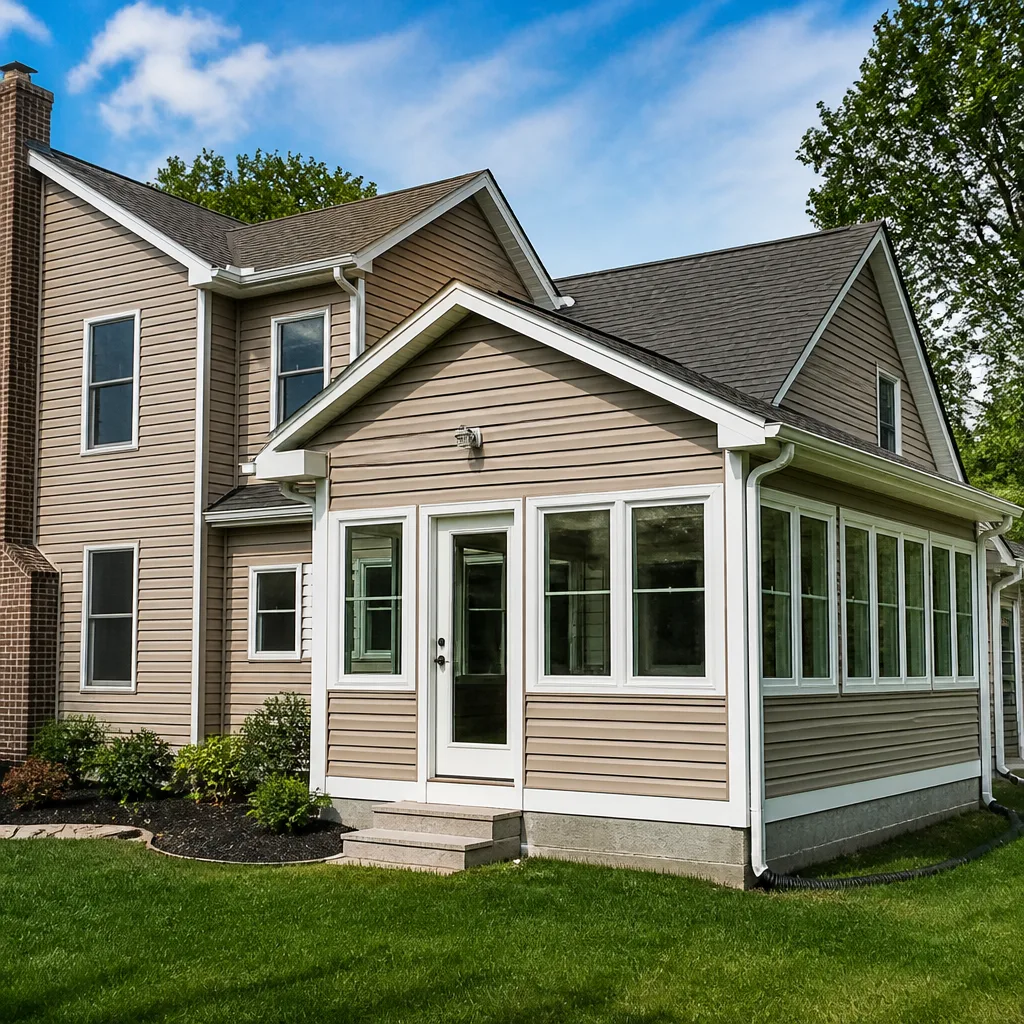
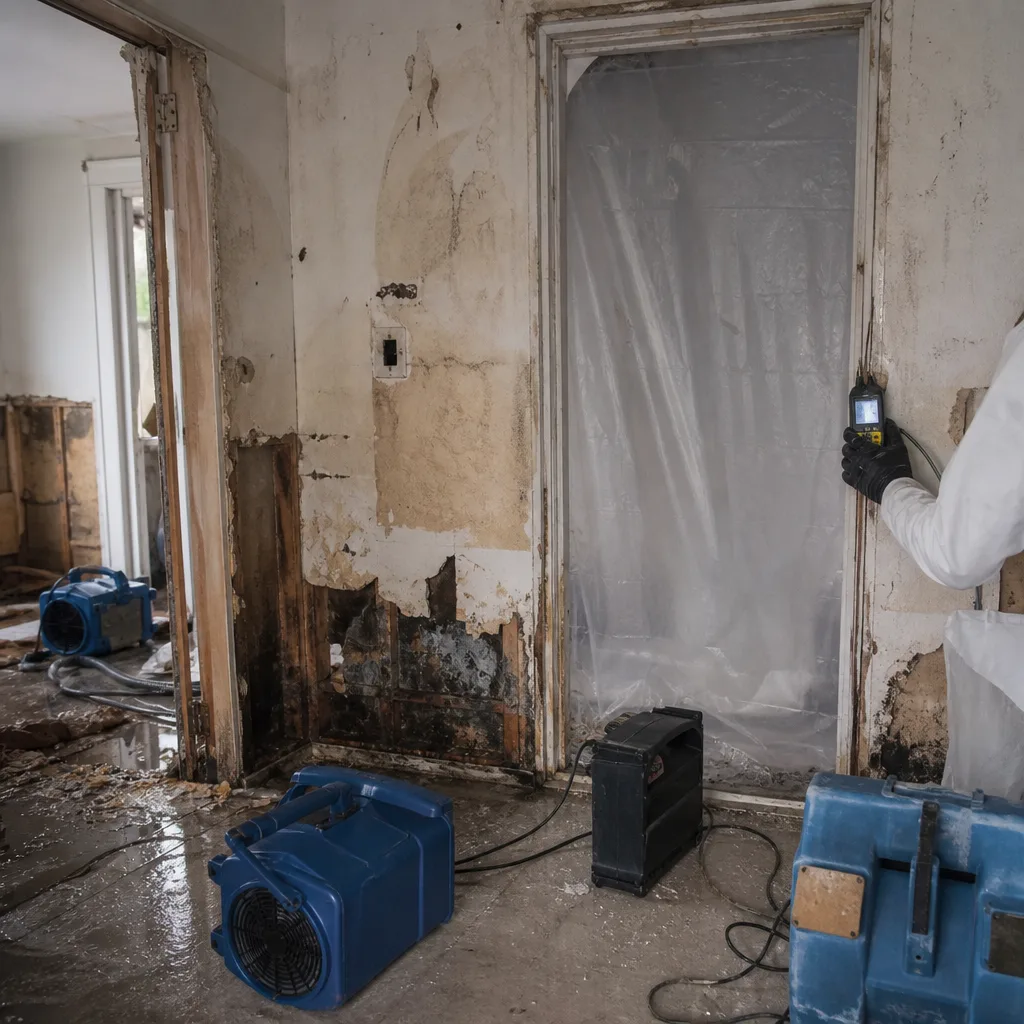 Before
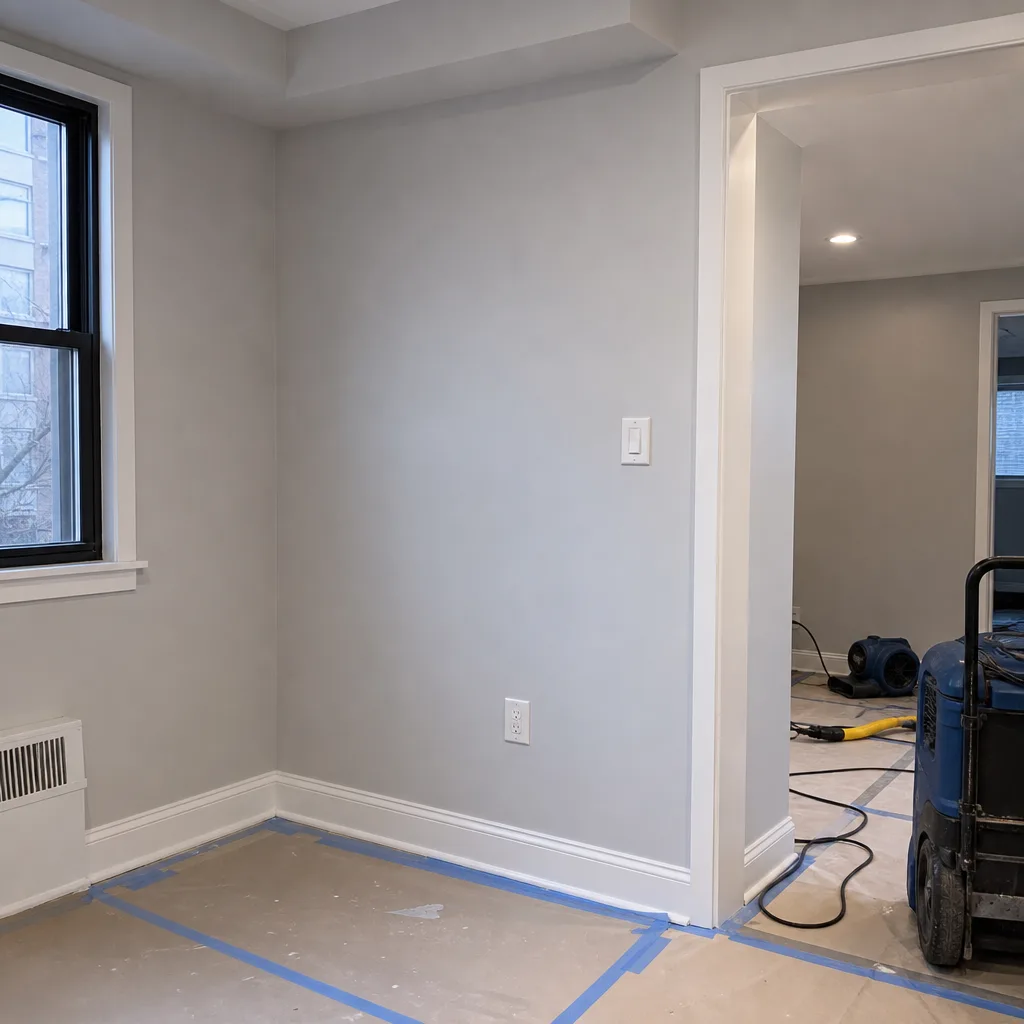 After
After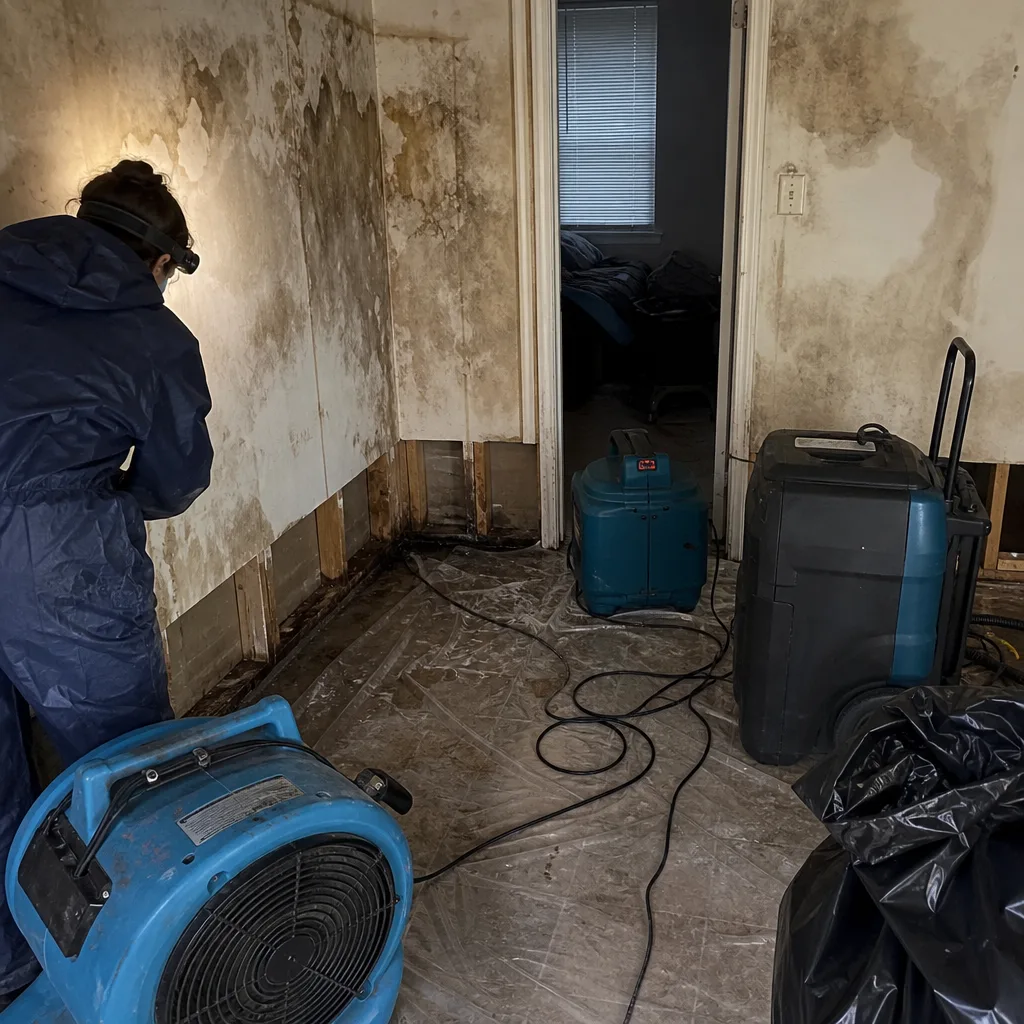 Before
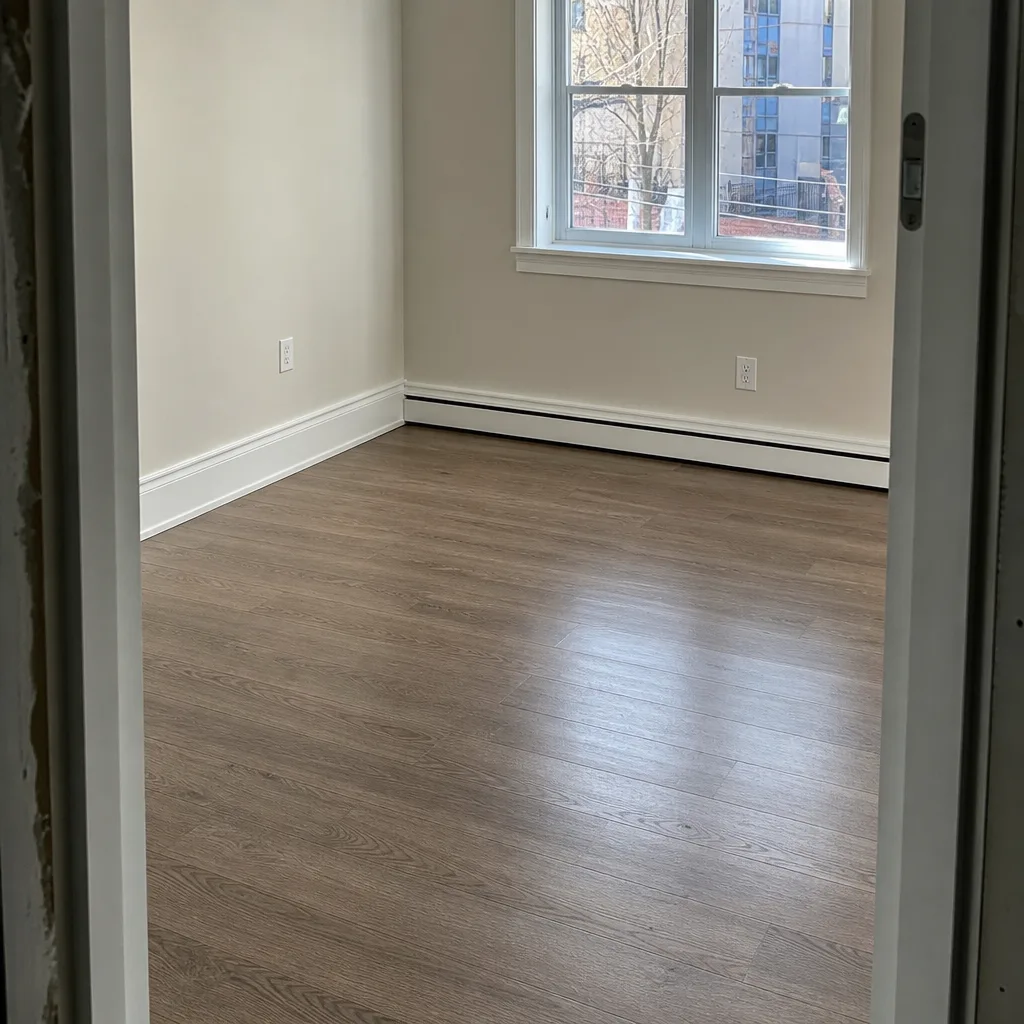 After
After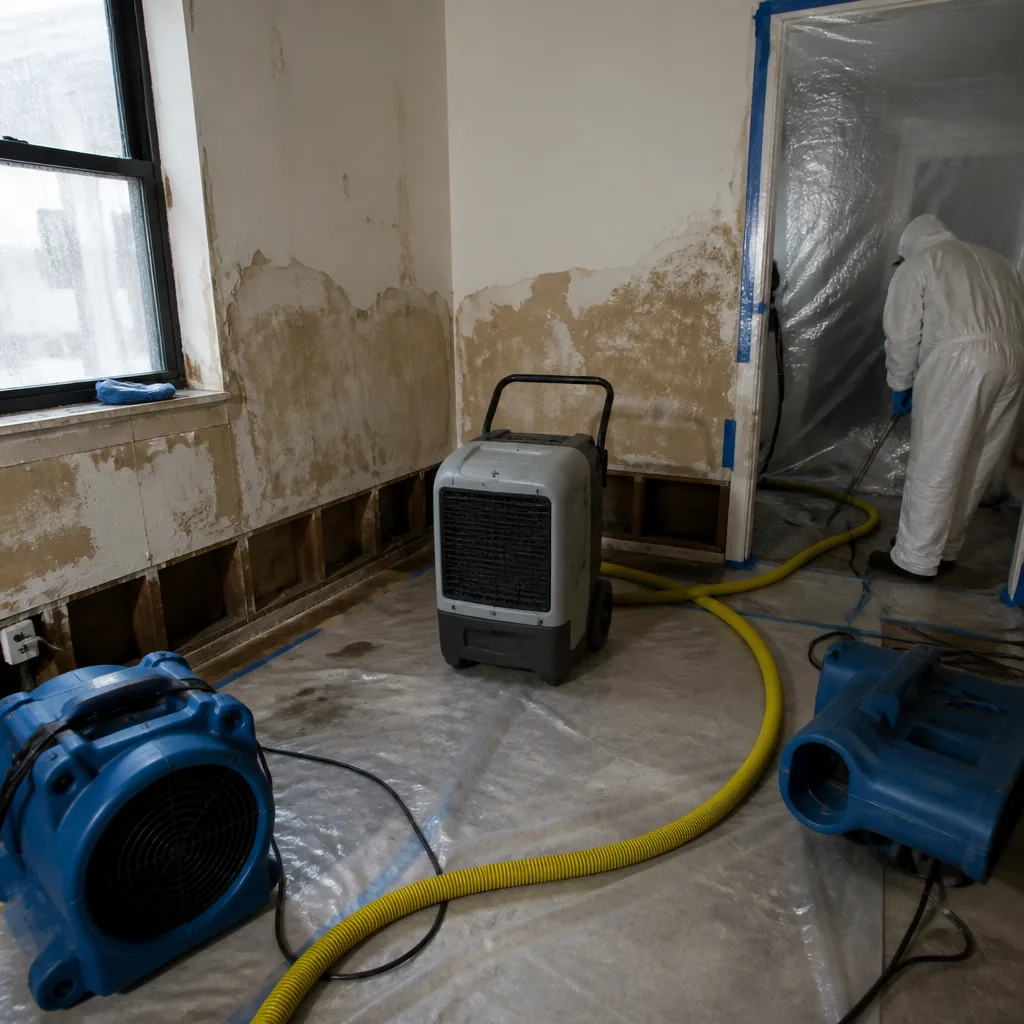 Before
 After
AfterFast, Reliable Mold Remediation Across Midtown Manhattan
Mold remediation in Midtown Manhattan typically costs $2,800-$7,500 for residential units and $8,500-$22,000 for commercial floors, with most inspections scheduled within 4 hours during business days. Our crews serve Midtown Manhattan from our New York City office, carrying containment gear, negative air machines, and moisture detection equipment sized for the tight freight elevators and after-hours access windows that define work in this district. Call (914) 530-9723 for a written scope and price before any work begins.
We’ve restored mold damage in pre-war co-ops near Carnegie Hall, glass curtain-wall towers along Sixth Avenue, and hotel-conversion condos above West 44th Street. The building stock here is unlike anywhere else in the five boroughs, and the mold patterns follow suit. You need a crew that knows why moisture on the 18th floor usually means mold on the 15th.
Why DryMark Restoration Long Island City Is Midtown Manhattan’s Preferred Mold Remediation Company
Our reputation in Midtown Manhattan was built on documentation that survives adjuster review. We’ve completed mold remediation projects in the zip codes 10019, 10036, and 10022, and our written scopes specify exact square footage, material classifications, and moisture readings that insurance carriers pay without dispute. Customers in the area mention our after-hours coordination with building management as the reason they call back when a new loss hits their portfolio.
Response time to Midtown Manhattan averages under 90 minutes for emergency calls during standard business hours, with after-hours dispatch coordinated to meet your building’s freight elevator and loading dock windows. We know which towers on Park Avenue require weekend-only remediation to avoid disrupting financial tenants, and which pre-war buildings on West 57th still operate their original 1920s freight systems with weight limits that affect equipment selection.
Our technicians are background-checked, uniformed, and licensed, with license numbers provided on request. Every job carries a photo-documented record, daily moisture logs, and the 365-Day Done Right Promise under The Haven Standard. We don’t make verbal assurances; we deliver signed warranties and written prices before the first containment barrier goes up.
Our Mold Remediation Services in Midtown Manhattan
Mold Inspection & Testing
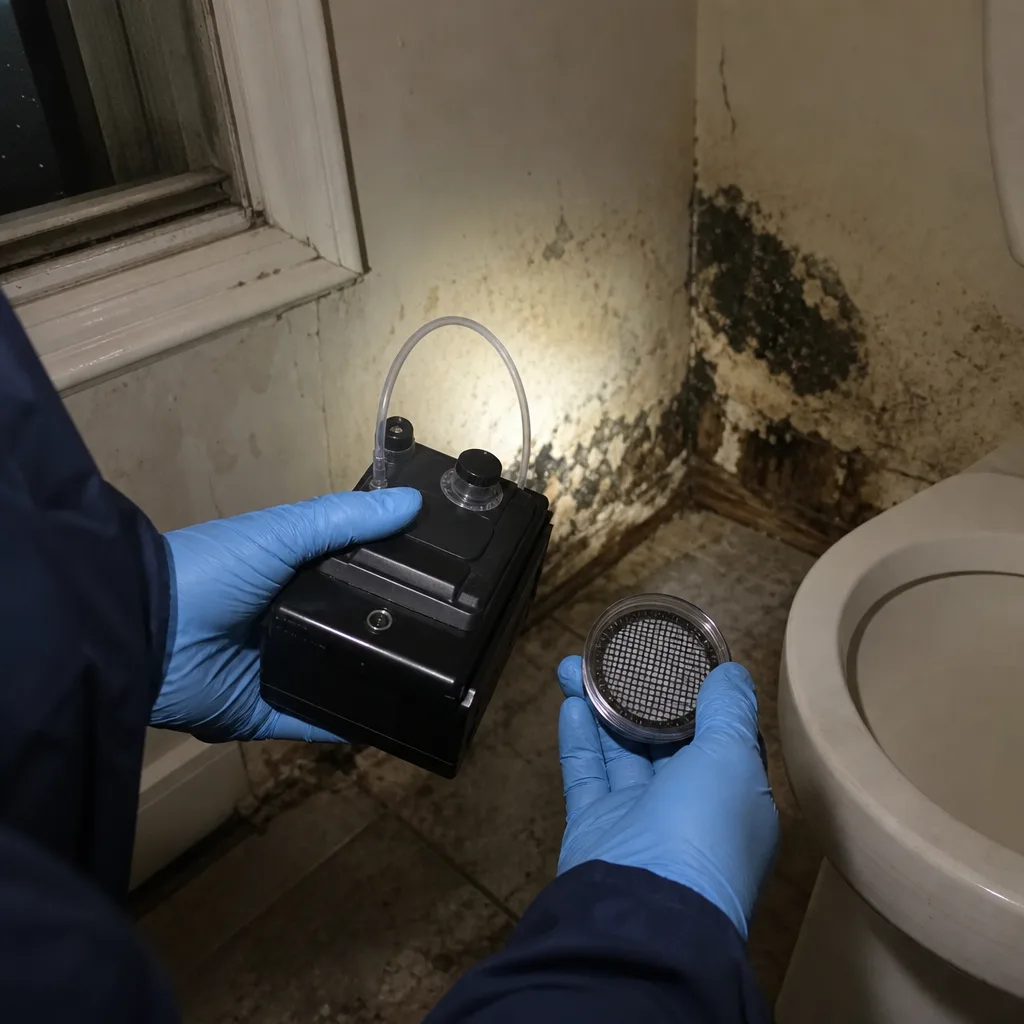
A proper mold inspection in Midtown Manhattan starts with understanding that the visible damage is rarely the full damage. Our inspectors use thermal imaging and borescopes to trace moisture through mechanical chases, slab edges, and shaft walls in pre-war towers where cast-iron drain lines and terra-cotta substrates hold water for weeks. We document every reading to IICRC standards, with psychrometric data - humidity, temperature, and vapor pressure differential, which is the force that drives moisture through building materials - recorded at each location. A typical residential mold inspection in Midtown Manhattan runs $450-$850; commercial floor inspections with multi-unit coordination start at $1,200.
Mold Removal
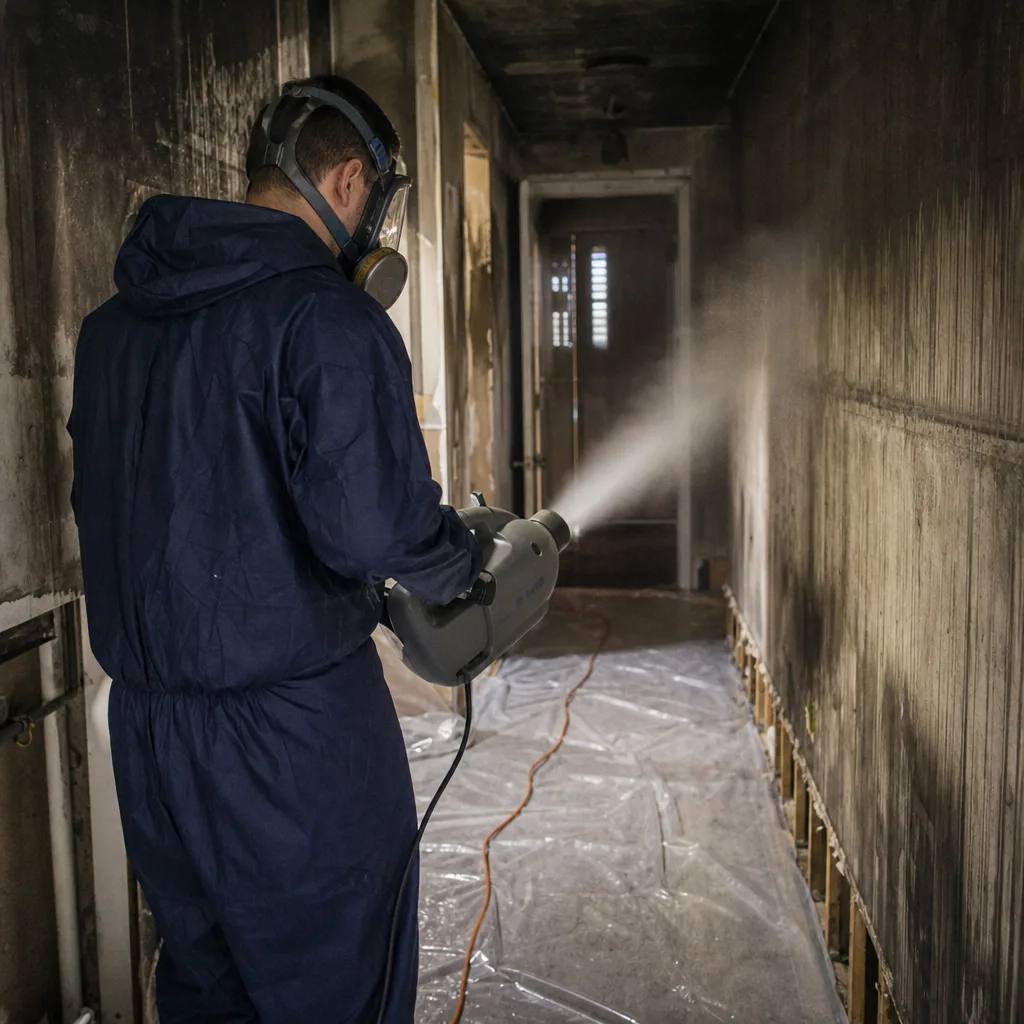
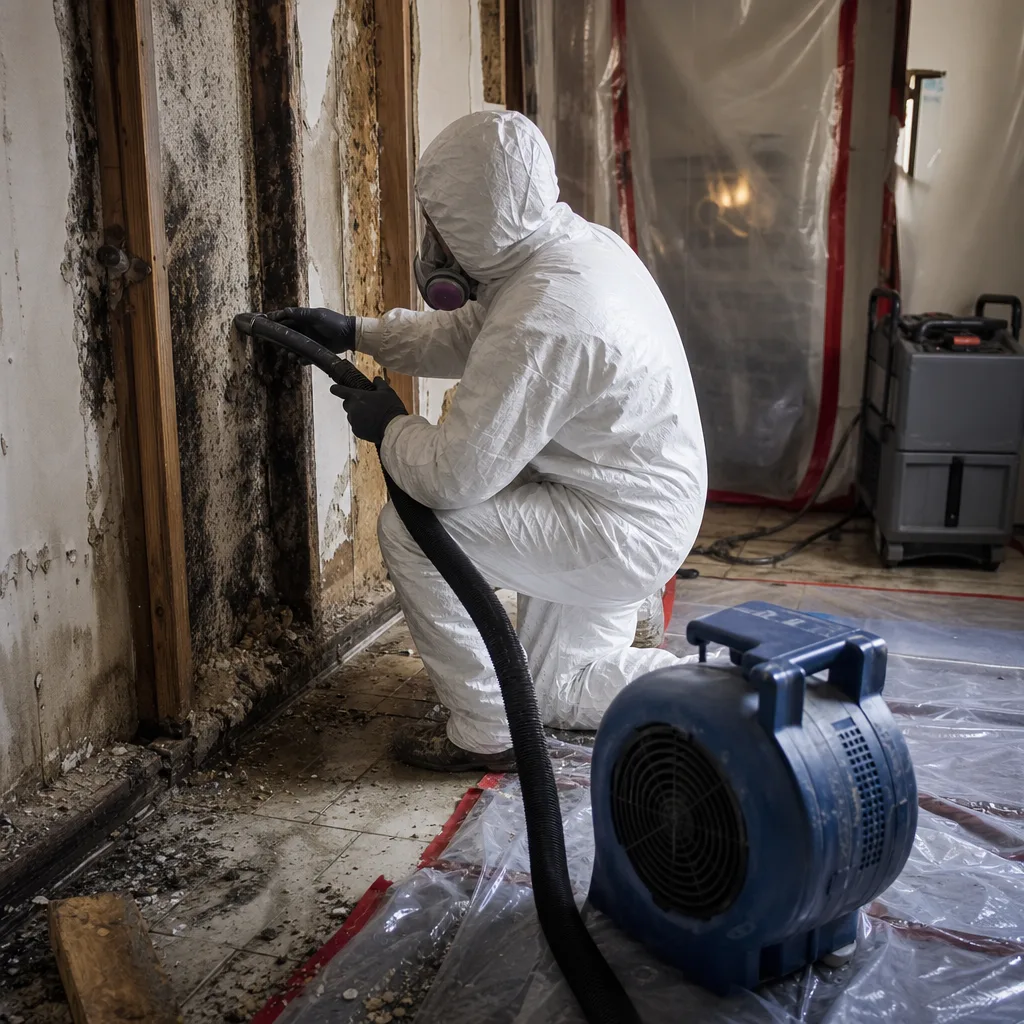
Our Mold Remediation crews remove contaminated materials following containment protocols sized for Midtown’s tight spaces. In hotel-conversion condos near Times Square, we’ve worked in units where the original 1910 floor plan leaves no staging area for negative air machines; we solve this with compact Phoenix and Dri-Eaz units that fit through 28-inch doorways. Removal pricing in Midtown Manhattan ranges from $18-$32 per square foot of affected area, with minimum project sizes of $2,800 for residential work. Every removal scope includes the written price, the photo record, and the disposal manifest.
Black Mold Remediation
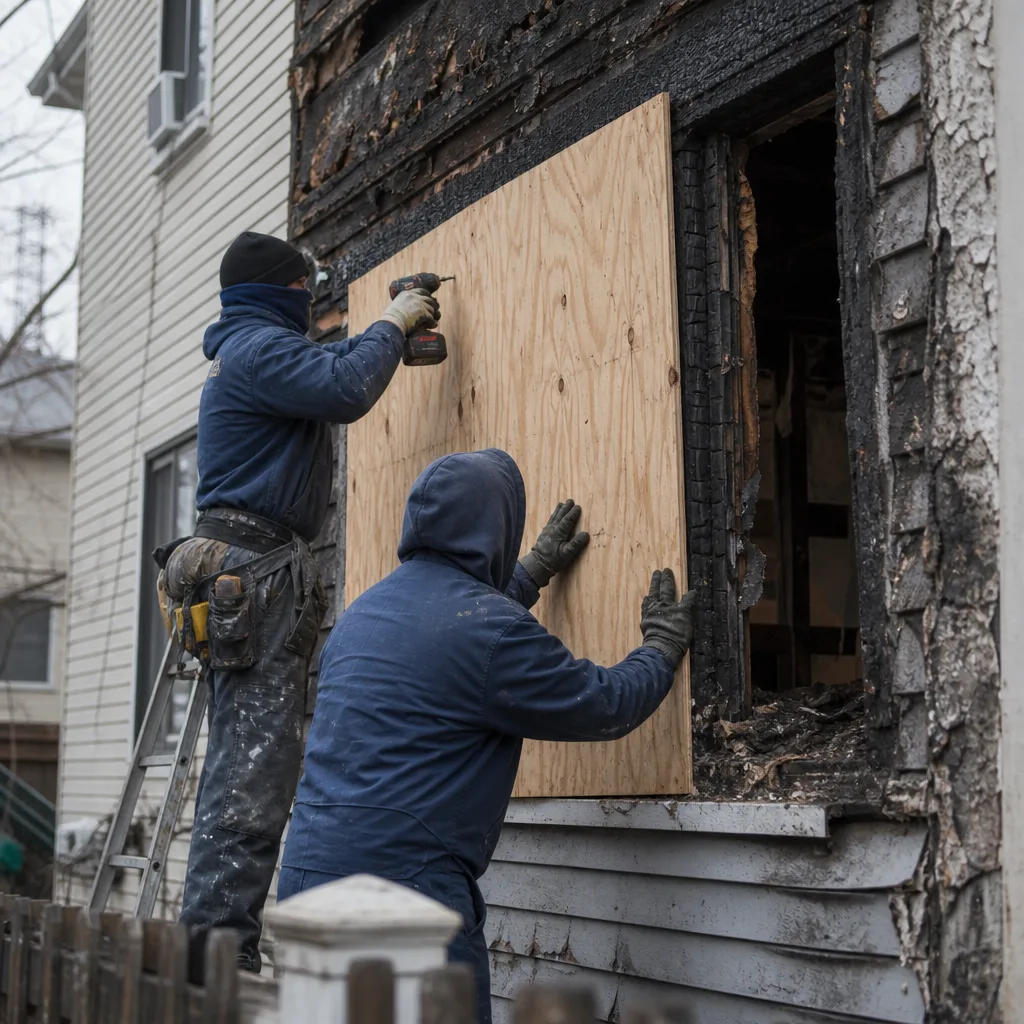
Stachybotrys and other toxigenic molds require HEPA-contained removal with sealed negative air pressure. In Midtown’s sub-basement mechanical rooms - the spaces that Hurricane Sandy proved acutely vulnerable to groundwater infiltration - black mold often colonizes on paper-faced drywall above the flood line where humidity remains elevated for months. We treat these spaces with antimicrobial agents, install temporary dehumidification, and produce drying logs that document every percentage-point drop in moisture content. Black mold remediation in Midtown commercial towers typically runs $4,500-$12,000 depending on containment complexity and after-hours labor requirements.
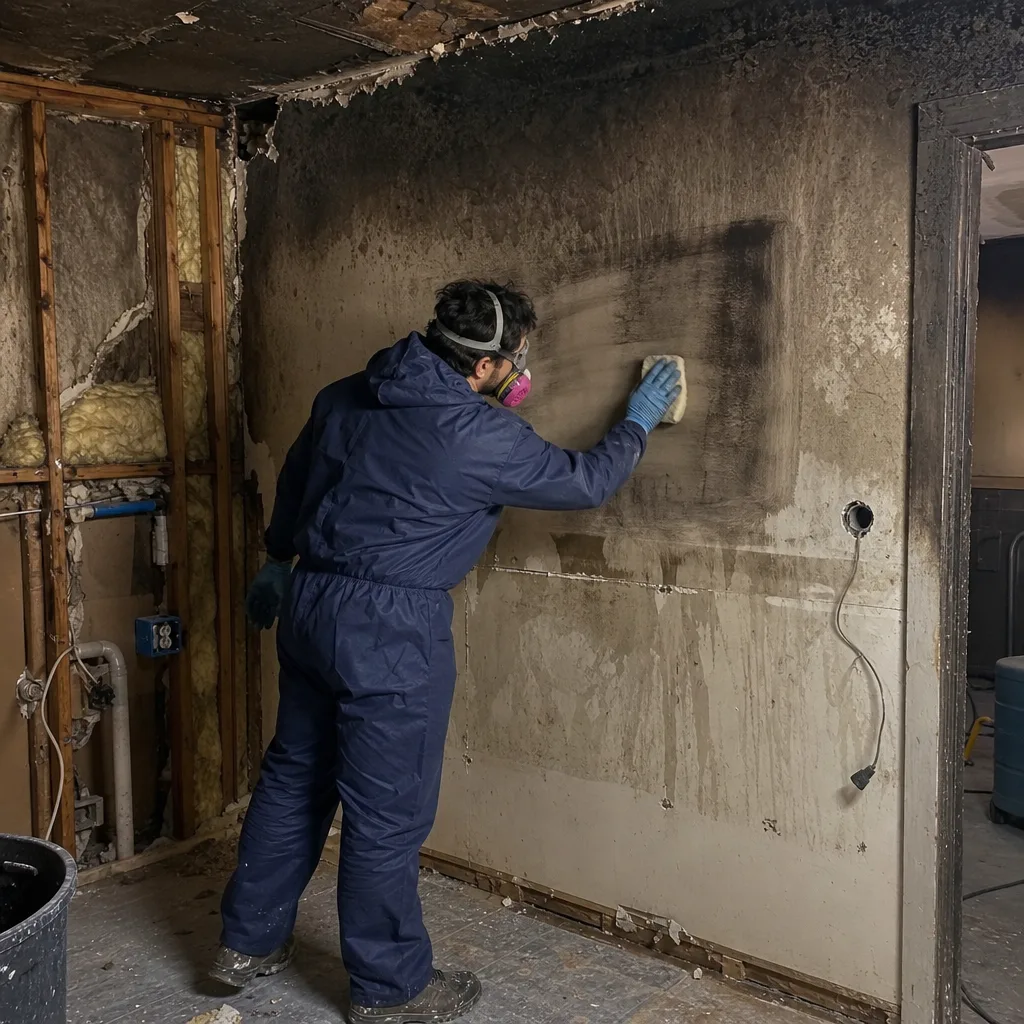
Air Quality Restoration
Post-remediation air quality testing verifies that spore counts have returned to background levels before we release containment. In Midtown Manhattan, where buildings share HVAC systems across multiple tenant floors, this step protects adjacent units from cross-contamination. We collect air and surface samples, send them to independent laboratories, and include the results in your project file. Air quality restoration as a standalone service runs $800-$1,800; when bundled with full remediation, it’s included in the project scope at reduced rates.
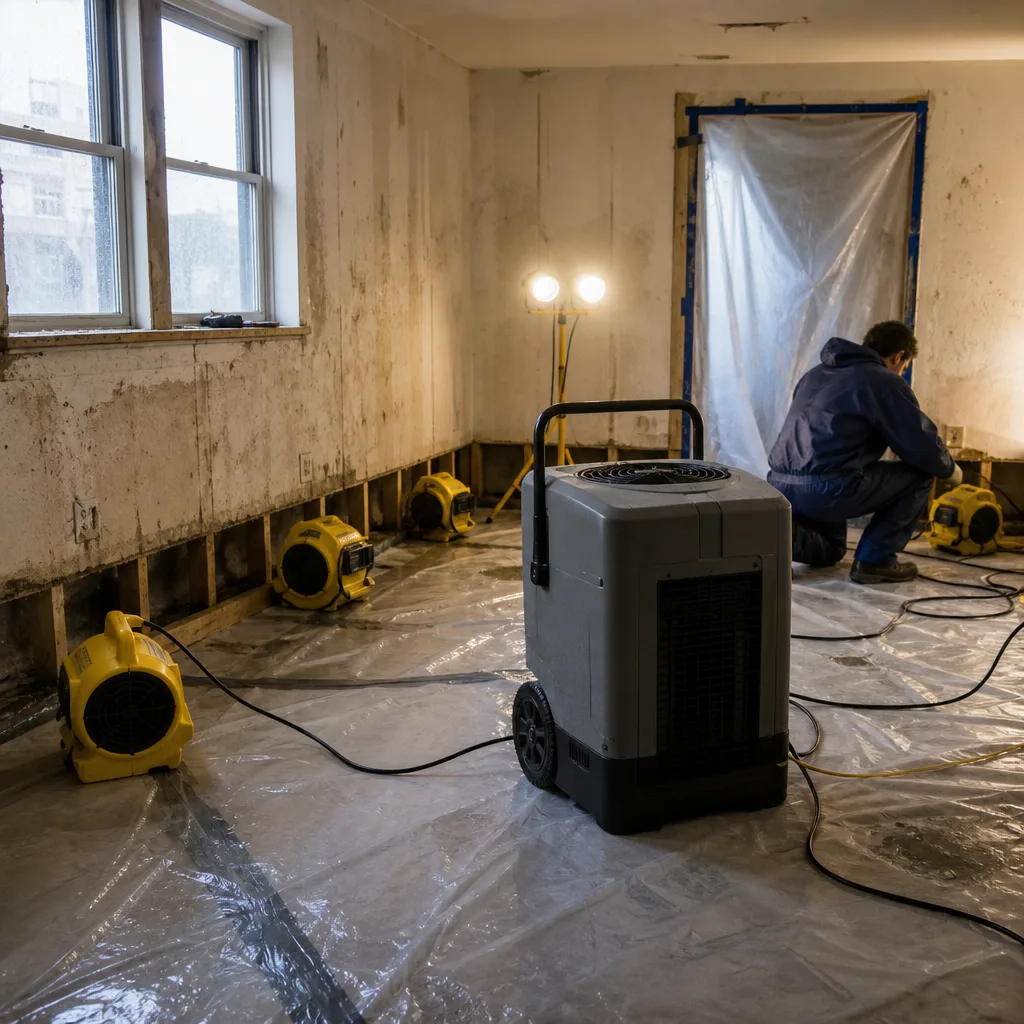
Moisture & Humidity Control
The extreme urban heat island in Midtown Manhattan compresses the safe remediation window after any water intrusion. Our moisture and humidity control services deploy professional-grade dehumidification from XPOWER and B-Air, with daily readings logged until materials reach equilibrium moisture content. In pre-war co-ops with steam heat, we address the chronic condensation at radiator supply valves that creates recurring mold conditions. Monthly humidity monitoring contracts for Midtown commercial clients run $350-$650 per floor.
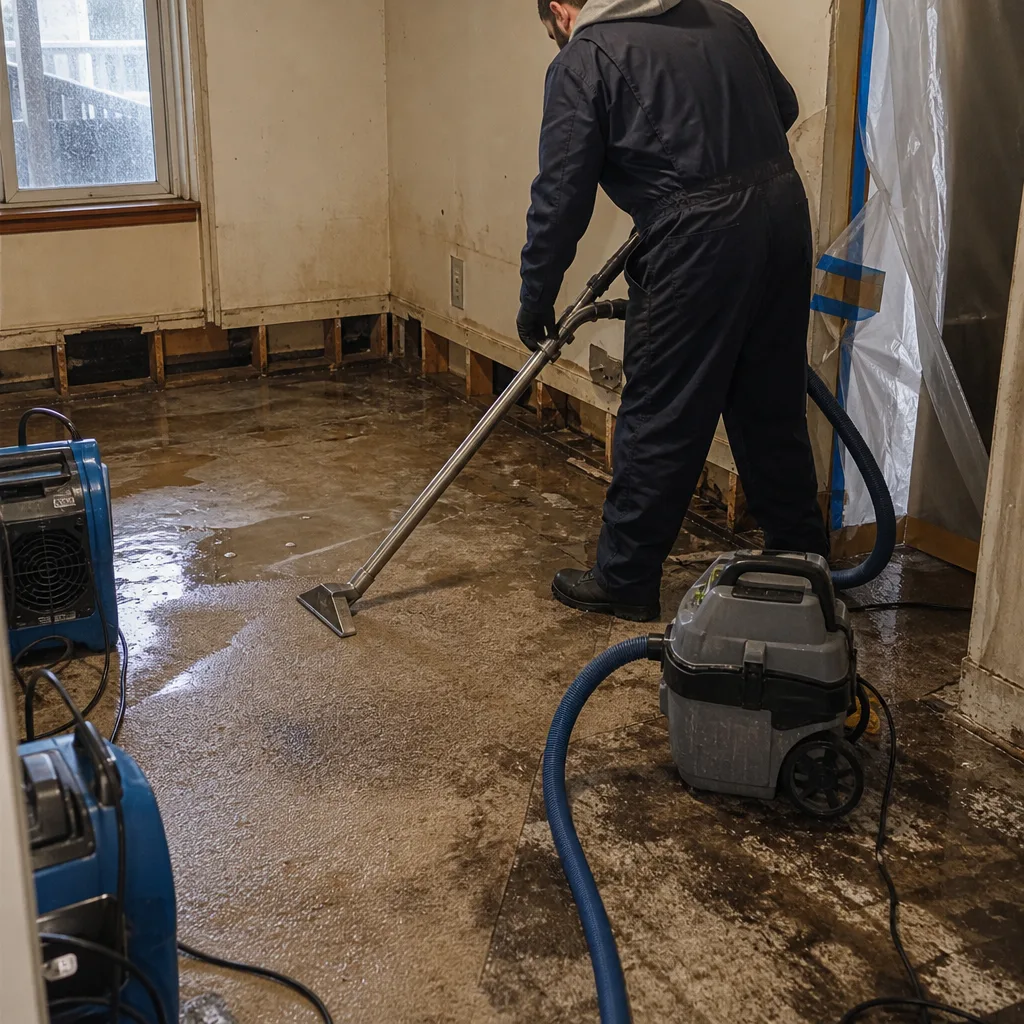
What happens when you call
- 1
A real person answersNo phone trees - you reach a local pro.
- 2
You get an upfront price rangeHonest numbers before anyone is dispatched.
- 3
A background-checked tech heads outLicensed & insured, dispatched right away.
- 4
You approve before work beginsNothing starts until you say go.
BeforeAfterTrusted Brands We Service in Midtown Manhattan
We stock HEPA filtration, negative air machines, and compact dehumidification units from Dri-Eaz, Phoenix, and XPOWER - brands sized specifically for the freight-elevator weight limits and doorway clearances common in Midtown’s older towers. Our Injectidry systems dry wall cavities without demolition, critical in landmark buildings where original plaster and terra-cotta cannot be replaced in kind. Parts and replacement filters are carried on every Midtown truck, so we’re not waiting on deliveries while mold continues to colonize.
Common Mold Remediation Problems We See in Midtown Manhattan Homes
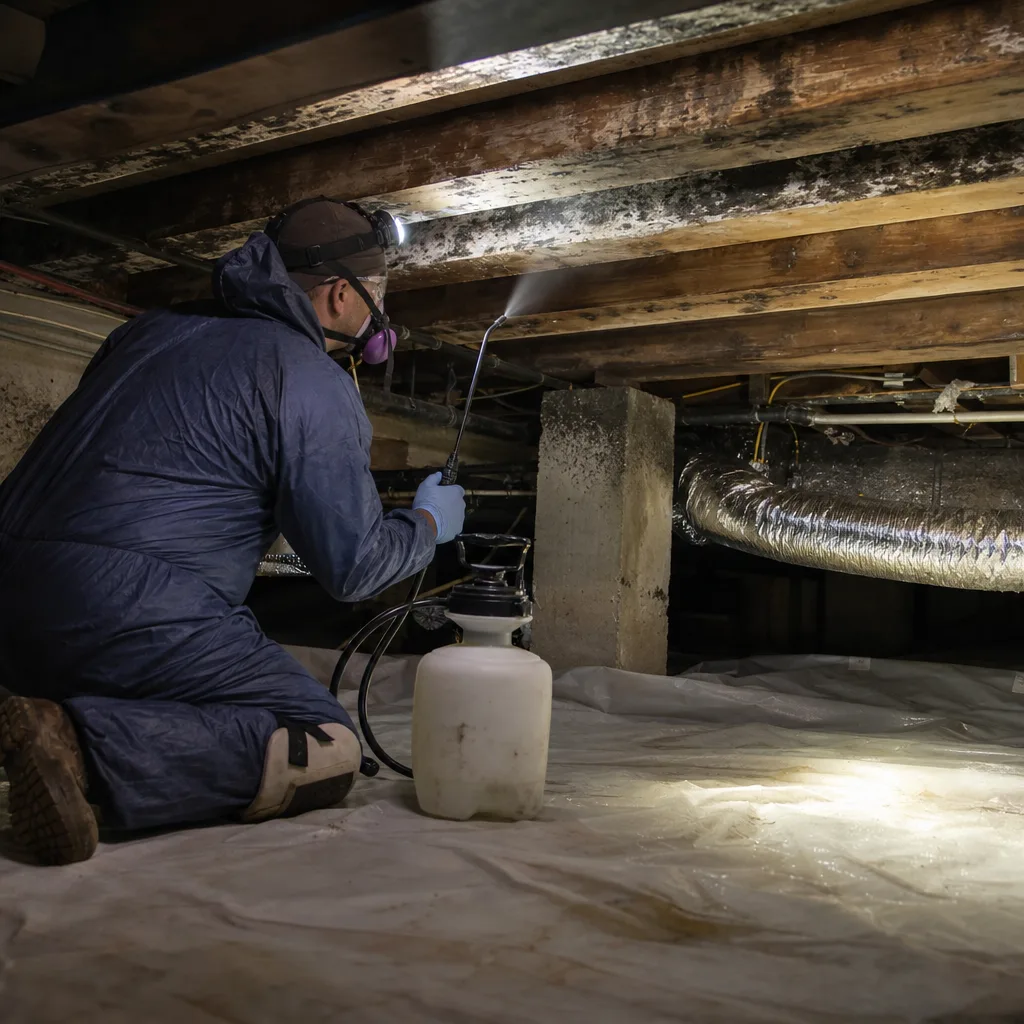
- Mechanical chase migration. Moisture travels three to four floors below the reported source through vertical chases in pre-war construction, meaning mold colonies establish in lower-floor wall cavities before any BMS alert triggers. Our scopes routinely begin by pulling ceiling tiles on floors the tenant didn’t know were wet.
- Curtain-wall gasket failure at elevation. Midtown’s street-canyon geometry channels wind horizontally into aging gaskets on the 20th-40th floors, driving rain into interior wall cavities where it remains undetected until mold appears on drywall. These leaks don’t present at the window frame; they travel the mullion cavity and emerge three rooms away.
- Steam-heat condensation in converted hotels. Pre-war co-ops and hotel-conversion condos throughout the West 40s and 50s suffer chronic moisture at radiator valves and pipe chases, creating perennial mold conditions behind baseboards and in closet walls that standard drying never reaches.
- Sub-basement mechanical room flooding. The switchgear and HVAC plants that serve entire towers sit below grade in spaces vulnerable to groundwater rise and storm surge, with mold colonizing on saturated concrete and paper-backed insulation that must be removed, not dried in place.
Pricing for Mold Remediation in Midtown Manhattan, NY
| Service | Typical Range in Midtown Manhattan |
|---|---|
| Residential mold inspection & testing | $450 - $850 |
| Commercial floor inspection (multi-unit) | $1,200 - $2,400 |
| Mold removal (per sq ft) | $18 - $32 |
| Residential remediation (minimum) | $2,800 - $4,500 |
| Full residential remediation | $4,500 - $7,500 |
| Commercial floor remediation | $8,500 - $22,000 |
| Black mold / toxigenic species | $4,500 - $12,000 |
| Post-remediation air quality testing | $800 - $1,800 |
| Monthly humidity monitoring (commercial) | $350 - $650 per floor |
What moves a project within these ranges: the square footage of visible and hidden contamination, the number of floors affected through chase migration, after-hours labor premiums for business-hour buildings, and whether original terra-cotta or plaster requires specialty removal. Haven Standard, Clause 1: your written price is delivered before work begins, with no scope-creep additions once our crew is inside. Call (914) 530-9723 for an exact quote on your specific situation - estimates are free, and we provide a Free Second Opinion on any competitor’s written estimate.
We Also Serve Cities Near Midtown Manhattan
Our crews regularly travel from Midtown Manhattan to adjacent neighborhoods and boroughs, including Long Island City, Murray Hill, Greenpoint, and Astoria. Each area carries its own building-stock profile and mold failure patterns, and we scope accordingly.
Serving Midtown Manhattan, NY - Our Local Coverage Area
We’re based in the Midtown Manhattan area and know this community well. Use the map below to see our service coverage - if you’re nearby, we can almost certainly help.
FAQs - Mold Remediation in Midtown Manhattan
Mold colonization begins 24-48 hours after water intrusion in Midtown’s climate, with the urban heat island accelerating growth rates compared to outer-borough locations. In a sprinkler discharge, Category 2 water soaks ceiling tiles, carpet pad, and drywall; by hour 36, visible growth is common on paper-faced gypsum in the plenum space. We recommend immediate water extraction and moisture mapping within 6 hours of activation, with containment established before the next business day. Call (914) 530-9723 for emergency dispatch - we coordinate with your building management for after-hours access.
Midtown’s pre-war and mid-century towers use vertical mechanical chases that carry water and moisture downward through slab penetrations before any building management system detects the loss. The actual mold colony is usually two to three floors below the reported source, in shaft walls and slab edges that were never included in the initial complaint. Our protocol requires moisture mapping on all floors beneath the visible damage before we finalize any scope of work. This chase-aware process is specific to Midtown’s high-rise density and does not apply to low-rise construction.
Category 2 water in pre-war Midtown construction almost always requires removal of saturated materials, not in-place drying. The terra-cotta facades, cast-iron-adjacent substrates, and horsehair plaster common to 1920s-1940s towers are porous and retain moisture at levels that guarantee mold return within 2-4 weeks. We document this determination with moisture readings and explain the removal requirement in your written scope before work begins. Attempting to dry in place to save demolition cost typically produces a costlier secondary remediation.
Expect freight-elevator reservations with 500-2,500 lb weight limits, loading dock time windows of 2-4 hours, and work-hour restrictions that limit demolition and air-mover operation to overnight (typically 8 PM-6 AM) or weekends. Financial and legal tenants on floors above and below often require 48-hour notice for any activity that produces noise or vibration. We handle this coordination as standard practice, building the after-hours premium into your written price upfront. Haven Standard, Clause 1 means no surprise charges when the superintendent adds a Sunday-only condition after we’ve started.
Street-canyon geometry channels nor’easter and tropical-storm winds horizontally into facade joints and curtain-wall gaskets at the 20th-40th floor range, creating water intrusion vectors that don’t exist in low-rise buildings. Wind-driven rain penetrates aging gaskets, travels mullion cavities, and emerges in interior wall spaces where it remains undetected for days or weeks. This delayed discovery means mold is often well-established before any interior sign appears, and the affected area is larger than the visible stain suggests. Early moisture mapping after any storm event is the only reliable prevention.
Ready for a written scope and price before any work starts? Call DryMark Restoration Long Island City at (914) 530-9723. We answer live, 24 hours a day, 7 days a week. Your estimate is free, and we review any competitor’s written quote at no charge under our Free Second Opinion policy.
Written by Alicia Brennan, Owner at Back to Dry Restoration, serving Midtown Manhattan since 2011 under The Haven Standard.